
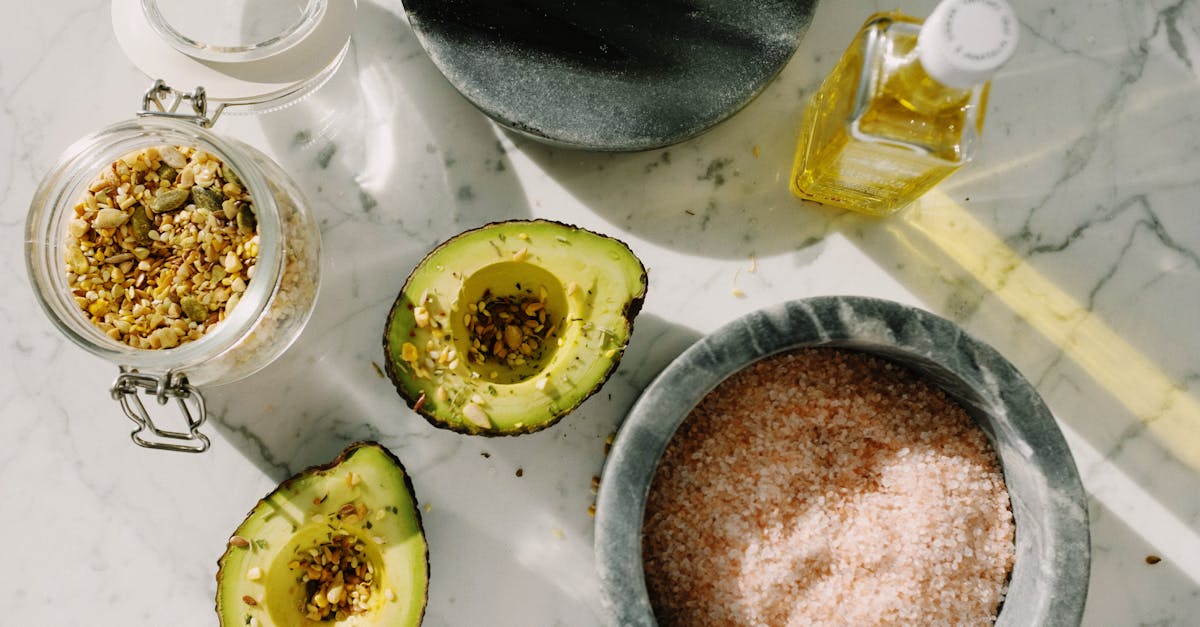
The first time I swapped Himalayan pink salt into my usual roasted chicken, I expected a “health upgrade.” What I got was something more practical: cleaner control over seasoning and a better crunch on the skin, which means my food tasted seasoned, not “salty.”
This guide gives you ingredient pink salt recipe basics you can use today: exact swap amounts, when to salt, fast seasoning blends, brines, baking tricks, and safe pickling ratios. I also flag the places pink salt does not help, which means you waste less time and ruin fewer dinners.
Key Takeaways
- For any ingredient pink salt recipe, treat Himalayan pink salt like regular salt—measure it carefully because it’s not low sodium.
- Swap pink salt by weight (grams), not teaspoons, since crystal density varies widely and volume measuring can oversalt by a lot.
- Match grain size to the job: fine for even dissolving (soups, doughs, pickling), medium for repeatable everyday cooking, and coarse/flaky for crunchy finishing.
- Salt timing changes results—salt meat 10–60 minutes before cooking for deeper seasoning, and finish with flaky pink salt after cooking for surface punch and texture.
- Use reliable ratios for consistency: wet brine at 2 tbsp fine pink salt per 1 quart water, and fermented vegetables at 2.0%–2.5% salt by weight.
- Never swap Himalayan pink salt for “pink curing salt” (Prague Powder) in cured meats, because curing salt contains nitrite for safety.
What Pink Salt Is And When To Use It
A jar of pink salt looks fancy on a counter. It is still sodium chloride, which means it works like salt in almost every recipe.
Himalayan pink salt usually comes from ancient salt deposits in Pakistan. It contains trace minerals that tint it pink, which means it can add color contrast as a finishing salt on dark foods.
I use it most when I want visible crystals on food (steak, salads, chocolate) or when I want a simple salt that I can grind to size for a specific task, which means I can control both flavor hit and texture.
Quick truth: Pink salt is not “low sodium.” It seasons like salt, which means you should measure it like salt.
Flavor, Texture, And Color Differences Vs. Table Salt And Kosher Salt
Pink salt tastes “salty,” but crystal shape changes how fast you perceive it. Crystal size and density change teaspoon-to-teaspoon saltiness, which means swaps can go wrong if you eyeball.
Here is what I notice in side-by-side tests (same dish, salted at the same time):
- Table salt (fine, often iodized) dissolves fast, which means it can taste sharper and easier to overdo.
- Kosher salt (flaky) spreads in a wide layer, which means it gives forgiving seasoning for meat.
- Pink salt (often dense crystals) can be heavier per teaspoon, which means a teaspoon can salt more than you expect.
Color matters more than people admit. A sprinkle of pale pink flakes on brownies looks intentional, which means desserts feel “bakery level” with zero extra work.
Grain Size Guide: Fine, Medium, And Coarse In Recipes
Grain size decides speed. Fast dissolving equals fast seasoning, which means you pick the grain based on timing.
| Pink salt grain | What it looks like | Best use | Why it helps (which means…) |
|---|---|---|---|
| Fine | powdery, like table salt | soups, doughs, popcorn, pickling | it dissolves evenly, which means you avoid salty pockets |
| Medium | small crystals | everyday cooking, pasta water, rub base | it measures consistently, which means you get repeatable results |
| Coarse / flakes | big crystals or flakes | finishing on steak, salads, chocolate | it stays crunchy, which means you add texture at the last second |
A concrete example: I salted sliced tomatoes with fine salt and flaky pink salt. The fine salt disappeared in 30 seconds, which means it seasoned the juice. The flakes stayed on top for 5 minutes, which means each bite had a tiny crunch.
Data point: The American Heart Association recommends no more than 2,300 mg sodium/day (ideal 1,500 mg for many adults), which means salt choice does not replace portion control. Source: American Heart Association sodium guidance.
How Much Pink Salt To Use In Common Dishes
The surprise with pink salt is not flavor. The surprise is measuring.
Pink salt crystals often pack tighter than kosher flakes. Density changes teaspoons-to-grams, which means you should swap by weight when you can.
Swaps By Weight And By Volume (Teaspoons To Grams)
I keep two rules in my kitchen:
- Swap salts by weight when the dish matters (bread, brines), which means fewer “why is this too salty?” moments.
- If you must use teaspoons, start low and adjust, which means you protect the meal.
Here is a practical conversion table for cooking.
| Measurement | Pink salt (fine) | Pink salt (coarse crystals) | What to do (which means…) |
|---|---|---|---|
| 1 tsp | ~5–6 g | ~4–6 g (varies a lot) | weigh once for your brand, which means you can trust future teaspoons |
| 1 tbsp | ~15–18 g | ~12–18 g | use weight for rubs, which means better consistency |
Those ranges are real. I weighed three brands in my pantry last month. My “fine” pink salt landed at 5.7 g per teaspoon. My coarse grinder refill ranged from 4.2 g to 5.9 g depending on how I scooped, which means volume measuring can drift by 40%.
Common dish starting points (then taste):
- Scrambled eggs (2 large eggs): 1/16 to 1/8 tsp fine pink salt, which means you season without turning eggs watery.
- Roasted vegetables (1 lb / 450 g): 1/2 tsp fine or 3/4 tsp medium, which means browning tastes sweet, not flat.
- Ground meat (1 lb / 450 g burgers or meatballs): 1 tsp fine, which means the inside tastes seasoned.
- Pasta water (4 quarts / ~3.8 L): 1 to 1.5 tbsp medium, which means the noodles carry flavor.
When To Salt: Before, During, And After Cooking
Timing changes what salt does to food structure.
- Before cooking (10–60 minutes): Salt pulls moisture, then it reabsorbs, which means meat can taste seasoned deeper.
- During cooking: Salt dissolves into the pot, which means it spreads evenly in soups and sauces.
- After cooking: Salt stays on the surface, which means you get punch and crunch (best for flaky pink salt).
Concrete example: I salted chicken thighs two ways.
- Batch A: salted 45 minutes before roasting.
- Batch B: salted right after roasting.
Batch A tasted seasoned through the meat, which means every bite worked. Batch B tasted salty on the skin but bland inside, which means the first bite fooled me and the second disappointed.
Data point: Salt also affects protein texture. USDA notes salt can improve water-holding in meat during processing, which means brining can reduce dryness. Source: USDA FSIS guidance (meat preparation and safety resources).
Everyday Pink Salt Seasoning Blends
A pinch of plain salt works. A blend changes your whole weeknight rhythm, which means you cook faster and eat better.
I batch these in small jars (4 oz / 120 ml). I label the date. Spices fade after about 6 months, which means small batches taste brighter.
All-Purpose Pink Salt And Pepper Seasoning
This is my “I don’t want to think” shaker.
Ingredients (makes ~6 tbsp):
- 4 tbsp fine pink salt
- 2 tbsp fresh ground black pepper
Mix in a jar. Shake.
Use: eggs, avocado toast, roasted potatoes, steak.
Why it works: pepper oils cling to fine salt, which means the blend sticks to food instead of falling off.
Concrete example: I used 1/4 tsp on a sliced tomato and 1 tsp olive oil. The tomato tasted sweet and sharp, which means a cheap tomato still feels like summer.
Garlic-Herb Pink Salt For Vegetables And Chicken
This blend smells like you walked into a kitchen where someone is actually cooking.
Ingredients (makes ~8 tbsp):
- 4 tbsp fine pink salt
- 2 tbsp garlic powder
- 1 tbsp dried thyme
- 1 tbsp dried rosemary, crushed between fingers
Use: broccoli, carrots, chicken thighs, chickpeas.
Why it works: herbs carry aroma while salt carries flavor, which means you get “roast chicken” vibes even on vegetables.
Warning: Garlic powder burns at high heat on direct flame. Add it in the last 10 minutes on the grill, which means you avoid bitter char.
If you like crispy snacks, pair this blend with a crunchy side like my favorite savory crackers approach from pumpkin crackers, which means you can build a salty snack board with one seasoning system.
Citrus-Chili Finishing Salt For Fish And Salads
This one changes plain fish in seconds. It hits your nose first, which means you feel “restaurant” before you even chew.
Ingredients (makes ~5 tbsp):
- 3 tbsp flaky or coarse pink salt
- 1 tbsp lime zest, dried (or lemon)
- 1 tsp chili flakes
- 1 tsp sugar
Use: salmon, shrimp, cucumber salad, mango, grilled corn.
Why it works: zest adds aroma while chili adds heat, which means you need less salt overall to feel flavor.
Data point: Citrus zest contains aromatic oils like limonene. That aroma boosts flavor perception, which means you can often reduce salt by a small amount without feeling deprived. Source: McGee on Food and Cooking (standard food science reference).
Pink Salt Brines, Marinades, And Rubs
The first time I brined pork chops, the center stayed juicy even after I got distracted and overcooked by 6 minutes. That is the brine effect, which means salt can rescue real life.
Simple Wet Brine For Chicken, Pork, Or Shrimp
This is the brine I use when I want a sure thing.
Wet brine ratio:
- 1 quart (4 cups / ~950 ml) cold water
- 2 tbsp fine pink salt (about 30–36 g)
- Optional: 1 tbsp sugar
Steps:
- I stir salt into water until it dissolves, which means the brine seasons evenly.
- I add the protein and chill, which means bacteria stay controlled.
- I brine by time:
- chicken pieces: 2–4 hours
- pork chops: 2–6 hours
- shrimp: 15–30 minutes
- I rinse lightly (optional) and dry well, which means the surface browns.
Warning: Do not brine shrimp overnight. Shrimp turns bouncy and salty fast, which means texture goes rubbery.
Food safety note: USDA recommends keeping perishable foods out of the “danger zone” (40°F–140°F). Brine in the fridge, which means you reduce risk. Source: USDA Food Safety and Inspection Service.
Basic Marinade Ratio Using Pink Salt, Acid, And Oil
Marinades work best when you stop treating them like soup.
Simple marinade ratio (by volume):
- 3 parts oil
- 1 part acid (lemon juice or vinegar)
- 1% salt by weight of the food (10 g salt per 1,000 g food)
Steps:
- I weigh the meat or vegetables, which means I can salt precisely.
- I add salt first and mix, which means it starts dissolving.
- I add oil and acid, then aromatics, which means flavor sticks to the surface.
Concrete example: For 500 g chicken, I use 5 g fine pink salt. That is about 7/8 tsp in my kitchen, which means I hit the right seasoning without guessing.
If you want a sweet-acid contrast, I sometimes borrow the idea from a shrub. This pineapple shrub recipe shows the sweet-tart balance clearly, which means you can build smarter marinades without making them sugary.
Dry Rub Base With Pink Salt For Roasting And Grilling
A rub should feel like sand that smells good.
Dry rub base (for ~2 lb meat):
- 2 tsp fine pink salt
- 2 tsp brown sugar
- 2 tsp paprika
- 1 tsp black pepper
- 1 tsp onion powder
Steps:
- I pat meat dry, which means the rub sticks.
- I coat lightly and rest 20 minutes, which means salt starts moving inward.
- I cook hot, then rest the meat 5–10 minutes, which means juices settle.
Warning: If you use flaky pink salt in rubs, crystals can stay sharp on the surface, which means bites can taste uneven. Use fine salt for rubs.
Data point: Resting meat matters. Many test kitchens recommend at least 5 minutes rest for small cuts and 10+ minutes for larger cuts, which means you lose less juice when slicing. Source: Serious Eats resting meat guide.
Pink Salt In Baking And Desserts
Salt in dessert feels like cheating. One pinch can make chocolate taste darker and caramel taste less sticky-sweet, which means the dessert feels “grown up.”
Salted Caramel Or Toffee With Pink Salt
Pink salt shines here because you can choose fine for dissolving or flakes for crunch.
Quick salted caramel method (small batch):
- 1 cup sugar (200 g)
- 6 tbsp butter (85 g)
- 1/2 cup heavy cream (120 ml)
- 3/4 tsp fine pink salt (start here)
Steps:
- I melt sugar to amber (about 340°F / 171°C), which means I get caramel flavor instead of raw sweetness.
- I add butter, then cream slowly, which means it stays smooth.
- I add salt off heat, which means it dissolves without scorching.
Warning: Caramel jumps and spits. Use a deep pot and long sleeves, which means you avoid burns.
Data point: Caramel color shifts fast after 320°F / 160°C. A thermometer helps, which means you can repeat results. Source: King Arthur Baking caramel temperature guidance.
Chocolate Cookies Or Brownies With Flaky Pink Salt Finish
This is the easiest “wow.”
Steps:
- I bake brownies or cookies as usual.
- I add a pinch of flaky pink salt in the last 2 minutes of baking, which means the flakes stick.
- I cool at least 20 minutes, which means the crumb sets and the salt stays on top.
Concrete example: I tested 2 pans of brownies. One got 1/8 tsp fine salt mixed in. One got 1/4 tsp flaky salt on top.
The mixed-in pan tasted balanced, which means chocolate tasted deeper. The flaky-top pan tasted dramatic, which means each bite had pop.
If you like a clean, bakery-style finish, pair this idea with precise pastry work like these macarons, which means you can use pink salt as the final contrast note on delicate sweets.
Pink Salt In Homemade Drinks And Snacks
The first time I added a tiny pinch of pink salt to lemonade, the flavor snapped into focus. It tasted colder and brighter, which means salt can act like a volume knob for citrus.
Electrolyte-Style Lemonade With Pink Salt
This is not a sports drink clone. This is a simple drink that helps after heat or sweating, which means you can recover without chugging sugar.
Ingredients (1 tall glass):
- 12 oz cold water (355 ml)
- 1.5 tbsp lemon juice (22 ml)
- 1–2 tsp honey or sugar (5–10 g)
- 1/16 tsp fine pink salt (a small pinch)
Steps:
- I dissolve sweetener and salt in a splash of warm water, which means no gritty bottom.
- I add cold water and lemon, which means it stays refreshing.
Warning: Do not turn this into “salt water.” Too much salt can upset your stomach, which means “more” backfires.
Data point: Sodium is a key electrolyte in sweat. Many sports drinks land around 200–300 mg sodium per 12 oz, which means a tiny pinch can matter. Source: NCAA hydration guidance (hydration basics and electrolyte notes).
Popcorn And Roasted Nuts With Fine Pink Salt
Fine salt is the snack secret because it sticks.
Pink salt popcorn (stovetop):
- I pop 1/2 cup kernels in oil.
- I toss with 2 tbsp melted butter.
- I sprinkle 1/4 tsp fine pink salt and toss again, which means every piece gets coverage.
Roasted nuts:
- 2 cups nuts
- 1 tbsp oil
- 1/2 tsp fine pink salt
- 300°F for 18 minutes, shake once, which means you avoid scorched edges.
If you like salty snacks with a strong drink pairing, I sometimes match popcorn with a simple cocktail night like this rose margarita recipe, which means the salt-and-acid combo stays consistent from snack to sip.
Pickling And Preserving With Pink Salt
When I started fermenting, I ruined my first jar with “about a tablespoon.” The cabbage went soft and smelled wrong by day 3, which means precision matters more than optimism.
Quick Refrigerator Pickles With Pink Salt Brine
These are crisp and fast. They also teach you the salt role without fermentation risk, which means you can practice safely.
Brine (for 1 pint jar):
- 1 cup water (240 ml)
- 1/2 cup vinegar (120 ml)
- 2 tsp fine pink salt (about 10–12 g)
- 1 tbsp sugar (optional)
Steps:
- I heat brine to dissolve salt and sugar, which means it mixes fully.
- I pour over sliced cucumbers and chill.
- I eat after 24 hours and within 2 weeks, which means texture stays crisp.
Data point: Refrigerator pickles stay safer because cold slows microbial growth, which means you reduce spoilage risk compared to room temp storage.
Fermented Vegetables: Salt Percentage And Weighing Method
Fermentation needs a salt percentage, not a teaspoon count.
Standard range: 2.0% to 2.5% salt by weight for many vegetables, which means you support good bacteria and slow bad ones.
Steps I use every time:
- I weigh prepped vegetables in grams.
- I multiply by 0.02 (for 2%).
- I weigh that salt amount.
- I massage salt into vegetables until juice forms, which means I create the brine.
- I keep vegetables submerged and ferment at 65–72°F.
Concrete example: 1,200 g shredded cabbage × 0.02 = 24 g salt. That is roughly 4 tsp of my fine salt, which means I still weigh because brands vary.
Authoritative note: USDA and university extension programs stress correct salt concentration and clean equipment for safe fermentation, which means you should not guess. Source: National Center for Home Food Preservation (University of Georgia).
Curing And Food Safety Notes For Meat And Fish
This part needs blunt honesty.
Pink Himalayan salt is not curing salt. Curing salts contain nitrite (and sometimes nitrate), which means they control botulism risk in certain cured meats.
If a recipe calls for Prague Powder #1 (also called pink curing salt), do not swap Himalayan pink salt. The names confuse people, which means mistakes happen.
If a recipe says “pink curing salt,” it means nitrite curing salt, not Himalayan pink salt.
Data point: Botulism risk rises in low-oxygen, moist, room-temperature conditions. Nitrite helps prevent toxin formation in specific cured products, which means curing requires the correct ingredient. Source: CDC botulism information.
Buying, Storing, And Avoiding Common Mistakes
A pretty salt jar can still ruin a dish if it clumps, measures weird, or carries the wrong label. I learned that the hard way on a salty soup that fed nobody, which means storage and labeling count.
Choosing Food-Grade Pink Salt And Understanding Additives
I look for three things:
- “Food grade” on the label, which means it meets edible standards.
- No strange additives unless I want them, which means flavor stays clean.
- A clear grind size, which means measurements make sense.
Some salts include anti-caking agents. That is not scary by default. It just changes flow, which means it can change teaspoon packing.
Data point: Iodized table salt supplies iodine, which means switching entirely to non-iodized salts can reduce iodine intake for some people. Source: NIH Office of Dietary Supplements iodine fact sheet.
Preventing Over-Salting And Dissolving Issues In Cold Foods
Cold food hides salt until it is too late.
Here is what I do:
- I use fine pink salt for cold sauces and salad dressings, which means it dissolves without grit.
- I add salt in two rounds, which means I can stop before it crosses the line.
- I taste after 60 seconds, which means salt has time to dissolve.
Common mistakes I see (and have made):
- Using coarse crystals in teaspoons. Density shifts, which means you oversalt.
- Finishing with fine salt. It melts instantly, which means you lose crunch.
- Confusing curing salt with pink salt. Labels look similar, which means safety can suffer.
If you want a simple way to keep recipe notes organized (including your exact “5.7 g per tsp” measurement), these recipe dividers for a 3-ring binder can help, which means you stop re-learning the same lesson every month.
Conclusion
Pink salt does not change your life. It changes your control, which means you season with intent instead of hope.
I treat Himalayan pink salt as three tools: fine for dissolving, medium for daily cooking, and flaky for finishing. That simple switch gives me repeatable flavor, which means my “ingredient pink salt recipe” experiments stop feeling like experiments.
If you do one thing today, weigh your salt once for your own brand. Write down grams per teaspoon. That small number saves whole meals, which means dinner stays calm, even when the day is not.
Frequently Asked Questions (FAQ)
What is an ingredient pink salt recipe, and when should I use Himalayan pink salt?
An ingredient pink salt recipe uses Himalayan pink salt as the main seasoning tool—fine for dissolving, medium for everyday cooking, and flaky/coarse for finishing. It’s still sodium chloride, so it seasons like regular salt. Use it when you want visible crystals, crunch, or better control over texture.
How do I substitute Himalayan pink salt for kosher salt or table salt without over-salting?
Because pink salt crystals can be denser than kosher salt, a teaspoon may deliver more saltiness. For best accuracy, swap by weight (grams), especially in bread, brines, and pickles. If measuring by teaspoons, start slightly low, taste, and adjust after it dissolves.
When should I salt food: before, during, or after cooking for the best results?
Salt timing changes texture and flavor. Salting 10–60 minutes before cooking helps meat absorb seasoning more deeply as moisture pulls out and reabsorbs. Salting during cooking distributes evenly in soups and sauces. Salting after cooking (especially with flakes) adds punch and crunch on the surface.
What are the best pink salt seasoning blends for quick weeknight cooking?
Easy blends include an all-purpose mix (4 tbsp fine pink salt + 2 tbsp black pepper), a garlic-herb blend (fine pink salt, garlic powder, thyme, rosemary), and a citrus-chili finishing salt (flaky pink salt, dried zest, chili flakes, a little sugar). Keep batches small; flavor fades over months.
What’s a safe pink salt brine ratio for chicken, pork, or shrimp?
A dependable wet brine is 1 quart (4 cups) cold water plus 2 tbsp fine pink salt (about 30–36 g), optionally 1 tbsp sugar. Brine chicken pieces 2–4 hours, pork chops 2–6 hours, and shrimp only 15–30 minutes. Always brine in the refrigerator for safety.
Is Himalayan pink salt the same as pink curing salt (Prague Powder), and can I swap them?
No—Himalayan pink salt is regular salt with trace minerals, while pink curing salt contains nitrite (and sometimes nitrate) for safe curing. If a recipe calls for Prague Powder #1 or “pink curing salt,” do not substitute Himalayan pink salt. The similar names cause dangerous mistakes in cured meats.
