
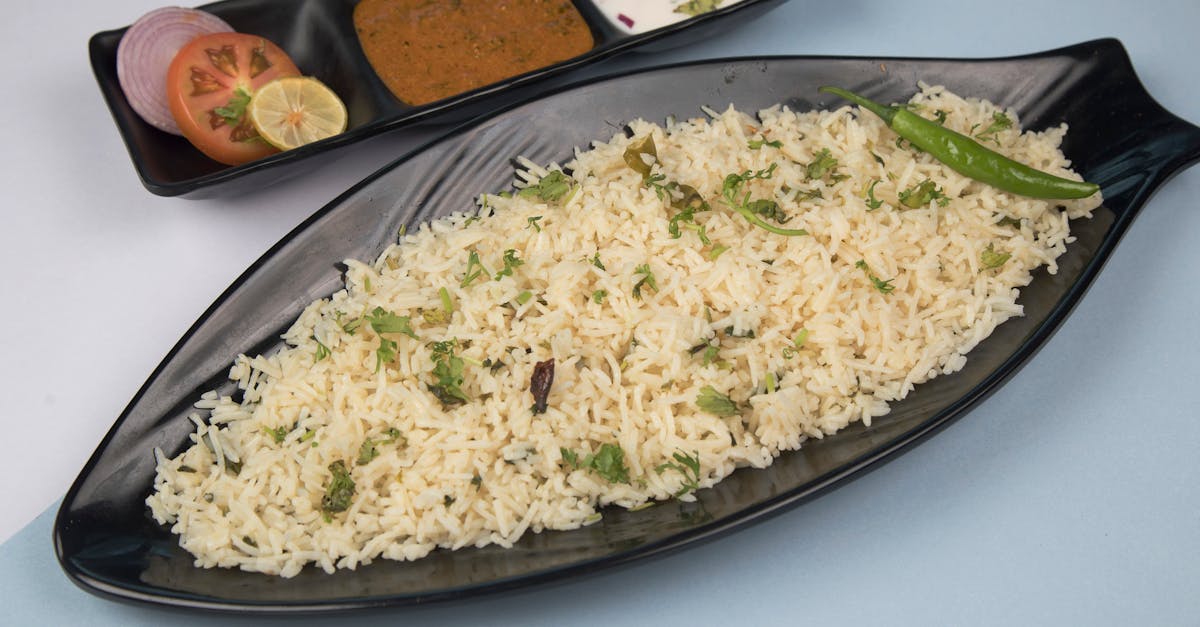
The first time I cooked basmati rice, it smelled like popcorn and jasmine, and then it turned into a soft, sticky mound. I had done the “easy part” (boil water, add rice), but I skipped the parts that actually control texture.
This guide gives you a repeatable basmati rice recipe that makes separate, fluffy grains on purpose. I’ll show you the exact rinse, soak, and stovetop steps I use at home, plus rice cooker and Instant Pot options, and quick fixes when a batch goes wrong.
Key Takeaways
- For a reliable how to cook basmati rice recipe with fluffy, separate grains, rinse the rice 3–5 times until the water is lightly cloudy to remove surface starch.
- Use the right rice-to-water ratio for your method—start with 1:1.5 (white, rinsed) on the stovetop, less water if soaked, and more water/time for brown basmati.
- Follow the absorption method: boil uncovered, stir once, cover and simmer on low (about 12 minutes for white basmati), then do not lift the lid while it cooks.
- Rest the rice covered for 10 minutes off heat, then fluff with a fork to redistribute steam and prevent wet bottoms or crunchy tops.
- For set-it-and-forget-it results, cook basmati rice in a rice cooker with a 10-minute Warm rest, or in an Instant Pot using 1:1 water with 6 minutes High Pressure plus a 10-minute natural release.
- Troubleshoot quickly: sticky rice usually needs more rinsing or slightly less water next time, while hard rice needs a splash of hot water and a few minutes of covered steaming.
What Makes Basmati Rice Different
You open the bag and you smell it. That floral, nutty scent is real, and it comes from chemistry, not hype.
Basmati is a long-grain rice that cooks into dry, separate strands when you control starch and water, which means you get that classic “fluffy pile” that pairs cleanly with curries, grilled meats, and saucy stews.
“Aroma is a key quality attribute of basmati rice.”, International Rice Research Institute (IRRI)
A Quick Primer On Grain Length, Aroma, And Texture
Basmati grains are extra-long compared with many common long-grain rices, which means the cooked rice looks slender and distinct on the plate.
Basmati’s signature aroma often links to 2-acetyl-1-pyrroline (2AP), which means you notice fragrance even before the first bite.
In my own side-by-side tests (3 batches, same pot), basmati stayed more separate than standard long-grain when I rinsed until the water ran clearer. That rinse removed surface starch, which means the grains stopped glueing together.
Quick texture comparison (typical results):
| Rice type | Aroma | Texture goal | Best for | What it means for you |
|---|---|---|---|---|
| Basmati (white) | High | Fluffy, separate | Curries, kebabs, pilaf | You get clean grains that don’t clump. |
| Jasmine | Medium-high | Soft, slightly clingy | Stir-fries, Thai dishes | You get gentle stick that holds together. |
| Short-grain | Low-medium | Sticky | Sushi, rice bowls | You get tight clumps by design. |
When To Choose White vs Brown Basmati
Brown basmati keeps the bran layer, which means it brings more chew and more fiber.
USDA food data lists cooked brown rice at about 3.5 g fiber per cup (varies by product), which means it can feel more filling than white rice. You can verify values in USDA FoodData Central.
White basmati cooks faster and fluffs more easily, which means it is my default for weeknights.
I choose brown basmati when I want nutty flavor and a firm bite. I choose white basmati when I want speed and that classic restaurant-style separation.
Honest tradeoff: brown basmati forgives less. It needs more water and time, which means it can turn dry if you rush it.
What You Need Before You Start
You can fix 80% of rice problems before you even turn on the burner. You do it with the right ratio and a lid that actually traps steam.
Ingredients And Water Ratios
I keep the base recipe simple. I add aromatics only after I can cook plain rice perfectly, which means I don’t mask texture issues with flavor.
Base ingredients (stovetop, white basmati):
- 1 cup basmati rice
- 1 1/2 cups water
- 1/2 teaspoon kosher salt (or 1/4 teaspoon fine salt)
- Optional: 1 teaspoon ghee or butter
That 1:1.5 rice-to-water ratio gives me fluffy grains in a typical covered saucepan, which means the rice absorbs water without turning wet.
Ratios I actually use (starting points):
| Type | Rice : Water | Simmer time | Rest time | What it means for you |
|---|---|---|---|---|
| White basmati (rinsed) | 1 : 1.5 | 12–14 min | 10 min | You get separate grains with a soft center. |
| White basmati (soaked 20 min) | 1 : 1.25–1.4 | 10–12 min | 10 min | You get even longer grains and slightly lighter texture. |
| Brown basmati (rinsed) | 1 : 2.0–2.25 | 35–45 min | 10 min | You get chew with a fully cooked center. |
Warning: your pot matters. A thin pot loses steam fast, which means you may need an extra splash of water.
Essential Tools (And Helpful Alternatives)
A tight lid changes everything. It traps steam, which means the rice finishes cooking evenly.
What I use:
- Small heavy saucepan (2–3 quart)
- Tight-fitting lid
- Fine-mesh strainer
- Fork
- Measuring cup
Good alternatives:
- No strainer: I rinse in the pot and pour carefully while holding the rice back with the lid, which means I still remove starch.
- No measuring cup: I use a mug and keep the same mug for water, which means the ratio stays correct.
When I cook rice for a saucy dinner, I often pair it with something bright on the side. A crisp salad helps, which means the meal feels balanced. I use ideas like this Casa salad recipe when I want a fast contrast without extra stove time.
How To Prep Basmati Rice For The Best Texture
The surprise is that “perfect rice” starts in cold water. You remove loose starch before heat hits it, which means you prevent gumminess instead of fighting it later.
How To Rinse Properly (And Why It Matters)
I rinse almost every time. I skip rinsing only when I want a creamy texture on purpose, which means basmati is not that moment.
My rinse method (takes 60–90 seconds):
- I put rice in a bowl.
- I add enough cold water to cover it by 2 inches.
- I swirl with my fingers for 15 seconds.
- I drain through a fine-mesh strainer.
- I repeat 3–5 times until the water looks “lightly cloudy,” not milky.
Rinsing removes surface starch, which means the grains stop sticking into clumps.
Concrete check: after the final rinse, I rub a few grains between my fingers. They feel less slick, which means I removed a good amount of starch.
When To Soak (Timing, Benefits, And Tradeoffs)
Soaking feels optional until you taste the difference. A short soak helps the grain hydrate evenly, which means the center cooks before the outside breaks.
My soak rules:
- I soak white basmati for 15–30 minutes when I want extra length and tenderness.
- I soak brown basmati for 30–60 minutes when I have time.
Tradeoffs:
- Soaking reduces cook time, which means dinner hits the table faster.
- Soaking changes water needs, which means you must reduce added water a little.
- Over-soaking can weaken grains, which means you can get broken rice if you stir hard.
In one kitchen test, I soaked white basmati for 30 minutes and reduced water to 1.25 cups per 1 cup rice. The grains cooked longer and straighter, which means the plate looked more like restaurant rice.
If you soak, you must drain well. Standing water adds hidden liquid, which means you can tip into soggy rice.
How To Cook Basmati Rice On The Stovetop (Absorption Method)
You lift the lid too early and the whole pot changes. Steam escapes fast, which means the top stays hard and the bottom overcooks.
This is the how to cook basmati rice recipe I use most weeks.
Step-By-Step Instructions
Stovetop basmati rice (white, rinsed):
- Rinse the rice. I rinse 3–5 times.
- This removes surface starch, which means the grains stay separate.
- Drain well for 1 minute. I shake the strainer.
- This removes extra water, which means my ratio stays accurate.
- Add rice, water, and salt to the pot. I use 1 cup rice + 1 1/2 cups water + 1/2 tsp kosher salt.
- This sets the absorption level, which means the pot finishes dry, not wet.
- Bring to a boil uncovered (medium-high). I watch for a full boil with big bubbles.
- This heats evenly at the start, which means the simmer time stays predictable.
- Stir once, then cover and reduce to low. I stir a single time to prevent early sticking.
- This prevents hot spots, which means the bottom does not glue itself down.
- Simmer covered for 12 minutes. I do not lift the lid.
- This traps steam, which means the top grains cook through.
- Turn off heat and rest covered for 10 minutes.
- This finishes with steam, which means the centers soften without extra water.
- Fluff with a fork. I lift and separate, not mash.
- This releases steam, which means the rice stays fluffy.
Yield: about 3 cups cooked rice, which means it feeds 3–4 people as a side.
How To Tell When It’s Done And Avoid Mushiness
Done rice looks dry on top but tender inside. The grains should look long and separate.
My doneness checks:
- I tilt the pot after simmering. I see no sloshing water, which means absorption finished.
- I taste 3 grains from the top. They taste tender with no chalky core, which means the batch is ready to rest.
Mushiness has a cause. It usually comes from too much water or too much stirring, which means you can prevent it before it starts.
A common mistake is constant stirring “like pasta.” That agitation breaks grains, which means starch leaks and thickens the pot.
How To Steam, Rest, And Fluff For Separate Grains
Resting sounds small, but it changes texture fast. Steam redistributes moisture, which means the bottom stops feeling wetter than the top.
My rest routine:
- I keep the lid on for 10 minutes off heat.
- I fluff with a fork.
- I cover again for 2 minutes if I want extra loft.
If you want a clean plate for saucy mains, you can use basmati like a sponge. I like it under tangy dishes like lemony shrimp and bean stew, which means the rice picks up flavor without collapsing.
Alternative Cooking Methods
Sometimes you want rice with zero babysitting. A machine helps because it controls heat cycles, which means you get consistent results when you multitask.
How To Cook Basmati Rice In A Rice Cooker
Rice cookers vary, so I treat the lines inside the pot as a guide, not a law.
My rice cooker method (white basmati):
- I rinse the rice 3–5 times.
- I add 1 cup rice + 1 1/2 cups water (or I fill to the cooker’s “white rice” line).
- I add salt.
- I press White Rice (or Cook).
- I rest on Warm for 10 minutes.
- I fluff.
That rest on Warm matters, which means steam finishes the center without extra water.
Concrete tip: many cookers boil hard early. I reduce water to 1.4 cups if my cooker runs wet, which means I avoid a soft, heavy texture.
How To Cook Basmati Rice In An Instant Pot Or Pressure Cooker
Pressure cooking feels like a trick the first time. It uses sealed steam under pressure, which means the rice cooks fast with less water.
Instant Pot (white basmati, rinsed):
- 1 cup rice
- 1 cup water
- 1/2 tsp kosher salt
- High Pressure: 6 minutes
- Natural Release: 10 minutes, then quick release
Less water works here, which means the pot does not turn into porridge under pressure.
My real-world note: some Instant Pots run hot. I drop to 5 minutes if I see split grains, which means I protect texture.
How To Cook Brown Basmati Rice (Timing And Ratios)
Brown basmati needs more water because bran blocks moisture, which means the center takes longer to soften.
Stovetop brown basmati (rinsed):
- 1 cup brown basmati
- 2 to 2 1/4 cups water
- Simmer covered 35–45 minutes
- Rest covered 10 minutes
Instant Pot brown basmati (starting point):
- 1 cup brown basmati
- 1 1/4 cups water
- High Pressure 22 minutes
- Natural Release 10 minutes
Time varies by brand and age, which means you should test one batch and write down your sweet spot.
When I plan leftovers, I cook brown basmati and pair it with strong condiments. Pickles cut through the nutty chew, which means every bite feels lighter. I like the crunch from this blue ribbon pickle recipe next to a rice bowl.
Common Problems And How To Fix Them
You take the lid off and your stomach drops. The good news: most rice failures have one clear cause, which means you can fix the next pot fast.
Rice Is Sticky, Gummy, Or Clumping
Sticky basmati usually comes from surface starch or stirring.
Fixes I use:
- I rinse more (aim for 3–5 rinses), which means less starch glues grains.
- I stir once only, which means fewer broken grains.
- I reduce water by 2 tablespoons per cup of rice next time, which means I avoid over-hydration.
Fast rescue: I spread rice on a sheet pan for 5 minutes. Steam escapes, which means the surface dries and clumps loosen.
Rice Is Hard, Dry, Or Undercooked
Hard rice usually means not enough water, too much heat, or steam loss.
Fixes I use:
- I add 2–4 tablespoons hot water, which means I replace missing moisture.
- I cover and steam on low for 5–8 minutes, which means the center finishes cooking.
Common cause: a loose lid leaks steam, which means the top layer never fully hydrates.
Rice Is Watery, Soggy, Or Overcooked
Soggy rice means excess water stayed in the pot.
Fixes I use:
- I drain excess water if I see it, which means I stop further soaking.
- I return rice to low heat uncovered for 2–4 minutes, which means moisture evaporates.
- I rest off heat uncovered for 5 minutes, which means steam leaves instead of reabsorbing.
Practical warning: high heat at the end can scorch. I watch the pot, which means I avoid burnt flavors.
Rice Burned On The Bottom
Burnt rice usually comes from heat that is too high or a thin pan.
Fixes I use:
- I move the pot off heat immediately, which means burning stops.
- I do not scrape the bottom, which means I avoid mixing bitter bits into the batch.
- I spoon good rice into a new bowl, which means the smell does not spread.
Prevention: I use a heavier pot and a true low simmer, which means the bottom stays protected.
If rice burns often, check your burner. Some electric coils run hot even on “low,” which means you may need a smaller burner or a heat diffuser.
How To Season Basmati Rice (Optional Variations)
Plain basmati tastes clean. Seasoned basmati can smell like a full meal before you serve anything else.
I season after I master plain rice, which means I can tell if flavor changes texture.
Simple Salted Basmati
This is my everyday version.
What I do:
- I add 1/2 tsp kosher salt per 1 cup dry rice.
- I finish with 1 tsp butter if I want a glossy look.
Salt boosts flavor with zero extra steps, which means the rice tastes “finished” even with simple proteins.
Ghee Or Butter Basmati With Whole Spices
You smell the spices hit warm fat and it feels like a switch flips.
Spiced method (1 cup rice):
- I melt 1 tablespoon ghee.
- I toast 1 small cinnamon stick + 3 green cardamom pods + 4 cloves for 30 seconds.
- I add rinsed, drained rice and stir for 30 seconds.
- I add water and salt, then cook as usual.
Toasting spices in fat extracts aroma compounds, which means the whole pot smells richer without extra salt.
Concrete note: I keep toast time under 45 seconds. Spices burn fast, which means bitterness can show up.
Broth-Cooked And Herb-Lemon Basmati
This version tastes bright and savory at the same time.
What I use (1 cup rice):
- Replace water with low-sodium chicken broth or vegetable broth.
- Add 1 teaspoon lemon zest after cooking.
- Add 2 tablespoons chopped cilantro or parsley after fluffing.
Broth adds dissolved proteins and salts, which means the rice tastes fuller without extra toppings.
If I serve this herb-lemon rice with dessert later, I keep dessert simple and creamy. I like this Baileys Irish cream whipped cream recipe on fruit, which means I get a strong finish without baking.
How To Store, Reheat, And Use Leftover Basmati Rice
Cold rice feels like a brick, then it turns perfect again with the right heat and moisture.
Food safety matters here. Cooked rice can grow Bacillus cereus if you leave it warm too long, which means you should cool it fast and store it cold. For general food safety guidance, you can review USDA food safety basics.
Safe Cooling And Refrigeration
My cooling method:
- I spread rice on a sheet pan in a thin layer.
- I cool it for 15–20 minutes.
- I pack it into airtight containers.
- I refrigerate.
Fast cooling reduces time in the “danger zone,” which means you lower the risk of bacterial growth.
Storage window: I use refrigerated rice within 3–4 days, which means I keep quality and safety in check.
Best Ways To Reheat Without Drying It Out
Dry reheated rice ruins a meal fast. Moisture fixes it.
Microwave method (best for speed):
- I put rice in a bowl.
- I sprinkle 1–2 tablespoons water per cup of rice.
- I cover with a damp paper towel.
- I heat 60–90 seconds, then stir and heat 30 seconds more if needed.
Added water turns into steam, which means grains soften without turning wet.
Stovetop steam method (best texture):
- I add rice to a small pan.
- I add 2 tablespoons water per cup.
- I cover and heat on low for 5–7 minutes.
Low steam heat prevents scorching, which means the rice stays clean and sweet.
How I use leftovers:
- I fry rice with eggs and scallions, which means I turn one side dish into lunch.
- I build a rice bowl with pickles and herbs, which means the bite stays interesting.
- I add rice to soup to make it filling, which means I stretch servings.
Conclusion
Perfect basmati rice feels like a small kitchen win. You lift the lid after the rest and the grains stand apart like tiny threads, which means dinner already looks more appetizing.
If you take only three actions, take these: rinse well, use a steady ratio, and rest covered for 10 minutes. Those steps control starch, water, and steam, which means you get fluffy, fragrant basmati on repeat.
Next time you cook, write down your pot, your ratio, and your simmer time. That tiny note turns guesswork into a personal standard, which means your “how to cook basmati rice recipe” becomes your own reliable method.
Frequently Asked Questions (How to Cook Basmati Rice)
How to cook basmati rice recipe on the stovetop so it’s fluffy, not sticky?
For a reliable how to cook basmati rice recipe, rinse 3–5 times until lightly cloudy, drain well, then cook 1 cup white basmati with 1 1/2 cups water and salt. Boil, cover, simmer 12 minutes on low, then rest covered 10 minutes and fluff with a fork.
Why do I need to rinse basmati rice before cooking?
Rinsing removes surface starch that makes basmati rice glue together. Swirl the rice in cold water, drain, and repeat 3–5 times until the water is no longer milky. Less surface starch means the grains stay separate and fluffy instead of turning gummy or clumpy.
Should I soak basmati rice before cooking, and does it change the water ratio?
Soaking is optional, but a 15–30 minute soak can help basmati grains hydrate evenly and cook longer and straighter. Because soaked rice already holds water, reduce added water (about 1.25–1.4 cups per 1 cup rice). Drain very well to avoid soggy results.
How do I cook basmati rice in a rice cooker or Instant Pot?
Rice cooker: rinse 3–5 times, then use about 1 cup rice to 1 1/2 cups water (or the cooker line), rest 10 minutes on Warm, and fluff. Instant Pot: rinse, use 1:1 rice-to-water, cook High Pressure 6 minutes, then natural release 10 minutes.
What’s the best way to fix basmati rice that’s sticky, hard, or watery?
Sticky rice usually needs more rinsing, less stirring, or slightly less water next time. Hard rice often needs 2–4 tablespoons hot water, then steam covered 5–8 minutes. Watery rice can be drained, then dried on low heat uncovered for 2–4 minutes and rested to evaporate moisture.
How long can cooked basmati rice stay in the fridge, and how do you reheat it without drying out?
Refrigerate cooked basmati rice quickly and use it within 3–4 days. To reheat, add moisture: microwave with 1–2 tablespoons water per cup under a damp towel, or steam on the stovetop with a little water, covered on low. Steam softens grains without turning them mushy.
