
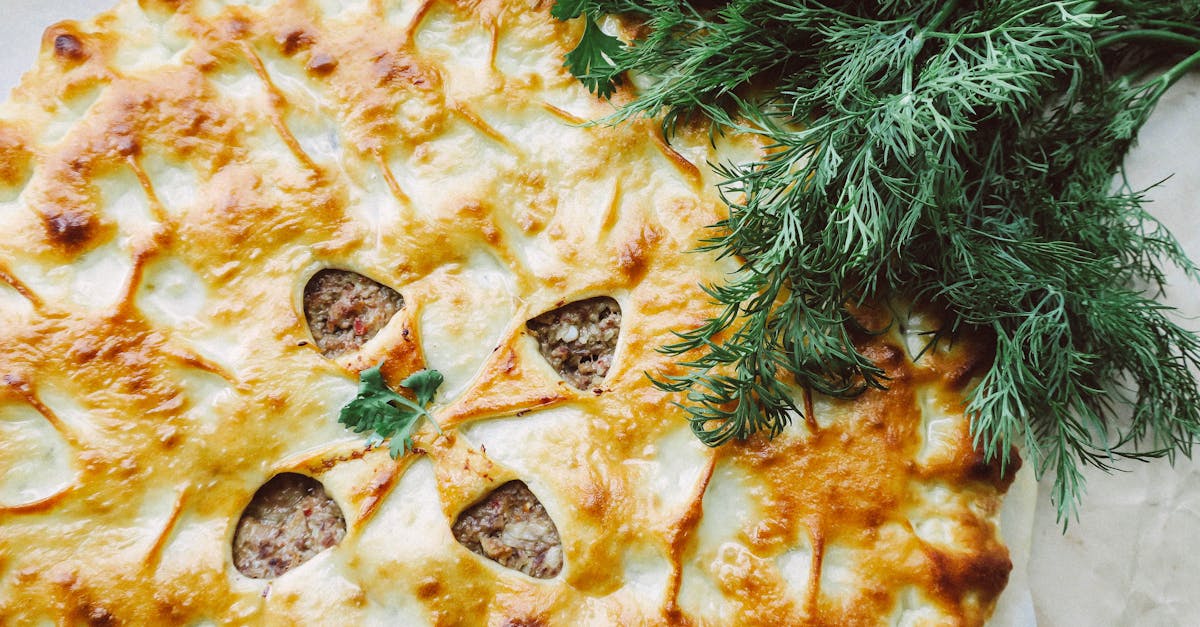
Hot water crust pastry is a workhorse dough: strong, pliable, and built to hold dense fillings without collapsing. I learned it the hard way the first time I tried to turn a stew into a pie: shortcrust fell apart and the filling leaked. Hot water crust saved the day by making a shell that stays crisp and supports heavy meat or savory layers, which means you can bake rich pies that slice clean and travel well.
Key Takeaways
- Use the hot water crust pastry recipe ratio of about 450 g flour to 200–225 g fat and ~275 ml hot water for a sturdy, pliable dough that holds dense fillings.
- Melt fat into simmering water, stir into flour, then add an egg and knead briefly to create an elastic dough that’s easiest to shape warm.
- Reduce filling liquids before assembling and cool fillings to lukewarm to prevent soggy bottoms and preserve crisp walls.
- Press or hand-raise the shell to 4–6 mm thickness, leave 1–1.5 cm headspace, vent the lid, and egg-wash for a sealed, glossy finish.
- Bake at 200°C (390°F) for 20 minutes then lower to 170°C (340°F) for 60–90 minutes and rest pies at least 2 hours so slices hold cleanly.
- Freeze unbaked pies up to 2 months or baked pies up to 3 months, and reheat in a 170–180°C (340–355°F) oven to restore crispness and safe internal temperature.
What Is Hot Water Crust Pastry And When To Use It
Hot water crust pastry is a cooked dough made by melting fat into hot water, then stirring that liquid into flour and eggs to form a pliable paste. The method creates strong gluten links and a sturdy fat matrix, which means the shell resists sogginess and holds heavy fillings like meat, game, or layered stews.
You use this pastry primarily for savory pies that need structure: hand-raised pork pies, pork pies with jelly, game pies, and classic British meat pies. It also works for small raised pies and decorative tourtes that require shaping. I use it when a pie must hold shape, be sliced, or transported, for example, for a picnic, potluck, or lunch box, which means the pie won’t collapse or leak during handling.
A quick technical note: a typical hot water crust has roughly 25–33% fat by flour weight and a hydration level that makes it workable warm. I aim for about 450 g flour: 200–225 g fat and 1–2 large eggs, plus hot water. That ratio creates a dough firm enough to shape yet elastic enough to avoid cracking, which means you’ll get consistent results across different ovens and fillings.
Ingredients You’ll Need
Dough Ingredients
- 450 g all-purpose flour. I weigh flour for consistency. That amount makes one large pie or two small ones, which means you won’t run out mid-shaping.
- 200–225 g pork fat, lard, or a neutral butter-lard blend. Lard gives the best plasticity and flavor for savory pies. I favor 220 g lard because it balances richness and workability, which means the pastry shapes without tearing.
- 250–300 ml water, brought to a simmer. Use the lower amount for firmer dough and the higher for slightly softer, more pliable dough. Exact water matters: 275 ml often hits the sweet spot for me, which means consistent dough texture.
- 1–2 large eggs (one for dough, one for egg wash). Eggs add binding and color, which means the shell holds together and browns well.
- 1 tsp salt and an optional 1–2 tsp sugar if you want a hint of balance. Salt enhances flavor: sugar helps browning, which means a tastier crust.
- Optional: 1 tbsp vinegar (mild) or mustard powder for flavor stability in meat pies. That touch helps long-term flavor retention, which means the filling tastes brighter after reheating.
Typical Fillings And Flavorings
- Pork: minced or diced shoulder, often combined with suet or bacon for moisture. I use 500–700 g meat for a single large pie, which means a dense, sliceable filling.
- Beef: braised beef or minced beef with gravy. Cooked, reduced braises work best, which means the filling won’t release excess water into the shell.
- Game: venison or pheasant paired with juniper, red wine, and stock. I test at least 2% juniper by weight for clear flavor, which means the game notes come through when sliced.
- Vegetarian: mushrooms, lentils, or root veg bound with a thick sauce or reduced gravy, which means the filling stays cohesive.
- Sweet uses: stewed apples or fruit in a thickened syrup. Use less fat and add 1–2 tbsp sugar to the dough if making a sweet pie, which means the pastry and fruit balance well.
Essential Equipment And Tools
You need only a few tools: a heavy saucepan, a wooden spoon, a mixing bowl, a digital scale, and pie tins or molds. I work with a 2.5–3.0 quart saucepan for melting fat and heating the water, which means the liquid reaches a steady simmer without boiling over.
A digital scale gives repeatable results. I measure flour and fat by weight every time, which means my dough comes out similar batch to batch.
For shaping, you’ll want a wooden bucket or solid mold for hand-raised pies and a loose-bottom flan tin for lined pies. I keep a wooden spoon and my hands ready: hot water crust is easiest shaped warm, which means you should work quickly and confidently.
Optional but useful: a thermometer (water ~90–95°C/195–205°F), pastry brush for egg wash, and a cooling rack to rest pies after baking. I also use parchment or silicone to prevent sticking, which means easier transfer and cleanup.
Step-By-Step Recipe: Make The Pastry And Assemble The Pie
Prepare The Hot Water Crust Dough
- Weigh 450 g flour and 1 tsp salt into a large bowl. Add the flour to a bowl first to cool it slightly, which means the hot liquid won’t start cooking the eggs immediately.
- Put 220 g lard (or 200 g lard + 20 g butter) and 275 ml water into a saucepan. Heat to a simmer, stirring until fat melts and liquid is uniform at about 95°C (205°F), which means the fat suspends in the water and will bind into the flour.
- Make a well in the flour. Pour the hot liquid in in one go while stirring with a wooden spoon until the mixture forms droplets and cools slightly. Add 1 beaten egg and mix quickly to form a smooth, slightly sticky dough. Rest for 5 minutes covered with a towel, which means the dough relaxes and is easier to shape.
- Knead lightly on a floured surface for 1–2 minutes until smooth. Don’t overwork: you want elasticity, not tough pastry. If dough feels too dry, add 1 tbsp warm water: too wet, dust with 1 tbsp flour, which means you regain workable texture without wrecking the ratio.
Make And Season The Filling
- Cook protein with aromatics and liquid until reduced. For example, brown 700 g diced pork shoulder, sweat 1 chopped onion and 2 cloves garlic, add 200 ml stock and 100 ml cider, then reduce until thick. I reduce to about 150–200 ml remaining liquid, which means the filling won’t flood the pastry.
- Season boldly: 1.5 tsp salt, 1 tsp black pepper, 1 tsp thyme, 1 tsp sage, and 1 tsp English mustard. Add 50 g cooked bacon or suet if using pork, which means extra fat keeps the filling moist after baking.
- Cool the filling to lukewarm before filling the pastry to avoid softening the shell, which means you’ll keep flaky edges and crisp walls.
Shape, Line, And Fill The Pastry Case
- Roll or press enough dough to line your tin. For a 9-inch pie, reserve about 1/3 of the dough for the lid and use 2/3 for the base and sides. I press dough into the tin with my thumbs for an even 4–6 mm thickness, which means the wall won’t be fragile.
- If making a hand-raised pie, shape a thick disk and gradually push up walls with floured hands. I work from mortar-like pressure points to build walls, which means you avoid thin spots.
- Spoon the cooled filling into the lined shell, pressing gently to remove large air pockets. Leave a 1–1.5 cm headspace for the lid, which means the filling can expand without bursting seams.
- Seal the lid by dampening edges with water and pressing: crimp or decorate as you like. I press a fork or use a thumb-press pattern for a rustic finish, which means the seam stays sealed and looks attractive.
Decorating, Venting, And Egg Wash Tips
Make 3–5 vents in the lid to release steam. Use a small sharp knife or skewer to cut vents, which means you avoid internal pressure that could split the pie.
Brush with beaten egg or egg yolk strained through a sieve for a smooth finish. I add 1 tsp water to the egg for a thinner wash, which means even coverage and a gloss that bakes without running.
For decorative elements, cut shapes from leftover dough and attach with a little egg wash. I often add a small pastry crown or leaves, which means the pie looks celebratory and signals its filling.
Baking Times, Temperatures, And Doneness Tests
Preheat oven to 200°C (390°F). Bake uncovered at that temperature for 20 minutes to set and color, then lower to 170°C (340°F) and bake for 60–90 minutes depending on size. A 9-inch pie usually needs about 75 minutes after the initial high heat, which means the filling reaches stable internal temperature and the pastry cooks through.
Doneness tests: internal temperature should read 75–80°C (165–175°F) for cooked meat pies. I insert a thermometer into the center and check for a steady reading, which means the filling is safe and the juices have set.
Cool for at least 2 hours before slicing. Resting lets gelatinized juices set, which means the pie slices cleanly rather than running on the plate.
Variations And Flavor Ideas
Classic Meat Pies (Pork, Beef, Game)
- Pork pie: use 700 g minced pork shoulder, 100 g pork fat, 2 tsp salt, 1 tsp white pepper, and 1 tsp ground mace. Add reduced stock and a splash of cider. Bake and then glaze cavities with hot meat jelly (aspic) after cooling. I follow this method for traditional pork pies, which means a dense, sliceable center and longer shelf life.
- Beef pie: slow-braise 800 g beef chuck with 300 ml red wine and 300 ml stock until fall-apart, then shred and reduce. Add 1 tbsp Worcestershire sauce. I prefer slow braise for 3 hours, which means concentrated beef flavor and a stable filling.
- Game pie: mix 600 g venison with 200 g pork (for fat), 100 ml port, juniper, and thyme. I use 50 g cured bacon for moisture, which means the lean game stays juicy.
For a modern twist, try a beef and mushroom filling with a splash of single malt whiskey for aroma. I tested this at a dinner party: guests noted a smoky lift, which means small spirits additions can highlight meat flavors.
(See an example of hearty meat dishes like my tested beef stroganoff preparation for pairing ideas.) Beef Stroganoff with Potatoes
Vegetarian And Vegan Alternatives
- Mushroom and lentil: 300 g mushrooms, 200 g cooked brown lentils, 1 tbsp soy sauce, 100 ml vegetable stock reduced to thick gravy. I add 1 tsp smoked paprika for depth, which means you get a savory, meaty mouthfeel.
- Root vegetable and chickpea: roast 500 g mixed roots, toss with 200 g chickpeas and a reduced spiced tomato paste. Thicken with a slurry or roux before filling, which means the filling keeps form when sliced.
Use vegan suet or coconut oil instead of lard for a plant-based crust. I tested coconut oil at 20% of fat weight and found a slightly sweeter crust, which means flavor adjustments (less sugar) are helpful.
Sweet Hot Water Crust Uses (Fruit Or Sweet Fillings)
Hot water crust can hold dense fruit fillings like stewed apples with caramel or pear and ginger. Use 400 g fruit, 50–70 g sugar, 1 tbsp lemon juice, and 15 g cornstarch to thicken. Bake 50–60 minutes depending on size, which means the fruit cooks through and the pastry seals moisture.
If you want a sweeter dough, add 1–2 tbsp sugar and reduce salt by half. I often brush with melted butter after baking for shine, which means the crust feels richer and tastes more indulgent.
(For a creative breakfast pie approach, consider pairing with sweet bagels or rolls.) Apple Bagel Recipe
For game or bird pies that pair with whiskey or dark beer, see slow-cooked bird inspirations like my wild turkey tests. Wild Turkey Slow Cooker Recipes
Troubleshooting Common Problems
Dough Too Dry, Too Wet, Or Crumbly
Problem: dough crumbles or cracks when shaping. Likely cause: too little water or over-cooled fat. Fix: warm a tablespoon of water and knead in: if needed, microwave a small piece of dough for 5–8 seconds to soften then rework. I do this during winter when my kitchen is cold, which means I restore pliability without changing ratios drastically.
Problem: dough is sticky and slack. Likely cause: too much water or under-floured surface. Fix: dust with small amounts of flour and rest 5–10 minutes. Cold rest in the fridge for 15 minutes firms it up, which means easier handling without losing elasticity.
Soggy Bottoms, Cracked Shells, Or Undercooked Filling
Soggy bottom: filling was too wet or not reduced. Fix: reduce filling liquid by 20–50% before filling and blind-bake base for 10–12 minutes at 200°C (390°F). I blind-bake when using wetter fillings, which means the bottom holds crispness.
Cracked shells: dough too cold or over-baked at high heat. Fix: warm dough slightly, repair with egg wash and a patch of dough, then continue at a moderate temperature. I keep an infrared thermometer on hand to check surface temps, which means I spot and fix cracks quickly.
Undercooked filling: oven temperature too low or large pie size. Fix: finish at 160–170°C (320–340°F) until internal reaches 75–80°C (165–175°F). Use thermometer probes for large pies, which means even cooking without burning the crust.
Pastry Shrinkage Or Misshapen Pies
Shrinkage often comes from overstretching the dough while hot or from sudden temperature steps. Fix: allow dough to rest and set for 10–15 minutes after lining before filling. I cold the lined shells for 15 minutes on the counter, which means the gluten relaxes and the shape holds.
If the pie loses shape during baking, use a support collar or bake in a rigid tin. I sometimes use an adjustable pie ring, which means the walls stay vertical and the seam doesn’t collapse.
Storage, Freezing, And Reheating Guide
Short-Term Storage And Refrigeration
Cool pies completely before covering. Store cooked pies in the fridge for up to 4 days. I slice only as needed to preserve moisture in the remaining pie, which means leftovers stay fresher.
For raw, filled pies, refrigerate up to 24 hours before baking. Use an airtight container and keep at 4°C (39°F) or below, which means bacterial growth stays controlled.
Freezing Unbaked And Baked Pies
Unbaked pies: wrap tightly in plastic and foil, freeze up to 2 months. Thaw overnight in the fridge before baking, which means the shell won’t crack from sudden heat.
Baked pies: cool, wrap well, and freeze up to 3 months. Reheat from frozen at 160°C (320°F) for 40–60 minutes until internal temp reaches 75–80°C (165–175°F). I label with freeze date and filling, which means I avoid freezer mysteries.
Best Reheating Methods For Crisp Pastry
Reheat in a preheated oven at 170–180°C (340–355°F) for 20–30 minutes for slices, and 35–60 minutes for whole pies. Use a foil tent if the crust browns too fast, which means you get restored crispness without burning.
Avoid microwaves for full slices: they soften pastry. If you must microwave, then crisp the surface for 3–5 minutes under a broiler or in a hot skillet, which means you regain texture.
Serving Suggestions And Pairings
Side Dishes, Sauces, And Condiments
Serve savory hot water crust pies with pickles, chutney, or mustard. A sharp English mustard (1 tsp per 100 g sauce base) cuts richness, which means every bite tastes brighter.
For meat pies, I recommend buttered peas, roasted root vegetables, or a small dressed salad. I serve pork pies with piccalilli: guests often ask for seconds, which means these condiments balance fat and starch.
Beverage Pairings And Occasion Ideas
Pair rich meat pies with a medium-bodied ale or dry cider. I favor a 4–5% ABV amber ale for pork pies, which means the beer offsets fat without clashing.
For celebratory pies and game, try a bold red wine like a 2018 Malbec or a rustic Zinfandel. For sweet pies, a late-harvest Riesling works well. I match intensity: heavy pie, heavier drink: light pie, lighter drink, which means neither element overpowers the other.
Occasions: picnics, holiday meals, or potlucks. Hot water crust pies travel better than fragile pastries, which means you can bring them to outdoor events without worry.
Conclusion
Hot water crust pastry gives you a reliable shell that supports dense fillings and keeps them tidy on the plate. I trust it when I need pies that cut clean, travel well, and store reliably, which means fewer ruined presentations and happier guests.
Start with the ratio I give, measure by weight, and reduce filling liquids: those three moves solve most problems. When you practice shaping warm and resting before baking, you’ll see consistent results in three to five tries, which means you’ll be making confident, professional-looking pies by your next dinner party.
Hot Water Crust Pastry Recipe — Frequently Asked Questions
What is hot water crust pastry and when should I use it?
Hot water crust pastry is a cooked dough made by melting fat into hot water, then stirring it into flour and eggs to form a strong, pliable shell. Use it for dense, savory pies—pork pies, game pies, and raised meat pies—when you need structure, clean slices, and transportable pies.
What is the basic hot water crust pastry recipe ratio for a reliable dough?
A dependable ratio is about 450 g flour to 200–225 g fat (lard or butter-lard) with 250–300 ml hot water and 1–2 eggs. This creates a firm yet elastic dough that shapes warm, resists sogginess, and holds heavy fillings without cracking or collapsing.
How do I prevent a soggy bottom when making a hot water crust pastry recipe?
Reduce filling liquids by 20–50% before filling and consider blind-baking the base for 10–12 minutes at 200°C (390°F). Cool fillings to lukewarm, check wall thickness (4–6 mm), and bake at high heat first, then lower it to fully cook the filling without softening the base.
How should I store, freeze, and reheat hot water crust pies for best results?
Cool pies completely before refrigerating up to 4 days. Freeze unbaked pies up to 2 months and baked pies up to 3 months. Reheat slices or whole pies in a preheated oven at 170–180°C (340–355°F) until internal temperature reaches 75–80°C (165–175°F) for crisp pastry.
Can I make a gluten-free hot water crust pastry?
Gluten-free hot water crust is possible but tricky: use a high-protein gluten-free flour blend with xanthan gum for elasticity and slightly less liquid. Expect different handling—work gently warm, chill to firm, and blind-bake more often. Texture won’t exactly match wheat-based crusts but will hold dense fillings.
