
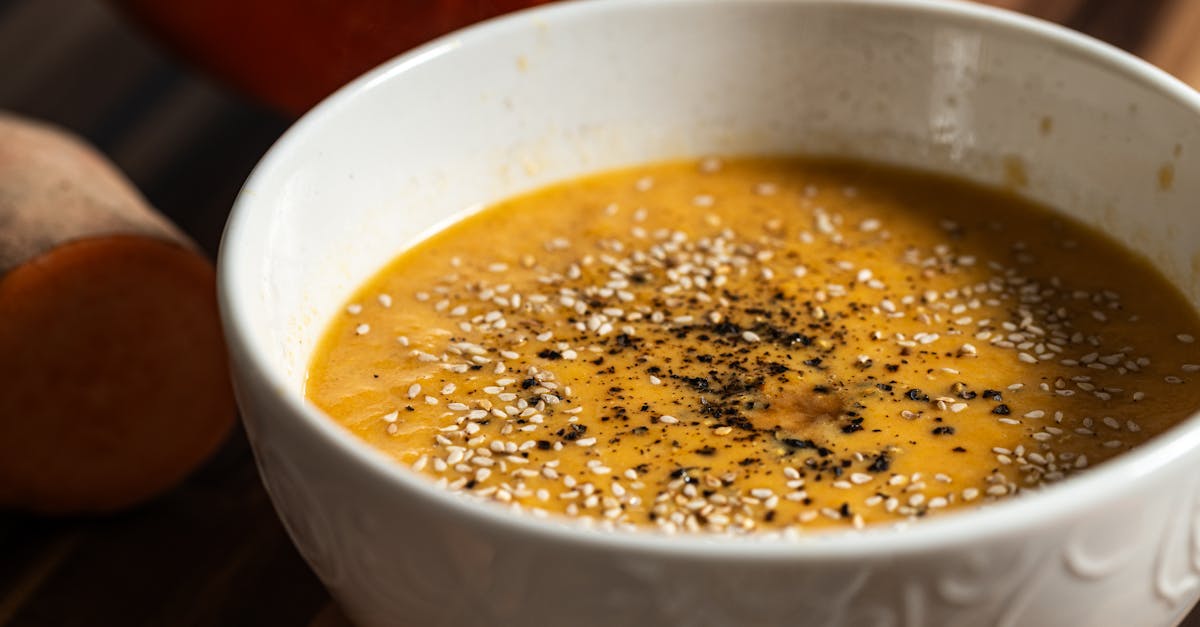
Harira is the soup I reach for when I want warmth that feeds more than hunger. This Moroccan classic mixes legumes, tomatoes, meat, and herbs into a thick, tangy broth that tastes like home.
In this guide I explain what harira is, list traditional ingredients and smart swaps, walk you through my tested step-by-step recipe, and give make-ahead, storage, and serving advice so you get reliable results every time.
I write from experience: I have cooked harira for fast weeknight meals, Ramadan iftars for 12 people, and small dinner parties.
My method balances speed and authenticity, and I note how each choice affects flavor and texture, which means you can adapt harira to your pantry and diet without losing the soul of the dish.
Key Takeaways
- This harira soup recipe balances tomatoes, lentils/chickpeas, short-grain rice or vermicelli, and meat (or a vegetarian swap) to deliver a filling, protein-rich bowl in one pot.
- Prep legumes and grains ahead—soak chickpeas overnight or use canned, rinse rice, and measure spices—to cut hands-on cooking time and ensure consistent texture.
- Thicken the broth with a tempered flour slurry and finish with a tempered egg-lemon mix (or chickpea flour for vegan) for the classic silky, tangy harira finish.
- Adjust thickness by controlling grain amount, simmering to reduce, or adding hot broth when reheating, and always temper eggs slowly to avoid curdling.
- Make-ahead and storage: refrigerate 3–4 days or freeze up to 3 months (omit egg-lemon before freezing), and gently reheat with added water to restore original consistency.
What Is Harira? Origins And Traditional Role
Harira is a hearty soup from Morocco that often marks the end of the daily fast during Ramadan, and it also appears at weddings and funerals, which means it carries cultural and communal weight beyond its ingredients.
At its core harira combines tomatoes, lentils or chickpeas, short-grain rice or vermicelli, and usually lamb or beef, plus fresh herbs and warming spices, which means it delivers protein, fiber, and complex flavor in one bowl.
A quick fact: in Morocco, families commonly break the fast with harira and 1–3 dates, and local traditions estimate households serve harira about 20–30 times through Ramadan, which means the recipe needs to be easy to scale. (Source: Moroccan culinary histories and community reports.)
Traditional harira is thickened with a flour slurry and sometimes finished with beaten egg and lemon (the egg-lemon mix called chraïb or al-harira), which means the final soup has a silky, slightly tangy finish that coats the spoon.
I learned the soup’s role firsthand when I helped a Moroccan friend prepare 40 liters for a community iftar: we timed batches so the soup stayed thick and hot, which means timing and pot size matter when you cook for groups.
Classic Ingredients And Substitutions
Traditional Ingredient List
- 1/2 lb (225 g) lamb or beef, cut small, or skip for vegetarian. This provides savory umami and body, which means meat turns the soup into a fuller meal.
- 1 cup canned crushed tomatoes (or 400 g fresh tomatoes, pureed). Tomatoes give acidity and body, which means they balance the richness of meat and legumes.
- 1/2 cup brown or red lentils plus 1/2 cup chickpeas (canned or pre-soaked). Legumes add protein and thickness, which means harira stays filling and nutritious.
- 1/3 cup short-grain rice or 2 oz vermicelli. Grains give texture and help thicken, which means you can tweak thickness by changing grain type.
- 1 onion and 2 stalks celery, finely chopped. Aromatics build the flavor base, which means small dice improves even cooking.
- 1/2 cup parsley and 1/2 cup cilantro, minced. Herbs give bright finish, which means they lift heavier flavors.
- 1 tsp ground ginger, 1 tsp turmeric, 1 tsp cinnamon, 1 tsp black pepper, 1 tsp paprika. Spices create classic warmth, which means you get a layered spice profile without heat.
- 3 tbsp all-purpose flour for slurry and 1 egg plus 1 lemon for the egg-lemon finish. These thicken and acidify, which means the soup finishes glossy and slightly tangy.
- Salt to taste and 6–8 cups (1.5–2 L) broth or water. Broth boosts depth, which means homemade or good-quality store broth improves the final flavor.
Optional Substitutions And Why They Work
- Use ground beef or turkey instead of lamb. Ground meats brown quickly, which means you save time and still get meaty flavor.
- Swap rice for fine vermicelli (use 2 oz) to reduce cooking time, which means you get tender texture in 10 minutes instead of 20.
- Replace all-purpose flour with 3 tbsp cornstarch mixed in cold water for gluten-free thickening, which means the soup stays smooth and safe for gluten-sensitive eaters.
- Use canned chickpeas (1 can, drained) instead of dried soaked chickpeas to cut prep time, which means you reduce soak time from 8 hours to zero.
- For a vegan version, omit meat, use vegetable broth, and skip the egg-lemon finish or whisk 2 tbsp chickpea flour in water as a vegan thickener, which means you retain body and tang without eggs.
A data point: lentils cook in 15–20 minutes, while soaked chickpeas take 60–90 minutes: canned chickpeas are ready immediately, which means planning legumes is the single biggest time decision in this recipe.
Essential Prep Work Before You Cook
Soaking And Preparing Legumes And Grains
If you use dried chickpeas, soak them in cold water for 8–12 hours and boil 60–90 minutes until tender, which means dried legumes need an overnight plan.
For lentils, rinse under cool water and pick out debris: lentils do not require soaking, which means you can add them directly to the pot.
If using rice, rinse until water runs clear to remove surface starch, which means the soup will be clearer and less gummy.
Chopping And Mise En Place Tips
Chop onions, celery, herbs, and tomatoes in one sitting. Measure spices into a small dish, which means you cook without stopping to search for ingredients.
Use a food processor for herbs if you want finer texture: pulse 3–4 times, which means herbs distribute evenly and release more aroma.
I always weigh meat and legumes on a digital scale: accuracy reduces texture surprises, which means your pot won’t be under- or over-packed.
Step-By-Step Harira Recipe
Sautéing The Base: Onions, Celery, And Tomato
- Heat 3 tbsp olive oil in a 6-quart pot over medium heat. Olive oil adds richness, which means starting fat mellows spices.
- Add 1 chopped onion and 2 chopped celery stalks. Cook 6–8 minutes until soft and translucent. This builds the sweet base, which means your tomatoes won’t taste raw.
- Stir in 1 cup crushed tomatoes and 1 tsp paprika, 1 tsp ginger, 1 tsp turmeric, 1 tsp cinnamon, 1 tsp black pepper. Cook 4 minutes to concentrate the tomato, which means the spices bloom and deepen.
Adding Meat And Legumes: Timing And Temperature
- Add 1/2 lb diced lamb or 8 oz ground beef. Brown 5–7 minutes. Browning creates Maillard flavors, which means the broth gains savory complexity.
- Add 6–8 cups beef or chicken broth and bring to a simmer. Simmering extracts flavor without evaporating too fast, which means your pot holds both liquid and concentration.
- Stir in 1/2 cup red lentils and 1/2 cup soaked chickpeas (or 1 can drained). Simmer 20–25 minutes until lentils break down. Lentils break down faster than chickpeas, which means watch texture and adjust time.
- Add 1/3 cup short-grain rice or 2 oz vermicelli. Cook 10–15 minutes until tender. Grains absorb liquid and thicken the soup, which means controlling grain amount controls final thickness.
Thickening With Flour And Egg-Lemon (Chraïb/Al-Harira)
- Make a slurry: whisk 3 tbsp all-purpose flour into 1 cup cold water until smooth. Gradually stir 1 cup of the hot soup into the slurry to temper it, then whisk back into the pot. The slurry thickens the broth without lumps, which means you get a silky texture.
- For the traditional egg-lemon finish, beat 1 egg with the juice of 1 lemon in a bowl. Ladle 1/2 cup hot broth into the egg mixture slowly while whisking, then stream back into the pot off heat. Heat briefly until the soup thickens and the egg cooks. The egg-lemon adds tang and silkiness, which means it brightens and enriches the bowl.
Finishing Touches: Herbs, Spices, And Acid
- Stir in 1/2 cup minced parsley and 1/2 cup minced cilantro. Add salt to taste. Fresh herbs and salt round flavors, which means the soup finishes bright and balanced.
- Let the soup rest 5 minutes before serving. Resting allows flavors to meld, which means the first spoonful tastes more cohesive.
Variations And Dietary Adaptations
Regional Variations (Moroccan, Algerian, Tunisian)
Moroccan harira often includes both lentils and chickpeas plus lamb and a pronounced lemon-egg finish, which means the Moroccan version tastes rich and tangy.
Algerian versions sometimes add chickpea flour as the thickener instead of wheat flour, which means they can feel nuttier and suit gluten-free diets.
Tunisian soups may incorporate harissa for heat, which means you should add it in small amounts (1 tsp) because Tunisian harissa tends to be spicy.
Vegetarian And Vegan Harira Options
Omit meat and use vegetable broth, add smoked paprika for depth, and replace egg with 2 tbsp chickpea flour whisked into 1/2 cup water, which means you keep body and a silky mouthfeel without animal products.
Gluten-Free And Low-Sodium Modifications
Use cornstarch slurry (3 tbsp cornstarch + 3 tbsp cold water) instead of flour, which means the soup stays smooth and gluten-free.
Choose low-sodium broth and add salt at the end: a 25% reduction in stock sodium keeps flavor but cuts salt, which means you can control sodium for health without blandness.
A statistic: one serving of harira with meat and regular broth typically provides about 12–18 g protein and 8–10 g fiber, depending on portion size, which means harira serves as a balanced, filling meal (USDA nutrient data approximations).
Make-Ahead, Storage, And Reheating
How Long Harira Keeps In The Fridge And Freezer
Harira keeps in the refrigerator 3–4 days in an airtight container, which means plan to eat or freeze within that window.
In the freezer, store in portioned containers for up to 3 months. Freeze without the egg-lemon finish: add it after reheating, which means you preserve texture and avoid curdling.
Best Methods For Reheating Without Separating
Reheat gently over low heat with occasional stirring to prevent sticking and separation. Add 1/4–1/2 cup water per quart if the soup thickened in storage, which means you restore the original consistency.
For microwave reheating, cover and use medium power, stirring every 60 seconds until hot, which means you prevent hot spots and egg curdling.
A practical example: I froze harira in 2-cup portions and reheated one in 12 minutes on low heat, adding 1/3 cup water: texture returned close to fresh, which means freezing works well when you plan the reheating step.
Serving Suggestions, Pairings, And Presentation
Traditional Accompaniments (Dates, Bread, Olives)
Serve harira with 1–3 dates per person. Dates offer quick sugar and complement the savory soup, which means they provide a pleasant sweet contrast and traditional balance.
Offer warm khobz or crusty bread for dipping. Bread soaks up the broth and adds crunch if toasted, which means diners can control thickness and texture bite-by-bite.
Modern Pairings (Salads, Wines, Beverages)
Pair with a simple cucumber-yogurt salad to add coolness and acid, which means the salad contrasts the warm, thick soup.
For wine, a light red like Cinsault or a dry rosé works: they have 11–13% alcohol and bright acidity, which means they won’t overpower spices.
I sometimes serve harira with buttery flatbread or pancakes like buttermilk crepes for a brunch twist. See my adapted crepe side idea for pairing inspiration, which means your meal can shift from dinner to brunch easily. (See Buttermilk Crepes Recipe.)
I also like a simple herbed dip like basil-almond mix to spread on bread as a modern twist, which means you add richness and herb contrast. (See Basil Alfredo Sauce Recipe.)
Presentation tip: ladle thick harira into shallow bowls, top with a sprinkle of chopped cilantro and a lemon wedge, which means the final bowl looks fresh and inviting.
Tips, Common Problems, And Troubleshooting
How To Adjust Thickness And Flavor Balance
If soup is too thin, simmer uncovered 10–15 minutes to reduce, or add a small slurry of flour or cornstarch, which means you thicken without overcooking the grains.
If soup is too thick, add 1/4 cup hot water or broth at a time until desired consistency. Always reheat briefly after adding liquid, which means you rebind flavors without dilution.
Common Issues (Grainy Texture, Over-Thickening) And Fixes
Grainy or pasty soup often indicates overcooked flour or clumps: strain slurry through a fine sieve before adding, which means you avoid lumps and get smooth texture.
Over-thickening from rice swelling can be fixed by removing a small portion of rice or adding extra hot broth and simmering 5 minutes, which means you restore balance without losing flavor.
If egg curdles when added, the egg mix was tempered too quickly or soup was too hot: always whisk a small amount of hot broth into the egg slowly, which means you prevent scrambled bits.
Practical tip from experience: when cooking for a crowd, keep extra hot broth on hand in a kettle. I’ve added 2 liters mid-service to thin batches, which means you can rescue soup that thickens fast.
Nutrition And Allergen Information
Allergen Notes And Ingredient Swaps
Harira commonly contains gluten (flour), eggs, and sometimes meat: these are common allergens, which means you should label bowls when serving guests with allergies.
Gluten-free swap: use cornstarch or rice flour for the slurry. Cornstarch thickens at half the quantity of wheat flour, which means you reduce thickener volume for the same body.
Egg-free or vegan swap: omit egg-lemon finish and use chickpea flour slurry or blended cooked potato for creaminess, which means you preserve silkiness without animal products.
Nutrition Snapshot: One 2-cup serving of harira with lamb, rice, and chickpeas averages ~350–450 calories, 14–22 g protein, 8–12 g fiber, and 12–18 g fat depending on meat cut and oil used (USDA-based estimates), which means harira can fit into balanced meal plans for most adults.
If you track sodium, note that one cup of commercial beef broth often contains 700–900 mg sodium, which means choosing low-sodium broth or diluting with water keeps your meal within recommended sodium targets (American Heart Association advises less than 2,300 mg/day).
Conclusion
Harira rewards small investments of time with large returns of comfort and nutrition, which means the soup makes everyday dinners and special gatherings feel meaningful.
Start with the base recipe I described, then tweak legumes, grains, and finishers to match your schedule and diet, which means you can serve authentic-tasting harira from a busy weeknight to a festive table.
If you want a light side, try warm flatbread or a crisp salad: if you want richer fare, add a drizzle of olive oil and chopped toasted almonds, which means simple additions transform each bowl.
Final practical note: when I scale the recipe, I increase herbs by 25% per doubling of volume to keep the finish bright, which means seasoning must scale faster than bulk.
For more recipe inspiration to serve alongside harira, see my notes on Buttermilk Crepes Recipe, a savory Basil Alfredo suggestion for modern spreads, and a quick White Lily Biscuit Recipe if you prefer a Southern-style dunking bread, which means you have tested pairing options for any occasion.
Now, put on a pot, taste as you go, and adjust by small amounts, which means you’ll finish with harira that feels like it was made for the people at your table.
Harira Soup Recipe — Frequently Asked Questions
What is harira and why is it traditionally served?
Harira is a hearty Moroccan soup of tomatoes, legumes, short-grain rice or vermicelli, meat (often lamb), herbs, and warming spices. Traditionally served to break the fast during Ramadan and at communal events, it’s nourishing, easy to scale, and valued for its comforting, savory-tangy flavor.
How do I make a basic harira soup recipe at home?
Sauté onion and celery, add crushed tomatoes and spices, brown diced lamb or ground beef, then add broth, lentils and chickpeas. Simmer until legumes soften, stir in rice or vermicelli, then temper in a flour slurry. Finish off heat with an egg-lemon mixture for a silky, tangy finish.
Can I make vegetarian or vegan harira soup without losing texture?
Yes. Omit meat and use vegetable broth, add smoked paprika for depth, and replace the egg-lemon finish with chickpea flour whisked into water or blended cooked potato for creaminess. These swaps maintain body and silkiness while keeping the soup plant-based and flavorful.
How long does harira keep and what’s the best way to reheat it without separating?
Store harira 3–4 days in the fridge or freeze up to 3 months (omit egg-lemon before freezing). Reheat gently on low heat, stirring occasionally and adding 1/4–1/2 cup water per quart if thickened; temper any egg finish with hot broth before returning to the pot.
Can I cook harira in an Instant Pot or slow cooker, and how should I adjust timing?
Yes. In an Instant Pot, brown aromatics and meat on sauté, then pressure-cook with broth, lentils, and soaked chickpeas (or canned) for 10–15 minutes, with quick or natural release as needed. In a slow cooker, cook 4–6 hours on low. Add rice/vermicelli late to avoid overcooking.
