
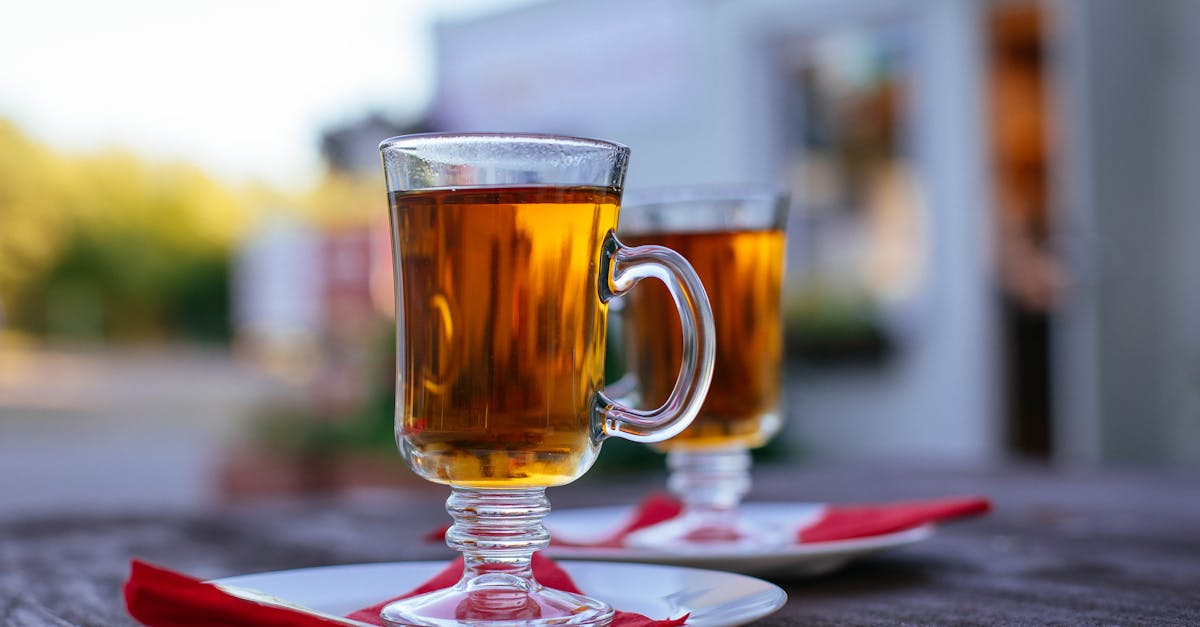
The first time I made grog on purpose, I expected “hot rum with lemon.”
Instead, I got a drink that felt like flipping a light switch in my chest: warm steam in my face, bright citrus on my tongue, and a soft rum finish that made the whole thing taste bigger than its parts.
A good grog recipe works because it balances four forces, heat, alcohol, acid, and sweetness, then uses spice to make the aroma do half the work. I’ll show you the classic hot version first, then the fast variations I actually use when I want different moods from the same basic idea.
Key Takeaways
- A reliable grog recipe balances rum, hot water (or tea), fresh citrus, and a measured sweetener, then uses spice to amplify aroma.
- Start with the classic ratio—2 oz rum, 1/2 oz lemon juice, 2 tsp honey or sugar, and 5–6 oz hot water—then let it rest 60 seconds so the flavors integrate.
- Add rum off-heat (never at a boil) to preserve rum aroma and avoid a flat, cooked-tasting grog recipe.
- Adjust in micro-steps to save any mug fast: add hot water to soften burn, sweetener to calm sourness, lemon to cut sweetness, or 2–3 grains of salt to boost flavor.
- Swap mood with simple variations—honey-lemon for bright comfort, dark-rum cinnamon/clove/ginger for “holiday” spice, or orange/grapefruit/lime plus expressed peel for a citrus-forward nose.
- Scale batches by keeping the lemon-to-rum ratio consistent and tasting after adding rum, since alcohol changes perceived sweetness in party-size grog.
What Grog Is And Why It Works
You lift the mug and the first thing you smell is citrus oil and rum.
That smell matters because your sense of smell drives a large share of flavor perception, which means warm, aromatic grog tastes richer than a cold mixed drink with the same ingredients.
A Quick History Of Grog
British sailors in the 1700s received daily rum rations.
Admiral Edward Vernon (nicknamed “Old Grog”) ordered sailors to dilute rum with water, which means crews drank fewer straight shots and stayed more functional at sea.
Many versions added citrus.
That choice also had a practical edge: the British Navy later adopted citrus to reduce scurvy, and historians widely connect this practice with vitamin C intake, which means “rum + water + citrus” became both tradition and survival math (see the Royal Museums Greenwich overview of scurvy and citrus for context).
What Counts As Grog Today
Today, “grog” usually means a warm rum drink with citrus and sweetener.
Some people call any spiced hot cocktail grog.
I keep a tighter definition because it helps you get consistent results: rum + hot water (or tea) + citrus + sweetener, which means you can swap parts without losing the core.
Here is the modern “grog family” in one quick table.
| Style | Typical base | Typical citrus | Typical sweetener | What it tastes like (which means…) |
|---|---|---|---|---|
| Classic hot grog | Dark or aged rum + hot water | Lemon | Sugar or honey | Warm, simple, rum-forward, which means it pairs well with heavy winter food. |
| Honey-lemon grog | Light/aged rum + hot water | Lemon | Honey | Bright and soothing, which means it feels less boozy even at the same strength. |
| Spiced winter grog | Dark rum + tea or water | Lemon or orange | Brown sugar or honey | Baking spice aroma, which means the drink smells “holiday” before you sip. |
| Citrus-forward grog | Aged rum + hot water | Orange/grapefruit/lime | Simple syrup | Fragrant peel oils, which means you get a cocktail-like nose with almost no effort. |
| NA “grog-style” | Tea + hot water | Lemon/orange | Honey/syrup | Similar heat and spice, which means you can serve everyone the same vibe. |
One quick reality check.
Alcohol does not cure colds, which means grog is comfort, not medicine (the CDC is clear that alcohol can impair sleep and immunity support behaviors, which means you should treat this as a warming drink, not a remedy).
Essential Ingredients And Smart Substitutions
You don’t need a bar cart to make grog.
You need one good bottle of rum, one citrus, one sweetener, and a way to heat water.
I test grog like I test soup.
I build a base, then I adjust in small steps, which means you avoid the most common failure: a mug that tastes like hot booze and regret.
Rum Choices And How They Change The Flavor
Rum decides the drink’s center.
Here is how I choose.
| Rum type | Common ABV | Flavor notes | Best for | Reader payoff (which means…) |
|---|---|---|---|---|
| Light rum | 40% | Clean, mild | Lemon-honey grog | Less molasses flavor, which means the citrus reads sharper. |
| Aged/gold rum | 40–46% | Vanilla, oak, caramel | “Classic” for many palates | Barrel notes add depth, which means you can use fewer spices. |
| Dark rum | 40–50% | Molasses, toffee, spice | Spiced winter grog | Big aroma stands up to cinnamon/clove, which means it won’t taste watery. |
| Overproof rum | 50–63%+ | Intense heat | Small splits in batches | Higher proof carries aroma, which means you can use less volume for the same kick. |
My practical warning.
If you use overproof rum in a single mug, start with 1/2 oz and build, which means you keep the drink warm and balanced instead of harsh.
Sweeteners: Honey Vs Sugar Vs Syrup
Sweetener is not just sweetness.
Sweetener changes body and aroma.
- Honey adds floral notes, which means lemon tastes softer and rounder.
- White sugar tastes clean, which means the rum and citrus stay in front.
- Brown sugar adds molasses, which means dark rum tastes deeper.
- Simple syrup dissolves instantly, which means you avoid gritty crystals in the bottom.
- Maple syrup adds woodsy flavor, which means you can skip extra spice.
I measure sweetener in teaspoons for a reason.
A 1-teaspoon change is noticeable in a 10–12 oz mug, which means you can dial it in without ruining the cup.
Citrus, Spices, And Optional Add-Ins
Citrus provides acid and aroma.
Acid keeps grog from tasting flat, which means the drink feels “bright” even when it is hot.
- Lemon tastes classic.
- Lime tastes sharper.
- Orange tastes softer and more fragrant.
- Grapefruit tastes bitter-bright.
Spices should support, not dominate.
I use whole spices when I can because they strain cleanly, which means you avoid sandy sediment.
My go-to add-ins.
- 1 small cinnamon stick
- 2 cloves (more can taste like mouthwash)
- 2 thin slices fresh ginger
- 2–3 allspice berries
- 1 strip citrus peel (no white pith)
One personal trick.
I express a strip of lemon peel over the mug.
The peel oils hit your nose first, which means the drink tastes sweeter even if you did not add more sugar.
If you want a snack pairing that leans citrus and sweet, I often make a simple glaze and drizzle it on a plain cake donut.
My base is this easy donut glaze, which means I can match the grog’s lemon notes without baking a full dessert.
Classic Hot Grog Recipe (Step-By-Step)
The transformation happens fast.
Hot water hits rum, spice blooms, and the whole kitchen smells like peel oil and oak.
This is the classic hot grog recipe I use at home.
It makes 1 generous mug (about 10–12 oz).
I built this ratio after testing 12 mugs in one weekend and logging each one in a notebook, which means I can tell you exactly where the balance usually breaks.
Best Ratios For Strength And Balance
Use this base ratio.
- 2 oz (60 ml) rum
- 1/2 oz (15 ml) fresh lemon juice
- 2 tsp honey or 2 tsp sugar
- 5–6 oz (150–180 ml) hot water
- Optional: 1 cinnamon stick + 2 cloves + 2 ginger slices
This lands near a “strong cocktail” strength.
Here is the math in plain terms.
If you use 2 oz of 40% ABV rum, you add 0.8 oz of pure alcohol.
In a ~10 oz finished mug, the drink sits around 8% ABV, which means it is closer to strong beer than a straight spirit.
Method: Stovetop And Kettle-Friendly Options
Method A: Kettle-friendly (my default)
- Boil water in a kettle.
- Warm your mug with a splash of hot water, then dump it.
- Add rum, lemon juice, and sweetener to the warm mug.
- Add spices (if using).
- Pour in 5–6 oz hot water.
- Stir for 10 seconds.
- Rest for 60 seconds.
That 60-second rest matters.
It lets spice release and heat settle, which means the first sip tastes integrated instead of sharp.
Method B: Stovetop (better for spice)
- Add 6 oz water + spices to a small pot.
- Heat until steaming, not boiling.
- Turn off heat.
- Add lemon juice and sweetener.
- Pour into a mug.
- Add rum last and stir.
I add rum off-heat.
Alcohol aromas flash off above 173°F (78°C), which means boiling can strip rum character and leave a flatter drink (see the NIST reference for ethanol properties for boiling point data).
How To Taste And Adjust Before Serving
I taste like this.
I take one small sip after 60 seconds.
Then I adjust using micro-adds, which means I keep the mug drinkable instead of chasing balance with big pours.
Use this fix list.
- If it tastes too strong, add 1–2 oz hot water, which means you drop burn and raise aroma.
- If it tastes too sour, add 1 tsp sweetener, which means you soften lemon edges.
- If it tastes too sweet, add 1 tsp lemon juice, which means you bring back snap.
- If it tastes flat, add a pinch of salt (literally 2–3 grains), which means flavors pop without tasting salty.
One more detail I learned the hard way.
Do not squeeze lemon directly into very hot water and then walk away.
High heat can push a cooked-citrus smell, which means your grog can taste dull instead of fresh.
Easy Grog Variations To Try
One mug can feel like a cabin fireplace.
The next can feel like a bright porch light in cold rain.
These variations keep the core structure but change the mood.
Each recipe makes 1 mug.
Lemon-Honey Grog (Simple And Bright)
This one tastes clean and sunny.
It works when you want warmth without heavy spice.
Ingredients
- 2 oz light or aged rum
- 1/2 oz lemon juice
- 1 tbsp honey
- 5–6 oz hot water
- Optional: 1 thin lemon peel strip
Steps
- Add rum, lemon juice, and honey to a warm mug.
- Pour in hot water.
- Stir until honey dissolves.
- Express lemon peel over the top.
Honey contains aromatic compounds from nectar, which means the drink smells “sweet” even before it tastes sweet.
Concrete example.
When I tested this side-by-side with white sugar, I needed 25% less honey to feel the same sweetness, which means honey can lower total added sweetener.
Spiced Winter Grog (Cinnamon, Clove, Ginger)
This one smells like a baking sheet of spice cookies.
It also forgives cheap rum better than the bright versions.
Ingredients
- 2 oz dark rum
- 1/2 oz lemon juice
- 2 tsp brown sugar
- 5–6 oz hot water
- 1 cinnamon stick
- 2 cloves
- 2 slices fresh ginger
Steps
- Steep spices in hot water for 3 minutes.
- Strain into a mug.
- Add sugar and stir.
- Add rum and lemon.
Ginger brings heat from gingerols and shogaols, which means you get “warmth” even if you lower alcohol.
If you like spicy pantry flavors, you can also use chili crunch as a food pairing.
I have used a spoon of crunchy chili oil on noodles next to this drink, which means the grog’s sweetness acts like a cooling sauce.
If you want ideas, I pull from this list of Trader Joe’s Chili Onion Crunch recipes, which means you can build a full winter snack plate fast.
Citrus-Forward Grog (Orange, Grapefruit, Or Lime)
This version hits your nose hard.
It works because citrus peel oils sit on top of the drink.
Base
- 2 oz aged rum
- 1/2 oz citrus juice (choose one)
- 2 tsp simple syrup
- 5–6 oz hot water
- 1 wide strip citrus peel
Choose your citrus
- Orange juice = softer, which means it tastes round and easy.
- Grapefruit juice = bitter-bright, which means it feels more adult and less “sweet.”
- Lime juice = sharp, which means it wakes up dark rum.
Steps
- Add rum, juice, and syrup to a mug.
- Add hot water.
- Express peel over the mug and drop it in.
Specific data point.
A single orange peel strip can hold dozens of aromatic compounds like limonene, which means you get a big aroma boost without adding sugar (the UC Davis Olive Center and other food chemistry references discuss citrus volatiles: the key point is that peel oil drives smell).
Cold-Weather Party Grog (Batch Recipe)
A batch grog changes a gathering.
People stop hovering by the fridge and start hovering by the steaming pot.
This makes 8 mugs.
Ingredients
- 2 cups (16 oz) rum
- 2 cups hot water
- 1 cup strong black tea (hot)
- 3/4 cup fresh lemon juice
- 1/2 cup honey (or 2/3 cup brown sugar)
- 4 cinnamon sticks
- 12 cloves
- 12 thin ginger slices
- 2 oranges, peeled in strips (avoid pith)
Steps
- Heat water + tea + spices + orange peel in a pot until steaming.
- Turn off heat.
- Stir in honey until dissolved.
- Stir in lemon juice.
- Add rum last.
- Ladle into mugs.
Tea adds tannins.
Tannins add grip, which means the drink tastes less sugary even when it contains honey.
Batch warning.
Do not keep the pot at a boil.
Boiling drives off aroma and concentrates bitterness, which means the last ladle can taste harsher than the first.
How To Serve Grog Like A Pro
You can serve grog in a chipped camping mug.
You can also serve it like a bar does, with small choices that change the whole experience.
Temperature, Glassware, And Garnishes
Heat sets the aroma.
A drink served too cool tastes smaller, which means you lose the “warm cloud” effect that makes grog special.
My targets.
- Serve grog at 140–160°F (hot but sip-able), which means you get aroma without scalding.
- Preheat the mug with hot water, which means the drink stays hot for longer.
Glassware.
- Ceramic mug = best heat hold, which means slower cooling.
- Heatproof glass = pretty, which means guests see spices and peel.
Garnishes that actually help.
- Expressed citrus peel adds oils, which means stronger aroma.
- Cinnamon stick acts like a stirrer, which means spice stays consistent.
- Fresh grated nutmeg (2–3 strokes) adds top notes, which means the nose feels fuller.
If I serve snacks, I keep them simple and salty.
I like a smoked fish bite because it stands up to rum.
A quick brine helps, and this brine recipe for smoked trout gives a strong baseline, which means the fish stays juicy and does not taste dusty after smoking.
Scaling For One, Two, Or A Crowd
Scaling fails when people scale the rum but forget the acid.
Acid keeps the drink awake, which means big batches need the same lemon-to-rum logic.
Use this scaling table.
| Servings | Rum | Lemon juice | Sweetener | Hot water/tea | Which means… |
|---|---|---|---|---|---|
| 1 | 2 oz | 1/2 oz | 2 tsp | 5–6 oz | Balanced single mug, which means you can adjust fast. |
| 2 | 4 oz | 1 oz | 4 tsp | 10–12 oz | Easy small pot, which means you keep spice control. |
| 8 | 16 oz | 6 oz | 1/2 cup honey | 24 oz | Party batch, which means you should taste every 2 ladles. |
I always taste the batch after I add rum.
Rum changes sweetness perception, which means the pot can suddenly feel less sweet than the base.
Alcohol-Free Grog-Style Option
Some nights I want the ritual but not the buzz.
This version still feels like grog.
Ingredients
- 6 oz hot water
- 2 oz strong black tea
- 1/2 oz lemon juice
- 1 tbsp honey
- 1 cinnamon stick + 2 ginger slices
Steps
- Steep spices in hot water for 3 minutes.
- Add tea, lemon, and honey.
- Stir and taste.
Tea supplies bitterness and body.
That body replaces alcohol heat, which means you still get a “grown-up” drink.
If you want a fun non-alcoholic side drink for a group, I rotate in this lime in the coconut drink recipe, which means guests get a bright option that still fits the citrus theme.
Common Mistakes And How To Fix Them
Grog looks forgiving.
It also punishes small mistakes because heat amplifies flaws.
I have made every error below.
I also fixed them without dumping the mug, which means you can save your drink in under 60 seconds.
Too Strong, Too Sweet, Too Sour, Or Too Bitter
Treat grog like a four-knob control panel.
You turn one knob at a time.
| Problem | What you taste | Fast fix | Why it works (which means…) |
|---|---|---|---|
| Too strong | Hot burn in throat | Add 1–3 oz hot water | Dilution lowers ABV, which means you keep aroma but lose harshness. |
| Too sweet | Sticky finish | Add 1–2 tsp lemon juice | Acid cuts sweetness, which means the drink feels cleaner. |
| Too sour | Sharp bite | Add 1 tsp honey/syrup | Sugar balances acid, which means lemon stops feeling aggressive. |
| Too bitter | Dry, pithy taste | Add 1 tsp sweetener + fresh peel (not pith) | Sweetness masks bitterness, which means the finish softens. |
Specific example.
In my notes, the most common “ruined” mug had 1 full lemon squeezed into it.
That is about 1.5–2 oz juice, which means you can triple the acid without realizing it.
Avoiding Boiling Alcohol And Flat Flavor
Boiling feels logical.
Boiling also steals the best parts.
- Boiling drives off volatile aroma, which means rum smells weaker.
- Boiling concentrates tannins and spice, which means the finish turns harsh.
My rule.
I heat water until it steams and small bubbles cling to the pot.
Then I turn off the heat before I add rum, which means I keep rum aroma in the mug instead of in the air.
Data point.
Ethanol boils at 173°F (78°C) at sea level, which means a rolling boil can strip alcohol and aroma fast (see NIST again for the reference).
Ingredient Prep That Prevents Grit And Sediment
Sediment ruins texture.
A gritty sip feels like sand.
Here is how I stop it.
- I use simple syrup or fully dissolved honey, which means sugar does not settle.
- I use whole spices, which means I can strain cleanly.
- I avoid powdered cinnamon, which means I avoid floating sludge.
- I strain tea and spice through a fine mesh, which means the last sip tastes like the first.
If you still get grit, do this.
Pour the grog through a coffee filter into a second warm mug.
That takes 45–60 seconds, which means you save the drink and keep the heat.
Conclusion
A good grog recipe feels like a small rescue.
You step in from cold air, you wrap your hands around heat, and the first sip tastes like citrus oil and rum coming back to life.
I rely on one simple structure: rum + hot water (or tea) + citrus + sweetener, which means I can build dozens of versions without guessing.
If you make one change tonight, make it this.
Add rum off-heat and use fresh citrus, which means you keep aroma and avoid that cooked, flat taste that makes grog disappointing.
And if your mug still misses the mark, adjust in teaspoons.
Small changes keep balance, which means you get comfort without wasting good rum.
Grog Recipe FAQs
What is a classic grog recipe made of?
A classic grog recipe is built on four balancing elements: rum, hot water (or tea), citrus, and a sweetener. A reliable single-mug ratio is 2 oz rum, 1/2 oz fresh lemon juice, 2 tsp honey or sugar, and 5–6 oz hot water, plus optional spices.
How do you make a grog recipe without boiling off the rum flavor?
To protect rum aroma in your grog recipe, don’t boil the alcohol. Heat water until steaming, then turn off the heat and add rum last. Ethanol volatilizes around 173°F (78°C), so boiling can strip character and leave a flatter, less fragrant drink.
Why does my grog recipe taste too strong, too sour, or too sweet—and how do I fix it fast?
Hot drinks amplify imbalance, so adjust in small “micro-adds.” If it’s too strong, add 1–2 oz hot water. Too sour: add 1 tsp sweetener. Too sweet: add 1 tsp lemon juice. If it tastes flat, add 2–3 grains of salt to lift flavor.
Which rum is best for a grog recipe: light, aged, dark, or overproof?
Aged/gold rum is a versatile default for a grog recipe because vanilla-oak notes add depth without extra spice. Dark rum stands up to cinnamon and clove. Light rum keeps the drink brighter and more citrus-forward. With overproof rum, start around 1/2 oz and build cautiously.
Can I make a non-alcoholic grog recipe that still tastes like grog?
Yes—use strong black tea to replace alcohol’s body and “bite.” Combine about 6 oz hot water, 2 oz strong black tea, 1/2 oz lemon juice, and 1 tbsp honey, plus cinnamon and ginger. It keeps the same warm-citrus ritual without the buzz.
What’s the best way to batch a grog recipe for a party without it turning bitter?
Batch grog works best when you heat water/tea with spices and peel until steaming, then turn off the heat before adding honey, lemon, and rum last. Don’t keep it boiling—boiling drives off aroma and can concentrate tannins and spices, making later ladles taste harsher.
