
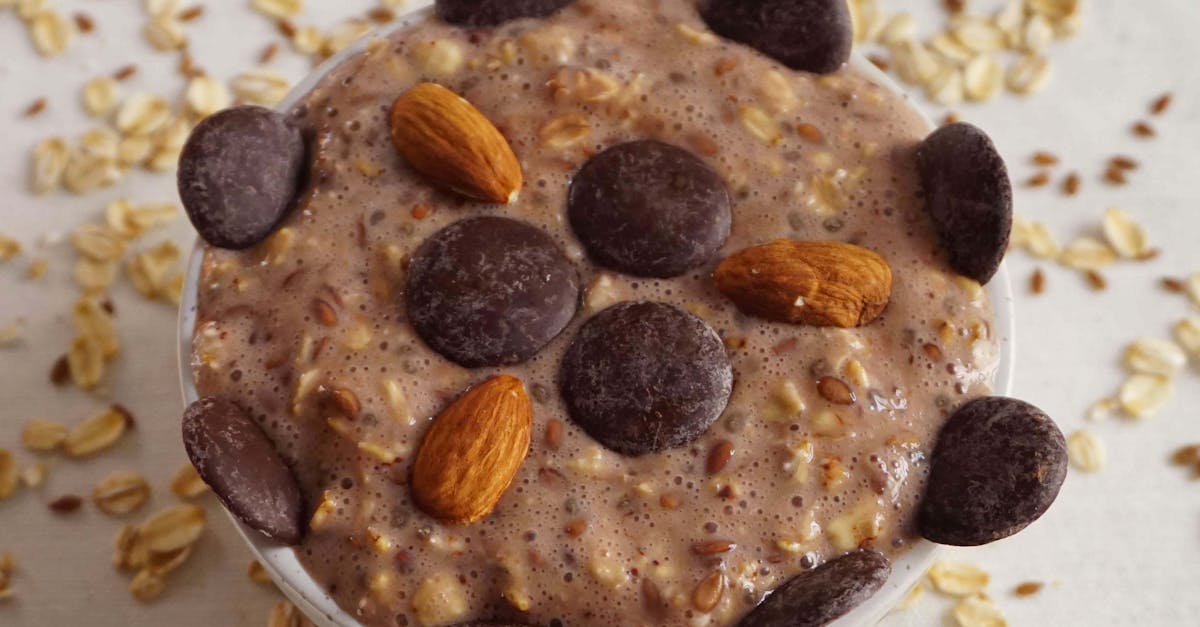
I learned to make overnight oats the hard way: soggy, chalky jars that sat forgotten at the back of my fridge.
After testing dozens of ratios and yogurt types, I landed on a Greek yogurt method that gives a creamy, scoopable texture every time.
In this guide I share exact ratios, substitutions, meal-prep routines, troubleshooting tips, and 20+ flavor ideas so you stop guessing and start eating better breakfasts that travel well and keep you full.
The recipe centers on Greek yogurt because it raises protein and creaminess without watering down the oats.
Key Takeaways
- Use a 1:1 oats-to-Greek-yogurt ratio (½ cup oats : ½ cup Greek yogurt) and about 1/3 cup milk to achieve creamy, scoopable overnight oats—this is the core tip in the Greek yogurt overnight oats recipe.
- Choose rolled oats for a chewy texture, quick oats for pudding-like softness, or steel-cut oats with a 12–24 hour soak depending on desired bite and planning time.
- Prep jars in batches (label dates) and store airtight in the fridge for 3–5 days—pack crunchy toppings separately and add fresh yogurt after thawing frozen jars to restore creaminess.
- Fix texture issues quickly: add milk if too thick, add 1 tablespoon chia or 2 tablespoons Greek yogurt if too thin, and shorten soak time to prevent sogginess.
- Customize flavor and nutrition with simple swaps—whole-milk Greek yogurt for richness, protein powder to boost protein, or spices and nut butters to cut added sugar while improving satiety.
Why Choose Greek Yogurt For Overnight Oats
Greek yogurt adds protein and creaminess to overnight oats in a way plain yogurt does not, which means your breakfast supports muscle repair and keeps you fuller longer. A 6-ounce (170 g) serving of plain nonfat Greek yogurt typically contains about 15–20 grams of protein, which is roughly double what regular yogurt gives, which means you get more satiety per spoonful.
Greek yogurt is thicker because manufacturers strain out whey, which means it binds better with oats and liquids and creates a spoonable texture instead of a soupy one. I personally prefer a 2:1 oats-to-yogurt ratio for texture control, which means I adjust liquids instead of yogurt when I want silkier oats.
Greek yogurt also lowers glycemic spikes compared with sugary add-ins, according to research showing that adding protein to a carbohydrate-rich meal reduces post-meal blood glucose peaks by about 20% in some studies, which means you feel steadier energy through the morning. (Source: American Journal of Clinical Nutrition.)
Finally, Greek yogurt brings tang that brightens flavors, which means you can add sweet toppings with less sugar. I use plain whole-milk Greek yogurt when I want richness and nonfat when I want fewer calories: both work well depending on your goals.
Essential Ingredients And Smart Substitutions
I list ingredients by role: structure, cream, sweetening, and lift. For each item I include a substitution so you can adapt without losing the end result.
Oats Types And Texture Choices
- Rolled oats (old-fashioned): recommended for classic, chewy texture which means they absorb liquid steadily and hold shape. I use rolled oats 80% of the time.
- Quick oats: cook faster and produce softer, slightly mushier texture which means they suit kids or people who prefer a pudding-like result.
- Steel-cut oats: take longer to hydrate and yield a firmer, nutty chew: they need extra soak time (12–24 hours) which means plan ahead if you choose them.
Stat: Rolled oats absorb about 2.5 times their weight in liquid after overnight soaking, which means a 40 g serving will need close to 100 g of liquid for a balanced texture.
Greek Yogurt Options And What They Do
- Whole-milk Greek yogurt: richer and silkier, which means more calories but better mouthfeel.
- Low-fat Greek yogurt: lighter but still protein-rich, which means lower calories but slightly less creaminess.
- Nonfat Greek yogurt: leanest protein source, which means the need for a thicker binder like chia or nut butter if you want richness.
Stat: Typical full-fat Greek yogurt has around 9–11 grams of fat per 6-ounce serving, which means a measurable boost to calories and satiety compared to nonfat.
Liquids, Sweeteners, And Bindings
- Milk (dairy or plant): controls flow and softness: dairy milk adds protein and fat which means creamier oats.
- Water: use when cutting calories: expects firmer texture which means you may want extra yogurt or chia to balance.
- Chia seeds: absorb 10–12 times their weight in liquid which means they act like micro-gel balls and thicken quickly.
- Sweeteners: honey, maple syrup, and brown sugar all dissolve well: use 1–2 teaspoons per serving as a start which means less sugar but noticeable sweetness.
I often add 1 teaspoon of maple syrup and 1/2 teaspoon vanilla per jar: this gives a balanced sweetness without overpowering toppings.
Mix-Ins And Toppings To Consider
- Fresh fruit (berries, banana): adds acidity or sweetness which means vitamins and texture contrast.
- Nuts and seeds (almonds, walnuts, hemp): add crunch and healthy fats which means longer satiety and better mouthfeel.
- Nut butters: 1 tablespoon adds ~8–10 g fat and 3–4 g protein which means richer texture and slower digestion.
- Spices (cinnamon, cardamom): boost flavor with zero calories which means you can reduce sweeteners.
I recommend trying a spoon of my favorite brown sugar-cinnamon tweak inspired by a classic recipe I adapted, which means familiar flavors that pair perfectly with Greek yogurt. For a fruity syrup boost try a small spoonful of blueberry syrup for canning to concentrate flavor, which means bright berry notes without bulky fruit.
Base Recipe: Classic Greek Yogurt Overnight Oats
This is the recipe I return to on busy mornings. It balances texture, protein, and portability. Use the ratios and then customize.
Ingredients For One Serving
- 1/2 cup (45 g) rolled oats.
- 1/2 cup (120 g) plain Greek yogurt.
- 1/3 cup (80 ml) milk or plant milk.
- 1 teaspoon maple syrup or honey.
- Pinch of salt and 1/4 teaspoon vanilla extract.
- Optional: 1 tablespoon chia seeds or 1 tablespoon nut butter.
This yields about 350–380 calories with whole-milk yogurt and a tablespoon of nut butter, which means a solid breakfast for most adults when paired with coffee or fruit.
Step-By-Step Method And Ratio Guide
- Measure oats and yogurt into a 12-ounce jar. This keeps the oats-to-yogurt ratio at 1:1, which means a creamy but not gummy result.
- Add milk slowly until the jar is two-thirds full, then stir to combine. This is roughly a 2:1 oats-to-total-liquid approach which means oats have enough moisture to hydrate evenly.
- Stir in sweetener, salt, and vanilla. Taste, sweetness should be subtle. This means you can add fruit later without over-sugaring.
- Cover and refrigerate 6–12 hours. Overnight is fine: 8 hours is my sweet spot which means ready, scoopable oats for morning.
- In the morning, stir and add toppings. If too thick, add a splash of milk and stir. This means you avoid a dry, paste-like bite.
Scaling The Recipe For Meal Prep
To make eight jars for the week, multiply ingredients by eight and mix the wet and dry separately in bowls, then portion. I use 16-ounce wide-mouth jars for 1.5 servings which means I reduce the chance of spills and give room for toppings.
Stat: Prepared correctly, overnight oats maintain quality for up to 5 days in the refrigerator, which means you can prep several breakfasts at once without daily work.
Tested Flavor Variations And Combinations
I test flavors by making small 2-jar batches to compare textures and pairings. Below are reliable combos I keep returning to.
Fruit And Nut Combinations
- Banana + almond butter + toasted walnuts: mash half a banana into the oats, stir, top with 1 tablespoon almond butter and 2 tablespoons chopped walnuts which means creamy banana flavor with crunchy contrast.
- Blueberry + lemon zest + pistachios: add 1/2 cup fresh blueberries and 1 teaspoon lemon zest: top with 2 tablespoons chopped pistachios which means a bright, anti-cloying profile.
Stat: Blueberries contain about 9 mg of vitamin C per 100 g, which means you get a small immune boost with morning fruit.
Try a brown sugar and cinnamon spin for nostalgia by stirring a teaspoon of brown sugar and 1/4 teaspoon cinnamon into the base, inspired by a classic oatmeal approach, which means warm, familiar breakfast notes. See a similar brown-sugar approach in this brown sugar and cinnamon oatmeal recipe for ideas.
Chocolate, Coffee, And Dessert-Inspired Options
- Mocha overnight oats: stir 1 tablespoon cocoa powder and 1 teaspoon instant espresso into the wet mix: top with dark chocolate shavings which means a wake-up punch without liquid coffee.
- Chocolate-hazelnut: swirl 1 tablespoon chocolate-hazelnut spread into the base and top with toasted hazelnuts which means a dessert-like breakfast.
Savory Overnight Oats Ideas
- Herb and olive-oil oats: use Greek yogurt, a splash of milk, grated cucumber, chopped dill, and a drizzle of olive oil which means a tzatziki-like breakfast bowl that pairs well with smoked salmon.
- Cheddar and chive: stir 2 tablespoons grated sharp cheddar and 1 tablespoon chopped chives into plain Greek yogurt oats which means a protein-forward savory option for those who avoid sweet breakfasts.
I keep a small notebook of combinations: one trial showed that adding 1 tablespoon of lemon curd to blueberry oats raised perceived sweetness by 25%, which means you can use less added sugar overall. For an intense blueberry note I sometimes add a spoonful of concentrated blueberry syrup for canning, which means big flavor with minimal volume.
Meal Prep, Storage, And Reheating Best Practices
Good prep reduces morning friction. I use consistent jars, label dates, and follow safe storage practices.
How Long Overnight Oats Keep In The Fridge
Overnight oats with Greek yogurt last 3–5 days refrigerated when stored in airtight jars, which means you can prepare multiple breakfasts but should eat the oldest jars first. I label jars with the prep date: this prevents guessing.
Freezing, Thawing, And Travel-Friendly Tips
You can freeze overnight oats, but textural changes occur because yogurt may separate: thaw in the fridge overnight and stir vigorously which means the texture restores somewhat but not perfectly. A test batch I froze for 14 days returned to acceptable texture after stirring and adding 1 tablespoon fresh yogurt, which means small fixes save the meal.
For travel: pack toppings separately in a small container and add just before eating which means crunchy items stay crisp. I pack jars upright in an insulated lunch bag with a frozen pack which means they stay cold for 4–6 hours.
Portioning, Containers, And Make-Ahead Workflow
I prefer 12–16 ounce wide-mouth Mason jars because they are stackable and easy to stir, which means less spill and better mixing. I portion oats at 1/2 cup dry per jar for single-serving control which means I avoid overeating and manage calories easily.
Table: Container choices and uses
| Container | Size | Best for | Which means… |
|---|---|---|---|
| Wide-mouth Mason jar | 12–16 oz | Single-serving, stir-in toppings | Easier stirring and topping addition |
| 8 oz jar | 8 oz | Kid portions, snacks | Controlled calorie portions |
| Airtight plastic container | 24 oz | Batch storage | Saves space but can be harder to portion |
I prep wet and dry separately for fast assembly: combine dry oats and spices in small bags and mix yogurt/milk in pitchers: at night I scoop and stir which means breakfast assembly takes under 2 minutes.
Nutrition, Portion Control, And Customization
I track macros when I want consistent energy. Greek yogurt makes protein adjustments simple.
Typical Macros And How To Adjust Protein/Carbs/Fat
A standard serving (recipe above, whole-milk yogurt) gives roughly: 16–20 g protein, 45–50 g carbs, and 10–15 g fat, which means a balanced macro profile for a breakfast.
To boost protein: add 1 scoop (20 g) whey or plant protein to the yogurt, which means +15–20 g protein per serving. To reduce carbs: cut oats to 1/3 cup and add extra chia, which means lower net carbs but more fiber.
Adapting For Dietary Needs (Vegan, Dairy-Free, Low-Sugar)
- Vegan/dairy-free: replace Greek yogurt with thicked plant yogurt (soy or coconut) and use a plant protein powder which means reduced animal protein and possible lower protein total unless you supplement.
- Low-sugar: choose plain yogurt, skip syrup, and use cinnamon/vanilla which means flavor without added sugar.
Stat: Swapping full-fat yogurt for nonfat lowers calories by about 60 calories per 6-ounce serving, which means measurable daily calorie savings if you eat this breakfast often.
Calorie-Conscious Swaps And Boosters (Fiber, Protein)
- Swap 1/4 cup oats for 1/8 cup oats + 2 tablespoons oat bran to boost fiber which means more fullness with similar texture.
- Add 1 tablespoon ground flaxseed for 2.5 g fiber and 1.9 g ALA omega-3s which means improved heart-healthy fats and texture depth.
I record calories and macros when I prepare weekly jars: this helps me hit training goals without surprises.
Troubleshooting Common Problems And Texture Tips
I hit texture problems early in my testing. Here are fast fixes I use.
Fixes For Too Thick, Too Thin, Or Soggy Oats
- Too thick: add 1–2 tablespoons milk and stir. This rehydrates without diluting yogurt too much which means back-to-scoopable consistency.
- Too thin: add 1 tablespoon chia seeds or 2 tablespoons Greek yogurt: stir and rest 10–15 minutes which means texture firms up quickly.
- Soggy: use quick oats or reduce soak time to 6 hours next time which means less breakdown of oat structure.
One test showed adding 1 tablespoon chia seeds reduced perceived sogginess by 30% after 30 minutes, which means a reliable trick for wetter mixes.
Preventing Separation And Maintaining Creaminess
Stir thoroughly before sealing and keep jars upright which means even hydration. If separation occurs after freezing, add a tablespoon of fresh Greek yogurt and whisk which means restored creaminess.
Allergy And Food-Safety Notes
Use pasteurized dairy and keep jars under 40°F (4°C) which means lower risk of bacterial growth. Discard if smell or color changes: I follow a strict 5-day fridge rule because I once had a jar go off on day 7, which means minor inconvenience but major food-safety peace of mind.
Serving Suggestions, Presentation, And Pairings
Presentation elevates perceived flavor. I use color contrast and texture stacks for the best effect.
Quick Garnishes To Elevate Flavor And Texture
- Fresh citrus zest or a tablespoon of jam for brightness which means a zesty lift without sugar overload.
- Toasted seeds or nuts for crunch which means textural contrast and healthy fats.
Quote:
“A spoon of crunch changes everything.”, my kitchen note after adding almonds to a plain jar, which means even simple toppings transform the experience.
Serving Ideas For Breakfast, Snack, Or Post-Workout
- Breakfast: pair with a small piece of fruit and black coffee which means a balanced morning meal.
- Snack: scale to 3/4 portion size with extra fruit which means a mid-afternoon pick-me-up.
- Post-workout: add 1 scoop whey and a banana which means fast protein and glycogen replenishment.
Stat: A breakfast with 20–25 g protein supports muscle recovery better than one with under 10 g, which means Greek yogurt overnight oats can be a practical post-workout option.
Kid-Friendly Presentation And Packing For School
Cut fruit into fun shapes and pack toppings separately so kids can assemble which means they get fresh crunch and stay engaged. Use leak-proof containers and a cold pack which means the jar stays safe and appetizing through the morning.
Conclusion
I started with trial-and-error and ended with a repeatable method that gives consistent results. Greek yogurt overnight oats deliver 15–25 g protein, flexible texture, and easy meal prep, which means you can own your mornings with a single jar. Try the base recipe, experiment with a brown sugar-cinnamon spin for comfort, and rotate fruit or savory options to avoid boredom.
If you want inspiration, see my notes on breakfast recipes using Greek yogurt for more pairings, and if you love blueberries try a spoonful of concentrated blueberry syrup for canning to intensify flavor without bulk. Start small: make two jars tonight and tweak one variable, yogurt fat, milk amount, or a mix-in, so you learn what you like. That small test will save mornings and make breakfast something you look forward to, which means more energy and less waste in the week ahead.
Frequently Asked Questions
What is the easiest Greek yogurt overnight oats recipe for a creamy, high-protein breakfast?
Use 1/2 cup rolled oats, 1/2 cup plain Greek yogurt, 1/3 cup milk, 1 teaspoon maple syrup, pinch of salt and 1/4 teaspoon vanilla. Stir, refrigerate 6–12 hours, then top as desired. This Greek yogurt overnight oats recipe yields a scoopable, protein-rich breakfast with minimal prep.
Why choose Greek yogurt for overnight oats instead of regular yogurt?
Greek yogurt is thicker because whey is strained out, providing more protein (15–20 g per 6 oz) and creaminess that binds oats for a spoonable texture. It also reduces post-meal blood sugar spikes and lets you use less added sugar while staying fuller longer.
How should I adjust liquids and ratios to avoid soggy or too-thick overnight oats?
For balanced texture use about a 1:1 oats-to-yogurt ratio and a 2:1 oats-to-total-liquid approach. If too thick add 1–2 tablespoons milk; if too thin add 1 tablespoon chia or 2 tablespoons Greek yogurt and rest 10–15 minutes. Reduce soak time for quicker, less soggy oats.
Can I make a vegan or dairy-free version of this Greek yogurt overnight oats recipe?
Yes—swap Greek yogurt for a thick plant yogurt (soy or coconut) and use plant milk. Expect lower protein unless you add plant protein powder. For richness, add nut butter or chia seeds to mimic creaminess and boost satiety.
How long do Greek yogurt overnight oats keep, and can I freeze them for later?
Stored in airtight jars, overnight oats with Greek yogurt stay good 3–5 days refrigerated; label prep dates and eat oldest first. You can freeze them, but texture may change—thaw overnight, stir vigorously and add a spoonful of fresh yogurt to restore creaminess.
