
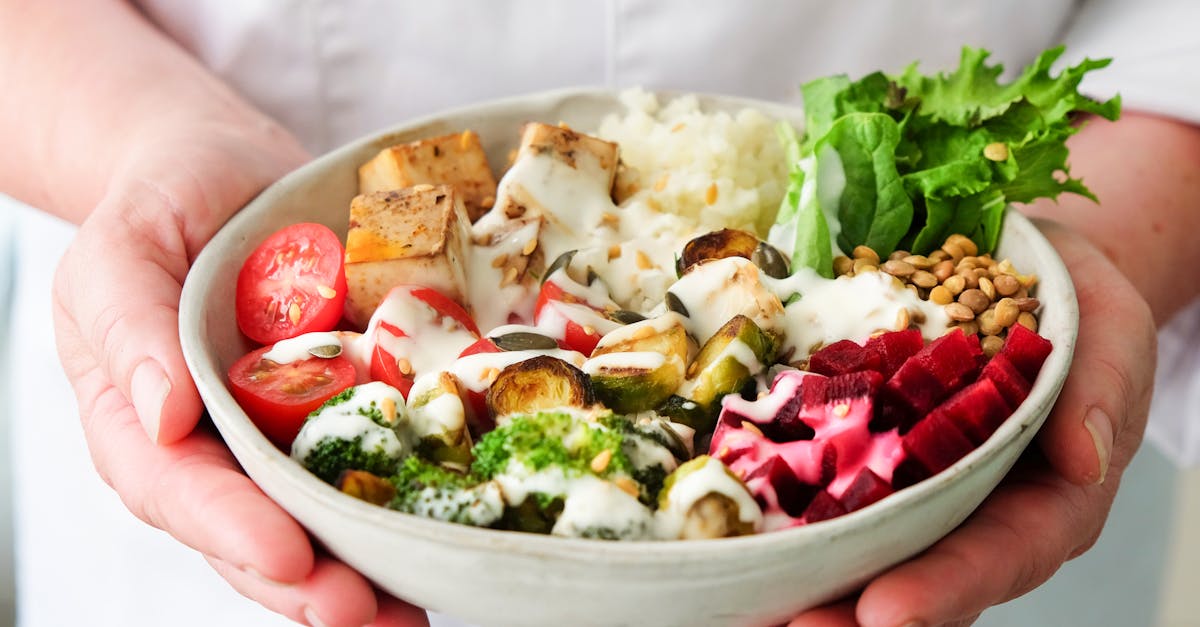
The first time I swapped Greek yogurt for mayo in broccoli salad, I expected “healthy” to taste like compromise. Instead, I got a bowl that felt brighter, cool, tangy, and still creamy, with that loud crunch you can hear across the kitchen.
This greek yogurt broccoli salad recipe keeps the classic sweet-salty-creamy vibe, but it lands lighter on the palate and easier on the stomach. I’ll show you exactly how I make it, what I tested (raw vs blanched broccoli), and how to adjust it so it tastes like your kind of salad.
Key Takeaways
- This greek yogurt broccoli salad recipe delivers the classic sweet-salty crunch with a lighter, tangier dressing than mayo-based versions.
- Cut florets to about 1 inch and slice stems thin so the dressing coats evenly and every bite stays crisp instead of woody.
- Choose raw broccoli for maximum crunch or blanch for 45–60 seconds and shock in ice water for a softer bite and brighter green color.
- Build contrast with a simple “crunch + sweet + savory” mix-in rule (like sunflower seeds, dried cranberries, and bacon) to keep the salad exciting.
- Whisk Greek yogurt and oil first, then add vinegar/lemon, mustard, and a touch of honey, and always taste the dressing on a broccoli floret before adjusting.
- For make-ahead success, prep broccoli and dressing early but add seeds and bacon right before serving to protect the crunch and prevent sogginess.
Why You’ll Love This Greek Yogurt Broccoli Salad
You know that moment when a fork hits a perfect piece of broccoli, crisp, cold, dressed, and crunchy with bacon and seeds. This salad gives you that moment over and over.
I make this when I want comfort-food flavor without the heavy mayo finish, which means I can serve it at a cookout and still feel good after a second scoop.
“Cold + crunchy + tangy” sounds simple, but when it’s balanced, it tastes like a reset button.
What Makes Greek Yogurt A Great Mayo Swap
Greek yogurt brings thickness and tang with fewer calories than traditional mayo, which means you get creaminess without that oily coating.
A key number helps set expectations. USDA FoodData Central lists plain nonfat Greek yogurt at about 59 calories per 100 g, which means a yogurt-based dressing can be much lighter than mayo-based versions when you build the same volume of sauce. You can verify values on USDA FoodData Central, which means you can check brands and fat levels before you buy.
I also like Greek yogurt because it behaves well in cold salads. It clings to broccoli florets, which means every bite tastes dressed instead of watery.
Practical warning: yogurt can taste sharp if you skip sweetness. A tiny bit of honey (or chopped dates) fixes that, which means you control the “deli salad” vibe without dumping in sugar.
Flavor And Texture Goals: Creamy, Tangy, And Crunchy
I aim for three targets:
- Creamy dressing that coats (not pools), which means no sad puddle at the bottom.
- Tangy lift from lemon or vinegar, which means the salad tastes fresh even after chilling.
- Crunch from seeds, nuts, and crisp broccoli, which means the texture stays exciting.
In my tests, the best crunch comes from small florets + thin stems. Big chunks feel woody, which means people chew more and enjoy less.
Concrete example: when I cut florets to about 1 inch wide and slice stems 1/8 inch thick, the salad eats like a slaw, which means the dressing spreads evenly and the bowl disappears faster.
Ingredients You’ll Need
Open your fridge and you can almost see this salad assembling itself. Green broccoli. White yogurt. A few salty and sweet hits. Done.
Below is the version I make most often. It makes about 6 side servings, which means it fits a weeknight dinner plus leftovers.
The Broccoli: Raw Vs Blanched, And How To Choose
You have two good paths:
- Raw broccoli (my default), which means maximum crunch and fastest prep.
- Quick-blanched broccoli, which means a softer bite and a brighter green color.
If your broccoli stems feel thick or the florets look dry, blanching helps. I blanch for 45–60 seconds in boiling salted water, then shock in ice water, which means the broccoli stays crisp but loses that sharp “raw” edge.
How I choose broccoli at the store:
- I look for tight florets with deep green (or purple-tinged) tops, which means it is fresher.
- I avoid yellowing buds, which means the broccoli is older and can taste bitter.
- I pick firm stems, which means the texture will stay snappy after chilling.
The Mix-Ins: Crunch, Sweetness, And Savory Options
This salad tastes best when every fork has contrast. I use a “3-part mix-in” rule, which means I always include one crunchy thing, one sweet thing, and one savory thing.
My go-to mix-ins
- Sunflower seeds (1/3 cup), which means nutty crunch without chopping.
- Dried cranberries (1/3 cup), which means little sweet pops in the tangy dressing.
- Red onion (1/3 cup, finely diced), which means bite and aroma in small doses.
- Cooked bacon (4–6 slices, crumbled), which means smoky salt that makes the bowl taste “party-ready.”
Practical warning: big onion pieces take over. I dice small and rinse under cold water for 10 seconds, which means the onion stays crisp but less harsh.
If you want a fun side dish lineup, I often pair this with a bright drink like my copycat-style mint limeade, which means you get a cool, fresh contrast next to smoky grilled food.
Greek Yogurt Dressing Ingredients And Best Substitutions
Here’s the dressing I actually use. It makes about 1 cup, which means it coats the salad without drowning it.
Dressing ingredients
- Plain Greek yogurt, 3/4 cup (2% or whole for best mouthfeel), which means the dressing tastes creamy, not chalky.
- Olive oil, 1 tablespoon, which means you add richness and a smoother finish.
- Apple cider vinegar, 1 tablespoon (or lemon juice), which means you get bright tang.
- Honey, 1–2 teaspoons (or maple syrup), which means you balance the yogurt’s sharpness.
- Dijon mustard, 1 teaspoon, which means the dressing tastes more “complete.”
- Garlic powder, 1/2 teaspoon, which means you get savory flavor without raw garlic bite.
- Fine salt, 1/2 teaspoon (start here), which means the flavors stop tasting flat.
- Black pepper, 1/4 teaspoon, which means the salad has a gentle bite.
Best substitutions I’ve tested
| If you need… | Use… | Result | Which means… |
|---|---|---|---|
| Less tang | 1/2 yogurt + 1/2 sour cream | softer flavor | you get a more “classic deli” taste |
| Dairy-free | unsweetened plant yogurt + extra mustard | thinner dressing | you still get creaminess with more punch |
| Lower sugar | skip honey, add 2 tbsp finely diced apple | fresh sweetness | you control sugar and add crunch |
| No vinegar | lemon juice | cleaner citrus tang | the salad tastes brighter |
I sometimes add a spoon of a fruit-forward condiment when I want a stronger sweet note. A simple berry element plays well with broccoli, which means the salad tastes more like a restaurant side. If that sounds good, see my berry chutney recipe and use 1 teaspoon in the dressing.
How To Make Greek Yogurt Broccoli Salad Step By Step
This is the part where it turns from “a pile of ingredients” into something you keep snacking on straight from the bowl.
I use one big mixing bowl, one small bowl, and a sharp knife, which means cleanup stays easy.
Prep The Broccoli For The Best Bite
Step 1: Cut florets small. I aim for florets about 1 inch across, which means they catch dressing in the little branches.
Step 2: Slice stems thin. I peel tough stem skin if needed, then slice 1/8 inch thick, which means the stems taste crisp instead of woody.
Step 3 (optional): Blanch. Boil salted water, add broccoli for 45–60 seconds, then ice-bath for 2 minutes, which means you keep crunch but soften the raw edge.
Step 4: Dry well. I spin the broccoli in a salad spinner or pat it dry, which means the dressing stays thick and doesn’t slide off.
Concrete example from my own kitchen: when I skip drying, I end up adding extra yogurt to “fix” the sauce, which means the salad turns bland and heavy.
Whisk The Dressing Until Smooth And Balanced
Step 1: Whisk yogurt + oil first. I whisk for 20 seconds, which means the oil emulsifies and the dressing feels silky.
Step 2: Add vinegar/lemon + mustard. I whisk again, which means the tang spreads evenly.
Step 3: Add honey, salt, pepper, garlic powder. I taste with a broccoli floret, which means I test the dressing the way I’ll actually eat it.
Here is my quick taste checklist:
- Too sharp? Add 1/2 teaspoon honey, which means the flavor rounds out.
- Too flat? Add a pinch of salt, which means the tang and sweetness pop.
- Too thick? Add 1 teaspoon water, which means it coats without clumping.
Practical warning: don’t add water before you taste. Water can mute flavor fast, which means you will chase seasoning.
Toss, Chill, And Taste-Adjust Before Serving
Step 1: Combine broccoli + mix-ins. Add broccoli, onion, seeds, cranberries, and bacon to the big bowl, which means the dressing hits everything at once.
Step 2: Add dressing and toss well. I toss for 30–45 seconds, which means the yogurt gets into the florets.
Step 3: Chill. I chill for 30 minutes, which means the broccoli softens slightly and the flavors knit.
Step 4: Taste-adjust. I add a final pinch of salt or splash of vinegar, which means the salad wakes up right before serving.
If I serve this next to something rich like bread pudding, I keep the salad extra tangy. My sweet pick is panettone bread pudding, which means dessert feels special while the salad keeps dinner from feeling too heavy.
Full ingredient list (for easy copy)
- Broccoli florets + stems: 6 cups (about 2 large heads)
- Greek yogurt: 3/4 cup
- Olive oil: 1 tbsp
- Apple cider vinegar (or lemon): 1 tbsp
- Honey: 1–2 tsp
- Dijon: 1 tsp
- Garlic powder: 1/2 tsp
- Salt: 1/2 tsp, plus more to taste
- Black pepper: 1/4 tsp
- Red onion: 1/3 cup, finely diced
- Dried cranberries: 1/3 cup
- Sunflower seeds: 1/3 cup
- Bacon: 4–6 slices, cooked and crumbled
Make It Your Own: Variations And Dietary Swaps
The first time I brought this to a potluck, one person asked for the recipe and another asked if it was “that mayo one.” Their faces changed when I said Greek yogurt, which means this salad can surprise people in a good way.
Higher-Protein And Lower-Sugar Versions
If you want more protein, you can push it without changing the vibe.
- Use 0% Greek yogurt and add 2 tablespoons hemp hearts, which means you raise protein and add mild nuttiness.
- Add 1 cup diced cooked chicken, which means the salad becomes lunch.
If you want lower sugar, you have options that still taste good.
- Swap cranberries for 1/2 cup diced apple, which means you keep sweetness with less added sugar.
- Use 1 teaspoon honey max and add extra onion or extra vinegar, which means you replace sweet impact with savory tang.
Data point: The American Heart Association suggests limiting added sugars to no more than 25 g/day for women and 36 g/day for men, which means small ingredient swaps in a “side dish” can matter. You can read the guidance on added sugars from the American Heart Association, which means you can make choices with a clear target.
Vegan And Dairy-Free Alternatives That Still Taste Creamy
I’ve tested a dairy-free version when cooking for friends who avoid lactose.
- Use unsweetened soy or coconut yogurt.
- Add 1 teaspoon Dijon plus 1 tablespoon olive oil.
- Add 1–2 teaspoons lemon juice.
This combo works because the mustard and oil add body, which means the dressing still coats broccoli instead of sliding off.
Practical warning: some plant yogurts taste sweet even when labeled plain. Taste before you add honey, which means you avoid a weird “fruit yogurt salad” flavor.
Add-Ins For A Full Meal: Chicken, Chickpeas, Or Grains
You can turn this side into dinner with one addition.
- Chicken (1–2 cups): I use leftover grilled thighs, which means the smoky flavor matches the bacon.
- Chickpeas (1 can, drained): I rinse and dry them, which means they don’t water down the dressing.
- Cooked grains (1 cup quinoa or farro): I cool them first, which means they don’t thin the yogurt.
If you want a cozy, protein-forward menu, I sometimes serve this next to a warm mug of broth. My pantry trick is recipes that use bone broth protein powder, which means I can boost protein fast without cooking a stock pot.
Serving Ideas For Every Occasion
A cold bowl of broccoli salad can feel ordinary, until you serve it with the right food. Then it tastes like the thing everyone copies.
Pairings For Cookouts, Potlucks, And Weeknight Dinners
Here’s what I pair with it most often:
- Burgers or hot dogs: the tang cuts the fat, which means each bite feels fresh.
- Pulled chicken or rotisserie chicken: easy protein plus crunch, which means dinner takes 10 minutes.
- Salmon: the creamy dressing plays well with rich fish, which means you don’t need a heavy sauce.
Concrete example: I served this with sheet-pan salmon and roasted potatoes for 4 people, which means I used one bowl of salad as the only “vegetable side” and nobody asked for another.
Practical warning: don’t serve it ice-cold straight from the back of the fridge. Let it sit 10 minutes on the counter, which means the flavors show up more.
How Much To Make: Scaling For A Crowd
This recipe scales cleanly.
| People | Broccoli | Yogurt | Bacon | Seeds | Which means… |
|---|---|---|---|---|---|
| 4 (side) | 4 cups | 1/2 cup | 4 slices | 1/4 cup | you get a small bowl with minimal leftovers |
| 6 (side) | 6 cups | 3/4 cup | 4–6 slices | 1/3 cup | you get the “standard” potluck bowl |
| 12 (side) | 12 cups | 1 1/2 cups | 10–12 slices | 2/3 cup | you feed a crowd without skimping |
I keep the vinegar and salt conservative when I scale up, then adjust at the end, which means I avoid over-seasoning a big batch.
Storage, Make-Ahead, And Food Safety
You can make this salad ahead, but you need one smart move if you want crunch on day two.
How Far Ahead To Prep Each Component
Here is the timeline I follow at home:
- Broccoli (cut): up to 2 days ahead, stored dry in a sealed container, which means you save time without sogginess.
- Dressing: up to 3 days ahead, stored in a jar, which means you can shake and pour fast.
- Bacon: 1 day ahead, stored in the fridge, which means it stays crisp enough.
- Mix-ins (seeds, fruit): anytime, which means prep becomes assembly.
If I make it for a party, I mix everything except seeds and bacon, then add those right before serving, which means the crunch stays loud.
How Long It Lasts And How To Keep It Crunchy
This salad keeps well for 3 days in the fridge in my experience, which means it works for meal prep.
Day-by-day texture reality:
- Day 1: peak crunch, which means best for guests.
- Day 2: still good, slightly softer broccoli, which means best for lunch.
- Day 3: acceptable but less crisp, which means I use it as a wrap filling.
Food safety matters with dairy and cooked bacon. The USDA says you should not leave perishable foods at room temperature for more than 2 hours (or 1 hour above 90°F), which means you should keep the bowl chilled at potlucks. See the guidance on the USDA Food Safety “Danger Zone”, which means you can set a timer and avoid guessing.
Practical warning: if the salad looks watery after storage, don’t add more yogurt first. Stir, taste, then add 1 tablespoon seeds or a pinch of salt, which means you fix texture and flavor without making it heavy.
Conclusion
This greek yogurt broccoli salad recipe gives you the classic comfort of broccoli salad with a cleaner finish, which means you can serve it often without feeling weighed down.
I’d start with small florets, a dressing you taste on a broccoli piece, and a short chill. Then you adjust salt and tang at the end, which means the bowl tastes sharp, creamy, and alive.
If you make one change, make it this: keep the seeds and bacon for the last minute, which means you protect the crunch that makes people go back for “just one more bite.”
Frequently Asked Questions (Greek Yogurt Broccoli Salad Recipe)
How do you make a greek yogurt broccoli salad recipe that isn’t watery?
Dry the broccoli well after washing (or after blanching), then use thick plain Greek yogurt so the dressing clings. Cut florets small for more surface area, and chill 30 minutes before serving. If it looks watery later, stir and taste before adding more yogurt.
Should I use raw or blanched broccoli for a greek yogurt broccoli salad recipe?
Raw broccoli gives maximum crunch and the fastest prep. Quick-blanched broccoli (45–60 seconds, then an ice bath) tastes slightly softer and looks brighter green, while still staying crisp. If stems feel thick or florets seem dry, blanching helps mellow the raw edge.
What’s the best Greek yogurt dressing for broccoli salad (and how do I balance the tang)?
A reliable dressing is Greek yogurt with a little olive oil, apple cider vinegar or lemon juice, Dijon, garlic powder, salt, pepper, and a small amount of honey. If it tastes too sharp, add 1/2 teaspoon more honey; if flat, add a pinch of salt.
What mix-ins taste best in a greek yogurt broccoli salad recipe?
Aim for contrast: one crunchy, one sweet, and one savory mix-in. Popular choices are sunflower seeds (crunch), dried cranberries (sweet pops), finely diced red onion (bite), and crumbled cooked bacon (smoky salt). Dice onion small and rinse briefly to reduce harshness.
Can you make greek yogurt broccoli salad ahead of time for a potluck?
Yes—prep broccoli up to 2 days ahead and dressing up to 3 days ahead, then assemble and chill before serving. For the best texture, mix everything except the seeds and bacon, and add those right before serving so they stay crisp and “loud” in the salad.
How long does greek yogurt broccoli salad last in the fridge, and is it food-safe?
It typically keeps about 3 days refrigerated: day 1 is crunchiest, day 2 is slightly softer, and day 3 is best used as a wrap filling. Keep it chilled at gatherings—per USDA guidance, don’t leave perishable foods out more than 2 hours (1 hour above 90°F).
