
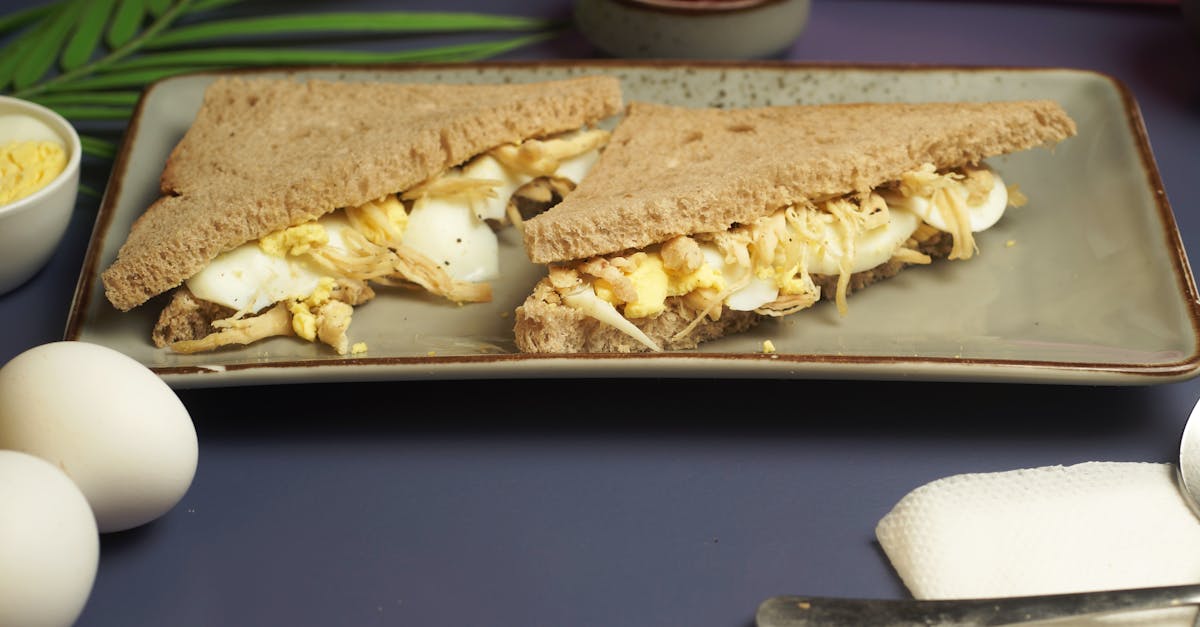
The first time I nailed strapatsada, the pan smelled like sweet tomato jam and warm oregano, and my toast went silent under a shiny river of olive oil. I stopped stirring early, which means the eggs stayed soft instead of turning into dry curds.
This Greek scrambled eggs strapatsada recipe is fast, forgiving, and loud with flavor. I make it in about 20 minutes, which means you can pull off real comfort food on a weekday without treating breakfast like a project.
Key Takeaways
- This greek scrambled eggs strapatsada recipe works best when you cook the tomatoes down first until thick and jammy, so the eggs set into sauce instead of turning watery.
- Use gentle heat and stop stirring early, because eggs set around 144–158°F and carryover cooking will finish them while they stay soft and custardy.
- Follow the simple ratio (4 eggs + 2 cups tomatoes + 2–3 oz feta) to keep strapatsada egg-forward with bright tomato flavor and just enough salty tang.
- Simmer the tomato base uncovered for 8–12 minutes and look for the “spoon trail stays open for 2 seconds” cue before adding eggs for consistent texture.
- Finish off-heat with feta and a fresh drizzle of extra-virgin olive oil to lock in aroma, keep the cheese creamy, and make each bite taste more vivid.
- For easy meal planning, make the tomato base up to 24 hours ahead and scramble in fresh eggs in minutes for a fast greek scrambled eggs strapatsada recipe any day of the week.
What Strapatsada Is And Why It Works
Astrapatsada is a Greek dish of scrambled eggs cooked into a thick tomato base, often finished with feta and olive oil, which means you get creamy eggs and bright tomato in the same bite.
I learned it as “eggs that meet tomatoes halfway.” I cook the tomatoes down first, which means the eggs hit a concentrated sauce instead of a watery stew.
A key number matters here: eggs start to set around 144–158°F (62–70°C), which means gentle heat gives you custardy curds instead of rubber. (That temperature range lines up with standard egg protein coagulation guidance from sources like USDA food safety egg guidance.)
Strapatsada Vs. Shakshuka Vs. Menemen
These three look similar in photos, but they behave differently in the pan, which means you need different expectations.
| Dish | Egg style | Tomato base texture | Typical add-ins | What it means for you |
|---|---|---|---|---|
| Strapatsada (Greece) | Scrambled into sauce | Thick, jammy | Feta, oregano, olive oil | Fast and creamy, which means it suits busy mornings |
| Shakshuka (North Africa/Levant) | Poached whole eggs | Saucy, often spiced | Cumin, peppers, harissa | More hands-off, which means it works for a group brunch |
| Menemen (Turkey) | Soft set eggs, often lightly scrambled | Juicier | Peppers, onion | Looser texture, which means bread matters more |
In my kitchen, strapatsada wins on speed. You scramble directly in the tomatoes, which means you skip the “poach-and-hope” stage.
When To Serve It In A Greek-Style Meal
Strapatsada shows up as breakfast, brunch, or a light dinner, which means you can build a whole meal around pantry basics.
I serve it when I want a Greek-style table without cooking five things. I add bread, olives, and a simple salad, which means the meal feels complete with minimal effort.
If you like meals that mix sweet and savory, you can even set a small dessert on the table after. I once paired it with a light fruit-forward finish and it worked surprisingly well, which means you can go from “eggs” to “host energy” fast.
Ingredients And Smart Substitutions
I keep strapatsada ingredient lists short. Fewer items give each flavor room to show up, which means the tomatoes and feta do the heavy lifting.
Below is what I use most often for 2 generous servings.
My baseline ratio: 4 eggs + 2 cups tomatoes + 2–3 oz feta, which means the dish stays egg-forward but still tastes like summer.
Tomatoes: Fresh, Canned, Or Cherry
Tomatoes decide the whole mood, which means choosing the right type saves you from watery eggs.
- Fresh ripe tomatoes (2 large, grated or chopped): I use these in peak season, which means I get floral sweetness and softer acidity.
- Canned crushed tomatoes (about 1 cup): I use these in winter, which means I get consistent thickness.
- Cherry tomatoes (2 cups, halved): I use these when I want quick sweetness, which means less simmer time.
Concrete tip: Many canned tomatoes contain calcium chloride, which means they hold shape and can stay chunkier. If you want a smoother, jammy base, I pick cans without it.
Cheese Options: Feta, Graviera, Or No Cheese
Cheese adds salt and tang, which means you can reduce extra seasoning.
- Feta (my go-to): I crumble it at the end, which means it stays creamy instead of melting into grease.
- Graviera: It melts more, which means you get a richer, stretchy finish.
- No cheese: I add more oregano and a pinch more salt, which means the tomatoes carry the punch.
Reality check: Feta varies a lot by brand. A sheep’s-milk-heavy feta tastes sharper, which means you should add it gradually and taste.
Eggs, Olive Oil, And Herbs: What Matters Most
Eggs bring body, olive oil brings silk, and herbs bring lift, which means each one needs a little attention.
- Eggs (4 large): I whisk just until combined, which means I avoid foamy curds.
- Extra-virgin olive oil (1½–2 tbsp): I use it twice, once to cook, once to finish, which means the final aroma stays fresh.
- Dried oregano (½–1 tsp): Dried works well with tomatoes, which means you still get a Greek flavor even without fresh herbs.
- Fresh parsley or dill (optional, 1–2 tbsp): I add it off heat, which means it stays bright.
Data point: One large egg has about 6 grams of protein, which means this dish hits roughly 24 grams from eggs alone before feta. (That lines up with standard nutrition data used by USDA FoodData Central.)
If you cook for dietary needs, keep a reference handy. I keep an allergy note sheet nearby when friends visit, which means I avoid last-minute ingredient surprises. This recipe allergy reference guide is a useful reminder for common swap logic.
Tools And Prep For Best Texture
The difference between silky strapatsada and sad, wet eggs usually comes from one thing. Water stays in the pan, which means the eggs steam instead of set.
I use a small tool setup and a simple prep routine.
What I use:
| Tool | Why I use it | Which means… |
|---|---|---|
| 10–12 inch skillet (nonstick or well-seasoned) | Controls sticking | I can scramble gently without tearing curds |
| Box grater (for tomatoes) | Makes “tomato pulp” fast | The sauce thickens evenly |
| Wooden spoon or silicone spatula | Gentle stirring | The eggs stay tender |
| Small bowl + fork | Quick egg whisk | I don’t overmix |
How To Avoid Watery Tomatoes And Rubbery Eggs
I follow three rules when I want the “jammy tomato, soft egg” finish, which means I can repeat results.
- I salt the tomatoes early. Salt pulls water out, which means the simmer starts working right away.
- I simmer uncovered. Steam escapes, which means the sauce thickens instead of pooling.
- I pull the pan early. Eggs carryover-cook for about 1–2 minutes, which means stopping at “slightly glossy” lands you at “perfect.”
Warning: If you rush the tomato reduction, the eggs will look watery no matter how long you cook them, which means you will overcook them trying to fix it.
The Right Pan, Heat Level, And Timing
I use medium heat for the tomatoes and low to medium-low once the eggs go in, which means I control curd size.
My timing is consistent:
- Tomato base: 8–12 minutes simmer, which means it turns thick and spoonable.
- Eggs: 2–4 minutes gentle scramble, which means they stay soft.
If your stove runs hot, drop the heat sooner than you think. Fast heat tightens egg proteins, which means rubber happens quickly.
Step-By-Step Strapatsada Recipe
This is the version I cook most weeks. It tastes like a sunny taverna lunch, which means it can pull you out of a bad morning.
Servings: 2 (or 3 light portions)
Time: ~20 minutes
Ingredients:
- 2 tbsp extra-virgin olive oil, divided
- 2 cups tomatoes (grated fresh or 1 cup canned crushed + ½ cup water if needed)
- 1 small garlic clove, grated (optional)
- ½ tsp kosher salt, plus more to taste
- ¼ tsp black pepper
- ½–1 tsp dried oregano
- 4 large eggs
- 2–3 oz feta, crumbled
- Optional: pinch of boukovo (Greek chili flakes), chopped parsley or dill
Cook The Tomato Base Until Jammy
- I heat 1½ tbsp olive oil in a skillet over medium heat, which means the tomatoes start to fry slightly instead of just boiling.
- I add tomatoes, salt, pepper, oregano, and optional garlic, which means the base builds flavor before the eggs arrive.
- I simmer uncovered for 8–12 minutes, stirring every minute or so, which means the mixture turns thick like pasta sauce.
Visual test: I drag a spoon through the pan. If the line stays open for 2 seconds, the base is ready, which means the eggs won’t weep.
Add Eggs And Scramble Gently
- I crack eggs into a bowl and whisk 10–12 strokes, which means whites and yolks mix but don’t foam.
- I lower heat to medium-low and pour eggs into the tomatoes, which means the eggs set slowly.
- I stir in slow circles and pause between stirs for 10 seconds, which means curds form without drying.
Texture target: I stop when the eggs look slightly glossy and soft, which means carryover heat finishes the job.
Finish With Feta, Oregano, And Olive Oil
- I turn off the heat and fold in most of the feta, which means it warms and softens but keeps its tang.
- I drizzle the last ½ tbsp olive oil and add a tiny pinch of oregano on top, which means the aroma hits first.
- I top with remaining feta and optional herbs, which means you get salty pops in each bite.
My most common mistake (and fix): I used to stir nonstop. I now stir less, which means I get larger, creamier curds.
If you want a drink that plays well with salty feta, I often make a citrusy cooler on the side. This mint-limeade style drink gives that bright contrast, which means the plate tastes less heavy.
Flavor Variations Across Greece
Strapatsada changes from house to house. One pinch of spice or a handful of herbs shifts the whole dish, which means you can keep it interesting without learning a new method.
I tested these versions over four weekends. I kept the egg and tomato ratio the same, which means I could taste what each add-in really did.
Spicy Strapatsada With Boukovo Or Chili
I add ¼ tsp boukovo (Greek chili flakes) to the tomatoes at minute 2, which means the oil carries heat into the sauce.
Data point: Capsaicin dissolves in fat better than water, which means blooming chili in olive oil gives stronger heat than sprinkling it at the end.
Warning: Chili plus feta can taste saltier. Heat amplifies salt perception, which means you should taste before adding more salt.
Onion, Garlic, And Pepper Add-Ins
I sauté ¼ cup sliced onion for 3 minutes before tomatoes, which means the sauce tastes rounder and sweeter.
I add ½ cup diced bell pepper when I want a menemen-like vibe, which means the dish feels more like a skillet meal than a quick scramble.
If I use garlic, I grate 1 small clove and cook it for 30 seconds before tomatoes, which means it perfumes the oil without turning bitter.
Crete-Inspired Version With Fresh Herbs
I go heavy on herbs when I want a greener finish. I add 2 tbsp chopped dill + 1 tbsp parsley off heat, which means the aroma stays sharp.
I also add 1 tsp lemon zest sometimes. Citrus oils lift tomato sweetness, which means the dish tastes lighter even with feta.
For a playful side that still fits a Mediterranean table, I sometimes serve a small bowl of something briny and crunchy. A creamy slaw-style side can work if you keep it simple: this coleslaw-style recipe can give that contrast, which means every bite resets your palate.
How To Serve Strapatsada
The best strapatsada moment happens after cooking. Hot eggs hit dry bread, olive oil runs to the edges, and the plate smells like oregano, which means serving choices matter.
I serve it straight from the pan when possible. Heat fades fast, which means timing beats fancy plating.
Best Breads And Side Dishes
Bread acts like a spoon, which means the right loaf upgrades the meal.
My top bread picks:
- Toasted sourdough: strong crust, which means it holds sauce without collapsing.
- Pita wedges: soft and quick, which means you can scoop fast.
- Barley rusks (paximadia): very dry, which means they soak up tomato like a sponge.
Side dish ideas (pick 1):
- Cucumber-tomato salad with lemon
- Olives + sliced oranges
- Greek yogurt with cracked pepper
Concrete serving number: I plan 2 thick slices of toast per person, which means nobody fights for the last scoop.
Toppings: Olives, Capers, And Extra Feta
Toppings add salty spikes, which means you can keep the base simple.
- Kalamata olives (6–8): deep brine, which means you need less added salt.
- Capers (1 tbsp, rinsed): sharp and floral, which means tomatoes taste brighter.
- Extra feta (1 oz): creamy salt, which means each bite feels complete.
I also add a final drizzle of olive oil. Fresh oil aroma sits on top, which means your first bite tastes more vivid than the last bite.
Breakfast, Brunch, Or Light Dinner Pairings
For breakfast, I keep it simple with coffee and fruit, which means the pan stays the star.
For brunch, I add a baked sweet note on the table. If you want a dessert that feels special but not fussy, this panettone bread pudding idea can work well, which means you can serve a full spread without extra stress.
For dinner, I add a crisp salad and a glass of white wine or sparkling water with lemon, which means the meal stays light but satisfying.
Storage, Reheating, And Make-Ahead Tips
Leftover strapatsada still tastes good, but eggs punish rough reheating. High heat squeezes moisture out, which means leftovers can turn dry fast.
I treat it like a soft scramble, not like chili.
How Long It Keeps And Food Safety Basics
I cool leftovers fast and store them in a sealed container, which means bacteria get less time in the danger zone.
- Fridge: I eat it within 2 days, which means quality stays decent.
- Freezer: I do not freeze it, which means I avoid grainy eggs when thawed.
Food safety number: USDA guidance uses 40°F (4°C) as the safe refrigerator target, which means your fridge thermometer matters more than the “dial setting.” (See USDA cold storage guidance.)
Reheating Without Overcooking The Eggs
I reheat in a skillet on low heat with 1–2 tsp water and a lid for 2–3 minutes, which means steam warms it gently.
I stir once, then stop. Constant stirring breaks curds, which means the texture turns pasty.
If I reheat in a microwave, I use 50% power in 20-second bursts, which means I avoid hot spots that overcook the eggs.
Make-ahead tip: I cook the tomato base up to 24 hours ahead and store it alone, which means I can scramble fresh eggs in 4 minutes the next day.
Conclusion
Strapatsada works because it respects two truths. Tomatoes need time to concentrate, and eggs need gentle heat, which means the dish rewards patience for about ten minutes and then pays you back fast.
When I want the best result, I chase one cue: jammy tomatoes before eggs. That single step changes everything, which means your strapatsada tastes rich, not watery.
Make it once as written, then make it yours. Add boukovo, swap the cheese, or load it with herbs, which means you can keep a 20-minute comfort meal on repeat without getting bored.
Greek Scrambled Eggs Strapatsada Recipe FAQs
What is a Greek scrambled eggs strapatsada recipe, and what makes it different from regular scrambled eggs?
A Greek scrambled eggs strapatsada recipe cooks softly scrambled eggs directly into a thick, jammy tomato base, then finishes with feta, oregano, and olive oil. Unlike plain scrambled eggs, the flavor comes from reduced tomatoes and gentle heat, creating creamy curds with bright, savory-sweet tomato.
How do you keep strapatsada from turning watery or rubbery?
To avoid watery strapatsada, salt tomatoes early and simmer uncovered until thick and spoonable before adding eggs. Then lower the heat and stop cooking while the eggs still look slightly glossy—carryover heat finishes them. Rushing tomato reduction makes you overcook eggs trying to “fix” wateriness.
How long does this Greek scrambled eggs strapatsada recipe take, and what’s the best timing?
This Greek scrambled eggs strapatsada recipe takes about 20 minutes total. Simmer the tomato base for 8–12 minutes until jammy, then scramble the eggs gently for 2–4 minutes over low to medium-low heat. Pull the pan early so the eggs stay soft, not dry.
What’s the best tomato type for strapatsada—fresh, canned, or cherry tomatoes?
Fresh ripe tomatoes taste floral and sweet in season, canned crushed tomatoes are consistent in winter, and cherry tomatoes cook quickly with natural sweetness. For the thickest, jammiest base, simmer uncovered and consider canned tomatoes without calcium chloride, which can keep tomatoes chunkier instead of smooth.
Can I make strapatsada without feta, or substitute another cheese?
Yes. Feta is classic, but you can skip it and add a bit more oregano and salt to keep flavor bold. Graviera is another Greek option and melts more for a richer finish. Add cheese off heat when possible so it stays creamy rather than separating into greasy pockets.
What’s the difference between strapatsada vs shakshuka vs menemen?
Strapatsada scrambles eggs into a thick tomato base for a fast, creamy texture. Shakshuka poaches whole eggs in a saucier, spiced tomato-pepper mixture and is more hands-off for groups. Menemen is softer-set with a juicier base, often with peppers and onions, so bread matters more.
