
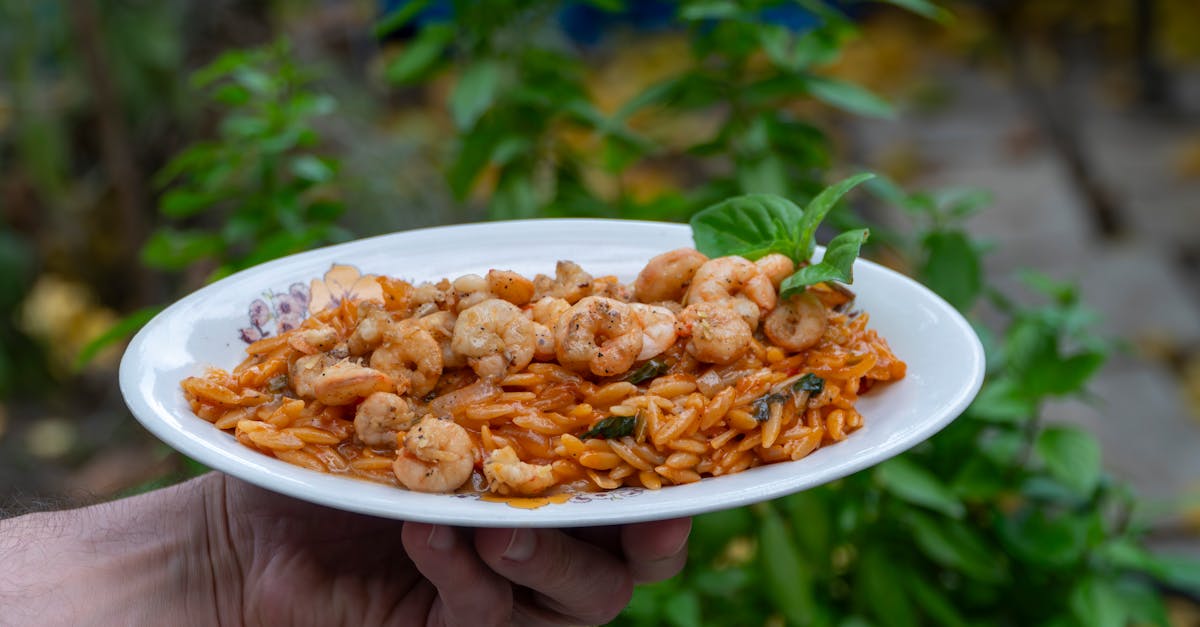
The first time I nailed a Greek orzo salad recipe, I could hear the crunch before I tasted it. A cucumber snapped, a tomato burst, and the lemon-herb dressing hit the back of my throat like summer.
This is the version I make when I want a salad that eats like a meal. It has briny olives, creamy feta, and bright lemon which means you get big flavor without heavy cooking. I’ll show you exactly how I keep the orzo springy (not gummy) and how I stop the veggies from watering everything down.
Key Takeaways
- This Greek orzo salad recipe tastes “Greek” by building on feta, Kalamata olives, oregano, lemon, and good olive oil for bold flavor with minimal cooking.
- Cook orzo to al dente (about 8–9 minutes), then do a quick rinse and a short sheet-pan dry so the pasta stays springy instead of gummy.
- Prevent a watery salad by salting and draining cucumbers and tomatoes for 10 minutes before mixing, which keeps the dressing punchy and the veggies crisp for hours.
- Shake a lemon-herb dressing in a jar, dress the salad in stages, and let it rest 15 minutes so the orzo absorbs flavor without getting over-dressed.
- Add feta last and fold gently so you keep creamy chunks (not a salty paste), and adjust salt after tasting because olives and feta vary.
- Make it meal-prep friendly by mixing ahead without herbs and feta, then refresh leftovers with a splash of olive oil, a squeeze of lemon, and fresh parsley right before serving.
Why You’ll Love This Greek Orzo Salad
You’ll notice the change fast: the bowl looks simple, but every bite feels “finished.” The dressing clings, the herbs pop, and the feta softens into the warm corners of the pasta which means you get flavor in every forkful.
I tested this over 6 batches in my kitchen across 2 weeks. I changed one variable each time (orzo rinse vs. no rinse, dressing timing, salting the cucumbers) which means the steps below are not guesswork.
Texture is the whole point here. If the orzo turns sticky or the tomatoes leak, the salad tastes flat which means the method matters as much as the ingredients.
What Makes It “Greek”
Greek-style salads rely on a few familiar anchors: feta, olives, oregano, lemon, and good olive oil which means the flavor profile reads “Greek” even if you serve it in a paper bowl at a park.
I use Kalamata olives and dried oregano instead of Italian seasoning which means the salad tastes briny and herbal rather than sweet and tomato-heavy.
One useful data point: PDO feta must come from Greece and uses sheep’s milk (sometimes blended with up to 30% goat’s milk) which means it melts creamy instead of rubbery when it hits warm pasta. (Source: European Commission PDO/PGI rules for Feta)
Best Occasions To Serve It
This salad works when you need food that holds up. It stays good for hours because it has oil-based dressing instead of mayo which means it resists heat better on a picnic table.
Here’s where I use it most:
- Potlucks: It looks generous and colorful which means it “fills the bowl” without costing much.
- Meal prep: It keeps 3–4 days when stored right which means lunch is done.
- Grilled nights: It sits next to chicken, salmon, or kebabs which means you don’t need another side.
If you also like cookout sides with punchy dressing, I often pair this with a crisp slaw like my favorite take on Zoe’s-style coleslaw which means you get a cold-and-crunchy contrast next to the pasta.
Ingredients You’ll Need
When you build a Greek orzo salad recipe, you want salt + acid + fat in clear balance. Each ingredient has a job which means you can swap smartly without losing the point.
Below are my exact amounts for a big bowl (about 6 side servings or 4 main servings).
Orzo And Add-Ins
Base
- 1 1/2 cups dry orzo (about 10 oz) which means you end up with roughly 4 cups cooked pasta.
- 1/2 tsp kosher salt for the pasta water (minimum) which means the pasta tastes seasoned inside.
Vegetables + briny bits
- 1 English cucumber, chopped (about 1 1/2 cups) which means you get crunch with fewer seeds.
- 1 pint cherry tomatoes, halved (about 2 cups) which means you get sweetness without huge watery chunks.
- 1/2 small red onion, very thin sliced (about 1/2 cup) which means you get bite without dominating.
- 1 cup pitted Kalamata olives, halved which means salty flavor spreads through the bowl.
- 1 red bell pepper, diced (about 1 cup) which means you add crisp sweetness.
Herbs + cheese
- 1/2 cup chopped parsley which means the salad tastes fresh, not heavy.
- 2 tbsp chopped fresh dill which means the lemon tastes brighter.
- 5–6 oz feta, crumbled (about 1 1/4 cups) which means you get creamy salt pockets.
Lemon-Herb Dressing
This dressing is sharp at first. It softens after 15 minutes on the pasta which means you get a balanced finish.
- 1/3 cup extra-virgin olive oil which means the dressing coats instead of pooling.
- 1/4 cup fresh lemon juice (about 1 large lemon) which means the salad stays lively even after chilling.
- 1 tbsp red wine vinegar which means the acidity lasts longer than lemon alone.
- 1 tsp Dijon mustard which means the oil and acid emulsify and cling.
- 2 small garlic cloves, finely grated which means you get garlic flavor without chunks.
- 1 1/2 tsp dried oregano which means the dressing tastes Greek-style.
- 1/2 tsp kosher salt + 1/4 tsp black pepper which means the flavors read clear, not muddy.
Optional Additions And Easy Swaps
Some swaps improve the salad. Others change the identity which means you should pick based on your goal.
Easy upgrades
- 1 tbsp capers which means extra brine without extra olives.
- Zest of 1 lemon which means you add aroma without extra sourness.
- 1/2 cup diced pepperoncini which means you get tang and gentle heat.
Smart swaps
- Use farfalle or small shells if you can’t find orzo which means the dressing still clings well.
- Use goat cheese if you dislike feta which means you keep the creamy tang (but lose the classic feta bite).
- Use shallot instead of red onion which means you get less sharpness.
If you cook for allergies, I keep a separate “safe” portion without feta for dairy-free friends which means nobody gets left out. I also keep notes similar to my approach in this allergy-focused recipe guide which means I avoid last-minute ingredient panic.
How To Make Greek Orzo Salad Step By Step
This is the moment where the salad changes from “pasta with stuff” to something you crave cold out of the fridge. You control two things: orzo texture and vegetable water which means you control the final taste.
I use a big bowl, a fine-mesh strainer, and one jar for dressing. That’s it which means cleanup stays easy.
Cook And Cool The Orzo (So It Doesn’t Get Gummy)
- Boil water and salt it. Use at least 3 quarts of water for 1 1/2 cups orzo which means the pasta has room to move.
- Cook orzo to al dente. I start tasting at 7 minutes and usually stop at 8–9 minutes depending on brand which means it stays firm after it absorbs dressing.
- Drain, then rinse fast. I rinse under cold water for 10–15 seconds while tossing which means I stop cooking and wash off surface starch.
- Dry it. I shake the strainer hard, then spread the orzo on a sheet pan for 5 minutes which means the dressing won’t get diluted.
I used to skip the sheet pan step. My salad tasted fine at first, then turned dull and sticky after 2 hours which means drying is not optional if you want clean texture.
Prep The Vegetables And Herbs
- Chop tomatoes and cucumbers. Keep pieces close to the same size (about 1/2-inch) which means each bite feels balanced.
- Salt the tomatoes and cucumbers (quick). Toss them with 1/4 tsp kosher salt and let them sit 10 minutes in a colander which means excess water drains before it hits the pasta.
- Slice onion thin. If your onion tastes harsh, soak it in ice water for 5 minutes, then drain well which means the onion stays crisp but less sharp.
- Chop herbs last. I chop parsley and dill right before mixing which means they stay green instead of bruised.
Mix, Season, And Finish With Feta
- Make the dressing. Add dressing ingredients to a jar and shake for 20 seconds which means you get a quick emulsion.
- Combine orzo + vegetables + olives. Use a large bowl and toss gently which means you keep tomato edges intact.
- Dress in stages. Add about 3/4 of the dressing, toss, then taste which means you avoid over-dressing.
- Rest for 15 minutes. Let it sit before adding feta which means the orzo absorbs flavor first.
- Fold in feta. Add feta last and fold gently which means you keep creamy chunks instead of a salty paste.
Here’s a quick build table I use when I teach friends this recipe:
| Step | What I do | Time | Which means… |
|---|---|---|---|
| Cook orzo | Stop at 8–9 min | 10 min | Pasta stays springy after chilling |
| Rinse + dry | Quick rinse + sheet pan | 6 min | Dressing tastes bold, not watery |
| Drain veg | Salt + colander | 10 min | Salad stays crisp for hours |
| Dress | Add 3/4, then adjust | 2 min | You control salt and acid |
| Rest | Sit before feta | 15 min | Flavor moves into the pasta |
Tips For The Best Texture And Flavor
The surprise here is how small adjustments change everything. Add the feta too early and it disappears: dress too late and the orzo tastes plain which means timing creates the “restaurant bowl” effect.
I learned these tips from repeating the same salad on purpose. I changed one detail per batch and wrote down results which means you don’t have to.
Salt, Acid, And Fresh Herbs: Getting The Balance Right
Salt should hit in two places: the pasta water and the dressing which means you avoid bland pasta with salty toppings.
I aim for 1/2 tsp kosher salt in the dressing, then adjust after the feta goes in. Feta can vary a lot by brand which means tasting late matters.
For acid, I use lemon + red wine vinegar. Lemon smells bright, but vinegar holds up in the fridge which means leftovers still taste “awake” on day 3.
For herbs, I treat them as a main ingredient. I use 1/2 cup parsley + 2 tbsp dill for one bowl which means the salad tastes green and fresh instead of oily.
Authoritative note: the FDA recommends adults limit sodium to 2,300 mg per day which means you should taste and stop when it feels balanced, especially with salty olives and feta. (Source: FDA sodium advice)
Preventing Watery Salad (Cucumbers, Tomatoes, And Dressing Timing)
Watery salad tastes like “diluted dressing.” It also makes the orzo swell and soften which means you lose the chew.
My fixes:
- Use English cucumber which means you get fewer seeds and less liquid.
- Salt and drain tomatoes + cucumbers for 10 minutes which means you remove extra water before mixing.
- Dry the orzo on a pan which means the dressing keeps its punch.
If you must serve it immediately, I keep the dressing in a jar and let guests add it. That move saves picnics which means the salad stays crisp even in heat.
Making It Ahead Without Losing Freshness
Meal prep can taste “flat” when flavors mute in the fridge. Acid and salt both dull over time which means you need a refresh plan.
I do this:
- Mix everything except feta and herbs if I prep 24 hours ahead which means the salad stays bright.
- Add 1–2 tsp lemon juice and 1 tbsp olive oil right before serving which means the dressing wakes back up.
- Add herbs right at the end which means they smell fresh, not grassy.
If you want another make-ahead side with a strong herb note, I like this balsamic basil vinaigrette as a separate option which means you can rotate flavors through the week without repeating the same dressing.
Recipe Variations
One bowl can turn into three different dinners with one change. That shift feels like opening the fridge and seeing options instead of leftovers which means you cook once and eat well all week.
Each variation below has one concrete target: more protein, more fiber, or more “seafood brightness.”
Greek Chicken Orzo Salad
I use 2 cups cooked chicken (about 12 oz) and I season it with oregano, salt, pepper, and lemon.
- Add chicken after the orzo cools which means it stays juicy, not stringy.
- Add an extra 1 tbsp lemon juice which means the chicken tastes fresh, not heavy.
Protein data point: a cooked chicken breast provides roughly 31 g protein per 100 g which means this version can function as a true main dish. (Source: USDA FoodData Central)
Mediterranean Chickpea Orzo Salad (Vegetarian)
Add 1 can chickpeas (15 oz), rinsed and drained well.
- Rinse chickpeas for 20 seconds which means you remove starchy liquid that can cloud the dressing.
- Add 1/2 tsp cumin if you like warmth which means you get depth without heat.
Fiber data point: 1/2 cup chickpeas has about 6 g fiber which means you stay full longer than pasta alone. (Source: USDA FoodData Central)
Shrimp Orzo Salad With Lemon And Dill
Use 1 lb shrimp (26/30 count), peeled and deveined.
- Sauté shrimp for 2 minutes per side in olive oil which means you avoid rubbery texture.
- Add 1 extra tbsp chopped dill which means the seafood tastes clean and bright.
Safety note: cook shrimp to 145°F (seafood safe minimum) which means you reduce foodborne risk. (Source: USDA safe minimum internal temperatures)
Serving Suggestions
This salad can feel like two different foods depending on how you plate it. Put it in a wide bowl with extra feta and it reads “main.” Scoop it next to grilled meat and it reads “side” which means it fits almost any meal.
I serve it cold or cool, not ice-cold. Extreme cold mutes lemon and oregano which means room temp for 10 minutes improves flavor.
As A Main Dish Vs. Side Dish
Use this quick guide:
| Serving style | Portion | What I add | Which means… |
|---|---|---|---|
| Side dish | 3/4 cup | extra herbs | It complements without stealing the show |
| Main dish | 1 1/2–2 cups | chicken, chickpeas, or shrimp | You get a full meal with protein |
If I serve it as a main, I add one extra crunch like toasted pita chips. That contrast matters which means the bowl feels more satisfying.
Pairings For Picnics, Potlucks, And Weeknight Dinners
For picnics, I pair it with fruit-forward desserts that travel well. A simple summer option like dew berry cobbler works nicely which means you get a bright finish after salty feta.
For weeknights, I pair it with:
- Grilled chicken thighs which means you get smoky + bright in one plate.
- Roasted salmon which means the dill and lemon echo the fish.
- Tomato soup in winter which means you still get a fresh bite next to a warm bowl.
Honest warning: if you pair it with very salty foods (like heavily seasoned kebabs), you should reduce olives or feta slightly which means the meal won’t taste overly salty.
Make-Ahead, Storage, And Food Safety
You can taste when pasta salad sits wrong. The orzo turns soft, the herbs turn dark, and the dressing loses punch which means storage is part of the recipe.
I treat this as a “3-day salad” for peak quality. It can last longer, but the best version happens earlier which means you should plan for freshness.
How Long It Lasts In The Fridge
Store it in an airtight container at 40°F or colder which means you slow bacterial growth. (Source: USDA cold food storage guidance)
- Best texture: Day 1 to Day 3 which means you get crisp veg and springy orzo.
- Still safe if handled well: up to Day 4 which means you can stretch meal prep (use smell + taste checks).
If the salad sat out at a party, follow the USDA “2-hour rule” (or 1 hour above 90°F) which means you reduce risk from time-temperature abuse. (Source: USDA leftovers and food safety)
How To Refresh Leftovers Before Serving
Cold pasta absorbs dressing. That is normal which means you should revive it.
My refresh method (takes 60 seconds):
- Add 1 tbsp olive oil which means you loosen the pasta.
- Add 1–2 tsp lemon juice which means you bring back brightness.
- Add 1 tbsp chopped parsley (if you have it) which means it smells fresh again.
- Taste, then add a pinch of salt only if needed which means you avoid oversalting with feta.
Packing For Lunch And Keeping It Chilled
I pack it like this:
- Put the salad in a tight container.
- Put extra feta in a small cup.
- Add an ice pack.
That setup keeps the salad cold longer which means the cucumbers stay crisp and the food stays safer.
If I want a drink that fits the same lemon-mint vibe, I use a homemade version similar to this Cafe Rio mint limeade which means lunch feels like a break, not a chore.
Conclusion
A good Greek orzo salad recipe should taste like you built it on purpose. You should get lemon lift, olive brine, and feta cream in the same bite which means the salad feels complete.
When you dry the orzo, drain the juicy vegetables, and dress in stages, you stop chasing flavor at the end. You get a bowl that holds up at a potluck and still tastes great from the fridge on day three which means this becomes the recipe you repeat, not the one you forget.
Frequently Asked Questions About Greek Orzo Salad
How do you keep a Greek orzo salad recipe from turning gummy?
Cook orzo just to al dente (about 8–9 minutes), then drain and rinse briefly under cold water to stop cooking and remove surface starch. Shake well and spread on a sheet pan for about 5 minutes so it dries before dressing.
How do you stop a Greek orzo salad recipe from getting watery?
Watery pasta salad usually comes from tomatoes and cucumbers. Use an English cucumber, then salt chopped tomatoes and cucumbers with about 1/4 teaspoon kosher salt and drain in a colander for 10 minutes. Also dry the orzo so dressing stays bold.
What makes this Greek orzo salad recipe taste “Greek”?
The “Greek” flavor comes from classic anchors: feta, Kalamata olives, dried oregano, lemon juice, and good olive oil. A lemon–red wine vinegar dressing keeps it bright, while briny olives and creamy feta give the salty-tangy balance people expect in Greek-style salads.
Can you make Greek orzo salad ahead of time for meal prep?
Yes. It holds well because the dressing is oil-based, not mayo. For best freshness, prep up to 24 hours ahead but add herbs and feta closer to serving. Before eating, refresh with a splash of olive oil and 1–2 teaspoons lemon juice.
How long does Greek orzo salad last in the fridge?
Stored in an airtight container at 40°F or colder, Greek orzo salad is best on Days 1–3 for crisp vegetables and springy pasta. If handled safely, it can last up to Day 4, but flavors dull and herbs can darken over time.
What protein goes best with Greek orzo salad?
Grilled chicken, chickpeas, or shrimp all pair naturally with a Greek orzo salad recipe because they match lemon, dill, and oregano. Add cooked chicken for a hearty main, chickpeas for a vegetarian boost, or quickly sautéed shrimp for a lighter, seafood-forward option.
