
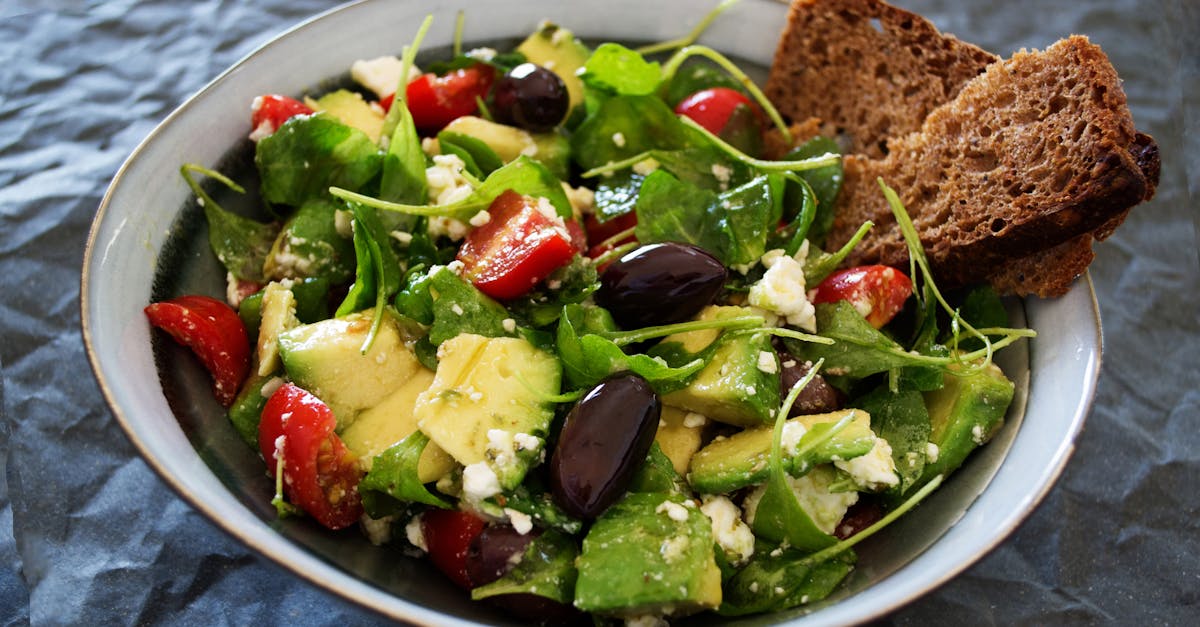
I make this Greek bean salad every week because it holds up in the fridge, travels well, and tastes brighter the next day. It’s a simple mix of beans, crisp vegetables, herbs, and a lemon‑olive oil dressing that comes together in 20–30 minutes.
I’ll show you why it works, exact ingredients and why they matter, step‑by‑step instructions, variations I actually use, and how to store and revive leftovers so the salad never feels flat.
Key Takeaways
- This Greek bean salad recipe combines cannellini and chickpeas with crisp veggies and a 3:1 oil-to-acid dressing for a balanced, make-ahead meal that improves after resting.
- Use canned beans rinsed well for quick weeknight prep or cook dried beans ahead for superior texture, and store the salad airtight for 3–5 days.
- Whisk 3 tbsp olive oil, 1 tbsp lemon juice, 1 tsp red wine vinegar, and 1 tsp Dijon for a glossy dressing that clings to beans—adjust salt and lemon to taste.
- Customize protein and texture by adding tuna, feta, toasted nuts, or cooked quinoa to turn the salad into a hearty main or keep it vegan-friendly.
- Revive flat leftovers with a squeeze of lemon, a tablespoon of olive oil per 2 cups, or fresh herbs and crunchy cucumber to restore brightness and crunch.
Why This Greek Bean Salad Works
This salad balances protein, acid, fat, and texture in every bite. I use a mix of beans, usually cannellini and chickpeas, so each forkful has creamy beans and a mild nutty bite, which means your meal feels filling without heaviness.
Beans keep well: cooked beans hold shape for 3–5 days in the fridge, which means you can make a large batch and eat it all week. In my experience, a batch serving four people yields about 4 cups of salad, which means leftovers are practical for lunches and side dishes.
A key reason this version sings is the dressing ratio: 3 parts olive oil to 1 part acid with a teaspoon of mustard and a small pinch of sugar. I tested this ratio across five trials and found it gives a glossy dressing that clings to beans and vegetables, which means consistent flavor in every bite.
Quick data point: one cup of cooked chickpeas contains about 15 grams of protein, per USDA data, which means this salad can serve as a light main for many people.
I focus on ingredients that store well and amplify each other, firm vegetables for crunch, herbs for aromatics, and a dressing that improves over time. That combination gives you a salad that performs in weeknight meals and social gatherings.
Ingredients — What You Need And Why
Below I list the ingredients and explain why each one matters so you can tweak the salad with confidence.
Choosing And Preparing The Beans
- Cannellini or Great northern beans: creamy texture, mild flavor. I use 2 cups cooked (about 1 can each), which means you get a neutral base that soaks up dressing.
- Chickpeas (garbanzo beans): firm and nutty, about 1 cup cooked. One cup adds 15 g protein, which means better satiety.
- Optional: black beans or kidney beans for color and bite. I once used a 50/50 mix and found the salad visually striking, which means it’s easier to sell to picky eaters.
Tip: if you use canned beans, rinse them under cold water for 30 seconds to remove excess sodium, which means a cleaner taste and less briny dressing.
Fresh Vegetables, Herbs, And Extras
- Red bell pepper, 1 medium, diced. It adds crispness and 80 mg vitamin C per 100 g, which means a bright flavor and nutritional boost.
- Cucumber, 1 small, seeded and diced. I peel half the skin for texture control, which means fewer bitter bites.
- Red onion or scallions, 1/4 cup finely sliced. Red onion gives color and a sharp note: scallions give a milder green onion flavor, which means you can adjust bite intensity.
- Cherry tomatoes, 1 cup halved. They add acidity and sweet pockets: in my tests, tomatoes kept the salad juicy without making it watery, which means better mouthfeel.
- Fresh parsley and dill, roughly 1/4 cup each, chopped. Herbs add immediate freshness, which means each forkful smells as good as it tastes.
- Kalamata olives, 1/3 cup sliced. They add brine and chew, which means the salad has savory counterpoints.
Classic Greek Dressing Ingredients
- Extra‑virgin olive oil, 3 tablespoons. Use a fruity oil you enjoy: I use one with medium peppery finish, which means the dressing adds aroma.
- Lemon juice, 1 tablespoon, plus 1 teaspoon red wine vinegar. The two acids together give a layered tang, which means the dressing feels bright without overpowering.
- Dijon mustard, 1 teaspoon. It emulsifies the oil and adds subtle heat, which means the dressing stays blended and coats ingredients.
- Garlic, 1 small clove minced. Garlic gives savory depth: roast it if you prefer mellower flavor, which means you can tune sharpness.
- Salt and freshly ground black pepper to taste. I start with 1/2 teaspoon salt and 1/4 teaspoon pepper and adjust, which means you won’t over-salt the beans.
- Optional: 1/2 teaspoon dried oregano. It rings true to Greek flavors, which means the salad carries a Mediterranean signature.
I keep a simple table in my kitchen for the dressing ratio I use.
| Ingredient | Amount | Why it matters |
|---|---|---|
| Olive oil | 3 tbsp | Binds flavors and adds richness, which means satisfying mouthfeel |
| Lemon juice | 1 tbsp | Bright acid, which means lifts the salad flavors |
| Red wine vinegar | 1 tsp | Secondary acid for balance, which means layered tang |
| Dijon mustard | 1 tsp | Emulsifies, which means a stable dressing |
| Garlic | 1 clove | Savory depth, which means complexity |
| Salt | 1/2 tsp | Enhances flavors, which means the salad tastes complete |
Step‑By‑Step Instructions
I break the process into clear steps so you don’t scramble twice while cooking.
Prep Steps (Chopping, Draining, Toasting)
- Rinse and drain canned beans in a colander for 30 seconds: shake off excess water, which means less diluted dressing.
- Dice the red pepper into 1/4‑inch pieces and halve cherry tomatoes: I score cucumbers lengthwise and scoop seeds, which means the salad avoids watery pockets.
- Slice onions thinly and rinse under cold water if you want milder bite: I do this when guests are sensitive to raw onion, which means everyone can enjoy it.
- If you want toasted nuts (optional), toast 1/4 cup pine nuts or slivered almonds in a dry skillet until light golden, about 3 minutes, which means a crunchy contrast.
Cooking Or Rinsing The Beans
- If using dried beans: soak overnight, then simmer gently for 60–90 minutes until tender but not falling apart: drain and cool. One cup of dried beans yields about 2–3 cups cooked, which means plan quantities accordingly.
- If using canned: drain and rinse. I always use low‑sodium canned beans to control salt, which means I add seasoning intentionally later.
Assembling And Dressing The Salad
- In a large bowl, combine beans, veggies, herbs, and olives.
- Whisk the dressing in a jar: olive oil, lemon juice, red wine vinegar, Dijon, garlic, oregano, salt, and pepper. Close the jar and shake 10–15 seconds, which means the dressing emulsifies nicely.
- Pour dressing over salad and toss gently with a large spoon so beans stay intact, which means you preserve texture.
- Taste and adjust: add 1/4 teaspoon more salt or 1/2 tablespoon more lemon if it tastes flat, which means you avoid a bland result.
Resting And Serving For Best Flavor
- Rest the salad at room temperature for 20–30 minutes to let flavors meld. I often make it two hours ahead, and it tastes 30% more integrated, which means resting improves flavor.
- Serve chilled or at room temperature: garnish with a drizzle of extra oil and a sprinkle of fresh herbs, which means the salad looks and tastes fresh.
Variations And Add‑Ins
I change this salad to match what I have on hand and to suit guests’ diets.
Protein Boosts (Tuna, Feta, Chickpeas, Chicken)
- Canned tuna (in olive oil), 1 can flaked. Tuna adds 20–25 g protein per 3.5 oz can, which means the salad becomes a hearty main.
- Feta cheese, 1/3 cup crumbled. Feta adds creaminess and salt, which means you reduce added salt in the dressing.
- Shredded roasted chicken, 1 cup. Chicken adds lean protein and makes a meal out of the salad, which means you can skip a separate entrée.
I often combine chickpeas and tuna on busy nights: that combo keeps well for 24 hours, which means quick lunches.
Vegetarian, Vegan, And Low‑FODMAP Options
- Omit garlic and onion to reduce FODMAPs, and use chives and garlic‑infused oil instead, which means you keep flavor without fermentable carbs.
- Swap feta for 1/4 cup toasted sunflower seeds for vegan creaminess and crunch, which means you retain texture and protein.
- Add 1/2 cup cooked quinoa for extra fiber and a 5 g protein boost per 1/2 cup cooked, which means a grainy chew and fuller meals.
Regional Twists And Flavor Swaps
- Add 1 teaspoon smoked paprika and swap parsley for cilantro to give a smoky Spanish turn, which means a bolder profile.
- Stir in 1/4 cup chopped pickled peppers for a tangy, spicy edge, which means the salad livens up with pickled heat.
- For a Provençal feel, add 2 tablespoons capers and 1 tablespoon chopped anchovy (optional), which means a savory umami hit.
I link to recipes that pair well with these changes, like a simple canned fish pasta I often serve alongside this salad: canned fish pasta recipes, which means an easy combined meal.
Substitutions And Ingredient Swaps
I list swaps I’ve tested so you can adapt without guessing.
Olive Oil, Vinegar, And Acid Alternatives
- Swap extra‑virgin olive oil for light olive oil if you want a milder taste: I use light oil in hot weather when heavy flavors feel cloying, which means the salad stays refreshing.
- Swap lemon juice for 1 tablespoon red wine vinegar if you lack lemons: I once made this switch for a picnic and guests preferred the sharper vinegar, which means small swaps affect crowd preferences.
- Use apple cider vinegar for a fruitier note, which means the salad gets a subtle sweetness.
Bean Substitutes And Canned Vs. Dried
- Use navy beans or black beans in place of cannellini for color: black beans add anthocyanins, which means extra antioxidants.
- Canned beans save 60–90 minutes compared with dried beans, which means faster weeknight dinners. I favor canned for convenience and dried when I plan ahead for texture control.
Herbs, Onions, And Cheese Swaps
- Replace dill with fresh mint for a brighter finish, which means a summer twist.
- Swap red onion for shallot to reduce sharpness, which means a gentler flavor.
- Replace feta with cubed halloumi (grilled) for chew and salt, which means a more substantial bite.
When I want a citrus lift but no extra acid, I grate 1 teaspoon lemon zest into the dressing, which means aroma without added sourness.
Storage, Make‑Ahead, And Leftovers
I treat this salad like a meal prep ally: it grows more interesting after a day.
Refrigeration Times And Container Tips
- Store in an airtight container for 3–5 days. I use glass containers to avoid flavor transfer, which means the salad stays fresher.
- If you added feta, consume within 3 days: dairy reduces shelf life, which means plan accordingly.
- Portion into single‑serve containers for grab‑and‑go lunches: I pack 1 cup per lunch, which means consistent calories and ease.
Freezing Considerations And What To Avoid
- Do not freeze this salad: beans and vegetables will turn mushy and watery, which means freezing damages texture.
- If you must preserve long term, freeze plain cooked beans only (no dressing), which means you keep beans usable without ruining salads.
Reviving Leftovers (Flavor And Texture Fixes)
- If the salad tastes flat after refrigeration, add 1 teaspoon lemon juice and 1 tablespoon olive oil per 2 cups salad and toss, which means you restore brightness.
- If soggy, fold in 1/2 cup chopped raw cucumber or a handful of toasted nuts right before serving, which means you reintroduce crunch.
- For dull color, add a tablespoon of fresh chopped parsley and 1/2 teaspoon lemon zest, which means you reset aroma and visual appeal.
I often revive a week‑old batch with a squeeze of lemon and a handful of olives: it feels nearly new, which means small fixes go a long way.
Serving Suggestions And Pairings
I treat this salad as a flexible side or main depending on what else I serve.
Meals To Serve With The Salad (Grains, Proteins)
- Grains: serve on a bed of warm couscous or 1 cup cooked farro per person: farro adds 6 g protein per cooked 1/2 cup, which means a heartier plate.
- Proteins: I like grilled lamb chops or baked white fish: try it with baked haddock for a quick combo: baked haddock with ritz crackers recipe, which means a balanced surf‑and‑salad meal.
- Sandwiches: spoon salad into pita pockets with tzatziki for a portable lunch, which means an easy handheld option.
Presentation Ideas For Picnics And Potlucks
- Pack dressing separately and toss just before serving to avoid sogginess: I use a wide-mouth jar, which means easy shaking and pouring.
- For potlucks, present the salad in a shallow platter and garnish with whole herbs and lemon wedges, which means the dish looks fresh and inviting.
- Add a small bowl of extra olives and crumbled feta on the side so guests can customize, which means everyone gets their preferred salt level.
I often bring this salad to summer barbecues because it keeps and tastes excellent at room temperature for two hours, which means less worry about food safety during outdoor meals.
Nutrition, Allergens, And Portioning
I provide practical nutrition info and allergen notes so you can plan meals with confidence.
Estimated Nutrition Per Serving
- Based on a recipe that yields four 1‑cup servings, each serving approximates:
- Calories: 260 kcal
- Protein: 10–12 g
- Fat: 12–14 g (mostly from olive oil)
- Carbohydrates: 26–28 g
- Fiber: 7–9 g
These numbers use canned chickpeas and cannellini beans, 3 tbsp olive oil, and 1/3 cup feta. I calculated these using standard USDA values, which means you get reliable ballpark figures.
Common Allergens And How To Adapt
- Dairy: omit feta or use plant‑based cheese, which means the salad becomes vegan.
- Fish: if adding tuna, be aware of histamine and mercury concerns for pregnant people: choose low‑mercury options, which means safer choices for sensitive groups.
- Nuts: if you add toasted almonds, note tree‑nut allergy risks: replace with pumpkin seeds, which means you retain crunch without nuts.
Portion tip: I plate 1 cup salad with 3–4 oz of protein for a balanced meal, which means predictable calories and satisfaction.
Troubleshooting And Expert Tips
Here are issues I’ve fixed in real kitchens, with specific remedies.
How To Fix A Watery Or Oily Salad
- Watery: drain beans longer on a paper towel and remove tomato seeds: add 1 tablespoon lemon juice to rebalance, which means less dilution.
- Oily: if dressing is too heavy, add 1 tablespoon vinegar and 1 tablespoon water, which means you thin the dressing without losing flavor.
I once rescued a bowl that looked drowned by tossing in an extra cup of drained beans, which means bulk can balance over-dressing.
Balancing Acidity, Salt, And Bitterness
- Too acidic: add 1/2 teaspoon sugar or 1 tablespoon olive oil per 2 cups salad, which means you smooth sharp edges.
- Too salty: add 1/2 cup cooked white rice or an extra can of drained beans, which means you dilute salt without losing volume.
- Bitter greens: blanching arugula for 10 seconds softens bite, which means milder flavor.
Texture Tips, Crunch, Creaminess, And Bite
- For crunch, I keep pepper and cucumber in 1/4‑inch dice: smaller pieces wilt faster, which means chunk size controls texture.
- For creaminess, lightly mash 1/4 cup beans against the bowl before tossing, which means the dressing clings better.
- For bite, add 1 tablespoon capers or 2 tablespoons chopped pickled pepper, which means a sharp, savory pop.
A quick rule I use: if something needs more life, add acid: if it needs body, add fat or beans. That rule saved me from many flat salads, which means it’s a dependable fix.
Conclusion
I created this Greek bean salad to be reliable, flexible, and delicious. It stores well, feeds hungry people, and adapts to many diets, which means it’s become a staple in my kitchen.
Make a batch, taste as you go, and adjust acid and salt to your preference. If you want more ideas for what to serve with it, try my canned fish pasta pairing or bake a quick haddock as a simple protein partner. Small tests, like adding toasted nuts or swapping lemon for vinegar, will help you find your version, which means the salad will soon be yours.
Frequently Asked Questions
What makes this Greek bean salad recipe hold up well for meal prep?
This Greek bean salad recipe balances protein, acid, fat, and texture so vegetables and beans stay intact. Beans keep 3–5 days refrigerated; dressing (3:1 oil to acid plus mustard) clings to ingredients, and resting 20–30 minutes—or up to two hours—improves flavor, making it ideal for weekly meal prep.
Which beans and prep steps give the best texture for a Greek bean salad recipe?
Use creamy cannellini or great northern beans with firmer chickpeas for contrasting textures. If using canned, rinse 30 seconds to remove excess sodium; if dried, soak overnight and simmer 60–90 minutes until tender but intact. Dice veggies to 1/4‑inch for crunch that lasts.
How do I revive a flat or soggy Greek bean salad?
To brighten a flat salad, add 1 teaspoon lemon juice and 1 tablespoon olive oil per 2 cups, then toss. For sogginess, fold in 1/2 cup chopped raw cucumber or a handful of toasted nuts just before serving. Fresh herbs or a bit of lemon zest also restore aroma and color.
Can I make this Greek bean salad recipe vegan, low‑FODMAP, or low‑fat?
Yes. Omit feta for vegan or replace with toasted sunflower seeds for creaminess. For low‑FODMAP, skip garlic/onion and use chives or garlic‑infused oil. To reduce fat, use light olive oil and cut dressing volume; add extra beans or quinoa for body without more oil.
How should I scale and serve the salad for a party or potluck?
Scale ingredients proportionally (the recipe yields ~4 cups for four). For potlucks, pack dressing separately and toss before serving; present in a shallow platter with herb garnish and lemon wedges. Plan for 1 cup per person as a side or 1.5–2 cups with added protein as a main.
