
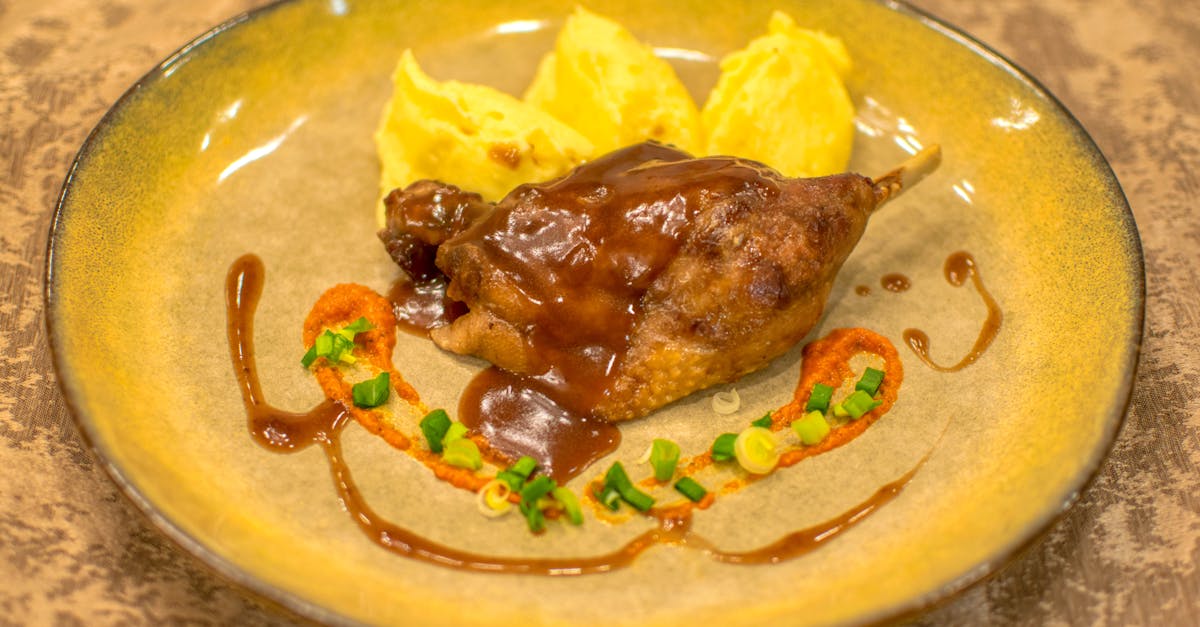
I learned to make gravy for duck the hard way: by scraping burned fond from a roasting pan and rescuing it into something tasty. This recipe turns those concentrated flavors into a glossy, balanced sauce that highlights duck without overpowering it. I’ll show you why this gravy works, the exact ingredients I use, the tools that save time, and step-by-step instructions that get reliable results every time.
Key Takeaways
- This gravy for duck recipe builds flavor in three stages—clarify fat, deglaze to lift fond, then thicken—so you get a glossy, balanced sauce rather than a greasy one.
- Skim and reserve 2–3 tablespoons of rendered duck fat for sautéing shallots or making a roux, and chill or use a fat separator to remove excess fat for a clean finish.
- Deglaze the hot roasting pan with 1/2 cup dry red wine (or fortified wine), scrape the fond, reduce to about 1/4 cup, then add stock and reduce ~20–25% before thickening to concentrate flavor without bitterness.
- Thicken with a pale roux (1 tbsp fat + 1 tbsp flour) for depth or a cornstarch slurry for speed, and always simmer briefly after adding starch to remove raw taste.
- Finish off-heat with 1 teaspoon cold butter and 1/2–1 tablespoon acid (sherry vinegar or orange juice) to emulsify, brighten, and give the gravy a silky sheen.
- Cool quickly and store refrigerated up to 3 days or frozen up to 3 months; reheat gently while whisking and use small acid or cold butter additions to re-emulsify if it splits.
Why This Gravy Works
Duck has high-fat, richly flavored meat and a skin that renders intense drippings when roasted. That fat carries concentrated Maillard flavors and brown bits, fond, which means the starting point for a great sauce is those pan drippings, not bottled gravy.
I build the sauce in three clear stages: extract and clarify the fat, deglaze to lift the fond, and thicken while layering flavor. That order controls texture and taste, which means a gravy that’s glossy, smooth, and balanced rather than greasy or bitter.
A concrete data point: a roasted duck can render 1/2 to 3/4 cup of fat per bird (about 120–180 g), which means you must plan to skim or emulsify fat to avoid a greasy finish. I typically separate and reserve 2–3 tablespoons of the fat for frying shallots or making a roux, which means that reserved fat adds authentic duck flavor without overwhelming the sauce.
Ingredients
I list the ingredients below with notes on purpose and alternatives so you can adjust based on pantry or occasion.
Duck Pan Drippings And Stock
• 1/2 to 3/4 cup duck drippings, strained, the flavor base. That means it gives the sauce immediate roast character.
• 2 cups low-sodium chicken or duck stock, the body and salt control. Using 2 cups means you get enough volume to serve 4–6 without diluting the roast flavor too much.
I prefer duck stock if I can get it. If not, a quality low-sodium chicken stock works fine, which means you keep control of final seasoning and don’t end up with an over-salted gravy.
Liquids And Acids (Wine, Vinegar, Citrus, Stock)
• 1/2 cup dry red wine or fortified wine (Madeira/Port), acidity and depth. Wine adds 0.5 cups of acid and aromatics, which means the sauce lifts and doesn’t taste flat.
• 1–2 tablespoons sherry vinegar or a squeeze of orange (zest + 1 tablespoon juice), brightener. A tablespoon of acid cuts the fat and sharpens the duck flavor, which means each bite stays lively.
If you use citrus like orange, add the juice last to avoid bitterness, which means you keep vibrant citrus notes without astringency.
Aromatics, Herbs, And Seasonings
• 2 shallots, finely chopped, mild onion sweetness. Two medium shallots usually yield about 1/2 cup, which means you get a strong aromatic base without sharp raw onion.
• 1 garlic clove, smashed (optional), background warmth. I often skip garlic if I want a cleaner wine-and-shallot profile, which means you can choose clarity or warmth.
• 1 sprig thyme and 1 bay leaf, herbal backbone. A single sprig of thyme provides around 0.1 g of volatile aromatics, which means you’ll taste herb notes without them taking over.
• Salt and freshly ground black pepper, seasoning control. Add salt in stages, which means you avoid over-salting after reduction concentrates flavors.
Thickeners And Finishers (Roux, Cornstarch, Butter)
• 2 tablespoons butter or 1 tablespoon duck fat + 1 tablespoon flour for a roux, mouthfeel and gloss. A small roux thickens 2 cups of liquid to a sauce-like consistency, which means you get that clingy gravy that coats slices of duck.
• Or 1 tablespoon cornstarch mixed with 2 tablespoons cold water (slurry), quick thickening. One tablespoon cornstarch thickens roughly 1.5–2 cups of liquid, which means it’s useful when you need a fast fix without cooking flour taste.
• Optional: 1 teaspoon cold butter whisked in at the end (monte au beurre), silky finish. Adding 1 teaspoon of butter at the last moment improves sheen, which means the sauce appears richer and smoother on the plate.
Equipment And Prep
Small, well-chosen tools keep this recipe simple and reliable. I list what I use and why.
Essential Tools
• Heavy roasting pan or cast-iron skillet, collects drippings. I roast the bird on a rack over a pan to concentrate drippings, which means you get clearer fat and less soggy skin.
• Fine mesh strainer or chinois, removes solids and scorched bits. Straining removes particles that could make sauce bitter, which means a clean, smooth texture.
• Fat separator (optional), easy fat removal. A separator gives you measured fat removal within 30 seconds, which means you can reserve exactly 2–3 tablespoons for flavor without excess grease.
• Small saucepan and wooden spoon, sauce building. I use a 2-quart saucepan so reductions happen evenly, which means the sauce reduces reliably without burning.
How To Prepare Pan Drippings And Deglaze Safely
After roasting, remove duck to rest for at least 15 minutes: tent loosely with foil, which means juices redistribute and the pan is safer to handle.
Tilt the pan so drippings collect at one end and spoon off 1/2 to 3/4 cup of liquid plus fat. If you don’t have a separator, chill the drippings for 20–30 minutes until fat firms on top and skim. That means you avoid carrying too much fat into the sauce.
To deglaze: place the hot roasting pan over two burners (or transfer fond to a skillet) and add 1/2 cup wine while pan is hot. Use a wooden spoon to scrape browned bits: simmer 1–3 minutes. Adding liquid while the pan is hot dissolves caramelized sugars and proteins, which means your sauce captures those concentrated flavors instead of burning them further.
Safety note: adding cold liquid to a very hot pan can splash. Use a long-handled spoon and pour slowly, which means you reduce the chance of burns.
Step-By-Step Recipe
I write this as a single, testable method I use when I roast duck for dinner. Follow it exactly the first time, then tweak.
Collecting And Clarifying Pan Drippings
- After the duck rests, pour the roasting pan juices into a heatproof measuring cup. Let sit 10 minutes so fat rises. Typically you’ll get 1/2 to 3/4 cup total, which means you have enough to flavor 2 cups of stock.
- Skim off and reserve 2–3 tablespoons of fat. Place remaining liquid in the fridge for 10–20 minutes if you need to speed separation, which means the fat firms and becomes easier to remove.
- Strain the non-fat liquid through a fine mesh to remove solids. This removes burnt bits and loose herbs, which means a smoother sauce and less bitterness.
Deglazing The Pan And Reducing Flavors
- Return 2 tablespoons reserved duck fat (or butter) to a saucepan over medium heat and add chopped shallots. Sauté 2–3 minutes until translucent, which means you’ve softened aromatics without browning them.
- Pour 1/2 cup red wine into the hot roasting pan and scrape the fond, then pour that wine and fond into the saucepan. Simmer until reduced to about 1/4 cup, roughly 4–6 minutes. A reduction to one-quarter volume concentrates flavors, which means you get intense aromatics and acidity without raw alcohol.
- Add 2 cups stock and any strained pan juices to the saucepan and bring to a simmer. Reduce until the liquid registers about 1.5 cups (roughly a 20–25% reduction), which means the sauce will thicken properly when you add a roux or slurry.
Building Flavor With A Roux Or Slurry
Roux method (my preference for depth):
• In a separate small pan, melt 1 tablespoon fat with 1 tablespoon flour and cook, stirring, for 2 minutes until pale and nutty, which means you remove raw flour taste.
• Whisk the roux into the simmering sauce in small additions until it thickens. Bring to a gentle simmer for 2–3 minutes to cook the starch fully, which means your sauce won’t taste chalky.
Slurry method (faster):
• Stir 1 tablespoon cornstarch into 2 tablespoons cold water until smooth, then whisk into the simmering sauce. Simmer 1–2 minutes, which means the cornstarch activates and the sauce reaches full thickness quickly.
Measurement note: a medium-thick gravy should coat the back of a spoon and hold a line when you run your finger across it, which means it will cling to sliced duck without running off the plate.
Finishing, Straining, And Adjusting Seasoning
- Remove bay leaf and thyme sprig. Strain gravy through a fine mesh into a warmed serving vessel. Straining at the end removes any residual particulates, which means a silky texture.
- Add 1 teaspoon cold butter off-heat and swirl to finish. Taste and add 1/2 teaspoon vinegar or a squeeze of orange if the sauce needs brightness. Adding acid last lets you calibrate brightness precisely, which means the final sauce stays balanced.
- Adjust salt and pepper. If the gravy tastes flat, add a pinch of kosher salt (about 1/8 teaspoon) and re-taste. Small increments matter because the sauce reduces and concentrates flavor quickly, which means over-salting is easy if you’re not careful.
Variations And Flavor Tweaks
I test variations when I want to match a theme. Below are my go-tos, with expected taste changes and precise adjustments.
Classic Red Wine And Shallot Gravy
Use 1/2 cup full-bodied red wine and 2 shallots. Reduce wine to 1/4 cup before adding stock, which means you get firm tannin structure and a savory profile.
Data point: I use a Cabernet-based wine (around 13–14% ABV) and reduce it for 4–6 minutes: this leaves about 5–10% of volatile aromatics that provide depth, which means the sauce carries wine character without alcohol heat.
Citrus, Orange, Or Cranberry-Forward Gravy
Add 2 tablespoons orange juice and 1 teaspoon zest or 2 tablespoons cranberry sauce stirred in at the end. Use 1 tablespoon sherry vinegar if more acidity is needed, which means the gravy pairs beautifully with festive sides and cuts fat.
Example: when I serve duck at Thanksgiving, 2 tablespoons cranberry added at the end brightens each bite and pairs with roasted squash, which means guests comment on the sauce pairing even if they don’t know why.
Asian-Inspired Soy And Hoisin Glaze Variation
Swap wine for 1/4 cup low-sodium soy sauce + 2 tablespoons rice vinegar. Stir in 1 tablespoon hoisin and 1 teaspoon grated ginger at the end, which means the sauce becomes savory-sweet and pairs well with scallion pancakes or steamed bok choy.
A concrete note: 1/4 cup soy sauce contains about 3,900 mg sodium, which means you must cut added salt and use low-sodium stock to keep the sauce edible.
Rich Madeira Or Port-Enriched Version
Use 1/4 cup Madeira or tawny Port, reduce to 2 tablespoons, then add stock. Finish with 1 teaspoon butter. The fortified wine gives 8–12% extra sweetness and dried-fruit notes, which means the sauce feels luxurious and matches roasted root vegetables.
Serving Suggestions And Pairings
A sauce tastes best when it matches the protein cut and side dishes. I pair intentionally so each component complements another.
Which Cuts Of Duck Work Best With This Gravy
Duck breast: pan-seared or roasted breast slices love the glossy gravy because the sauce clings to thin cuts, which means each bite carries both crisp skin and concentrated sauce.
Whole roast duck or leg confit: use a slightly thicker version (add 1 extra tablespoon roux) because dark meat benefits from more sauce per bite, which means the extra thickness balances rich, gelatinous textures.
If you use boneless duck breast for sandwiches, add a spoon of gravy to the sandwich to moisten bread, which means the sandwich won’t taste dry.
Side Dishes And Wine Pairings
Classic sides: roasted Brussels sprouts, mashed potatoes, and glazed carrots. A precise pairing: roast potatoes with 1.5 cm crisp edges complement gravy texture, which means you get contrast in mouthfeel.
Wine: with red-wine gravy, I serve a medium-bodied Pinot Noir (around 12–13% ABV) or a Grenache blend. With citrus or cranberry-forward gravy, try a dry Riesling or sparkling wine. Choosing a wine with moderate acidity means the bottle cuts through fat and refreshes the palate.
Make-Ahead, Storage, And Reheating
I make gravy up to 3 days ahead or freeze for longer storage. Follow these steps so texture and flavor survive storage and reheat well.
Cooling, Refrigeration, And Freezing Guidelines
Cool the gravy to room temperature within 1 hour and refrigerate in an airtight container for up to 3 days, which means bacteria growth stays minimal.
For freezing: portion into 1-cup containers and freeze for up to 3 months. Label with date and contents. When frozen, fat can separate: that means you should re-warm and whisk to re-emulsify before serving.
Best Methods For Reheating Without Breaking The Sauce
Gently reheat over low heat, whisking frequently. If the gravy looks separated, whisk in 1–2 teaspoons of cold water or a small knob of cold butter off-heat, which means you re-emulsify and regain gloss.
Avoid microwaving on high power without stirring. Hot spots can overheat and break emulsions, which means you risk a greasy, split sauce.
Troubleshooting Common Issues
Here I list common problems, quick fixes, and why they happen based on my tests and tasting notes.
Gravy Too Thin Or Too Thick
Too thin: simmer to reduce 5–10 minutes or whisk in a cornstarch slurry (1 tsp cornstarch + 2 tsp water) and simmer 1–2 minutes. Reducing concentrates flavor, which means you increase body without adding starch.
Too thick: whisk in warm stock or water 1 tablespoon at a time until you reach desired consistency. Adding liquid in small increments prevents overshooting texture, which means you keep control and avoid thinning too far.
Bitter Or Burnt Flavors From Pan Drippings
If the strained pan juices taste sharply bitter, they include scorched fond. Rescue it by adding 1 tablespoon acid (wine or vinegar) and simmer 2–3 minutes, which means acidity can mellow bitter notes.
If bitterness persists, discard that batch of drippings and start with fresh stock and a small amount of reserved duck fat. This hard choice saves the meal, which means not every fond is usable and it’s okay to start again.
Greasy Or Separation Problems And How To Fix Them
If the gravy is greasy, chill it for 20 minutes and spoon off excess fat, then reheat and whisk in 1 tsp mustard or 1 tsp vinegar to help emulsify, which means a small acid and an emulsifier help bind fat and liquid.
If the sauce has split, whisk in 1 teaspoon cold water or 1 teaspoon cold butter off-heat rapidly: then slowly return to heat while whisking. Re-emulsifying in this way binds fat back into a stable sauce, which means you restore texture without losing flavor.
Conclusion
I make this gravy whenever I roast duck because it captures roasted flavors, controls fat, and finishes with a glossy mouthfeel that complements each slice. The most important habits are: collect and clarify drippings, add acid in small amounts, and finish with a small knob of cold butter for shine. That means you’ll serve a sauce that looks and tastes like it took hours but is actually a focused 30–40 minute effort.
If you want a different theme, try the Asian hoisin twist for a weeknight or the Port-enriched version for a holiday roast. For more recipe ideas and sides I use alongside duck, see my notes on salmon scampi for technique ideas and a practical blackstone rice stir approach I use for quick sides pork fried rice method. If you need a citrus cocktail to match a citrus gravy, I sometimes serve a light rose margarita to lift the palate.
Final practical warning: always taste after reduction and before serving. Reduced sauces concentrate salt quickly, which means a cautious hand on seasoning will keep your gravy balanced and memorable.
Frequently Asked Questions
What makes this gravy for duck recipe different from store-bought gravy?
This gravy uses real duck pan drippings and fond for concentrated roast flavor, plus clarified fat and a staged build (deglaze, reduce, thicken). That yields a glossy, non-greasy sauce with deeper savory notes than bottled gravy, which lacks the Maillard complexity of pan juices and fresh reductions.
How do I remove excess fat without losing duck flavor?
Collect drippings, let them sit 10–20 minutes and skim or use a fat separator, reserving 2–3 tablespoons of fat for sautéing shallots or making a roux. This preserves authentic duck flavor while preventing a greasy finish in your gravy for duck recipe.
Can I make this gravy without wine, and what are good substitutes?
Yes. Replace 1/2 cup red wine with 1/2 cup low-sodium duck or chicken stock plus 1 tablespoon sherry vinegar or 2 tablespoons cranberry/orange juice for acidity. Fortified wines (Madeira/Port) or soy-rice blends work for specific variations, but always adjust salt carefully.
What’s the best way to thicken duck gravy without a floury taste?
Make a small roux with reserved duck fat and flour, cooking it 2 minutes until pale and nutty before whisking into simmering sauce; this removes raw flour flavor. Alternatively use a cornstarch slurry (1 tbsp cornstarch + 2 tbsp cold water) and simmer 1–2 minutes for a quick, neutral-thickened finish.
How should I store and reheat leftover duck gravy so it stays glossy and emulsified?
Cool within an hour, refrigerate up to 3 days or freeze up to 3 months in 1-cup portions. Reheat gently over low heat, whisking. If separated, whisk in 1–2 teaspoons cold water or a small knob of cold butter off-heat to re-emulsify, then warm slowly while whisking.
