
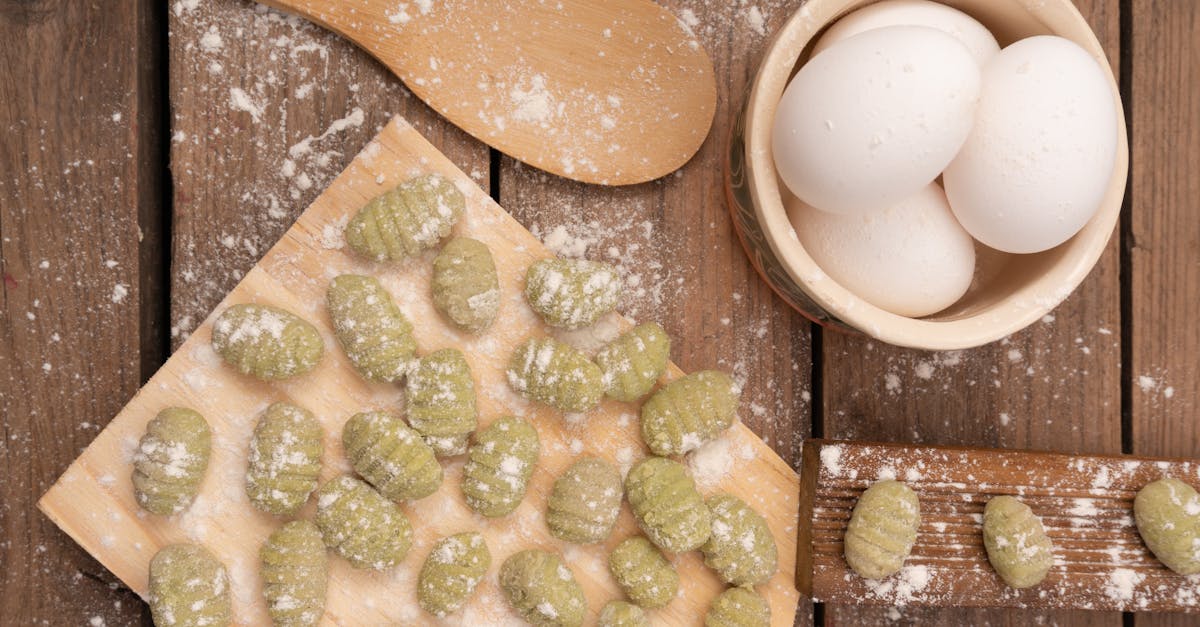
I learned to make gnocchi alla Sorrentina by watching my Nonna press boiled potatoes into soft pillows and fold them into bright tomato sauce.
This recipe gives you a clear, reliable method to make pillowy potato gnocchi, a tangy Sorrentina tomato sauce, and a baked finish with melted mozzarella. I use simple ingredients, precise timing, and a few easy tests so you get consistent results every time.
Key Takeaways
- This gnocchi alla Sorrentina recipe uses roasted russet potatoes, a light hand with flour, and a simple egg test (boil a 10 g piece) to ensure pillowy, tender gnocchi.
- Make the Sorrentina tomato sauce with crushed San Marzano-style tomatoes, gently cooked garlic, and torn basil for bright, balanced flavor that complements the gnocchi.
- Assemble in layers with cooked gnocchi, fresh mozzarella, and Parmigiano, then bake 12–15 minutes at 400°F (200°C) until cheese is bubbly and golden to meld flavors and create stretchy cheese pulls.
- Work quickly: roast potatoes first, cool and rice them, then prepare sauce while shaping dough so the gnocchi dough doesn’t sit and become tough.
- Freeze uncooked gnocchi on a tray before bagging for up to 2 months, and reheat leftovers in the oven or pan-fry for restored texture and crisp edges.
What Is Gnocchi Alla Sorrentina?
Gnocchi alla Sorrentina is a classic Neapolitan dish of potato gnocchi baked with tomato sauce, fresh basil, and melted mozzarella. Gnocchi are small potato dumplings made from cooked potatoes and flour, which means the texture depends on potato moisture and the amount of flour. The signature is the simple tomato sauce, usually made from canned San Marzano tomatoes, topped with mozzarella and basil, which means the flavors need to be fresh and balanced.
The dish traces to Campania, with Naples as its culinary center, and became popular because it uses cheap ingredients to create a comforting meal. I find the final bake blisters the mozzarella and concentrates the sauce, which means the contrast of soft gnocchi and stretchy cheese feels irresistible.
Quick fact: a medium russet potato yields about 200 grams of usable mashed potato after baking and peeling, which means you can plan exact yields for 4 servings using 800 grams of potatoes. According to the USDA, a medium russet potato (173 g) contains roughly 161 calories, which means you can estimate calories per serving when combined with sauce and cheese.
Ingredients: What You Need
Below I list everything for the gnocchi, the Sorrentina tomato sauce, garnish, and equipment. I specify exact weights so you avoid guesswork, which means you will produce consistent gnocchi every time.
Gnocchi Ingredients (For 4 Servings)
- 800 g russet potatoes, whole (about 4 medium). Bake, don’t boil. This preserves starch and reduces water, which means firmer dough with less flour needed.
- 200–240 g all-purpose flour (about 1 1/2 to 2 cups), plus extra for dusting. I start at 200 g and add as needed, which means your dough won’t become dense.
- 1 large egg, beaten. This binds without overworking, which means you get more tender gnocchi.
- 10 g fine sea salt (for dough). Salt seasons from within, which means every bite tastes balanced.
Tomato Sauce Ingredients
- 800 g canned whole peeled San Marzano-style tomatoes, crushed by hand. I use one 28-oz can (about 794 g), which means bright acidity and low bitterness.
- 2 tbsp extra-virgin olive oil (30 ml). Olive oil adds mouthfeel, which means your sauce won’t feel thin.
- 2 garlic cloves, thinly sliced. Garlic adds aroma and savory depth, which means the sauce feels more complete.
- 1 tsp fine salt (adjust to taste). Salt brightens tomatoes, which means the natural sweetness pops.
- 10 fresh basil leaves, torn. Basil adds herb lift, which means the sauce smells and tastes fresh.
Garnish And Finishing Ingredients
- 250 g fresh mozzarella, torn into small pieces. Fresh mozzarella melts into strings, which means you get that classic stretchy bite.
- 30 g grated Parmigiano-Reggiano. Parmesan adds umami, which means the dish has savory depth.
- Fresh basil leaves for garnish. Basil adds color, which means the plate looks inviting.
Equipment And Pantry Tips
- Potato ricer or fine masher. A ricer yields very smooth potatoes, which means you’ll need less flour.
- Baking tray, fork or gnocchi board, large pot, skillet, ovenproof dish. The right tools speed the process, which means less stress in the kitchen.
- Use russet or Yukon Gold potatoes. Russets have higher dry matter (about 20%–24% solids), which means they produce fluffier gnocchi than waxy potatoes.
Step-By-Step Recipe
I broke the process into clear steps so you can follow without missing details. Each step explains what to watch for and why it matters, which means you can rescue problems early.
Prepare The Potatoes And Dough
- Preheat the oven to 425°F (220°C). Place whole, unpeeled russet potatoes on a baking sheet and roast for 45–60 minutes until a skewer slides in easily. Roasting dries the potato which means you retain starch and reduce dough water.
- While hot, halve and scoop flesh through a ricer onto a clean work surface. Spread the riced potato into a thin layer to let steam escape for 5 minutes. Cooling slightly prevents the egg from cooking, which means the dough mixes smoothly.
- Sprinkle 200 g flour over the potatoes, add the beaten egg and 10 g salt, and gently fold once or twice. Bring the mixture together with a light hand: avoid overworking. If dough feels sticky, add up to 40 g flour more in 10 g increments. Less flour yields softer gnocchi, which means you must balance stickiness versus structure.
- Form a loose ball. Test a 10 g piece: boil it for 30 seconds: if it holds and floats, dough is correct. This practical test predicts final performance, which means you won’t waste time shaping bad dough.
Shape And Cook The Gnocchi
- Divide dough into 4 portions and roll each into a 1-inch (2.5 cm) diameter rope on a lightly floured surface. Cut into 1-inch pieces. Uniform size ensures even cooking, which means no underdone centers.
- Optionally roll each piece over a gnocchi board or fork to create ridges. Ridges hold sauce better, which means more flavor per bite.
- Bring a large pot of salted water to a gentle boil. Cook gnocchi in batches: they are done when they float plus 30 seconds. Drain using a spider or slotted spoon. Floating indicates trapped air and correct cooking, which means the texture is light.
Make The Sorrentina Tomato Sauce
- Heat 2 tbsp olive oil in a skillet over medium heat. Add sliced garlic and soften for 30–45 seconds. Do not brown: browning creates bitterness, which means your sauce will taste harsh.
- Add crushed tomatoes and 1 tsp salt. Simmer gently for 15–20 minutes until slightly thickened. Stir in torn basil leaves at the end. Simmering concentrates flavor, which means a brighter, thicker sauce.
- Optional: blitz 10% of sauce in a blender for a smoother texture. Smoothing creates a silkier mouthfeel, which means the sauce coats gnocchi evenly.
Assemble And Bake
- Preheat oven to 400°F (200°C). In an ovenproof dish, spread a thin layer (about 1 cup) of sauce. Add a single layer of cooked gnocchi. Scatter half the mozzarella and sprinkle 15 g Parmesan.
- Repeat to create a second layer, finishing with mozzarella and Parmesan on top. Bake 12–15 minutes until cheese is bubbly and golden. Baking melds flavors and browns cheese, which means the dish develops a toasty aroma and texture.
Serving Suggestions And Plating
Serve immediately, garnished with fresh basil leaves and a final drizzle of olive oil. I plate with a shallow spoon so each portion gets sauce and cheese, which means every plate looks balanced and tastes complete.
Timing And Workflow (Make It Efficient)
- Total hands-on time: 40–50 minutes. Total time: 90–120 minutes (mostly roasting). Roasting takes the longest, which means you can prepare sauce, shape dough, and set the table while potatoes roast.
- I roast potatoes first, then make sauce while potatoes cool, then shape and cook gnocchi last. This order prevents the dough from sitting too long, which means you keep the gnocchi tender.
Tips, Tricks, And Troubleshooting
I include practical tests and clear fixes I’ve used in my kitchen. Each tip ends with simple reasoning, which means you understand both the how and the why.
How To Tell If Gnocchi Dough Is Too Wet Or Dry
- Too wet: dough sticks heavily to your hands and cannot hold shape. Test: boil a 10 g sample: if it dissolves, dough is too wet. Sticky dough absorbs extra flour, which means addition of flour will improve structure.
- Too dry: dough cracks when rolled and gnocchi feel dense after cooking. Dry dough needs a teaspoon of water or another beaten egg to bring moisture back, which means you restore pliability without adding excessive flour.
Avoiding Heavy Or Gumlike Gnocchi
- Do not overwork the dough: mix only until combined. Overworking develops gluten, which means gnocchi become chewy rather than light.
- Use baked potatoes, not boiled. Boiling adds water which means you’ll need more flour and risk dense gnocchi.
Fixes For Gnocchi That Fall Apart Or Are Too Dense
- If they fall apart: cook them briefly in sauce instead of boiling: finish in oven to set. Finishing in sauce can glue them together, which means they salvage the texture.
- If too dense: try adding 1 tbsp ricotta per 200 g mashed potato next time to lighten texture, which means the extra moisture and fat makes gnocchi silkier.
Ingredient Substitutions And Adjustments
- Egg-free: omit egg and add 30–40 g more flour: expect slightly firmer gnocchi, which means texture shifts but works for egg-free diets.
- For richer gnocchi: fold 50 g grated Pecorino into dough. Cheese adds salt and fat, which means more savory, luxurious flavor.
Variations And Flavor Twists
I recommend a few variations I’ve tested at home. Each variation includes an outcome so you know what changes to expect, which means you can choose based on taste and diet.
Classic Sorrentina With Fresh Basil And Mozzarella
This is the standard: bright tomato sauce, lots of fresh basil, and stretchy mozzarella. Use whole-milk mozzarella (250 g) for a richer melt, which means the bake yields long cheese pulls and a creamy bite.
Vegan Or Dairy-Free Version
Swap mozzarella for 200 g firm tofu cubes tossed with a little nutritional yeast and 1 tbsp olive oil. Tofu melts less but absorbs sauce, which means you retain texture and protein without dairy.
Gluten-Free Potato Gnocchi Options
Use 220–260 g rice flour mix or potato starch blend instead of wheat flour. I tested a 1:1 rice flour substitution and needed 15% more flour, which means gluten-free dough often absorbs more and can be slightly denser.
Regional And Seasonal Variations (Add-Ins)
- Add roasted cherry tomatoes and 50 g pancetta crisped in the pan for smoky-salty contrast. Pancetta adds fat and salt, which means the dish becomes heartier.
- Stir in 100 g sautéed spinach for color and nutrients. Spinach reduces slightly, which means you get extra greens without changing cooking time significantly.
Serving, Pairing, And Meal Ideas
I pair gnocchi alla Sorrentina with beverages and sides that match its rich, tomato-forward profile. I include portioning guidance and leftover ideas, which means you can plan meals and reduce waste.
Wine And Beverage Pairings
- Red: A young Sangiovese or Chianti works well. These wines have medium acidity, which means they cut through tomato acidity and cheese richness.
- White: Vermentino or Pinot Grigio offers bright citrus notes, which means the pairing feels fresh and light.
- Non-alcoholic: sparkling water with lemon removes richness, which means the palate refreshes between bites.
Side Dishes And Salads To Serve With It
- A crisp arugula salad with lemon vinaigrette balances the dish with peppery bite and acidity, which means you add contrast and lighten the meal.
- Warm garlic bread or a whole-wheat flatbread complements texture. I recommend trying a simple flatbread recipe like whole wheat flat bread recipe, which means you get a hearty side baked with similar pantry staples.
Portioning And Leftover Ideas
- One serving is about 300–350 g finished dish for adults. I measure using a 400 g portion for hungry eaters, which means you can scale easily for family meals.
- Leftovers make an excellent pan-fried next-day meal: shallow-fry portions until golden on each side, which means you regain crisp texture and concentrate flavor.
Make-Ahead, Storage, And Reheating
I describe freezing, storing, and reheating methods that preserve texture. Each method includes exact timing so you don’t guess, which means better leftovers.
Freezing Uncooked And Cooked Gnocchi
- Uncooked: Arrange shaped gnocchi on a baking sheet in a single layer and freeze until solid (about 1–2 hours). Transfer to a zip-top bag and freeze up to 2 months. Quick freeze prevents sticking, which means you can cook single portions from frozen.
- Cooked: Freeze baked Sorrentina in airtight containers for up to 1 month. Freeze quickly and remove headspace, which means you reduce freezer burn.
Storing Leftovers And Best Practices
- Refrigerate cooked gnocchi in sauce in an airtight container for up to 3 days. Cooling quickly within 2 hours reduces bacterial growth, which means safer leftovers.
- Do not store with fresh basil on top: add basil when reheating. Basil blackens over time, which means it loses visual appeal and fresh flavor.
Reheating Without Losing Texture
- Oven: Reheat at 350°F (175°C) for 10–15 minutes until bubbly. Oven reheating restores some crispness, which means you avoid mushy reheats.
- Stovetop: Pan-fry single portions over medium heat with a teaspoon of olive oil for 3–4 minutes per side. Pan-frying adds Maillard browning, which means you get a pleasant crust.
Nutrition And Dietary Notes
I give estimated nutrition and simple swaps to reduce calories and sodium. Each suggestion explains the trade-off, which means you can choose based on goals.
Estimated Nutrition Per Serving
- Approximate per serving (1 of 4): 620 calories, 18 g protein, 20 g fat, 85 g carbohydrates, 3.5 g fiber. This estimate uses 800 g potatoes, 200 g flour, 250 g mozzarella, and sauce. I calculated totals from standard USDA values, which means the numbers are a practical baseline.
How To Reduce Calories Or Sodium
- Reduce cheese: use 125 g mozzarella instead of 250 g to save about 150 calories per dish, which means you keep texture while cutting fat.
- Lower-sodium option: rinse canned tomatoes and use low-sodium cheese to cut 300–400 mg sodium per serving, which means you protect heart health.
Allergen Information And Labels
- Contains: egg, wheat, dairy (unless substituted). This matters for people with allergies, which means you must swap ingredients or label servings for guests.
- Gluten-free: use certified gluten-free flour blends. Certified products avoid cross-contact, which means safer meals for celiacs.
Conclusion
I make gnocchi alla Sorrentina when I want a comforting, impressive dinner that rewards modest effort. The key moments are using roasted potatoes, testing a small dough piece in boiling water, and finishing with fresh mozzarella and basil, which means every part of the dish builds toward the final melt and flavor.
A final practical tip: if you want a casserole with a little more heft, try pairing it with a baked ziti-style side like this baked ziti recipe for a crowd, which means you can stretch ingredients and feed more people with similar pantry items. For a light starter, top grilled bread with fresh tomatoes and olive oil: I like the crisp contrast, which means guests start with something bright before the rich bake.
If you try this recipe, tell me which variation you liked best and what you changed. I test these methods in my home kitchen and refine them with each batch, which means I’m always adjusting for local flour and potato differences.
“Simple ingredients do not make simple food.“, I say this because careful technique turns humble potatoes into something memorable, which means your time in the kitchen rewards you with real flavor.
Frequently Asked Questions
What is gnocchi alla Sorrentina and what makes this recipe special?
Gnocchi alla Sorrentina is a Neapolitan dish of potato gnocchi baked with tomato sauce, fresh basil, and melted mozzarella. This recipe emphasizes roasted potatoes, a San Marzano-style tomato sauce, and a brief bake so you get pillowy gnocchi, bright sauce, and stretchy, blistered mozzarella every time.
How do I make the gnocchi in this gnocchi alla sorrentina recipe light, not dense?
Use roasted russet potatoes, rice them while hot, and add the minimum flour needed (start at 200 g). Mix gently, test a 10 g piece in boiling water, and avoid overworking to prevent gluten development — these steps keep gnocchi tender and airy.
What are the key steps to assemble and bake gnocchi alla Sorrentina for best results?
Layer a thin sauce base, one layer of cooked gnocchi, half the mozzarella and Parmesan, then repeat. Bake at 400°F (200°C) for 12–15 minutes until cheese bubbles and browns. Finish with fresh basil and a drizzle of olive oil for bright aroma and balanced flavor.
Can I freeze uncooked gnocchi or the finished gnocchi alla Sorrentina casserole?
Yes. Freeze shaped uncooked gnocchi on a tray until solid, then store in a zip bag for up to 2 months. Cooked or baked Sorrentina freezes in airtight containers for about 1 month; thaw in fridge overnight and reheat in oven to restore texture.
Which potatoes are best for this gnocchi alla sorrentina recipe and why?
Use russet or Yukon Gold potatoes. Russets have higher dry matter (20–24%) so roasting reduces moisture and preserves starch, producing fluffier gnocchi with less flour. Yukon Golds work if you prefer a slightly creamier texture, but avoid waxy varieties to prevent dense dough.
