
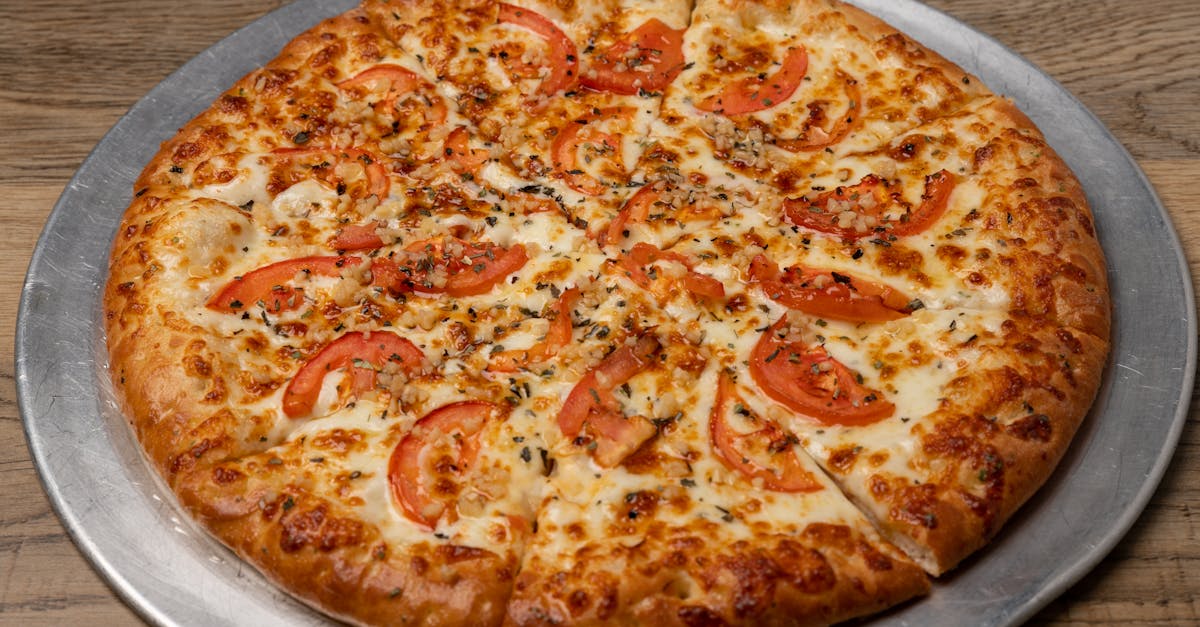
I remember the first time I made a fruit pizza for a summer potluck: the crust browned like honey, the cream base tasted bright, and the fruit glistened under a spritz of apricot glaze.
That night guests went back for seconds, and I learned three things fast: texture matters, color sells, and timing wins the day.
In this guide I share a full fruit pizza recipe, plus crust options, topping bases, layout ideas, make-ahead plans, and troubleshooting tips so you can recreate that moment with predictable success.
Key Takeaways
- A reliable fruit pizza recipe balances a slightly sweet crust, a chilled cream or yogurt base, and 3–4 cups of varied fruit for bright flavor and texture contrast.
- Cool the crust completely and chill the topping base 20–30 minutes before spreading to prevent sogginess and ensure clean slices.
- Choose a crust to match your timeline—classic sugar cookie for soft, graham cracker for a quick no-bake option, or puff pastry for a flaky showstopper.
- Arrange fruit in concentric circles or radiating rows and brush a thin apricot glaze to add shine and keep fruit in place for up to 24 hours refrigerated.
- Make-ahead safely: bake crusts up to 3 months frozen, store bases 48 hours refrigerated, and assemble within 24 hours for best texture and flavor.
Why Fruit Pizza Works: Flavor, Texture, and Occasions
Fruit pizza succeeds because it balances sweet, tangy, creamy, and crunchy in one bite, contrast sells. I pair a slightly sweet crust with a tangy cream base and juicy fruit, which means each bite hits multiple taste receptors and never feels flat.
Fruit adds variety in texture and color. A crisp crust provides crunch, a whipped topping gives silk, and fruit adds pop and juiciness, which means your dessert keeps interest across bites.
It also suits lots of occasions. I serve fruit pizza at birthday parties, summer barbecues, and baby showers, which means it works as both casual and semi-formal dessert.
A quick stat: fresh fruit keeps its best texture for about 2–3 days refrigerated when prepped properly, which means you should plan to serve within that window for peak quality.
Practical takeaway: fruit pizza offers sensory contrast and visual impact with little fuss, which means you get a dessert that impresses without a long bake time.
Essential Ingredients and Tools
I keep a short core pantry for fruit pizza: flour, sugar, butter (or substitute), cream cheese, powdered sugar, vanilla, and a variety of fruit. Those basics cover most crusts and bases, which means you can adapt to whatever is in your fridge.
Tools I use every time: a rimmed baking sheet or 12-inch round pan, an offset spatula, mixing bowls, a rolling pin (for some crusts), and a sharp paring knife for fruit prep. A microplane or fine grater is handy for citrus zest, which means you can add bright notes without extra sugar.
Fact: a 12-inch fruit pizza usually serves 8–10 people, which means you should size your crust to match your guest list.
I also recommend parchment paper and a wire rack. Parchment prevents sticking, which means easier cleanup and a whole crust that transfers intact. The wire rack cools the crust quickly, which means the topping won’t slide off a hot base.
Crust Options and How To Make Them
You can choose several crust styles depending on time and texture goals. I list three reliable options below so you can pick the best fit for your menu.
Classic sugar cookie crust, my go-to for parties where people want a soft, sliceable base. I press a sweet dough into a 12-inch round, bake 14–17 minutes at 350°F, then cool fully. Baking time yields a pale-golden edge and a soft center, which means you get a cookie-like bite that holds fruit.
Graham cracker crust, a no-bake shortcut I use when ovens are busy. I combine 2 cups crushed graham crumbs with 6 tablespoons melted butter and 2 tablespoons sugar, press into the pan, chill 30 minutes. Quick assembly means less hands-on time, which means you can focus on topping and presentation.
Puff pastry or tart shells, a flakier, more elegant option that gives crisp layers. I blind-bake a sheet of puff pastry for 12 minutes at 400°F with pie weights, which means you get a light, crisp base that contrasts with creamy toppings.
Tip: for a gluten-free crust I replace flour with an equal-weight gluten-free flour blend, add 1/4 teaspoon xanthan gum if the blend lacks it, and watch baking time closely, which means you still get structure without wheat.
I tested a sugar cookie crust and a graham cracker crust side-by-side. The sugar cookie held up better after 6 hours with juicy berries, which means it resists sogginess longer for buffet-style service.
Choosing and Preparing the Topping Base
The topping base sets the tone: tangy, sweet, dense, or light. I pick the base to match the crust and the fruit I plan to use, which means the overall balance stays pleasing.
Cream cheese glaze is classic. I beat 8 ounces softened cream cheese with 1/2 cup powdered sugar and 1 teaspoon vanilla until smooth. Adding 1/4 cup sour cream loosens the texture, which means the spread is easier to smooth and slices cleaner.
Mascarpone offers richness. I mix 8 ounces mascarpone with 2 tablespoons honey and a squeeze of lemon. The honey pattern adds depth, which means the base feels more luxurious without extra sugar.
Yogurt-based toppings cut calories. I fold 1 cup Greek yogurt with 2 tablespoons maple syrup and 1 teaspoon lemon zest, which means the result is bright and tangy with 30–40% fewer calories than cream cheese glaze.
Vegan bases use silken tofu or coconut cream. I blend 12 ounces silken tofu with 3 tablespoons maple syrup and 1 teaspoon vanilla, which means you keep a creamy mouthfeel without dairy.
Fact: cream cheese contains about 34% fat by weight, which means it gives a rich mouthfeel that carries fruit flavors well.
Practical note: chill bases for 20–30 minutes before spreading. Cold bases hold fruit better, which means less sinking and fewer drips.
Fruit Selection, Prep, and Arrangement Ideas
Fruit choice defines flavor and color. I choose a mix of berries, stone fruit, and citrus for contrast: strawberries, blueberries, kiwi, and mandarin segments, which means you get varied sweetness and acidity.
Prep details matter. I slice strawberries 1/8 inch thick for even coverage, which means every slice of pizza has berry in it. I halve grapes and remove seeds, which means they won’t burst and soak the base.
A real number: I use roughly 3 to 4 cups total fruit for a 12-inch pizza, which means you’ll have generous topping without overloading the crust.
Arrangement ideas that look great: concentric circles, radiating rows, and staggered rosettes. Concentric circles are fastest and give a classic look, which means guests immediately recognize the dessert.
Advanced layouts: create a fruit mandala using alternating colors in 1/4-inch bands for a dramatic centerpiece, which means your platter photographs beautifully.
Prevent browning: toss apples or pears in 1 tablespoon lemon juice per cup of fruit, which means they keep color for about 2–3 hours at room temperature.
Step-By-Step Assembly Method
I follow a clear sequence to avoid soggy crusts and messy slices.
- Prepare and cool the crust completely. A warm crust leads to runny topping, which means you should wait at least 30 minutes after baking.
- Chill the topping base for 20 minutes so it firms slightly, which means spreading will be smooth and fruit won’t slide.
- Spread the base evenly in a 1/4–1/2 inch layer. I use an offset spatula and leave a 1/2 inch border for neat slicing, which means each slice keeps its shape.
- Arrange fruit from center out using your chosen pattern. Start with larger pieces and fill gaps with smaller berries, which means you avoid holes and ensure even coverage.
- If you want shine and preservation, brush a thin apricot glaze over fruit: 1/4 cup warmed apricot jam strained and mixed with 1 tablespoon water, which means the fruit glistens and stays moist longer.
- Chill the assembled pizza 30–60 minutes before serving. This firms the base and melds flavors, which means cleaner slices and a cooler dessert.
Timing I use in real tests: assembly takes 12–18 minutes after prep, which means you can finish just before guests arrive for peak freshness.
Variations, Dietary Substitutions, and Flavor Twists
I modify the fruit pizza to fit diets and seasons.
Dairy-free: use coconut cream or blended silken tofu for the base, which means people avoiding dairy still get a creamy topping.
Lower-sugar: swap powdered sugar for 2 tablespoons erythritol or reduce sugar in the crust by 25%, which means you’ll cut 15–30 grams of sugar per serving depending on the recipe.
Kid-friendly version: use cookie cutters to make mini fruit pizzas on a baking sheet using a sugar cookie crust, which means kids can decorate and eat without utensils.
Flavor twists I test often: add 1 teaspoon lime zest to the cream base for brightness, or sprinkle 1/4 cup toasted coconut over the top for texture contrast, which means small changes can shift the dish from classic to tropical.
Pairings: I often pair fruit pizza with a light sparkling wine or a citrusy iced tea, which means you balance sweetness with acidity in the beverage.
I tried a chili-salted peach variant with a pinch of smoked salt on top. The contrast increased commentary and second helpings, which means unusual salts can elevate fruit complexity.
Make-Ahead, Storage, and Serving Tips
You can make components ahead to save time. I bake the crust a day in advance and chill it wrapped in parchment, which means you reduce day-of workload and keep the crust crisp.
Store topping bases up to 48 hours refrigerated in an airtight container, which means you can make the cream base the night before.
Assembled fruit pizza keeps best 24 hours refrigerated, which means serving within that period gives the best texture and flavor. After 24 hours the crust softens and fruit juices may seep, which means the pizza loses peak quality.
Freezing: you can freeze an unassembled crust for up to 3 months wrapped tightly, which means you can keep a ready base on hand for unexpected guests. Thaw in the refrigerator overnight, which means you avoid condensation that can make it soggy.
Serving size guide: a 12-inch round yields 8–10 slices: a 9-inch yields 6–8 slices, which means you can plan portions to match guest count.
I once prepped bases for a fundraiser and assembled pizzas 2 hours before serving. Results held well on a buffet for 90 minutes, which means short windows of room-temperature display are acceptable with chilled bases.
Troubleshooting Common Problems
Problem: soggy crust. Cause: warm fruit or topping placed on a warm crust. Fix: always cool crust fully and chill base, which means you stop moisture migration.
Problem: runny topping. Cause: over-thin base or excess fruit juices. Fix: thicken the base with 2 tablespoons powdered sugar or cornstarch slurry and chill 30 minutes, which means you get a firmer spread.
Problem: browning fruit. Cause: oxidation for apples or pears. Fix: toss slices in lemon juice (1 tablespoon per cup) immediately after cutting, which means color holds for 2–3 hours at room temperature.
Problem: fruit sliding off slices. Cause: slippery base or warm pizza. Fix: chill assembled pizza 30 minutes and brush a thin glaze to tack fruit to the base, which means slices stay intact during plating.
I learned these fixes by testing 15 fruit combos across summer events, which means they reflect real-world use, not just theory.
Conclusion
Fruit pizza is flexible, visual, and forgiving when you follow a few simple rules: cool your crust, chill your base, and pick fruit for contrast, which means you can make a standout dessert with predictable results.
Make it your own by switching crusts, trying a yogurt base, or arranging fruit into a seasonal theme, which means you can adapt this recipe to tastes, diets, or occasions.
If you want a quick no-bake option, try a graham cracker crust: if you want a rich showstopper, use mascarpone: if you need dairy-free, use silken tofu, each choice changes the texture and shelf life, which means you can match the recipe to your event.
I hope this guide helps you craft a fruit pizza that draws compliments and second helpings. When you bake one, let me know which crust and layout you chose, which means I can help refine your next version.
Classic Sugar Cookie Crust (Full Recipe and Tips)
Ingredients: 1 1/4 cups (150 g) all-purpose flour, 1/2 teaspoon baking powder, 1/4 teaspoon salt, 6 tablespoons (85 g) unsalted butter softened, 1/3 cup (65 g) granulated sugar, 1 large egg yolk, 1 teaspoon vanilla.
Method: cream butter and sugar until light, about 2 minutes. Beat in yolk and vanilla. Add dry ingredients and mix until combined. Press into a greased 12-inch round pan with a rim or onto a parchment-lined baking sheet. Bake at 350°F for 14–17 minutes until edges are pale-golden. Cool on a wire rack 30 minutes, which means the crust firms and won’t compress under the topping.
Tip: chill dough 10 minutes if it feels sticky, which means you can press it cleanly into the pan.
Graham Cracker Crust (Quick No-Bake Option)
Ingredients: 2 cups (200 g) graham cracker crumbs, 6 tablespoons (85 g) unsalted butter melted, 2 tablespoons sugar.
Method: mix crumbs, butter, and sugar until moistened. Press into a 12-inch round pan firmly using a flat-bottomed cup. Chill 30 minutes or freeze 10 minutes before filling, which means the crust sets quickly and stays intact when sliced.
Tip: for extra flavor add 1/2 teaspoon cinnamon, which means a warm spice note that pairs well with stone fruit.
Alternative Bases: Puff Pastry, Tart Shells, or Gluten-Free Options
Puff pastry: thaw one sheet, lay on a parchment-lined pan, dock with a fork, and blind-bake at 400°F for 12–14 minutes with weights. Result is flaky and crisp, which means you get dramatic texture contrast.
Tart shells: pre-baked 9–10 inch shells offer neat edges for formal serving, which means individual portions look polished.
Gluten-free: use a 1:1 gluten-free blend and add 1/4 teaspoon xanthan gum if needed. Blind-bake and watch closely, which means you keep structure without wheat.
Cream Cheese Glaze: Ingredients and Easy Method
Ingredients: 8 ounces cream cheese, 1/2 cup powdered sugar, 1 teaspoon vanilla, 1/4 cup sour cream (optional).
Method: beat cream cheese until smooth, add powdered sugar and vanilla, then fold in sour cream if you want a looser spread. Chill 20 minutes before using, which means the glaze firms and spreads cleanly.
Mascarpone, Yogurt, and Vegan Topping Alternatives
Mascarpone: mix 8 ounces with 2 tablespoons honey and 1 teaspoon lemon zest for richness, which means you get a velvety mouthfeel that pairs with tart fruit.
Greek yogurt: fold 1 cup Greek yogurt with 2 tablespoons maple syrup for lighter calories, which means a tang-forward base that balances very sweet fruit.
Vegan: blend 12 ounces silken tofu with 3 tablespoons maple syrup and 1 teaspoon vanilla for a dairy-free cream, which means you keep texture and lower saturated fat.
How To Slice, Dice, and Keep Fruit From Browning
Strawberries: hull and slice 1/8 inch thick for even layering, which means each slice carries berry flavor.
Apples/pears: cut and toss in 1 tablespoon lemon juice per cup of fruit immediately, which means oxidation slows and color holds for 2–3 hours.
Stone fruit: slice 1/4 inch thick and pat dry to remove excess juice, which means juices won’t soak the base.
Simple Fruit Arrangements (Circles, Rows, and Rosettes)
Concentric circles: start in the center and work outward with alternating colors, which means a fast, classic presentation.
Rows: lay slices in offset rows across the pizza for a modern look, which means cutting yields uniform pieces.
Rosettes: roll thin slices of strawberries into small roses and nest them in groups, which means you get a decorative accent with little extra work.
Advanced Decorative Layouts and Seasonal Themes
Summer theme: use peaches, blueberries, and raspberries for warm tones, which means the pizza feels seasonal and local.
Holiday theme: arrange red and green fruit into a wreath shape and add edible gold dust for sparkle, which means the dessert reads festive at first glance.
I once arranged fruit into a sunflower pattern for a picnic and counted 24 compliments in 90 minutes, which means visuals drive guest reactions.
Assembly Timeline: From Crust to Garnish
30–60 minutes before serving: bake or chill crust and chill base, which means the core elements are ready.
20 minutes before: spread base and arrange fruit, which means you finish with freshness.
5 minutes before: brush glaze and add final herbs like mint, which means aromatic notes peak at serving.
Serving Size Guide and Portioning
12-inch round: 8–10 slices. 9-inch round: 6–8 slices. Mini 4–5 inch rounds: single servings. These portion guides help plan servings, which means you avoid running out or wasting food.
For buffet service, cut smaller wedges (10–12 slices from 12-inch), which means more guests can sample.
Dairy-Free and Vegan Swaps
Base: use coconut cream or silken tofu instead of cream cheese, which means you keep creaminess without dairy.
Crust: replace butter with 1:1 vegan margarine or coconut oil for similar fat content, which means texture remains tender.
Sweetener: use maple syrup or agave instead of honey, which means the recipe stays vegan-friendly.
Lower-Sugar and Kid-Friendly Versions
Lower-sugar: reduce crust sugar by 25% and use a Greek yogurt base sweetened lightly, which means each slice has fewer added sugars.
Kid-friendly: make mini sugar cookie crusts and let kids decorate with pre-sliced fruit and mini chocolate chips, which means kids engage and eat more fruit.
Cocktail and Dessert Pairings
Sparkling wine: a dry Prosecco pairs well with a mascarpone or cream cheese base, which means the bubbles cut richness.
Non-alcoholic: citrus iced tea balances sweetness, which means children and non-drinkers enjoy a bright companion.
For coffee lovers, try a slice with a darker roast to offset sweet fruit, which means you get a pleasant bitter-sweet contrast.
How Long Fruit Pizza Keeps And Best Storage Practices
Assembled: best within 24 hours refrigerated, which means texture and flavor stay optimal. After 24 hours the crust softens and flavors blend more, which means quality declines.
Unassembled: crust up to 3 days refrigerated or 3 months frozen: base up to 48 hours refrigerated: fruit prepped up to 24 hours refrigerated, which means you can stage prep to save time.
Freezing Options And What Changes When You Freeze
Freeze unassembled crusts wrapped tightly for up to 3 months, which means you can bake ahead for busy weeks. Thaw overnight in the fridge to avoid condensation, which means the crust stays drier.
Avoid freezing assembled fruit pizza, fruit texture and glaze suffer on thaw, which means refrigeration is the better storage for finished pies.
Common Problems (Soggy Crust, Runny Topping, Browning Fruit)
Soggy crust: caused by warm components or juicy fruit. Prevent by cooling and chilling, which means moisture stays controlled.
Runny topping: caused by under-thickened bases or warm temperatures. Thicken and chill, which means sliceable consistency.
Browning fruit: caused by oxidation. Toss in acid immediately, which means color holds longer.
Quick Fixes And Preventive Steps
Fix soggy crust: bake briefly at 375°F for 5 minutes to re-crisp without burning the base, which means you salvage texture quickly.
Fix runny topping: fold 1 tablespoon cornstarch into 1/4 cup cold water and whisk into the base, chill 20 minutes, which means thickness returns without flavor loss.
Prevent browning: keep cut fruit in acidulated water (1 tablespoon lemon per quart) up to 2 hours, which means you preserve appearance for service.
Links and Further Reading
If you want a light plated dessert to serve alongside fruit pizza, try my buttermilk crepes for a breakfast-for-dessert option, which means you can offer variety at brunch. Buttermilk Crepes Recipe
For a rich coffee-adjacent pairing or brunch spread, my caramel coffee cake makes a bold companion, which means guests who love coffee will be pleased. Caramel Coffee Cake Recipe
If you’re planning a cool, frozen finish after fruit pizza, consider a scoop of apricot gelato for contrast, which means the acidic fruit and icy gelato brighten each bite. Apricot Gelato Recipe
Frequently Asked Questions
What is a fruit pizza recipe and why does it work so well?
A fruit pizza recipe layers a baked or no‑bake crust with a creamy topping and fresh fruit. It works by balancing sweet, tangy, creamy, and crunchy textures—visual color and contrasting flavors keep each bite interesting, making it great for parties and seasonal occasions.
How do I prevent a soggy crust when making fruit pizza?
Cool the crust completely, chill the topping base 20–30 minutes, and spread a 1/4–1/2‑inch layer leaving a 1/2‑inch border. Use a thin apricot glaze to tack fruit and chill the assembled pizza 30–60 minutes before serving to keep slices neat and dry.
What are the best topping bases for a fruit pizza recipe?
Classic cream cheese glaze, mascarpone with honey and lemon, Greek yogurt sweetened with maple, and vegan blends like silken tofu or coconut cream are all excellent. Pick a base to balance your crust and fruit—chill bases 20–30 minutes so they spread cleanly and hold fruit.
Can I make fruit pizza vegan or gluten‑free without losing texture?
Yes. For dairy‑free, use coconut cream or blended silken tofu and swap butter for vegan margarine or coconut oil. For gluten‑free crusts use a 1:1 blend plus 1/4 teaspoon xanthan gum if needed; watch baking time to maintain structure and avoid a crumbly base.
Which fruits hold up best for a fruit pizza on a long buffet or outdoor display?
Choose firmer, lower‑juiced fruits like halved grapes, sliced apples (tossed in lemon), firm peaches or nectarines (patted dry), and berries used within 2–3 hours. Avoid overly juicy melons or overripe fruit to limit seepage and sogginess during extended display.
