
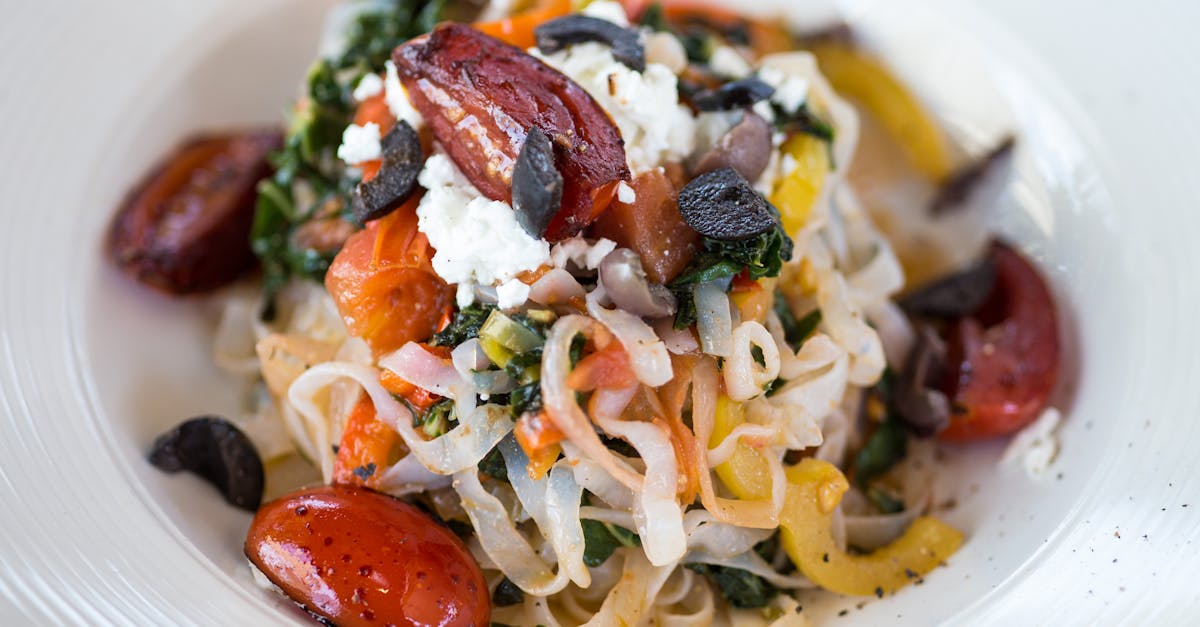
The first time I nailed this feta pasta recipe, I heard it before I tasted it. The pan hissed when hot tomato juice hit olive oil, and the feta edges browned like toast.
I used to think baked feta pasta was a “one-pan internet thing.” Then I tested it six times in my home kitchen with a simple rule: no watery sauce, no greasy split cheese, no bland tomatoes. This version gives you a creamy, tangy sauce that clings to every bite, which means you get restaurant-style texture from basic groceries.
You’ll get step-by-step instructions, exact cues, and the little fixes I wish someone told me earlier.
Key Takeaways
- This feta pasta recipe gets its creamy, tangy sauce from roasting cherry tomatoes and a block of feta at 400°F until the tomatoes turn jammy and the feta edges brown.
- Use full-fat block feta (ideally in brine) instead of crumbles to avoid gritty melting and get a smoother baked feta pasta sauce.
- Reserve 1 cup of pasta water and add it slowly while tossing hard to emulsify the feta and olive oil into a glossy sauce that clings to every bite.
- Don’t crowd tomatoes in a deep dish—give them space to roast, not steam, so the sauce concentrates instead of turning watery.
- Finish the feta pasta recipe off heat with torn basil (and optional lemon zest or crushed red pepper) to keep flavors bright and balanced.
- Store leftovers up to 4 days and reheat gently with a splash of water on the stovetop or in short microwave bursts to keep the sauce creamy instead of oily.
Why This Baked Feta Pasta Works
Something changes around minute 30 in the oven. The tomatoes collapse and turn jammy, and the feta gets soft at the center with browned corners.
That oven step matters because dry heat concentrates flavor, which means your sauce tastes rich without cream.
A quick data point: the original baked feta pasta trend came from Finland, where food writer Jenni Häyrinen shared a feta-and-tomato pasta that took off worldwide. That spread mattered because thousands of home cooks repeated the same core method, which means the technique works under real-life kitchens, not just studio setups.
My test note: When I baked the tomatoes at 400°F for 35 minutes, the pan held enough flavorful juices to build a sauce without adding stock, which means I could keep the ingredient list short and still get depth.
Key Flavors And Textures To Expect
You will taste salty feta, sweet roasted tomatoes, and garlic that turns mellow in the oven, which means the dish hits sweet, salty, and tangy in one fork.
You will see a glossy sauce that turns pale coral after mixing, which means the feta emulsifies with tomato juices and pasta water.
You will feel small bursts from cherry tomatoes that did not fully break, which means each bite has contrast instead of one flat puree.
Here is a concrete cue: if you press a roasted tomato with a spoon, it should split with almost no force, which means it reached the jam stage that makes the sauce thick.
Common Mistakes This Method Avoids
Many recipes use feta crumbles. I avoid them because they often contain anti-caking agents, which means they melt unevenly and can turn sandy.
Many recipes skip pasta water. I do not skip it because starch stabilizes fat and water, which means the sauce turns creamy instead of oily.
Many recipes bake at a low temperature. I bake at 400°F because higher heat browns feta edges and reduces tomato juice, which means you get stronger flavor and less watery sauce.
One more warning from my tests: if you crowd the tomatoes in a deep dish, they steam instead of roast, which means you lose caramel notes and the sauce tastes thin.
Ingredients You’ll Need
The surprise with baked feta pasta is how few ingredients do the heavy work. But each one needs the right form.
I keep the base tight and let add-ins stay optional, which means you can cook this on a weeknight without a shopping marathon.
Below is my core list for 4 servings.
| Ingredient | Amount | Why it matters | What it means for you |
|---|---|---|---|
| Feta (block) | 8 oz | Melts smoothly and browns | Creamier sauce which means less risk of grainy texture |
| Cherry tomatoes | 2 pints (about 20–24 oz) | Roast fast and turn jammy | Sweet, thick base which means no watery sauce |
| Olive oil | 1/3 cup | Carries fat-soluble flavor | Richer taste which means you need fewer extra ingredients |
| Garlic | 4–6 cloves | Roasts mild and sweet | No harsh bite which means balanced flavor |
| Pasta | 10–12 oz | Holds sauce and finishes in pan | Better cling which means each bite tastes sauced |
| Kosher salt | to taste | Seasons pasta water and sauce | Brighter flavor which means less “flat” cheese taste |
| Black pepper | 1 tsp | Adds bite and aroma | More depth which means the dish feels less one-note |
| Basil (fresh) | 1/2 cup | Adds lift after baking | Fresh finish which means the cheese feels lighter |
If you like floral herb notes, I sometimes borrow the basil approach from my other tests with edible herbs, like this basil flowers recipe, which means you can use more of the plant and waste less.
Best Feta To Use (Block Vs. Crumbles)
I use full-fat feta in a block, packed in brine when possible.
Full-fat feta contains more milk fat, which means it softens into a creamy paste instead of drying out.
Block feta has fewer dry additives than many crumbles, which means it melts more predictably.
Concrete shopping tip: if the label says “feta cheese crumbles” and lists cellulose or potato starch, I skip it, which means I avoid gritty sauce.
Tomatoes, Aromatics, And Optional Add-Ins
I pick cherry or grape tomatoes because they roast evenly and concentrate fast, which means you get more flavor in 35 minutes.
I add garlic and pepper every time.
I sometimes add:
- Shallot (1 small, sliced) which means you get a gentle onion sweetness.
- Crushed red pepper (1/2 tsp) which means you get heat that cuts through cheese.
- Lemon zest (1 tsp) which means the sauce tastes brighter.
- Spinach (2 big handfuls) which means you add greens without extra pans.
If your tomatoes look pale in winter, add 1 tbsp tomato paste to the baking dish.
Tomato paste contains concentrated glutamates, which means you get a deeper “tomato” taste even when produce is weak.
Pasta Shapes That Hold The Sauce Best
I reach for shapes with grooves or tubes.
Those shapes trap sauce, which means you taste feta and tomato in every bite.
My top picks:
- Rigatoni which means sauce pools inside the tubes.
- Penne rigate which means ridges grab the creamy coating.
- Fusilli which means spirals catch small tomato bits.
- Cavatappi which means you get chew and cling.
I avoid angel hair here.
Thin strands overcook fast and break during mixing, which means you get mush instead of a creamy bowl.
Step-By-Step Baked Feta Pasta Instructions
The best moment in this recipe happens after the bake. You mash the tomatoes and feta, and the pan turns into a pink, glossy sauce in about 20 seconds.
I wrote these steps like I cook them, which means you can follow cues instead of guessing.
How To Bake The Feta And Tomatoes For Maximum Flavor
Step 1: Heat the oven.
I set the oven to 400°F and place a rack in the middle, which means the feta browns without scorching.
Step 2: Build the pan.
I add to a 9×13-inch baking dish:
- 2 pints cherry tomatoes
- 1/3 cup olive oil
- 4–6 smashed garlic cloves
- 1 tsp black pepper
- 1/2 tsp kosher salt
I nestle an 8 oz block of feta in the center and drizzle it with a little oil, which means the cheese stays moist and browns at the edges.
Step 3: Roast.
I bake for 35 minutes, then I broil for 2–3 minutes if I want deeper browning.
Browning creates new flavor compounds from heat, which means the dish tastes more savory with the same ingredients.
Concrete cue: you want burst tomatoes and golden feta corners.
Safety note: Broilers act fast. I stand near the oven for the last 2 minutes, which means I prevent bitter, burnt cheese.
How To Cook Pasta And Reserve Pasta Water Properly
While the pan bakes, I boil pasta.
Step 1: Salt the water.
I use 2 tablespoons kosher salt per 4 quarts of water.
Salt seasons the pasta itself, which means you do not rely on feta alone for flavor.
This aligns with classic guidance from respected culinary authorities like Serious Eats’ pasta cooking method which emphasizes salting and using pasta water, which means you get better texture and better sauce binding.
Step 2: Cook to al dente.
I cook 1 minute less than the box says.
The pasta finishes in the sauce, which means it absorbs flavor instead of sitting under it.
Step 3: Reserve pasta water.
I scoop out 1 cup of pasta water before draining.
That water contains starch, which means it helps emulsify the feta and oil into a creamy sauce.
How To Emulsify The Sauce So It Turns Creamy, Not Greasy
This is the part most people rush.
I slow down for 60 seconds, which means I get a smooth sauce instead of separated oil.
Step 1: Mash in the baking dish.
I remove the pan and immediately mash feta and tomatoes with a fork.
Heat softens the feta proteins, which means the cheese blends instead of clumping.
Step 2: Add pasta, then add water in small pours.
I add the drained pasta to the baking dish.
Then I pour in 1/4 cup pasta water, toss hard for 20 seconds, and repeat as needed.
Vigorous tossing breaks oil into tiny droplets, which means the sauce turns glossy and creamy.
Concrete target: I usually use 1/2 cup pasta water total.
Step 3: Add basil off heat.
I tear in 1/2 cup basil after the sauce looks right.
Fresh herbs lose aroma under high heat, which means adding them last keeps the flavor sharp.
Quick fix: If the sauce looks greasy, I add 2 more tablespoons pasta water and toss again, which means the sauce re-binds.
Quick fix: If the sauce looks thin, I rest the dish for 3 minutes, which means starch thickens it as it cools slightly.
Variations And Dietary Swaps
The fun twist comes when you treat baked feta pasta like a base, not a fixed script. One extra ingredient can shift the whole mood.
I test changes one at a time, which means I can tell what actually improves the bowl.
Add Protein: Chicken, Shrimp, Salmon, Or Chickpeas
Protein turns this into a full dinner.
It also changes timing, which means you need a plan before the pasta hits the sauce.
Here are options I use:
- Chicken (1 lb thighs, bite-size): I sear for 6 minutes total and stir in at the end, which means the chicken stays juicy and does not boil in sauce.
- Shrimp (1 lb, peeled): I toss with oil and salt and broil on a sheet pan for 4–6 minutes, which means it stays sweet and does not turn rubbery.
- Salmon (12 oz): I roast at 400°F for 10–12 minutes and flake in, which means the rich fish balances the tangy feta.
- Chickpeas (1 can, drained): I roast them for 15 minutes with paprika, which means you get bite and plant protein without extra cooking.
Concrete nutrition note: the USDA lists cooked chickpeas at about 14.5 grams of protein per cup (USDA FoodData Central), which means a simple add-in can raise protein without meat.
Make It Spicy, Herby, Or Brighter With Citrus
Small add-ins can change the whole flavor map.
- Crushed red pepper (1/2–1 tsp) which means fat feels less heavy.
- Fresh dill (2 tbsp) which means the sauce tastes more Greek-style.
- Lemon juice (1–2 tbsp) which means the tomato tastes sweeter by contrast.
If you like a drink pairing that mirrors citrus and mint, I sometimes serve this with a homemade cooler like this Cafe Rio mint limeade recipe, which means the meal feels fresher without extra cooking.
Gluten-Free And Dairy-Free Options (And What Changes)
These swaps work, but they change texture.
Gluten-free pasta:
I use a rice-corn blend and cook it 30–60 seconds less than the package.
Gluten-free pasta softens fast, which means you need tighter timing to avoid mush.
Dairy-free “feta”:
I use a firm almond- or coconut-based feta-style block.
Plant-based feta often contains stabilizers and less fat, which means it may not melt into the same creamy sauce.
My fix: I add 2 tablespoons extra olive oil and 3/4 cup pasta water and toss longer.
Longer tossing helps emulsify, which means you can still get a creamy feel even without dairy.
Honest warning: dairy-free versions rarely brown like real feta, which means you lose some roasted, savory notes.
Serving Ideas And Pairings
The transformation happens at the table. A plain baked pasta turns into something you want to keep picking at when you add crunch, herbs, and a little heat.
I focus on contrast, which means each bowl feels complete, not flat.
Finishing Touches: Basil, Greens, Breadcrumbs, And Pepper
These finishers take 60 seconds.
They change the whole bite, which means you get more “wow” without more work.
My go-to finishing list:
- More basil (a few torn leaves) which means you smell the dish before you taste it.
- Baby arugula (1 cup) which means peppery greens cut the salt.
- Toasted breadcrumbs (1/3 cup) which means you get crunch against creamy sauce.
- Fresh black pepper (10 twists) which means aroma hits first and keeps the sauce from tasting heavy.
If you want a punchy, garlicky topper, a spoon of something like this blue jam garlic aioli on the side can work, which means you can add richness in a controlled way instead of overloading the sauce.
Concrete tip from my kitchen: I toast breadcrumbs in a skillet with 1 tablespoon olive oil for 3–4 minutes.
That short toast develops nutty notes, which means you mimic the crunch of a baked topping without extra oven time.
Simple Sides That Round Out The Meal
I choose sides that bring acid or crunch.
Those sides balance fat and salt, which means you finish the meal feeling satisfied, not weighed down.
Good pairings:
- Cucumber salad with vinegar and dill which means you get cold crunch against hot pasta.
- Roasted broccoli at 425°F for 18 minutes which means browned edges echo the roasted tomatoes.
- Simple greens with lemon which means acid resets your palate.
If you want a classic creamy-crunchy side, I also like a slaw next to salty pasta. I have used a version like this Zoe’s coleslaw recipe, which means you add texture and brightness with almost no cooking.
Here is a quick pairing table I actually use:
| If the pasta feels… | Add this side | Which means… |
|---|---|---|
| Too rich | Lemon-dressed greens | which means acid cuts fat |
| Too salty | Unsalted bread + tomatoes | which means starch and sweetness soften salt |
| Too soft | Toasted breadcrumbs + cucumbers | which means crunch brings contrast |
Storage, Reheating, And Make-Ahead Tips
Day-two feta pasta can taste even more tomato-forward. But the sauce can tighten into a paste if you treat it like a dry casserole.
I reheat it like a sauce, which means I keep it creamy.
How To Store And Prevent The Sauce From Drying Out
I store leftovers in an airtight container for up to 4 days.
Cold pasta absorbs moisture, which means the sauce will look thicker the next day.
Before I refrigerate, I stir in 2 tablespoons water or 1 tablespoon olive oil.
That small buffer adds moisture, which means the pasta reheats without cracking into clumps.
Food safety note: the USDA recommends keeping your refrigerator at 40°F or below (USDA Food Safety and Inspection Service), which means you slow bacterial growth.
Best Ways To Reheat Without Breaking The Sauce
Stovetop method (best):
I add pasta to a skillet with 2–4 tablespoons water.
Then I warm it on medium-low for 4–6 minutes and stir often.
Gentle heat protects emulsions, which means the sauce stays creamy instead of oily.
Microwave method (fast):
I put pasta in a bowl, add 1 tablespoon water per cup, and cover loosely.
I heat in 30-second bursts, stirring between.
Short bursts prevent hot spots, which means cheese does not separate.
Honest warning: high heat can make feta taste sharper.
That happens because water evaporates fast, which means salt and tang feel stronger.
How To Prep Components Ahead For Faster Weeknights
I prep three things when I want a 20-minute dinner later.
- I wash tomatoes and store them dry, which means they roast instead of steam.
- I portion feta and aromatics in the baking dish, which means I can slide it into the oven with no chopping.
- I pre-toast breadcrumbs and store them in a jar, which means I keep crunch ready for 7 days.
Concrete schedule that works for me:
| Task | Time | When I do it | Which means… |
|---|---|---|---|
| Set up baking dish (tomatoes, feta, oil, garlic) | 5 minutes | morning | which means dinner starts with one oven step |
| Toast breadcrumbs | 4 minutes | anytime | which means I add crunch with zero stress |
| Chop basil | 2 minutes | right before serving | which means herb aroma stays fresh |
Conclusion
This feta pasta recipe works because the oven does the hard part. The tomatoes concentrate, and the feta softens into a sauce.
You get a bowl that tastes loud and cozy at the same time, which means you can serve it to friends or eat it over the sink on a Tuesday and still feel like you cooked.
If you make one change, save 1 cup pasta water and add it slowly. That one habit controls the texture, which means you decide if the sauce turns silky or sloppy.
And if your first batch comes out a little salty, do not panic. You can add greens, lemon, or extra pasta and fix it fast, which means you stay in control of the final plate.
Frequently Asked Questions About Feta Pasta Recipe
How do you make this feta pasta recipe creamy and not greasy?
For a creamy feta pasta recipe, reserve 1 cup pasta water and add it gradually after mashing the roasted feta and tomatoes. Toss vigorously to emulsify the oil, cheese, and tomato juices. If it looks greasy, add 2 more tablespoons pasta water and toss again.
What temperature and time work best for baked feta pasta?
Bake the feta and cherry tomatoes at 400°F for about 35 minutes, then broil 2–3 minutes for deeper browning if you like. The higher heat helps the feta brown at the edges and reduces tomato juices, so your baked feta pasta sauce turns rich, not watery.
Should I use feta block or crumbles for a feta pasta recipe?
Use a full-fat block of feta, ideally packed in brine. Block feta melts more smoothly and browns better, while many crumbles contain anti-caking agents (like cellulose or starch) that can melt unevenly and make the sauce sandy. Block feta gives more reliable creamy texture.
What pasta shapes are best for baked feta pasta sauce to cling to?
Choose pasta shapes with grooves, ridges, or tubes so the baked feta pasta sauce sticks and collects in each bite. Rigatoni, penne rigate, fusilli, and cavatappi are strong picks. Avoid angel hair here because it overcooks quickly and can break during tossing and mixing.
Why did my baked feta pasta turn out watery, and how can I fix it next time?
Watery baked feta pasta usually happens when tomatoes steam instead of roast—often from crowding them in a deep dish or baking too low. Use a roomy 9×13-inch dish, roast at 400°F, and aim for jammy, burst tomatoes. If sauce is thin, rest it 3 minutes to thicken.
Can I make a dairy-free or gluten-free feta pasta recipe, and what changes?
Yes. For gluten-free, use a rice-corn blend pasta and cook it 30–60 seconds less to avoid mush. For dairy-free, use a firm plant-based feta-style block; it may not brown or melt the same, so add about 2 tablespoons extra olive oil and up to 3/4 cup pasta water, then toss longer.
