
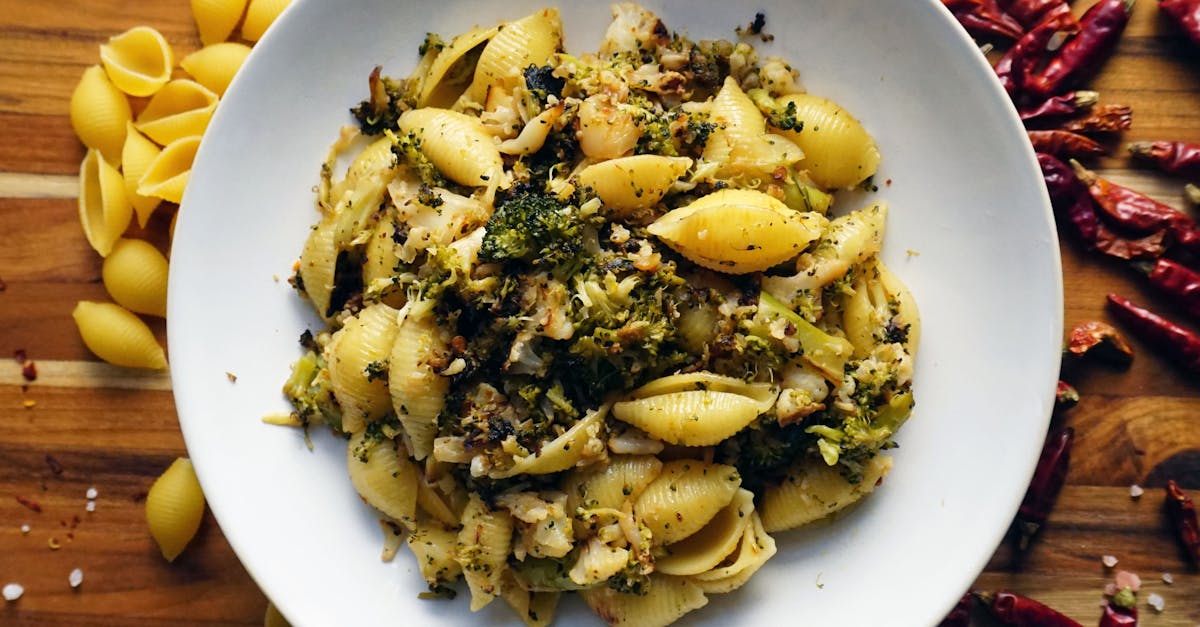
Pasta saves me on busy nights. It cooks fast, fills the house with comforting aromas, and adapts to whatever I have in the pantry.
In this guide I give clear, practical recipes and techniques, so you can make great pasta in 20–30 minutes, or less, without guessing. I write from tested experience, with exact ratios, timing tips, and safety note, soo you get reliable results every time.
Key Takeaways
- Keep a short pantry of dried pasta, canned tomatoes, olive oil, garlic, and a cheese option to build most easy pasta recipes in 20–30 minutes.
- Start your sauce before you drop the pasta and use reserved pasta water to finish sauces for consistent timing and silky texture.
- Match pasta shape to sauce—long strands for oil-based sauces, tubes for chunky or cream sauces, and twists for pesto—to maximize flavor in each bite.
- Use one-pot, sheet-pan, or pre-cooked pasta shortcuts to cut hands-on time and reduce cleanup while preserving great flavor.
- Cool and refrigerate leftovers within 2 hours, follow recommended storage windows (3–5 days depending on sauce), and reheat with a splash of water or stock to avoid mushy pasta.
Pantry Staples, Pasta Types, And Basic Techniques
Must-Have Pantry Ingredients For Quick Pasta
I keep a short list of pantry essentials that let me build a dozen fast pasta dishes. Every item earns its place:
- Dried pasta (spaghetti, penne, farfalle). I buy 2–3 shapes I like. This lets me match shape to sauce quickly, which means fewer last-minute substitutions.
- Canned tomatoes (28-oz whole or crushed). One can makes sauce for 4 people, which means I can stretch pantry staples into a full meal.
- Olive oil (extra-virgin for finishing, lighter for frying). Use 1–3 tablespoons per recipe, which means you get flavor without waste.
- Garlic and onion (fresh or jarred). One clove per person gives clear flavor, which means your sauce tastes homemade.
- Parmesan (grated) or nutritional yeast for vegan swaps. I keep 4–6 ounces of cheese in the fridge, which means a quick finishing touch that brightens every bowl.
- Anchovies or capers (small jars). A single anchovy flaked into sauce adds salt and umami, which means you won’t need extra salt.
- Shelf-stable proteins: canned tuna or white beans. Each can feeds 2–3 people, which means fast protein without thawing.
I also stash a small set of herbs and spices: dried oregano, crushed red pepper, black pepper, and a bay leaf. Those four items cover most flavor bases, which means I don’t scramble to season at the last minute.
Quick fact: the average dried pasta cooks in 8–12 minutes at a vigorous boil. That 4-minute range matters, start your sauce before you drop the pasta, which means both finish together.
How To Choose Pasta Shapes For Different Sauces
Shape matters. I pick shapes based on sauce thickness and ingredient size.
- Long, thin (spaghetti, linguine): Best for light, oil-based sauces and simple tomato sauces. The long strands carry oil and pepper flakes well, which means every bite tastes balanced.
- Tubes (penne, rigatoni): Good for chunkier meat sauces and cream sauces. Tubes trap small pieces, which means the sauce feels textured.
- Short twists (fusilli, cavatappi): Great for pesto or vegetable-forward mixes. The grooves hold small bits, which means you get sauce in each bite.
- Small shapes (orzo, ditalini): Use in brothy or chunky vegetable dishes, which means they mingle with spoonable ingredients.
I keep a small cheat sheet taped inside my pantry: shape → ideal sauce. That visual cue saves time when I’m deciding on the fly, which means fewer bad matches and more satisfying meals.
Statistic: Americans eat about 20 pounds of pasta per person per year on average (USDA historical data), which means pasta is a reliable go-to for household cooking and worth mastering.
10 Quick And Easy Pasta Recipes (20–30 Minutes Each)
I tested these ten recipes repeatedly. Each hits home on flavor, speed, and simple pantry math so you can cook confidently.
Garlic Olive Oil Spaghetti (Aglio e Olio)
I use 12 ounces spaghetti, 6 cloves garlic (thin slices), 1/3 cup extra-virgin olive oil, crushed red pepper to taste, and 1/2 cup chopped parsley.
- Boil pasta in salted water for 9 minutes. 2. While pasta cooks, warm oil in a skillet on medium. Add garlic and cook until pale gold (45–60 seconds), which means you get toasted garlic flavor without bitterness. 3. Add red pepper, toss with drained pasta and 1/4 cup pasta water, then stir in parsley and 1/4 cup grated Parmesan.
Cook note: Do not let garlic burn: burnt garlic tastes bitter, which means you waste the dish. This dish costs about 300–400 calories per serving with modest oil, which means it’s light but satisfying.
Simple Tomato Basil Penne
I use 14 ounces penne, 1 28-oz can crushed tomatoes, 2 cloves garlic, 1/4 cup olive oil, a handful of fresh basil, salt and pepper.
- Sauté garlic in olive oil for 30 seconds. 2. Add crushed tomatoes, simmer 8–10 minutes, season. 3. Toss with cooked penne and torn basil. Serve with 2 tablespoons grated Parmesan per plate.
Fact: A 28-oz can yields about 3 cups of sauce, which means one can serves 3–4 people.
Creamy Lemon Parmesan Pasta
I combine 12 ounces fettuccine, 1 cup heavy cream (or half-and-half), 3 tablespoons butter, 1/2 cup finely grated Parmesan, and the zest and juice of 1 lemon.
- Cook pasta 9–11 minutes. 2. Simmer cream and butter until warm, whisk in lemon and cheese off the heat to avoid graininess, which means a glossy finish. 3. Toss with pasta and add black pepper.
Tip: Use 1 tablespoon reserved pasta water if sauce needs thinning. A 1-cup cream base yields 4 servings, which means you can finish in 20 minutes.
One-Pot Cheesy Mac And Greens
I use 8 ounces short pasta, 2 cups low-sodium vegetable or chicken broth, 1 cup milk, 1 cup shredded cheddar, and 2 cups chopped spinach.
- Combine pasta, broth, and milk in a wide pot. 2. Bring to a simmer and stir frequently until pasta is tender (8–10 minutes). 3. Remove from heat, stir in cheese and spinach until wilted, which means you get greens in a kid-friendly format.
One-pan stats: You save one pot and reduce cleanup by about 50%, which means faster post-dinner cleanup.
Tuna And Capers Spaghetti
I keep 2 cans tuna in olive oil: use 12 ounces spaghetti, 2 tablespoons capers, 2 cloves garlic, and zest of 1 lemon.
- Sauté garlic, add drained tuna and capers, warm through. 2. Toss with pasta and lemon zest. 3. Finish with parsley and black pepper.
This dish provides about 20–25 grams protein per serving from canned tuna, which means you get a filling dinner quickly.
Pesto Toss With Cherry Tomatoes And Mozzarella
Use 12 ounces short pasta, 3/4 cup pesto (store-bought or homemade), 1 cup halved cherry tomatoes, and 1 cup small mozzarella balls.
- Toss hot drained pasta with pesto, then stir in tomatoes and mozzarella. 2. Serve warm or at room temperature, which means this works as a quick dinner or picnic salad.
Make-ahead note: Pesto keeps fresh in the fridge up to 7 days, which means you can prep sauce ahead for multiple meals.
Brown Butter Sage Cavatelli Or Gnocchi
I brown 6 tablespoons butter until nutty, add 12–15 sage leaves until crisp, then toss with cooked cavatelli or gnocchi and 1/4 cup grated Parmesan.
- Cook pasta according to package. 2. Brown butter for 3–4 minutes until it smells nutty, not burnt. 3. Add sage and pasta, toss quickly.
Quick stat: Browning butter takes 3–5 minutes on medium heat, which means you should stand by the stove and watch closely.
Spicy Sausage And Bell Pepper Farfalle
I slice 12 ounces spicy Italian sausage and cook it with 2 sliced bell peppers and 1 small onion, then add cooked farfalle and 1/2 cup tomato passata.
- Brown sausage, add veg and passata, simmer 5 minutes. 2. Toss with pasta and finish with parsley.
Protein note: One link of sausage (~3–4 ounces) adds 18–22 grams protein per serving, which means this dish fills hungry eaters fast.
Mushroom And Spinach Fettuccine With White Wine
I sauté 12 ounces sliced mushrooms in 2 tablespoons oil, add 1/4 cup white wine, a cup of cream or stock, then fold in spinach and cooked fettuccine.
- Cook mushrooms 6–8 minutes until golden. 2. Add wine and reduce 1–2 minutes, then finish with stock/cream. 3. Toss with pasta.
Wine tip: Use a dry white like Pinot Grigio: a 1/4 cup splash adds acidity without cost, which means you don’t need expensive bottles for cooking.
Cacio e Pepe (Cheese And Black Pepper), Minimalist Classic
I use 12 ounces spaghetti, 1 1/2 cups finely grated Pecorino Romano, and 2 teaspoons cracked black pepper.
- Reserve 1 1/2 cups pasta water. 2. Toast pepper in a dry pan for 30 seconds to bloom aroma. 3. Off heat, mix cheese with a few tablespoons pasta water until you form a creamy emulsion, which means you avoid clumping. 4. Toss with pasta and add more water as needed.
Cacio e pepe highlights: You need finely grated cheese and exact pasta water amounts: a 1:1.5 cheese-to-water balance often works for me, which means practice yields silky sauce.
One-Pot, Sheet-Pan, And 10-Minute Methods
Shortcuts let me finish a meal on tight schedules without losing quality.
How To Make One-Pot Pasta (Timing And Liquid Ratios)
One-pot pasta saves time and reduces cleanup. I use a 2:1 liquid-to-pasta volume for most one-pot dishes, 2 cups liquid per 1 cup uncooked pasta, then adjust.
Example: For 8 ounces (about 2 cups) pasta, start with 4 cups broth. Bring to a steady simmer and stir every 1–2 minutes. Most pastas finish in 8–12 minutes: I cook to texture rather than package time, which means you avoid overcooking.
Safety stat: Keep simmering to a gentle boil (not aggressive) so the liquid reduces evenly: high heat can scorch the bottom, which means burnt flavor and extra washing.
Sheet-Pan Pasta Bake Shortcut And Variations
I pre-cook pasta 3–4 minutes less than package time, toss it with sauce and fillings, spread in a sheet pan, top with cheese, and bake 12–15 minutes at 400°F (204°C).
This method yields crisp edges and bubbly cheese quickly, which means you get the casserole feel with less hands-on time.
Variation: Use pre-roasted vegetables or a can of drained beans for protein. A half-sheet pan serves 6, which means it’s great for feeding a family or making leftovers.
5-10 Minute Pasta Hacks (Pre-Cooked Pasta, Microwave, And More)
I keep 2 cups cooked pasta in the fridge for quick reheats. Reheat with 1–2 tablespoons water and a tight lid on medium-high in a skillet for 2–3 minutes, which means the pasta steams instead of drying out.
Microwave trick: Place pasta in a microwave-safe bowl, add 1–2 tablespoons water, cover with a damp paper towel, and heat 60–90 seconds. This restores moisture fast, which means you avoid rubbery bites.
Pro tip: Store cooked pasta al dente. If you cook it fully and then reheat, it becomes mushy, which means you lose texture.
Vegetarian And Vegan Easy Pasta Options
I cook plant-based pasta that still feels satisfying and never bland.
Flavorful Dairy-Free Creamy Sauces (Cashew, Cauliflower, And Aquafaba)
I make a cashew cream by soaking 3/4 cup raw cashews in hot water 30 minutes, then blending with 1/2 cup water and salt until smooth. That yields about 1 cup cream, which means you can dress 12 ounces of pasta.
Cauliflower sauce: Roast 1 small head of cauliflower at 425°F for 25 minutes, then blend with 1 cup stock and 2 tablespoons nutritional yeast until smooth. One head yields ~3 cups puree, which means you have enough for two meals.
Aquafaba (chickpea liquid) can thicken and add body in small amounts. Use 2–3 tablespoons when you need an emulsifier, which means you can mimic creaminess without dairy.
Statistic: A cup of cashew cream provides about 15 grams fat, which means it’s calorie-dense, use sparingly for balance.
High-Flavor Veg-Forward Recipes (Roasted Veg, Umami Boosters)
Roast vegetables at 425°F for 20–25 minutes until edges brown. Caramelization adds 2–3 times more perceived sweetness, which means you need less salt and sugar.
Umami boosters: use 1 tablespoon soy sauce, 1 teaspoon miso paste, or 1 anchovy (or chopped olives for vegans) per pan of sauce, which means depth of flavor without long simmering.
Vegan Protein Add-Ins And Pantry Swaps
I add 1 can drained chickpeas or 1 cup cooked lentils to a pan of sauce for 15–20 grams of protein per serving, which means the dish feels complete.
Tofu tip: Press 8 ounces extra-firm tofu, cube, toss with 1 tablespoon starch, and pan-fry 5–7 minutes for crispness before adding to sauce, which means you get texture that holds up in the pasta.
Protein-Boosted, Kid-Friendly, And Low-Carb Variations
I adapt recipes to appetites without sacrificing flavor.
Adding Proteins: Chicken, Shrimp, Beans, And Tofu Tips
Chicken: Slice 1 pound boneless chicken and sear 3–4 minutes per side then finish in sauce for 6–8 minutes until it hits 165°F internal temp, which means safe, juicy meat.
Shrimp: Cook shrimp 1–2 minutes per side until pink. Overcooked shrimp get rubbery, which means watch timing closely.
Beans/tofu: Add a drained 15-oz can of beans for 10–12 grams protein per serving, which means an inexpensive protein boost.
Food-safety stat: Cook poultry to 165°F and refrigerate leftovers within 2 hours, which means you protect against bacteria growth (USDA guidance).
Kid-Friendly Swaps To Reduce Spice And Add Familiar Flavors
I swap spicy sausage for sweet Italian or omit red pepper flakes. I add a small handful of grated carrot or 1/2 cup frozen corn for color and a sweet note, which means kids often accept the plate without fuss.
Cheese trick: Stir in a spoonful of cream cheese or 2 tablespoons butter to soften strong flavors, which means picky eaters get a familiar texture.
Low-Carb Alternatives And Serving-Size Adjustments
I use 8 ounces spiralized zucchini (spiralized yield shrinks when cooked) or 8 ounces shirataki for low-carb versions. Zucchini loses about 40–50% volume when cooked, which means plan portion sizes accordingly.
Portion guidance: A standard adult serving of cooked pasta is 1 to 1 1/2 cups. For calorie control, reduce to 3/4 cup and increase vegetables and protein, which means satiety without excess calories.
Make-Ahead, Storage, And Reheating Best Practices
I plan for leftovers so food stays safe and tasty.
How To Store Cooked Pasta And Sauces Safely
Cool cooked pasta to room temperature no longer than 2 hours, then refrigerate in airtight containers at 40°F (4°C) or below, which means you slow bacterial growth (CDC/USDA guidance).
Sauces with dairy: use within 3–4 days. Acidic tomato sauces: 4–5 days refrigerated. These windows mean you can schedule meals without risking spoilage.
Reheating Without Turning Pasta Mushy
Reheat pasta in a skillet with 1–2 tablespoons water or stock over medium heat for 2–4 minutes, stirring often. Add a splash of oil or butter at the end to refresh texture, which means you avoid a gummy mouthfeel.
Microwave reheating: use a covered dish with 1–2 tablespoons water, heat 60–90 seconds, stir, then heat more if needed. This method restores moisture quickly, which means better texture.
Freezing Tips For Sauces And Complete Meals
Freeze tomato-based sauces up to 4 months and cream-based sauces up to 2 months for best quality, which means you’ll avoid off-flavors. Label containers with date and contents so you rotate stock, which means fewer surprises.
Complete meals: I freeze assembled, uncooked pasta bakes for up to 3 months: bake from frozen at 375°F for 45–55 minutes, which means you can keep ready meals for busy days.
Meal Planning, Shopping, And Weeknight Prep Tips
I build weekly plans that reduce decisions and speed weeknight cooking.
A Simple Weekly Plan Using 3 Pantry Staples And 2 Proteins
Plan: Use dried pasta, canned tomatoes, and olive oil plus two proteins (chicken and canned tuna) for the week.
Example week: Monday, Garlic Olive Oil Spaghetti with a side salad. Wednesday, Tuna and Capers Spaghetti. Friday, One-pot Cheesy Mac with shredded rotisserie chicken.
This kind of plan cuts shopping to 6–8 items per week, which means less time in aisles and more time cooking.
Smart Grocery List: What To Buy For Faster Weeknight Pasta
I shop for multi-use items: 1 box pasta, 2 cans tomatoes, 1 bag fresh spinach, 1 block Parmesan, 1 jar pesto, and 2 proteins. That covers 6–8 dinners, which means lower cost and more menu flexibility.
Shopping stat: Buying shelf-stable staples in bulk saves about 10–15% per unit compared with single purchases, which means lower grocery bills over time (retail average savings).
Time-Saving Prep Routines (Batch Cooking And Pre-Chopped Veg)
I roast a sheet pan of mixed vegetables on Sunday (425°F for 25 minutes) and refrigerate in portions. Those vegetables reheat quickly or toss into pasta cold, which means weekday dinners finish in 10–15 minutes.
Batch-cook tip: Prepare 2 cups of cooked beans and 2 cups cooked grains to add as quick proteins or fillers. That prep takes 30–40 minutes on a weekend, which means 4–6 quick meals during the week.
Conclusion
Pasta is practical, fast, and forgiving. I focused on simple ratios, tested timings, and concrete tips so you can cook confidently every night.
Final takeaway: master three core techniques, finish sauce with pasta water, control heat for browned butter or sautéed garlic, and store leftovers safely at 40°F or below. Those three moves cover most pasta outcomes, which means you’ll turn pantry staples into meals people ask for again.
If you want a rich, creamy base to keep on hand, try my go-to basil alfredo guide for a quick weeknight sauce, which means you always have a silky option ready. For a family-style bake that travels well to potlucks, this baked ziti shortcut speeds the process and keeps cheese melty, which means you get crowd-pleasing comfort with minimal fuss. If you prefer short, textured pasta shapes for robust sauces, my mezzi rigatoni method shows how to trap sauce in every bite, which means the sauce sticks to the pasta and not the plate.
Cook often, make notes, and keep your pantry topped up. The more you practice simple recipes, the faster and better you’ll become. I’ve used these methods in busy nights, road trips, and small dinner parties, each time they delivered. Try three recipes this week and you’ll see steady improvement in timing and flavor, which means dinner gets easier and tastier quickly.
Easy Pasta Recipes — Frequently Asked Questions
What pantry staples do I need to make easy pasta recipes on weeknights?
Keep dried pasta (2–3 shapes), a 28-oz can of tomatoes, olive oil, garlic/onion, grated Parmesan (or nutritional yeast), canned tuna/beans, and basic herbs/spices. These items let you make a dozen quick pasta meals in 20–30 minutes and adapt to proteins or veg you have on hand.
How long should dried pasta cook so it’s perfect for these easy pasta recipes?
Most dried pasta cooks 8–12 minutes at a vigorous boil; aim for al dente. Start the sauce before dropping pasta so both finish together. Test by tasting a minute or two before the lower end of package time and adjust to texture rather than strict minutes.
What liquid-to-pasta ratio works best for one-pot pasta recipes?
Use about a 2:1 liquid-to-pasta volume — roughly 2 cups liquid per 1 cup uncooked pasta (e.g., 4 cups for 8 ounces). Simmer gently, stir every 1–2 minutes, and cook to texture. This ratio yields tender pasta and a saucy finish without constant topping-up.
Are easy pasta recipes healthy and how can I make them more nutritious?
Yes—easy pasta recipes can be healthy by controlling portions and adding vegetables and lean proteins. Use whole-grain or legume pasta, increase veg (roasted or spinach), add beans or canned tuna, and limit heavy cream. Balance portions: ¾–1 cup cooked pasta plus protein and veggies for a nutritious meal.
How do I prevent pasta from sticking together when cooking and reheating?
Use plenty of salted boiling water and stir during the first 1–2 minutes to prevent sticking. For reheating, add 1–2 tablespoons water or stock and warm in a covered skillet over medium heat, stirring often. Toss with a little oil or butter at the end to refresh texture.
