
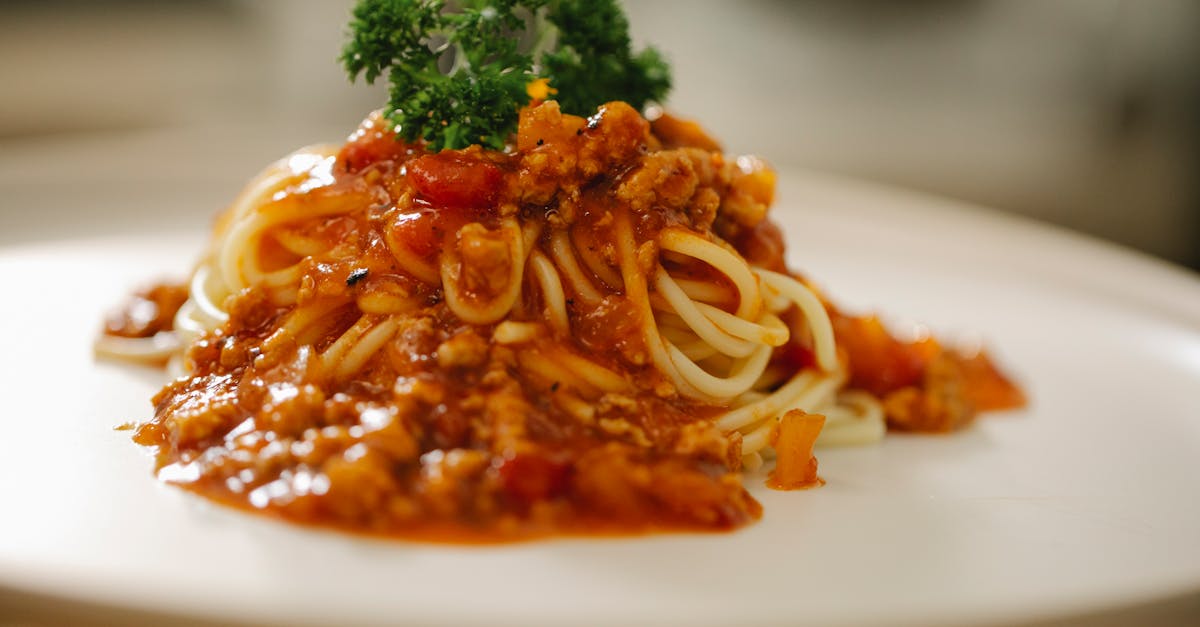
The first time I nailed lentil bolognese, it surprised me how meaty it felt. The sauce looked glossy. The spoon stood up in it. And my kitchen smelled like tomato, garlic, and slow-simmered comfort.
This easy lentil bolognese recipe gives you that classic, rich Italian-style vibe without meat. I built it for real weeknights, which means simple ingredients, one pot, and a method you can repeat without thinking too hard.
Key Takeaways
- This easy lentil bolognese recipe delivers rich, “slow-simmered” comfort in about 35–45 minutes using simple, weeknight-friendly ingredients and one pot.
- Build classic bolognese flavor without meat by sautéing a soffritto (onion, carrot, celery), browning tomato paste for 60–90 seconds, and finishing with soy sauce or miso for umami.
- Choose brown or green lentils for a hearty, ground-meat-like chew, and skip red lentils because they break down too quickly and turn the sauce mushy.
- Simmer uncovered and adjust texture as you go—add broth in small splashes if it dries out, and mash a small portion of lentils to thicken naturally without flour.
- Make the sauce cling like a restaurant plate by undercooking pasta by 1 minute, saving pasta water, and tossing pasta with the lentil bolognese for 60–90 seconds to emulsify and gloss.
- Meal-prep wins: cool and portion the sauce for freezing (about 1½ cups per container), then reheat with a little water or broth and a final splash of vinegar or lemon to brighten flavor.
Why You’ll Love This Lentil Bolognese
You get that “I cooked all day” aroma in about 35–45 minutes, which means you can serve something deeply satisfying without sacrificing your evening.
This sauce uses lentils for body and bite, which means you get fiber and plant protein in every bowl. One cup of cooked lentils has about 15.6 g protein and 15.6 g fiber (USDA FoodData Central), which means it fills you up in a way plain tomato sauce does not.
I also like how forgiving it is. If I simmer 10 minutes too long, it gets thicker and better, which means it rewards distraction.
What Makes It Taste Like Classic Bolognese
I build “classic” flavor with three moves, which means the sauce tastes familiar even without beef.
- Sautéed onion, carrot, and celery (soffritto), which means you get sweetness and depth instead of flat tomato.
- Tomato paste browned in oil, which means you get caramelized, savory notes.
- Umami boosters like soy sauce or miso plus a splash of wine or vinegar, which means you get the rounded, long-simmer taste without hours.
“Umami mainly comes from glutamate… which is present in foods such as tomatoes.”, Harvard T.H. Chan School of Public Health which means tomatoes and tomato paste can do heavy lifting in a meatless sauce.
Ingredients You Need
When I test weeknight sauces, I judge them by one thing: can I buy everything in one grocery run. This list passes, which means you can cook it without a specialty store.
Here’s my core set for 4–6 servings.
| Ingredient | Amount | Why I use it |
|---|---|---|
| Olive oil | 2–3 tbsp | It carries flavor, which means aromatics taste fuller. |
| Yellow onion | 1 medium, diced | It adds sweetness, which means the sauce tastes mellow. |
| Carrot | 1 medium, diced | It adds natural sugar, which means less need for added sweetener. |
| Celery | 1–2 ribs, diced | It adds a savory edge, which means the sauce tastes balanced. |
| Garlic | 4 cloves, minced | It adds punch, which means the sauce smells like dinner fast. |
| Tomato paste | 2 tbsp | It concentrates tomato, which means thicker sauce. |
| Crushed tomatoes | 28 oz can | It forms the base, which means consistent results. |
| Lentils (brown/green) | 1 cup dry (or 2½ cups cooked) | They mimic mince, which means hearty texture. |
| Broth (veg or chicken) | 2–3 cups | It controls thickness, which means you can adjust easily. |
| Dried oregano | 1 tsp | It adds classic Italian notes, which means “bolognese” reads clearly. |
| Bay leaf | 1 | It adds background aroma, which means the sauce tastes more finished. |
| Soy sauce or white miso | 1–2 tsp | It adds glutamates, which means deeper savoriness. |
| Salt + black pepper | to taste | It sharpens flavor, which means tomatoes taste brighter. |
| Splash of red wine or balsamic | 1–2 tbsp | It adds acid and complexity, which means less “canned tomato” taste. |
Best Lentils To Use (And What To Avoid)
I use brown or green lentils, which means they keep their shape and give that ground-meat chew.
I avoid red lentils for this recipe, which means I avoid a mushy, soup-like texture. Red lentils break down fast, which means they work better in dal than bolognese.
If you only have canned lentils, you can still win. I rinse them well, which means I remove the can taste and extra sodium.
Concrete timing note: dry brown lentils usually simmer tender in about 20–30 minutes, which means they fit a weeknight schedule.
Flavor Builders: Aromatics, Tomato, And Umami Boosters
I treat this sauce like a flavor project, not a tomato dump.
- Soffritto (onion/carrot/celery) builds sweetness, which means you do not need sugar.
- Tomato paste browned for 60–90 seconds builds depth, which means the sauce tastes “cooked.”
- Soy sauce or miso adds savoriness, which means the lentils taste richer.
- Dried herbs + bay leaf add perfume, which means each bite smells warm.
If you want a small but real upgrade, add 1 tsp smoked paprika, which means you get a subtle cured-meat vibe.
Pasta, Broth, And Optional Add-Ins
I like pappardelle, rigatoni, or spaghetti, which means the sauce has something to cling to.
Broth matters. I choose low-sodium broth, which means I control salt and avoid an overly salty finish.
Optional add-ins I actually use:
- Mushrooms (8 oz, chopped), which means you get extra chew and umami.
- A splash of milk or oat milk (2–4 tbsp), which means the acidity softens like a traditional bolognese.
- A parmesan rind, which means you get savory depth as it simmers.
If you want a side project drink for pasta night, I sometimes make a bright pitcher like this Cafe Rio–style mint limeade, which means dinner feels like a small event without extra cooking stress.
Tools And Prep Tips For Faster Cooking
The surprise here is that the “fast” version tastes better when you prep like a restaurant. I do 5 minutes of setup, which means the stove time stays calm.
Tools I rely on:
- Large Dutch oven or deep skillet (5–6 qt), which means you reduce splatter and simmer evenly.
- Wooden spoon, which means you can scrape browned tomato paste cleanly.
- Microplane or garlic press (optional), which means garlic disappears into the sauce.
- Fine mesh strainer for lentils, which means you rinse fast.
A quick data point that matters: A wide pot increases evaporation, which means the sauce thickens faster without needing extra paste.
Make-Ahead Mise En Place For Busy Nights
I batch-prep the base once and thank myself later.
- I dice onion, carrot, and celery and store them for 3 days in a sealed container, which means I can start the sauce in under 2 minutes.
- I mince garlic and freeze it in 1 tsp portions, which means I stop “peeling garlic” from ruining my mood.
- I pre-cook lentils on Sunday (2 cups dry → about 5 cups cooked), which means I can build the sauce in 20 minutes.
I learned this after burning a pan while I hunted for a can opener. Prep removes that chaos, which means the food tastes better because I stay present.
Easy Lentil Bolognese: Step-By-Step Instructions
This is the moment where the kitchen flips from raw vegetables to “something real.” The color changes. The smell changes. And you stop doubting lentils.
Yield: 4–6 servings, which means it works for family dinner or leftovers.
Total time: about 40 minutes with dry lentils (or 25 minutes with cooked lentils), which means it fits a weeknight.
Sauté The Aromatics And Build The Base
- I heat olive oil in a large pot over medium heat, which means the veggies soften instead of steam.
- I add onion, carrot, and celery with a pinch of salt and cook 8 minutes, which means they turn sweet and glossy.
- I add garlic and cook 30 seconds, which means it smells strong but does not burn.
- I stir in tomato paste and cook 60–90 seconds, which means it darkens slightly and tastes less raw.
Warning: If garlic turns brown, I lower heat right away, which means I avoid bitter sauce.
Simmer The Sauce Until Thick And Rich
- I pour in crushed tomatoes, lentils, broth (start with 2 cups), oregano, bay leaf, and pepper, which means everything cooks in one pot.
- I bring it to a gentle simmer, then reduce heat and cook uncovered 20–30 minutes, which means lentils soften and liquid reduces.
- I stir every 5 minutes, which means lentils do not stick to the bottom.
If the sauce looks dry before lentils soften, I add ¼ cup broth at a time, which means I keep the texture silky.
Concrete texture cue: I stop simmering when the spoon leaves a trail for 2 seconds, which means the sauce will cling to pasta.
Finish And Balance: Salt, Acid, And Texture
- I stir in soy sauce or miso, which means the sauce gains a deeper savory note.
- I add a splash of red wine or balsamic vinegar, which means the tomato flavor pops.
- I taste and add salt in small pinches, which means I avoid over-salting fast.
For texture, I mash about ¼ cup of lentils against the pot with my spoon, which means the sauce thickens without flour.
When I tested this recipe three times in one week, the biggest improvement came from the acid at the end. One tablespoon changed the whole pot, which means finishing steps matter.
If you want a dessert that keeps the “cozy” theme, I like something simple like this dew berry cobbler, which means you can use the oven once and get a big payoff.
How To Serve Lentil Bolognese
The transformation happens at the table. The sauce hits hot pasta and turns glossy, which means it looks like the restaurant version.
Best Pasta Shapes And How To Cook Them For Sauce Cling
I pick shapes with ridges or width, which means the sauce stays on the fork.
Top choices I use:
- Rigatoni, which means sauce hides inside each tube.
- Pappardelle, which means each ribbon carries a thick layer.
- Bucatini, which means you get sauce both outside and inside.
My pasta method:
- I salt the water until it tastes like the sea, which means the noodles have flavor.
- I cook pasta 1 minute less than the box says, which means it finishes in the sauce.
- I save 1 cup pasta water, which means I can emulsify sauce and starch into gloss.
- I toss pasta with sauce for 60–90 seconds, which means the bolognese clings.
A useful number: Most dried pasta finishes well when the final toss keeps the pot at a gentle bubble around 190–205°F, which means you avoid breaking noodles while still thickening.
Low-Carb, Gluten-Free, And Veggie Serving Options
I like these swaps when I want a lighter bowl.
- Zucchini noodles, which means you cut starch but keep volume.
- Spaghetti squash, which means you get sweet strands that pair well with tomato.
- Polenta, which means the sauce sits on a creamy base.
- Gluten-free penne, which means you keep the classic pasta feel.
Warning: Veggie noodles release water. I sauté zoodles for 2 minutes max, which means they stay crisp and do not flood the sauce.
Toppings And Side Dishes That Pair Well
Toppings change the whole experience fast.
- Parmesan or pecorino, which means salt and nuttiness lift the lentils.
- Fresh basil or parsley, which means you get a bright finish.
- Chili flakes, which means each bite feels warmer.
- Toasted walnuts, which means you add crunch like a meat crumble.
For a side, I like a sharp slaw when pasta feels heavy. This Zoe’s-style coleslaw recipe works well, which means you get acid and crunch next to a rich sauce.
Recipe Variations And Dietary Swaps
This sauce handles change better than most. I have swapped half the ingredients on a tired weeknight and still served a good bowl, which means you can use what you have.
Vegan And Dairy-Free Options
The base is already vegan if you use vegetable broth.
- I skip parmesan and add 2 tbsp nutritional yeast, which means I get a cheesy note without dairy.
- I add 1 tsp white miso instead of cheese, which means I keep that savory finish.
- I finish with 1 tsp extra-virgin olive oil, which means the sauce tastes rounder.
A data point: The FDA lists milk as a major allergen, which means dairy-free swaps help households that manage allergies (FDA allergen guidance).
Extra Protein Or Extra Veg Versions
If I want a heavier, training-day dinner, I add one of these.
- 1 cup chopped mushrooms, which means the bite feels closer to mince.
- 1 cup chopped walnuts, which means you add fats and chew.
- 1 block crumbled firm tofu, which means you boost protein without changing flavor much.
If you need more ideas that use tofu well, this avocado and tofu recipe can help, which means you can keep your shopping list efficient.
Spicy, Smoky, Or Creamy Twists
I pick one twist per pot, which means flavors stay clean.
- Spicy: I add ½ tsp Calabrian chili paste or ¼ tsp cayenne, which means heat builds without drowning tomato.
- Smoky: I add 1 tsp smoked paprika, which means you get a subtle “cured” note.
- Creamy: I stir in ¼ cup half-and-half or ½ cup cashew cream, which means the sauce turns velvety.
Honest note: Cream can mute herbs. I add fresh basil after cream, which means the finish still smells bright.
Storage, Freezing, And Reheating
The best surprise comes the next day. The sauce tastes deeper after a night in the fridge, which means leftovers feel like a reward.
Food safety matters. The USDA says you should refrigerate perishable food within 2 hours (or 1 hour above 90°F), which means you should cool the pot quickly and store it promptly (USDA FoodKeeper).
How To Freeze For Meal Prep (Portioning Tips)
I freeze this sauce often.
- I cool the sauce, then portion 1½ cups per container, which means each container equals about two pasta bowls.
- I label with the date, which means I stop guessing later.
- I leave ½ inch headspace, which means containers do not crack as sauce expands.
Freezer window: I aim to use it within 3 months, which means flavor stays fresh and freezer burn stays low.
How To Reheat Without Drying It Out
Lentils keep drinking liquid.
- I reheat on the stove over medium-low heat with 2–4 tbsp water or broth, which means the sauce loosens back to silky.
- I stir every 2 minutes, which means the bottom does not scorch.
- I finish with a tiny splash of vinegar or lemon, which means the flavor wakes up.
Microwave tip: I cover the bowl loosely and heat in 45-second bursts, which means steam stays trapped and the sauce stays moist.
Conclusion
A good easy lentil bolognese recipe should feel like comfort first and “healthy” second. This one does, which means you can serve it to skeptics and still get clean bowls.
If you cook one thing differently next time, brown the tomato paste and finish with a small hit of acid, which means the sauce tastes slow-simmered even when your night is not.
And if you keep a container in the freezer, you give future-you a gift, which means dinner can happen even on the hard days.
Easy Lentil Bolognese Recipe FAQs
How long does this easy lentil bolognese recipe take to make?
This easy lentil bolognese recipe takes about 40 minutes if you start with dry brown or green lentils (including a 20–30 minute simmer). If you use cooked lentils, it’s closer to 25 minutes, making it a realistic weeknight, one-pot dinner.
What lentils are best for an easy lentil bolognese recipe (and which should I avoid)?
Brown or green lentils are best because they hold their shape and mimic a ground-meat “chew.” Avoid red lentils for lentil bolognese—they break down quickly and can turn the sauce mushy and soup-like. Canned lentils work too; rinse well to remove extra sodium.
How do you make lentil bolognese taste like classic bolognese without meat?
To get classic bolognese flavor, build layers: cook a soffritto (onion, carrot, celery) for sweetness, brown tomato paste for depth, then add umami boosters like soy sauce or miso. Finish with a splash of red wine or balsamic vinegar to brighten the tomatoes and round the sauce.
Why is my lentil bolognese watery or too thick, and how do I fix it?
Thickness depends on simmer time, pot width, and how much broth you add. If it’s watery, simmer uncovered longer to reduce. If it’s too thick or drying out before lentils soften, add broth 1/4 cup at a time. Mashing a small portion of lentils also thickens naturally.
Can I freeze lentil bolognese, and how long will it keep?
Yes—lentil bolognese freezes very well for meal prep. Cool it first, portion about 1 1/2 cups per container, and leave headspace for expansion. For best flavor and texture, use it within 3 months. Reheat gently with a splash of water or broth to loosen it.
What’s the best pasta (or low-carb option) to serve with easy lentil bolognese?
For the most “restaurant-style” cling, choose rigatoni, pappardelle, or bucatini—shapes with ridges or width hold thick sauce well. For low-carb or gluten-free options, try zucchini noodles (briefly sautéed), spaghetti squash, polenta, or gluten-free penne, then toss with sauce to coat.
