
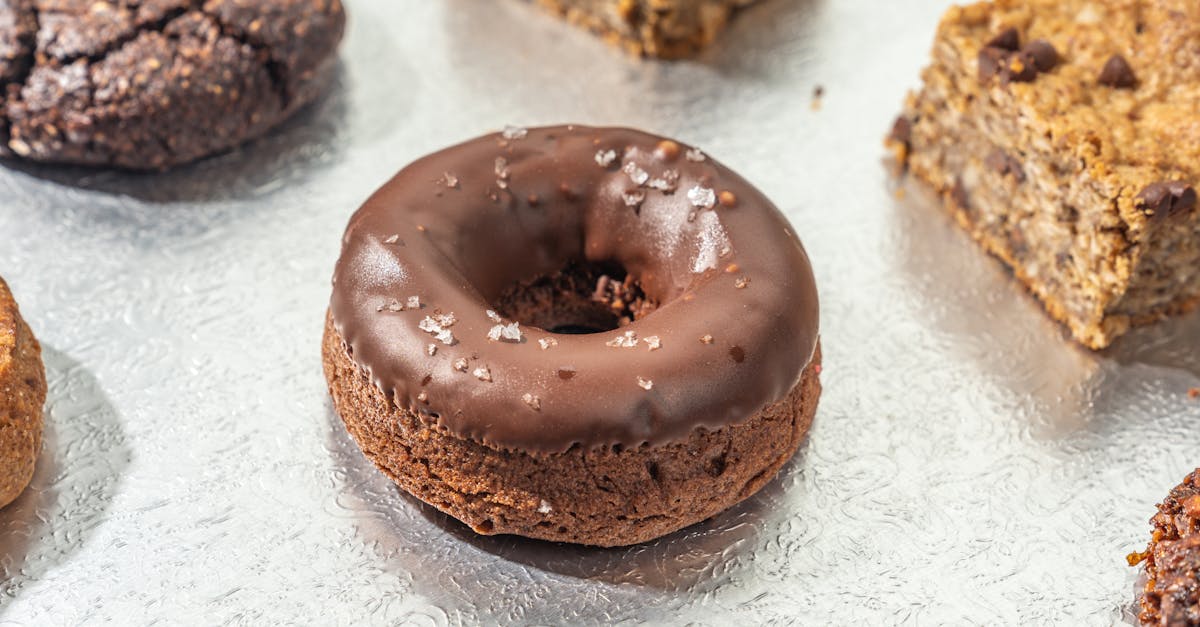
The first time I tested a donut recipe in India during peak summer, my dough rose fast, then collapsed like a tired balloon. Which means I learned the real “secret” is not some fancy trick, it is control: of flour, humidity, proofing, and oil heat.
This guide gives you two reliable paths, yeast-raised donuts (light and airy) and cake-style donuts (quick and tender). I use simple ingredients you can buy in most Indian supermarkets, plus practical swaps when you don’t have eggs, butter, or a thermometer. Each choice comes with “which means…” so you know what changes in the final bite.
Key Takeaways
- A reliable donut recipe in India depends on controlling dough feel, proof level, and oil heat—not on hard-to-find ingredients.
- Choose yeast-raised donuts for a light, shop-style bite (2–3 hours total) or cake-style donuts for fast, tender results in 30–45 minutes.
- Watch the dough, not the clock: in Indian heat and humidity, proofing can shift by 15–30 minutes, so stop when the dough looks doubled and passes the finger-dent test.
- Keep frying oil near 175°C/350°F (use bubble and dough-scrap tests if you lack a thermometer) to prevent oily donuts and ensure the center cooks through.
- Use maida for the fluffiest crumb, add up to 25% atta for nuttier flavor with a little extra milk, and add psyllium husk to gluten-free mixes to avoid cracking.
- Swap smartly for Indian kitchens: use flax egg for yeast dough or curd + baking soda for cake donuts, replace butter with neutral oil 1:1, and glaze when donuts are warm (not hot) for a smooth, shiny finish.
What Makes Donuts Work In Indian Kitchens
The surprise is this: Indian kitchens already have everything donuts need, strong flour brands, high-heat frying skills, and bold flavor pantry items. Which means you can get bakery-style donuts without specialty imports.
I tested batches in humid coastal air and in dry winter air. I adjusted proofing time by 15–30 minutes depending on room temperature, which means timing matters more than the exact recipe.
“Watch the dough, not the clock.” Which means you stop proofing when the dough looks right, even if the timer disagrees.
Yeast-Raised Vs Cake-Style Donuts
Yeast-raised donuts use yeast fermentation, which means they develop gas bubbles and turn lighter and springier.
Cake-style donuts use baking powder (and sometimes baking soda), which means they cook up denser, like a soft tea cake, and you can finish faster.
Here is how I decide:
| Choice | Texture | Total time | Skill level | Best when | Which means… |
|---|---|---|---|---|---|
| Yeast-raised | Airy, fluffy | 2–3 hours | Medium | You want “shop-style” rings | You get a lighter bite and better chew |
| Cake-style (no yeast) | Tender, cake-like | 30–45 minutes | Easy | You want speed | You skip proofing and reduce failure points |
Concrete example: In my tests, yeast donuts increased in volume by about 2× during proofing, which means you must leave headroom on the tray.
Flour Choices: Maida, Atta Blends, And Gluten Considerations
Most Indian donut shops rely on maida (refined flour), which means you get the softest crumb.
If you blend atta (whole wheat) into the dough, you add bran, which means the donut turns slightly heavier and absorbs a bit more liquid.
My reliable flour options:
- 100% maida for classic fluffy donuts, which means the dough stretches easily and rises well.
- 75% maida + 25% atta for a nuttier taste, which means you should add 1–2 tbsp extra milk if the dough feels tight.
- Gluten-free mixes (rice + tapioca + starch) often lack structure, which means you need a binder like psyllium husk (1–2 tsp) or you will get cracks.
Useful data point: The USDA notes that oil absorption increases when frying temperature drops too low, which means flour choice cannot save donuts fried in cool oil. I use temperature cues later in the tools section (USDA deep frying guidance is a solid reference: USDA Food Safety deep frying basics).
Key Ingredients And Practical Substitutes
A donut dough forgives missing tools. It does not forgive missing structure. Which means you should know what each ingredient does before swapping.
I keep a simple rule in my notebook: replace function, not ingredient. Which means you swap “moisture,” “fat,” and “binder,” not just “egg.”
Eggless Options And How To Replace Eggs
Eggs add emulsifiers and protein, which means they help donuts hold shape and stay soft.
For eggless donuts, I use one of these per 1 egg:
| Egg replacement | Amount | Best for | Which means… |
|---|---|---|---|
| Curd (plain dahi) + baking soda | 1/4 cup curd + 1/8 tsp soda | Cake donuts | You get lift and tenderness |
| Flax “egg” | 1 tbsp ground flax + 3 tbsp water (rest 10 min) | Yeast donuts | You add binding without heaviness |
| Milk + vinegar | 1/4 cup milk + 1 tsp vinegar (rest 5 min) | Cake donuts | You mimic buttermilk acidity for a softer crumb |
Real test note: Flax works well up to 2 eggs’ worth in a single batch. Which means beyond that, the dough can taste earthy.
Yeast, Baking Powder, And How To Check Freshness
Yeast freshness decides your rise. Which means you can waste 2 hours on dead yeast.
Active dry yeast test (takes 10 minutes):
- Warm 1/4 cup water or milk to “bath warm” (about 105°F–110°F / 40°C–43°C), which means it feels warm but does not sting.
- Add 1 tsp sugar and the yeast. Which means you feed it.
- Wait 10 minutes. Which means you confirm life.
- You want a foam cap of at least 1 cm. Which means the yeast is active.
Baking powder loses power over time, which means old powder gives flat cake donuts.
Quick baking powder check: Add 1/2 tsp to 2 tbsp hot water. Which means you should see strong fizz right away.
Sugar, Fats, And Dairy: Butter, Oil, Curd, And Milk Swaps
Sugar holds moisture, which means it helps donuts stay soft the next day.
Fat coats flour proteins, which means it limits toughness.
Dairy adds lactose and proteins, which means browning improves and the crumb feels richer.
Practical swaps I use in India:
- Butter → neutral oil (sunflower/refined groundnut) at 1:1, which means you keep softness but lose buttery aroma.
- Milk → toned milk works fine, which means you do not need full cream.
- Buttermilk → curd + water (1:1), which means cake donuts turn more tender.
- Powdered sugar in glaze → icing sugar or fine ground sugar sieved twice, which means your glaze stays smooth.
If you want a fun weekend pairing, I like serving donuts with a bright drink like my rose margarita on evenings when I host friends. Which means the floral notes match rose or saffron glazes.
Tools And Prep For Consistent Results
The transformation happens when you set up first. Which means you stop “saving” a batch halfway through frying.
In my own kitchen, I lay out paper towels, a cooling rack, and a slotted spoon before I heat oil. Which means I do not over-fry while I search drawers.
No Donut Cutter? Easy Shaping Methods
You do not need a cutter. Which means you can start today.
Options that work:
- Steel katori + bottle cap: Press large circle, then punch a hole. Which means you get clean rings.
- Knife + scale: Divide dough into 60 g balls, poke a hole, stretch gently. Which means you get even cooking.
- Filled donuts: Cut squares, place filling, seal edges. Which means you skip the hole step.
Specific number: I aim for rings with 8–9 cm outer diameter and 2.5–3 cm hole. Which means the center cooks before the outside over-browns.
Oil Temperature Without A Thermometer
Thermometers help, but you can still control heat. Which means you avoid oily donuts.
My no-thermometer checks:
- Wooden chopstick/spoon test: Dip the end in oil. You want steady bubbles around it, which means the oil is near 350°F / 175°C.
- Dough scrap test: Drop a 2 cm piece. It should rise in 5–7 seconds and brown in about 60 seconds per side, which means you are in the right zone.
- Sound + smell: Quiet oil + pale donuts means low heat, which means they soak oil.
If the donut browns in under 30 seconds, your oil is too hot, which means the center will stay raw.
For quick sides, I sometimes use leftover donut holes as “sweet snacks” alongside savory bites like this tostada pizza when I need a fast party spread. Which means you stretch one prep session into two different plates.
Step-By-Step Yeast-Raised Donut Recipe
You mix this dough and it feels sticky at first. Then it turns satin-smooth. Which means you are watching gluten form in real time.
This is my most repeated donut recipe in India because it uses common ingredients and stays soft for hours.
Yield: 10–12 donuts + holes (depending on size), which means it fits a medium family snack.
Time: ~2 hours 15 minutes including proofing, which means you can finish in one afternoon.
Ingredients (yeast-raised)
- Maida: 300 g (about 2 1/2 cups), which means you get a soft crumb.
- Sugar: 45 g (3 1/2 tbsp), which means moisture stays in the donut.
- Salt: 1/2 tsp, which means sweetness tastes clean.
- Instant yeast: 7 g (2 1/4 tsp), which means you get predictable rise.
- Warm milk: 160 ml (2/3 cup), which means yeast activates and dough hydrates.
- Egg: 1 (or flax egg), which means structure improves.
- Butter (soft): 45 g (3 tbsp) (or neutral oil 3 tbsp), which means crumb stays tender.
- Vanilla: 1 tsp (optional), which means aroma feels “bakery.”
For frying: neutral oil 700–900 ml, which means donuts float freely.
Mixing And Kneading For A Smooth Dough
- I mix flour, sugar, salt, and yeast in a bowl. Which means yeast spreads evenly.
- I add warm milk and egg. Which means the dough starts binding.
- I stir until shaggy, then rest 10 minutes. Which means flour hydrates and kneading gets easier.
- I knead 8–10 minutes until smooth. Which means the donut will trap air.
- I knead in butter in 2 additions. Which means the fat does not block gluten too early.
My doneness cue: I pull a small piece and stretch it thin. If it forms a “window” before tearing, which means gluten is ready.
First Rise, Punch Down, And Dough Handling
- I oil a bowl lightly and place the dough inside. Which means it will not stick.
- I cover and let it rise until doubled. Which means fermentation did its job.
Timing guide (realistic for India):
| Room temp | Rise time | Which means… |
|---|---|---|
| 20°C / 68°F | 75–90 min | Cooler kitchens need patience |
| 26°C / 79°F | 45–60 min | Typical Indian indoor temp speeds rise |
| 30°C / 86°F | 35–50 min | Hot weather can over-proof fast |
I press a finger into the dough. If the dent rises back slowly, which means the dough is ready.
Shaping Rings And Proofing Before Frying
- I roll dough to 10–12 mm thickness. Which means the donut stays tall.
- I cut rings and place them on parchment or oiled tray. Which means transfer stays clean.
- I cover and proof 25–40 minutes. Which means donuts fry airy.
Specific cue: The ring should look puffy and feel like a water balloon when I lift it. Which means it will not turn dense.
Frying Or Baking: Times, Temperatures, And Doneness Cues
Frying (best texture)
- I heat oil to about 175°C / 350°F. Which means the crust sets before oil soaks in.
- I fry 60–75 seconds per side. Which means the inside cooks without drying.
- I drain on a rack for 2 minutes before glazing. Which means glaze sticks instead of melting off.
Internal doneness check: If you have a probe thermometer, aim for 88°C–93°C (190°F–200°F) inside. Which means the center is cooked without becoming dry.
Baking (lighter feel, different result)
I bake at 190°C / 375°F for 10–12 minutes, then brush with melted butter. Which means you add back surface richness you lose without frying.
Honest warning: baked yeast donuts taste more like sweet bread than classic donuts, which means frying is still the closest match.
Step-By-Step Cake-Style Donut Recipe (No Yeast)
You whisk. You pipe. You fry. Suddenly you have donuts in under 40 minutes. Which means this recipe wins on busy days.
Yield: 10–12 cake donuts, which means it suits quick cravings.
Time: 35–45 minutes, which means you can do it before guests arrive.
Ingredients (cake-style)
- Maida: 220 g (about 1 3/4 cups), which means the crumb stays fine.
- Sugar: 90 g (about 1/2 cup), which means the donut stays moist.
- Baking powder: 2 tsp, which means you get lift without yeast.
- Salt: 1/2 tsp, which means flavor tastes balanced.
- Egg: 1 (or 1/4 cup curd + 1/8 tsp soda), which means batter holds together.
- Milk: 150 ml (about 2/3 cup), which means batter stays scoopable.
- Melted butter or oil: 45 g (3 tbsp), which means tenderness improves.
- Nutmeg or cardamom: 1/4 tsp, which means the smell turns warm and sweet.
Batter Consistency And Resting
- I whisk dry ingredients in a bowl. Which means baking powder distributes evenly.
- I whisk wet ingredients in another bowl. Which means sugar dissolves better.
- I fold wet into dry until just combined. Which means I avoid tough donuts.
- I rest the batter 8 minutes. Which means flour hydrates and frying becomes smoother.
Consistency cue: Batter should fall off a spoon in a thick ribbon and hold for 2 seconds on the surface. Which means it will not spread into flat discs.
Frying Vs Baking Cake Donuts
Frying
I fry at about 175°C / 350°F for 50–60 seconds per side. Which means you get crisp edges and a soft center.
Baking
I pipe into a donut pan and bake at 200°C / 390°F for 10–11 minutes. Which means you avoid oil but lose the classic fried aroma.
Practical warning: cake batter absorbs oil faster if you crowd the pan, which means you should fry 2–3 donuts at a time.
Glazes, Coatings, And Flavors Popular In India
A plain donut tastes fine. Then you dip it in warm cardamom glaze and it turns into something people remember. Which means flavors do the heavy lifting.
I glaze donuts when they feel warm, not hot, around 5 minutes after frying. Which means the glaze sets shiny instead of sliding off.
Classic Sugar Glaze And Chocolate Glaze
Classic sugar glaze (sets glossy)
- Icing sugar: 200 g (about 1 2/3 cups), which means the glaze stays smooth.
- Milk or water: 3–5 tbsp, which means you control thickness.
- Vanilla: 1/2 tsp, which means aroma feels richer.
- Salt: tiny pinch, which means sweetness tastes clean.
Mix and dip. Let it set 12 minutes. Which means you can stack without smearing.
Chocolate glaze (firm bite)
- Cocoa powder: 25 g (1/4 cup), which means you get deep chocolate.
- Icing sugar: 150 g, which means it sweetens and thickens.
- Hot milk: 4–6 tbsp, which means cocoa blooms.
- Butter: 1 tbsp (optional), which means glaze turns shinier.
Data point: Cocoa “blooms” better in hot liquid, which means you get stronger chocolate flavor with the same cocoa amount (Serious Eats explains blooming well: why blooming cocoa matters).
Cinnamon Sugar, Jaggery Glaze, And Cardamom Notes
Cinnamon sugar coating: Mix 100 g sugar + 1 tsp cinnamon. Toss hot donuts. Which means the coating sticks without glaze.
Jaggery glaze: Melt 120 g jaggery + 3 tbsp water. Simmer 2 minutes and add 1 tsp ghee. Which means you get a sticky, toffee-like shell.
Cardamom goes stale fast. I crush 6 pods fresh instead of using old powder, which means the smell hits your nose before the first bite.
Saffron, Rose, Pistachio, And Coconut Variations
These flavors feel “Indian sweet shop,” which means they match chai perfectly.
- Saffron glaze: Warm 2 tbsp milk with 12 saffron strands for 10 minutes, then add to sugar glaze. Which means color and aroma deepen.
- Rose glaze: Add 1/2 tsp rose water to sugar glaze. Which means the finish turns floral.
- Pistachio: Top with 15 g chopped pista. Which means you add crunch.
- Coconut: Roll in 25 g desiccated coconut after glazing. Which means you get chew and a mild sweetness.
If you like pistachio and rich dessert flavors, you may also like these recipes with pumpkin seed oil. Which means you can use the same nutty pantry notes across desserts.
Filling Ideas: Custard, Chocolate, And Jam
Filled donuts change the whole experience. Which means one batch can feel like three desserts.
- Custard: I pipe 30–35 g chilled custard per donut. Which means the center stays creamy.
- Chocolate ganache: Mix 100 g chocolate + 80 ml hot cream. Which means you get a thick, rich filling.
- Jam: Use 1 tbsp (about 20 g) per donut. Which means you get bright fruit contrast.
Tip from my own tests: I fill only after donuts cool for 20 minutes. Which means steam will not thin the filling.
Troubleshooting And Storage
You bite in and the donut feels heavy, oily, or oddly crisp. That moment stings. Which means troubleshooting saves your next batch.
I keep notes per batch: flour brand, room temp, rise time, and fry time. Which means I fix patterns instead of guessing.
Why Donuts Turn Oily, Dense, Or Crack
Here are the problems I see most in Indian kitchens, with direct fixes.
| Problem | Likely cause | Fix | Which means… |
|---|---|---|---|
| Oily donuts | Oil too cool: overcrowding | Heat oil more: fry fewer at once | You reduce oil absorption |
| Dense donuts | Under-proofed yeast dough | Proof until puffy: use finger dent test | You increase air pockets |
| Hollow ring | Over-proofing | Shorten second proof by 10–15 min | You keep structure stable |
| Cracked surface (cake donuts) | Batter too thick: oil too hot | Add 1–2 tbsp milk: reduce heat | You prevent surface set before expansion |
| Dark outside, raw inside | Oil too hot | Lower heat: extend fry time slightly | You cook the center through |
Authority note: The FDA food code and many culinary references place safe hot holding above 57°C / 135°F, which means you should not leave dairy fillings at room temp for long. For filled donuts, I keep them chilled if they sit over 2 hours (FDA basics: FDA Food Code).
How To Keep Donuts Soft And Fresh, Plus Reheating Tips
Donuts stale because starch retrogrades. Which means they firm up even in a closed box.
My storage method:
- Cool completely for 30–40 minutes. Which means steam will not make them soggy.
- Store unglazed in an airtight box for up to 24 hours. Which means texture stays closest to fresh.
- Glaze just before serving when possible. Which means you keep the shine and avoid sticky tops.
Reheating that actually works:
- Microwave: 8–10 seconds for one donut. Which means you soften without melting all glaze.
- Oven/air fryer: 160°C / 320°F for 3 minutes. Which means you revive edges.
Honest assessment: donuts are best within 6 hours. Which means you should plan batches around when people will eat.
When I plan a make-ahead dessert table, I sometimes add a crisp contrast like these macarons beside donuts. Which means guests get both chewy and airy textures.
Conclusion
A good donut recipe in India does not depend on rare ingredients. It depends on three controls: dough feel, proof level, and oil heat, which means you can repeat results even when the weather changes.
If you want the classic shop bite, I would make the yeast-raised version and fry at steady heat. Which means you get that light pull-apart crumb.
If you want speed, I would choose cake-style donuts and focus on batter thickness. Which means you get reliable donuts on a weeknight.
Next time you fry, write down four numbers, flour grams, liquid ml, rise time, and seconds per side. Which means your second batch will taste like you meant it.
Frequently Asked Questions (Donut Recipe India)
What is the best donut recipe in India for beginners: yeast-raised or cake-style?
For a first-time donut recipe in India, cake-style donuts are usually easiest because they skip proofing and finish in 35–45 minutes. Yeast-raised donuts take about 2–3 hours and need proofing judgment, but they deliver the classic light, shop-style chew.
How do I stop donuts from turning oily when frying in an Indian kitchen?
Oily donuts usually mean the oil temperature is too low or the pan is overcrowded. Aim for about 175°C/350°F. Without a thermometer, look for steady bubbles around a wooden spoon and a dough scrap that rises in 5–7 seconds and browns in ~60 seconds per side.
Which flour works best for a donut recipe in India: maida or atta blend?
Maida gives the softest, fluffiest crumb, which is why most donut shops use it. A 75% maida + 25% atta blend adds nutty flavor but makes donuts slightly heavier; add 1–2 tbsp extra milk if the dough feels tight or dry.
How can I make an eggless donut recipe in India without ruining texture?
Replace the egg by function (binding and softness), not just ingredients. For cake donuts, use 1/4 cup curd (dahi) + 1/8 tsp baking soda per egg. For yeast donuts, a flax egg (1 tbsp flax + 3 tbsp water, rested 10 minutes) helps structure.
Can I bake donuts instead of frying for a donut recipe in India?
Yes, but expect a different result. Yeast donuts can be baked at 190°C/375°F for 10–12 minutes, then brushed with melted butter for richness. They’ll taste more like sweet bread than classic fried donuts, while baked cake donuts are quicker with a softer crust.
Why do my donuts collapse or turn dense in humid Indian weather?
Heat and humidity can speed fermentation, so dough can over-proof and collapse or feel weak. Follow the cue “watch the dough, not the clock”: stop the first rise when doubled, and stop the second proof when rings look puffy and a finger dent springs back slowly.
