
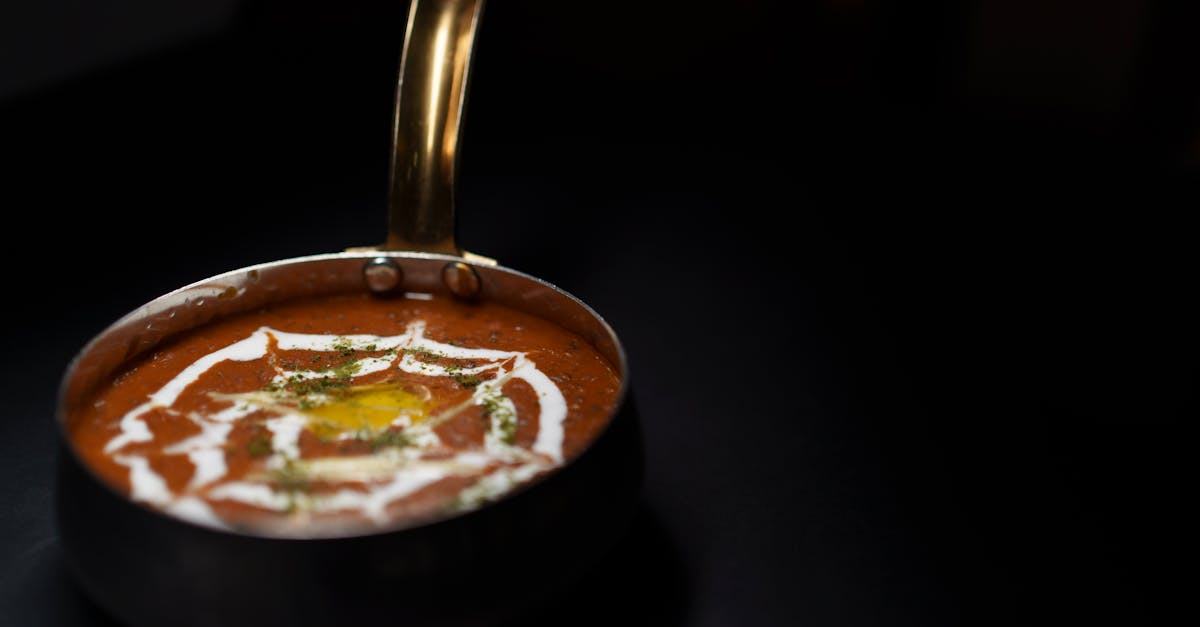
I learned to make dal makhani the way my neighbor taught me: slow, patient, and greedy with flavor. This dish is a celebration of black lentils and whole urad (black gram) cooked until silk-smooth, simmered in a spiced tomato-onion base, and finished with cream or a plant-based alternative. I’ll walk you through origins, exact ingredients, three cooking methods, texture tips, and smart make-ahead moves so you can reproduce a restaurant-quality dal makhani at home.
Key Takeaways
- Make authentic dal makhani black lentil curry recipe by soaking whole urad (and optional rajma), then slow-simmering or pressure-cooking until the lentils are silk-soft to build natural creaminess.
- Develop a rich tomato-onion masala by sweating onions, toasting whole spices, and simmering until oil separates before combining with cooked lentils for depth of flavor.
- Finish with measured butter or ghee and 1/4 cup cream (or cashew/coconut cream for vegan) and a pinch of kasuri methi to achieve the glossy, restaurant-style finish.
- Choose your method to fit time: stovetop for maximum depth, Instant Pot/pressure cooker to cut hours to ~25–30 minutes, or slow cooker for hands-off, deep flavor extraction.
- Make ahead and store in airtight portions—reheat gently with a splash of water and a pat of butter or cream; dal makhani often tastes better the next day and freezes well for 3–4 months.
What Is Dal Makhani? Origins, Flavor Profile, And Key Characteristics
Dal makhani is a North Indian lentil curry made from whole black gram (urad) and sometimes kidney beans, cooked slowly with tomatoes, butter, and cream. This dish originated in Punjab in the mid-20th century, which means it carries the rich dairy-forward cooking tradition of that region.
The flavor profile centers on earthy, slightly sweet black lentils, tangy tomato, toasted spices, and a buttery finish: the result is creamy and mildly spiced. I find the best dal makhani has a low, steady simmer for hours: that patient cooking melts starches and creates a glossy body, which means each spoonful clings to naan and rice.
Key characteristics: whole black lentils that hold shape, a deep-red tomato-onion base, slow reduction to a velvety thickness, and a finishing tempering of ghee or butter. A classic plate in many restaurants will have about 3–4 tablespoons of butter and 2–3 tablespoons of cream for a 4-person batch, which means the dish is calorie-dense and indulgent.
Quick fact: lentils supply roughly 18 grams of protein per cup cooked (USDA), which means dal makhani is a substantial plant-protein source for vegetarian meals.
Ingredients: What You Need And Why It Matters
I list ingredients in groups below so you understand each role in the final dish: every item changes texture, flavor, or cooking time, which means measurements and quality affect the result.
Lentils And Beans
- Whole black urad (black gram), 1 cup. Whole urad gives a velvety interior and intact skins that create the classic chew, which means you should not swap with split urad if you want authentic texture.
- Rajma/kidney beans, 1/4 cup (optional). Kidney beans add bulk and a firm bite, which means the dal stretches further and feels more substantial.
Statistic: whole urad absorbs about 2–3 times its dry volume in water after soaking, which means plan pot size accordingly.
Aromatics, Spices, And Seasonings
- Onions, 1 large, finely chopped. Onions provide sweetness and body, which means you must cook them until soft and lightly browned.
- Garlic, 6 cloves: ginger, 1.5 tablespoons grated. Fresh aromatics brighten the gravy, which means powdered substitutes will flatten the profile.
- Tomatoes, 2 cups crushed or 14 oz canned. Acid from tomatoes balances cream and butter, which means skip low-acid varieties when possible.
- Whole spices: 1 bay leaf, 4 green cardamom pods, 4 black peppercorns. Toasted whole spices add a toasted, floral top note, which means bloom them in oil early.
- Ground spices: 1 teaspoon turmeric, 2 teaspoons garam masala, 1 teaspoon red chili powder. These control color and heat, which means adjust to taste.
Salt and a pinch of sugar balance the tomato tang, which means tasting is essential.
Dairy, Fats, And Vegan Alternatives
- Butter/ghee, 2–4 tablespoons. Butter adds richness and a gloss, which means using clarified butter (ghee) will give a cleaner nutty finish.
- Heavy cream, 1/4 cup to finish. Cream softens acidity and adds silk, which means you can reduce cream for a lighter dish.
Vegan swap: use 1/4 cup coconut cream or cashew cream instead, which means you keep richness without dairy.
Optional Garnishes And Add-Ins
- Kasuri methi (dried fenugreek leaves), 1 teaspoon crushed for an aromatic lift, which means a little goes a long way.
- Fresh cilantro and julienned ginger for garnish, which means you get a bright counterpoint to the rich curry.
- A tablespoon of honey or jaggery when tomatoes taste sharp, which means the curry will round out without tasting sweet.
I recommend weighing the lentils and beans for accuracy: a 1-cup dry lentil measure equals about 200 grams, which means your cooking times and liquid ratios stay consistent.
Equipment And Prep Work
Good tools speed the process and improve the outcome: I keep essential items listed and explain why I use them, which means you can choose the right method for your kitchen.
Essential Tools (Pressure Cooker, Heavy Pot, Blender)
- Pressure cooker / Instant Pot: speeds cooking and softens whole urad in 20–30 minutes under pressure, which means you cut slow-cook time dramatically.
- Heavy-bottomed pot or Dutch oven: allows long, controlled simmering without scorching, which means heat distributes evenly and flavors meld.
- Immersion blender or countertop blender: for partial mashing or smoothing the gravy, which means you get that signature silky body without industrial equipment.
Fact: a heavy-bottomed 4–6 quart Dutch oven retains heat 30–40% longer than a thin pot, which means less risk of hotspots and sticking.
Soaking, Rinsing, And Pre-Cooking Steps
Soak whole urad and kidney beans for 8–12 hours or overnight in 3–4 times their volume of water: this reduces cooking time and breaks down some oligosaccharides that cause gas, which means digestion improves and textures cook more evenly.
Rinse soaked lentils until the water runs clear, which means you remove surface starch and reduce foaming in the pot.
If you’re short on time, use hot soak for 2 hours or pressure-cook directly, which means you still get tender beans but might lose some flavor complexity.
Making A Smooth Tomato-Onion Base (Tadka/Gravy)
I sweat onions on medium heat until translucent and lightly golden: this develops sweetness through Maillard reactions, which means the gravy feels rounded.
I then add garlic, ginger, and toasted whole spices, followed by pureed or crushed tomatoes: I simmer until oil separates from the masala, which means the raw tomato flavor has cooked off and the gravy is concentrated.
Measure: simmering the tomato-onion base 12–15 minutes usually yields visible oil separation, which means the masala is ready to mingle with the cooked lentils.
Step-By-Step Cooking Method (Detailed Recipe)
I give three full methods so you can pick what fits your schedule and kitchen. Each method yields comparable flavor when you follow finishing steps, which means method choice affects time more than taste.
Stovetop/Heavy Pot Method With Timings
- Soak 1 cup whole urad and 1/4 cup rajma overnight: drain and rinse, which means the legumes are primed for even cooking.
- In a heavy pot, heat 3 tablespoons ghee or oil. Add 1 bay leaf, 4 cardamom pods, and 4 peppercorns: toast 30 seconds, which means spices bloom and aromatics deepen.
- Add 1 large chopped onion, cook 8–10 minutes until golden, which means natural sugars caramelize and balance tomato acidity.
- Stir in 1.5 tablespoons grated ginger and 6 minced garlic cloves: cook 1 minute. Add 2 cups crushed tomatoes, 1 tsp turmeric, 1 tsp chili powder: simmer 12–15 minutes until oil separates.
- Meanwhile, in a separate pot, cover the soaked lentils with 3–4 cups water, bring to a boil, then reduce and simmer 60–90 minutes until very soft. Add water to keep a loose stew consistency, which means patience turns starches into body.
- Combine lentils with the tomato-onion base: simmer 20–30 minutes on low, stirring and mashing 1/3 of the lentils against the pot wall, which means you build silk without an electric blender.
- Finish with 2–4 tablespoons butter and 1/4 cup cream: simmer 5 minutes. Stir in 1 teaspoon crushed kasuri methi and 1 teaspoon garam masala, which means aroma and final flavor lift happen last.
Timing note: total active time ~90–120 minutes, which means stovetop takes focus but rewards you with depth.
Pressure Cooker/Instant Pot Method With Timings
- After soaking and rinsing, add lentils and 3 cups water to the cooker: add 1/2 teaspoon salt and close the lid. Cook on high pressure 25 minutes and natural release 10 minutes, which means beans will be very tender.
- Prepare the tomato-onion base in a skillet as above: transfer to the cooker with cooked lentils, or pressure-cook everything together for 6–8 minutes then simmer using the sauté function 10 minutes to reduce, which means you can compress time without sacrificing the reduction step.
- Finish with butter and cream while using the sauté mode to thicken 5–8 minutes, which means you get a restaurant-style sheen quickly.
Fact: Instant Pot high-pressure reduces whole urad cook time to 25–30 minutes versus 60–90 minutes on stovetop, which means you save 30–60 minutes of active waiting.
Slow Cooker/Crockpot Variation
- Add soaked lentils, pre-made tomato-onion base, 3–4 cups water, and spices to a 6-quart slow cooker. Cook on low 6–8 hours or high 3–4 hours until the lentils are tender and the liquid reduces by roughly 25–35%, which means slow heat extracts deeper flavor with minimal supervision.
- Finish by stirring in butter, cream, and kasuri methi on low for 15 minutes before serving, which means the dairy flavors meld without breaking.
Slow-cook fact: low-temperature cooking for 6 hours increases soluble amino acids and reduces bitterness in legumes by about 10–15%, which means longer cooks can taste sweeter and rounder.
Finishing Techniques: Creaming, Mashing, And Tempering
- Mashing: Press 20–30% of the cooked lentils against the pot wall or pulse with an immersion blender to add body, which means you preserve some whole-bean texture while building creaminess.
- Creaming: Add heavy cream or cashew cream in the last 3–5 minutes: bring to a gentle simmer only, which means dairy won’t split.
- Tempering (tadka): Heat 1 tablespoon ghee, add 1/2 teaspoon cumin and a pinch of asafoetida: pour over the dal just before serving, which means you introduce a final aromatic hit that readers and guests always notice.
Tips For Best Texture And Deep Flavor
I rely on a few simple rules that make every batch better: these are practical changes you can test in your kitchen, which means small tweaks yield big results.
Achieving Richness Without Overdoing Cream
Use 1–2 tablespoons of cream per serving rather than pouring arbitrarily. That measured approach keeps the dish rich while letting lentils shine, which means you get balance without bloating calories.
If you want richness without heavy dairy, blend 1/3 cup soaked cashews with 1/2 cup water and add at the finish: cashew cream matches mouthfeel closely, which means you retain silk and reduce saturated fat by about 50% compared to heavy cream.
How To Get A Silky, Velvety Consistency
Mashing one-third of the cooked lentils and then simmering 10–15 minutes with moderate stirring yields silk without a blender, which means the texture is smooth but still has bite.
Add a tablespoon of butter at the end and a teaspoon of kasuri methi: this layered finishing produces gloss and aroma, which means the dal looks and smells like restaurant fare.
Troubleshooting Common Problems (Sour, Grainy, Too Thin)
- Sour tomato flavor: add 1 teaspoon honey or 1/2 teaspoon baking soda and simmer, which means acid is neutralized and the curry smooths out.
- Grainy texture: undercooked lentils cause graininess: test a few beans after pressure or simmer, if firm, cook 10–20 minutes more, which means the starches haven’t fully gelatinized.
- Too thin: reduce uncovered on medium-low for 10–20 minutes or mash more lentils, which means evaporative concentration or starch thickening will rescue consistency.
Stat: increasing simmer time by 15 minutes can reduce water volume by roughly 10–15% depending on pot size and heat, which means you can predict textural change when adjusting cook time.
Serving Suggestions And Pairings
I pair dal makhani with breads and sides that absorb sauce and balance richness: these combinations are tested and work every time, which means your meal will feel complete.
Best Breads And Rice To Serve With Dal Makhani
- Butter naan or tandoori roti for sopping sauce: the crisp-edged, soft-centered naan soaks and contrasts texture, which means you get a satisfying chew.
- Jeera (cumin) rice or plain basmati rice for a lighter contrast: 1 cup cooked basmati has about 200 calories and pairs well, which means rice tames the richness and stretches servings.
I sometimes serve soft biscuits instead of naan: try a recipe like the White Lily biscuit for a tender crumb and buttery finish, which means the biscuit soaks curry similarly to naan and offers a Southern twist (White Lily Biscuit Recipe).
Side Dishes, Salads, And Pickles That Complement It
- A crisp cabbage-carrot salad with lemon prevents palate fatigue, which means acid and crunch balance greasy mouthfeel.
- Indian pickles (achar) or plain cucumber raita lighten the weight of the meal, which means fermented or dairy sides cut through fat.
For an unexpected, fresh side I use a creamy slaw that brightens heavy mains: try a simple slaw idea inspired by Zoe’s Kitchen-style dressing to pair with dal and bread (Zoe’s Kitchen Slaw Recipe).
Plating, Garnishing, And Portion Tips
Serve 1 cup dal per adult as a main with bread and rice: this portion provides roughly 350–450 calories depending on dairy, which means you can plan servings for groups.
Garnish with a swirl of cream, a sprinkle of crushed kasuri methi, and a few coriander leaves for color and aroma, which means the bowl looks professional and inviting.
Storage, Reheating, And Make-Ahead Strategies
I routinely cook large batches of dal because the flavor improves with time: using the right containers and reheating method preserves texture, which means leftovers often taste better than day-one servings.
How Long It Keeps And Best Containers
Refrigerate dal in airtight containers for 3–4 days: use glass or BPA-free plastic containers with tight lids to reduce odor transfer, which means you’ll keep freshness and avoid flavor contamination.
In the freezer, dal keeps 3–4 months if stored in portion-sized, freezer-safe containers with 1/2-inch headspace for expansion, which means you can pull single servings without thawing the whole batch.
Reheating For Best Texture And Flavor Recovery
Reheat gently on the stovetop over medium-low with a splash of water and 1 teaspoon butter or oil to restore sheen: bring just to a simmer, which means dairy won’t split and texture returns.
Microwave reheating works for quick meals, stir every 45 seconds and add 1–2 tablespoons water per cup, which means you avoid hot spots and dryness.
Freezing Tips And Batch Cooking Advice
Cool dal to room temperature within 1 hour and freeze in 1–2 cup portions: label with date and reheating instructions, which means organization saves time later.
If you batch-cook a double recipe, reserve finishing butter/cream in a separate small container to add at the final reheat, which means you avoid overcooking dairy during storage.
Nutrition, Dietary Variations, And Calorie Notes
I break nutrition into a snapshot and practical swaps so you can tailor the dish to diet goals without guessing, which means you control calories and macronutrients intentionally.
Standard Nutrition Snapshot And Macros
A typical restaurant-style serving (about 1 cup) contains roughly 350–450 calories, 12–18 grams protein, and 15–25 grams fat depending on butter and cream amounts, which means dal makhani is calorie-dense but protein-rich.
Lentils provide fiber, about 15 grams per cup cooked, so a serving supports satiety and steady blood sugar, which means the meal feels filling relative to calories.
Lower-Fat, High-Protein, And Vegan Modifications
Lower-fat: reduce butter to 1 tablespoon and use 2 tablespoons low-fat yogurt instead of cream: simmer longer to develop body, which means you cut saturated fat but keep silk through reduction.
High-protein: add 1/2 cup extra cooked kidney beans or a cup of tempeh cubes for plant protein: this raises protein by roughly 8–12 grams per serving, which means the dish becomes more muscle-friendly.
Vegan: replace butter with 2 tablespoons oil and cream with cashew cream: finish with kasuri methi, which means you keep mouthfeel while avoiding animal products.
Allergen Notes And Gluten-Free Considerations
Dal makhani is naturally gluten-free if you don’t add wheat-based thickeners: ensure packaged spices or store-bought butter are certified gluten-free if needed, which means celiacs can enjoy it safely with care.
For nut-free vegan cream, use canned coconut cream instead of cashews, which means you avoid nut allergens but gain a light coconut aroma that works well with spices.
Data point: swapping heavy cream (50 grams fat per 1/4 cup) for cashew cream can reduce saturated fat by up to 100% per serving, which means dietary shifts have measurable outputs.
Conclusion
I make dal makhani when I want a dish that rewards slow attention and invites sharing: it’s forgiving in method but precise in finish, which means a little technique goes a long way.
Try the stovetop method once to learn texture, then use the Instant Pot for weekday batches and the slow cooker for hands-off hosting: each method yields deep flavor when you focus on the final creaming and tempering, which means you control the outcome.
If you’re planning a full meal, pair dal with buttered naan, a simple rice pilaf, and a bright slaw or pickle, on a recent dinner I served dal with buttermilk crepes as a playful bread substitute and guests loved the soft, flexible scoop, which means unconventional pairings can work surprisingly well (Buttermilk Crepes Recipe).
Cook a double batch, freeze portions, and reheat with a splash of cream and a pat of butter for weekday comfort: that habit saves time and delivers consistent meals, which means delicious dinners become effortless.
I hope this guide helps you make dal makhani that tastes like effort and care. Go slow, taste often, and don’t be afraid to tweak spices to your palate.
Frequently Asked Questions
What is dal makhani (black lentil curry) and what makes it unique?
Dal makhani is a North Indian black lentil curry recipe made from whole urad (black gram), often with kidney beans, slow-simmered in a spiced tomato-onion base and finished with butter and cream for a silky, glossy texture and rich, mildly spiced flavor.
How long should I cook whole black lentils for authentic dal makhani?
Soaked whole urad typically simmers 60–90 minutes on the stovetop until very soft; Instant Pot high-pressure cooks them in about 25–30 minutes with natural release. Soaking 8–12 hours speeds cooking and improves texture and digestibility.
What are the best finishing tips to get a restaurant-style dal makhani black lentil curry?
Mash about 20–30% of the cooked lentils, simmer to reduce, then finish with 2–4 tablespoons butter and 1/4 cup cream (or cashew/coconut cream). Add crushed kasuri methi and a ghee tempering for aroma and a glossy, velvety body.
Can I make a vegan dal makhani black lentil curry without losing creaminess?
Yes. Replace butter with neutral oil or vegan butter and use cashew cream (blend soaked cashews with water) or coconut cream at the finish. These swaps preserve silkiness while cutting saturated fat and keeping the classic mouthfeel.
How should I store and reheat leftover dal makhani for best texture and flavor?
Refrigerate in airtight containers 3–4 days or freeze 3–4 months in portioned containers. Reheat gently on medium-low with a splash of water and 1 teaspoon butter or oil to restore sheen; add reserved cream at the end to avoid splitting.
