
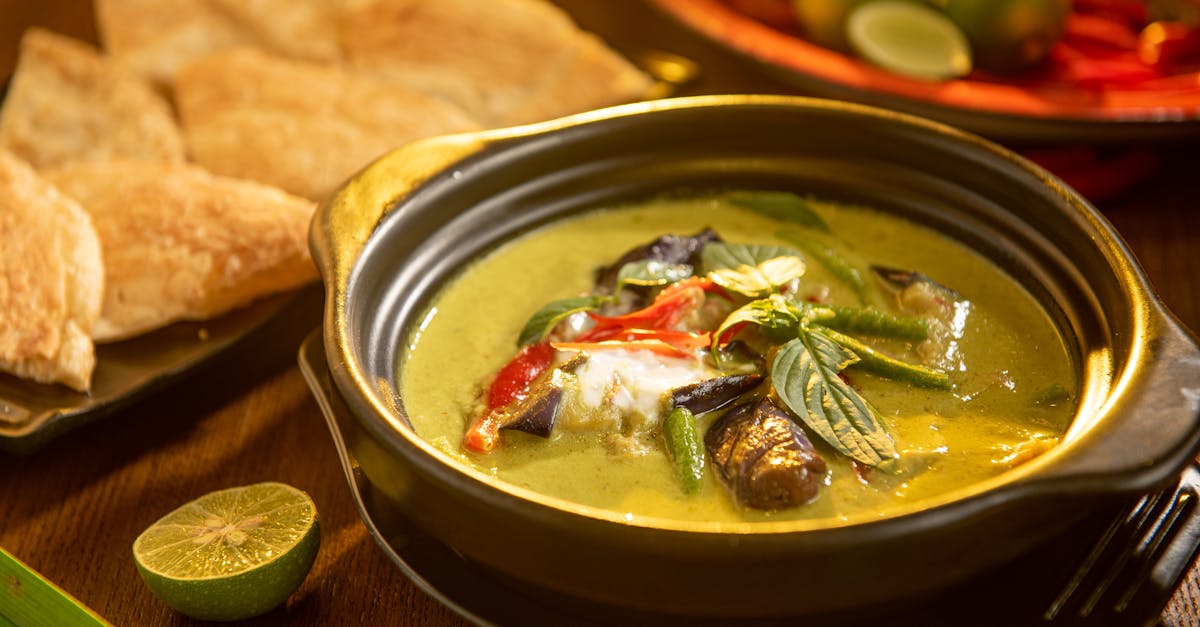
The first time I made curry di lenticchie, my kitchen smelled like two comfort foods shook hands.
I heard the sizzle of onion in olive oil, then I caught that toasted-curry aroma that usually means “takeout.” But the finish tasted unmistakably Italian, sweet tomato, garlic, rosemary, and a clean hit of good extra-virgin olive oil. This is the version I cook on weeknights when I want big flavor from cheap pantry staples, which means I can feed a table without babysitting the stove.
Key Takeaways
- This curry di lenticchie recipe blends Italian soffritto technique with bloomed curry spices for a stew that tastes grounded, not like “generic curry.”
- Choose lentils based on texture goals: brown or green for a hearty stew, French/Puy for neat, separate lentils, and red only if you want a creamy, dal-like finish.
- Build flavor fast by cooking onion-carrot-celery until sweet, darkening tomato paste, then blooming curry powder (or garam masala), cumin, paprika, and chili in olive oil to deepen aroma.
- Simmer 2 cups lentils with broth and tomatoes until just tender, then finish with greens, layered salt, and a squeeze of lemon or splash of vinegar to keep the pot bright and lively.
- Customize the curry di lenticchie recipe without muddying flavor by adding just one extra protein (sausage, chickpeas, or paneer) and one vegetable, and keep coconut milk to 1 cup max so herbs still shine.
- Make it meal-prep friendly by refrigerating up to 4 days or freezing in portions, then reheat gently and add a splash of broth plus a touch of lemon and olive oil to restore day-one flavor.
What Makes Curry Di Lenticchie Different
A pot of lentils can taste like anything. This one tastes like Italy borrowed a spice tin and didn’t give it back.
I treat it like an Italian stew in technique, soffritto first, slow simmer, finish with acid, then I layer curry-style warmth on top, which means the dish stays grounded and never turns into “generic curry.”
“Lentils are nutrient-dense and quick-cooking compared with many other legumes,” which means they fit real weeknights, not just Sunday projects., USDA FoodData Central (lentils)
I use USDA’s numbers when I meal-plan because they stay consistent across brands. 1 cup cooked lentils has about 18 g protein and about 15 g fiber, which means this bowl can actually hold you until the next meal instead of leaving you snack-hunting an hour later. Source: USDA FoodData Central.
Flavor Profile: Italian Aromatics Meet Curry Spices
I start with olive oil, onion, carrot, and celery, which means the base tastes sweet and round before any spice hits.
I add garlic, tomato paste, and herbs (rosemary or bay), which means the curry spices sit on top of something savory instead of shouting.
Then I bloom curry powder (or garam masala), cumin, and a pinch of chili, which means the spices taste toasted and fragrant, not dusty.
A final squeeze of lemon or splash of vinegar matters. It adds bright acid, which means the lentils taste “alive,” not heavy.
Best Lentils And What To Expect From Each Type
Lentils behave like pasta shapes. The type you choose decides the final texture, which means you can control whether the pot turns stew-like or stays spoon-separate.
| Lentil type | Cook time (typical simmer) | Texture result | Best for this recipe | What it means for you |
|---|---|---|---|---|
| Brown | 20–30 min | Soft but not mushy | My default | Reliable thick stew, which means fewer surprises. |
| Green | 25–35 min | Firm, earthy | Great if you like bite | More chew, which means it feels hearty even without meat. |
| French/Puy | 20–30 min | Holds shape well | Best “restaurant” look | Pretty, separate lentils, which means great leftovers. |
| Red (split) | 10–15 min | Breaks down fast | Only if you want creamy | Natural puree, which means fast comfort but less texture. |
My real-life test: I cooked brown lentils and red lentils side-by-side in identical pots. The brown batch held shape at 26 minutes. The red batch turned silky at 12 minutes, which means you should pick red only when you want a smoother, dal-like finish.
Ingredients You’ll Need
When you open the lid, you should see brick-red broth and glossy lentils, not a beige puddle.
I keep the ingredient list tight so each item earns its spot, which means you get clean flavors and easy shopping.
Core Pantry Spices And Aromatics
These build the backbone. I measure them once, then I adjust at the end, which means I avoid overspicing early.
Aromatics
- Extra-virgin olive oil (2–3 tbsp), which means better aroma and a richer mouthfeel.
- Onion (1 large), carrot (1 medium), celery (1–2 stalks), which means classic soffritto sweetness.
- Garlic (3–5 cloves), which means a sharper savory note.
Spices
- Curry powder (1–2 tbsp) or garam masala (1 tbsp), which means you control “curry” intensity.
- Ground cumin (1 tsp), which means deeper toasted warmth.
- Smoked paprika (1 tsp), which means a gentle smoky edge without meat.
- Chili flakes or cayenne (¼–½ tsp), which means you can set the heat level.
- Black pepper (½ tsp), which means the finish tastes brighter.
Italian support
- Tomato paste (1–2 tbsp), which means more umami and a thicker body.
- Bay leaf (1) or rosemary sprig (1 small), which means the stew tastes “Italian” even with curry spices.
Salt
- Kosher salt, which means you can season in layers without overshooting.
Fresh Add-Ins: Vegetables, Greens, And Herbs
Fresh items give contrast. They add crunch, color, and fragrance, which means the bowl does not taste monotone.
- Canned tomatoes (14–28 oz) or passata (2 cups), which means you get consistent sweetness year-round.
- Greens (2–4 cups spinach, kale, or chard), which means extra nutrients without extra work.
- Fresh parsley or basil (¼ cup), which means the top note tastes clean.
- Lemon (1), which means you can fix “flat” flavor in 10 seconds.
Concrete example: I add 3 packed cups of baby spinach at the end. It wilts in 90 seconds, which means I get a vegetable boost without turning it to sludge.
Liquid Choices: Broth, Tomatoes, And Coconut Milk Options
Your liquid decides the vibe. It sets the stew’s weight and sweetness, which means it also sets how you serve it.
| Liquid base | Amount guideline | Flavor result | Which means… |
|---|---|---|---|
| Vegetable broth | 4 cups | Clean and savory | More lentil-forward, which means better for bread dipping. |
| Chicken broth | 4 cups | Richer | More comfort, which means it tastes “slow-cooked.” |
| Crushed tomatoes + water | 28 oz + 2 cups | Tangy, thicker | Tomato-driven, which means it feels Italian-first. |
| Coconut milk (optional) | ½–1 cup | Creamy, sweet | Softer heat, which means spice feels rounder. |
Warning from my own pot: full-fat coconut milk can mute herbs if you add too much. I cap it at 1 cup for a 6-serving pot, which means I keep the Italian aromatics present.
If you want another pantry project to pair later, I keep a small stash of sweet-tart jam for boards and toast. My go-to is this Sure-Jell black raspberry jam recipe, which means I can add a quick “something extra” without buying dessert.
Step-By-Step Curry Di Lenticchie
The transformation happens fast. One minute you have chopped onion. Twenty minutes later you have a pot that smells like a cozy restaurant.
This method makes 6 bowls. I use a 5–6 quart Dutch oven, which means the simmer stays steady and you get less scorching.
Time and yield
- Prep: 10–15 minutes, which means it fits a weeknight.
- Cook: 30–40 minutes, which means lentils do the heavy lifting.
- Yield: 6 servings, which means you get leftovers.
Build The Base: Soffritto And Spice Blooming
- I heat 2–3 tbsp olive oil over medium heat. The oil shimmers in about 45 seconds, which means the pan is ready.
- I add 1 diced onion, 1 diced carrot, and 1 diced celery stalk. I cook for 8–10 minutes until glossy and sweet, which means the stew tastes rich without cream.
- I stir in 3–5 minced garlic cloves for 30 seconds. I stop when I smell garlic, which means I avoid bitterness.
- I add 1–2 tbsp tomato paste. I cook it for 60–90 seconds until it darkens, which means I build umami and reduce raw tomato taste.
- I add the spices: 1–2 tbsp curry powder, 1 tsp cumin, 1 tsp smoked paprika, ¼–½ tsp chili, plus black pepper. I stir for 30–45 seconds, which means the spices bloom in fat and taste fuller.
If the spices stick, I splash in 2 tbsp water right away, which means I stop scorching before it ruins the whole pot.
Simmer The Lentils To The Right Texture
- I add 2 cups dried lentils (rinsed). I stir for 15 seconds, which means the lentils get coated in the flavored oil.
- I pour in 4 cups broth and 1 can (14–28 oz) crushed tomatoes. I add 1 bay leaf or a small rosemary sprig, which means the stew reads Italian on the finish.
- I bring it to a boil, then I drop to a gentle simmer. I cover with the lid cracked, which means steam escapes and the pot thickens.
- I simmer until tender:
- Brown/green: start checking at 20 minutes, often done at 25–30 minutes, which means you keep texture.
- French/Puy: usually 22–30 minutes, which means they stay neat.
- Red: 10–15 minutes, which means the pot turns creamy fast.
My doneness test: I crush one lentil between my fingers. It should mash with light pressure but still hold a little shape, which means you get stew texture without grit.
Finish And Balance: Acid, Salt, Heat, And Sweetness
- I remove the bay leaf or rosemary. I stir in greens (2–4 cups). They wilt in 1–3 minutes, which means you keep color.
- I add salt in small steps. I usually land near 1½–2 tsp kosher salt total, which means the tomatoes and lentils stop tasting dull.
- I balance with:
- Lemon juice (1–2 tbsp) or red wine vinegar (1 tbsp), which means the stew tastes bright.
- A pinch of sugar or 1 tsp honey if tomatoes taste sharp, which means you smooth the edges.
- Extra chili if it tastes timid, which means you bring back warmth.
- I finish with 1 tbsp olive oil and ¼ cup chopped parsley. That last oil adds aroma, which means the bowl smells fresh even on day two.
If you want a sweet snack while the pot simmers, I sometimes make old-fashioned snow cream in winter, which means dessert feels playful and fast.
Variations For Different Diets And Preferences
One small change can flip the whole mood. The pot can taste bright and tomato-heavy, or soft and creamy.
I keep the structure the same and swap one lever at a time, which means I can predict the result.
Creamy Vs. Tomato-Forward Versions
Tomato-forward (my default)
- I use 28 oz crushed tomatoes and 4 cups broth.
- I skip coconut milk.
This gives a red, tangy stew, which means it pairs well with bread and salty cheese.
Creamy (gentler heat)
- I use 14 oz tomatoes and ½–1 cup coconut milk.
- I add 1 tsp grated lemon zest at the end.
This turns velvety, which means kids and spice-shy friends usually go back for seconds.
Concrete number: when I add 1 cup coconut milk, I reduce broth by ½ cup, which means the pot stays thick instead of soupy.
Add Protein Or Vegetables Without Overcrowding The Pot
Overcrowding kills texture. It also makes seasoning hard, which means the pot tastes muddy.
I use this rule: pick 1 protein + 1 extra vegetable.
Protein add-ins
- Italian sausage (8–12 oz), browned first, which means you get fat for flavor and a meaty bite.
- Chickpeas (1 can, drained), stirred in at the end, which means you boost body without longer cooking.
- Paneer (8 oz), cubed and seared, which means you get chewy richness without meat.
Vegetable add-ins
- Zucchini (1 medium), added in the last 10 minutes, which means it stays intact.
- Bell pepper (1), added with soffritto, which means it melts into sweetness.
- Mushrooms (8 oz), sautéed separately, which means you avoid rubbery texture.
Honest note: potatoes can steal salt and thicken too much. I only add 1 small Yukon Gold, diced small, which means I keep the lentils as the main texture.
Make It Gluten-Free, Vegan, Or Dairy-Friendly
This recipe starts gluten-free if your broth is safe. It also starts vegan if you use vegetable broth.
- Gluten-free: I serve with rice or polenta and check broth labels, which means I avoid hidden wheat.
- Vegan: I use vegetable broth and finish with olive oil instead of butter, which means I keep richness without dairy.
- Dairy-friendly: I top with Parmigiano-Reggiano or a spoon of yogurt, which means I add tang and protein.
Data point: The FDA lists wheat as a major allergen under FALCPA labeling rules, which means packaged broth must declare wheat clearly when it is present. Source: FDA food allergen labeling.
If you plan a full Italian-leaning spread, I like adding a snacky sweet-salty tray. Graham cracker Christmas crack works even outside December, which means you get a crunchy bite with almost no effort.
Serving Ideas And What To Pair It With
The best serving moment is the ladle-drop. Steam hits your face. The surface shines with oil. You know dinner is handled.
I serve curry di lenticchie in bigger bowls than I think I need, which means there is room for toppings.
Classic Sides: Rice, Polenta, Crusty Bread, Or Farro
Each side changes the experience. It changes chew, soak, and how the spices land, which means you can match the bowl to your mood.
| Side | How I cook it | Best with | Which means… |
|---|---|---|---|
| Basmati rice | 1 cup rice : 1½ cups water | Spicier batches | Clean backdrop, which means heat feels controlled. |
| Polenta | Soft, spoonable | Tomato-forward | Creamy contrast, which means the stew tastes richer. |
| Crusty bread | Warmed 5 min | Any version | Satisfying dunk, which means you waste zero sauce. |
| Farro | Simmer 25–30 min | Herb-heavy | Nutty chew, which means leftovers feel new. |
Concrete example: I toast bread at 400°F for 6 minutes. The crust turns crisp, which means it holds up to dunking.
Toppings And Garnishes For Texture And Freshness
Toppings fix monotony fast. They add crunch, tang, and fresh smell, which means your second bowl tastes as good as the first.
My top picks:
- Lemon wedge, which means each person controls brightness.
- Chopped parsley or basil, which means the aroma lifts the spices.
- Chili oil or chili flakes, which means heat stays punchy.
- Greek yogurt (1–2 tbsp), which means you cool spice and add tang.
- Shaved Parmesan, which means you add salt and umami.
- Toasted pine nuts (1 tbsp), which means you add crunch without bread.
Practical warning: add herbs at the table, not in the pot. Heat dulls them in minutes, which means you lose that fresh top note.
For a fun weekend pairing, I sometimes go full comfort and make donuts. This cruller donut recipe makes a light, crisp treat, which means dessert feels like a bakery run without leaving home.
Make-Ahead, Storage, And Reheating
Day-two curry di lenticchie tastes deeper. The spices settle into the lentils, and the tomato smooths out.
I cook it on Sunday and eat it through Wednesday, which means I get fast lunches with real protein.
How To Store And Freeze Without Losing Texture
- I cool the pot for 30–45 minutes before I pack it. Fast cooling reduces risk, which means food stays safer.
- I store in airtight containers for up to 4 days in the fridge, which means I can plan lunches.
- I freeze for up to 3 months in 2-cup portions, which means I can thaw one meal at a time.
Food safety data point: USDA recommends you refrigerate perishable food within 2 hours (or 1 hour if food sits above 90°F), which means you should not leave the pot on the counter all evening. Source: USDA Food Safety and Inspection Service.
Texture tip from my freezer tests: I slightly undercook lentils by 2 minutes if I plan to freeze. They finish during reheating, which means they stay intact instead of turning grainy.
How To Reheat And Adjust Consistency
- Stovetop: I reheat on medium-low for 8–12 minutes, stirring every 2 minutes, which means I avoid scorching.
- Microwave: I heat in 60-second bursts and stir twice, which means the center warms evenly.
Lentils drink liquid overnight. I add ¼–½ cup water or broth per 2 cups stew, which means it returns to a spoonable consistency.
If the flavors feel muted after storage, I add:
- ½ tbsp lemon juice, which means I wake up the pot.
- Pinch of salt, which means tomato sweetness comes back.
- 1 tsp olive oil, which means the aroma returns.
Honest note: coconut milk versions can separate a little after freezing. A hard simmer can worsen that, which means you should reheat gently and stir well.
Troubleshooting Common Issues
Every lentil pot has a moment where you taste it and think, “Wait, why is this…flat?”
I fix problems with small, measured moves, which means I do not chase my tail with random spice dumps.
Watery, Too Thick, Too Spicy, Or Flat: Quick Fixes
Problem: watery stew
- I simmer uncovered for 8–12 minutes.
- I mash ¼ cup lentils against the pot wall.
This thickens naturally, which means you do not need flour.
Problem: too thick
- I add ¼ cup broth at a time.
This loosens texture, which means you keep flavor density.
Problem: too spicy
- I add 2–4 tbsp yogurt or ¼ cup coconut milk.
- I add ½ tsp sugar.
This calms heat, which means you can taste the herbs again.
Problem: flat flavor
- I add 1 tbsp lemon juice and ½ tsp salt.
Acid + salt fixes most “meh” pots, which means you get restaurant-level pop without more spice.
Concrete example: I once overdid chili flakes by ½ tsp. I fixed it with 3 tbsp yogurt and 1 tsp honey, which means the heat turned warm instead of sharp.
Undercooked Lentils And Bitter Spices: What Went Wrong
Undercooked lentils
- Cause: too low simmer or old lentils.
- Fix: add ½ cup hot water, then simmer 10 more minutes.
Old lentils can take longer, which means your timing chart may fail.
Bitter spices
- Cause: scorched garlic or spices.
- Fix: add 1–2 tbsp tomato paste plus 1 tsp sugar, then simmer 5 minutes.
Sweetness and tomato can mask some bitterness, which means you might save the pot.
Practical warning: if you smell burned cumin early, you cannot fully hide it later. You should restart if the bitterness tastes like ash, which means you save your time and ingredients.
If you want a reference point for “balanced sweet” in home cooking, jam making taught me a lot about acid and sugar control. This grape jelly recipe with Sure-Jell shows the exact set points, which means you can train your palate for balance.
Conclusion
Curry di lenticchie works because it uses two simple truths. Italian cooking builds flavor in the base, and curry spices reward heat and fat.
I make this when I need dinner to feel comforting and sharp at the same time, which means I get warmth without boredom.
If you cook one batch this week, do this one thing: finish with lemon juice and a drizzle of olive oil. That last 20 seconds changes the whole pot, which means your lentil curry tastes bright, rich, and intentional.
Curry di Lenticchie Recipe FAQs
What is a curry di lenticchie recipe, and what makes it different from regular lentil curry?
A curry di lenticchie recipe is an Italian-leaning lentil stew that uses soffritto (onion, carrot, celery), tomato, garlic, and herbs like rosemary or bay, then layers in curry spices. The result tastes grounded and “Italian,” not like a generic curry.
Which lentils are best for a curry di lenticchie recipe (brown, green, red, or French/Puy)?
Brown lentils are the most reliable for a thick, weeknight-friendly stew (about 20–30 minutes). Green stay firmer and chewier, while French/Puy hold their shape for a “restaurant” look. Red lentils cook fast (10–15 minutes) and turn creamy, more dal-like.
How do you keep curry di lenticchie from tasting flat or heavy?
Finish with acid and fat. A squeeze of lemon juice (about 1–2 tbsp) or a splash of red wine vinegar brightens the lentils, and a final drizzle of extra-virgin olive oil lifts aroma. If it still tastes dull, add small pinches of salt in steps.
Can I make curry di lenticchie ahead of time and freeze it?
Yes. Cool it, then refrigerate in airtight containers up to 4 days or freeze up to 3 months in portions. For best texture, slightly undercook lentils by about 2 minutes before freezing. Reheat gently and add a little broth or water as lentils thicken overnight.
Is curry di lenticchie healthy, and how much protein do lentils provide?
It’s a nutrient-dense meal built from lentils, vegetables, and olive oil. As a reference point, 1 cup of cooked lentils provides about 18 g protein and about 15 g fiber (USDA FoodData Central). Exact nutrition varies with broth, coconut milk, and toppings.
What’s the best way to serve curry di lenticchie, and what sides go well with it?
Serve it in a big bowl with toppings like parsley, basil, yogurt, Parmesan, or chili oil for contrast. For sides, crusty bread is great for dipping, basmati rice keeps heat controlled, and soft polenta pairs especially well with tomato-forward versions.
