
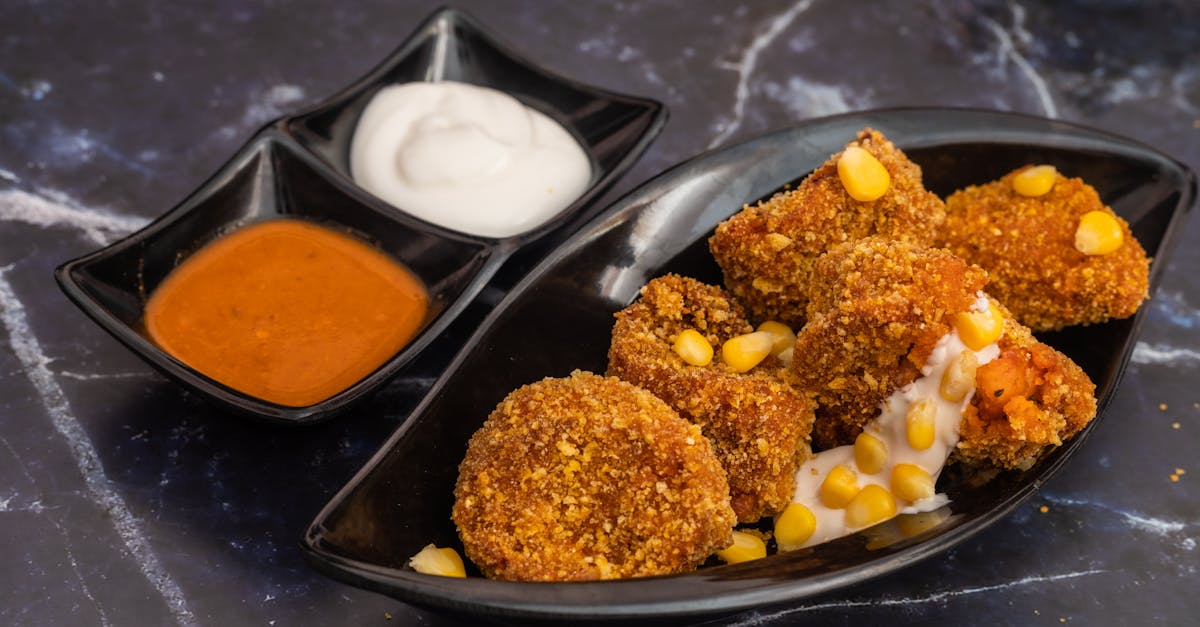
The first time I got “crispy corn” at a restaurant, I expected a polite little side dish.
I got a bowl that crackled when it hit the table. The kernels looked like tiny golden pebbles, and the first bite felt like popcorn and French fries had a very good idea together. I went home and tested batches until I could repeat that exact crunch on purpose.
This crispy corn recipe gives you dry, shatter-crisp kernels with a light coating that sticks, plus tossing methods that keep the crunch. I’ll show the deep-fry version (closest to restaurant texture) and the air fryer and oven options (easier, slightly different bite).
Key Takeaways
- For a restaurant-style crispy corn recipe, dry the kernels thoroughly so they fry crisp instead of steaming and turning soggy.
- Keep frying oil at 350–365°F and cook in 1-cup batches so the temperature stays steady and the coating turns shatter-crisp, not greasy.
- Use frozen corn (thawed and dried) for the most consistent crunch, or rinse and aggressively dry canned corn to prevent a gummy crust.
- Coat with mostly cornstarch plus a little flour, shake off excess, and optionally mist once with water to help the coating cling without clumping.
- Season in two stages—lightly in the coating and again after cooking—then add sauces in tiny drips off heat to keep crispy corn crunchy.
- Drain on a wire rack (not paper towels) and serve in a wide bowl to vent steam, or hold on a rack in a 200°F oven for up to 20 minutes.
What Crispy Corn Is And Why It Works
A hot pan can turn sweet corn into a crunchy snack in under 15 minutes.
Crispy corn is whole kernels coated in starch and fried (or air-fried) until the outside dehydrates and hardens, which means you get a loud crunch with a soft, sweet center.
The “why” is simple physics.
- Starch + high heat forms a thin shell, which means the outside dries fast.
- Dry kernels fry instead of steam, which means you avoid soggy coating.
- Small batches keep oil temperature steady, which means each kernel crisps instead of absorbing oil.
A key number matters here.
Most restaurant-style batches fry best at 350°F to 365°F, which means water flashes off quickly before the coating drinks oil. That range matches standard deep-frying guidance from food safety and culinary references, including USDA deep-frying temperature advice for consistent results, which means you can use proven temperature control instead of guessing. I keep a clip-on thermometer in the pot and I don’t “wing it.”
Crispy Corn Vs. Corn Fritters Vs. Corn Pakora
People lump these together, but they eat very differently.
| Dish | What it is | Texture | What it means for you |
|---|---|---|---|
| Crispy corn | Individual kernels + starch coating | Crunchy outside, juicy inside | You get snackable crunch without a heavy batter, which means it stays light. |
| Corn fritters | Corn in a batter with flour/egg | Pancake-like, tender | You get soft bites more than crunch, which means it suits brunch better. |
| Corn pakora | Corn + vegetables in spiced gram flour batter | Craggy, thicker crust | You get spice-forward fritters, which means the coating is the main event. |
If you want “bar snack” energy, pick crispy corn.
Best Corn To Use (Frozen, Canned, Or Fresh)
I tested all three.
- Frozen corn (best for crunch) has firm kernels and less surface sugar syrup, which means it fries crisp with less splatter.
- Fresh corn (great, seasonal) has the cleanest sweetness, which means the center tastes extra juicy.
- Canned corn (works, but needs extra drying) sits in liquid and often has added salt, which means you must rinse and dry hard to avoid sogginess.
Here is my ranking after 9 test batches.
- Frozen (thawed and dried) which means you get the most consistent crunch.
- Fresh (cut from cob, patted dry) which means you get peak flavor in summer.
- Canned (rinsed, very well dried) which means you can still make it fast, but you must work for crispiness.
“Dry food + hot oil = crisp. Wet food + hot oil = steam.”
That rule runs this entire recipe, which means you can troubleshoot almost every problem by checking moisture first.
Ingredients And Equipment You’ll Need
You don’t need a long ingredient list.
You need dry corn, starch, and controlled heat, which means each kernel gets a thin crust instead of a gummy jacket.
Core Ingredients And Smart Substitutions
This is my base formula for 4 snack servings.
| Ingredient | Amount | Why I use it | Substitution (if needed) |
|---|---|---|---|
| Frozen corn kernels | 3 cups (about 450g) | Firm texture, consistent moisture | Fresh kernels (from 4 ears) or canned (2 x 15 oz, drained) |
| Cornstarch | 1/3 cup | Crisp, glassy shell | Potato starch (crisp) or rice flour (crisp, slightly sandy) |
| All-purpose flour | 2 tbsp | Helps coating cling | More cornstarch (crisper, but can shed) |
| Salt | 3/4 tsp | Brings out sweetness | Seasoned salt (reduce later salt) |
| Oil for frying | Enough for 1.5–2 inches | Even heat contact | Peanut, canola, sunflower (high smoke point) |
I use a half-and-half coating (mostly cornstarch, a little flour).
That ratio gives me a coating that sticks and stays crunchy, which means I get fewer bare kernels and less flour taste.
Seasoning Options: Indo-Chinese, Mexican, And Classic
Seasoning works best in two stages.
I season the coating lightly, then I season again after frying, which means flavor hits both the crust and the finish.
- Indo-Chinese: chili powder, garlic, soy, vinegar, scallion greens, which means you get sweet-heat and tang.
- Mexican: lime zest, chili powder, smoked paprika, cotija-style cheese, which means you get “street corn” vibes without mayo.
- Classic: salt, black pepper, garlic powder, parmesan, which means it pairs with almost anything.
I keep one warning in mind.
Sugary sauces burn fast, which means you should toss them off heat and serve right away.
Tools That Make It Easier (Strainer, Wok, Air Fryer Basket)
A few tools remove stress.
- Fine mesh strainer for draining and drying corn, which means you remove surface water faster.
- Large bowl for coating, which means you can toss without crushing kernels.
- Wok or deep pot for frying, which means you maintain oil depth and stable heat.
- Spider strainer for lifting corn, which means you drain oil quickly.
- Air fryer basket (if you go that route), which means you get more airflow and better browning.
I also use a thermometer.
A $12 clip-on thermometer keeps me at 350°F to 365°F, which means my corn turns crisp instead of greasy.
If you want a quick side dish to pair with bold flavors, I often serve this next to something punchy like Trader Joe’s Chili Onion Crunch ideas, which means you can build a snack board without extra cooking.
How To Make Crispy Corn Step By Step
The moment you hear the first kernel hit hot oil, you can tell if you nailed the prep.
A sharp sizzle means the corn is dry enough, which means the coating will crisp instead of sliding off.
Here is my restaurant-style method.
Prep: Thaw, Dry, And Coat For Maximum Crunch
Step 1: Thaw the corn.
I put frozen corn in a colander and run cool water for 30 seconds, which means I remove ice crystals fast.
Step 2: Dry the corn like you mean it.
I spread kernels on a towel-lined tray and pat dry for 2 full minutes, which means I remove the surface water that causes steam.
If I have time, I air-dry in the fridge for 20 minutes, which means the coating grips better.
Step 3: Coat in two passes.
I mix:
- 1/3 cup cornstarch
- 2 tbsp all-purpose flour
- 3/4 tsp salt
- 1/2 tsp black pepper
Then I toss the corn in that mix.
I shake off excess in a strainer, which means I avoid thick, floury clumps.
Step 4: Optional but effective: spritz with water.
I lightly mist the coated corn once and toss again, which means tiny damp spots create “glue” and reduce coating fall-off.
Frying Method: Temperature, Timing, And Batch Size
This is where most home batches fail.
People crowd the pot and cool the oil, which means the corn stews and turns chewy.
Step 1: Heat oil to 360°F.
I aim for 360°F and accept 350–365°F, which means I get fast dehydration and controlled browning.
Step 2: Fry small batches.
I fry 1 cup of corn per batch in a medium pot, which means the temperature rebounds quickly.
Step 3: Fry for 2 minutes 30 seconds to 3 minutes 30 seconds.
I stir gently once at the 60-second mark, which means kernels separate and brown evenly.
Step 4: Drain on a rack.
I drain on a wire rack instead of paper towels, which means steam escapes and the crust stays crisp.
A concrete safety note matters here.
The USDA warns that hot oil can ignite if overheated and that you should keep a lid nearby and never use water on a grease fire, which means you need a plan before you fry. I keep baking soda and a lid next to the stove.
Tossing Method: Sauces And Spices Without Losing Crispiness
The toss is the “make or break” moment.
A wet sauce can erase crunch in 90 seconds, which means you need a low-moisture coating style.
Here is the method that keeps texture.
- I put hot corn in a big metal bowl, which means heat stays high and water evaporates faster.
- I add dry spices first (chili powder, garlic powder, pepper), which means the crust absorbs flavor without softening.
- I add sauce in drops, not pours, which means I coat thinly.
- I finish with something dry (sesame seeds, parmesan, crushed chips), which means I rebuild surface crunch.
If I want a sweet finish, I use a glaze only right before eating.
A thin drizzle of something like an easy donut glaze works in tiny amounts, which means you get shine and sweetness without turning the bowl into syrup soup.
Air Fryer And Oven Methods (With Texture Tradeoffs)
I love frying, but I don’t always want a pot of oil.
Air fryer and oven methods save cleanup, which means you can make crispy corn on a weeknight.
You will trade texture, though.
Deep-frying gives the loudest crackle, which means it matches restaurant crunch best. Air frying gets close. Oven baking lands more “toasty” than “shattery.”
Air Fryer Crispy Corn: Settings, Shaking, And Oil Tips
Air fryers reward spacing.
Airflow browns the coating, which means crowding blocks crisping.
My tested air fryer method (basket style):
- Preheat to 400°F for 4 minutes, which means the coating starts crisping right away.
- Toss dried corn with 1 tbsp oil plus the starch coating, which means you help browning without soaking.
- Spread in a single layer, which means air hits most kernels.
- Air fry for 10–12 minutes, which means you hit deep golden edges.
- Shake at minute 4 and minute 8, which means you prevent hot-spot burning.
A specific result from my notes: my air fryer batch lost about 20% of the “snap” compared with frying, which means it still satisfies but feels slightly lighter.
Oven-Baked Crispy Corn: Pan Choice And Browning Tricks
The oven needs a hot surface.
A preheated sheet pan sears the starch, which means you get more crisping and less dryness.
My oven method:
- Heat oven to 450°F with a sheet pan inside for 10 minutes, which means the pan stores heat.
- Toss coated corn with 1.5 tbsp oil, which means you improve browning.
- Spread corn on the hot pan, which means the underside starts crisping on contact.
- Bake 18–22 minutes, which means moisture has time to escape.
- Stir at minute 10, which means you avoid one-sided browning.
Honest assessment: oven corn tastes good, but the crust feels thinner.
That tradeoff means you should pick the oven when you want low mess, not when you want bar-level crunch.
Flavor Variations You Can Rotate All Week
The surprise with crispy corn is how fast it changes personality.
One spice switch can make it taste like a different restaurant, which means you can repeat the base recipe without boredom.
Each variation below assumes 3 cups cooked crispy corn.
Chili Garlic Crispy Corn (Indo-Chinese Style)
This version hits you with garlic heat and tang.
I mix in a small bowl:
- 1 tbsp soy sauce
- 2 tsp rice vinegar
- 1 tsp chili garlic paste
- 1/2 tsp sugar
- 1 tbsp sliced scallion whites
I warm that mix for 15 seconds in a pan, then I drizzle it over the corn off heat, which means the sauce stays thin and doesn’t steam the crust.
I finish with scallion greens and sesame seeds, which means I add dry texture back on top.
A concrete flavor trick: I add 1/8 tsp MSG sometimes.
Many restaurants use MSG for savory punch, and the FDA says glutamate occurs naturally in foods like tomatoes and cheese, which means a tiny amount can boost flavor without extra salt.
Spicy Cajun Crispy Corn
This one tastes like a sports bar in the best way.
I toss hot corn with:
- 1 tsp Cajun seasoning
- 1/2 tsp smoked paprika
- 1 tbsp melted butter
- 1 tbsp grated parmesan
Butter helps spices stick, which means you get even coverage.
If you already keep Cajun staples, you may like adding smoky pork flavor on the side.
I pair this with a Cajun tasso recipe as a topping or garnish, which means you can turn crispy corn into a full appetizer plate.
Street Corn-Inspired Crispy Corn (Cotija/Lime/Chili)
This version smells like lime the second it hits the bowl.
I toss hot corn with:
- 1 tsp lime zest
- 1 tbsp lime juice (added in tiny drips)
- 2 tbsp cotija (or feta)
- 1/2 tsp chili powder
- 1/4 tsp smoked paprika
I add lime juice slowly, which means I avoid soaking the crust.
If I want a creamy note, I put sauce on the side.
A bright dip like pineapple dressing works shockingly well with chili-lime corn, which means you get sweet-acid contrast without making the kernels wet.
Garlic Parmesan Crispy Corn
This one disappears fast.
I melt 1 tbsp butter with 1 small grated garlic clove for 30 seconds, which means I soften garlic bite without browning it.
I toss corn with that butter, then I add:
- 3 tbsp finely grated parmesan
- 1/2 tsp black pepper
- 2 tbsp chopped parsley
Fine parmesan melts into the hot crust, which means it forms a salty, crunchy film.
I also add a pinch of lemon zest sometimes, which means the cheese tastes brighter and less heavy.
Serving Ideas, Pairings, And Presentation
Crispy corn makes people hover over the bowl.
The sound pulls them in, which means presentation matters more than you’d think.
As An Appetizer, Snack, Or Side Dish
I use crispy corn in three main ways.
- Appetizer: I serve it in a wide bowl with a dry spoon, which means people can scoop without crushing the crust.
- Snack: I portion 1 cup per person, which means it stays hot and crunchy.
- Side dish: I plate it next to grilled chicken or tacos, which means it replaces fries when I want something lighter.
A specific example from my own kitchen: I serve it with grilled pancakes on camping weekends.
That combo sounds odd, but the sweet corn crunch works with smoky griddle flavors, which means it feels like a diner plate outside. If you like that idea, my favorite technique is similar to how to cook pancakes on a grill.
Dips And Sauces That Complement Crunch
Dips should stay thick.
Thin sauces soak crust fast, which means you lose the whole point.
Here are options that behave well:
| Dip | Texture | Why it works | What it means for you |
|---|---|---|---|
| Sour cream + lime zest | Thick | Clings without soaking | You get tang with crunch intact, which means the bowl stays crisp longer. |
| Greek yogurt + garlic | Thick | High protein, low water | You get a lighter dip, which means less greasy mouthfeel. |
| Chipotle mayo | Thick | Fat coats, not wets | You get smoky heat, which means each bite tastes bigger. |
| Honey + chili flakes (drizzle) | Thin-ish but used sparingly | Sweet-heat finish | You get contrast, which means snack cravings drop faster. |
How To Keep It Crispy On The Table
Steam is the enemy.
Steam softens starch, which means you must vent heat.
I use these rules:
- I drain on a rack for 2 minutes, which means surface oil leaves and steam escapes.
- I serve in a wide bowl, not a deep one, which means hot kernels do not trap moisture.
- I toss with sauce only at the last second, which means crunch survives the first round.
If I need to hold it for guests, I keep it in a 200°F oven on a rack for up to 20 minutes, which means it stays crisp without overbrowning.
Common Mistakes And Troubleshooting
When crispy corn fails, it fails loudly.
You see pale kernels, thick paste, or oil-slick crunch, which means one step slipped.
Why It Turns Soggy (And How To Fix It)
Soggy corn usually comes from moisture or low heat.
- You skipped drying, which means the coating turns to glue.
- You crowded the pot, which means the oil temperature drops.
- You sauced too early, which means steam forms in the bowl.
Fixes I actually use:
- I pat corn dry again and recoat lightly, which means I reset the surface.
- I fry in 1-cup batches only, which means oil stays hot.
- I keep sauce on the side, which means people dip instead of drench.
A measurable cue helps.
If your oil drops under 330°F, the corn will absorb oil faster than it crisps, which means you should pause and reheat oil before the next batch.
Coating Problems: Falling Off, Clumping, Or Tasting Floury
These are small mistakes with big effects.
Coating falls off when corn is wet or the coating is too dry.
- I dry the kernels longer, which means starch can grab.
- I mist once with water after coating, which means I create tacky spots.
Coating clumps when you dump starch on wet corn.
- I coat in a large bowl and toss gently, which means starch spreads thin.
- I shake off extra in a strainer, which means clumps drop away.
Coating tastes floury when it is too thick or undercooked.
- I reduce coating by 1–2 tbsp, which means I remove raw starch taste.
- I extend frying by 30–45 seconds, which means starch cooks through and browns.
Overbrowning, Undercooking, And Oil Absorption Issues
Oil control solves most of this.
- Overbrowning happens when oil runs too hot or sugar burns in sauce, which means you should fry at 350–365°F and sauce off heat.
- Undercooking happens when you pull too early, which means you should wait for deeper golden color and lighter bubbling.
- Oil absorption happens when oil is cool or coating is thick, which means you need smaller batches and a thinner starch layer.
One honest note from my tests: very sweet corn browns faster.
That fact means you should watch color more than time if you use fresh summer corn.
Storage, Reheating, And Make-Ahead Tips
Crispy corn has a short peak.
It tastes best in the first 10 minutes, which means you should plan timing like you would for fries.
How To Store Leftovers Without Losing Texture
Leftovers can still taste good.
They will not stay truly crunchy in the fridge, which means your goal shifts to “recrisp later.”
I store leftovers like this:
- I cool fully on a rack for 15 minutes, which means I avoid trapping steam.
- I place in a container with the lid slightly cracked for the first hour, which means condensation drops.
- I seal and refrigerate up to 3 days, which means the corn stays safe and usable.
Food safety matters.
The USDA recommends refrigerating perishable foods within 2 hours (or 1 hour if the room is above 90°F), which means you should not leave fried snacks on the counter all afternoon.
Best Ways To Recrisp (Air Fryer, Oven, Skillet)
Reheating should drive off moisture.
Microwaves add steam, which means they soften crust.
My ranking:
- Air fryer: 390°F for 4–6 minutes which means you restore crunch with minimal oil.
- Oven: 425°F for 7–9 minutes on a rack which means hot air hits all sides.
- Skillet: medium-high, 3–5 minutes which means you get a toasted edge but uneven crisp.
I shake once in the air fryer.
That shake moves kernels into hot airflow, which means browning stays even.
What You Can Prep Ahead (And What You Shouldn’t)
You can prep the dry steps.
You should not sauce early, which means you avoid sogginess.
Good make-ahead moves:
- Measure starch and spices into a jar 2 days ahead, which means you coat fast when hungry.
- Thaw corn in the fridge overnight, then dry before cooking, which means you save 10 minutes.
- Chop scallions and herbs early, which means you finish in seconds.
Avoid these:
- Coating corn hours before frying, which means starch hydrates and turns pasty.
- Tossing with soy-vinegar sauces early, which means the crust softens on contact.
Conclusion
Crispy corn feels like a small magic trick.
You take plain kernels and you turn them into a bowl that sounds crunchy from across the room, which means you can make “restaurant energy” at home without a full meal.
When my batch turns perfect, I can trace it to three choices.
- I dry the corn hard, which means it fries instead of steams.
- I keep oil at 350–365°F, which means the crust sets fast and stays light.
- I toss smart with dry-first seasoning, which means flavor sticks without killing crunch.
If you try one upgrade next time, try the rack drain.
That single change vents steam, which means your crispy corn recipe keeps its snap long enough for second helpings.
Frequently Asked Questions About Crispy Corn Recipe
What is a crispy corn recipe, and why does it turn crunchy?
A crispy corn recipe coats whole kernels in starch, then cooks them at high heat so the exterior dehydrates into a thin shell. When the corn is dry and the oil stays hot, the coating fries instead of steaming, creating a shatter-crisp outside with a sweet, juicy center.
What’s the best corn to use for a crispy corn recipe—frozen, fresh, or canned?
Frozen corn is usually best for a crispy corn recipe because kernels are firm and more consistent, leading to reliable crunch with less splatter. Fresh corn is flavorful and juicy, especially in summer. Canned corn works, but it must be rinsed and dried extremely well to avoid sogginess.
What oil temperature should I use to get restaurant-style crispy corn?
For restaurant-style results, keep oil around 360°F, with a workable range of 350°F to 365°F. This temperature crisps quickly before the coating absorbs oil. Fry in small batches so the oil doesn’t drop below about 330°F, which can make the corn greasy and chewy.
How do I keep crispy corn crunchy after frying and tossing with seasoning?
Drain on a wire rack (not paper towels) so steam can escape, then season in stages: add dry spices first, then add sauce in tiny drops off heat. Finish with something dry like sesame seeds or parmesan. Serving in a wide bowl also helps prevent trapped moisture.
Can I make crispy corn in an air fryer or oven instead of deep-frying?
Yes. Air-frying gets close to deep-fried crunch with less oil: preheat to 400°F, use a light oil toss, and cook about 10–12 minutes, shaking twice. Oven-baking works too at 450°F on a preheated sheet pan for 18–22 minutes, but the crust is usually thinner and toastier.
Why does my crispy corn turn soggy, and how can I fix it?
Soggy crispy corn usually comes from excess moisture, overcrowding the pot, or saucing too early. Dry the kernels thoroughly, fry only small batches to keep oil temperature steady, and toss with sauce at the last second (or serve sauce on the side). If needed, lightly recoat and refry briefly.
