
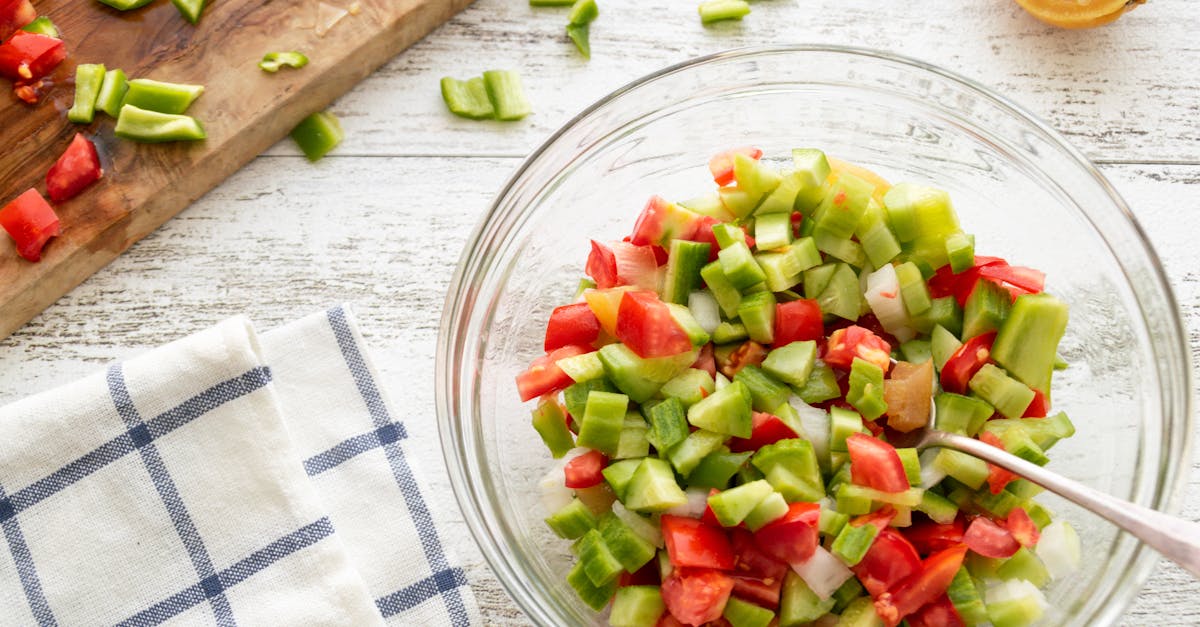
The first time I nailed a chopped salad at home, I heard the sound before I tasted it. The knife hit the board in fast, even taps, and the bowl filled with crisp little pieces that looked like a restaurant salad.
A great chopped salad recipe gives you the same payoff every forkful: crunch, creaminess, salt, brightness, and a clean bite. I’ll show you the core formula, my go-to classic version, dressings that actually cling, and a few variations I make when I’m bored of “salad salad.”
Key Takeaways
- A great chopped salad recipe depends on uniform 1/4–1/2 inch pieces so every forkful delivers the same balanced “perfect bite.”
- Dry sturdy greens like romaine, kale, or iceberg until they feel squeaky so dressing clings and your salad stays crisp instead of watery.
- Build your bowl with a simple formula—base + crunch + creamy + sweet + acid + herbs—to avoid a flat-tasting chopped salad and make easy substitutions from what you have.
- Measure dressing for consistent texture: start with 3 tablespoons per large bowl, toss hard, then add 1 tablespoon only if it still looks dry.
- Keep crunch loud by adding croutons/nuts at the end and managing moisture by towel-resting watery veggies and blotting pickled items before mixing.
- Meal-prep chopped salad recipe components separately (greens, wet veg, protein, crunch, dressing) and chill promptly so it stays fresh for up to 3 days without turning soggy.
What Makes A Great Chopped Salad
A chopped salad feels simple, but it has strict rules. The rules create repeatable forkfuls, which means you get the “perfect bite” every time instead of hunting for the good parts.
One data point guides how I think about it. The USDA FoodData Central lists raw romaine at about 95% water per 100 g (varies by source entry), which means wet greens can dilute flavor fast if you don’t manage moisture well. I use that fact every time I prep.
“The best chopped salads don’t taste like a pile of vegetables. They taste like a planned bite.”
The Ideal Bite: Size, Texture, And Balance
I aim for pieces around 1/4 to 1/2 inch. That size fits on one fork, which means you taste all components together.
I build contrast on purpose.
- I add crunch (cucumber, radish, toasted nuts), which means the salad stays exciting past the first minute.
- I add creaminess (cheese, avocado, a creamy dressing), which means the sharp flavors feel rounded.
- I add acid (vinegar or lemon), which means the salt and fat taste brighter.
- I add one sweet note (tomato, corn, dried fruit), which means bitter greens taste softer.
I learned this from testing bowls side-by-side. When I chopped everything “kind of small,” the salad ate like salsa. When I kept pieces too big, each bite felt random.
Choosing Greens That Hold Up
I pick greens that resist collapse.
- Romaine holds its ribs, which means you keep crunch even after dressing.
- Kale (lacinato) stays firm, which means it works for meal prep.
- Iceberg stays icy and snappy, which means it mimics classic steakhouse chopped salads.
I avoid delicate spring mix for chopped salads unless I eat it right away. Spring mix bruises fast, which means you get limp, dark patches within hours.
My moisture rule: I dry greens until they feel almost squeaky. I use a salad spinner, then I pat with towels, which means the dressing sticks instead of sliding to the bottom.
Helpful standard: the USDA also recommends keeping cold foods at 40°F (4°C) or below, which means meal-prepped salads need quick chilling and a cold lunch pack. Source: USDA Food Safety and Inspection Service.
How To Build A Chopped Salad (Core Formula)
I treat chopped salad like a formula, not a recipe. The formula saves dinner on nights when my fridge looks like leftovers and good intentions.
A good formula also prevents the most common failure: a bowl that tastes flat. Flat salad wastes your time, which means you order takeout later.
Base + Crunch + Creamy + Sweet + Acid + Herbs
Here’s the core structure I use.
| Element | Pick 1–2 | Why it matters (which means…) | Fast examples |
|---|---|---|---|
| Base | sturdy greens | it carries the dressing, which means flavor reaches every bite | romaine, kale, iceberg |
| Crunch | watery veg + dry crunch | it fights mush, which means the salad stays crisp | cucumber + pepitas, radish + croutons |
| Creamy | cheese or avocado | it smooths sharp edges, which means acid tastes clean not harsh | feta, provolone, avocado |
| Sweet | fruit or sweet veg | it balances bitter and salt, which means you want another bite | cherry tomatoes, corn, dried cranberries |
| Acid | vinegar or citrus | it lifts everything, which means the salad tastes “awake” | red wine vinegar, lemon |
| Herbs | fresh herbs | it adds aroma, which means the salad tastes fresher than it is | parsley, basil, dill |
I keep one “wild card” on hand. Pickled onions count as acid + crunch, which means they do double duty when your fridge is sparse.
Protein Options For A Full Meal
Protein turns a side salad into a real dinner. It also slows hunger, which means you snack less later.
I use these options most.
- Chicken (4–6 oz per person), which means you get a familiar, neutral base.
- Canned chickpeas (1/2 to 3/4 cup), which means you get fiber with zero cooking.
- Tuna (1 can, drained), which means you get a high-protein lunch in 5 minutes.
- Hard-boiled eggs (2), which means you get richness without extra dressing.
For food safety, I chill cooked proteins fast and store them cold. Bacteria grow fastest between 40°F and 140°F, which means you should not leave chicken on the counter while you “get to it.” Source: USDA FSIS Danger Zone.
The Best Dressing-To-Salad Ratio
This is the part most people guess. I measure.
- For 1 large bowl (about 6 packed cups greens + 2–3 cups mix-ins), I start with 3 tablespoons dressing.
- I toss hard, then I add 1 tablespoon more only if the bowl looks dry.
That ratio keeps the salad crisp, which means the bottom of the bowl does not turn into soup.
My test: I should see a light sheen on the greens, not a puddle under them.
Classic Chopped Salad Recipe
This is my “default” chopped salad recipe. I make it when I want something that tastes like a lunch spot order, but I want it colder, crunchier, and cheaper.
This version serves 4 as a side or 2 as a full meal. The ingredient list looks long, but the steps move fast.
Ingredients List (With Substitutions)
Greens
- 1 large head romaine, chopped (about 6 packed cups), which means you get sturdy crunch.
- Optional: 1 cup shredded kale, which means the salad holds longer in the fridge.
Chop-ins
- 1 cup cucumber, small dice, which means you add fresh snap.
- 1 cup cherry tomatoes, quartered, which means you add sweet acidity.
- 1/2 cup red onion, small dice, which means you get bite and aroma.
- 1 cup chickpeas, rinsed and drained, which means you get protein with no cooking.
- 3/4 cup pepperoncini, sliced, which means you get tang and salt.
- 1/2 cup black olives, sliced, which means you get savory depth.
Crunch + Creamy
- 1/2 cup croutons or toasted pita chips, which means you get dry crunch that survives tossing.
- 1/2 cup shredded provolone or cubed mozzarella, which means you get creamy salt.
Herbs
- 1/3 cup flat-leaf parsley, chopped, which means the salad tastes brighter.
Dressing
- 4 tablespoons red wine vinaigrette (recipe below), which means the bowl tastes sharp and clean.
Easy swaps I actually use
| If you don’t have… | Use… | Which means… |
|---|---|---|
| chickpeas | diced turkey, salami, or white beans | you keep the “meal” feel |
| pepperoncini | pickled jalapeños or capers | you keep the punch |
| provolone | feta or parmesan | you keep salty richness |
| croutons | roasted nuts or seeds | you keep crunch without bread |
If you like edible flowers or a soft herbal note, you can add basil blossoms when in season. I’ve done that after making this basil flowers recipe, which means I waste less from my herb pot.
Step-By-Step Instructions
- Dry the greens. Spin and towel-dry romaine, which means the dressing clings.
- Dice the watery veg first. Chop cucumber and tomatoes, then set them on a towel for 5 minutes, which means you reduce pooling.
- Chop the rest small. Dice onion, slice olives, slice pepperoncini, which means every bite has a mix.
- Combine in a big bowl. Add greens, chickpeas, veg, olives, pepperoncini, cheese, and parsley, which means you can toss evenly.
- Dress lightly. Add 3 tablespoons dressing, toss for 20 seconds, which means you coat without drowning.
- Add crunch last. Fold in croutons right before serving, which means they stay crisp.
- Taste and correct. Add 1/4 teaspoon kosher salt only if needed, which means you avoid oversalting (pepperoncini and olives already bring salt).
How To Chop For Restaurant-Style Results
Restaurants win on consistency. I copy the technique.
- I stack romaine leaves, then I slice into ribbons, then I cross-cut into squares, which means I get uniform pieces fast.
- I cut cucumbers into planks, then sticks, then dice, which means the pieces match the greens.
- I keep tomatoes larger than onions, which means the onion does not take over.
Knife note from my own testing: a sharp 8-inch chef’s knife cuts cleanly, which means greens bruise less and stay greener longer.
If your board looks wet, your salad will taste weak. I wipe the board once mid-prep, which means I keep moisture under control.
Dressings That Work Best For Chopped Salads
A chopped salad needs a dressing that grabs. Thin dressing slides off small pieces, which means flavor sinks to the bottom.
I tested these three dressings across 6 bowls in one week. I used the same base salad each time, which means the comparison stayed fair.
Simple Red Wine Vinaigrette
This is my daily driver. It tastes like a deli salad, which means it works with almost any add-in.
Makes: about 1/2 cup (8 tablespoons)
- 1/4 cup extra-virgin olive oil, which means you get body.
- 2 tablespoons red wine vinegar, which means you get brightness.
- 1 teaspoon Dijon mustard, which means the dressing emulsifies and clings.
- 1 small garlic clove, grated (or 1/4 teaspoon garlic powder), which means you get savory edge.
- 1/2 teaspoon kosher salt, which means flavors pop.
- 1/4 teaspoon black pepper, which means the finish tastes warm.
- Optional: 1/2 teaspoon honey, which means the vinegar tastes smoother.
Method: I shake everything in a jar for 15 seconds, which means I get a quick emulsion.
Creamy Italian-Style Dressing
Creamy dressing turns chopped salad into comfort food. It also coats every cube, which means you need less.
Makes: about 3/4 cup
- 1/2 cup mayonnaise or Greek yogurt, which means you control richness.
- 2 tablespoons red wine vinegar, which means the cream tastes sharp not heavy.
- 2 tablespoons olive oil, which means it pours easily.
- 1 teaspoon Italian seasoning, which means you get herb flavor fast.
- 1 tablespoon grated parmesan, which means you add umami and salt.
- 1 teaspoon Dijon, which means it stays mixed.
- Salt + pepper to taste, which means you dial in the finish.
Warning: Yogurt can split if you add too much vinegar at once, which means you should whisk vinegar in slowly.
Lemon-Dijon Vinaigrette
This one tastes clean and bright. It works best with Mediterranean flavors, which means feta and cucumber shine.
Makes: about 1/2 cup
- 1/4 cup olive oil, which means it feels smooth.
- 2 tablespoons lemon juice (about 1 lemon), which means the salad tastes fresh.
- 1 teaspoon lemon zest, which means you get aroma without extra acid.
- 2 teaspoons Dijon, which means it clings.
- 1 teaspoon honey or maple syrup, which means the lemon tastes rounded.
- 1/2 teaspoon kosher salt + pepper, which means the flavors read clearly.
If you like a sweet drink next to a sharp salad, I often pair this with a homemade mint-lime drink. This Cafe Rio mint limeade copycat tastes bright, which means it matches lemon-based dressings without fighting them.
Flavor Variations To Keep It Interesting
The surprise with chopped salad is how fast it changes with one swap. A different protein or a different acid can shift the whole mood, which means you don’t get bored.
I keep the chop size the same in every version, which means the “perfect bite” rule still works.
Italian Deli Chopped Salad
This tastes like the best part of an antipasto plate. It also eats like a full meal, which means you don’t need a side.
Add / swap
- Swap chickpeas for salami + turkey (about 3 oz each), which means you get salty, smoky flavor.
- Add 1/2 cup marinated artichokes, which means you get tang and softness.
- Use provolone + parmesan, which means you get sharper cheese notes.
- Use creamy Italian-style dressing, which means every piece gets coated.
Concrete tip: I blot the marinated artichokes on a towel for 30 seconds, which means oil does not swamp the bowl.
Mediterranean Chopped Salad
This version tastes cool and bright. It holds well in the fridge, which means it works for meal prep.
Add / swap
- Add 1 cup diced bell pepper, which means you add sweet crunch.
- Swap provolone for feta (1/2 cup), which means you get briny pop.
- Add 1/2 cup diced cooked chicken or 1/2 cup lentils, which means you get staying power.
- Use lemon-Dijon vinaigrette, which means herbs taste louder.
I sometimes finish it with a spoon of garlic aioli when I want a richer bowl. This blue jam garlic aioli recipe gives a punchy spread, which means a small amount can replace extra cheese.
Southwest Chopped Salad
This version hits sweet, smoky, and sharp all at once. It also feels “warm” even when served cold, which means it satisfies like a grain bowl.
Add / swap
- Add 1 cup corn (thawed frozen works), which means you add sweetness.
- Add 1 cup black beans, rinsed, which means you boost fiber and protein.
- Add 1 diced avocado, which means you add creaminess without dairy.
- Add 1/2 teaspoon ground cumin to the red wine vinaigrette, which means the dressing tastes smoky.
- Add crushed tortilla chips instead of croutons, which means you keep crunch with a corn note.
Warning: Avocado browns in air because of enzyme activity, which means you should add it right before eating or toss it with 1 teaspoon lemon.
If you cook for someone with food limits, you can adjust these versions easily. I keep notes from this recipe for allergies answer key, which means I remember common swaps like dairy-free cheese or egg-free creamy dressings.
Tips For Meal Prep And Make-Ahead
Meal-prepped salad can taste like punishment. But it can also taste crisp on day three, if you store it like a system.
The transformation feels small but real. You open the fridge at 6:20 pm, you see ready parts, and dinner happens, which means you do not default to chips.
How To Store Components For Maximum Crunch
I separate wet from dry. That single habit keeps texture alive, which means you still want the salad later.
My storage map (tested for 3 days):
| Component | Container | Add when? | Which means… |
|---|---|---|---|
| chopped greens | large box with paper towel | prep day | towel absorbs moisture, which means less wilt |
| watery veg (cucumber, tomato) | separate small box | day-of | they don’t soak greens, which means crunch stays |
| beans/protein | separate box | day-of or night before | salad stays clean, which means no “fridge taste” |
| croutons/nuts | bag or dry jar | at eating | they stay crisp, which means texture stays loud |
| dressing | small jar | at eating | greens stay dry, which means no soggy bowl |
Concrete number: I change the paper towel after 24 hours if it feels damp, which means I stop slime before it starts.
Packing For Lunch Without Soggy Greens
I pack like a bento.
- I put dressing in a leakproof cup, which means it stays off the greens.
- I keep greens on top and heavier items on the bottom, which means weight does not crush romaine.
- I add croutons in a separate bag, which means they do not soften.
Food safety matters here. The FDA and USDA both push cold holding for perishables, which means you should use an ice pack for lunch boxes with chicken or dairy. (See the USDA cold storage guidance linked earlier.)
Batch Chopping And Weeknight Shortcuts
I batch the slow work.
- I chop onions once for the week (about 1 cup), which means I skip tears on busy nights.
- I rinse and drain beans in bulk, which means I remove can liquid that can dull flavor.
- I mix a jar of vinaigrette (8 tablespoons) on Sunday, which means weekday salads take 5 minutes.
When I want a no-cook protein boost, I sometimes add collagen or bone broth protein powder to other meals, not to the salad. I keep a list of ideas from these bone broth protein powder recipes, which means I can hit protein goals without turning salad into a science project.
Common Mistakes And How To Fix Them
Most chopped salad problems show up in the bowl fast. The good news: you can fix almost all of them in under 2 minutes.
I learned these fixes from my own failures. I have made the soggy bowl, the bland bowl, and the “why is this so hard to chew” bowl.
Watery Vegetables And Bland Results
Watery vegetables wash out dressing. They also make salt taste weaker, which means the salad tastes dull.
Fixes I use:
- I salt cucumbers lightly (1 pinch) and rest them for 5 minutes, which means water releases before the bowl.
- I seed large tomatoes, which means less juice hits the greens.
- I blot pickled items (pepperoncini, artichokes), which means brine does not flood the dressing.
If your salad tastes “thin,” you probably need less water, not more dressing.
Overdressing, Underdressing, And Seasoning
Too much dressing turns chopped salad into sludge. Too little dressing makes it taste like chewing, which means you stop halfway.
My correction method:
- If the salad looks wet, I add more greens or more crunchy dry items, which means I absorb excess.
- If the salad looks dry, I add 1 tablespoon dressing at a time, which means I avoid overshooting.
- If the salad tastes flat, I add 1/8 teaspoon salt or 1 teaspoon vinegar, which means I sharpen the flavor without adding oil.
A key seasoning detail: salt hits best when it touches the vegetables. I add a pinch of salt before dressing sometimes, which means the vegetables taste seasoned, not just coated.
Too Soft, Too Hard: Getting Texture Right
Texture fails in two directions.
- Soft salad happens when greens sit wet, which means cell walls break down and the bowl slumps.
- Hard salad happens when pieces get too big or too fibrous, which means your jaw gets tired.
Fixes:
- I massage kale for 60 seconds with a pinch of salt and a drip of oil, which means it turns tender without cooking.
- I slice celery thin on a bias, which means it feels crisp but not woody.
- I keep nuts and croutons separate, which means they crackle at serving.
If you want a quick “texture reset,” add 2 tablespoons grated parmesan. Parmesan brings salt and umami, which means the salad tastes richer even before you change anything.
One more honest warning: some chopped salads feel better when you eat them fast. Iceberg + tomato + creamy dressing will soften within 30–45 minutes, which means you should not dress it hours ahead.
Conclusion
A great chopped salad recipe does not rely on luck. It relies on small pieces, dry greens, a clear formula, and a dressing that sticks, which means you get a restaurant-style bite from your own bowl.
If you try one change today, measure the dressing. Start with 3 tablespoons, toss hard, and taste, which means you control texture and flavor instead of guessing.
Then keep it fun. Swap the protein, change the acid, and chase that loud crunch you can hear across the table, which means salad stops feeling like a side quest and starts feeling like dinner.
Chopped Salad Recipe FAQs
What makes a great chopped salad recipe taste like a restaurant salad?
A great chopped salad recipe follows “perfect bite” rules: small, uniform pieces (about 1/4–1/2 inch), a balance of crunch, creaminess, acid, salt, and a touch of sweet. Dry greens matter most—wet romaine dilutes flavor and makes dressing slide off.
How do you chop a chopped salad recipe so every bite is consistent?
For a restaurant-style chopped salad recipe, stack romaine leaves, slice into ribbons, then cross-cut into even squares. Cut cucumbers into planks, then sticks, then dice to match the greens. Keep tomatoes a bit larger than onions so onion doesn’t dominate each forkful.
What’s the best dressing-to-salad ratio for a chopped salad recipe?
For a large bowl (about 6 packed cups greens plus 2–3 cups mix-ins), start with 3 tablespoons of dressing, toss hard, then add only 1 tablespoon more if it still looks dry. You want a light sheen on the greens, not a puddle at the bottom.
How do you keep a chopped salad recipe from getting soggy for meal prep?
Store components separately: greens in a container with a paper towel, watery vegetables (tomatoes, cucumbers) in their own box, and croutons/nuts plus dressing kept separate until eating. This prevents moisture from pooling, keeps crunch, and helps the salad stay appealing for days.
What dressing works best for chopped salads so it actually clings?
Slightly thicker, emulsified dressings cling best to small pieces. Add Dijon mustard to vinaigrettes (like red wine or lemon-Dijon) to help them emulsify, or use a creamy Italian-style dressing for extra coating. Very thin dressings tend to slide off and sink.
Can I make a chopped salad recipe without romaine, and what greens hold up best?
Yes. If you don’t want romaine, use sturdy greens that resist wilting: lacinato kale (great for meal prep) or iceberg (snappy, steakhouse-style). Avoid delicate spring mix unless eating immediately. Whatever you choose, dry the greens thoroughly so dressing sticks and flavor stays bold.
