
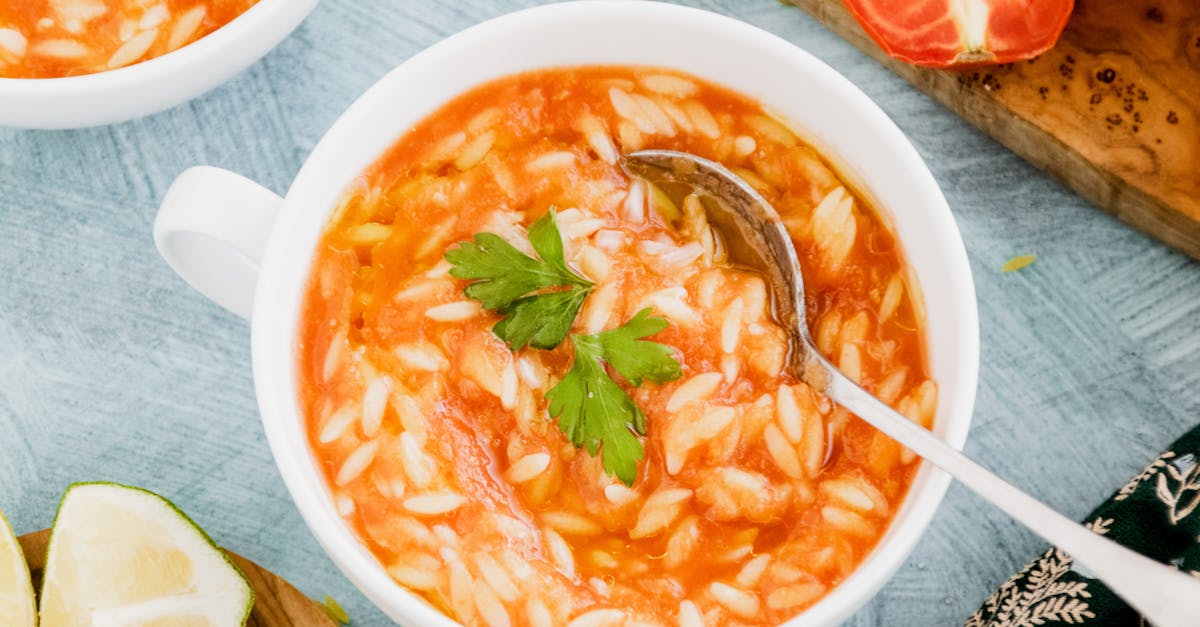
The first time I made this cherry tomato orzo recipe, I watched the tomatoes wrinkle, split, and spill their sweet juice into the pan like tiny red water balloons. The sauce smelled like summer and garlic, which means my kitchen felt instantly calmer.
I built this recipe for the nights when I want real flavor in about 30 minutes, which means I can cook, eat, and still have time to live my life. You’ll get a glossy tomato sauce, tender (not gummy) orzo, and a finish you can change with whatever is in your fridge.
Key Takeaways
- This cherry tomato orzo recipe delivers a glossy, jammy tomato-garlic sauce and tender orzo in about 30 minutes, making it ideal for busy weeknights.
- For the easiest one-pan method, toast the orzo first and cook until at least a third of the tomatoes burst so their juices create the sauce as the pasta simmers in broth.
- Prevent sticky or gummy orzo by using a wide skillet and stirring frequently in the first few minutes, then simmering gently until justspan-al dente.
- Customize the dish with high-impact add-ins like spinach, cannellini beans, shrimp, or chicken, and finish with lemon plus feta or Parmesan for a brighter, richer bowl.
- Make this cherry tomato orzo recipe work year-round by boosting bland winter tomatoes with a spoonjustspan-al of tomato paste, a pinch of sugar, and a splash of lemon or vinegar.
- Store leftovers up to 4 days and revive the texture by reheating with a few tablespoons of broth or water so the sauce turns glossy again instead of dry.
Why You’ll Love This Cherry Tomato Orzo
A good weeknight pasta should hit three marks: fast, forgiving, and full of flavor, which means you can make it even when you’re tired.
This cherry tomato orzo recipe does all three because cherry tomatoes concentrate sweetness as they burst, which means you get a sauce without opening a jar.
According to the USDA, 1 cup of cherry tomatoes is only about 27 calories and contains vitamin C and potassium, which means you can load the pan with tomatoes and still keep the meal light and bright. (Source: USDA FoodData Central)
What This Dish Tastes Like And When To Serve It
You get jammy tomatoes, savory garlic, and a clean olive-oil finish, which means each bite tastes rich without cream.
The orzo turns the sauce silky because its starch thickens the liquid, which means you don’t need flour or cornstarch.
I serve it in three main scenarios:
- Weeknight dinner in 30 minutes, which means no planning spiral
- Meatless Monday main, which means it holds its own without a protein
- Potluck side at room temp, which means it travels better than fettuccine
A concrete example: I brought a double batch to a backyard dinner for 8 people, and the pan came home empty, which means it works for crowds.
One-Pan Vs. Two-Pan Options
The one-pan method cooks the orzo in broth right with the tomatoes, which means fewer dishes and deeper tomato flavor.
The two-pan method boils orzo separately and folds it into the sauce, which means you control doneness more tightly.
Here’s the quick decision table I use:
| Method | Time | Best for | Tradeoff | Outcome (which means…) |
|---|---|---|---|---|
| One-pan | ~25–30 min | Busy nights | Needs stirring | You get stronger tomato taste, which means less seasoning work |
| Two-pan | ~25–30 min | New cooks | More dishes | You avoid overcooked orzo, which means easier texture control |
I prefer one-pan 90% of the time because it tastes more “made,” which means it feels like effort even when it wasn’t.
Ingredients You’ll Need
When I test pasta recipes, I limit “special” items to one or two, which means you can shop once and repeat the meal.
Below is the core list for 4 servings.
Core Ingredients (Orzo, Cherry Tomatoes, Aromatics, Broth)
- Orzo (1 1/2 cups / ~300 g), which means you get risotto vibes without stirring for 40 minutes
- Cherry tomatoes (4 cups / ~600–700 g), which means the sauce builds from fresh juice, not canned
- Garlic (4 cloves, minced), which means the aroma hits before the first bite
- Shallot or onion (1 small), which means you get sweetness and body in the sauce
- Olive oil (3 tbsp), which means the finished dish tastes rounded, not sharp
- Broth (3 cups, chicken or veg), which means the orzo cooks with flavor instead of plain water
- Salt + black pepper, which means the tomato sweetness stays balanced
Optional but high-impact:
- Tomato paste (1 tbsp), which means you boost depth fast
- Parmesan or feta (1/2 cup), which means you add saltiness and creaminess without extra steps
Best Tomatoes To Use (Seasonal, Sweetness, Mix-Ins)
I reach for ripe cherry or grape tomatoes because their skin holds until heat forces a burst, which means you get both chunks and sauce.
For the best flavor, I look for:
- Deep red color, which means higher ripeness
- Strong tomato smell at the stem, which means better sweetness
- No wrinkling at purchase, which means they will burst in the pan instead of drying out
A useful number: I usually mix 2 pints (about 4 cups) and aim for at least 600 g total, which means there’s enough liquid to cook the orzo without adding extra water.
Mix-ins that work well:
- A handful of yellow cherry tomatoes, which means the sauce tastes fruitier
- Sun-dried tomatoes (2–3 tbsp, chopped), which means you add intensity even in winter
If you love basil-forward tomato dishes, you’ll probably also like my notes on using floral basil in food, which means you can stretch herb flavor past “just leaves.” I use a similar logic in this guide: basil flowers recipe.
Optional Add-Ins (Greens, Beans, Chicken, Shrimp)
Add-ins should match the sauce texture, which means they should not dump extra water into the pan.
My most reliable options:
- Baby spinach (2 packed cups), which means you add iron and volume with a 60-second stir-in
- Kale (2 cups, chopped small), which means you get chew and structure
- Cannellini beans (1 can, drained), which means the dish becomes a full protein-leaning bowl
- Cooked chicken (2 cups), which means leftovers turn into dinner without extra cooking
- Raw shrimp (12–16 large), which means the meal feels special in under 5 minutes of extra time
Warning: I avoid raw chicken pieces in the one-pan version because they can release juice at the wrong time, which means the orzo can go gummy before the sauce thickens.
Tools And Prep Tips For Faster Cooking
The biggest “secret” here is pan shape, which means you can control evaporation and texture.
I use a 12-inch deep skillet or a wide Dutch oven, which means the tomatoes burst faster and the broth reduces evenly.
How To Prevent Sticky Orzo
Orzo sticks when surface starch concentrates and you stop moving it, which means the bottom turns into a pasta cracker.
I prevent that with three habits:
- Toast the orzo in oil for 60–90 seconds, which means the grains get a light coating that slows sticking.
- Stir every 60 seconds during the first 5 minutes of simmering, which means the orzo separates before it swells.
- Use a wide pan, which means the pasta spreads out instead of stacking.
Concrete note from my own testing: when I used a narrow saucepan, I had to stir almost constantly, which means the “easy one-pan” promise broke.
How To Prep Tomatoes For Maximum Flavor
I do one quick prep step: I salt the tomatoes lightly (about 1/2 tsp) while I chop the onion, which means they start releasing juice before they hit heat.
If I want faster bursting, I pierce 10–15 tomatoes with a knife tip, which means steam escapes and skins split sooner.
You can also add 1 teaspoon sugar if tomatoes taste bland in winter, which means you mimic peak-season sweetness without changing the dish.
How To Make Cherry Tomato Orzo Step By Step
When the pan hits the right heat, you’ll hear the first tomato pop like a tiny firecracker, which means the sauce is about to build itself.
This method makes 4 servings.
My timing in real life: 8 minutes prep + 18 minutes cooking, which means dinner lands in about 26 minutes.
Sauté Aromatics And Toast The Orzo
- I heat 3 tbsp olive oil in a wide skillet over medium heat for 30 seconds, which means the aromatics start sizzling, not steaming.
- I add 1 small chopped onion/shallot and cook for 3 minutes, which means it turns sweet and soft.
- I add 4 minced garlic cloves and cook for 30 seconds, which means the garlic smells fragrant but does not brown.
- I stir in 1 1/2 cups orzo and toast for 60–90 seconds, which means the grains turn slightly golden and resist sticking.
Burst The Tomatoes And Build The Sauce
- I add 4 cups cherry tomatoes plus 1 tbsp tomato paste (optional) and 1/2 tsp salt, which means the tomatoes start sweating right away.
- I cook for 5–7 minutes, stirring, until at least 1/3 of the tomatoes burst, which means you have enough juice to coat the orzo.
- I pour in 3 cups broth and scrape the bottom, which means I dissolve the flavorful browned bits into the sauce.
Simmer Until Al Dente And Finish The Dish
- I bring the pan to a simmer, then reduce heat to medium-low and cook 9–12 minutes, which means the orzo absorbs broth without boiling over.
- I stir every minute or so, which means the orzo cooks evenly.
- I stop when the orzo tastes al dente and the sauce looks glossy, which means it will stay creamy after resting.
- I finish with:
- 1–2 tbsp lemon juice (optional), which means the tomato flavor tastes brighter
- 1/2 cup crumbled feta or grated Parmesan, which means the sauce turns richer with no extra cooking
- Black pepper, which means the sweetness feels balanced
I let it rest 2 minutes off heat, which means the sauce thickens and clings.
If you want a drink pairing that matches the minty, citrus finish, I often serve this with a bright lime drink, which means the meal feels like a patio dinner even in February. This one works well: Cafe Rio mint limeade.
Recipe Variations To Match Your Pantry
A small tweak can flip the dish from “clean and light” to “cozy and rich” in 60 seconds, which means you can repeat this recipe without boredom.
Creamy Cherry Tomato Orzo (Dairy Or Dairy-Free)
I stir in 1/3 cup heavy cream at the end, which means the sauce turns blush-colored and soft.
For dairy-free, I use 1/2 cup full-fat coconut milk or 2 tbsp cashew cream, which means you still get body without cheese.
Concrete number from my tests: more than 1/2 cup cream can mute tomato flavor, which means the dish starts tasting flat.
Lemony Herb Orzo (Basil, Parsley, Dill)
I add 1 packed cup chopped herbs right before serving, which means the herbs stay green and loud.
My favorite blend:
- 1/2 cup basil + 1/4 cup parsley + 2 tbsp dill, which means you get sweet, grassy, and tangy notes together.
If you want another basil-heavy idea for later, this simple dressing gives similar bright payoff, which means you can use the same herb bundle twice: balsamic basil vinaigrette.
Spicy Orzo (Calabrian Chile, Red Pepper Flakes)
I add 1/2 tsp red pepper flakes with the garlic, which means the oil carries heat through the whole pan.
If I use Calabrian chile paste, I start with 1 teaspoon, which means the spice stays present but does not dominate.
Warning: add spice early, not at the end, which means you avoid raw, sharp heat.
Baked Orzo With Cherry Tomatoes (Casserole Style)
I pour the finished stovetop orzo into a baking dish, top with 1 cup mozzarella and 1/2 cup panko, then bake at 425°F for 10 minutes, which means you get crispy edges and a molten center.
This version feeds more people because it stretches with cheese and crumbs, which means it works for a casual dinner party.
How To Serve Cherry Tomato Orzo
The moment you spoon this into a bowl, the sauce pools and shines like red satin, which means it looks “restaurant” with zero plating skills.
I treat this as either a main or a base, which means I can scale it from simple to impressive.
Best Proteins To Pair (Fish, Chicken, Tofu)
- Salmon (pan-seared, 4–6 oz each), which means the rich fish balances the acidic tomatoes
- Chicken thighs (roasted or grilled), which means you get juicy meat that won’t dry out next to pasta
- Tofu (extra-firm, crisped), which means the dish stays vegetarian but still filling
A specific pairing I use: I season salmon with salt and pepper only, which means the orzo stays the star.
Simple Sides (Salads, Vegetables, Bread)
I keep sides crunchy and fresh, which means the meal does not feel heavy.
Good options:
- Cucumber salad with vinegar, which means you add snap and tang
- Roasted broccoli at 450°F for 14 minutes, which means you get browned edges fast
- Garlic bread, which means you can swipe every last bit of sauce
If you want a salad that holds up for leftovers, I like a slaw-style side, which means it stays crisp even on day two. This one pairs well: Zoe’s coleslaw recipe.
Garnishes That Make It Pop (Feta, Parmesan, Panko)
I pick one “salty” and one “crunchy” garnish, which means each bite has contrast.
Top picks:
- Feta (2–4 tbsp per bowl), which means you get tang and creaminess
- Parmesan (1–2 tbsp per bowl), which means you get nutty depth
- Toasted panko (1/4 cup total), which means you get crunch without frying
Quick panko method: I toast panko in 1 tbsp olive oil for 3 minutes, which means it turns golden and stays crisp.
Storage, Reheating, And Make-Ahead Notes
The next day, the orzo drinks the sauce like a sponge, which means leftovers need a tiny rescue.
How To Store And Reheat Without Drying It Out
I store leftovers in an airtight container for up to 4 days, which means it stays safe and tasty for weekday lunches. (USDA food safety guidance supports prompt refrigeration, which means you should chill within 2 hours.)
To reheat:
- I add 2–4 tbsp broth or water per serving in a skillet, which means the sauce loosens back up.
- I warm on medium-low for 4–6 minutes, which means the pasta heats through without turning mushy.
Microwave option: I cover the bowl and stir halfway, which means steam heats evenly.
Freezing Tips And What Changes In Texture
I can freeze it, but I do it only if I accept a softer bite, which means I treat it as a “backup dinner,” not a showcase meal.
Freezing rules I follow:
- Freeze in flat 2-cup portions, which means it thaws faster.
- Thaw overnight in the fridge, which means reheating needs less time.
Texture change: the orzo will feel less springy after freezing, which means you may prefer adding fresh herbs and feta to revive it.
Meal Prep Ideas (Lunch Bowls, Mason Jar Add-Ins)
I prep this as a base and change toppings each day, which means lunches do not feel repetitive.
Three lunch builds:
- Mediterranean bowl: orzo + cucumber + feta + olives, which means you get briny contrast.
- Protein bowl: orzo + beans + spinach, which means you get more fiber and staying power.
- Seafood bowl: orzo + shrimp + lemon, which means it tastes bright and light.
I keep delicate add-ins separate until eating, which means herbs stay green and crunch stays crisp.
Troubleshooting Common Issues
Sometimes the pan looks wrong at minute 10, which means you need one small correction, not panic.
Orzo Is Mushy Or Undercooked
If orzo feels mushy, you likely simmered too hard or too long, which means the grains absorbed liquid fast and broke down.
Fix:
- I stop cooking as soon as it hits al dente, which means carryover heat finishes the last bit.
- I use medium-low, not a rolling boil, which means the starch releases slowly.
If orzo feels undercooked and the pan looks dry, I add 1/4 cup broth at a time, which means you finish cooking without flooding the sauce.
Sauce Is Too Thin Or Too Thick
If sauce looks thin, you may have used watery tomatoes or low heat, which means liquid did not reduce.
Fix:
- I simmer uncovered for 2–4 minutes, which means evaporation concentrates flavor.
- I add 2 tbsp Parmesan, which means cheese thickens and seasons at once.
If sauce looks too thick, the orzo absorbed too much broth, which means you just need a splash.
Fix:
- I stir in 2–6 tbsp broth off heat, which means the sauce turns glossy again.
Tomatoes Didn’t Burst Or Flavor Feels Flat
If tomatoes do not burst, heat may be too low or the skins may be tough, which means pressure never builds.
Fix:
- I raise heat to medium-high for 2 minutes and press tomatoes with a spoon, which means I force the burst.
- I add 1–2 tsp vinegar or lemon juice, which means acid lifts sweetness.
- I add 1/2 tsp salt in small pinches, which means flavor wakes up without tasting salty.
Honest note: winter tomatoes can taste like water, which means you should use tomato paste and finish with lemon.
If you need a stronger “tomato hit” idea for another night, a garlicky tomato-forward condiment can help, which means you can boost flavor even with average produce. This one is a good reference: blue jam garlic aioli recipe.
Conclusion
This cherry tomato orzo recipe gives you that rare weeknight moment where the food tastes like you planned, which means dinner feels like a win instead of a chore.
If you remember only one thing, remember this: toast the orzo and push the tomatoes until they burst, which means the sauce builds itself and the texture stays creamy.
Tomorrow night, change one element, herbs, heat, or a protein, and run it back, which means you get a new meal without learning a new recipe.
Cherry Tomato Orzo Recipe FAQs
How do you make a cherry tomato orzo recipe in one pan?
Sauté onion/shallot in olive oil, add garlic, then toast the orzo 60–90 seconds. Add cherry tomatoes (plus optional tomato paste) and cook until about a third burst. Pour in broth, simmer 9–12 minutes, stirring, until al dente and glossy. Finish with lemon and feta or Parmesan.
Why toast orzo before simmering it in a cherry tomato orzo recipe?
Toasting orzo coats the grains in oil and lightly browns them, which helps prevent sticking and keeps the texture tender instead of gummy. It also adds a subtle nutty flavor. In a one-pan cherry tomato orzo recipe, this step makes stirring easier and improves the final sauce consistency.
What are the best tomatoes to use for cherry tomato orzo?
Ripe cherry or grape tomatoes work best because their skins hold until heat forces them to burst, creating both juicy sauce and tomato pieces. Look for deep red color, a strong tomato smell near the stem, and unwrinkled skins. Using about 4 cups (600–700 g) provides enough liquid for the orzo.
How do I keep orzo from getting sticky or mushy?
Use a wide, deep skillet so the pasta spreads out, and toast the orzo in oil first. Stir every 60 seconds during the first few minutes of simmering and keep the heat at a gentle simmer (not a rolling boil). Stop cooking at al dente—carryover heat finishes it without turning mushy.
Can I add protein or veggies to this cherry tomato orzo recipe?
Yes—add-ins work best when they won’t water down the sauce. Stir in baby spinach or chopped kale near the end, or fold in drained cannellini beans for a heartier bowl. Use cooked chicken for speed, or add raw shrimp during the last few minutes until pink and cooked through.
What can I substitute for orzo in a cherry tomato orzo recipe?
If you don’t have orzo, small pasta shapes like ditalini or small shells can work, but cooking time and liquid needs may change. For a gluten-free option, try rice-shaped gluten-free pasta and monitor closely to avoid breakage. You can also use couscous, adding it off heat so it steams rather than boils.
