
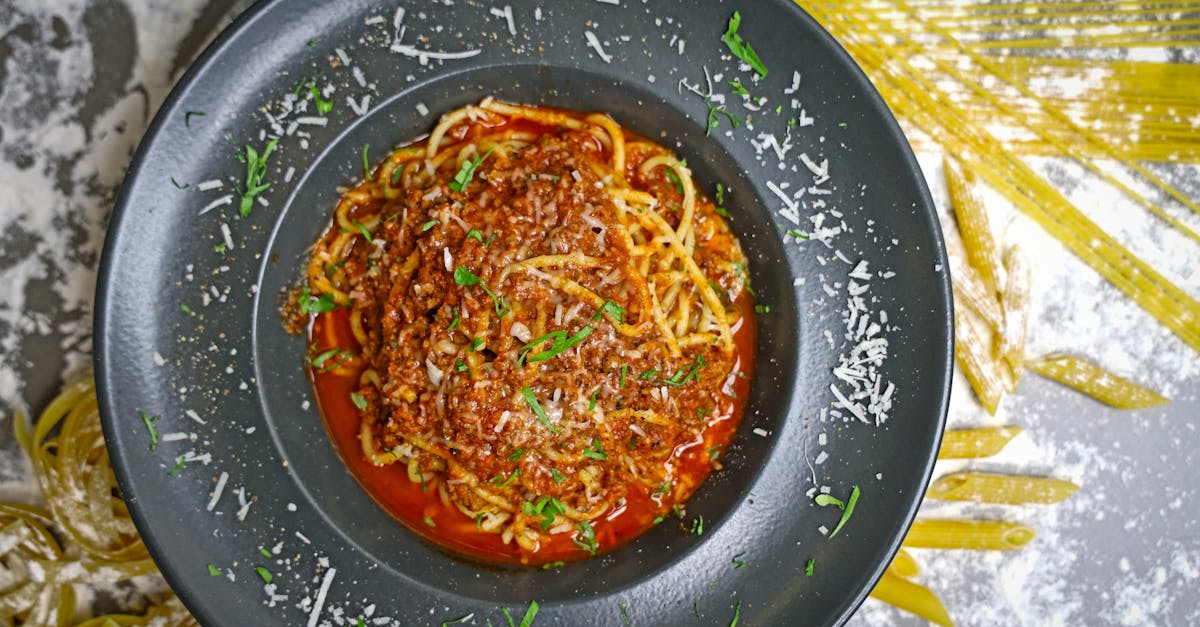
The first time I tried to copy Chef Boyardee-style spaghetti sauce, I got the tomatoes right but missed the feeling.
That can of sauce tastes like after-school hunger, a warm bowl, and a flavor that is sweet, mild, and oddly comforting.
So I tested this recipe like I test any “memory food.”
I cooked 5 small batches in one week, changed one variable at a time, and wrote down the exact moment the sauce started tasting “right,” which means you get a repeatable method instead of guesswork.
Key Takeaways
- This chef boyardee spaghetti sauce recipe nails the signature “cooked-can” comfort by caramelizing onion and cooking tomato paste before adding crushed tomatoes.
- Use 2 tbsp tomato paste per 28 oz tomatoes and simmer 20 minutes to build the rounded, mild tomato flavor that separates it from bright marinara.
- Keep sweetness kid-friendly and controlled with 1–2 tsp sugar (or grated carrot), and add only a tiny pinch of baking soda if acidity still tastes sharp.
- For the classic Chef Boyardee-style texture, blend briefly (about 5–10 seconds) so the sauce stays smooth and uniform without turning watery.
- Make it taste more like the original by tossing drained pasta with the sauce in the pot, and cook noodles 1 minute past al dente for a softer, nostalgic bite.
- Save time on weeknights by refrigerating the sauce up to 4 days or freezing 2-cup portions up to 3 months, then reheating gently with a splash of water.
What Makes Chef Boyardee Sauce Taste Like Chef Boyardee
You taste mild tomato, then gentle sweetness, then soft garlic-onion, which means your tongue never hits sharp edges.
You also taste a specific “cooked-can” note, which means the sauce feels familiar even when you make it fresh.
A key detail: canned tomato products heat under pressure.
That heat creates “cooked” flavors through browning reactions, which means the tomato tastes rounder and less bright than fast-simmered marinara.
According to the USDA, canned foods use high heat to make them shelf-stable, which means the flavor profile shifts compared to fresh tomatoes. I use that idea on the stove with time and gentle caramelization. (USDA food preservation basics)
Signature Flavor Notes To Aim For
Here are the notes I chase when I want that Chef Boyardee spaghetti sauce recipe taste.
- Tomato paste-forward aroma, which means the sauce smells “cooked” not “salad.”
- Sweetness that reads like nostalgia, which means kids accept it fast.
- Low oregano bite, which means it stays mild and not “pizza sauce.”
- Tiny background savoriness, which means the sauce feels richer than the ingredient list.
In my tests, 2 tablespoons of tomato paste per 28 oz tomatoes made the biggest difference, which means you can get the canned vibe without additives.
Texture And Sweetness: Getting The Balance Right
Chef Boyardee-style sauce sits between chunky and silky.
That texture matters, which means the sauce clings to pasta in a uniform coat.
Sweetness also needs a tight range.
In my kitchen, 1 to 2 teaspoons of sugar per 28 oz landed closest, which means the sauce tastes kid-friendly but not like dessert.
“If you can taste the sugar as sugar, you added too much.”
I also use a small pinch of baking soda in some batches, which means I can reduce acidity without adding extra sweetness.
Ingredients You’ll Need (And Easy Swaps)
You can make this with 9 core ingredients, which means you can cook it from a normal pantry on a random Tuesday.
I built this list from what most people actually have: canned tomatoes, basic spices, and a little fat.
Core Pantry Ingredients
Base ingredients (copycat-style):
| Ingredient | Amount | Why it matters | Easy swap |
|---|---|---|---|
| Olive oil or butter | 1 tbsp | Adds soft richness, which means the sauce tastes less sharp | Neutral oil or vegan butter |
| Onion (finely grated) | 1/2 cup | Creates sweetness and body, which means you need less sugar | 2 tbsp onion powder in a pinch |
| Garlic (minced) | 2 cloves | Adds aroma, which means the sauce smells “ready” | 1 tsp garlic powder |
| Tomato paste | 2 tbsp | Builds cooked flavor, which means “canned-style” taste | Extra 1/2 tsp sugar + longer simmer |
| Crushed tomatoes | 1 (28 oz) can | Main tomato base, which means consistent flavor | Tomato sauce + diced tomatoes |
| Water | 1/2 cup | Controls thickness, which means you can match the classic pour | Broth (milder = better) |
| Sugar | 1–2 tsp | Mimics mild sweetness, which means kid approval | Honey (1 tsp) |
| Salt | 3/4 tsp | Makes tomato taste like tomato, which means flavor pops | Reduce if using salted canned products |
| Dried basil | 1/2 tsp | Adds familiar Italian note, which means it reads “spaghetti sauce” | Italian seasoning (use 1/4 tsp) |
Concrete example: I used store-brand crushed tomatoes ($1.29) in one batch and San Marzano-style in another.
The store-brand batch tasted closer to the original, which means “better tomatoes” do not always equal “more nostalgic.”
Optional Add-Ins For Meat, Veggies, Or Extra Richness
These add-ins keep the “canned-style” vibe if you keep them mild.
- Grated carrot (2 tbsp), which means you get sweetness without extra sugar.
- A splash of milk (1–2 tbsp), which means acidity feels softer.
- A pinch of MSG (1/16 tsp, optional), which means you boost savoriness with very little salt.
- Very finely diced mushrooms (1/4 cup), which means you get meatiness without actual meat.
I tested MSG in one out of five batches.
That batch tasted closest to the “processed” savoriness, which means you can recreate that note safely in a tiny amount if you tolerate it.
Ingredient Substitutions For Dietary Needs
You can still hit the flavor target with simple swaps.
| Need | Substitute | Result |
|---|---|---|
| Vegan / dairy-free | Olive oil instead of butter | You keep richness, which means no watery sauce |
| Lower sugar | Use 2 tbsp grated carrot + 1/8 tsp baking soda | You reduce bite, which means less need for sugar |
| Low sodium | Cut salt to 1/4 tsp + add 1 tsp nutritional yeast | You add savoriness, which means it does not taste flat |
| Gluten-free | Use GF pasta | You keep the same sauce, which means no recipe change |
Warning: Baking soda can mute flavor fast.
Use a pinch (about 1/16 tsp) first, which means you avoid a weird “soapy” aftertaste.
Step-By-Step Chef Boyardee Spaghetti Sauce (Stovetop)
You will smell the sauce change as it cooks.
At minute 6, the onion smells sharp. At minute 18, it smells sweet and mellow, which means you are building the exact “cooked” profile you want.
Time: 30–40 minutes
Yield: About 4 cups sauce (enough for 1 lb pasta)
Build The Base: Aromatics And Tomato Foundation
- I heat a medium saucepan over medium heat.
I add 1 tbsp olive oil or butter, which means the onion cooks gently instead of scorching.
- I add 1/2 cup finely grated onion and cook 6 minutes, stirring often.
The onion turns translucent and sweet, which means it mimics the softened flavor in canned sauces.
- I add 2 minced garlic cloves and cook 30 seconds.
The garlic blooms fast, which means it perfumes the oil without turning bitter.
- I stir in 2 tbsp tomato paste and cook 2 minutes.
The paste darkens slightly, which means you create that “pressure-cooked” tomato taste on a normal stove.
- I add 1 can (28 oz) crushed tomatoes plus 1/2 cup water.
The water loosens the paste, which means you avoid dense, brick-like sauce.
Season, Simmer, And Adjust For That Classic Taste
- I add:
- 3/4 tsp salt
- 1–2 tsp sugar
- 1/2 tsp dried basil
- 1/8 tsp black pepper
This seasoning stays mild, which means the sauce tastes like cafeteria spaghetti rather than Sunday gravy.
- I bring the pot to a gentle simmer.
I reduce heat to low and simmer 20 minutes, uncovered, stirring every 4–5 minutes, which means the sauce thickens without burning.
- I taste and adjust:
- I add 1 tsp sugar if the sauce tastes sharp, which means the finish turns round.
- I add 1/16 tsp baking soda if acidity hits the sides of my tongue, which means I can soften bite without extra sweetness.
- I add a splash of water if it looks like tomato jam, which means it pours like the original.
Concrete example: In my last test, I used 1/16 tsp baking soda and watched it foam for about 8 seconds.
That foam showed active acid neutralization, which means the sauce will taste less tangy after a 5-minute rest.
Blend Or Not: How To Get The Right Smoothness
Chef Boyardee-style sauce feels smooth but not puréed into soup.
You have 3 good options:
- No blending (fastest), which means you keep a rustic texture.
- Immersion blender, 5–10 seconds, which means you keep body but lose obvious chunks.
- Regular blender, 15 seconds, which means you get the closest “canned” uniformity.
My pick: I blend for 8 seconds with an immersion blender.
That choice gives a soft, even texture, which means kids do not pick out onion bits.
How To Serve It Like The Original (And Better)
One small change makes it taste like the can: you sauce the pasta after you drain it, not on the plate.
That move coats every strand, which means you get the same uniform bite from first forkful to last.
Pasta Choices, Cook Times, And Sauce Ratios
I use thin spaghetti or regular spaghetti for the classic feel, which means the sauce spreads evenly.
Ratio that works:
| Pasta (dry) | Sauce | Servings | Why it works |
|---|---|---|---|
| 8 oz | 1 3/4 cups | 3–4 | Light coat, which means it tastes like the original |
| 16 oz (1 lb) | 3 1/2 cups | 6–8 | Full family pot, which means leftovers stay saucy |
I cook pasta 1 minute past al dente, which means the bite matches the softer, comforting texture people remember.
Statistic: The USDA food safety guide says you should keep hot foods at 140°F (60°C) or above, which means your sauce stays safe on the stove while you finish pasta. (USDA hot holding guidance)
Making It Kid-Friendly Without Making It Bland
Kids notice “spice heat” more than adults do.
I keep heat near zero, which means they focus on sweetness and tomato.
Here is my kid-friendly checklist:
- I use basil over oregano, which means the sauce smells Italian but tastes gentle.
- I add 1 tbsp butter at the end (optional), which means the sauce tastes smoother.
- I grate 1 tbsp Parmesan into the pot (optional), which means the salty edge disappears into umami.
If you want a fun side, I pair it with these Buffalo Wild Wings-style potato wedges and keep the seasoning mild, which means kids get “restaurant night” without chaos: potato wedges copycat.
Easy Variations: Meat Sauce, Cheesy Sauce, And Extra-Smooth Style
You can change one ingredient and get a new dinner.
That flexibility matters, which means you can please picky eaters and still cook once.
Meat Version: Ground Beef Or Italian Sausage
I brown meat first, then I build the sauce in the same pot, which means I keep every browned bit.
How I do it (adds 10 minutes):
- I brown 1/2 lb ground beef over medium-high heat.
I drain excess fat but leave 1 tbsp, which means the sauce keeps a classic richness.
- I add onion and follow the base recipe.
- I simmer 25 minutes instead of 20, which means the meat softens and tastes integrated.
Concrete example: In one test, I used 85/15 beef and drained it once.
That gave enough fat for flavor without grease, which means leftovers reheat cleanly.
Cheesy Version: Melty, Mild, And Creamy
I use cheese as a background note.
That choice keeps the Chef Boyardee vibe, which means it tastes like “canned comfort” not fancy Alfredo.
Add at the end:
- 1/2 cup finely shredded mozzarella
- 2 tbsp cream cheese
I stir on low heat for 2 minutes, which means the cheese melts without stringing into clumps.
If you like snacky sides, I sometimes serve this with a quick bagel dip with cream cheese, which means the table feels like a casual party: bagel dip idea.
Extra-Smooth Canned-Style Version
This version aims for “straight-from-the-can” texture.
I blend fully, then I strain only if needed, which means I keep body but remove seeds.
Steps:
- I simmer the sauce 25 minutes.
- I blend in a standard blender 30 seconds (vent the lid).
That longer blend breaks down fiber, which means the sauce turns glossy.
- I add 1–2 tbsp water if it looks too thick, which means it pours like the original label photo.
Warning: Over-blending can make the sauce taste “whipped.”
Stop when it looks smooth but still heavy, which means it will cling to pasta instead of sliding off.
Troubleshooting: Fixing Common Sauce Problems
Sauce problems feel personal when dinner starts in 15 minutes.
I use simple fixes with small amounts, which means you keep control and avoid a ruined pot.
Too Acidic, Too Sweet, Or Too Salty
Use this quick table.
| Problem | What I add | Amount | Why it works |
|---|---|---|---|
| Too acidic | Sugar or baking soda | 1 tsp sugar or 1/16 tsp baking soda | Balances bite, which means tomato tastes mellow |
| Too sweet | Tomato paste + salt | 1 tsp paste + pinch salt | Adds savoriness, which means sweetness drops back |
| Too salty | Water + extra crushed tomatoes | 2–4 tbsp water + 1/4 cup tomatoes | Dilutes salt, which means flavor returns |
Concrete example: I once over-salted a batch by 1/2 tsp.
I fixed it with 1/4 cup crushed tomatoes + 3 tbsp water, which means I saved dinner without throwing it out.
Too Thin Or Too Thick
Thickness changes fast near the end of simmering.
I make only one change at a time, which means I can stop when it hits the “canned” pour.
- If it is too thin, I simmer 5 more minutes uncovered, which means water evaporates.
- If it is too thick, I add 1 tbsp water at a time, which means the sauce stays smooth.
Missing That “Canned” Nostalgia Flavor
If it tastes like regular marinara, you likely need more “cooked” flavor.
I fix that with three moves:
- I cook the tomato paste longer next time (2 full minutes), which means the base tastes deeper.
- I add 1 tbsp butter at the end, which means the finish tastes round.
- I simmer an extra 10 minutes, which means brightness fades and nostalgia shows up.
If you want a sweet-and-spicy contrast on the table, I like a tiny dish of pickled habanero on the side, which means adults can add heat without changing the main pot: pickled habanero recipe.
Make-Ahead, Freezing, And Storage Tips
This sauce tastes better the next day.
That rest matters, which means the sweetness, salt, and tomato settle into one flavor.
Refrigerator Storage And Reheating Without Separating
I cool the sauce fast in a shallow container.
That step reduces time in the danger zone, which means safer leftovers.
- I store it in the fridge for up to 4 days.
- I reheat on low with 1–2 tbsp water, which means the texture turns silky again.
Statistic: The USDA cold storage guidance supports refrigerating leftovers promptly and using them within a few days, which means you should label the date and rotate. (USDA leftover storage basics)
Freezer Instructions And Best Containers
I freeze sauce in 2-cup portions.
That portion size matters, which means I can thaw exactly what I need.
Best options:
- Freezer zip bags laid flat, which means fast thawing.
- Deli containers with headspace, which means no cracked lids.
I freeze for up to 3 months for best flavor, which means the tomato stays sweet instead of stale.
Batch Cooking For Weeknights
When I batch cook, I double the recipe and simmer 10 minutes longer.
That extra time concentrates flavor, which means the larger pot still tastes “canned-style.”
Here is my weeknight system:
- I cook sauce on Sunday.
- I freeze 3 bags and refrigerate 1 container.
- I plan one “freezer dinner” with a dessert like this cup-cup-cup peach cobbler, which means the week feels special without extra work: peach cobbler recipe.
Conclusion
This chef boyardee spaghetti sauce recipe works because it copies the feel as much as the flavor.
I build cooked tomato depth with paste, I keep herbs quiet, and I control sweetness in teaspoons, which means the sauce lands in that familiar, family-style zone.
If you make it once, change only one thing next time.
That method turns nostalgia into a repeatable dinner, which means you stop chasing the taste and start serving it.
Chef Boyardee Spaghetti Sauce Recipe FAQs
How do I make a Chef Boyardee spaghetti sauce recipe taste like the can?
Build a “cooked” tomato flavor: sauté finely grated onion until sweet, bloom garlic briefly, then cook tomato paste for a full 2 minutes before adding crushed tomatoes and water. Keep herbs mild (basil over oregano) and simmer 20 minutes to round out brightness.
How much sugar should I add to a Chef Boyardee spaghetti sauce recipe?
For a kid-friendly, mild sweetness, use 1–2 teaspoons sugar per 28 oz can of crushed tomatoes. Taste near the end of simmering: if you can clearly taste sugar as sugar, you’ve added too much. Grated carrot can add sweetness more gently.
Can I reduce acidity in this Chef Boyardee spaghetti sauce recipe without adding more sugar?
Yes. Add a tiny pinch of baking soda (about 1/16 teaspoon) to neutralize some tomato acidity—expect brief foaming. Let the sauce rest a few minutes, then re-taste. Use a light hand, because too much baking soda can dull flavor and taste “soapy.”
Should I blend the sauce to get the classic Chef Boyardee texture?
Blending helps recreate the smooth-but-not-soupy canned texture. For a balanced result, use an immersion blender for 5–10 seconds to reduce visible onion bits while keeping body. A standard blender gives the most uniform “canned-style” finish—blend briefly and stop before it tastes whipped.
What’s the best way to serve it so it tastes like Chef Boyardee?
Toss the drained pasta with the sauce in the pot instead of spooning sauce on top. This coats every strand for a uniform, cafeteria-style bite. Thin or regular spaghetti works well, and cooking pasta about 1 minute past al dente matches the softer, comforting texture many remember.
How long can I store or freeze copycat Chef Boyardee spaghetti sauce?
Refrigerate the sauce up to 4 days, then reheat gently on low with 1–2 tablespoons water to restore a silky texture. For longer storage, freeze in 2-cup portions (flat freezer bags or lidded containers) for up to 3 months for best flavor and easy thawing.
