
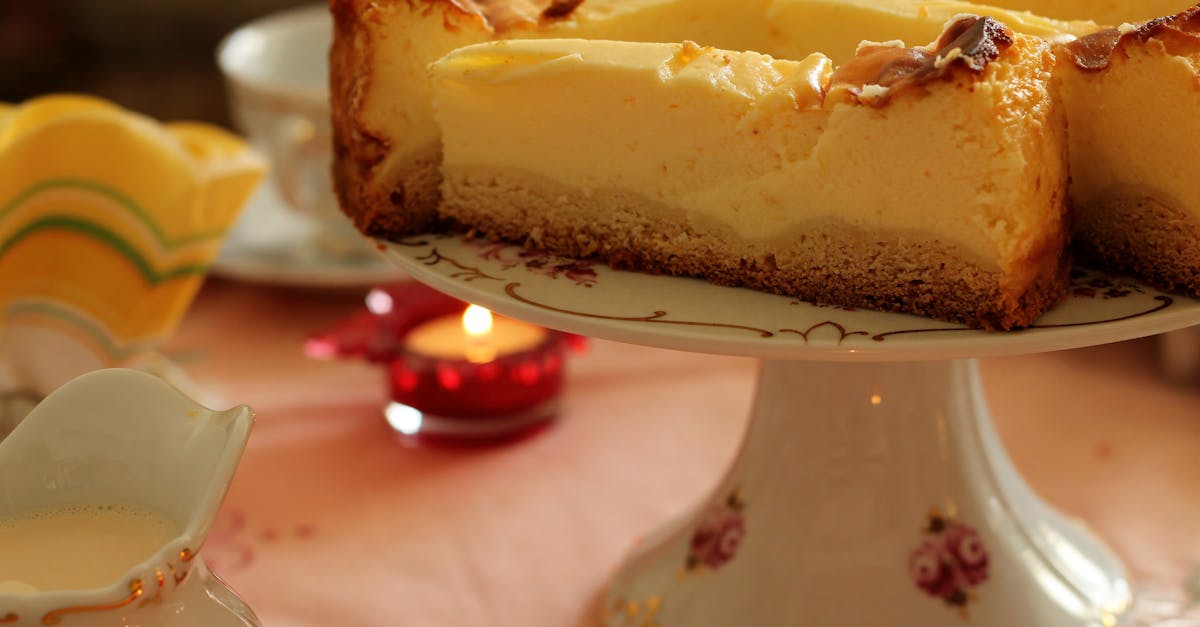
The first time I served a carnivore cheesecake, someone asked, “Wait… what’s the crust made of?”
I said, “Nothing.”
That pause, then the first bite, told me everything. You don’t need flour, nuts, or even a sugar substitute to make cheesecake taste like a real dessert.
In this guide, I’ll show you my go-to carnivore cheesecake recipe with clear steps, exact temps, and the small decisions that make the texture come out dense, creamy, and clean-slicing which means you get a dessert you can repeat without drama.
Key Takeaways
- A carnivore cheesecake recipe stays animal-based by using dairy, eggs, and salt only—no flour, nuts, fruit, or plant sweeteners—so the flavor is clean and dairy-forward.
- Bring cream cheese, sour cream, and eggs to room temp (about 60 minutes) to mix a smooth batter and avoid stubborn lumps or oily separation.
- Mix on low and stop when the batter turns glossy and uniform to prevent excess air, which helps you avoid a puffy top, sinking, and cracks.
- Bake at 300°F until the center reaches 150–155°F and still jiggles, then cool slowly and chill 6–12 hours so the cheesecake sets creamy and slices clean.
- Use lactose sparingly (1–2 tbsp) or go unsweet to keep the dessert carnivore, and start small if you’re sensitive to lactose.
- Keep it simple on your first run with a crustless bake, then add an optional pork rind crust or egg-white-and-cheese crisp base once you want extra crunch.
What Makes A Cheesecake “Carnivore” (And What To Expect)
A carnivore cheesecake uses animal-based ingredients only, which means you avoid plant foods like flour, nuts, fruit, honey, cocoa, and most zero-cal sweeteners.
This cheesecake relies on dairy fat + egg protein for structure, which means the texture turns out more like a classic New York-style cheesecake than a fluffy cake.
You should expect a flavor that tastes milder and more “dairy-forward”, which means any small changes (salt level, browning, bake time) show up fast.
Surprise: cheesecake already sits close to carnivore. A standard cheesecake filling is mostly cream cheese, eggs, and cream.
Carnivore rules (the version I use)
- I use dairy + eggs + salt, which means the ingredient list stays short.
- I skip vanilla and lemon, which means I keep it strict.
- I add optional browned butter or lactose, which means I can still get “dessert” notes without plants.
A quick data point for expectations
USDA food data lists cream cheese at roughly 33g fat per 100g (brand varies), which means your cheesecake will set from fat firming as it chills, not from starches or flours. Source: USDA FoodData Central.
Honest warning
This is not a copy of sugary bakery cheesecake, which means if you want a big sweet hit you may feel “something is missing” on day one.
Your taste often adapts after a week or two of low-sweet eating, which means many carnivore eaters end up preferring the clean, creamy finish.
Ingredients You’ll Use (And Why They Work)
When I test recipes, I change one variable at a time, which means I can tell if texture problems come from heat, mixing, or dairy choice.
Below is the ingredient set that gives me the most consistent results, which means fewer cracks, fewer wet centers, and better slices.
Base recipe (one 9-inch cheesecake, 10–12 slices)
| Ingredient | Amount | What it does | Which means… |
|---|---|---|---|
| Full-fat cream cheese | 24 oz (680g) | Main body + tang | you get classic cheesecake flavor and a firm set |
| Eggs (large) | 3 whole | Structure | you get slices that hold without gumminess |
| Egg yolk (optional) | 1 | Extra richness | you get a smoother mouthfeel |
| Heavy cream | 1/2 cup (120g) | Softens texture | you get a creamier center |
| Sour cream (or more cream) | 1/2 cup (120g) | Balances tang + moisture | you get less “dense brick” feel |
| Fine salt | 1/4 tsp | Flavor lift | you taste more sweetness from dairy |
| Lactose (optional) | 1–2 tbsp (12–25g) | Dairy sweetness + browning | you get mild caramel notes without plants |
Dairy Choices: Cream Cheese, Mascarpone, Sour Cream, And Heavy Cream
Cream cheese brings acidity and body, which means the cake tastes like cheesecake and not like baked custard.
Mascarpone brings buttery fat with less tang, which means it can smooth out sharpness.
When I swap in mascarpone, I replace up to 8 oz of the cream cheese, which means the cake stays stable.
Sour cream adds moisture plus lactic tang, which means you get a softer bite without going runny.
Heavy cream loosens the batter, which means you can avoid a dry, chalky finish.
Concrete example: In my kitchen test, a 100% cream cheese version sliced clean but felt heavier, which means I now keep sour cream in the recipe for balance.
Sweetness Options Without Plants: Lactose, Dairy-Based Sweeteners, And Going Unsweet
If you want strict carnivore, you can go unsweet, which means you rely on natural dairy sweetness.
If you want a gentle dessert note, I use lactose powder in small amounts, which means you add sweetness using a milk sugar rather than a plant sweetener.
Lactose is less sweet than sucrose at about 16–20% of table sugar’s sweetness (varies by reference), which means you should not expect it to taste like a standard cheesecake. Source: International Dairy Foods Association (general dairy ingredient references).
Honest warning: Some people handle lactose poorly, which means you should start with 1 tablespoon and see how you feel.
If you need very low lactose, you can use lactose-free cream cheese and lactose-free sour cream, which means you reduce digestive issues while keeping the same method.
Eggs, Salt, And Flavor Add-Ins That Stay Carnivore
Eggs set the custard, which means overbaking turns them grainy.
Salt sharpens flavor, which means the cheesecake tastes sweeter without adding sweetener.
Carnivore-safe add-ins I actually use:
- Browned butter (strained), which means you get nutty aromas from milk solids.
- Extra yolk, which means you get a silkier texture.
- A pinch more salt, which means the finish tastes “buttery” instead of flat.
If you like savory-sweet contrast, you can serve slices with a tiny spoon of salty topping like in these Trader Joe’s chili onion crunch ideas, which means you get punchy flavor without needing fruit sauce.
Tools And Prep For Consistent Results
Cheesecake rewards boring prep, which means the small setup steps save you from cracks and wet centers.
I learned that after I ruined one cake by rushing the cooling step, which means I now treat cooling as part of baking.
My short tool list
| Tool | Why I use it | Which means… |
|---|---|---|
| Digital thermometer | Checks internal temp | you stop guessing and avoid overbake |
| Stand mixer or hand mixer | Smooth batter | you reduce lumps without excess air |
| Rubber spatula | Scrape bowl | you prevent streaks of cream cheese |
| Springform pan or loaf pan | Shape | you control thickness and bake time |
| Roasting pan (if water bath) | Even heat | you lower crack risk |
Pan Options: Springform Vs. Loaf Pan Vs. Muffin Tins
A 9-inch springform gives the classic height, which means you get that bakery-style wedge.
A loaf pan (9×5) bakes deeper, which means you must lower temperature or extend time.
Muffin tins bake fast, which means you get portion control and quick chilling.
Concrete example: I bake muffin-size cheesecakes for travel in about 18–22 minutes, which means I can chill and serve them the same day.
Water Bath Vs. No Water Bath: When Each Makes Sense
A water bath adds humid heat, which means the edges bake slower and the top cracks less.
No water bath saves time, which means it works best when you bake lower and cool slowly.
I use a water bath when:
- I want a pristine top, which means I plan to serve it plain.
- I use a tall pan, which means the center needs gentle heat.
I skip the water bath when:
- I bake minis, which means they set fast anyway.
- I accept minor cracks, which means I save setup effort.
Practical warning: A leaking springform can ruin a water bath.
I wrap the pan with two layers of heavy-duty foil, which means water stays out of the cake.
How To Make Carnivore Cheesecake (Step-By-Step)
The first time you pull this from the oven, the center will still wobble like soft jelly, which means you did it right.
Cheesecake finishes setting in the fridge, which means you should not chase a “fully firm” center while it bakes.
Step-by-step overview
Total time: about 1 hour active + 6–12 hours chilling, which means this is a make-ahead dessert.
Step 1: Bring dairy to the right temperature
- Put cream cheese, sour cream, and eggs on the counter for 60 minutes, which means the batter mixes smooth.
- Keep them below 70°F if your kitchen runs hot, which means you reduce oily separation.
Concrete example: When I mix cold cream cheese, I get tiny lumps that never disappear, which means the slice looks speckled.
Step 2: Preheat and prep the pan
- Heat oven to 300°F.
- Grease the pan lightly with butter, which means the sides release clean.
- Optional: line the bottom with parchment, which means you can lift slices without sticking.
Step 3: Make the crustless base (or optional carnivore crust)
Make The Crustless Base (Or Optional Carnivore Crust)
- Use no crust and pour batter straight in, which means you get maximum creamy filling.
- If you want a crust, choose one from the crust section below, which means you add crunch without plants.
Step 4: Mix the batter without over-aerating
Mix The Batter Without Over-Aerating
- Beat cream cheese on low for 60–90 seconds until smooth, which means you avoid air pockets.
- Add salt and lactose (if using), which means sweetness and flavor spread evenly.
- Add eggs one at a time on low, which means you limit foam.
- Add sour cream and heavy cream, which means the batter loosens and bakes silkier.
- Scrape the bowl twice, which means you prevent hidden lumps.
Rule I follow: I stop mixing when the batter looks glossy and uniform, which means I avoid a puffy cake that collapses.
Step 5: Bake, cool slowly, and chill for the right set
Bake, Cool Slowly, And Chill For The Right Set
- Pour batter into pan and tap once on the counter, which means bubbles rise.
- Bake at 300°F for 55–70 minutes for a 9-inch cake, which means you aim for a set edge and jiggly center.
- Check internal temp and stop at 150–155°F in the center, which means carryover heat finishes the set.
- Turn off oven and crack the door for 30 minutes, which means the cake cools without shock.
- Cool on counter for 60 minutes, which means steam escapes.
- Chill uncovered for 2 hours, then cover and chill at least 6 hours, which means slices turn clean.
Safety note: The USDA recommends cooking egg dishes to 160°F for safety, which means you should decide your comfort level and risk tolerance. Source: USDA Food Safety and Inspection Service.
I still pull at 150–155°F for texture, which means I rely on carryover heat and long chill.
If you need to align closer to 160°F, you can bake to 158–160°F and accept a slightly firmer texture, which means you trade silkiness for caution.
A quick “if it went wrong” table
| Problem | Likely cause | Fix | Which means… |
|---|---|---|---|
| Puffy top, then sink | Too much air | Mix on low | you get a level surface |
| Grainy bite | Overbaked | Pull earlier | you keep it creamy |
| Wet center after chilling | Underbaked | Add 5–10 min next time | you get reliable slices |
| Cracks | Fast cooling | Slow cool in oven | you keep the top smooth |
If you want another strict dessert idea for a different day, I use this simple easy donut glaze as a reference point for how texture changes with sugar, which means you can better judge what lactose will and will not do here.
Carnivore Crust Options (Optional)
A crust changes the whole bite in one second, which means you can make this feel like “real dessert” even without plants.
I treat crust as optional because crust adds variables, which means crustless is the easiest path to a consistent first try.
Quick comparison
| Crust type | Crunch | Prep time | Best for | Which means… |
|---|---|---|---|---|
| Pork rind crust | High | 10 min | “graham-ish” vibe | you get crunch with zero flour |
| Egg white + cheese crisps | Medium | 15–20 min | ultra-strict dairy | you get a savory base that still works |
Pork Rind “Graham” Crust Variation
Pork rinds crush into dry crumbs, which means they mimic crumb crust texture.
Ingredients
- Pork rinds, finely crushed: 2 cups (about 60g), which means the crust stays light.
- Melted butter: 4 tbsp (56g), which means the crumbs bind.
- Pinch of salt, which means the crust tastes balanced.
Steps
- Heat oven to 325°F.
- Mix crumbs, butter, and salt, which means every crumb gets coated.
- Press into pan with a flat cup, which means you get even thickness.
- Bake 8 minutes, which means you dry it out for crunch.
- Cool 10 minutes, which means the butter firms before filling.
Warning: Some pork rinds taste strongly porky, which means you should choose a mild brand.
Egg White And Cheese Crisps Crust Variation
Egg white bakes into a thin sheet, which means it forms a clean base.
Ingredients
- Egg whites: 2, which means you get a light binder.
- Finely grated hard cheese (Parmesan or aged cheddar): 1/2 cup (50g), which means you get crispness.
Steps
- Whisk whites until foamy, which means they spread easier.
- Stir in cheese, which means it melts into a lattice.
- Spread thin in a parchment-lined pan, which means it lifts clean.
- Bake at 350°F for 10–12 minutes until golden, which means it turns crisp.
- Press into the cheesecake pan while warm, which means it forms to the shape.
Honest assessment: This crust reads savory, which means it pairs best with unsweet cheesecake.
If you want a savory side plate for a party table, I like a smoky protein prep like this cornish hen brine nearby, which means guests treat the cheesecake as part of a full carnivore spread.
Texture And Doneness: How To Nail Creamy Every Time
You can watch a cheesecake change texture in real time as it cools, which means you can learn doneness by feel.
I used to bake until the center looked firm, which means I overbaked every single time.
Jiggle Test, Internal Temp, And Carryover Setting
Use all three checks, which means you avoid false signals.
- Jiggle test: the outer 2 inches look set and the center jiggles like thick gelatin, which means the center still has moisture.
- Internal temp: pull at 150–155°F, which means the eggs set without curdling.
- Carryover + chill: the cake keeps cooking for about 10–20 minutes, which means the final set happens later.
Concrete example: My 9-inch cake usually hits 152°F at 62 minutes in my oven, which means your oven may differ and a thermometer helps.
Preventing Cracks, Weeping, And Graininess
Cracks come from fast expansion or fast cooling, which means steady heat and slow cooling fixes most issues.
Weeping (watery beads) often comes from overbaking or rapid temperature swings, which means you should cool gradually.
Graininess comes from egg proteins tightening, which means you should avoid high oven temps.
My “no drama” rules
- I bake at 300°F, which means the custard sets gently.
- I mix on low speed, which means I trap less air.
- I cool in the oven with the door cracked, which means the top stays calmer.
- I chill overnight when possible, which means the slices turn neat.
Small but real detail: If you smell “scrambled eggs,” you baked too hot, which means the proteins tightened past the creamy zone.
Flavor Variations That Stay Carnivore
One browned pan can make the whole kitchen smell like toasted milk candy, which means you can create dessert aroma without vanilla.
I use these variations when I want the same base method but a different mood.
Brown Butter Cheesecake
Brown butter adds toasted milk solids, which means you get nutty notes with only dairy.
How I do it
- Melt 6 tbsp butter in a light pan.
- Cook until the solids turn deep golden and smell like hazelnut, which means browning happened.
- Cool 10 minutes.
- Blend into the batter with the cream, which means the fat spreads evenly.
Concrete example: I browned butter to about 285–300°F (measured once with an instant-read), which means I can repeat the same depth of flavor.
Salted “Caramel” Notes Using Lactose And Browning
Lactose browns faster than you expect, which means you can create a light caramel note.
Method
- Add 1–2 tbsp lactose to the batter.
- Bake until the top turns pale gold, which means surface browning started.
- Finish with two tiny pinches of flaky salt on slices, which means the sweetness reads stronger.
Warning: Too much lactose can taste “milky-sweet” in a flat way, which means you should keep it modest.
High-Protein Version With Strained Dairy
Strained dairy boosts protein and thickens batter, which means you get a denser, more filling slice.
Swap
- Replace sour cream with 3/4 cup (170g) strained Greek yogurt only if you allow it, which means you raise protein.
Data point: Many strained Greek yogurts list 15–17g protein per 170g serving on the label, which means one slice can feel like a snack instead of a treat.
If you want a totally different sweet project for non-carnivore family members, I’ve used this glossy bing tang hu lu method as a “contrast dessert” at the same party, which means everyone gets something while you keep your own plate on-plan.
Serving, Storage, And Make-Ahead Tips
The best slice happens when the knife glides through like warm butter, which means temperature matters as much as the recipe.
I serve this after a long chill and a short warm-up, which means the texture hits that creamy zone.
Clean Slices: Cutting, Plating, And Softening Time
- Chill at least 6 hours, which means the fat firms and the center sets.
- Dip a chef’s knife in hot water and wipe dry, which means the cut edge stays smooth.
- Cut one slice at a time and clean the blade between cuts, which means the wedges look sharp.
- Let slices sit at room temp 10–15 minutes, which means the flavor opens up.
Concrete example: At 40°F fridge temp, the cake tastes muted, which means that 10-minute rest changes everything.
Refrigerating, Freezing, And Thawing Without Texture Loss
Fridge: Store covered for up to 5 days, which means you can prep for a week of desserts.
Freezer: Freeze slices on a tray for 2 hours, then wrap tight, which means you avoid freezer burn.
Thaw: Thaw overnight in the fridge, which means you keep the texture smooth.
Practical warning: Microwave thawing can split the fats, which means the surface turns oily.
If you want a savory meal that pairs well before dessert, I like smoked fish with this brine for smoked trout, which means the salty-protein main makes the cheesecake taste even richer.
Conclusion
A carnivore cheesecake recipe sounds extreme until you taste it, which means the label matters less than the result.
You can make a rich, creamy, zero-plant dessert with cream cheese, eggs, and smart temperature control, which means you can keep your plan and still have something that feels like a treat.
If you do one thing today, bake to 150–155°F and chill overnight, which means you get the texture you actually want.
And if your first one cracks, serve it anyway, which means you stay consistent instead of chasing perfection.
Frequently Asked Questions (Carnivore Cheesecake Recipe)
What makes a carnivore cheesecake recipe “carnivore,” and what does it taste like?
A carnivore cheesecake recipe uses animal-based ingredients only—typically full-fat cream cheese, eggs, cream or sour cream, and salt—without flour, nuts, fruit, cocoa, honey, or most sweeteners. Expect a dense, New York–style texture and a milder, dairy-forward flavor that highlights small changes in salt, browning, and bake time.
How do I bake a carnivore cheesecake recipe so it stays creamy and doesn’t overbake?
Bake at 300°F and aim for set edges with a jiggly center. The most reliable cue is temperature: pull the cake when the center reaches about 150–155°F, then cool slowly (oven door cracked) and chill 6–12 hours. It finishes setting in the fridge, not the oven.
Do I need a water bath for a carnivore cheesecake recipe, or can I bake it without one?
You can do either. A water bath adds humid, gentle heat that reduces cracking and helps tall cheesecakes bake evenly. No water bath is faster and works well if you bake low and cool slowly. If using a springform in a water bath, wrap it tightly with heavy-duty foil to prevent leaks.
What’s the best carnivore crust option if I don’t want a crustless cheesecake?
Two common carnivore-friendly crusts are pork rind “graham” crust (crushed rinds + melted butter, baked briefly for crunch) and an egg-white-and-cheese crisp base (foamy whites mixed with grated hard cheese, baked until golden). Pork rinds read more dessert-like; the cheese version skews savory.
Can I sweeten a carnivore cheesecake recipe without plant-based sweeteners?
Yes—many people go unsweet and rely on natural dairy sweetness. For a mild dessert note while staying animal-based, lactose powder (about 1–2 tablespoons) can add gentle sweetness and browning, creating light caramel-like notes. Because lactose is much less sweet than sugar, keep expectations modest and adjust gradually.
Why does my cheesecake crack, turn grainy, or stay wet in the center—and how do I fix it next time?
Cracks usually come from temperature shock or fast cooling; bake at 300°F and cool slowly in the oven with the door cracked. Graininess typically means overbaking—pull earlier by internal temp. A wet center after chilling often means underbaking; add 5–10 minutes next time and verify with a thermometer.
