
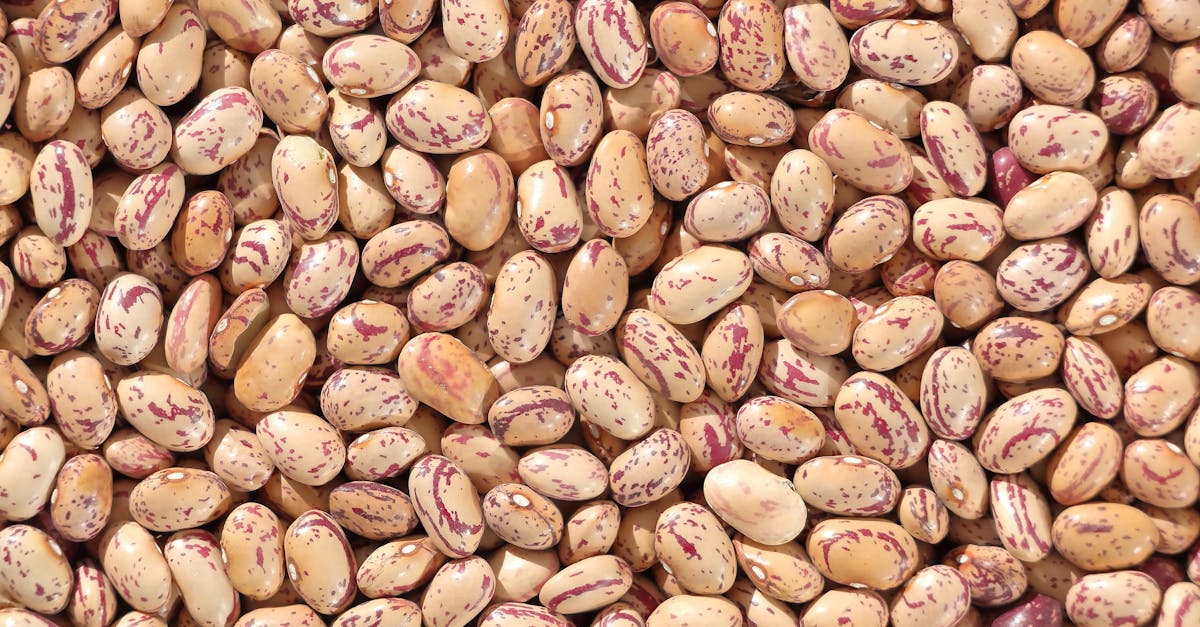
I still remember the exact sound: a can opener clicking at 9:47 p.m. after a long shift, when my grocery budget said “no” and my stomach said “now.” I poured black beans into a pan, added garlic and a pinch of chili powder, and ten minutes later I had a real meal.
That’s why I love budget bean recipes. Beans stay cheap, they keep you full, and they play well with whatever you already have. In this guide, I’ll show you how I shop, cook, and stretch beans into meals all week, without bland bowls or endless leftovers.
Key Takeaways
- Budget bean recipes start with dried beans for the lowest cost per serving, while canned beans are best when you need dinner in 15 minutes or your water/equipment makes dried beans unreliable.
- Cook beans in batches (like rice), then portion into 1.5-cup “can-size” servings to make weeknight meals quick to assemble and easy to plan.
- Build big flavor cheaply by cooking beans with aromatics (onion, garlic, bay leaf) and finishing with acid (lemon or vinegar) plus toasted spices like cumin and chili powder.
- Use flexible, repeatable templates—15-minute bean-and-rice bowls, sheet-pan chickpeas and veggies, one-pot bean chili, taco-style mashed beans, and lentil-bean soup—to stretch pantry staples into a full week of meals.
- Freeze cooked beans with a little cooking liquid, label and date them, and use within 3 months to keep budget bean recipes fast without sacrificing texture.
- Avoid common bean problems by simmering gently, salting near the end for better skins, rinsing canned beans to cut sodium, and following safety basics (refrigerate within 2 hours; store 3–4 days; reheat to a full simmer).
Why Beans Are The Ultimate Budget Staple
You open a bag of dried beans and you get this quiet little miracle: dozens of meals. Which means you can feed yourself well without living on ramen.
In my kitchen tests, I use beans as the “anchor” ingredient. Which means I build meals around them the way other people build meals around meat.
Cost Per Serving And Nutrition Basics
A 1-pound bag of dried beans often yields about 6 cups cooked. Which means you usually get 12 servings at 1/2 cup each.
In many US stores, dried beans land around $1.50–$2.50 per pound. Which means your per-serving cost can sit near $0.13–$0.21 before seasonings.
Beans also bring serious nutrition for the price. A 1/2-cup serving of cooked black beans has about 114 calories, 7.6 g protein, and 7.5 g fiber (USDA FoodData Central). Which means you get fullness and steady energy without expensive ingredients. Source: USDA FoodData Central.
Here is the simple “budget win” math I use:
| Item | Typical yield | Typical servings | Rough cost per serving | Which means… |
|---|---|---|---|---|
| 1 lb dried beans | ~6 cups cooked | ~12 (1/2 cup) | $0.13–$0.21 | a meal base for pocket change |
| 15 oz canned beans | ~1.5 cups drained | ~3 (1/2 cup) | $0.30–$0.60 | fast meals with a higher price |
Which Beans To Buy For Your Pantry (And When To Choose Canned)
The first time I stocked a pantry on a tight budget, I bought five beans and stopped thinking about it. Which means I could cook almost anything without extra trips.
My core list:
- Pinto beans for tacos and mashable sides. Which means you can make burritos and bowls that taste rich.
- Black beans for smoky skillet meals and freezer burritos. Which means you get high flavor with minimal effort.
- Chickpeas for roasting and quick curry. Which means you get crunch or comfort fast.
- Lentils (brown or green) for soups and “meaty” sauces. Which means you skip soaking and still eat hearty.
- Cannellini or navy beans for creamy dishes. Which means you get a silky texture without cream.
I choose canned beans when I need speed or consistency:
- You need dinner in 15 minutes. Which means canned beans beat soaking every time.
- You live in a place with very hard water. Which means dried beans can stay stubborn.
- You cook in a tiny kitchen with limited equipment. Which means you can still make bean meals with one pan.
If you want a quick snack on the side, I sometimes pair a bean dinner with something bright and acidic, like a simple vinaigrette. A basic version reminds me of this balsamic basil vinaigrette, which means leftovers taste fresh instead of “same-y.”
Smart Shopping And Prep To Save The Most
The biggest shift happened when I stopped cooking beans “one meal at a time.” I started cooking beans like I cook rice: in batches. Which means weeknight dinners become assembly, not a project.
Dried Vs. Canned: Price, Time, And Flavor Tradeoffs
I treat dried vs. canned as a three-factor choice: money, time, taste. Which means I pick the right tool for the right night.
| Factor | Dried beans | Canned beans | Which means… |
|---|---|---|---|
| Cost | Lowest | Higher | dried wins for strict budgets |
| Time | Longer (soak + cook) | Fast (heat + season) | canned wins for busy nights |
| Flavor control | High | Medium | dried lets you season from the start |
| Texture | Often creamier | Consistent but softer | dried can feel “restaurant level” |
My real-life rule: if I plan ahead, I cook dried. Which means I keep my costs down without losing variety.
How To Cook Dried Beans (Stovetop, Slow Cooker, Instant Pot)
The first time I nailed dried beans, I wrote the steps on a sticky note and stuck it to my spice cabinet. Which means I stopped overthinking it.
Stovetop method (most control)
- Sort and rinse 1 lb beans. Which means you remove grit and reduce foam.
- Optional: soak 8–12 hours with plenty of water. Which means you cut cook time and often improve texture.
- Drain, then add to a pot with fresh water (about 3 quarts). Which means beans cook evenly.
- Add aromatics: 1/2 onion + 2 garlic cloves + 1 bay leaf. Which means the beans taste seasoned inside.
- Simmer gently until tender: 45–120 minutes depending on bean and age. Which means you avoid blowouts from a hard boil.
- Salt near the end (last 15–20 minutes). Which means skins stay more intact.
Slow cooker method (hands-off)
- Rinse beans, then add to slow cooker with water (beans should be covered by 2 inches). Which means you prevent dry, undercooked centers.
- Cook on LOW 6–8 hours. Which means you can leave the house and still win dinner.
Safety note: I avoid slow-cooking kidney beans from dry unless I boil them first for 10 minutes. Which means I reduce risk from lectins.
Instant Pot method (fast dried beans)
- Rinse beans, then add 1 lb beans + 6 cups water. Which means you start with a reliable ratio.
- Pressure cook (rough guide):
- Black beans: 25–30 minutes
- Pinto: 28–35 minutes
- Chickpeas: 35–45 minutes
Which means you can cook from dry on a weeknight.
3. Natural release 15 minutes. Which means skins stay intact.
Batch Cooking, Freezing, And Using Aquafaba
When I batch cook, I portion beans into 1.5-cup containers. Which means I replicate one drained can each time.
Freezer method I use every week:
- Cool beans fast in shallow containers. Which means you spend less time in the temperature danger zone.
- Freeze in labeled bags with some cooking liquid. Which means beans reheat creamy, not crumbly.
- Date them and use within 3 months for best texture. Which means you avoid mystery bags.
Aquafaba matters too. Aquafaba is the bean liquid from canned chickpeas or cooked chickpeas, which means you can use it as an egg-white-like foam in some recipes.
I whip 3 tablespoons aquafaba to replace 1 egg in some baking tests. Which means you can stretch pantry cooking into desserts when eggs cost more.
If you like pantry experiments, I also keep a small jar of “bonus flavor” sauces. A garlicky spread like this blue jam garlic aioli can turn plain beans into a sandwich-worthy filling, which means lunch stops feeling like leftovers.
Everyday Budget Bean Recipes (Fast, Flexible, And Filling)
A good bean meal should smell like something is happening. You want sizzling garlic, toasted cumin, and a little acid at the end. Which means the meal feels “done,” not improvised.
Below are my go-to budget bean recipes that I cook on repeat, with exact times and swap options.
15-Minute Bean And Rice Bowls With Mix-And-Match Toppings
The moment the lime hits the warm beans, the whole bowl wakes up. Which means cheap food tastes bright.
Base (serves 2):
- 2 cups cooked rice (or any grain). Which means you add bulk for pennies.
- 1.5 cups cooked beans (or 1 can, drained). Which means you hit protein fast.
- 1 tablespoon oil + 1 garlic clove + 1/2 teaspoon cumin. Which means the beans taste toasted, not flat.
- Salt + splash of vinegar or lime. Which means you balance richness.
Steps:
- Heat oil, then cook garlic 30 seconds. Which means you perfume the whole bowl.
- Add beans, cumin, salt, and 2 tablespoons water. Which means you make a light sauce.
- Warm rice, then build bowls. Which means dinner lands in minutes.
- Add toppings from what you have. Which means you avoid extra spending.
Topping ideas (pick 2–3): shredded cabbage, salsa, fried egg, frozen corn, chopped onion, yogurt.
Concrete budget example: I can build two bowls with rice + pinto beans + cabbage for about $2.40 total in my area. Which means dinner can cost close to $1.20 per person.
Sheet-Pan Beans And Veggies For Hands-Off Dinners
You pull the pan out and the edges look caramelized, not steamed. Which means vegetables taste sweeter without extra work.
What I use (serves 3–4):
- 2 cans chickpeas, drained. Which means you skip soak time.
- 1 lb vegetables (carrots, onions, broccoli, peppers). Which means you use whatever is on sale.
- 2 tablespoons oil + 1 teaspoon smoked paprika + 1/2 teaspoon salt. Which means you create roasted flavor cheaply.
Steps:
- Heat oven to 425°F. Which means you encourage browning.
- Dry chickpeas with a towel. Which means they crisp more.
- Toss everything, then roast 25 minutes, stir, roast 10 more. Which means you get crisp edges.
- Finish with lemon or vinegar. Which means the whole pan tastes sharper and fresher.
I often serve this with a quick sauce. If I have herbs, I use a basil-forward dressing like the one I linked earlier, which means the meal feels “planned.”
One-Pot Bean Chili (Meatless Or Stretch-With-Meat Options)
Chili changes the kitchen smell in ten minutes. The spices hit the hot oil and you get that toasted aroma that signals comfort. Which means a low-cost pot feels like a treat.
Base chili (serves 6):
- 1 onion + 3 garlic cloves. Which means you build flavor early.
- 2 tablespoons chili powder + 1 teaspoon cumin. Which means you get depth without pricey ingredients.
- 2 cans beans (black + kidney) or 3 cups cooked. Which means you get a thick, filling pot.
- 1 can crushed tomatoes (28 oz). Which means you get body and sweetness.
- 2 cups water or broth. Which means you control thickness.
Steps:
- Sauté onion 6 minutes. Which means you soften harshness.
- Add garlic + spices, toast 30 seconds. Which means you boost aroma.
- Add tomatoes, beans, water, and salt. Which means everything cooks together.
- Simmer 20–30 minutes. Which means flavors blend.
Stretch-with-meat option: add 1/2 lb ground turkey. Which means you keep the “meaty” feel while cutting meat cost about in half.
Data point: The Bureau of Labor Statistics shows average food-at-home prices remain a major budget pressure for many households, which means meals that rely on shelf-stable staples help stabilize weekly spending. Source: BLS Consumer Price Index.
Budget Taco Filling: Spiced Beans For Tacos, Nachos, And Burritos
You mash the beans and they turn glossy and thick. Which means they cling to tortillas and chips like a real filling.
Quick spiced beans (serves 4):
- 2 cups pinto beans (cooked) or 2 cans drained. Which means you get a classic taco texture.
- 1 tablespoon oil.
- 1/2 teaspoon cumin + 1/2 teaspoon oregano.
- 1/2 teaspoon salt + 1–2 teaspoons vinegar.
Steps:
- Warm oil, add beans and spices. Which means you bloom flavor.
- Mash about 1/3 of beans. Which means you thicken the mix without flour.
- Add a splash of water and simmer 5 minutes. Which means you get spreadable beans.
I use this filling for burritos I freeze in foil. Which means I always have a backup meal.
Lentil And Bean Soup That Uses Whatever You Have
Soup is where odd leftovers stop looking sad. A half carrot and a handful of rice suddenly matter. Which means you waste less.
Flexible soup template (serves 6):
- 1 cup lentils (no soak). Which means you save time.
- 1.5 cups cooked beans (or 1 can). Which means you boost protein.
- 1 onion + 2 carrots + 2 celery stalks (or any veg). Which means you build sweetness.
- 1 teaspoon salt + 1/2 teaspoon pepper.
- 1 teaspoon vinegar at the end. Which means you sharpen flavor.
Steps:
- Cook onion and veg 8 minutes. Which means you start with a flavorful base.
- Add lentils + water/broth (about 8 cups). Which means the soup has enough liquid.
- Simmer 25 minutes. Which means lentils turn tender.
- Add beans and simmer 10 minutes. Which means beans stay intact.
If I want a side that feels special, I sometimes pair soup with an unusual seasonal dish like this autumn frost squash recipe, which means a cheap pot of soup still feels like a full dinner.
Low-Cost High-Flavor Recipes By Bean Type
The surprise here is texture. The same spice mix tastes totally different on chickpeas than on navy beans. Which means you can keep costs low and still avoid boredom.
Chickpeas: Crispy Roasted Snacks, Simple Curry, And Hummus-Style Dip
I first got hooked on roasted chickpeas when I burned one batch and still ate them. The crunchy stragglers tasted like corn nuts. Which means even “mistakes” can become snacks.
1) Crispy roasted chickpeas (425°F, 30–35 minutes):
- Dry 2 cups chickpeas well. Which means they crisp.
- Toss with 1 tablespoon oil + 1/2 teaspoon salt + paprika. Which means they taste bold.
2) Pantry chickpea curry (serves 4):
- Sauté onion + garlic + 1 tablespoon curry powder. Which means you build aroma.
- Add 2 cans chickpeas + 1 can tomatoes + 1/2 cup water. Which means sauce forms without cream.
3) Hummus-style dip:
- Blend chickpeas + lemon + garlic + oil. Which means you get a sandwich spread for cheap.
Concrete number: 1 can chickpeas usually holds about 3 servings at 1/2 cup drained. Which means you can plan snacks and meals with predictable portions.
Black Beans: Smoky Skillet Beans And Freezer-Friendly Burritos
When black beans hit a hot pan with cumin, they smell like a taquería counter. Which means you get “takeout vibes” for pennies.
Smoky skillet black beans (serves 3):
- 2 cups black beans.
- 1 teaspoon cumin + 1/2 teaspoon smoked paprika.
- 2 teaspoons vinegar or lime.
Cook everything 8 minutes and mash 1/4 of the beans. Which means you get a thick sauce without added fat.
Freezer burritos:
- Fill tortillas with beans + rice + a little cheese.
- Wrap tight and freeze.
I label each burrito with the date and use them within 2 months. Which means tortillas stay soft after reheating.
Cannellini And Navy Beans: Creamy Tuscan-Style Beans And Quick Bean Salad
You simmer cannellini beans with garlic and they turn velvety. Which means you get that “creamy” feel without dairy.
Tuscan-style beans (serves 4):
- Warm 2 cups cannellini with garlic + rosemary.
- Add 1/2 cup water and simmer 10 minutes.
- Finish with lemon and black pepper.
Quick bean salad (serves 4):
- Mix navy beans + chopped onion + vinegar + oil.
- Add any crunchy veg.
Data point: A 1/2 cup serving of cooked navy beans contains about 9–10 g fiber (USDA). Which means you stay full longer. Source: USDA FoodData Central.
Kidney And Pinto Beans: Refried-Style Beans And Hearty Stew
Refried-style beans can look boring until you hit them with fat + acid + heat. Then they taste rich. Which means you stop craving pricier sides.
Refried-style pinto beans (serves 6):
- Sauté onion in 1 tablespoon oil.
- Add 3 cups cooked pinto beans + 1/2 cup bean liquid.
- Mash and simmer 12 minutes.
- Add vinegar and salt.
Hearty kidney bean stew (serves 6):
- Combine kidney beans + tomatoes + carrots + chili powder.
- Simmer 35 minutes.
Practical warning: if you cook kidney beans from dry, boil them hard for 10 minutes before simmering. Which means you reduce toxin risk.
Lentils: Lentil Bolognese And Spiced Lentil Patties
Lentils smell earthy in a good way when they simmer with tomato. Which means you can replace part or all of ground meat.
Lentil bolognese (serves 4):
- Cook onion + garlic.
- Add 3/4 cup brown lentils + 1 jar marinara + 2 cups water.
- Simmer 25–30 minutes.
- Serve over pasta.
This swap saves money fast. If ground beef costs $5.00/lb and lentils cost $1.50/lb, then replacing 1/2 lb beef with 1/2 lb lentils can save about $1.75 in one pot. Which means you cut costs without shrinking portions.
Spiced lentil patties (makes 8 small):
- Mash cooked lentils with breadcrumbs and spices.
- Pan-sear 3 minutes per side.
I serve patties with a crisp slaw when I want contrast. A simple version reminds me of this Zoe’s-style coleslaw, which means a soft patty feels brighter and less heavy.
Stretching Beans Into More Meals
The best part comes on day two. Cold beans absorb flavor overnight and taste deeper. Which means leftovers can taste better than the first meal.
Turn Leftovers Into Salads, Wraps, And Loaded Toast
I turn a container of beans into three meals by changing temperature and texture. Which means I avoid food boredom.
- Bean salad: toss beans + vinegar + oil + chopped onion. Which means lunch stays sharp and crisp.
- Wraps: smash beans, then add crunchy veg. Which means you get a filling that does not drip.
- Loaded toast: spread warm beans on toast, add fried egg. Which means you get a diner-style meal at home.
Concrete example: 1.5 cups beans becomes three 1/2-cup servings. Which means one container can cover three lunches.
Add Beans To Pasta, Omelets, And Grain Dishes Without Making Them Heavy
I used to dump beans into pasta and wonder why it felt dense. Then I started using smaller amounts and more acid. Which means the dish stays light.
My ratios:
- Add 1/2 cup beans to 2 servings pasta. Which means you boost protein without turning it starchy.
- Add 1/4 cup black beans to a 2-egg omelet with salsa. Which means breakfast holds you longer.
- Add 1/2 cup lentils to rice pilaf. Which means grains feel more complete.
Flavor Boosters That Cost Pennies (Spices, Acid, Aromatics)
The transformation usually happens at the end. One squeeze of lemon takes beans from flat to finished. Which means you do not need expensive toppings.
Here’s my cheap “flavor kit”:
| Booster | Cost level | How I use it | Which means… |
|---|---|---|---|
| Onion + garlic | Very low | Start of most recipes | bigger flavor base |
| Vinegar or lemon | Low | Finish soups and bowls | brighter taste with less salt |
| Cumin + chili powder | Low | Toast in oil | smells like real cooking fast |
| Tomato paste | Low | Add 1 tablespoon | deeper, sweeter sauce |
| Hot sauce | Low | A few drops | fast excitement for leftovers |
Honest note: spices lose punch after about 1–2 years in a warm cabinet. Which means old chili powder can make beans taste dull even if your recipe is correct.
How To Avoid Common Bean Mistakes
The first time my beans stayed hard, I felt cheated. I had simmered them for two hours and they still tasted like pebbles. Which means I had to learn the boring factors that actually matter.
Preventing Tough Beans, Blowouts, And Bland Results
Tough beans usually come from age, hard water, or not enough time. Which means your method can be right and the beans can still fight you.
Fixes I use:
- Buy from stores with steady turnover. Which means you get fresher dried beans.
- Simmer gently, do not boil hard. Which means skins stay intact.
- Add salt near the end if you often get split skins. Which means you control texture.
Bland beans come from cooking in plain water. Which means the inside of the bean stays unseasoned.
My solution: add onion, garlic, bay leaf, or bouillon early. Which means beans taste good even before sauce.
Reducing Gas With Soaking, Rinsing, And Cooking Tips
Gas happens because beans contain oligosaccharides. Which means your gut bacteria ferment them.
The practical ways I reduce it:
- Soak and drain dried beans. Which means you remove some of the gas-forming carbs.
- Rinse canned beans for 10 seconds under water. Which means you lower sodium and remove some residues.
- Cook until fully tender. Which means your body digests them more easily.
Data point: rinsing canned beans can reduce sodium by about 30–40% in many tests, depending on brand and method (often cited by dietetic and public health sources). Which means you can keep flavor and cut salt.
Honest assessment: your body adapts. If you eat beans 3–4 times per week, many people report less gas over time. Which means consistency helps.
Food Safety, Storage Times, And Reheating Best Practices
I treat cooked beans like cooked meat for storage rules. Which means I avoid the “sniff test” gamble.
- Cool and refrigerate within 2 hours. Which means you reduce bacterial growth risk.
- Store cooked beans in the fridge 3–4 days. Which means you stay in common food safety guidance.
- Freeze for longer storage and aim for best quality within 3 months. Which means texture stays better.
When I reheat, I bring beans and soups to a full simmer. Which means the center heats through.
If you use canned beans, you still need to store leftovers safely after opening. Which means you should move them to a container and refrigerate promptly.
Conclusion
Beans can feel like “struggle food” until you smell cumin toasting in oil and hear a pot of chili bubbling. Then beans feel like stability. Which means you can eat well even when money feels tight.
If you want the simplest starting plan, do this: cook one batch of beans, cook one batch of rice, and pick two sauces you like. Which means you can build bowls, tacos, soups, and salads all week with almost no extra shopping.
And if a batch comes out imperfect, keep going. I have eaten plenty of split beans and still had a great dinner, which means you do not need perfection to get the budget win.
Frequently Asked Questions About Budget Bean Recipes
What are budget bean recipes, and why are beans so cheap per serving?
Budget bean recipes use beans as the main “anchor” ingredient to build filling meals for very little money. A 1-pound bag of dried beans yields about 6 cups cooked (around 12 half-cup servings), often costing roughly $0.13–$0.21 per serving before seasonings.
Which beans should I buy first for easy budget bean recipes?
For versatile budget bean recipes, start with pinto (tacos and mashable sides), black beans (skillet meals and freezer burritos), chickpeas (roasting and quick curry), lentils (soups and “meaty” sauces), and cannellini or navy beans (creamy dishes). This short list covers most meal styles.
When should I choose canned beans instead of dried for budget bean recipes?
Choose canned beans when you need dinner in about 15 minutes, have very hard water that makes dried beans cook slowly, or you’re working with limited equipment. Canned beans cost more per serving than dried, but they’re reliable and fast for weeknights.
How do I batch-cook and freeze beans so budget bean recipes stay convenient?
Cook beans in a big batch, then portion into 1.5-cup containers (about the same as one drained can). Cool quickly, freeze with a little cooking liquid, label and date, and use within 3 months for best texture. This turns weeknight meals into quick assembly.
How can I make budget bean recipes taste less bland without expensive ingredients?
Build flavor cheaply with onion and garlic early, toast cumin and chili powder in oil, and finish with vinegar or lemon for brightness. Bay leaf or bouillon can season beans from the inside while they cook. Also check spice freshness—old spices (1–2 years) can taste dull.
Do budget bean recipes cause gas, and what actually helps reduce it?
Beans can cause gas due to oligosaccharides that gut bacteria ferment. To reduce it, soak and drain dried beans, rinse canned beans briefly (also lowers sodium), and cook beans until fully tender. Many people notice less gas after eating beans consistently 3–4 times per week.
