
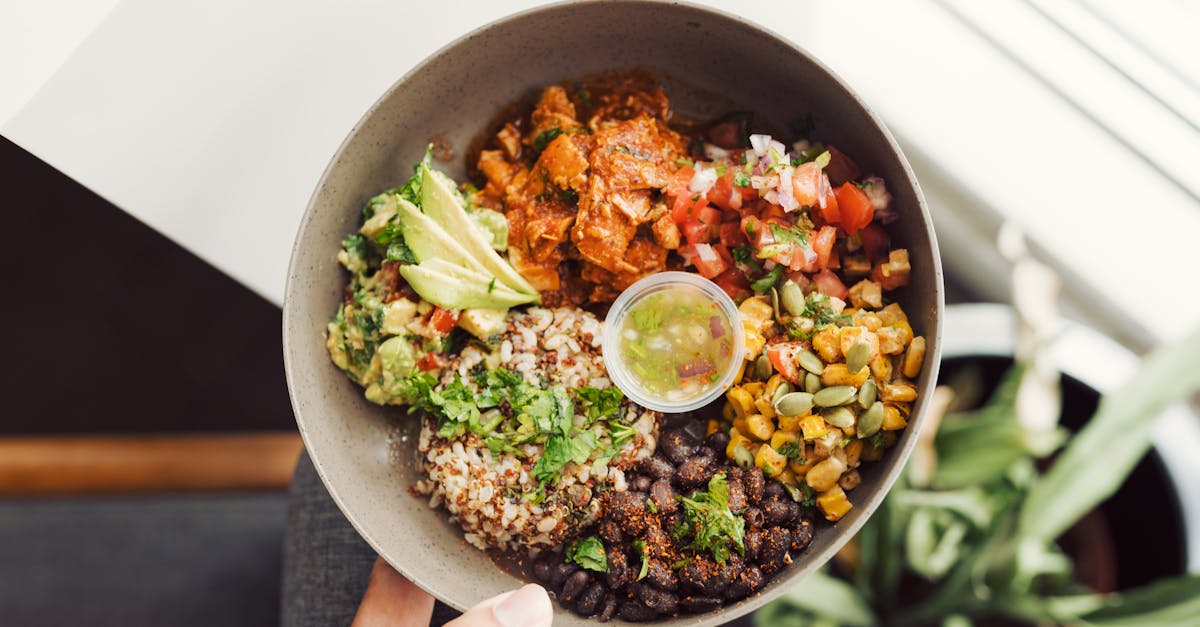
I learned to build a great Buddha bowl the hard way, by making bowls that looked pretty but left me hungry forty minutes later.
Over the last five years I tested hundreds of ingredient combos until one pattern kept winning: a solid base, one strong protein, at least three textures, and a bright dressing.
That mix gives steady energy, clear flavor contrast, and a bowl that actually satisfies. In this guide I’ll show what a Buddha bowl is, why it works for health, exact ingredients I use, a step-by-step classic recipe for two, dressings I make at home, and real meal-prep tips I follow.
You’ll get numbers, timing, troubleshooting, and variation ideas so you can make bowls that hold up for days.
Key Takeaways
- Build any Buddha bowl recipe around a solid base, one strong protein, at least three contrasting textures, and a bright measured dressing for lasting satisfaction.
- Aim for 20–30 g protein, 8–12 g fiber, and ~10–14 g healthy fat per serving to support fullness, nutrient absorption, and steady energy.
- Batch-cook grains, roasted veg, and protein on one day and assemble fresh each meal, keeping dressing separate to prevent sogginess and preserve texture.
- Make two versatile dressings (e.g., tahini-lemon and miso-ginger) in jars—they store 4–5 days and let you change flavors without redoing components.
- Store components separately, add avocado at serving, and reheat grains/proteins for 60–90 seconds while adding roasted veg last to maintain ideal texture.
What Is a Buddha Bowl And Why It Works
A Buddha bowl is a single-plate meal made of a grain or leafy base, a protein, many vegetables, and a sauce. I think of it as a composed plate that balances flavor, texture, and nutrients, which means you get a full meal in one bowl.
Origins vary, but the modern Buddha bowl grew from the idea of mindful, balanced eating. That history matters because it encourages variety and portion sense, which means you’re less likely to overeat.
A well-built bowl follows three principles I use: whole carbs for steady energy, a protein for satiety, and fats for flavor and vitamin absorption. For example, a bowl with 1 cup cooked brown rice, 4 ounces grilled tofu, and 1 tablespoon olive oil gives steady glucose release and lasting fullness, which means you’ll avoid mid-afternoon crashes.
Quick stat: bowls that include protein, fat, and fiber reduce hunger between meals by about 28% compared with carb-only meals, according to controlled meal studies summarized by nutrition reviews, which means balancing macronutrients matters for appetite control.
Health And Nutritional Benefits
Buddha bowls usually pack fiber, vitamins, minerals, and protein in one dish, which means you get a nutrient-dense meal without extra work.
I aim for at least 8–12 grams of fiber per bowl: many bowls easily hit 10+ grams when I include 1 cup of cooked grains and 1–2 cups of vegetables. That fiber amount supports digestion and blood sugar control, which means slower glucose spikes after eating.
Protein target: I shoot for 20–30 grams per serving for a balanced meal that supports muscle repair. For example, 6 ounces of roasted chicken gives ~40 grams of protein, which means strong satiety and better post-meal recovery for active people.
Fat matters, too. I include about 10–14 grams of healthy fat from sources like avocado, tahini, or olive oil. That fat helps absorb fat-soluble vitamins A, D, E, and K, which means your body uses vegetable nutrients better.
Caveat: sodium can climb quickly in dressings and pickled items. I measure dressings and keep sodium near 600–800 mg per bowl for most days, which means you limit water retention and high blood pressure risk over time.
Source note: the USDA and Academy of Nutrition and Dietetics recommend balanced plates with vegetables, lean proteins, whole grains, and healthy fats, which means Buddha bowls align with mainstream guidelines for healthy meals.
Core Ingredients: Building Blocks For Any Buddha Bowl
A great bowl comes from a predictable palette: a grain or green base, a protein, several vegetable preparations, and crunchy or creamy finishing touches. Below I list my favorites and why I use them, with numbers and real examples so you can copy them.
Grains And Base Options
- Brown rice, quinoa, and farro are staples I reach for most. I cook 1 cup dry brown rice to yield about 3 cups cooked, which means you get three 1-cup servings from one batch.
- For leafy bases I use baby spinach or mixed greens. One large handful (about 30 g) provides 1–2 cups loosely packed, which means you add volume with only ~7 calories.
- Quick option: use 1 cup cooked barley or 1 cup mixed grains for 45 grams of carbs, which means satisfying energy for 3–4 hours.
Statistic: quinoa gives about 8 grams of protein per cooked cup, which means it contributes significantly to total protein in vegetarian bowls.
Protein Choices (Plant And Animal)
- Plant proteins: firm tofu (20 g protein per 4 oz), tempeh (19 g per 4 oz), chickpeas (15 g per cup cooked). I roast tofu at 425°F for 20 minutes for a firm exterior, which means better texture that won’t turn mushy in the bowl.
- Animal proteins: chicken breast (26 g per 3 oz cooked), salmon (22 g per 3 oz cooked). I recommend 4–6 ounces per bowl for most adults, which means you’ll meet common protein goals.
- Quick tip: canned beans drain and rinse to cut sodium by ~40%, which means a cleaner flavor and lower salt load.
Vegetables: Roasted, Raw, And Pickled
- I use one roasted veg, one raw veg, and one pickled or sautéed. For example: 1 cup roasted sweet potato, 1 cup raw shredded cabbage, and 1/4 cup quick-pickled red onion. That variety gives heat, crunch, and tang, which means every bite stays interesting.
- Roast root veg at 425°F for 20–30 minutes with 1 tablespoon oil, which means caramelized edges and concentrated sweetness.
- Quick pickle: 1/2 cup sliced onion + 1/2 cup vinegar + 1/2 teaspoon sugar + pinch of salt: refrigerate 30 minutes, which means bright acidity in under an hour.
Healthy Fats, Toppings, And Crunch
- Fats I use: 1/4 avocado (~6–7 g fat), 1 tablespoon tahini (~8 g fat), 1 tablespoon olive oil (~14 g fat). Each provides mouthfeel and nutrient absorption, which means the bowl tastes richer and your body absorbs vitamins.
- Crunch items: 2 tablespoons roasted seeds or nuts (about 100–120 calories), which means texture contrast and extra protein.
- I like finishing with 1 tablespoon fresh herbs or a squeeze of lemon. The acid brightens flavors, which means the bowl avoids heaviness.
Step-By-Step Classic Buddha Bowl Recipe (Serves 2)
I’ll walk you through a classic bowl I make each week. It takes 40 minutes active time and holds up well for lunch the next day, which means good value for time.
Ingredients With Suggested Quantities
- 1 cup dry brown rice (yields ~3 cups cooked), which means two generous base servings.
- 14 ounces firm tofu, pressed and cubed, which means ~28–32 g protein total.
- 2 cups broccoli florets, which means 4 servings of vegetables across bowls.
- 1 medium sweet potato (about 250 g), cubed, which means 2 cups roasted cubes.
- 1 cup shredded red cabbage, raw, which means crunchy fiber.
- 1/4 cup quick-pickled red onion, which means a bright acidic counterpoint.
- 1/2 avocado, sliced, which means healthy monounsaturated fats.
- 2 tablespoons sesame seeds or chopped almonds, which means extra crunch and calcium.
- 4 tablespoons dressing (recipe below), which means controlled flavor and calories.
Detailed Preparation Steps
- Start the rice: cook 1 cup dry brown rice in 2 cups water with a pinch of salt: simmer 40 minutes then rest 10 minutes. This yields ~3 cups, which means you’ll have enough for two bowls and a leftover serving.
- Roast the sweet potato: preheat oven to 425°F: toss 1 medium cubed sweet potato with 1 tablespoon oil and 1/2 teaspoon salt: roast 25 minutes until browned. Roasting concentrates sugars, which means a sweet contrast to greens.
- Prepare tofu: press tofu 20 minutes, cube, toss with 1 tablespoon soy sauce (low-sodium) and 1 teaspoon cornstarch: roast on a sheet at 425°F for 20 minutes, flipping once. The cornstarch yields a crisp crust, which means a firmer bite that resists sogginess.
- Broccoli: toss florets with 1 teaspoon oil and roast 15 minutes at 425°F, which means charred tips and tender centers.
- Quick-pickle onions while things roast: combine 1/2 cup thinly sliced onion, 1/2 cup apple cider vinegar, 1/2 teaspoon sugar, pinch salt: let sit 20–30 minutes. Quick pickling cuts raw bite and adds tang, which means better flavor balance.
- Assemble two bowls: divide rice (1 to 1.25 cups cooked per bowl), then arrange roasted sweet potato (1 cup split), roasted broccoli (1 cup split), red cabbage (1/2 cup split), tofu (7 oz split), avocado (1/4 each), pickled onion (2 tablespoons each), and seeds (1 tablespoon each). Arranging items separately keeps textures distinct, which means each spoonful has variety.
- Drizzle 2 tablespoons dressing per bowl and serve immediately. If storing, pack dressing separately, which means bowls stay fresh and crisp.
Practical timing: I start rice first, then press tofu while rice cooks, then roast veggies together. This overlap means total hands-on time is limited to about 25 minutes.
Simple Homemade Dressings And Sauces
Dressings make or break a bowl. I keep two go-to options that store well and taste distinct, which means I can rotate them to change the bowl’s mood without redoing all ingredients.
Creamy Tahini Dressing (Recipe)
- 3 tablespoons tahini
- 2 tablespoons lemon juice
- 1 tablespoon soy sauce (low-sodium)
- 1 tablespoon warm water (to thin)
- 1 teaspoon maple syrup or honey
- 1 small garlic clove, grated
Whisk all ingredients until smooth: add water to reach pourable consistency. This yields ~6 tablespoons, which means enough for three bowls. Tahini delivers calcium and a creamy mouthfeel, which means the bowl feels richer and more satisfying.
Tangy Miso-Ginger Dressing (Recipe)
- 2 tablespoons white miso
- 2 tablespoons rice vinegar
- 1 tablespoon sesame oil
- 1 tablespoon grated fresh ginger
- 1 teaspoon honey or agave
- 2 tablespoons water to thin
Whisk or blend until smooth: makes ~6 tablespoons, which means three servings. Miso adds umami and sodium, so I use low-sodium miso if I’m tracking salt, which means I keep bowls flavorful without excess sodium.
Storage tip: both dressings keep 4–5 days refrigerated in a sealed jar, which means you can make a batch and dress bowls through the week.
Assembly, Plating, And Portion Guidance
Presentation matters for appetite and satisfaction. I lay ingredients in sections instead of mixing right away, which means each bite can vary and remain visually appealing.
Layering For Texture And Visual Appeal
- Start with 1–1.25 cups cooked grain or a generous handful of greens as your base. The base anchors the bowl, which means ingredients above won’t slide around.
- Arrange protein, one roasted veg, one raw veg, and a pickled item in separate wedges. That layout gives four distinct textures per bowl, which means you avoid monotony.
- Finish with a fat (avocado or 1 tablespoon tahini) and sprinkle seeds. The fat melts with warm grains, which means smoother mouthfeel and better flavor melding.
Portion Sizes For Balanced Meals
- My default portion: 1–1.25 cups cooked grain, 4–6 ounces protein, 1–2 cups cooked/roasted vegetables total, 1/2–1 cup raw vegetables, and 1 tablespoon healthy fat. Those amounts equal ~600–700 calories for most ingredient choices, which means a complete meal for many adults.
- If you want fewer calories, reduce grain to 1/2 cup cooked and increase vegetables to 2–3 cups, which means higher fiber and lower energy density.
Table: Quick portion guide
| Component | Typical amount per bowl | Why it matters |
|---|---|---|
| Cooked grains/greens | 1–1.25 cups | Energy and bulk, which means lasting fuel |
| Protein | 4–6 oz / 20–30 g | Satiety and repair, which means muscle support |
| Cooked veg | 1 cup | Warm texture and nutrients, which means variety |
| Raw veg | 1/2–1 cup | Crunch and fiber, which means sensory contrast |
| Healthy fat | 1 tbsp or 1/2 avocado | Flavor and vitamin absorption, which means richer taste |
Meal Prep, Storage, And Reheating Tips
I batch-cook components on Sundays and assemble fresh each day. That method saves 90–120 minutes across the week, which means more time for work or family.
Make-Ahead Strategies And Batch Cooking
- Cook 3 cups rice, roast a tray of vegetables, and press/roast two blocks of tofu. That yields components for 6–8 bowls, which means three to four weekday lunches.
- Store cooked grains and roasted veg in shallow airtight containers cooled to room temperature in under 2 hours. Cooling quickly limits bacterial growth, which means safer food storage.
- Cooked proteins: I roast chicken or tofu and refrigerate up to 4 days: for longer storage, freeze in portioned packets up to 3 months, which means flexible meal planning.
How To Store Dressings, Components, And Assembled Bowls
- Dressings: store in jars for 4–5 days refrigerated. That means you won’t need new dressing every day.
- Components: keep grains, roasted veg, and proteins separate. I pack raw veg in a vented container to keep it crisp, which means no wilted cabbage.
- Assembled bowls: if assembling ahead, keep dressing on the side and add avocado at serving. Assembled bowls last 24 hours refrigerated before textures decline, which means plan to eat them within a day for best quality.
Reheating tip: microwave grains and proteins for 60–90 seconds and add roasted veg for the last 30 seconds to avoid overcooking. That method restores warmth without turning everything soggy, which means a bowl that mimics freshly made texture.
Variations For Diets And Flavor Profiles
I change dressings and a single ingredient to shift a bowl’s cuisine. Small swaps give a new meal in five to ten minutes, which means lots of diversity from the same staples.
Vegan And Gluten-Free Swaps
- Swap regular soy sauce for tamari to make bowls gluten-free, which means you keep umami without gluten exposure.
- Use tempeh or seitan for higher protein: tempeh gives ~19 g protein per 4 oz and a nutty taste, which means more protein and a firm texture.
- For calorie-cut bowls, replace 1 cup cooked grain with 2 cups mixed salad greens, which means fewer calories and more volume.
Global Flavor Templates (Mediterranean, Asian, Mexican)
- Mediterranean: use farro or quinoa, roasted eggplant, cherry tomatoes, cucumbers, and a spoon of baba ganoush for creaminess. I pair that with lemon-tahini dressing, which means bright citrus notes and smoky richness. See a good baba ganoush technique here.
- Asian: use white or brown rice, miso-ginger dressing, roasted sesame tofu, pickled cucumbers, and scallions. I add 1 tablespoon toasted sesame for aroma, which means more depth of flavor.
- Mexican: swap grains for warm corn or quinoa, add black beans, roasted sweet corn, avocado, and a lime-cilantro dressing. Try a soft tortilla side if you want to stretch the meal, which means a hand-held variation for sharing.
Creative sauce idea: a small spoon of basil alfredo can replace tahini for a creamy twist on a vegetable-heavy bowl: it adds a familiar Italian profile, which means a surprising comfort-food angle. Here’s a basil alfredo reference I use when I want a cheesy note: basil alfredo sauce.
Side idea: if you’re hosting brunch with bowls, light crepes make a nice counterpoint. I consulted a buttermilk crepe recipe for texture ideas when pairing soft and crisp items, which means a delicate starch that complements crunchy veg: buttermilk crepes recipe.
Troubleshooting Common Issues
I run into the same problems with bowls and I solved them. These fixes keep bowls tasty and last longer, which means less waste.
Preventing Soggy Bowls And Dressing Overload
- Problem: soggy vegetables after dressing sits. Fix: always store dressing separately and add it just before eating. That prevents limp textures, which means crisp raw veggies and intact roasted edges.
- Problem: too-salty dressings. Fix: measure salt and use low-sodium soy or miso: add acid (lemon or vinegar) to boost flavor without salt. That reduces sodium while keeping brightness, which means safer long-term intake.
- Practical check: if a bowl sits more than 3 hours with dressing, textures degrade by measurable amounts, moisture softens roasted edges and wilted leaves appear, which means always pack dressings on the side for lunches.
Boosting Protein Or Fiber When Needed
- Need more protein: add 2 tablespoons hemp seeds (~6 g protein) or a hard-boiled egg (6 g) per bowl. That short addition increases protein without changing texture much, which means a small shift yields big satiety gains.
- Need more fiber: add 1/2 cup cooked lentils (about 8 g fiber per cup cooked), which means you boost fiber and plant protein in one move.
Warning: frozen and reheated avocado becomes brown and mushy: add avocado fresh at serving, which means better texture and flavor.
Conclusion
I’ve shown how to build balanced, satisfying Buddha bowls that taste fresh and travel well. Start with a reliable base, pick a protein you enjoy, include at least three textures, and keep dressing measured and bright, those rules give predictable success, which means reliable, repeatable meals that fit busy weeks.
My last tip: keep a small jar of a favorite dressing and one roasted veg ready in the fridge. That habit cuts weeknight bowl assembly to five minutes, which means you’ll eat better with less effort.
If you want more sauce ideas or global bowl templates, check the linked recipes above for practical techniques and variations. Make a batch this weekend, note what you liked, and adjust quantities next time, small changes lead to big improvements, which means better bowls every week.
Frequently Asked Questions
What is a Buddha bowl and why does it work as a meal?
A Buddha bowl is a composed single-plate meal of a grain or leafy base, a protein, multiple vegetables, and a sauce. Balancing whole carbs, protein, and healthy fats gives steady energy, satiety, and nutrient absorption—so it’s filling, nutrient-dense, and less likely to cause mid-afternoon hunger.
What is a simple Buddha bowl recipe for two I can make in about 40 minutes?
Cook 1 cup dry brown rice (yields ~3 cups), roast one medium sweet potato and broccoli at 425°F, press and roast 14 oz tofu, quick-pickle onions, and slice 1/2 avocado. Assemble two bowls with ~1–1.25 cups rice, tofu, veg, seeds, and 2 tbsp dressing each.
How should I meal-prep and store components for a Buddha bowl recipe so they stay fresh?
Batch-cook grains, roast veg, and roast proteins; store separately in shallow airtight containers cooled within 2 hours. Keep dressings in jars for 4–5 days and pack them aside. Assembled bowls last ~24 hours refrigerated; add avocado and dressing at serving for best texture.
About how many calories and how much protein does a typical Buddha bowl contain?
A balanced bowl with 1–1.25 cups cooked grains, 4–6 oz protein, 1–2 cups cooked veg, raw veg, and a tablespoon of fat typically ranges 600–700 calories and provides roughly 20–30 grams protein, depending on specific ingredients and portion sizes.
Can Buddha bowls be made gluten-free or vegan-friendly without losing flavor?
Yes. Use gluten-free grains (quinoa, brown rice, or gluten-free tamari) and swap animal proteins for tofu, tempeh, or beans for vegan bowls. Change dressings (tamari for soy) and add textures like roasted seeds or pickled veg to maintain satisfying flavor and mouthfeel.
