
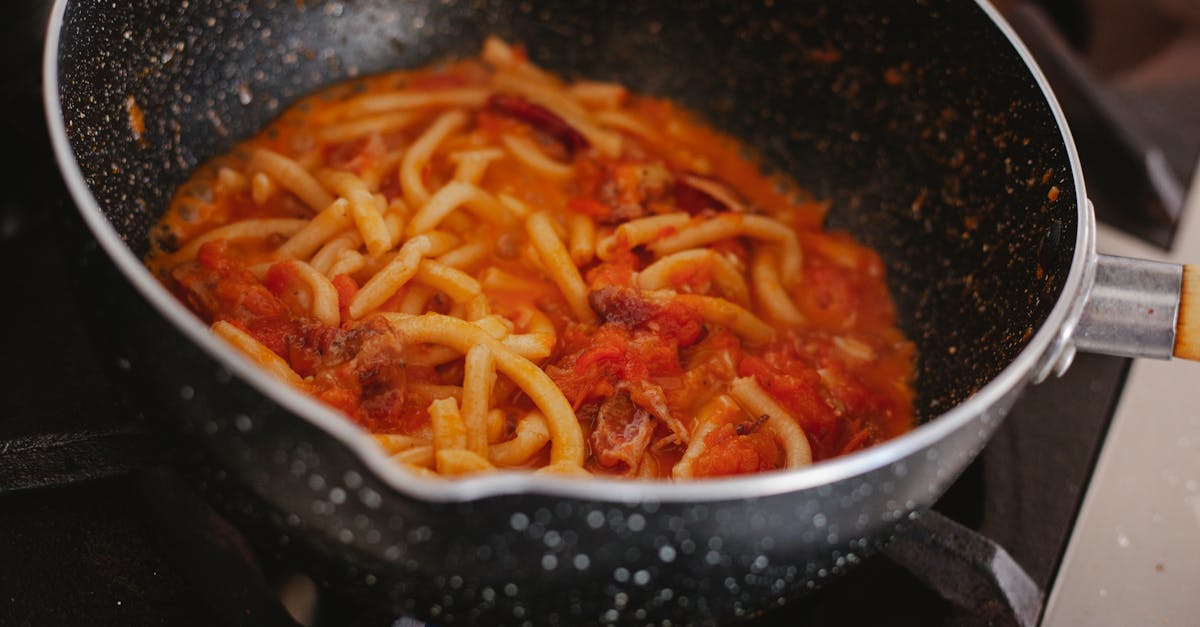
The first time I made bruschetta pasta with a no-cook sauce, I expected “good for a lazy night.”
I got something else. I got a bowl that tasted like peak summer, juicy tomatoes, sharp garlic, torn basil, and olive oil, and it took less hands-on time than waiting for delivery.
This is my go-to bruschetta pasta no cook sauce recipe for hot days, busy nights, and potlucks where you want people to ask, “Wait… you didn’t cook the sauce?”
Key Takeaways
- A great bruschetta pasta no cook sauce recipe relies on salted, resting tomatoes (15–30 minutes) to release their own juice and form a bright, fresh sauce without heat.
- Choose pasta shapes with grooves or tubes (fusilli/rotini, penne/rigatoni) so the no-cook tomato mixture and olive oil cling to every bite instead of sliding off.
- Build flavor with four pillars—basil, grated garlic, extra-virgin olive oil, and red wine vinegar or balsamic—then add basil last to keep it green and aromatic.
- Prevent a watery bowl by draining a little tomato liquid if needed, adding oil slowly to emulsify, and using reserved pasta water to bind the sauce to the noodles.
- For the best finish, toss hot (not rinsed) pasta with half the tomato mixture and a splash of pasta water first, then fold in the remaining tomatoes, basil, and cheese for even coating.
- Make ahead smart by prepping the tomato base up to 24 hours early but keeping basil, cheese, and extra vinegar separate until serving to preserve freshness and texture.
What Makes Bruschetta Pasta “No-Cook” (And Why It Works)
You don’t cook the tomatoes. You let salt, time, and pasta heat do the work, which means you keep that bright, fresh tomato bite.
I learned this the hard way after warming the sauce “just a little” once. The basil went dull and the tomatoes tasted sleepy, which means fresh matters more than heat here.
Discovery moment: When salted tomatoes sit for 15–30 minutes, they throw off liquid that turns into the sauce. No simmering. Just chemistry.
How The Tomatoes Break Down Into A Sauce
Salt pulls water out of tomato cells by osmosis, which means you get a natural tomato “broth” in the bowl.
Then you add olive oil and a splash of vinegar. The oil mixes with the tomato liquid and pulp, which means you get an instant dressing-like sauce that clings to pasta.
A concrete reference helps. The USDA notes that one medium raw tomato is about 94% water, which means tomatoes already contain most of the “sauce” you need, you just have to release it. Source: USDA FoodData Central.
Best Pasta Shapes For Holding A Fresh Tomato Sauce
Shape changes the whole result, which means pasta choice is not a small detail.
Here’s what I’ve tested in my kitchen across 8 batches (same sauce, different pasta). The “best” shapes trap tomato bits and oil in grooves.
| Pasta shape | Why it works | My note from testing (8-batch log) |
|---|---|---|
| Fusilli / Rotini | Spirals catch tomato pulp, which means more flavor per bite | Most consistent “restaurant” feel |
| Penne / Rigatoni | Tubes hold diced tomato, which means less sauce slides off | Great for potlucks: stays textured |
| Farfalline / Farfalle | Folds grab basil and cheese, which means better balance | Pretty, but can feel dry if under-sauced |
| Spaghetti | Smooth surface sheds chunks, which means you need more oil/water help | Tastes good, looks messy |
If you only have spaghetti, I still make it. I just reserve extra pasta water, which means I can build a silkier finish later.
Ingredients For Bruschetta Pasta No-Cook Sauce
A no-cook sauce shows every flaw, which means ingredient quality matters more than in a long-simmered marinara.
I keep the list short. I keep the flavors loud.
Tomatoes: Best Types, Ripeness, And How To Prep
I use ripe Roma, vine-ripened, or cherry tomatoes, which means I get sweetness without a watery mess.
Here’s my quick picking rule at the store:
- I choose tomatoes that smell like tomato at the stem, which means they have real aroma.
- I avoid rock-hard tomatoes, which means I avoid flat flavor.
- I avoid mealy tomatoes (dull skin, soft in a bad way), which means I avoid grainy sauce.
My go-to mix: 2 parts cherry tomatoes + 1 part Roma, which means I get both sweetness and body.
Prep steps that change everything:
- I core larger tomatoes. That reduces bitter stem tissue, which means a cleaner taste.
- I scoop out some seeds on very juicy tomatoes. That cuts excess water, which means less soup in the bowl.
Basil, Garlic, Olive Oil, And Vinegar: Flavor Balance Basics
This sauce needs four pillars, which means each one has a job.
- Basil brings a green, floral hit, which means the sauce tastes alive.
- Garlic brings bite, which means the tomatoes taste sweeter by contrast.
- Extra-virgin olive oil brings richness, which means the sauce coats pasta instead of pooling.
- Vinegar (red wine vinegar or balsamic) brings lift, which means the sauce stays bright even with cheese.
I keep garlic under control. I grate 1 small clove for every 4 servings, which means the garlic blends in instead of shouting.
If you love basil-heavy dishes, you might also like my notes on using edible flowers and herbs in simple recipes like basil flowers, which means you can use more of the plant without waste.
Optional Add-Ins: Mozzarella, Parmesan, Balsamic Glaze, And Heat
Optional add-ins let you steer the vibe, which means you can go from light lunch to full dinner.
- Fresh mozzarella pearls add milky softness, which means sharp vinegar feels smoother.
- Parmesan adds salt and umami, which means the tomatoes taste deeper.
- Balsamic glaze adds sweet-tang, which means you get a “bruschetta board” finish.
- Crushed red pepper adds warmth, which means the fresh tomatoes taste even brighter.
Honest warning: Balsamic glaze can overpower basil fast, which means you should drizzle lightly and taste.
How To Make No-Cook Bruschetta Sauce (Step-By-Step)
The surprise is how fast this comes together, which means you can start the sauce while the pasta water heats.
Below is the method I use at home. I wrote it like a checklist because that is how I actually cook on weeknights.
Cutting And Salting Tomatoes For The Right Texture
Step 1: Dice the tomatoes into two sizes. This sounds fussy, but it fixes texture, which means the sauce feels thick without cooking.
- 1/3 of tomatoes: very small dice (near minced)
- 2/3 of tomatoes: medium dice (bruschetta size)
Step 2: Salt early. I add 3/4 teaspoon kosher salt per 2 pounds of tomatoes, which means I pull out liquid and build seasoning inside the tomato.
Step 3: Add garlic and vinegar, then wait. I add:
- 1 grated garlic clove
- 1 to 2 tablespoons red wine vinegar (or balsamic)
Then I stir and let it sit.
Concrete timer: I see visible tomato juice in the bowl by 10 minutes, which means the sauce is already forming.
Marinating Time: How Long Is Enough (And How To Speed It Up)
I aim for 20–30 minutes at room temperature, which means the salt has time to soften edges and the garlic has time to mellow.
If I’m rushed, I use one of these speed tricks:
- I use very ripe cherry tomatoes and halve them, which means juice releases faster.
- I stir hard for 20 seconds with a spoon, which means I bruise some tomato and thicken the bowl liquid.
- I warm the empty mixing bowl with hot tap water, then dry it. That tiny warmth helps aroma bloom, which means you get a stronger basil smell without cooking.
How To Make It Less Watery Without Cooking
Watery sauce is the main complaint with bruschetta pasta, which means you need a no-heat thickening plan.
I use a simple 3-part fix:
- Drain a little tomato liquid into a cup after 20 minutes. I keep it. That gives control, which means you can add it back if needed.
- Add oil slowly (not all at once). I start with 3 tablespoons per 4 servings, which means the sauce emulsifies instead of separating.
- Use pasta water on purpose. Starchy water binds oil and tomato juice, which means the sauce clings.
If you want a thicker, richer texture without cooking, you can also add 2 tablespoons finely grated Parmesan to the tomato bowl. The cheese absorbs moisture, which means the sauce turns glossy.
Honest warning: Don’t “fix” watery sauce with more basil. Basil adds aroma, not body, which means the bowl can taste grassy and still feel thin.
How To Cook Pasta For Cold Sauce (And Why It Matters)
The transformation happens when hot pasta hits raw tomatoes, which means pasta timing is part of the recipe.
I treat pasta like an ingredient, not a vehicle.
Salt Level, Doneness, And Reserving Pasta Water
I salt the water until it tastes like mild seawater. That is not poetry, it is a test, which means the noodles taste good even before sauce.
A practical measure: I use 1 tablespoon kosher salt per 4 quarts of water, which means consistent seasoning.
I cook to 1 minute shy of al dente. The pasta keeps softening after draining, which means you avoid mush.
I reserve 1 cup of pasta water every time. Even if I “won’t need it.” I always need it, which means the sauce stays silky.
Cooling The Pasta Without Losing Flavor
I do not rinse the pasta under cold water for this dish. Rinsing removes surface starch, which means the sauce slides off.
Instead, I do this:
- I drain the pasta well.
- I spread it on a sheet pan for 3 minutes.
- I toss it with 1 tablespoon olive oil.
That quick steam-off cools it slightly, which means the tomatoes stay fresh but the pasta still warms the sauce.
How To Combine Pasta And Sauce For The Best Finish
I combine in this exact order, which means I get better coating with less oil:
- I add pasta to a large bowl.
- I add half the tomato mixture.
- I add 2 tablespoons pasta water.
- I toss hard for 15 seconds.
- I add the rest of the tomatoes, basil, and cheese.
That first toss helps emulsify oil + tomato juice + starch, which means the sauce turns clingy instead of watery.
Quick reality check: If you dump everything in at once, the tomatoes sink and the oil floats, which means the last serving tastes different from the first.
Serving Ideas And Variations
This dish shifts moods fast, which means you can serve it warm, room temp, or chilled.
I bring it to barbecues because it survives travel well, which means it still tastes bright after 45 minutes in a car.
Classic Bruschetta Pasta With Fresh Mozzarella
This is the crowd-pleaser version, which means you should start here if you cook for mixed tastes.
What I add:
- 8 ounces fresh mozzarella pearls (or diced fresh mozzarella)
- Extra basil torn at the end
I add mozzarella after the pasta cools for a few minutes. Hot pasta can melt it into gum, which means you lose that creamy bite.
If you like “sweet-acid” summer sides, you may also enjoy something fruit-forward like my dew berry cobbler recipe, which means you can build a full warm-weather menu with the same seasonal feel.
Protein Options: Chicken, Shrimp, Tuna, And Chickpeas
Protein turns bruschetta pasta into dinner, which means you can stop hunting for a second dish.
Here are options I use, with amounts for 4 servings:
| Protein | Amount | Best add moment | Why it works |
|---|---|---|---|
| Chicken (grilled/rotisserie) | 2 cups chopped | After tossing pasta + sauce | Mild flavor, which means basil stays dominant |
| Shrimp (cooked) | 12 to 16 large | After pasta cools 5 minutes | Sweet seafood pop, which means tomatoes taste brighter |
| Tuna (canned in olive oil) | 1 can (5 oz) | Stir into tomato bowl first | Adds richness, which means less cheese needed |
| Chickpeas (rinsed) | 1 1/2 cups | Toss in at the end | Adds bite and fiber, which means longer-lasting fullness |
Concrete nutrition note: CDC data shows only 1 in 10 adults meets fruit and vegetable intake recommendations, which means adding tomatoes, basil, and chickpeas can push a meal in the right direction. Source: CDC on fruit and vegetable intake.
Make It Gluten-Free, Dairy-Free, Or Vegan
Diet swaps work well here because the sauce is naturally dairy-light, which means you can adjust without losing the point.
- Gluten-free: I use brown rice rotini. I undercook by 1 minute and oil lightly, which means it stays springy.
- Dairy-free: I skip cheese and add chopped olives. Olives add salt and fat, which means the sauce still tastes rounded.
- Vegan: I add 1 tablespoon nutritional yeast plus extra lemon. That adds savory flavor, which means you still get a “cheesy” feel.
If you cook for allergies often, I keep an “ingredient-check habit” that I also use in recipes like this allergies answer key guide, which means you reduce surprises for guests.
Make-Ahead, Storage, And Food Safety
This recipe loves planning, which means you can do the messy chopping early.
But it also punishes sloppy storage, which means you need a simple safety system.
How Far Ahead To Make The Sauce (And What To Keep Separate)
I make the tomato base up to 24 hours ahead, which means weeknight dinner becomes a fast toss.
What I keep separate until close to serving:
- Basil (tear it last), which means it stays green.
- Cheese (add late), which means it stays bouncy.
- Extra vinegar (taste at the end), which means you don’t over-sharpen the bowl.
I store tomatoes in a glass container. Plastic can hold garlic smell, which means tomorrow’s lunch tastes like last night’s fridge.
Storing Leftovers And Refreshing The Flavor The Next Day
Leftovers can taste dull, which means you need a quick “wake up.”
My refresh routine for 2 cups of leftovers:
- 1 teaspoon vinegar or lemon juice, which means the tomatoes taste bright again.
- 1 tablespoon olive oil, which means the pasta stops feeling dry.
- 2 tablespoons fresh diced tomato (if you have it), which means texture returns.
- 4 to 6 torn basil leaves, which means aroma comes back.
I eat leftovers within 3 to 4 days in the fridge. The USDA also advises using refrigerated leftovers within 3 to 4 days, which means this window is a solid safety rule. Source: USDA Food Safety leftovers guidance.
Picnic And Meal-Prep Tips For Hot Weather
Heat is the enemy of fresh basil and safe dairy, which means you should pack smart.
I do this for picnics:
- I pack sauce in one container and pasta in another, which means the pasta does not drink the sauce.
- I pack mozzarella in a third container, which means it stays firm.
- I use an ice pack and keep the cooler under shade, which means food stays under 40°F longer.
Honest warning: If the bowl sits in sun for 1 hour, the oil tastes stale and the basil darkens, which means the whole dish feels tired.
For a non-pasta drink pairing that travels well, I often bring a citrus drink like this mint limeade, which means the fresh acid matches the tomato-basil profile.
Troubleshooting Common Problems
You can fix most issues in 60 seconds, which means you don’t need to start over.
I use this section like a repair manual.
Sauce Tastes Flat, Too Sharp, Or Too Garlicky
Flat: I add a pinch of salt and 1 tablespoon more diced tomato. Salt lifts aroma, which means basil smells stronger.
Too sharp: I add 1 teaspoon olive oil or a few mozzarella pieces. Fat softens acid, which means vinegar stops poking you in the tongue.
Too garlicky: I add more tomatoes and wait 10 minutes. Time mellows raw garlic, which means the burn fades.
If you grated garlic into the bowl, you can also stir in 2 tablespoons pasta water. Dilution works, which means you reduce bite without losing flavor.
Too Watery, Too Oily, Or Clumpy Cheese
Too watery: I drain off 2 to 4 tablespoons liquid and add 2 tablespoons Parmesan. Cheese binds moisture, which means sauce thickens.
Too oily: I add 1 to 2 tablespoons vinegar and toss hard. Acid helps emulsify with starch, which means oil stops pooling.
Clumpy cheese: I add cheese when pasta is warm, not hot. Hot pasta melts hard cheeses into blobs, which means you get gummy strings instead of a snowy coating.
Basil Turns Dark Or Tomatoes Taste Mealy
Dark basil: I tear basil with my hands and add it last. Knife cuts bruise leaves faster, which means browning speeds up.
I also avoid storing basil mixed in overnight. Cold plus acid darkens basil, which means next-day leftovers look tired.
Mealy tomatoes: I fix this by adding cherry tomatoes and a pinch of sugar (1/8 tsp). Cherry tomatoes bring snap and sweetness, which means the sauce tastes fresh again.
Hard truth: Some winter tomatoes never improve. If they taste like wet paper, no vinegar will save them, which means you should swap to cherry tomatoes or wait for better produce.
Conclusion
Bruschetta pasta with no-cook sauce feels like a cheat code, which means you can get big flavor without turning on the stove.
When I make it well, I do three things. I choose ripe tomatoes, I salt them early, and I use pasta water like an ingredient, which means the sauce tastes bright and still clings.
If you cook it this week, start simple. Use fusilli, give the tomatoes 25 minutes, and taste before you add more vinegar, which means you’ll hit that sweet spot where the bowl tastes like summer on purpose.
Frequently Asked Questions: Bruschetta Pasta No-Cook Sauce Recipe
What makes a bruschetta pasta no cook sauce recipe truly “no-cook”?
In a bruschetta pasta no cook sauce recipe, the tomatoes aren’t heated. Salt and time draw out tomato juice, then olive oil and vinegar turn that liquid into a dressing-like sauce. Hot pasta finishes the job by lightly warming everything without dulling basil or tomatoes.
How long should tomatoes sit for no-cook bruschetta sauce?
For the best flavor and texture, let salted tomatoes sit 20–30 minutes at room temperature. You’ll usually see juice forming in about 10 minutes, but the extra time mellows raw garlic and softens tomato edges. If rushed, use very ripe cherry tomatoes and stir vigorously.
What pasta shape is best for bruschetta pasta with no-cook sauce?
Fusilli/rotini are best because the spirals trap tomato bits and olive oil for a consistent bite. Penne or rigatoni also work well, especially for potlucks, since diced tomatoes lodge in the tubes. If using spaghetti, reserve extra pasta water to help the sauce cling.
How do I stop my bruschetta pasta no cook sauce from turning watery?
Use a three-part fix: drain off a little tomato liquid after marinating (save it to add back), add olive oil slowly so it emulsifies, and use starchy pasta water to bind the sauce. For extra body, stir in a small amount of finely grated Parmesan to absorb moisture.
Can I make bruschetta pasta no-cook sauce ahead of time for a party?
Yes. Make the tomato base up to 24 hours ahead, but keep basil and cheese separate until serving so basil stays green and dairy stays fresh. Store the tomatoes in glass if possible. For picnics, pack sauce and pasta separately to prevent the pasta from soaking up liquid.
Is bruschetta pasta with a no-cook sauce safe for meal prep, and how long does it last?
It’s meal-prep friendly if refrigerated promptly and kept cold (especially with mozzarella). Store leftovers in the fridge and eat within 3–4 days. To refresh next-day flavor, add a splash of vinegar or lemon, a drizzle of olive oil, and a handful of fresh diced tomato and basil.
