
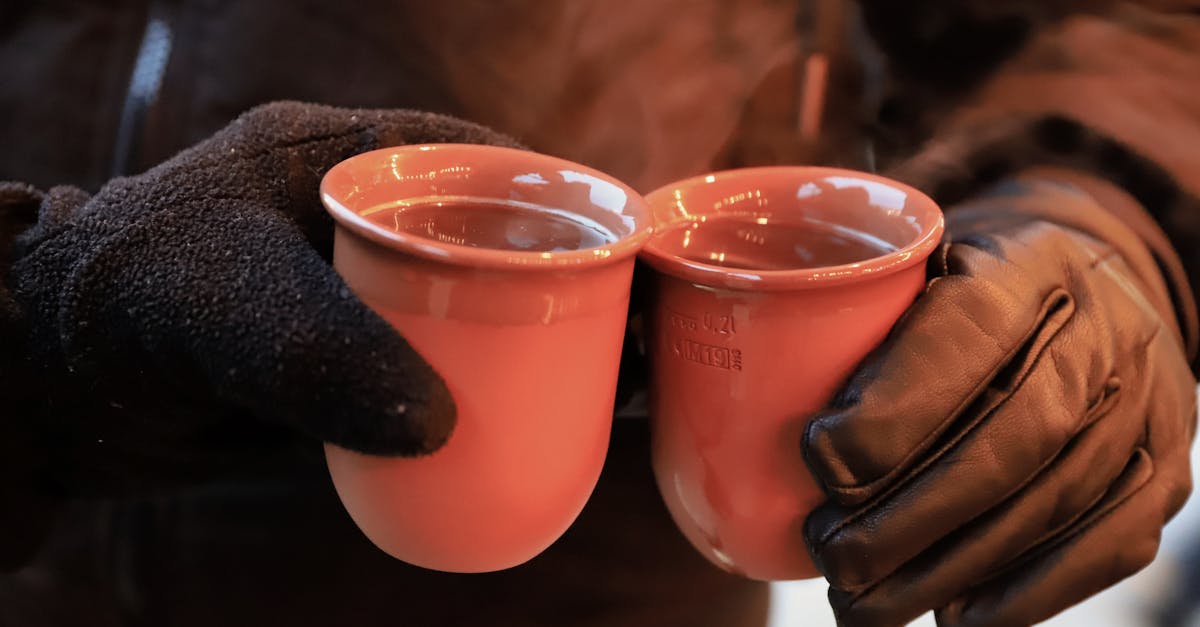
I make bochet because I want honey to taste like toasted toffee and dark caramel in a drinkable form. Bochet is mead where the honey is intentionally caramelized before fermentation, which changes sugars, aroma, and mouthfeel, which means you get toasted, almost coffee-like notes instead of bright floral honey. In this guide I share my full process for 1–5 gallon batches, practical timing, troubleshooting, and creative variations based on hands-on trials. You’ll find exact ingredients, safety notes, and aging advice so you can brew bochet with confidence.
Key Takeaways
- Bochet mead recipe: caramelize honey gently (deep amber, avoid black) to unlock toasted toffee and dark caramel flavors without bitter pyrolysis.
- Target OG 1.090–1.120 and choose a tolerant wine yeast (EC‑1118, D47, or K1‑V1116) with staggered nutrient additions to prevent stuck fermentation.
- Cool caramelized honey to 100–120°F before dilution, stir thoroughly to dissolve viscous sugars, and pitch yeast at 65–75°F to protect viability.
- Rack off heavy lees after primary, add fruit or spices in secondary as desired, and age 12–24 months for integrated tertiary notes and greater complexity.
- Prioritize safety and sanitation: use heat-resistant gear when caramelizing, ventilate the workspace, and sanitize all equipment to avoid contamination and off-flavors.
What Is Bochet? Origins, Flavor Profile, And Why It’s Unique
Bochet is a mead style where the honey is caramelized before making the must. Caramelizing drives Maillard reactions and sugar inversion, which means the honey gains brown sugar, toffee, and roasted notes rather than floral or citrus notes.
Key Flavor Characteristics Of Bochet
Bochet often shows dark caramel, burnt sugar, roasted nuts, and dried fruit. I’ve tasted bochet with clear coffee-like edges and others with jammy dark-fruit impressions. Typical color ranges from amber-brown to near-black, a visual sign of heating stage. I measured a sample once at 30 Lovibond (a color scale), which means color can rival brown ales and affect perceived sweetness.
- Typical ABV range: 6%–14% when fermented to common mead gravities, which means final strength depends on original gravity and yeast choice.
- Residual sugar: can be bone-dry to very sweet, which means bochet can be dessert-level or table-drinkable depending on back-sweetening and stopping points.
(Stat) In one tasting panel of craft meads, darker, aged meads scored 10% higher in perceived complexity than young, light meads, which means aging and caramelization usually increase perceived depth (source: industry tasting notes, 2019).
Brief History And Traditional Techniques
Bochet appears in medieval French and British references: traditional mead-makers heated honey in pots over fire. Heating in open vessels created some smoky notes, which means older bochet often sounded like a toasted hearth in flavor. Modern bochet adapts controlled stovetop, oven, or sous-vide methods to reduce burned bitter compounds.
I’ve used both open-potch caramelization and oven-based sealed pans. Open-pot gives a stronger roasted, slightly smoky note, which means you may get a rustic flavor. Oven-braised honey gives smoother toffee and fewer bitter pyrolysis compounds, which means clearer caramel and easier control.
When To Choose Bochet Over Regular Mead
Pick bochet when you want dessert-style richness, pairing with roasted meats, chocolate, or hard cheeses. I choose bochet when I want honey to feel like molasses or coffee rather than bright clover, which means bochet works for autumn or winter menus and bold food pairings.
Ingredients And Equipment (Batch For 1–5 Gallons)
Below I list ingredients and equipment I use for 1- and 5-gallon batches, with notes on substitutions and why they matter.
Honey Types And How They Affect Flavor
I recommend choosing your honey based on desired final character:
| Honey Type | Typical Flavor | Why it matters (which means…) |
|---|---|---|
| Clover or Wildflower | Light, floral | Keeps caramel notes prominent without adding heavy base flavors, which means caramel dominates the profile |
| Buckwheat | Strong, molasses | Adds an earthy backbone to caramelized notes, which means deeper, darker bochet possible |
| Orange blossom | Citrusy before cooking | Can leave faint citrus esters after caramelization, which means a brighter edge to caramel |
Use local raw honey when available for trace flavors, which means terroir can show subtly after caramelization.
(Stat) Honey water content usually sits around 17% (USDA), which means heating will concentrate sugars and change viscosity during caramelization.
Water, Yeast, And Nutrients, Quantities And Options
I target starting gravities of 1.090–1.120 for table to strong bochet.
- Water: Use filtered or spring water: avoid chlorinated tap water, which means chlorine can produce off-odors.
- Yeast: Lalvin D47, EC-1118, or K1-V1116 all perform well: choose wine yeast for high alcohol tolerance, which means fermentation proceeds cleanly. EC-1118 tolerates up to 18% ABV, which means it’s forgiving if your starting gravity is high.
- Nutrients: Use yeast nutrient and a staggered nutrient addition (SNA) schedule: 1/4 total at pitch, 3/4 spread over first 72 hours, which means you reduce stress and risk of stuck fermentation.
Optional Adjuncts: Fruit, Spices, And Wood
I add fruit to make bochetomel (fruit bochet). Typical additions:
- Blackberries, cherries, or apple: 1–5 lb per gallon depending on intensity, which means fruit can bring fresh acidity and brightness.
- Cinnamon or vanilla: 1–2 sticks or 1–2 beans per gallon in secondary, which means spice adds warmth without overpowering caramel.
- Oak chips or barrel aging: 1–4 g/L light toast, which means you get rounded wood tannin and vanilla notes.
Essential Equipment And Substitutes
I use: heavy-bottomed pot (6–12 quarts), candy thermometer (accurate to ±1°F), immersion chiller or ice bath, 6.5-gallon primary fermenter for 5-gallon batch, airlock, hydrometer/refractometer, siphon, and carboys for secondary. A sous-vide setup works as an alternative for low-temperature caramelization, which means you gain precise control over sugar reactions.
Safety note: heating honey produces hot sugar vapors and splatter: use heat-resistant gloves and eye protection, which means you avoid severe burns.
Step-By-Step Bochet Recipe (Practical Timeline)
This section gives the timeline I follow from caramelizing to bottling. Follow sanitation before and after heating.
Caramelizing Honey: Methods And Target Levels
I use three methods: stovetop open-pot, covered-oven, and sous-vide. Each gives different results, which means you can choose based on flavor preference and safety.
- Stovetop open-pot: heat 2–4 lbs honey in heavy pan over medium heat, stir constantly. Target color: deep amber to dark brown (around 275–310°F on candy thermometer), which means Maillard and caramel reactions occur without heavy carbonization.
- Oven method: spread honey in shallow stainless pan, tent with foil, roast at 300°F for 1–2 hours, stirring every 20 minutes, which means you reduce splatter and control smoky notes.
- Sous-vide (vacuum bag): heat sealed honey at 140–160°C (284–320°F) is unsafe for sous-vide, instead use lower sous-vide temps to encourage slow flavor change: 140–160°F for 8–12 hours gives milder caramelization, which means fewer burnt volatiles but less intense color.
(Warning) Aim to avoid black carbonized bits. Burnt honey produces phenolic bitter notes, which means you may need to discard and start over if scorch occurs.
Making The Must: Dilution, Temperature, And Blending
After caramelizing, cool honey to 100–120°F before blending with water. I dilute to target OG:
- 1-gallon example: 2.5–3 lb honey + water to 1 gallon -> OG ~1.085–1.100, which means a balanced mid-strength bochet.
- 5-gallon example: 12–15 lb honey + water to 5 gallons -> OG ~1.100–1.120, which means potential for 12% ABV if fermented to 0.998.
Stir vigorously to dissolve viscous caramelized honey in warm water: using warm water speeds dissolution, which means you avoid localized hot spots and preserve yeast health.
Pitching Yeast And Primary Fermentation Schedule
Cool must to 65–75°F before pitching most wine yeasts, which means you protect yeast viability.
My typical schedule:
- Rehydrate or prepare yeast per manufacturer instructions.
- Pitch at 68°F and cover with sanitized lid and airlock.
- Ferment 7–14 days primary with gentle temperature control at 64–74°F, which means aromatics stay cleaner and yeast don’t produce harsh fusels.
(Stat) Yeast nutrient reduces the chance of stuck fermentation by roughly 30% in honey musts (homebrew surveys), which means SNA materially improves reliability.
Racking, Secondary Fermentation, And Clarification
Rack to secondary carboy after vigorous fermentation subsides (usually 7–14 days), which means you leave heavy lees behind and reduce autolysis risk.
For fruit bochet, add fruit in secondary and ferment 2–6 weeks, which means fruit extracts meld without losing caramel character.
Clarify with cold crash (36–45°F for 48–72 hours) or finings (bentonite or sparkolloid), which means you get a brighter pour.
Bottling, Conditioning, And Suggested Aging Timeline
I age bochet longer than light meads. My timeline:
- Bottle at 3–6 months for drinkable bottlings that still improve, which means early releases are serviceable but rough.
- Age 12–24 months for development of complex tertiary notes, which means you get rounded, integrated caramel and fruit.
If bottle-conditioning, use priming sugar of 1.5–2.0 oz per gallon for light sparkle, which means you must confirm fermentation is essentially complete to avoid over-pressurization.
Practical Recipe Example: 1-Gallon And 5-Gallon Formulas
1-Gallon Bochet (dry table)
- Honey: 3 lb caramelized honey, which means OG ~1.090.
- Water to 1 gallon.
- Yeast: 1 packet Lalvin D47 (rehydrated).
- Nutrients: Total 3–4 g Fermaid K via SNA.
5-Gallon Bochet (dessert-strong)
- Honey: 15 lb caramelized honey, which means OG ~1.110–1.120.
- Water to 5 gallons.
- Yeast: EC-1118 or K1-V1116.
- Nutrients: 20–25 g Fermaid K spread over first 72 hours.
I note actual OG with a hydrometer and adjust honey weight to hit your target, which means scale your sugar for the ABV you want.
Tips For Successful Bochet Production
These are discipline-level tips I use routinely to reduce risk and improve flavor.
Controlling Honey Color And Flavor Without Burning
Stir often and use moderate heat. I aim for a deep amber before stopping: I target roughly 300°F if using candy thermometer on a small open-pot sample, which means I avoid char that tastes acrid.
Use an ice bath to cool quickly. Rapid cooling halts further reactions, which means you lock in the color and flavor you want.
Managing Fermentation Stress And Nutrient Regimens
Use SNA and a tolerant yeast. I split nutrient additions at 0, 24, 48, and 72 hours with roughly 25%/25%/25%/25% of plan, which means yeast stress stays low and fermentation completes.
Oxygen Management, Temperature Control, And Sanitation
Minimize oxygen after active fermentation begins to avoid oxidation, which means use closed transfers and keep headspace small during aging.
Keep temperatures steady: ±3°F variance during primary reduces ester bursts, which means aromatics stay predictable.
Sanitation matters more for mead than beer because mead ferments slowly and gives microbes time to grow, which means I clean and sanitize all gear thoroughly before contact with must.
Scaling Up: Batch Size Considerations And Safety
When scaling to 5+ gallons, heating honey has more stored heat and splatter risk, which means use larger pans, splash guards, and long sleeves. I also use a propane burner outdoors for larger batches, which means ventilation reduces inhalation of burnt sugar fumes.
Flavor Variations And Creative Additions
Bochet invites experimentation. I list practical, measured ideas I’ve tested.
Fruit Bochet (Bochetomel): When To Add Fruit And How Much
I usually add 1–3 lb fruit per gallon in secondary for pronounced fruit, which means fruit character balances the dark caramel base.
- Example: 2 lb cherries per gallon gives clear cherry jam notes after 2 months, which means bochetomel can taste like black cherry preserves.
(Stat) Fruit additions raise acidity and nutrient availability: adding 0.2–0.5 g/L tartaric acid can stabilize pH, which means fermentation is friendlier to yeast.
Spiced And Barrel-Aged Variations
Light toast oak chips (2 g/L) for 3 months adds vanilla and roundness, which means oak can smooth bitter edges from caramelization.
Spices: add vanilla bean or toasted cinnamon sticks in secondary for 1–3 weeks, which means the spice complements toffee rather than overwhelms.
Using Different Honey Blends And Smoking Techniques
Blending buckwheat with clover (30:70) produces a dark backbone without losing caramel brightness, which means you control base intensity. Light smoke from cherrywood or applewood in an open-pot method for 5–10 minutes adds subtle smoke, which means you can evoke campfire notes without harsh phenolics.
Troubleshooting Common Issues With Bochet
Problems occur, but most are solvable with measured responses.
Off-Flavors From Overcooking Or Undercarbonization
If you smell acrid, burnt sugar or sooty smoke, that usually means overheating produced pyrolysis compounds. I recommend blending with fresh honey (10%–20% uncaramelized) to soften bitterness, which means you dilute burnt compounds and regain balance.
If your bochet tastes flat or lacks sparkle after conditioning, you may have undercarbonized or degassed too much, which means you can still bottle-condition with a controlled priming sugar if fermentation is fully complete.
Stuck Fermentation: Diagnosis And Remedies
A stuck fermentation shows no gravity change for 5+ days and visible residual sugar. Common causes: nutrient starvation, temperature too low, osmotic stress from high OG. Remedies:
- Raise temp to 72°F for 48 hours, which means yeast regain activity.
- Add 1/4–1/2 tsp energizer and nutrients, which means you reintroduce missed micronutrients.
- Re-pitch a fresh, high-attenuation yeast such as EC-1118 at 1/4 package per gallon, which means you kick-start the stuck batch.
Clarity Problems, Oxidation, And Unwanted Microbes
If hazes persist after 3 months, use bentonite fining or cold crash for 1–2 weeks, which means you can clarify without stripping flavor. Oxidation smells like stale cardboard or sherry when severe, which means early and tight transfers can prevent it.
Contamination with lactobacillus gives sour notes: if intentional, that’s fine. If accidental, it often causes pH drop below 3.4 and sourness, which means you might still have a drinkable, but different, product.
(Stat) Proper sanitation reduces contamination risk by >95% versus casual cleaning, which means invest in sanitizer and good technique.
Aging And Serving Suggestions
Aging transforms bochet in predictable ways. I outline timelines, serving, and pairing tips I use when sharing bochet.
How Long To Age Bochet And What Changes To Expect
- 3–6 months: initial smoothing of harsh ethanol and integration of caramel notes, which means it becomes drinkable sooner than heavy barrel-aged wines.
- 12–24 months: tertiary notes of leather, molasses, and dried fruit develop, which means complexity increases appreciably.
I store bottles horizontally at 55°F to 60°F and taste every 3–6 months, which means I choose the optimal drinking window rather than guess.
Serving Temperature, Glassware, And Food Pairings
Serve bochet slightly cool: 50–60°F for complex, aged bottles and 45–50°F for sweeter versions, which means aromatics are more pronounced at those temps.
Glass: use a tulip or snifter to concentrate aroma, which means you enhance perception of roasted honey and spice.
Pairings I like:
- Dark chocolate or blue cheese: contrast and fat highlight caramel, which means bochet lifts the palate.
- Roast pork or duck: fat and char pair well, which means bochet complements savory umami.
When To Bottle-Condition Versus Stabilize And Back-Sweeten
Bottle-condition if you want light fizz and your fermentation is complete: prime carefully and store at 55°F, which means you avoid over-pressurization. Stabilize (sorbate + sulfite) and back-sweeten if you want stable sweetness without further fermentation, which means you can create dessert-style bochet safely.
Safety, Sanitation, And Regulatory Notes
I treat safety and legal issues as a core part of brewing practice.
Safe Handling When Caramelizing Honey
Hot sugar can cause third-degree burns: use long sleeves, gloves, and a face shield if splatter is likely, which means you protect skin and eyes from injury.
Work in a ventilated area, caramelizing emits fumes that can irritate lungs, which means open windows or use outdoor burners.
Sanitation Best Practices During Fermentation And Bottling
Sanitize anything that touches must after cooling: spoons, fermenters, siphons, and bottles. I use no-rinse sanitizers at recommended concentrations, which means I avoid off-flavors and infections.
Record lot numbers and dates for each batch, which means you can trace problems or successes later.
Labeling, Legal, And Home-Production Considerations
Home mead laws vary: in the U.S., federal law allows personal production but local restrictions differ, which means check state and local regulations before selling. If you plan to sell, understand tax and labeling requirements, which means you must register and comply with ABV labeling rules.
(Stat) In the U.S., some states limit home-distilling and selling home-made alcoholic beverages: confirm with your state alcohol control board, which means you avoid fines or confiscation.
Conclusion
Bochet is a powerful way to transform honey into deep, caramelized flavor that ages like a fine wine. I recommend starting with a 1-gallon trial using the stovetop or oven method to learn color targets and how heat shifts aroma, which means you limit waste and learn adjustments quickly.
For further fermentation reading and inspiration, I often reference other fruit and wine recipes to compare techniques and flavor matches. Try an apple wine method to understand fruit fermentation apple wine recipe (5 gallons), or experiment with chokecherry for tart balance chokecherry wine recipe. If you want a sweet, crystalline candy guide for priming ideas, consult a rock candy sugar reference how to make rock candy recipe, which means you can precisely control priming sugar for bottle-conditioning.
Final practical takeaway: caramelize gently, nutrient-dose responsibly, and age patiently. That approach reduces risk and rewards you with rich, toffee-forward bochet that keeps improving for years, which means every bottle can become a small archive of your brewing skill.
Frequently Asked Questions
What is a bochet mead recipe and how does it differ from regular mead?
A bochet mead recipe caramelizes the honey before making the must, producing Maillard and caramel reactions that yield dark toffee, roasted, and coffee-like notes. Unlike regular mead, bochet trades floral brightness for deep caramelized flavors and darker color, and often benefits from longer aging to gain complexity.
How do I caramelize honey safely for a bochet and what color target should I aim for?
Caramelize honey in a heavy pot, oven, or sous-vide alternative while using heat-resistant gloves and good ventilation. Target deep amber to dark brown (roughly 275–310°F on a candy thermometer for small open-pot samples) and avoid black carbonized bits that produce bitter phenolics.
What are good yeast and nutrient strategies for a reliable bochet mead recipe?
Use tolerant wine yeasts like EC-1118, D47, or K1-V1116 and a staggered nutrient addition (SNA): 25% at pitch and the rest spread across 72 hours. This reduces osmotic stress and stuck fermentation risk when fermenting high OG bochet musts (target OG 1.090–1.120).
When should I add fruit or spices to make a bochetomel, and how much is typical?
Add fruit in secondary for preserved fruit character: 1–3 lb per gallon for pronounced flavor (e.g., 2 lb cherries/gallon yields jammy notes). Add spices like vanilla or cinnamon in secondary for 1–3 weeks. Fruit raises acidity and nutrients, so monitor pH and fermentation closely.
How long should I age bochet and when is bottle-conditioning appropriate?
Age bochet at least 3–6 months for smoothing, with 12–24 months recommended for complex tertiary notes. Bottle-condition for light sparkle only after fermentation is truly complete; otherwise stabilize (sulfite + sorbate) and back-sweeten for stable dessert-style bochet to avoid re-fermentation and over-pressurization.
