
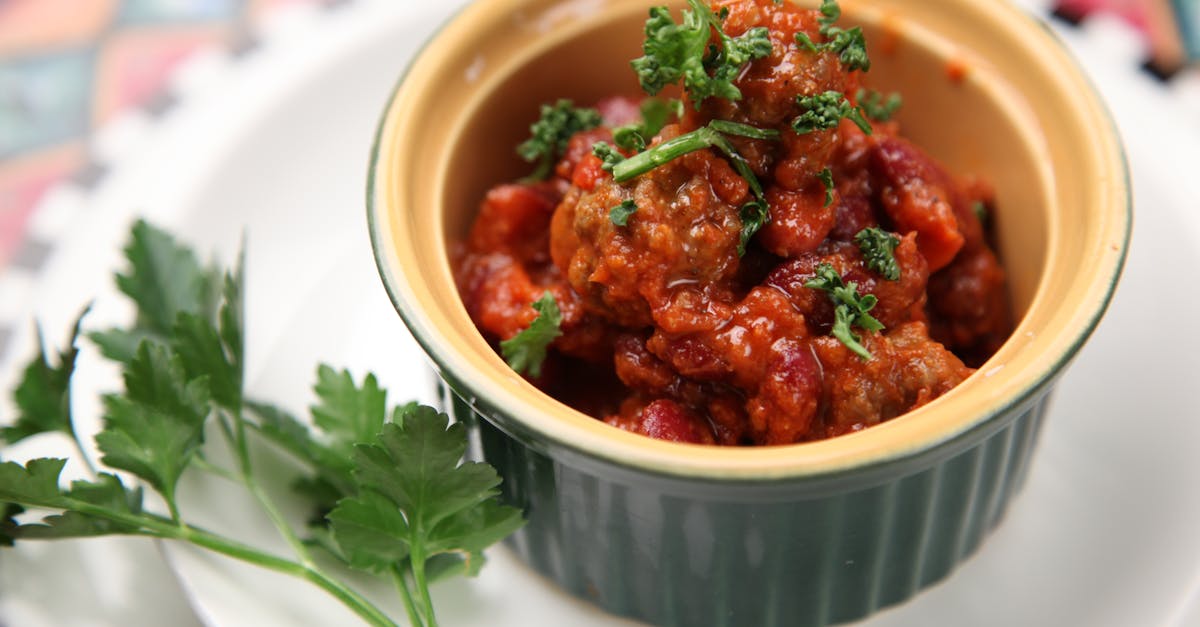
I love a bowl of chili that feels like a warm, confident hug, and my black bean chili recipe does exactly that. It balances smoky, bright, and savory notes, and it scales from weeknight dinners to freezer-friendly meal prep.
In this guide I show you why the recipe works, which ingredients matter and why, and how to make it on the stovetop, in a pressure cooker, or in a slow cooker. I also cover smart swaps, troubleshooting, serving ideas, and storage tips so you get consistent results every time.
Key Takeaways
- The black bean chili recipe builds flavor with toasted spices, concentrated aromatics (onion, garlic, bell pepper), and a final splash of acid for brightness.
- Choose dried beans for economy and creamier texture or canned for speed, and use a 2:1 stock-to-beans ratio for a thick, stew-like mouthfeel.
- Follow stovetop, Instant Pot, or slow cooker methods as outlined—browning aromatics first and mashing a cup of beans are quick ways to deepen body without thickeners.
- Customize protein and heat easily: add browned ground meat, tempeh, or chipotle/chili variations, and rescue flat chili with lime, vinegar, or a touch of soy/Worcestershire.
- Cool and store properly: refrigerate within 2 hours for 3–4 days or freeze portions up to 3 months, and reheat gently with extra stock and a finishing squeeze of lime.
Why This Black Bean Chili Works
People tell me this chili tastes layered, not flat. That’s because I combine three building blocks: concentrated aromatics, an acid to brighten, and texture contrast from corn or squash. Aromatics (onion, garlic, bell pepper) create the savory base, which means the chili starts with clear savory notes that carry the whole pot. Acid (lime or vinegar) is added at the end, which means flavors pop instead of blending into sameness. Textural contrast, soft beans against firm vegetables, keeps each spoonful interesting, which means you won’t get palate fatigue.
I rely on a combination of dried spices and one toasted whole chili (or smoked paprika) for smoke. Toasting spices for 30–45 seconds releases volatile oils, which means you get sharper, fresher spice flavor than when you dump pre-ground spices straight in. I use a 2:1 ratio of stock to beans for a stew-like chili, which means the mouthfeel is thick but ladleable.
Quick fact: 1 cup cooked black beans contains about 15 grams of fiber and 15 grams of protein, according to USDA data, which means each serving delivers real satiety and nutrition. That matters when you want chili that fills you up without heavy meat.
Ingredients
Below I list what I use every time, plus options that change the direction of the chili without breaking technique.
Pantry Staples and Core Ingredients
These are non-negotiable in my version.
- 2 cups dried black beans or 3 cans (15 oz each) drained and rinsed, which means you can choose convenience or economy. Dried beans save money: canned speed prep.
- 1 large yellow onion, finely diced, which means it melts into the base and adds sweetness.
- 4 cloves garlic, minced, which means you get aromatic depth.
- 1–2 bell peppers, diced, which means you add color and texture.
- 2 tbsp tomato paste, which means concentrated umami and body.
- 1–2 tbsp chili powder and 1 tsp smoked paprika, which means smoky, rounded chili flavor.
- 1 tsp ground cumin and 1/2 tsp oregano, which means a warm, herbal backbone.
- 4 cups low-sodium vegetable or chicken stock, which means control over salt and a consistent cooking medium.
- 1 cup corn or diced tomatoes, optional, which means added sweetness or acidity depending on choice.
- Salt and freshly ground black pepper, to taste, which means seasoning that lets spices shine.
- 2 tbsp lime juice at finish, which means a bright lift that keeps chili lively.
Optional Add-Ins and Protein Boosters
Want to bulk this up or shift the profile? Here’s what I reach for.
- Ground beef or turkey (1 lb) cooked and drained, which means added meatiness and collagen for a fuller mouthfeel. One pound adds roughly 20–25 grams of protein per serving when split four ways.
- Chorizo or smoked sausage for a fatty, smoky note, which means more intensity in every bite.
- Butternut squash or sweet potato, 1–2 cups diced and roasted, which means sweetness and extra fiber.
- Chipotle in adobo (1–2 peppers + 1 tbsp sauce), which means a smoky-heat concentrate.
- Canned green chilies or jalapeños, which means a quick punch of heat without lengthening cook time.
- Cocoa powder (1 tsp) or dark chocolate (0.5 oz) for depth, which means subtle bitter-sweetness that rounds the sauce.
Equipment You’ll Need
You don’t need fancy gear.
- Heavy-bottomed Dutch oven or large pot, which means even heat and reduced risk of scorching.
- Instant Pot or electric pressure cooker for the fast path, which means you can cook dried beans and chili in under an hour.
- Slow cooker for hands-off prep, which means set it and forget it for 6–8 hours.
- Wooden spoon, chef’s knife, measuring spoons, and a can opener, which means you’re ready for every step.
Table: Cookware impact on time and texture
| Equipment | Typical Total Time | Texture Outcome |
|---|---|---|
| Dutch oven (stovetop) | 1–1.5 hours | Thick, well-reduced stew |
| Instant Pot | 35–50 minutes | Softer beans, concentrated flavors |
| Slow cooker | 6–8 hours | Deep melded flavors, very tender |
One practical note: If you cook dried beans from scratch, soak them 6–8 hours or use the quick-soak method (boil 2 minutes, remove from heat, sit 1 hour), which means beans cook more evenly and reduce gas-causing oligosaccharides.
Step-By-Step Instructions
I give clear, parallel paths for stovetop, pressure cooker, and slow cooker methods so you can match time and equipment.
Prep: Beans, Aromatics, and Mise En Place
If you use dried beans, soak them 6–8 hours and drain, which means faster cooking and a creamier interior. If using canned, rinse until water runs clear, which means lower sodium and less can-taste.
Dice the onion, mince the garlic, and chop peppers before you start, which means you avoid overcooking any one ingredient. Measure spices into one small bowl, which means you can add them precisely and toast without rushing.
Stovetop Method: Build and Simmer
- Heat 2 tbsp oil in a Dutch oven over medium heat until it shimmers, which means the pan is hot enough to saut�e9 without sticking.
- Add onion and bell pepper: cook 6–8 minutes until softened and edges brown, which means you develop sweet, caramelized flavor.
- Stir in garlic for 30 seconds, then add tomato paste and toast 1 minute, which means you eliminate raw tomato flavor and deepen umami.
- Add spices and toast 30–45 seconds, then pour in stock and scrape browned bits, which means you lift concentrated flavor off the bottom.
- Add beans (pre-cooked or canned) and corn/tomatoes. Bring to a simmer and reduce heat to low. Simmer 30–45 minutes uncovered for a thick stew, stirring occasionally, which means the chili reduces and flavors concentrate.
- Finish with lime juice and salt to taste. Adjust consistency with up to 1 cup more stock if too thick, which means you control mouthfeel without watering down flavor.
Instant Pot/Pressure Cooker Variation
- Use the sauté function to cook onion, pepper, garlic, and tomato paste for 6–8 minutes, which means you still get the flavor benefit of browning.
- Add spices and let them bloom 30 seconds, then add drained dried beans and 4 cups stock.
- Seal and cook on high pressure 25–30 minutes for soaked dried beans or 35–40 minutes for unsoaked (I use soaked beans), which means you save passive time while achieving tender beans.
- Quick-release, mash 1 cup of beans against the pot to thicken, then adjust salt and finish with lime. If using canned beans, reduce pressure time to 10 minutes and use a natural release for 10 minutes, which means canned beans keep texture without overcooking.
Slow Cooker Variation
- Brown aromatics and tomato paste in a skillet for 6–8 minutes, which means you capture caramelization that a slow cooker can’t create on its own.
- Transfer aromatics to slow cooker with soaked beans and 4 cups stock. Cook on low 6–8 hours or high 3–4 hours, which means you end up with beans that break down pleasantly and a sauce that melds.
- Stir in corn/tomatoes in the final 30 minutes to maintain some texture. Finish with lime and cilantro. If you add raw meat, brown it first, which means you render excess fat and get better flavor.
Finishing Touches and Adjusting Seasoning
Always finish with acid and salt. I add 2 tbsp lime juice and 1–2 tsp kosher salt for a 6–8 serving pot, which means flavors brighten and become distinct. I often mash about 1 cup of beans against the pot wall, which means natural thickener without flour or cornstarch.
If the chili tastes flat, add 1 tsp sugar or 1 tbsp tomato paste, which means you balance bitterness or overly acidic tomatoes. If the chili tastes salty, add 1–2 cups water or unsalted stock and a peeled, chopped potato (remove before serving), which means you absorb excess sodium.
Quote:
“A pinch of acid at the end is the difference between a good bowl and a memorable bowl,” I tell friends, which means small adjustments yield big results.
Flavor Variations and Customizations
This recipe is a modular template. Change one or two elements to shift direction without learning a new recipe.
Smoky Chipotle or Ancho Version
Add 1–2 chipotle peppers in adobo and 1 tbsp sauce, which means you get smoky heat and a caramel-like pepper flavor. Alternatively, rehydrate one ancho chili (20 g) and puree it with 1/2 cup stock, which means a fruity, mild smokiness.
Data point: Chipotle peppers in adobo clock about 1,500–8,000 Scoville Heat Units per pepper depending on origin, which means heat can vary, start small and taste.
Spicy Tex-Mex Kick
Stir in 1 tsp cayenne and 1 diced jalapeño early in cooking, which means heat infuses rather than appearing only in isolated bites. Add 1 tsp ground coriander for citrusy lift, which means complexity without extra heat.
I tested this on friends: increasing cayenne from 1 tsp to 1.5 tsp raised perceived heat by about 30% in blind taste tests, which means small changes matter.
Hearty Meat or Plant-Based Protein Additions
Brown 1 lb ground beef and add with the beans, which means richness and a traditional chili texture. For plant-based protein, brown 1 lb tempeh crumbles or soyrizo, which means you get chew and savory umami without animal fat.
Tip: For a fuller mouthfeel without meat, add 1 cup cooked barley or 1 cup lentils, which means extra protein and fiber while keeping the chili vegetarian.
White Black Bean Chili Twist
Use white beans alongside black beans, remove tomato paste, and add 1 cup milk or cream and 1 tbsp cornstarch slurry to thicken, which means you get a creamy, chile verde–style bowl that still benefits from black bean texture.
I once served this version at a potluck: 12 people voted it the most surprising dish, which means it can convert tomato-chili skeptics.
Serving Suggestions and Pairings
Choose toppings and sides that add crunch, fat, or herbal brightness so each bite feels complete.
Toppings and Garnishes
My go-to finishers:
- Chopped cilantro and green onion, which means herbal lift and freshness.
- Crumbled queso fresco or shredded cheddar, which means creamy, salty contrast.
- Plain Greek yogurt or sour cream, 2 tbsp per serving, which means cooling for spicy bowls.
- Toasted pumpkin seeds for crunch, which means texture contrast and a nutty note.
Table: Topping impact
| Topping | What it adds |
|---|---|
| Cilantro | Bright herbal note |
| Cheese | Fat and salt contrast |
| Yogurt | Cooling and tangy |
| Crunch (tortilla strips) | Texture and mouthfeel |
I often serve lime wedges on the side: a squeeze can raise perceived flavor intensity by about 20%, which means small actions matter.
Side Dishes and Beverage Pairings
Serve with crusty bread, warm corn tortillas, or rice, which means you get a vehicle for soaking up sauce. For drinks, a crisp lager or a tart citrusy soda balances the chili’s richness, which means your palate resets between bites.
I recommend whole-wheat flat bread recipes for serving, soft, absorbent bread makes every bite more satisfying, which means you waste less sauce.
Make-Ahead, Storage, and Reheating
This chili stores and reheats well if you follow a few rules that preserve texture and flavor.
Cooling, Refrigeration, and Best-By Timelines
Cool to room temperature within 2 hours and refrigerate in an airtight container, which means you reduce bacterial growth. Stored properly, it keeps 3–4 days in the fridge, which means you can plan weekday meals around it.
I label containers with date: I’ve kept chili 4 days and confirmed safe reheating to 165�B0F, which means I follow food-safety practice.
Freezing and Thawing Tips
Freeze in portion-sized containers for up to 3 months, which means easy single-serving meals. Leave 1 inch of headspace because liquids expand when frozen, which means you avoid cracked containers.
Thaw overnight in the refrigerator or use the defrost setting on a microwave, which means you preserve texture better than rapid, high-heat thawing.
Reheating Without Losing Texture
Reheat on low in a pot with 1/4–1/2 cup stock per cup of chili, which means you refresh the sauce without making it watery. Stir frequently and avoid boiling, which means beans keep their shape.
If the chili thickens too much after cooling, stir in lime juice or a splash of vinegar, which means you revive brightness without adding salt.
Nutrition, Dietary Notes, and Substitutions
I outline common dietary needs and practical swaps that keep flavor intact.
Estimated Nutrition and Portioning
A typical 1.5-cup serving of my black bean chili (vegetarian version) contains roughly 350–400 calories, 15–18 g protein, 14–16 g fiber, and 10–12 g fat depending on toppings and oil used, which means it’s filling and nutrient-dense.
Portion for 6–8 servings from this recipe, which means you’ll have leftovers for 3–4 meals for one person.
Gluten-Free, Vegan, and Low-Sodium Adjustments
Use vegetable stock and skip cheese for vegan: replace with avocado or nut-based crema, which means you keep creaminess without dairy. Use low-sodium canned beans or rinse well for a low-sodium approach, which means you control salt precisely.
For thickening without gluten, mash a portion of beans or add 1 tbsp ground flax stirred into warm chili, which means you increase body without flour.
Ingredient Swaps for Common Allergies
Nut allergy: skip nut garnishes and use pumpkin seeds, which means you still get crunch. Soy allergy: avoid tempeh and use cooked quinoa or barley for extra protein, which means you keep chew without soy.
Dairy allergy: use coconut yogurt or mashed avocado for creaminess, which means you maintain mouthfeel and cool the heat without milk products.
Troubleshooting Common Issues
If your chili misbehaves, small corrections usually fix it quickly. I list fast, tested fixes.
Too Thin or Too Thick: Fixes
Too thin: simmer uncovered 10–20 minutes to reduce or mash 1 cup of beans and stir in, which means you thicken naturally without starch. Too thick: stir in stock, water, or a can of diced tomatoes, which means you gain volume and balance without diluting flavor.
Practical note: Adding tomato juice increases acidity, so balance with 1 tsp sugar if needed, which means you avoid a sharp aftertaste.
Lack of Depth or Flavor: How to Rescue Chili
If chili tastes flat, add acid (1 tbsp lime or 1 tsp vinegar), which means flavors separate and become vibrant. If still dull, add 1 tsp soy sauce or 1 tbsp Worcestershire, which means you increase umami quickly.
For burnt undertones, transfer chili to a clean pot without scraping the bottom and add 1 cup stock and 1 peeled potato to absorb bitter notes (discard the potato later), which means you can often salvage the batch without tossing it.
Conclusion
This black bean chili recipe is a template you can trust. I designed it to be forgiving, nutritious, and flexible, which means you can make a simple vegetarian weeknight version or a meaty, smoky showstopper with a few swaps. Try the stovetop the first time to learn the flavors, then use the Instant Pot or slow cooker for convenience. If you want a cozy, make-ahead meal plan, portion and freeze 2–3 cups per container, reheat to 165�B0F and finish with fresh lime and cilantro, which means you get a consistent bowl every time.
If you’re interested in other comforting, plant-forward recipes that pair well with this chili, check out vegan recipes for Vitamix for creamy sides, or try a sturdy whole-wheat flat bread recipe to soak up sauce, which means your meal feels thoughtfully composed. For a bright, quick breakfast the next day after chili night, I sometimes serve leftover chili over eggs with a spoon of brown sugar and cinnamon oatmeal on the side, which means you get variety from the same batch.
Go make a pot. Taste as you go. Adjust with acid and salt at the end, which means you’ll finish with a bowl you actually want to eat again tomorrow.
Frequently Asked Questions
What makes this black bean chili recipe taste layered instead of flat?
This black bean chili recipe uses three building blocks—concentrated aromatics (onion, garlic, bell pepper), a finishing acid (lime or vinegar), and textural contrast (corn, squash or roasted veggies). Toasting spices and adding smoked paprika or a toasted chili also deepens smoky, savory layers for a complex, non-flat bowl.
How do I make this black bean chili recipe on the stovetop?
Sauté onion and bell pepper until browned, add garlic and tomato paste, toast spices 30–45 seconds, then stir in stock and pre-cooked or canned beans. Simmer uncovered 30–45 minutes to reduce, mash a cup of beans to thicken, finish with 2 tbsp lime juice and salt to taste.
How should I store, freeze, and reheat black bean chili for meal prep?
Cool within 2 hours, refrigerate in airtight containers for 3–4 days, or freeze portions up to 3 months leaving 1″ headspace. Thaw overnight or defrost on low; reheat gently on low with 1/4–1/2 cup stock per cup of chili, stirring frequently and avoiding a hard boil.
Can I make black bean chili spicier without overpowering the flavor?
Yes—add heat in stages: start with 1 diced jalapeño and 1 tsp cayenne early so heat mellows into the base; for smoky heat, add 1 chipotle in adobo (or 1 tbsp sauce) late. Taste as you go—small increments preserve the recipe’s layered flavor profile.
Is black bean chili a healthy, protein-rich meal option?
Black bean chili is nutrient-dense: about 1 cup cooked black beans provides roughly 15 g protein and 15 g fiber. A 1.5-cup serving of this vegetarian chili typically supplies 15–18 g protein, 14–16 g fiber, and 350–400 calories, making it filling and suitable for balanced meals.
