
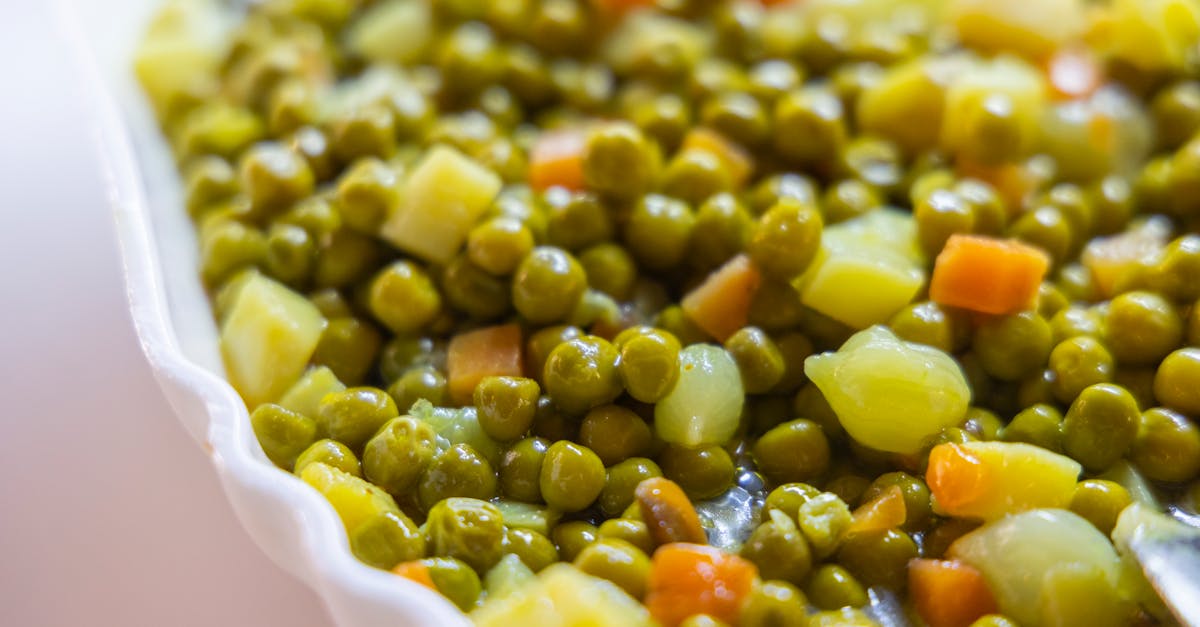
I cook vegetable sides every week and I treat them like the supporting actors that make dinner memorable. Good vegetable sides bring contrast, nutrition, and texture to a plate, they lift simple proteins and make weeknight meals feel intentional.
In this guide I share how I pick, prep, and cook vegetables so they taste bright, balanced, and never boring.
Key Takeaways
- Treat vegetable sides as essential—they add flavor, fiber, and balance that boost health and make mains feel intentional.
- Pick seasonal produce and prep consistently (trim, dry, uniform cuts) so vegetables cook evenly and taste brighter.
- Use core techniques—blanch greens, roast at 425–475°F, and salt early for caramelization—to build the best vegetable sides recipe with reliable results.
- Follow simple seasoning ratios (1 tsp kosher salt per lb, 1–2 tbsp oil per lb, 1 tsp finishing acid per cup) and pair flavors (acid for bitter greens, nuts for texture) for cohesive plates.
- Batch-cook and freeze blanched veg, undercook for reheating, and finish in a hot skillet or broiler to restore texture for weeknight meals.
Why Vegetable Sides Matter: Flavor, Nutrition, And Balance
Vegetable sides add flavor contrast, fiber, and vitamins that most mains lack. A typical plate with one cup of mixed vegetables adds about 25–50 calories and 3–5 grams of fiber, which means you get volume and satiety without many extra calories. This matters because higher vegetable intake links to lower risk of heart disease and certain cancers, according to national dietary guidelines, which means your sides actively improve health outcomes.
I think of vegetable sides in three roles: texture, flavor bridge, and nutritional ballast. Texture prevents a plate from feeling flat, which means a crisp roast or a silky purée keeps each bite interesting. A flavor bridge ties the sauce or seasoning of the main to the rest of the meal, which means you create continuity from starter to dessert. And nutritional ballast ensures the meal leaves you satisfied and energized, which means better digestion and steadier blood sugar after eating.
Quick fact: Americans eat roughly 1.5 cups of vegetables per day on average, below the recommended 2.5–3 cups for many adults, which means simple sides are a practical way to close the gap.
How To Choose Vegetables And Prep For Best Results
Pick vegetables by season and purpose: leafy greens for quick sautés, root vegetables for roasting, and crucifers for high-heat caramelization. Seasonal choice means better flavor and lower cost, which means you’ll get more taste per dollar.
I buy vegetables with these practical checks: firm stems, bright color, and no soft spots. Firmness is a freshness marker, which means longer shelf life and better texture after cooking.
Key Prep Techniques
Trim, dry, and size vegetables consistently so they cook evenly. Uniform pieces mean predictable doneness, which means fewer burned edges and fewer raw centers.
Blanch-and-shock works for green vegetables: plunge into boiling salted water for 1–3 minutes, then ice bath for 2 minutes. Blanching preserves color and nutrients, which means brighter, firmer results when you finish them in a pan.
I often salt vegetables as they cook, not just at the end. Salting early helps draw out moisture for caramelization, which means better browning and a deeper flavor profile.
Seasoning And Flavor Pairings
Match the vegetable’s texture to a complementary season: lemons and vinegar brighten bitter greens, toasted nuts add crunch to soft purées, and smoked paprika pairs with earthy root vegetables. Pairing thoughtfully means each vegetable shines rather than competes, which means a balanced plate that tastes cohesive.
Simple seasoning ratios I use: 1 teaspoon kosher salt per pound of vegetables, 1–2 tablespoons oil per pound for roasting, and a finishing acid (1 teaspoon) per cup of cooked veg for brightness. These ratios ensure proper seasoning, which means consistent results across recipes.
Tools And Equipment That Make Prep Easier
A sharp chef’s knife, a sturdy baking sheet, and a 12-inch skillet elevate simple cooking. Good tools mean faster prep and safer, cleaner cuts, which means a smoother cooking flow and better-looking food.
I also rely on a microplane for zest and a salad spinner for drying greens. Dry greens take oil and dressing better, which means they wilt less and hold texture when cooked.
Classic Vegetable Side Recipes Everyone Should Master
These recipes are small wins I return to when I want reliably good results. Each one works for weeknights and scales to holiday feasts, which means you can use them for daily dinners or special events.
Garlic Butter Green Beans With Almonds
I trim 1 pound of green beans and blanch them 2 minutes, then shock and finish in a pan with 2 tablespoons butter, 2 crushed garlic cloves, and 1/4 cup toasted sliced almonds. Toasting almonds for 3 minutes on medium heat adds a nutty aroma, which means a crisp contrast to soft beans.
I serve this in 15–20 minutes. A serving has about 90 calories and 3 grams of fiber, which means it’s a light but filling side.
Creamed Spinach With Nutmeg
I wilt 10 ounces of baby spinach in 1 tablespoon olive oil, then stir in 1/2 cup warmed cream and 1/4 cup grated Parmesan until silky. A pinch of freshly grated nutmeg (1/8 teaspoon) brightens the dish, which means the cream doesn’t taste one-note.
This yields 4 servings with roughly 140 calories each, which means it’s indulgent but portion-friendly.
Honey-Glazed Carrots With Thyme
I slice 1.5 pounds of carrots on a diagonal, roast at 425°F for 20–25 minutes with 1 tablespoon honey and 1 tablespoon olive oil, finishing with 1 teaspoon fresh thyme. Caramelization on the carrot edges takes about 18–22 minutes, which means you get sweet depth without sogginess.
Each serving contains about 70 calories and 6 grams of natural sugar, which means the sweetness is balanced and not overpowering.
Smashed Parmesan Potatoes
I boil small new potatoes until tender, smash them flat on a sheet pan, drizzle 2 tablespoons oil, sprinkle 1/3 cup grated Parmesan, and roast at 450°F for 20 minutes. The contrast of crispy edges and tender center takes 20 minutes, which means you get both crunch and comfort in one bite.
A typical portion is 180 calories with 6 grams of protein, which means these play well with lean proteins.
Roasted Vegetable Recipes For Maximum Flavor
Roasting concentrates sugar and creates Maillard browning, which means more intense, caramelized flavors from simple vegetables. I roast at high heat, 425–475°F, because higher temperatures force caramelization in 15–30 minutes, which means faster, tastier results.
Sheet-Pan Roasted Root Vegetables With Balsamic
I cube 2 pounds mixed root vegetables (sweet potatoes, parsnips, beets), toss with 3 tablespoons oil, 1 teaspoon salt, and roast at 425°F for 30–40 minutes, tossing once. At the end I drizzle 2 tablespoons aged balsamic and roast 3 more minutes. The balsamic adds acidity and gloss, which means the roots taste bright not cloying.
Roasting reduces water content by roughly 10–25%, which means flavors concentrate and texture firms.
Crispy Brussels Sprouts With Bacon And Maple (Or Vegan Alternative)
I halve 1.5 pounds Brussels sprouts, toss them with 2 tablespoons oil and roast at 425°F for 22 minutes, flipping once. For the non-vegan version I crisp 3 ounces chopped bacon, then toss with 1 tablespoon maple syrup and the sprouts. The sugar in maple syrup caramelizes in the final 2 minutes, which means a sticky glaze with crisp edges.
For vegan swaps I use 1 tablespoon soy sauce and 1 teaspoon smoked paprika for umami, which means you still get savory depth without bacon.
Oven-Roasted Broccoli With Lemon Zest And Chili Flakes
I break 1.5 pounds broccoli into florets, toss with 2 tablespoons oil, 1/2 teaspoon salt, and roast at 450°F for 12–16 minutes. I finish with 1 teaspoon lemon zest and a pinch of chili flakes. The quick roast yields charred tips and tender stems in under 16 minutes, which means you keep bright green color and smoky flavor.
A serving provides about 60 calories and 4 grams of protein, which means broccoli pulls double duty as both side and nutrient boost.
Quick Stovetop And Sautéed Vegetable Sides
Sautéed sides are fast and use less oil, which means lighter dishes on short weeknights. I use a hot pan and brief cooking times so vegetables finish tender-crisp, which means color and nutrients stay intact.
Sauteed Zucchini And Cherry Tomatoes With Basil
I heat 1 tablespoon olive oil, add 2 sliced medium zucchinis, and cook 4–5 minutes: then I add 1 cup halved cherry tomatoes and 6 basil leaves torn by hand. Tomatoes break down in about 3 minutes, which means you finish with a glossy, quick sauce that coats the zucchini.
This cooks in 12 minutes and yields 2 servings at about 80 calories each, which means it’s a fast, low-calorie complement to grilled fish.
Stovetop Ratatouille (Simple Weeknight Version)
I sweat 1/2 diced onion and 1 minced garlic clove for 3 minutes, add 1 cup diced eggplant, 1 cup diced zucchini, and 1 cup diced tomatoes, and simmer 12–15 minutes. A teaspoon of herbes de Provence at the end ties the vegetables together, which means the dish tastes cohesive without long braising.
Ratatouille delivers a concentrated flavor after 15 minutes, which means it works for busy nights and still tastes like you cooked all afternoon.
Braised Cabbage With Apples And Mustard
I slice 1 small head of cabbage, brown 1 chopped apple for 3 minutes, add cabbage and 1/2 cup vegetable broth, and simmer covered 12–15 minutes with 1 teaspoon Dijon. The apple softens while the mustard cuts richness, which means you get sweet-and-tangy balance in one pan.
A serving contains about 70 calories and 3 grams of fiber, which means it’s light and filling.
Healthy, Low-Calorie And Diet-Friendly Options
Vegetable sides can be flavorful without extra calories, which means you can eat more volume and still meet weight goals. I focus on technique, steaming, roasting with minimal oil, or seasoning with acid and herbs for big flavor with small calories.
Steamed Asparagus With Citrus Vinaigrette
I steam 1 pound asparagus for 3–4 minutes until bright green and still firm, then toss with 1 tablespoon olive oil, 1 teaspoon lemon juice, and 1/2 teaspoon lemon zest. Quick steaming preserves vitamin C and folate, which means the vegetable delivers more nutrients per bite.
Asparagus packs about 27 calories per cup and 2.9 grams of fiber, which means you add nutrition without many calories.
Cauliflower Rice With Herbs And Lemon
I pulse 1 medium cauliflower into rice-sized pieces and sauté 4–5 minutes in 1 tablespoon oil with 2 tablespoons chopped parsley and 1 teaspoon lemon zest. Cauliflower rice reduces carbs compared to white rice, 1 cup has about 25 calories vs. 205 for white rice, which means you cut calories while keeping volume.
For a tested variation, I’ve used the cauliflower rice method in quick weeknight bowls and found it holds texture when cooked no more than 5 minutes, which means it avoids becoming mushy. See a related idea in my cauliflower latke experiments here: cauliflower-latkes-recipe.
Roasted Spiced Carrot Ribbons (Low-Fat, High-Flavor)
I shave carrots into ribbons with a peeler, toss with 1 teaspoon olive oil, 1/2 teaspoon ground cumin, and roast at 400°F for 10–12 minutes. Thin ribbons caramelize faster, which means you get sweet edges with almost no fat.
A serving is about 50–60 calories and rich in beta-carotene, which means you support eye health while enjoying a flavorful side.
Make-Ahead, Batch Cooking, And Freezing Tips
Batch cooking vegetable sides saves time and reduces stress during busy weeks, which means you can eat better without daily prep. I prep multiple sides on Sunday and store them in purpose-fit containers, which means reheating is fast and tastes fresh.
How To Meal Prep Vegetable Sides For The Week
Roast vegetables until just-tender (not fully browned) and store in airtight containers for up to 4 days. Slight undercooking means better texture on reheating, which means you avoid mushy leftovers.
I label containers with date and suggested reheating method. Clear labeling reduces waste, which means you use more of what you cook.
Best Methods For Freezing And Reheating Without Losing Texture
Blanch vegetables like green beans, broccoli, and carrots for 1–3 minutes, cool, pat dry, then freeze on a sheet pan before bagging for long-term storage. Flash-freezing prevents clumping, which means you take out only the amount you need.
Reheat frozen vegetables in a hot skillet for 4–6 minutes or under a broiler for 3–5 minutes to regain crispness. Quick, high heat restores texture, which means reheated sides can still feel fresh.
Scaling Recipes For Holidays And Dinner Parties
Scale by weight: multiply ingredient amounts by guest count and round to practical measures (e.g., 2.5 pounds vegetables per 4 people for multiple sides). Weight-based scaling reduces guesswork, which means predictable portions and less waste.
For large batches, keep dressings and finishing acids separate until serving. Added acids can wilt vegetables, which means you maintain texture and flavor control at the table.
Serving, Plating, And Pairing Vegetable Sides
How you plate and pair sides changes how a meal feels, which means modest sides can elevate simple proteins into memorable dinners. I consider color, temperature, and texture when I arrange a plate, which means each forkful has interest.
Pairing Vegetable Sides With Proteins And Grains
Match weight: heavy mains like braised short ribs pair with bright, acidic vegetables: light mains like fish pair with delicate greens. Matching weight balances the plate, which means no single component overwhelms.
Example table of pairings:
| Protein | Vegetable Side | Why it works |
|---|---|---|
| Roast chicken | Garlic butter green beans | Adds freshness and crunch, which means balance of texture |
| Salmon | Oven-roasted broccoli with lemon | Citrus cuts oil, which means cleaner finish |
| Pork chops | Honey-glazed carrots with thyme | Sweetness echoes pork glaze, which means cohesive flavor |
Presentation Tips For Family Meals And Entertaining
Serve vegetables in shallow bowls or long platters to show texture and color. Visible texture invites people to eat, which means your side gets noticed.
Garnish with a small scatter of nuts, seeds, or fresh herbs at serving. A finishing touch adds aroma and polish, which means the dish looks intentional.
Adjusting Flavor Profiles For Different Cuisines
Use specific accents: soy and sesame for Asian, lemon and oregano for Mediterranean, cumin and coriander for Middle Eastern. Appropriate accents create authenticity, which means the vegetable supports the cuisine without copying the main exactly.
For a Mediterranean tilt, try a basil-anchored sauce like this homemade basil alfredo idea for roasted vegetables, which means creamy, herb-forward flavor that pairs with grilled meats: basil-alfredo-sauce-recipe. For a smoky side that echoes regional flavors, check a roasted Brussels sprouts approach here: brussels-sprouts-tops-recipe.
Conclusion
I base great vegetable sides on three principles: honest ingredients, clear technique, and deliberate seasoning. Honest ingredients mean fresh, seasonal produce, which means better flavor with less effort. Clear technique means consistent cuts and the right heat, which means predictable results you can repeat. Deliberate seasoning means acid, salt, fat, and texture in balance, which means every bite feels complete.
A final practical list for the week: roast one tray of mixed roots (30–40 minutes), blanch and sauté a green (10–12 minutes), and make one fast stovetop option like cauliflower rice (5 minutes). This approach yields three different textures and flavors for under 60 minutes of total cook time, which means you can cover an entire week of dinners with minimal daily effort.
If you want to try an idea I use when I entertain, make a large batch of smashed Parmesan potatoes and a quick roasted broccoli with lemon, both scale easily and please a crowd, which means less stress for you and more compliments from guests.
Quote:
“A vegetable side should never be an afterthought, it’s a chance to show flavor, color, and care.”
If you want recipe-tested variations and inspiration, I recommend experimenting with linked recipes above and adapting them to what’s in season. That small habit changed how I cook vegetables, which means my family eats more of them, and enjoys every bite.
Frequently Asked Questions
What makes a ‘best vegetable sides recipe’ stand out?
The best vegetable sides recipe balances texture, seasoning, and purpose: consistent cuts, proper heat (roast or sauté), salt at the right time, and a finishing acid or herb. Seasonal, fresh produce and simple tools deliver bright flavor and satisfying texture that complement your main dish.
How do I roast vegetables for maximum flavor and caramelization?
Roast at high heat (425–475°F) with 1–2 tablespoons oil per pound and 1 teaspoon kosher salt per pound. Use a hot oven, single layer on a sheet pan, and toss once. Finish with a splash of acid or aged balsamic for brightness and gloss.
Can I make the best vegetable sides recipe ahead, freeze them, and still keep good texture?
Yes. Blanch green beans, broccoli, and carrots 1–3 minutes, ice bath, dry, flash-freeze on a sheet pan, then bag. Roast or undercook vegetables slightly for fridge storage and reheat quickly in a hot skillet or broiler to restore texture and avoid mushiness.
What are quick, low-calorie vegetable sides that still taste satisfying?
Choose techniques that boost flavor with little fat: steamed asparagus with citrus, cauliflower rice sautéed 4–5 minutes, or roasted carrot ribbons with 1 teaspoon oil and spices. These options deliver volume, fiber, and bright seasonings while keeping calories low.
How should I pair vegetable sides with different proteins for balanced meals?
Match weight and flavor: bright, acidic or bitter vegetables (lemon broccoli, garlicky greens) cut through rich meats; sweeter or glazed sides (honey carrots, roasted roots) echo pork or roasted poultry. Think color, temperature, and texture to create contrast and cohesion on the plate.
