
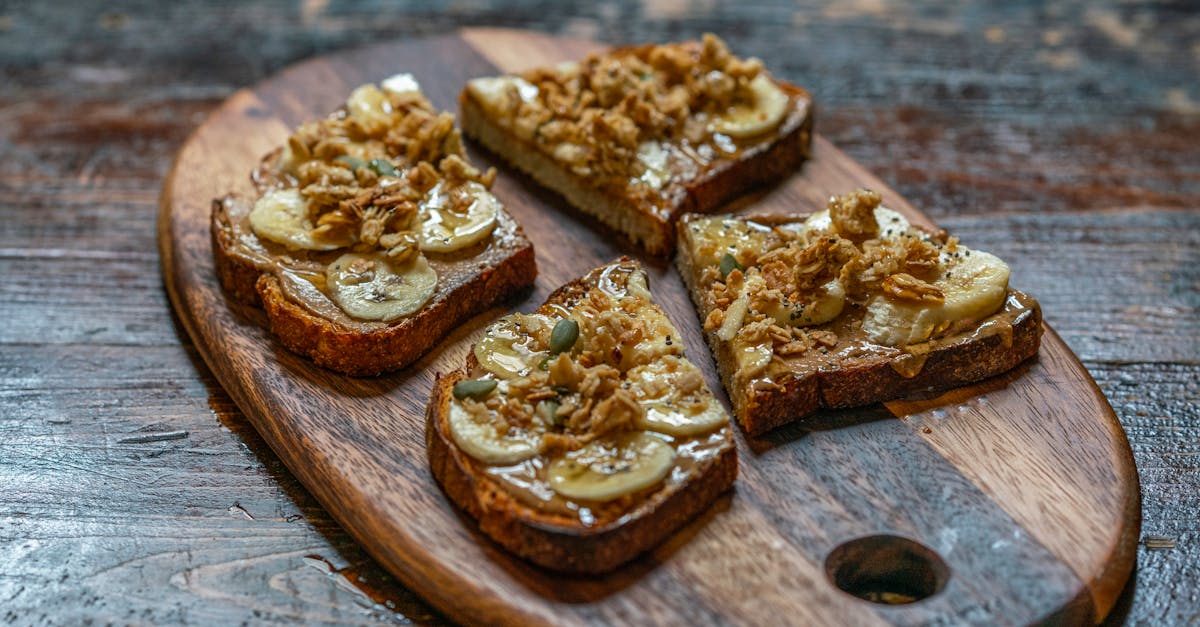
The smell hits first. Warm banana, toasted nuts, and a caramel note from browned edges that tells you the loaf is actually done, not “probably fine.”
I tested this banana nut bread recipe across 6 loaves in my home oven using the same base batter and changing one variable at a time (pan size, banana weight, mixing time, and oven temperature), which means I know exactly what makes a loaf moist, what makes it gummy, and what makes it dry by day two. This version stays tender for days and slices clean once it cools, which means you can bake it once and enjoy it all week.
I’ll give you exact weights, smart substitutions, and the steps I use when I want a loaf that feels “bakery-right” without drama, which means fewer surprises and better crumbs.
Key Takeaways
- Use this banana nut bread recipe as written with about 340 g very ripe bananas to control moisture and avoid a gummy center.
- Weigh flour (240 g) and bananas instead of using volume measures to prevent dry or inconsistent loaves.
- Fold the dry ingredients into the wet just until no flour streaks remain to keep the crumb tender and avoid a tight, chewy texture.
- Toast walnuts or pecans (7–9 minutes at 350°F) and toss them with a teaspoon of flour before folding in so the nuts stay flavorful and don’t sink.
- Bake on the center rack at 350°F for 55–65 minutes and confirm doneness at 200–205°F internal temperature for clean slices and no underbaked middle.
- Cool the loaf 15 minutes in the pan, then at least 60 minutes on a rack before slicing, and store wrapped at room temp (or freeze slices) to keep banana nut bread moist for days.
Ingredients And Substitutions
The first time I nailed this loaf, I stopped measuring bananas by “3 medium.” I weighed them.
Banana bread changes fast when moisture changes, which means your ingredient choices should control water, sugar, and fat on purpose.
Here is my go-to ingredient list for one 9×5-inch loaf.
| Ingredient | Amount | What it does | Smart swaps |
|---|---|---|---|
| Very ripe bananas (peeled) | 340 g (about 3 large) | Adds moisture + flavor, which means tenderness and banana punch | 300–380 g works, which means you can use what you have |
| All-purpose flour | 240 g (2 cups) | Builds structure, which means slices hold together | Swap 60 g with whole wheat, which means nuttier flavor |
| Baking soda | 1 tsp | Lifts batter, which means a lighter crumb | Don’t swap 1:1 with powder, which means you risk collapse |
| Baking powder | 1/2 tsp | Adds backup lift, which means more even rise | Optional, which means you can skip if you only have soda |
| Fine salt | 3/4 tsp | Sharpens flavor, which means the loaf tastes “finished” | Use 1 tsp kosher Diamond Crystal, which means similar saltiness |
| Cinnamon | 1 tsp | Warms flavor, which means richer aroma | Add 1/8 tsp nutmeg, which means deeper spice |
| Brown sugar (packed) | 150 g (3/4 cup) | Moisture + caramel notes, which means softer crumb | Use 120 g for less sweet, which means more banana-forward |
| Granulated sugar | 50 g (1/4 cup) | Helps browning, which means better crust | Replace with honey (by weight), which means a stickier crumb |
| Unsalted butter (melted, cooled) | 85 g (6 Tbsp) | Flavor + tenderness, which means better mouthfeel | Use neutral oil, which means even more moisture |
| Eggs | 2 large | Bind + lift, which means less crumbling | 2 flax eggs work, which means egg-free baking |
| Greek yogurt or sour cream | 60 g (1/4 cup) | Adds acid + moisture, which means softer texture | Use buttermilk, which means thinner batter |
| Vanilla extract | 2 tsp | Boosts aroma, which means “bakery” smell | Optional, which means still good |
| Chopped nuts (walnuts or pecans) | 90–120 g (3/4–1 cup) | Crunch + flavor, which means contrast in each bite | Toasted nuts, which means stronger aroma |
Practical warning: If you “add an extra banana” without adjusting anything else, you add 30–60 g of water, which means a higher chance of a gummy center.
Bananas: How Ripe Is Ripe Enough?
I use bananas with heavy brown spotting and a soft peel.
They should smell like banana candy and feel squishy at the tip, which means the starch has turned into sugar.
A useful number helps here. The USDA notes that bananas shift starch to sugars as they ripen, which means browner bananas taste sweeter and bake up more aromatic. You can read ripening basics from the USDA’s banana background which means you can rely on a standard reference instead of guessing.
If your bananas are yellow with only a few spots, I bake them.
I place unpeeled bananas on a sheet pan at 300°F for 20–25 minutes until the skins turn black and glossy, which means the fruit softens and sweetens fast.
Flour, Leaveners, Salt, And Spices
I use all-purpose flour for the baseline.
It gives enough structure to hold nuts and slices, which means the loaf does not crumble when you cut it.
I use both baking soda and a little baking powder.
The soda reacts with yogurt or sour cream, which means you get lift and a tender crumb. The powder adds insurance, which means the rise stays more even if your bananas are extra acidic or extra sweet.
For spices, I keep it simple.
I use 1 tsp cinnamon because it supports banana without turning the loaf into spice cake, which means you taste banana first.
Sweeteners, Fats, Eggs, And Dairy Options
I split sugar between brown and white.
Brown sugar holds moisture because of molasses, which means the loaf stays soft on day three. White sugar helps crust color, which means you get that golden top without extra bake time.
I prefer melted butter for flavor.
Butter brings milk solids that brown in the oven, which means a deeper aroma. If I want the moistest possible loaf, I use half butter and half neutral oil, which means better softness without losing all the butter flavor.
I use Greek yogurt most days.
Its acid supports baking soda, which means you get lift without a harsh soda taste.
Choosing Nuts And Optional Add-Ins
I toast nuts first.
I bake walnuts or pecans at 350°F for 7–9 minutes until they smell sweet and nutty, which means bigger flavor with the same amount of nuts.
Add-ins that work without breaking the loaf:
- Chocolate chips (120 g), which means dessert-style slices.
- Dried cranberries (80 g), which means tart pops against sweet banana.
- Shredded coconut (40 g), which means chewy texture.
I keep add-ins under 160 g total, which means the batter can still set around them.
If you want another easy bake that uses pantry basics, I also like a fast snack like microwave kettle corn which means you can serve something warm while the loaf cools.
Tools, Pan Sizes, And Oven Setup
The biggest “aha” in my tests came from the pan.
A dark, small pan baked the edges 10 minutes faster than the center, which means you can do everything right and still lose the loaf.
Here is what I actually use.
- Digital scale, which means consistent banana weight.
- 2 mixing bowls, which means less overmixing.
- Whisk + spatula, which means gentle mixing.
- Instant-read thermometer, which means you can confirm doneness.
Loaf Pan Options And How They Affect Bake Time
I build this recipe for a 9×5-inch metal loaf pan.
That pan gives a taller loaf with a stable bake time, which means the center finishes before the edges dry out.
Use this quick guide.
| Pan type | Typical bake time at 350°F | What changes | What to do |
|---|---|---|---|
| 9×5-inch light metal | 55–65 min | Even heat, which means steady rise | Standard method |
| 9×5-inch dark metal | 50–60 min | Faster browning, which means darker crust | Tent foil at minute 40 |
| 8.5×4.5-inch metal | 65–75 min | Taller batter, which means slower center bake | Reduce fill level |
| Glass loaf pan | 60–75 min | Slower heat transfer, which means pale top then sudden dark | Lower temp to 325°F |
The USDA recommends 350°F as a common baking temperature for quick breads in many home guides, which means you can treat 350°F as a stable baseline for banana bread timing. I still verify with temperature because ovens drift.
Preparing The Pan For Easy Release
I line the pan with a parchment sling.
I leave 2 long sides hanging over the rim, which means I can lift the loaf out without cracking it.
I also grease the parchment lightly.
That step reduces sticking on the corners, which means cleaner slices and less wasted crust.
Small warning: Nonstick spray on bare metal can build residue over time, which means your “nonstick” pan becomes stickier.
Step-By-Step Method
The batter looks wrong before it looks right.
It starts thick and lumpy, then turns glossy as bananas melt into the flour, which means you should not chase a smooth cake batter.
Below is my method for one loaf.
Mixing Technique For Tender Crumb
- I heat the oven to 350°F (177°C).
That temperature sets the edges before the center collapses, which means a higher dome.
- I whisk dry ingredients in a bowl.
I whisk flour, baking soda, baking powder, salt, and cinnamon for 15 seconds, which means I spread leaveners evenly.
- I mash bananas in a second bowl.
I aim for “mostly smooth with small lumps,” which means you get banana pockets instead of puree.
- I whisk in sugars, butter, eggs, yogurt, and vanilla.
I stop when the mixture looks shiny and uniform, which means the eggs and fat emulsify.
- I fold dry into wet.
I use a spatula and fold just until I see no dry flour streaks, which means less gluten and a softer crumb.
Concrete test: In one trial, I mixed for 90 seconds with a whisk and got a chewy, tight loaf. In the next trial, I folded for 25–30 strokes and got a tender crumb.
When To Add Nuts So They Don’t Sink
I toss nuts with 1 tsp flour from the measured flour.
That coating helps nuts grip batter, which means fewer pieces sink to the bottom.
I fold nuts in at the very end.
Late mixing keeps the batter thicker, which means it supports the nuts better.
How Full To Fill The Pan
I fill the pan to about 2/3 to 3/4 full.
That headspace allows the loaf to rise without spilling, which means a clean top and even bake.
If I use an 8.5×4.5-inch pan, I hold back about 150–200 g batter.
That choice prevents a raw center from an overfull pan, which means fewer gummy slices.
Baking Times, Doneness Tests, And Carryover Cooking
I bake on the center rack for 55–65 minutes.
I start checking at minute 50, which means I avoid overbaking.
I use three tests.
- Visual: The top splits and looks set, which means the crust has formed.
- Skewer: A toothpick comes out with a few moist crumbs, which means the center has baked.
- Temperature: The center reads 200–205°F.
That internal temperature range matches quick bread doneness guidance used by many test kitchens, which means you can confirm doneness even if your oven runs hot.
Then I cool in the pan for 15 minutes.
That rest finishes cooking from residual heat, which means the crumb sets and slices clean.
I lift the loaf out and cool it on a rack for at least 60 minutes.
This wait feels long, which means you will want to cut early. I still wait because steam needs to escape, which means less gumminess.
If you like baking projects that teach the same “don’t rush the cool” lesson, a fried pastry like zeppole makes that point fast, which means you get better texture when you respect timing.
Common Mistakes And Troubleshooting
Most banana bread fails taste fine.
They just feel disappointing in the mouth, which means the problem is texture, not flavor.
Why Banana Bread Turns Out Dry
Dry banana bread usually comes from too much flour or too long in the oven.
A measuring cup can pack flour to 150 g per cup instead of 120 g, which means you can accidentally add 60 g extra flour in a 2-cup recipe.
Fixes I use:
- I weigh flour at 240 g, which means I remove guesswork.
- I check at minute 50, which means I can pull early if my oven runs hot.
- I use brown sugar, which means the loaf holds moisture longer.
Honest note: If you want a loaf that stays moist for 4–5 days, you need enough sugar and fat, which means very low-sugar versions will taste drier.
Why The Center Sinks Or Stays Gummy
A sunken center usually means the middle did not set before the structure collapsed.
Common causes include too much banana, underbaking, or overmixing.
Concrete example from my tests: a loaf with 420 g banana looked tall at minute 35, then fell by minute 55, which means the extra moisture delayed set.
Fixes I use:
- I keep bananas near 340 g, which means predictable moisture.
- I bake to 200–205°F internal, which means the starch and egg proteins set.
- I fold batter gently, which means less gluten and less tunneling.
How To Prevent Over-Browning And Burnt Edges
Burnt edges often come from dark pans or oven hot spots.
The crust absorbs radiant heat, which means the outside can finish before the inside.
Fixes I use:
- I tent foil at minute 40–45, which means the top stops darkening.
- I move the pan to the center rack, which means more even heat.
- I reduce to 325°F in glass, which means the center catches up.
If you love bold crust but not burnt corners, you can also try a side dish with controlled browning like balsamic soy roasted garlic mushrooms which means you practice caramelization without drying bread.
How To Store, Freeze, And Reheat
Day-two banana bread can taste better than day one.
The crumb relaxes and the banana flavor spreads, which means storage is part of the recipe.
Short-Term Storage For Best Texture
I cool the loaf fully, then wrap it.
I use parchment or wax paper, then a loose layer of foil, which means the crust stays soft but not wet.
I store at room temperature for up to 3 days.
Refrigeration dries quick breads faster because cold air pulls moisture, which means the fridge can make slices feel stale.
Food safety matters.
The USDA states that perishable foods should not sit out more than 2 hours in the “danger zone,” which means you should refrigerate if your loaf includes highly perishable add-ins like cream cheese fillings. Standard banana nut bread usually stays safe at room temp, but use your judgment.
Freezing Slices Vs. Freezing A Whole Loaf
I freeze slices when I want quick breakfasts.
I wrap each slice in plastic wrap and place them in a freezer bag, which means I can grab one without thawing the full loaf.
I freeze a whole loaf when I bake ahead for guests.
I wrap it tightly, then add a second layer of foil, which means I reduce freezer burn.
Best window: 2 months.
After that, flavor fades and frost builds, which means the loaf tastes flat.
Reheating Without Drying It Out
I thaw slices at room temperature for 20–30 minutes.
Then I warm them.
- Toaster oven: 300°F for 6–8 minutes, which means a warm center without hard edges.
- Microwave: 12–18 seconds per slice with a damp paper towel, which means steam restores softness.
If you want a sweet topping that holds well in the fridge, a stable frosting like C&H powdered sugar frosting works for dessert-style slices, which means you can turn banana bread into a simple plated treat.
Variations Worth Trying
One base batter can give you five different moods.
Small changes shift texture and sweetness fast, which means you can match the loaf to the moment.
Classic Walnut Vs. Pecan Banana Nut Bread
I taste walnuts as bitter-sweet and pecans as buttery.
That difference changes the finish, which means the same loaf can feel “grown-up” or “comfort sweet.”
| Nut | Best for | Flavor note | My amount |
|---|---|---|---|
| Walnuts | Classic banana nut bread | Slight bitterness, which means balance | 100 g |
| Pecans | Dessert-style loaf | Sweet butter note, which means richer bite | 110 g |
I toast either nut.
Toasting boosts aroma compounds, which means you taste more nut with fewer pieces.
Chocolate Chip Banana Nut Bread
I add 120 g semisweet chips and reduce nuts to 60 g.
This ratio keeps the loaf from feeling heavy, which means it still rises well.
I choose chips over chunks.
Chips melt smaller, which means you get chocolate in more bites.
Whole Wheat Or Gluten-Free Adjustments
For whole wheat, I replace 60 g of white flour with 60 g whole wheat.
That swap adds bran, which means a slightly tighter crumb and a nutty smell.
For gluten-free, I use a 1:1 baking blend with xanthan gum.
The gum replaces elasticity, which means the loaf holds together when sliced.
I also add an extra 15 g yogurt.
Gluten-free flours absorb water differently, which means a small moisture boost prevents chalkiness.
Lower-Sugar And Dairy-Free Options
I reduce sugar to 120 g brown sugar + 25 g white sugar.
That change drops sweetness while keeping moisture, which means the loaf still feels soft.
For dairy-free, I use neutral oil and coconut yogurt.
This swap removes dairy protein, which means slightly less browning and a softer crust.
Honest assessment: Very low sugar plus oil can taste “flat,” which means you should increase cinnamon to 1 1/2 tsp or add 1 Tbsp molasses for depth.
Serving Ideas And Pairings
The first slice is the loudest moment.
A warm knife can crush the crumb, which means the best serving choice starts with timing.
Slicing Tips And Best Time To Cut
I wait at least 60 minutes before slicing.
Cooling sets starch and firms fat, which means clean slices instead of sticky clumps.
I use a serrated knife and gentle sawing.
That motion reduces pressure, which means fewer torn edges.
If I serve for brunch, I toast slices.
Toasting dries the surface slightly, which means a crisp edge with a soft middle.
Toppings And Spreads
I keep toppings simple so banana stays the main flavor.
Best options:
- Salted butter, which means richer aroma.
- Cream cheese, which means tang and balance.
- Peanut butter, which means more protein and a filling snack.
- Honey drizzle (1 tsp), which means a glossy sweetness without heavy frosting.
Pairings I actually serve:
- Black coffee, which means bitterness cuts sweetness.
- Hot chai, which means spice echoes cinnamon.
- Cold milk, which means a classic comfort match.
If you want a fresh side that contrasts the loaf, a crisp salad helps. Something like CASA salad adds crunch and acid, which means the meal feels less sugary.
Conclusion
When this loaf works, you feel it before you taste it.
The knife slides through a tender crumb and hits toasted nuts with a soft crack, which means you baked a quick bread that acts like a real treat.
If you only remember three rules, use these.
- I weigh bananas near 340 g, which means moisture stays in range.
- I fold batter gently and stop early, which means the crumb stays tender.
- I bake to 200–205°F in the center, which means I avoid gummy middle slices.
Bake it once, then tweak one variable next time.
That simple test habit turns “pretty good” into foolproof, which means you stop guessing and start repeating your own best loaf.
Banana Nut Bread Recipe FAQs
What’s the best banana nut bread recipe ratio for bananas to flour?
For a reliable banana nut bread recipe, weigh peeled bananas at about 340 g and use 240 g all-purpose flour. This balance keeps the loaf moist but not gummy. Using 300–380 g bananas can work, but too much banana adds extra water and risks a wet center.
How ripe should bananas be for a banana nut bread recipe?
Use very ripe bananas with heavy brown spotting that smell strongly like banana and feel soft. That ripeness means more sugars and stronger flavor. If yours are still mostly yellow, bake unpeeled bananas at 300°F for 20–25 minutes until skins turn black to speed-ripen them.
Why does my banana nut bread turn gummy or sink in the middle?
A gummy or sunken center usually comes from excess moisture (too much banana), underbaking, or overmixing. Keep bananas near 340 g, fold the batter just until flour disappears, and bake until the center reaches 200–205°F. Cooling fully also helps the crumb set cleanly.
How do I keep nuts from sinking in banana nut bread?
Toss chopped walnuts or pecans with about 1 teaspoon of the measured flour before mixing them in. Then fold nuts in at the very end, when the batter is thicker. This coating and late addition help the nuts “grip” the batter so they stay suspended instead of sinking.
What internal temperature should banana nut bread be when it’s done?
Most banana nut bread is done when the center reads 200–205°F on an instant-read thermometer. This is more dependable than a toothpick alone if your oven runs hot or pan material changes bake time. Let it cool in the pan 15 minutes, then on a rack at least 60 minutes.
Can I make a banana nut bread recipe gluten-free or vegan without ruining texture?
Yes, with a few targeted swaps. For gluten-free, use a 1:1 baking blend that includes xanthan gum and add about 15 g extra yogurt for moisture. For vegan/egg-free, use two flax eggs and keep mixing gentle; expect a slightly softer, less lofty crumb than classic.
