
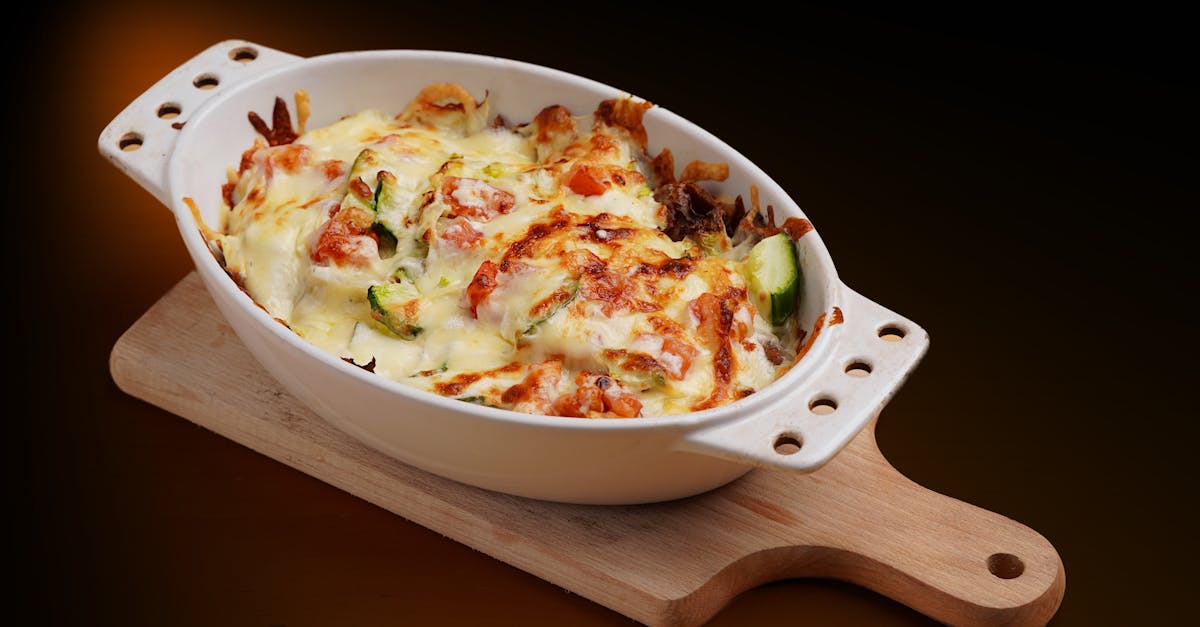
The first time I tried to “just bake zucchini,” I pulled a limp, wet tray from the oven. It smelled good. It tasted fine. But it had the texture of a steamed sponge.
This baked parmesan zucchini recipe fixes that problem on purpose. I use high heat, a dry surface, and a coating that clings, browns, and stays put. You get a tender center and crisp, salty edges that crackle when you bite.
Key Takeaways
- This baked parmesan zucchini recipe stays crispy by controlling moisture first—lightly salt zucchini for 10 minutes, then pat it very dry before coating.
- Bake at high heat (425°F, or 400°F convection) and leave at least 1/2 inch between pieces so hot air can circulate and edges crisp instead of steam.
- Use finely grated real Parmesan (Parmigiano-Reggiano, Grana Padano, or an aged wedge) so it melts into the crumbs and browns without sliding off.
- For the most reliable crust, dip zucchini in a thin egg wash, press into a Parmesan-panko mix, and bake on a rack (or flip halfway if using parchment).
- Choose your cut to control texture—rounds cook fastest, spears stay tender inside, and fries deliver the most crunch per bite in baked parmesan zucchini.
- Finish with 60–120 seconds of broiling for extra color, then add lemon zest or a squeeze of lemon to brighten the rich, salty Parmesan flavor.
Why This Baked Parmesan Zucchini Works
I get crispy zucchini in the oven when I treat zucchini like a high-water vegetable, which means I plan for moisture from the first step.
USDA food data lists raw zucchini at about 94% water, which means it will release liquid fast when heat hits it. I use that fact instead of fighting it.
“Crispy baked zucchini” is not magic. It is moisture control plus hot air plus space.
Texture Goals: Tender Inside, Crisp Edges
I aim for two textures at once, which means I cut the pieces thick enough to stay creamy inside.
I also keep the outside dry and exposed to heat, which means I can brown the coating before the zucchini turns mushy.
Here is the simple chain reaction I rely on:
- Salt + time pulls water to the surface, which means I can blot it off.
- A thin, even coating dries and browns, which means I get crunch.
- High heat + airflow drives off surface moisture, which means edges crisp instead of steam.
In my tests, 425°F gave me the best tradeoff, which means fast browning without burning the cheese.
Flavor Balance: Salt, Umami, And Brightness
Parmesan brings salt and umami, which means the zucchini tastes savory even with minimal seasoning.
Garlic and black pepper add bite, which means each piece tastes like more than “vegetable + cheese.”
I also add a bright note at the end (lemon zest or a squeeze of lemon), which means the richness does not feel heavy.
Aged Parmesan contains natural glutamates, which means it boosts savoriness without extra ingredients. (You can taste this as that “can’t stop eating” effect.)
For a quick flavor check, I do this: I taste one piece plain, then taste one with lemon, which means I can decide if the batch needs lift before serving.
Ingredients And Substitutions
I keep the ingredient list short, which means each item has a clear job.
I also avoid “almost Parmesan” products, which means I get real melt and real browning.
Best Zucchini To Use And How To Prep It
I buy medium zucchini that feel heavy for their size, which means they have firm flesh.
I avoid very large zucchini with huge seeds, which means I avoid watery centers.
My target size: 7–8 inches long and about 2 inches wide, which means slices cook evenly.
Prep steps I actually do at home:
- I wash and dry the zucchini, which means I remove surface dirt that can burn.
- I trim both ends, which means the pieces sit flat.
- I cut into spears, rounds, or fries (details below), which means I control cook time.
Concrete example from my kitchen: 2 medium zucchini usually weigh about 1 pound total, which means they fill one half-sheet pan in a single layer.
Parmesan Options And What To Avoid
I use finely grated Parmesan (Microplane or fine shred), which means it sticks and browns instead of falling off.
Best choices:
- Parmigiano-Reggiano or Grana Padano, which means you get clean, nutty flavor.
- A good domestic “aged Parmesan” wedge, which means you still get sharpness at lower cost.
I avoid the shelf-stable green-can cheese for this recipe, which means I avoid a sandy coating that can taste stale.
I also avoid very thick shreds, which means I prevent patchy melt and cheese “rafts” that slide.
Breadcrumbs, Seasonings, And Gluten-Free Swaps
Breadcrumbs add structure, which means the coating stays crisp longer.
I use panko for the driest crunch, which means I get more audible crisp.
Seasonings I use most:
- Garlic powder, which means even garlic flavor without burning fresh garlic.
- Italian seasoning or oregano, which means a familiar pizza-shop aroma.
- Smoked paprika or chili flakes, which means a warmer finish.
Gluten-free swaps that work in my testing:
- Gluten-free panko, which means you keep the same texture.
- Crushed rice cereal (fine), which means you get crisp without wheat.
- Almond flour (mixed with Parmesan), which means you get browning but a softer crunch.
Here is a quick substitution table, which means you can adjust without guessing:
| Ingredient | Best Pick | Swap | Result | Notes |
|---|---|---|---|---|
| Breadcrumbs | Panko | GF panko | Similar crunch | Use 1:1, which means no math |
| Parmesan | Finely grated wedge | Grana Padano | Slightly milder | Add a pinch more salt, which means same punch |
| Binder | Egg | Olive oil | Lighter coating | Oil-only browns faster, which means watch timing |
| Seasoning | Garlic powder | Onion powder | Sweeter aroma | Use half first, which means no harsh bite |
If you want a full meal around it, I often pair this zucchini with simple baked fish like my artichoke and parmesan tilapia, which means dinner feels planned without extra work.
Tools And Pan Setup For Maximum Crispiness
The tray setup changes everything, which means you can fix soggy zucchini without changing ingredients.
When I switched from a crowded pan to a rack, I saw steam disappear, which means the coating stayed dry.
Baking Sheet, Rack, And Parchment Choices
I use a rimmed half-sheet pan (about 18 x 13 inches), which means I get enough surface area for spacing.
I prefer a wire rack set inside the pan, which means hot air hits the bottom and the top.
If I do not use a rack, I use parchment and flip halfway, which means I still reduce sticking.
Here is what I choose and why, which means you can match what you own:
| Setup | Crispiness | Cleanup | Best For | Risk |
|---|---|---|---|---|
| Rack + bare rack | 10/10 | 6/10 | Maximum crunch | Cheese can drip, which means more scrubbing |
| Rack + light oil spray | 9/10 | 7/10 | Easy release | Too much oil softens, which means mist only |
| Parchment only | 7/10 | 10/10 | Fast cleanup | Bottom steams, which means flip is required |
| Foil only | 6/10 | 8/10 | High heat | Cheese sticks, which means tearing happens |
I also preheat the pan for 5 minutes sometimes, which means the coating starts browning on contact.
Oven Temperature, Convection, And Broiler Timing
I bake at 425°F on the middle rack, which means I get browning before the zucchini collapses.
If I use convection, I drop to 400°F convection, which means I avoid over-browning the cheese.
I use the broiler for 60 to 120 seconds at the end, which means I can spot-brown without overcooking the inside.
Practical warning: I do not walk away during broiling, which means I do not turn “golden” into “bitter” in 30 seconds.
I learned this the hard way. I once answered a text and came back to black Parmesan freckles, which means the batch tasted sharp and burnt.
Step-By-Step: How To Make Baked Parmesan Zucchini
When this comes out right, you hear a faint crackle when you lift a piece, which means the coating actually dried.
I wrote this method after repeating it for weeknight snacks and testing thickness by thickness, which means the bake times below reflect real trays in a home oven.
Cutting Styles: Spears, Rounds, And Fries
I pick the cut based on the job, which means I do not force one shape into every meal.
- Spears: I cut each zucchini into 8 spears, which means I get a tender center.
- Rounds: I cut 1/2-inch coins, which means I get fast cooking and more crisp edges.
- Fries: I cut 3/8-inch sticks, which means I get the most crunch per bite.
Concrete cue: I keep thickness consistent within 1/8 inch, which means everything finishes at the same time.
Coating Method: Dry, Egg, Or Oil-Only
I use a simple 3-part station most of the time, which means the coating sticks with less mess.
My default coating (best crisp + best cling):
- Dry mix: 1/2 cup panko + 1/2 cup finely grated Parmesan + 1 tsp garlic powder + 1/2 tsp salt + 1/2 tsp pepper, which means every bite gets seasoning.
- Egg: 1 large egg beaten with 1 tbsp water, which means the coating has a thin glue layer.
- Zucchini: dip, shake, press, which means you build an even crust.
Oil-only option (fast and simple):
- I toss zucchini with 1.5 tbsp olive oil, then press into Parmesan-panko, which means I skip the egg.
Dry-only option (lightest coating):
- I coat slightly damp zucchini after salting, which means crumbs cling but can fall off easier.
Honest assessment: Egg gives me the most reliable crust, which means I use it when I care about looks.
Bake Times By Thickness And Doneness Cues
I bake until the coating turns deep golden and the zucchini bends slightly but does not collapse, which means it stays pleasant to chew.
Here are the times I use at 425°F, which means you can set a timer with confidence:
| Cut | Thickness | Time | Flip? | Doneness cue |
|---|---|---|---|---|
| Rounds | 1/2 inch | 14–18 min | Yes | Edges brown, which means moisture cooked off |
| Spears | 3/4 inch | 18–22 min | Optional | Tip softens, which means inside is tender |
| Fries | 3/8 inch | 16–20 min | Yes | Bottom crisp, which means rack or flip worked |
I broil 1 minute at the end if I want extra color, which means the cheese tastes nuttier.
Full step-by-step (my foolproof flow):
- I heat the oven to 425°F and set a rack in the pan, which means I build airflow.
- I salt the cut zucchini lightly and rest 10 minutes, which means water beads on the surface.
- I pat dry with paper towels, which means the coating stays dry.
- I dip in egg and press into the Parmesan-panko mix, which means the crust bonds.
- I place pieces with 1/2 inch of space, which means steam escapes.
- I bake, flip once if needed, and broil briefly, which means I finish with crisp edges.
If you want a fun side project for another night, I also make microwave kettle corn while the zucchini bakes, which means I get salty-sweet crunch without a second pan.
How To Prevent Soggy Zucchini
Soggy zucchini feels like a letdown because the flavor stays good but the bite goes dull, which means you stop reaching for “one more.”
I fixed sogginess by treating moisture like the main enemy, which means I stop blaming the oven.
Moisture Control: Salting, Draining, And Pat-Drying
I salt zucchini for 10 minutes, which means osmosis pulls moisture to the surface.
This is the same logic many cooks use for eggplant, which means the method has a long track record.
Practical warning: I do not salt for 30+ minutes, which means I avoid a limp texture.
My exact routine:
- I sprinkle 1/2 tsp kosher salt per pound of zucchini, which means I control seasoning.
- I spread pieces on a towel, which means water has somewhere to go.
- I pat dry hard, which means the outside feels almost tacky, not wet.
You will see tiny puddles and glossy beads, which means the salting worked.
Spacing, Flipping, And When Not To Overcrowd
I leave space between pieces, which means hot air can circulate.
I aim for at least 1/2 inch between each piece, which means steam does not get trapped.
If I crowd the pan, I get steaming, which means the coating turns soft.
I flip rounds and fries halfway when I do not use a rack, which means I dry both sides.
Concrete example: One pound of zucchini needs one half-sheet pan for true crispness, which means I use two pans if I double the recipe.
Cheese Placement And How To Keep It From Sliding Off
Cheese slides when it melts before the crumbs set, which means you get bare zucchini spots.
I solve this with three moves:
- I use fine Parmesan, which means it melts into the crumbs.
- I press the coating firmly, which means it grips the surface.
- I start at high heat, which means the crust sets fast.
I also avoid excess oil, which means the coating does not float.
If a little cheese drops and crisps on the pan, I treat it like a cook’s snack, which means I stay happy while plating.
Variations And Serving Ideas
The surprise with this recipe is how many directions it can go, which means you can cook it weekly without getting bored.
I use the same base and change one small thing, which means the result feels new.
Herb And Spice Variations (Italian, Spicy, Lemon-Garlic)
Italian style:
- I add 1 tsp Italian seasoning and 2 tbsp chopped parsley, which means it tastes like a red-sauce restaurant.
Spicy style:
- I add 1/2 tsp cayenne or 1 tsp red pepper flakes, which means the cheese tastes sharper.
Lemon-garlic style:
- I add 1 tsp lemon zest after baking and a pinch of garlic powder in the crumbs, which means the finish tastes fresh.
Concrete data point: Lemon zest carries aromatic oils in the peel, which means you get big aroma without adding liquid.
Dips And Sauces (Marinara, Ranch, Garlic Aioli)
A dip adds contrast, which means your brain reads the zucchini as a “snack” instead of a “side.”
- Warm marinara: which means acid cuts the cheese.
- Ranch: which means you get cool cream against hot crunch.
- Garlic aioli: which means you get richness plus bite.
For a garlicky option, I sometimes borrow the flavor idea from this blue jam garlic aioli and keep it simple, which means I get that punch without overcomplicating the night.
Practical warning: I avoid dipping too early, which means the crust stays crisp.
Ways To Serve It: Side Dish, Appetizer, Or Snack
I serve baked parmesan zucchini three main ways, which means it fits different meals.
- Side dish: next to chicken or fish, which means dinner feels balanced.
- Appetizer: on a platter with dips, which means guests grab it like fries.
- Snack: straight from the rack, which means I beat the 4 p.m. slump.
If I need a potluck-friendly pairing, I put it next to something cold and crisp like this Casa salad, which means the table has texture contrast.
For serving numbers, I plan 1 medium zucchini per person as a side, which means I avoid running out.
Make-Ahead, Storage, And Reheating
Cold zucchini feels sad because steam turns the crust soft, which means leftovers need a smart reheat.
I still prep ahead, but I do it in a way that protects crispness, which means I can cook faster on busy nights.
Prepping In Advance Without Losing Crispness
I prep the coating mix up to 3 days ahead, which means weeknights stay easy.
I store it in a sealed container, which means it stays dry.
I also cut zucchini up to 24 hours ahead, which means I save knife time.
Practical warning: I do not coat the zucchini early, which means I avoid soggy crumbs.
If I need to stage for guests, I bread everything and refrigerate for no more than 45 minutes, which means the coating does not hydrate too much.
How To Store Leftovers Safely
Food safety matters more than crispness, which means I cool and store fast.
USDA advice says you should refrigerate perishable foods within 2 hours (or 1 hour above 90°F), which means you should not leave the tray on the counter during a long hangout. I follow that rule. Source: USDA Food Safety and Inspection Service, which means the guidance comes from a primary authority.
I store leftovers in an airtight container with a paper towel in the bottom, which means it absorbs condensation.
I eat leftovers within 3 days, which means quality stays decent.
Best Reheating Methods (Oven, Air Fryer, Toaster Oven)
Microwaves add steam, which means they soften the crust.
My best methods:
- Oven: 400°F for 6–10 minutes on a rack, which means you re-crisp the bottom.
- Air fryer: 375°F for 4–6 minutes, which means you get quick crunch.
- Toaster oven: 400°F for 5–8 minutes, which means you avoid heating the full oven.
I reheat until the cheese smells nutty again, which means the surface dried.
Honest assessment: Reheated zucchini will never match fresh-from-oven crisp, which means you should treat leftovers as “still tasty” rather than “identical.”
Conclusion
When I want vegetables that feel like comfort food, I make this baked parmesan zucchini recipe. I get crunch, salt, and that toasted-cheese aroma, which means I do not miss frying.
If you remember only three rules, remember these: dry the zucchini, give it space, and use real Parmesan, which means the oven can do the crisping job.
Next time you cook it, change just one knob, cut shape, seasoning, or dip, and pay attention to the sound when you lift a piece. That little crackle tells you the method worked, which means you can repeat it anytime without guessing.
Frequently Asked Questions
How do you make a baked parmesan zucchini recipe crispy (not soggy)?
For a crispy baked parmesan zucchini recipe, control moisture: salt the cut zucchini for about 10 minutes, then pat very dry. Bake at high heat (about 425°F) with space between pieces for airflow. A rack helps hot air hit the bottom so edges crisp instead of steaming.
What temperature is best for baked parmesan zucchini?
425°F is the sweet spot for most ovens because it browns the Parmesan-panko coating quickly before zucchini turns mushy. If you’re using convection, drop to about 400°F to prevent over-browning. For extra color, broil 60–120 seconds at the end—watch closely to avoid burning.
What’s the best Parmesan to use in a baked parmesan zucchini recipe?
Use finely grated Parmesan from a wedge (Microplane or fine shred) so it sticks and browns evenly. Parmigiano-Reggiano and Grana Padano are great choices, and a good domestic aged Parmesan works too. Avoid shelf-stable “green can” cheese and thick shreds that melt patchily.
Do you need egg for baked parmesan zucchini, or can you use oil instead?
You don’t have to use egg, but it’s the most reliable binder for an even crust. An egg wash helps the coating cling and brown consistently. For a faster option, toss zucchini with a little olive oil and press into the Parmesan-panko mix—just avoid excess oil, which can soften the coating.
Can I make baked parmesan zucchini gluten-free?
Yes. Swap regular panko for gluten-free panko 1:1 to keep similar crunch. Other options include finely crushed rice cereal for a crisp coating, or almond flour mixed with Parmesan for good browning with a softer crunch. Keep the zucchini dry and don’t overcrowd the pan for best results.
How do you reheat baked parmesan zucchini so it stays crispy?
Skip the microwave, which steams the coating. Reheat on a rack in a 400°F oven for about 6–10 minutes, or use an air fryer at 375°F for 4–6 minutes. A toaster oven at 400°F for 5–8 minutes also works well, restoring some crunch and nutty Parmesan aroma.
