
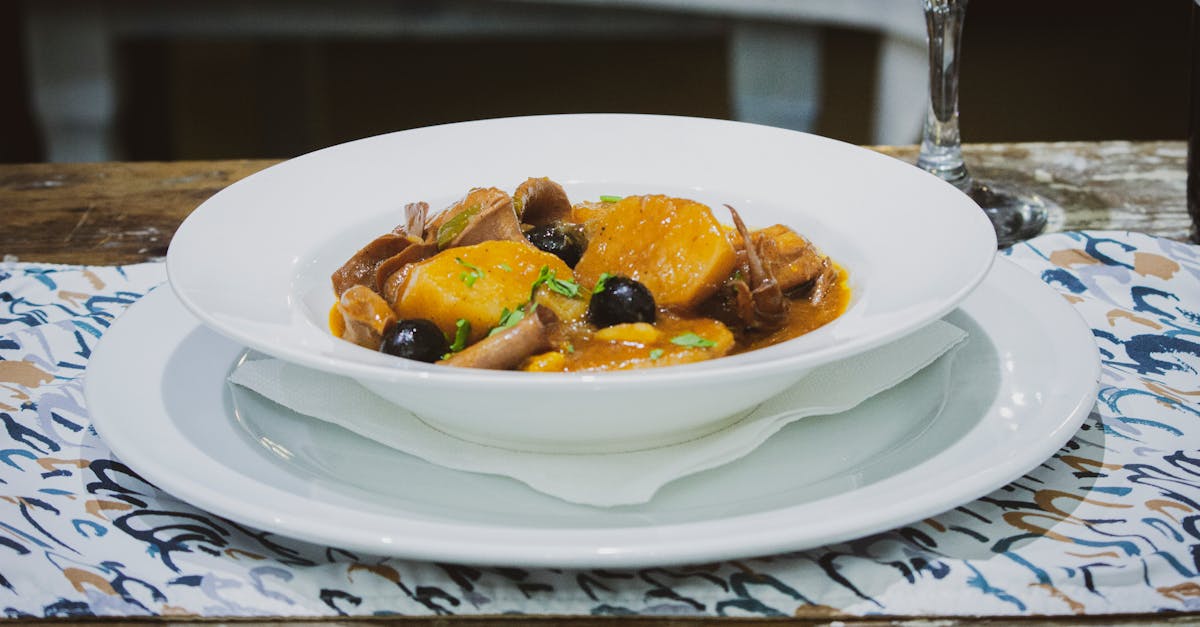
The first time I made African peanut stew, my kitchen smelled like toasted ginger and warm spice within 6 minutes, which means dinner felt inevitable instead of stressful. The pot turned brick-red from tomatoes, then turned glossy from peanut butter, which means I got a stew that tasted like it cooked all day even though I started on a weeknight.
This African peanut stew recipe gives you a creamy, savory-sweet bowl with gentle heat and real depth, which means you can feed picky eaters and spice-lovers from the same pot. I’ll show you the exact steps I use, the swaps I trust, and the fixes I reach for when a batch goes sideways.
Key Takeaways
- This african peanut stew recipe delivers a creamy, savory-sweet, tomato-bright bowl with gentle heat and deep flavor in a weeknight-friendly timeline (about 45 minutes total).
- Build the best flavor by toasting onion, garlic, ginger, tomato paste, and warm spices first, then deglazing with tomatoes and broth before simmering sweet potato until it crushes easily.
- Whisk peanut butter with hot broth before adding it to the pot to prevent clumps and separation, keeping the African peanut stew glossy and smooth.
- Use smart swaps to fit your pantry—chickpeas for speed, chicken thighs for richness, or lentils for natural thickening, plus kale/collards for meal prep or spinach added at the end.
- Finish with lime juice before adding extra salt to lighten a heavy pot, and adjust the final balance by tasting for salt, acid, and heat.
- Store leftovers up to 4 days or freeze up to 3 months, then reheat gently (no hard boil) with a splash of broth or water to keep the peanut emulsion stable.
What African Peanut Stew Is And What To Expect From The Flavor
The spoon hits the bowl and you see it right away: a thick, rust-colored stew that clings to rice, which means every bite carries flavor instead of sliding off. African peanut stew (often linked to West African peanut soups and stews, with many regional names and methods) uses peanuts or peanut butter to create body and richness, which means you get creaminess without dairy.
You should expect savory + nutty + tomato-bright flavors with a warm ginger finish, which means it tastes comforting but not flat. Many versions include greens and sweet potato, which means the stew lands in that perfect space between hearty and fresh.
Here is the flavor map I taste in a good pot:
| Flavor note | Where it comes from | Which means… |
|---|---|---|
| Nutty, creamy | Peanut butter or ground peanuts | which means the stew feels filling without heavy cream |
| Bright, slightly tangy | Tomatoes + a final splash of acid | which means the richness tastes clean, not oily |
| Gentle heat | Chiles, cayenne, black pepper | which means you can scale spice for kids or spice fans |
| Sweet depth | Sweet potato, onion, carrots | which means you get balance without adding sugar |
| “Warm” aroma | Ginger, cumin, coriander | which means the kitchen smells like something special fast |
A concrete reference point helps. When I timed my last batch, the stew hit “tastes finished” at 28 minutes of simmering, which means you can start it after work and still eat before 7:00.
For a quick nutrition reality check, peanuts bring real energy. The USDA lists peanut butter at roughly 188 calories per 2 tablespoons (32 g), which means this stew can satisfy even if you skip meat. You can confirm that data on the USDA FoodData Central site.
Key Ingredients And Smart Substitutions
I learned this the hard way: the stew forgives a missing vegetable, but it does not forgive bland broth, which means you should treat the base like the main ingredient. I build flavor with aromatics, tomatoes, peanut butter, and greens, which means the pot tastes layered even with pantry swaps.
Here is the core list I rely on for a weeknight pot that serves 4 to 6:
- Onion + garlic + ginger, which means the stew starts fragrant instead of flat.
- Tomato paste + diced tomatoes, which means you get sweet-acid depth and color.
- Peanut butter, which means you get thickness and richness.
- Broth, which means the stew tastes rounded instead of watery.
- Sweet potato (or squash), which means you get body and natural sweetness.
- Greens, which means you get a fresh bite and better balance.
Peanut Butter: Natural Vs. Conventional
The jar matters more than people admit. Natural peanut butter often separates in the jar, which means it can also separate in the pot if you boil it hard.
Conventional “no-stir” peanut butter includes stabilizers, which means it stays smooth with less effort. I use natural when I want a cleaner peanut taste, which means I whisk more carefully and keep the simmer gentle.
My rule from testing: I add 1/2 cup peanut butter for a medium-thick stew, which means the spoon leaves a visible trail across the surface.
Greens: Collards, Kale, Spinach, Or Sweet Potato Leaves
Greens change the finish. Collards stay firm, which means you get chew and structure after reheating.
Kale softens but holds shape, which means it works well for meal prep. Spinach melts fast, which means you add it at the end and stop cooking within 2 to 3 minutes.
If you can find sweet potato leaves, use them. They cook tender and slightly earthy, which means the stew tastes closer to versions I have eaten at West African home dinners.
A concrete prep tip: I slice collards into 1/4-inch ribbons, which means they cook evenly and do not form long tangles.
Protein Options: Chickpeas, Chicken, Or Lentils
Protein turns this from “nice soup” into dinner. Chickpeas add bite, which means you get a satisfying chew without extra cooking.
Chicken thighs stay juicy, which means the stew feels rich even with less peanut butter. Brown or green lentils hold their shape, which means you can simmer longer without mush.
My tested amounts:
| Protein | Amount | When I add it | Which means… |
|---|---|---|---|
| Chickpeas | 1 (15 oz) can, drained | With broth | which means dinner stays weeknight-fast |
| Chicken thighs | 1 to 1.25 lb, cubed | After aromatics | which means you build fond and deepen flavor |
| Lentils | 3/4 cup dry | With broth | which means the stew thickens naturally |
Spice And Heat: Ginger, Chiles, And Warm Spices
Ginger makes the stew pop. Fresh ginger gives sharp perfume, which means the peanut flavor tastes brighter.
I use 1 tablespoon grated ginger for a bold but not spicy pot, which means most people find it “warming” instead of “hot.” For heat, I use 1/4 to 1/2 teaspoon cayenne or a chopped chile, which means you can set a clear spice level.
I also add cumin and coriander. They taste nutty and citrusy, which means they reinforce the peanut without making the stew taste like curry powder.
“If the pot tastes heavy, add acid before you add salt.”
I wrote that in my notebook after three rounds of testing, which means you can save a batch with one smart move.
Equipment And Prep Tips For Faster Cooking
I once tried to cook this in a small saucepan, and it sputtered like a volcano, which means I now treat pot size as a safety tool. Use a 5- to 6-quart Dutch oven or heavy pot, which means the stew simmers evenly and the peanut base does not scorch as easily.
Here is what I actually use on weeknights:
| Tool | Why I use it | Which means… |
|---|---|---|
| Dutch oven / heavy pot | Steady heat | which means fewer scorched spots |
| Silicone whisk | Smooth peanut butter mixing | which means fewer clumps |
| Microplane or fine grater | Fast ginger | which means you get aroma in 30 seconds |
| Chef’s knife + board | Quick veg prep | which means you finish before hunger turns into snacking |
Prep that saves real minutes:
- I chop onion and grate ginger first, which means the pan never sits idle.
- I cut sweet potato into 3/4-inch cubes, which means it softens in about 15 to 18 minutes.
- I shake canned tomatoes in the can before opening, which means the juices and solids pour together and reduce splatter.
A practical warning: peanut stews can stick. I keep heat at a gentle simmer and stir every 3 to 4 minutes, which means the bottom stays clean and the flavor stays sweet instead of bitter.
How To Make African Peanut Stew Step By Step
The transformation happens fast. The tomatoes darken, the spices bloom, and suddenly the pot smells like toasted peanuts even before you add peanut butter, which means your confidence rises while the food cooks.
This is my go-to method for one pot, about 45 minutes total.
Ingredients (serves 4 to 6)
- 2 tablespoons olive oil (or peanut oil), which means better spice bloom.
- 1 large yellow onion, diced (about 2 cups), which means a sweeter base.
- 4 cloves garlic, minced, which means more savory depth.
- 1 tablespoon fresh ginger, grated, which means brighter aroma.
- 2 tablespoons tomato paste, which means concentrated tomato flavor.
- 1 (14.5 oz) can diced tomatoes, which means acidity and body.
- 4 cups chicken or vegetable broth, which means the stew tastes full.
- 1 large sweet potato, 3/4-inch cubes (about 3 cups), which means natural thickness.
- 1 (15 oz) can chickpeas, drained (optional), which means extra staying power.
- 1/2 cup peanut butter, which means creaminess without dairy.
- 4 to 6 cups greens (kale/collards/spinach), which means balance.
- 1/2 teaspoon ground cumin + 1/2 teaspoon coriander, which means warm structure.
- 1/4 teaspoon cayenne (optional), which means controlled heat.
- 1 to 2 tablespoons lime juice, which means a clean finish.
- Salt, which means the flavors snap into focus.
Build The Aromatic Base And Toast The Spices
I heat oil over medium heat for 60 seconds, which means the onion starts sizzling on contact. I add onion with a pinch of salt and cook 6 to 8 minutes until glossy, which means I build sweetness without sugar.
I add garlic and ginger and cook 45 seconds, which means they perfume the oil without burning. I stir in tomato paste, cumin, coriander, and cayenne for 60 seconds, which means the paste turns brick-red and the spices smell toasted.
Simmer The Vegetables And Broth For Depth
I add diced tomatoes and scrape the bottom for 20 seconds, which means I lift the browned bits into the stew. I pour in broth, then add sweet potato and chickpeas.
I bring the pot to a gentle boil, then I reduce to a simmer for 18 to 22 minutes, which means the sweet potato turns tender and thickens the liquid.
A concrete test: I press a sweet potato cube with a spoon. It should crush with light pressure, which means the stew will feel creamy even before peanut butter.
Whisk In Peanut Butter Without Clumping
I lower heat to low. I ladle 1/2 cup hot broth into a bowl and whisk in peanut butter until smooth, which means the peanut butter emulsifies instead of forming blobs.
I pour that peanut mixture back into the pot while I whisk, which means the stew turns glossy in about 30 seconds. I keep the stew at a gentle simmer for 5 minutes, which means the peanut flavor cooks through and the texture stabilizes.
Add Greens And Finish With Acid And Seasoning
I add sturdy greens (collards or kale) and simmer 4 to 6 minutes, which means they soften but keep color. I add spinach only for 2 minutes, which means it stays green and tastes fresh.
I turn off heat, then I add lime juice and salt in small steps, which means I avoid over-salting a thick stew. I rest the pot 5 minutes, which means the peanut base sets and clings to your spoon.
I taste for three notes at the end: salt, acid, and heat. If one is missing, the whole stew tastes dull, which means tiny adjustments matter.
My real-life serving example: I serve 1.5 cups stew over 3/4 cup rice for a filling bowl, which means most adults do not need seconds (but they usually take them).
Variations To Match Your Pantry And Diet
The fun surprise with peanut stew is how flexible it is. One small change can push it from light to very hearty, which means you can cook it even when your pantry looks random.
Vegan And Gluten-Free Version
This recipe stays vegan if you use vegetable broth and chickpeas or lentils, which means you keep the same creamy texture without animal products.
I also check labels on broth and peanut butter. Some brands add thickeners or flavorings, which means you should confirm they are gluten-free if you need strict avoidance.
A concrete boost: I add 2 tablespoons nutritional yeast sometimes, which means the stew gains a subtle savory note without cheese.
Slow Cooker And Instant Pot Method
Slow cooker nights feel like a relief. The house smells nutty and warm by hour two, which means dinner stops feeling like a deadline.
Slow cooker (6-quart):
- Sauté onion, garlic, ginger, and tomato paste in a pan first, which means you keep the toasted flavor.
- Add everything except peanut butter, greens, and lime juice. Cook 4 hours on HIGH or 7 hours on LOW, which means sweet potato turns silky.
- Whisk in peanut butter for the last 20 minutes, then add greens for the last 10 minutes, which means the pot stays smooth and the greens stay bright.
Instant Pot (6-quart):
- Use Sauté for aromatics and tomato paste for 8 minutes, which means you build depth.
- Pressure cook sweet potato and broth for 8 minutes on HIGH with 10 minutes natural release, which means you avoid foamy sputter.
- Whisk in peanut butter on Sauté (low), then add greens for 3 minutes, which means you control thickness.
Extra-Veg And Extra-Hearty Versions
If your fridge looks tired, this stew saves it. I add 2 cups chopped carrots or 1 red bell pepper, which means the stew tastes sweeter and looks brighter.
For extra hearty texture, I mash 1 cup of cooked sweet potato against the side of the pot, which means the stew thickens without extra peanut butter.
If you want a side that feels fresh and crisp, I sometimes pair the stew with a simple salad. I like a bright, crunchy option like this Casa salad recipe, which means you get contrast against the creamy stew.
What To Serve With African Peanut Stew
The best moment comes when the stew hits starch and stops being “soup.” The bowl turns into a real meal, which means you feel satisfied longer.
Rice, Fonio, Millet, Or Quinoa
I most often serve this with rice because it is reliable.
Here is how I choose:
| Base | Cook time (typical) | Best for | Which means… |
|---|---|---|---|
| White rice | ~15 minutes | Fast weeknights | which means you can eat sooner |
| Brown rice | ~40 minutes | Meal prep | which means you get chewier texture |
| Fonio | ~5 minutes | Light, fluffy bowls | which means the stew feels less heavy |
| Millet | ~20 minutes | Mild, nutty support | which means it matches peanuts well |
| Quinoa | ~15 minutes | Higher protein | which means the bowl feels more filling |
A concrete serving ratio I use: 1 cup stew to 2/3 cup cooked grain, which means the stew stays the star and the bowl does not turn dry.
Bread And Sides: Flatbread, Plantains, And Simple Salads
Bread turns this into scoop-and-swipe comfort food, which means you slow down and enjoy the meal.
I like warm flatbread or a simple homemade bun. If you want a baking project that still feels practical, these whole wheat hot dog buns work well as a sturdy dipper, which means the bun holds up to thick stew.
Plantains also fit. Roasted ripe plantains taste caramel-sweet, which means they balance chile heat.
For a bright side, I keep it simple: cucumber, lime, salt. That crunch cuts richness, which means each spoon tastes new again.
Storage, Freezing, And Reheating Without Separation
Day-two peanut stew can taste even better. The ginger softens and the peanut base melds with tomato, which means leftovers feel like a reward.
Refrigerator: I cool the stew fast and store it in a sealed container for up to 4 days, which means it stays safe and the flavor stays clean. The USDA gives 40°F as the safe fridge target, which means you should not leave the pot on the stove to cool for hours. You can review cold storage guidance on USDA Food Safety.
Freezer: I freeze in 2-cup containers for up to 3 months, which means I can grab a work lunch with no extra cooking.
Reheating without separation:
- I reheat on low and stir often, which means the peanut emulsion stays stable.
- I add 1 to 3 tablespoons water or broth if it looks tight, which means it turns silky again.
- I avoid hard boiling, which means the oils do not split out.
A real troubleshooting note from my freezer tests: natural peanut butter batches split more often after freezing, which means conventional peanut butter can be the better choice for freezer meals.
If you want another make-ahead comfort dish for your rotation, I sometimes prep dessert while stew cools. These Baileys Irish cream whipped cream dollops on fruit feel like a fast “second course,” which means the night ends with something fun without extra baking.
Common Mistakes And How To Fix Them
I have burned a batch. I have also made one that tasted like peanut butter straight from the spoon, which means you do not need perfection to learn this recipe.
Here are the mistakes I see most, with direct fixes.
| Problem | What caused it | Fix I use | Which means… |
|---|---|---|---|
| Peanut clumps | I added peanut butter straight to boiling stew | Temper with hot broth and whisk | which means you get a smooth, glossy pot |
| Stew tastes flat | Not enough salt or acid | Add 1/2 tsp salt or 1 tbsp lime | which means flavors “wake up” fast |
| Stew tastes bitter | Burned garlic/spices or scorched bottom | Lower heat, add extra broth, avoid scraping burnt layer | which means you stop bitterness from spreading |
| Too thick | Too much simmering or high peanut ratio | Add broth 1/4 cup at a time | which means texture turns spoonable again |
| Too thin | Not enough simmer time or too much broth | Simmer uncovered 8 minutes or mash sweet potato | which means you get body without more peanut butter |
| Greens taste dull | Overcooked | Add greens at the end | which means they stay bright and fresh |
A concrete rescue trick I use: if the stew tastes “too peanut,” I add 2 tablespoons tomato paste + 1 tablespoon lime, which means tomato and acid pull the flavor back into balance.
If you want a punchy condiment on the side, a bright garlic sauce can help. A small drizzle of this blue jam garlic aioli can cut through richness, which means each bite tastes sharper (use a light hand).
Conclusion
This african peanut stew recipe earns a spot in my weeknight stack because it smells incredible fast and it forgives substitutions, which means I cook it even when I feel tired. The key moves stay simple: toast the paste and spices, simmer sweet potato until it crushes easily, then whisk in peanut butter gently, which means you get creaminess without clumps.
If you cook one pot this week, cook the version that fits your life. Use chickpeas if you need speed, use collards if you want great leftovers, and finish with lime if the stew tastes heavy, which means the final bowl tastes bright, rich, and complete.
Frequently Asked Questions About African Peanut Stew
What is an African peanut stew recipe supposed to taste like?
A good African peanut stew recipe tastes creamy and nutty from peanut butter, bright and slightly tangy from tomatoes, and “warm” from ginger and spices like cumin and coriander. Heat is usually gentle and adjustable, and sweet potato adds natural sweetness and body without needing dairy.
How do you keep peanut butter from clumping in African peanut stew?
To prevent clumps, don’t add peanut butter straight into a boiling pot. Lower the heat, whisk peanut butter with a ladle of hot broth in a bowl until smooth, then whisk it back into the stew. Keep a gentle simmer for a few minutes so it emulsifies.
How long does African peanut stew take to cook on a weeknight?
This African peanut stew recipe can taste “finished” after about 28 minutes of simmering, with roughly 45 minutes total including prep. Sweet potato cubes (about 3/4-inch) typically soften in 15–18 minutes, then the peanut butter is whisked in and briefly simmered to set.
What are the best greens to use in an African peanut stew recipe?
Collards stay firm and reheat well, kale softens but holds shape for meal prep, and spinach cooks fastest—add it at the end for just 2–3 minutes. If you can find sweet potato leaves, they cook tender and slightly earthy, giving a more traditional West African feel.
How can I fix African peanut stew if it tastes flat or too heavy?
If the stew tastes flat, it usually needs salt or acid. Add small amounts—about 1/2 teaspoon salt or 1 tablespoon lime juice—then taste again. If it feels heavy, add acid before adding more salt; lime can brighten the tomato-peanut richness quickly.
Can I make African peanut stew ahead and freeze it without separating?
Yes—cool it quickly, freeze in smaller containers (like 2-cup portions), and reheat gently on low while stirring often. Add a splash of broth or water if it tightens. Avoid hard boiling, which can split the oils; natural peanut butter may separate more after freezing.
