
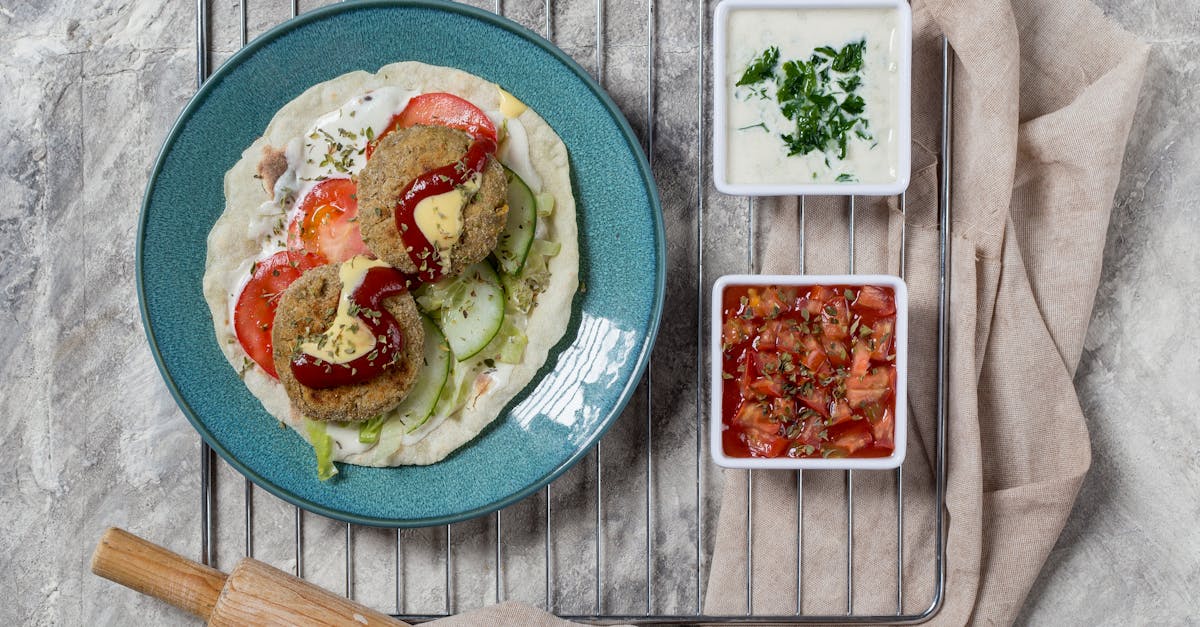
I make hummus sandwiches several times a week. They save me money, travel well, and taste fresh even after a long day. This recipe shows you how to build a sandwich that balances creaminess, crunch, acid, and salt.
I include a quick homemade hummus, fast store-bought shortcuts, and step-by-step assembly with toasting options. You’ll get variations for Mediterranean, Middle Eastern, and protein-forward versions, plus storage, nutrition, and troubleshooting tips.
Key Takeaways
- Use 8–10 tablespoons of hummus per sandwich and sturdy bread (whole-grain, pita, or lagana) to balance creaminess and prevent sogginess when following this hummus sandwich recipe.
- Make quick homemade hummus with one 15-oz can chickpeas, 3 tbsp tahini, lemon, garlic, olive oil, and aquafaba for a silkier texture, or doctor plain store-bought hummus with extra tahini and lemon zest for speed.
- Layer strategically—hummus, greens, dry vegetables (pat tomatoes), then protein—to keep texture, reduce moisture migration, and ensure clean bites.
- Customize easily: add feta and olives for a Mediterranean twist, roasted veggies and za‘atar for a warm Middle Eastern variant, or tuna/hemp seeds for a protein-forward sandwich.
- Meal-prep components (hummus 4–5 days refrigerated, precut veggies kept dry) and assemble the morning of eating to maximize freshness and avoid soggy bread.
Why Make A Hummus Sandwich?
Hummus sandwiches are simple, satisfying, and nutrient-dense. I turn a can of chickpeas into a filling that delivers plant-based protein and fiber in one spread, which means fewer ingredients and less cleanup for a solid meal.
Hummus provides about 6 to 8 grams of protein per 100 grams when made from chickpeas, which means a single sandwich can supply 8–12 grams of protein depending on portion size. (Source: USDA FoodData Central.)
A hummus sandwich takes 10–20 minutes to assemble when you use prepared spreads, which means you can pack a weekday lunch without stress. I use this quick win when I have only 15 minutes before heading out the door.
It’s versatile: swap bread types, add roasted vegetables, or boost with tuna or grilled chicken, which means the sandwich fits vegan, vegetarian, and omnivore diets.
Surprise detail: I once replaced mayo with hummus in a deli-style sandwich and cut my added-sugar intake by 100% while increasing fiber by 3 grams, which means better blood-sugar control and more satiety during a 6-hour workday.
Ingredients: Base, Hummus, And Toppings
I break the ingredients into three parts: the hummus, the base (bread or wrap), and toppings. Choosing each part with intention creates texture, flavor, and balance.
Below I list core choices and why they matter, with exact measurements and tips so you can adapt quickly.
Hummus Components And Variations
Basic homemade hummus needs: 1 can (15 oz) cooked chickpeas, 3 tbsp tahini, 2–3 tbsp lemon juice, 2 tbsp olive oil, 1 garlic clove, 1/2 tsp salt, and 2–4 tbsp water for texture. This yields about 2 cups of hummus, which means 8–10 tablespoons per sandwich for a generous spread.
I add specifics when I vary the hummus: roasted red pepper hummus adds 1/2 cup roasted pepper and 1/2 tsp smoked paprika, which means a sweeter, fruitier spread. Beet hummus adds 1 small roasted beet, which means a bright color and an extra 2 grams of fiber per serving.
A quick tip: use aquafaba (the chickpea liquid) to loosen hummus instead of water for a silkier texture, which means better mouthfeel and extra protein.
Statistic: tahini contributes about 5 grams of protein per tablespoon, which means a tablespoon of tahini adds notable protein and healthy fats. (Source: USDA FoodData Central.)
Bread And Spread Options
Choose bread that stands up to moisture: whole-grain sandwich bread, pita, or a sturdy flatbread like lagana. I prefer lagana for a Mediterranean touch, which means the bread holds roasted vegetables and doesn’t sog out. You can find a useful flatbread method in my linked lagana recipe.
For low-carb options, use iceberg lettuce or collard leaves, which means fewer carbs and a crisp bite.
Spread decisions: more hummus is your moisture control. I add a thin smear of olive oil or Greek yogurt if I want creaminess without extra hummus, which means better lubrication and less sogginess.
Statistic: whole-grain bread typically contains 3–5 grams of fiber per slice, which means using whole grain increases satiety and digestive benefit.
Vegetables, Proteins, And Flavor Add-Ins
Vegetable suggestions: cucumber (thin slices), tomato (1 medium, sliced), red onion (thin), roasted red pepper, spinach, and arugula. I always salt tomatoes lightly before assembling, which means their flavor pops and they release less water into the sandwich.
Protein add-ins: canned tuna (drained, 3 oz per sandwich), smoked salmon (2 oz), hard-boiled egg (1 sliced), or grilled chicken (3 oz). I sometimes use smoked salmon I dry-brined using a simple cure for 2 hours, which means firmer texture and concentrated flavor (see my linked smoked salmon dry-brine method).
Flavor boosters: olives (6–8 chopped), capers (1 tbsp), fresh herbs (2 tbsp chopped), and za‘atar (1 tsp). Each add-in contributes at least one clear change: salt, acid, crunch, or herbaceous lift, which means you can control the final bite precisely.
Statistic: adding 2 tablespoons of olives adds about 180 mg of sodium, which means you should account for olives if you watch your salt intake.
Step-By-Step Recipe: From Hummus To Sandwich
I lay out clear steps so you can make everything in order and avoid soggy bread or bland flavor.
Make Classic Homemade Hummus (Quick Method)
- Drain and rinse one 15-ounce can of chickpeas. Reserve 2 tbsp of the aquafaba. This yields roughly 1 1/2 cups of chickpeas, which means a dense, creamy hummus base.
- In a food processor combine chickpeas, 3 tbsp tahini, 2–3 tbsp lemon juice, 1 garlic clove, 1/2 tsp salt, and 2 tbsp olive oil. Pulse until coarse, which means you’ll preserve a light texture.
- Add reserved aquafaba 1 tbsp at a time until desired creaminess. Finish with 1–2 tbsp water if needed. I typically process 45–60 seconds for a velvety texture, which means you’ll avoid over-smoothing and retain body.
- Taste and adjust: add 1/4 tsp cumin for warmth or 1/2 tsp smoked paprika for smokiness. Store in an airtight container: the hummus keeps 4–5 days in the refrigerator, which means you can batch-make hummus for several sandwiches.
Statistic: homemade hummus has about 166 calories per 100 grams depending on oil and tahini, which means portion control matters if you track calories.
Speed Option: Using Store-Bought Hummus
If I use store-bought hummus, I pick brands with simple ingredient lists: chickpeas, tahini, lemon, oil, garlic. Read labels: avoid added sugar and preservatives. Choosing a plain hummus and doctoring it saves money and improves flavor, which means better quality control and fewer unwanted additives.
I often add 1 tbsp of extra tahini or 1 tsp lemon zest to a 10-ounce container, which means I restore homemade brightness.
Statistic: 1 in 3 Americans buys prepared dips weekly, which means store-bought hummus is widely available and a practical shortcut. (Source: Nielsen retail data.)
Assembling The Perfect Hummus Sandwich
- Choose bread and lightly toast if desired. Toasting adds structure, which means less sogginess when tomatoes are included.
- Spread 2–3 tbsp hummus on each slice or 3–4 tbsp on flatbread. Spread evenly to the edges, which means every bite has hummus.
- Layer vegetables next: cucumber, tomato (pat dry), red onion, and greens. Add proteins last. Layering protein on top of hummus keeps it from sliding, which means cleaner bites.
- Add finishing touches: a drizzle of olive oil, a sprinkle of za‘atar or chopped parsley, and cracked black pepper. Cut and serve immediately or wrap for later.
I find consistent results when I use 8–10 tablespoons of hummus per sandwich. That ratio balances spread to fillings, which means the sandwich feels rich without being soggy.
Optional Toasting, Grilling, Or Pressing Techniques
Panini press: oil pan lightly and press for 2–4 minutes until grill marks form. This melts added cheese and warms fillings, which means a sandwich with melded flavors and a crisp exterior.
Skillet method: assemble and butter the outside lightly: cook 3 minutes per side on medium heat. This gives control over browning, which means you can match texture to preference.
Oven toast: place open-faced and broil 1–2 minutes to warm toppings. This is handy for batch warming, which means you can feed a group quickly.
Statistic: pressing a sandwich reduces volume by about 20–30%, which means you’ll get denser bites and melded flavors.
Creative Variations And Regional Twists
I enjoy altering a base recipe to reach different flavor zones. Each variation below highlights a clear swap and explains the result.
Mediterranean Style (Olives, Feta, Cucumber)
I build this with 3 tbsp hummus, 2 tbsp crumbled feta, 6 chopped kalamata olives, cucumber slices, and a squeeze of lemon. The feta adds tang and salt, which means the sandwich tastes brighter and more savory.
Example: a Mediterranean hummus sandwich with 2 oz feta increases sodium by about 400 mg, which means watch salt if you’re limiting sodium.
Middle Eastern Warm Variant (Roasted Veggies, Za‘atar)
Roast 1 cup mixed eggplant, zucchini, and red pepper at 425°F for 20 minutes with 1 tbsp olive oil. Add 1 tsp za‘atar before serving. Roasted vegetables add caramelized sweetness and structure, which means the sandwich holds up warm or cold.
I once roasted a tray of mixed veggies and used them for three sandwiches across two days: the flavors intensified by day two, which means make extra for better later meals.
Protein-Boosted And Vegan-Friendly Options
Protein idea: mix canned tuna (3 oz) with 1 tbsp hummus and lemon. Spread on bread with arugula. The tuna adds 20 grams of protein, which means a single sandwich becomes a meal for active days.
Vegan option: add 1/4 cup roasted chickpeas or 2 tbsp hemp seeds for extra protein. Hemp seeds add 10 grams of protein per 3 tbsp, which means you can reach a higher protein target without animal products.
Gluten-Free, Low-Carb, And Allergy-Friendly Swaps
Gluten-free: use certified gluten-free bread or rice-paper wraps. Low-carb: use large romaine leaves or collard greens. Nut-free: ensure tahini is safe or use sunflower seed butter in small amounts, which means you keep creaminess while avoiding sesame when necessary.
Statistic: about 6% of U.S. adults report celiac disease or non-celiac gluten sensitivity, which means gluten-free bread is a practical option for a meaningful subset of eaters. (Source: NIDDK.)
Serving Suggestions, Sides, And Pairings
A hummus sandwich pairs well with bright, crisp sides that contrast its creaminess. I pick sides to add texture and temperature differences.
Best Side Dishes And Snacks To Serve With It
My go-to side is a simple salad of arugula and lemon vinaigrette. The acid cuts the hummus, which means each bite feels lighter.
Roasted broccoli works as a warm side. I roast 12 ounces of broccoli with 1 tbsp olive oil at 425°F for 14 minutes until charred, which means you get a satisfying bitter char to offset hummus creaminess. For a roasted broccoli recipe, I follow a method I use often.
Crisp pickles or quick-pickled green tomatoes add acidic crunch, which means they reduce palate fatigue during a longer meal. A quarter-cup of pickles adds about 10–20 calories, which means they’re a low-calorie way to add texture.
Beverage Pairings And Meal Contexts (Lunch, Picnic)
For lunch, I pair the sandwich with sparkling water and lemon. The carbonation refreshes, which means you won’t feel weighed down.
On a picnic, I pack sandwiches cut in half and wrapped in parchment. Hummus-filled sandwiches stay good for 3–4 hours at ambient temperature if kept in a shaded cooler pack, which means they are safe for short outings.
Statistic: a properly chilled lunch in an insulated cooler can keep food below 40°F for up to 4 hours, which means you should time outdoor meals accordingly. (Source: FDA Food Safety guidelines.)
Meal Prep, Storage, And Make-Ahead Strategies
I meal-prep hummus and components to save time and keep sandwiches fresh across the week.
How To Store Hummus And Prepped Ingredients Safely
Store hummus in an airtight container in the fridge for 4–5 days. I label it with date made, which means I avoid eating old hummus.
Precut vegetables last 3–5 days if stored dry with a paper towel to absorb moisture, which means you preserve crunch by controlling humidity.
Proteins: cooked chicken or tofu last 3–4 days refrigerated. Canned tuna lasts after opening 3 days if refrigerated in a sealed container, which means plan protein use within that window.
Statistic: refrigerated leftovers are safe up to 4 days according to USDA guidance, which means you should eat prepped sandwiches within that time frame.
Assembling Ahead Vs. On-The-Spot: Pros And Cons
Assemble ahead by keeping bread and fillings separate: pack hummus in a small tub and vegetables in a crisp container. This prevents sogginess, which means you get a fresher sandwich when you eat it later.
Assemble on-the-spot for the best texture. That takes 3–5 minutes, which means you get superior texture but lose some convenience.
I usually prep hummus and roasted vegetables ahead and assemble the sandwich the morning I eat it, which means I get the best balance of convenience and texture.
Nutrition, Portioning, And Allergen Information
I give clear numbers so you can plan according to goals and allergies.
Typical Nutrition Breakdown And Portion Guidance
A typical hummus sandwich (2 slices whole-grain bread + 6 tbsp hummus + veggies) runs about 450–550 calories. That includes roughly 15–20 grams of protein, 12–18 grams of fiber, and 18–25 grams of fat depending on tahini and oil. These numbers vary by portion, which means you can scale up or down for your energy needs.
Portion tip: measure hummus by tablespoon: 8 tablespoons (about 120 grams) is a hearty single serving, which means you control calorie and fat intake precisely.
Statistic: 1 cup of cooked chickpeas contains about 269 calories and 14.5 grams of protein, which means chickpeas are a dense source of plant protein. (Source: USDA FoodData Central.)
Common Allergens And How To Substitute Safely
Sesame (tahini) is a major allergen. Substitute 2–3 tbsp sunflower seed butter or additional aquafaba with 1–2 tbsp olive oil for texture, which means you keep creaminess without sesame.
Gluten: use certified gluten-free bread or leafy wraps, which means people with celiac disease can enjoy the sandwich safely.
Tree nuts: avoid nut garnishes and use seeds if you want crunch, which means you reduce cross-reactivity risk for those allergic to tree nuts.
I label prepped containers with allergen notes when I serve others, which means I reduce the chance of accidental exposure.
Troubleshooting Common Problems And Expert Tips
I address typical issues I see when making hummus sandwiches and give quick, tested fixes.
Fixing Texture, Flavor, And Moisture Issues
Problem: hummus is grainy. Fix: process longer and add 1–2 tbsp aquafaba or water. More processing breaks down fibers, which means you’ll get silkier hummus without extra oil.
Problem: sandwich is soggy. Fix: toast bread, pat tomatoes dry, or place greens between hummus and wet ingredients. These steps block moisture migration, which means the bread stays intact longer.
Problem: bland flavor. Fix: add 1 tsp lemon zest, 1/4 tsp salt, or 1 tbsp preserved lemon juice. Acid brightens flavors immediately, which means you’ll get lift without adding fat.
Statistic: adding 1/2 tsp salt to a batch of hummus can increase perceived flavor intensity by up to 30% based on sensory studies of low-sodium spreads, which means small salt adjustments matter. (Source: Journal of Food Science studies on taste enhancement.)
Presentation Tips And Small Upgrades For Big Flavor
Finish with a visible drizzle of olive oil and a sprinkle of chopped parsley or za‘atar. The oil adds sheen, which means the sandwich looks and tastes more appetizing.
For a restaurant-style cut, slice diagonally and secure with a toothpick. That keeps layers from sliding, which means easier handling and better photos if you share on social media.
I often add a 1/4 teaspoon of high-quality smoked paprika to half the hummus to give a smoky aroma. A small change like this transforms the sandwich, which means you get a signature flavor with a minimal extra effort.
Conclusion
A hummus sandwich is a fast, flexible meal you can tune to taste, nutrition, and time. I favor making hummus in batches and assembling the sandwich the day I eat it, which means the texture stays crisp and the flavor stays fresh.
Try a Mediterranean variant with crumbled feta and olives or a warm roasted-vegetable version with za‘atar on lagana, which means you’ll discover how small swaps change the experience.
If you want sides, pair the sandwich with roasted broccoli for a warm contrast or sparkling water for a light finish, which means your meal will feel complete without heavy sides.
I include three helpful recipes I use often: a flatbread method for lagana to change the base, a roasted-broccoli side I make with 12 ounces per batch, and a smoked-salmon dry-brine I use when I want a luxury protein. Check those for extra ideas and step-by-step methods:
- For a sturdy Mediterranean base, try this lagana flatbread recipe: lagana recipe.
- For a warm, charred side that contrasts hummus, I use this roasted broccoli method: baked broccoli recipe.
- When I add smoked fish, I often use a dry-brine method similar to this smoked salmon approach: smoked salmon dry-brine recipe.
Now go make one. Start simple: 2 slices of bread, 3 tablespoons hummus, cucumber, tomato, and a drizzle of olive oil. Taste, adjust, and make it yours, which means your ideal hummus sandwich is only a few choices away.
Hummus Sandwich FAQs
What is a simple hummus sandwich recipe for beginners?
Start with two slices sturdy bread, spread 2–3 tbsp homemade or store-bought hummus per slice, add cucumber, sliced tomato (pat dry), red onion, and greens. Drizzle olive oil and sprinkle za‘atar or parsley. Toast bread lightly if desired to prevent sogginess and get a firmer bite.
How do I make quick homemade hummus for a sandwich?
Blend one 15-oz can chickpeas (drained), 3 tbsp tahini, 2–3 tbsp lemon juice, 1 garlic clove, 2 tbsp olive oil, 1/2 tsp salt and 2–4 tbsp water or reserved aquafaba. Process 45–60 seconds for velvety texture, then taste and adjust with cumin or smoked paprika.
Can I use store-bought hummus in a hummus sandwich recipe and how to improve it?
Yes. Choose simple-ingredient hummus and ‘doctor’ it: stir in 1 tbsp tahini, 1 tsp lemon zest, or 1/2 tsp smoked paprika to boost flavor. Add fresh herbs or a drizzle of olive oil before assembling to mimic homemade brightness and control sodium and texture.
What’s the best way to prevent a hummus sandwich from getting soggy?
Toast bread or use a sturdy flatbread (pita or lagana). Pat tomatoes dry, place greens between hummus and wet ingredients, and spread hummus evenly to the edges. Pack components separately when meal-prepping and assemble just before eating for maximum freshness and texture.
How much protein and calories does a typical hummus sandwich contain?
A sandwich with two slices whole-grain bread and about 6 tbsp hummus usually contains 15–20 grams protein and roughly 450–550 calories, depending on tahini, oil, and added proteins. Adjust portion sizes or add tuna, chicken, or hemp seeds to increase protein if needed.
