
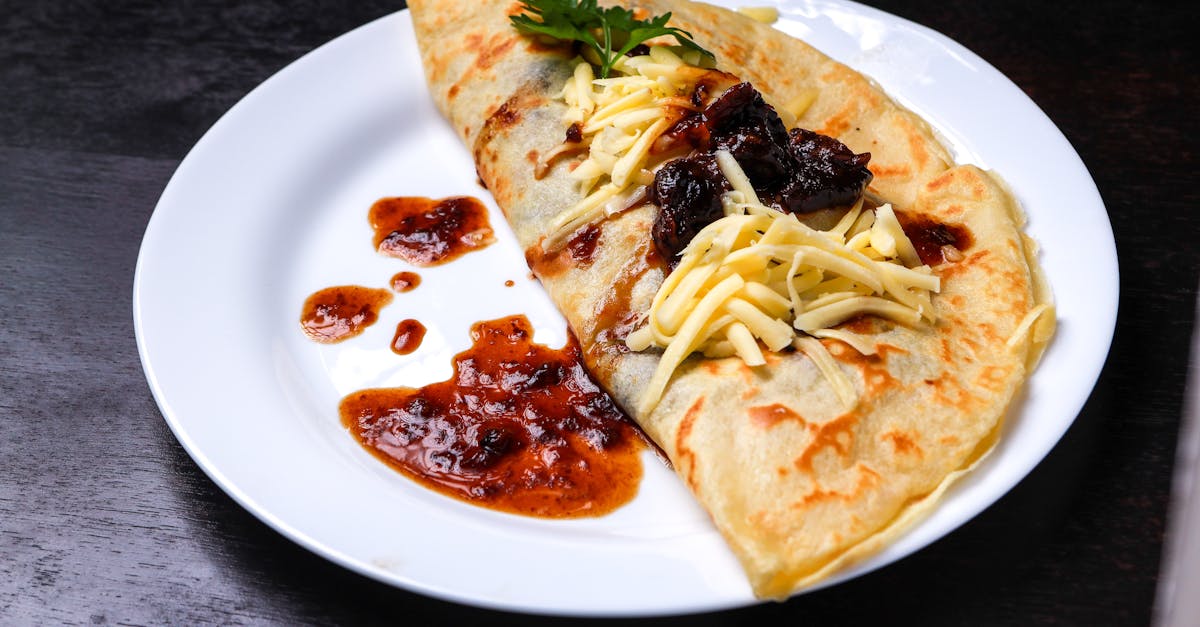
The first time I nailed a crêpe salée, I heard it.
That soft shhhk as batter hit hot metal, spread into a paper-thin circle, and turned lacy at the edges in about 40 seconds, which means I finally stopped making “sad pancakes in a trench coat.”
A great savory crêpe tastes light but holds real food. It bends without cracking, carries fillings without sogging, and finishes like a café plate you’d pay $14 for.
This crêpe salate recipe (savory French crêpes) gives you a smooth, no-lumps batter, exact cooking cues, and five classic fillings you can mix and match.
Key Takeaways
- This crepe salate recipe works best with a thin, smooth batter, steady medium heat, and a quick wrist swirl so your crêpes cook evenly and fold without tearing.
- Watch for tiny dry “freckles” on top at 25–35 seconds and golden freckles underneath to know when to flip and keep savory French crêpes flexible, not brittle.
- Build a no-lumps batter by whisking flour + salt, adding eggs first, streaming in milk gradually, then whisking in water and melted butter, and strain if needed for a silky pour.
- Rest the batter for at least 30 minutes (or up to 24 hours) to hydrate the flour and reduce bubbles, which helps prevent sticking and center tears.
- Keep crêpe salate fillings hot and relatively dry, then combine a protein or veg with a melt/cream and a bright finish (lemon, herbs, or capers) to avoid soggy centers.
- Make ahead by stacking cooked crêpes with parchment, refrigerating up to 3 days or freezing up to 2 months, then reheating briefly in a dry skillet for tender, foldable results.
What Makes A Great Crêpe Salée
You don’t need fancy tools. You need thin batter, steady heat, and one calm wrist swirl, which means you get crêpes that cook evenly and fold without tearing.
I test crêpes with a simple rule. I should see tiny dry “freckles” appear on top within 25–35 seconds, which means the heat is right and the crêpe will release cleanly.
“If the batter sets before you finish swirling, the pan is too hot.”
Sweet Vs. Savory Crêpe Batter Differences
Savory crêpes use less sugar and often add a pinch more salt, which means the wrapper tastes like food, not dessert.
Sweet crêpe batter can hide small flaws. Sugar browns faster and masks blandness, which means a sweet crêpe can look good even when the texture is off.
For a classic Breton feel, many cooks use buckwheat flour in savory galettes. Buckwheat brings a nutty taste and darker color, which means strong fillings like ham and egg taste more balanced.
Data point: Standard all-purpose flour runs about 10–12% protein (typical U.S. range), which means it can turn chewy if you overmix. I keep mixing gentle and I rest the batter.
Choosing The Right Pan And Heat Level
I use an 8- to 10-inch nonstick skillet or a seasoned carbon-steel crêpe pan, which means I can swirl fast and flip without fear.
Heat matters more than brand. I aim for medium to medium-high and adjust after the first crêpe, which means I use the “ugly first crêpe” as a calibration round.
Quick pan test: I flick 3–4 drops of water onto the pan. They should dance for 1–2 seconds before vanishing, which means the surface is hot enough to set batter but not scorch it.
I avoid very high heat. High heat creates brittle edges and a raw center, which means the crêpe cracks when you fold it.
Ingredients You’ll Need
When I want café-style results, I keep the ingredient list tight. Each item has a job, which means you can fix problems by changing one variable at a time.
Below is my core batter for about 10 crêpes (10-inch).
For The Savory Crêpe Batter
| Ingredient | Amount | Why it matters | Reader benefit (which means…) |
|---|---|---|---|
| All-purpose flour | 1 cup (120 g) | Builds structure | Crêpes hold fillings, which means less tearing during folding |
| Large eggs | 2 | Add protein + emulsify | Smoother batter, which means fewer lumps and better browning |
| Milk | 1 1/2 cups (360 ml) | Hydrates flour | Thin, pourable batter, which means delicate crêpes |
| Water | 1/4 cup (60 ml) | Lightens texture | More flexibility, which means crêpes bend without cracking |
| Melted butter | 2 tbsp | Adds fat + flavor | Tender bite, which means less rubbery texture |
| Fine salt | 1/2 tsp | Boosts flavor | Tastes seasoned, which means you don’t need heavy sauces |
I weigh flour when I can. 120 grams stays consistent, which means I avoid thick batter on humid days.
Optional Add-Ins For Extra Flavor
I add these only when they match the filling. They add aroma without turning the crêpe into a herb omelet, which means fillings still shine.
- Dijon mustard (1 tsp) in the batter, which means ham-and-cheese tastes sharper.
- Chopped chives (1 tbsp), which means eggs taste fresher.
- Black pepper (1/4 tsp), which means creamy fillings feel less heavy.
- Grated Parmesan (2 tbsp), which means the edges crisp a little faster.
If you love sweet baking projects too, my “pan control” practice often comes from frying dough. A good example is working on even browning with recipes like a cruller donut recipe, which means your heat instincts improve across both crêpes and donuts.
Step-By-Step Savory Crêpe Batter (No Lumps)
A smooth batter changes everything. It spreads like silk instead of dragging like paste, which means you get thin crêpes without thick, gummy patches.
Here’s my exact method.
Step 1: Combine dry. I add flour (120 g) and salt (1/2 tsp) to a bowl, which means salt disperses evenly.
Step 2: Add eggs. I crack in 2 eggs and whisk until the mixture turns thick and smooth, which means I break up flour pockets early.
Step 3: Add milk gradually. I pour in about 1/2 cup milk while whisking. Then I add the rest in a steady stream, which means the batter stays lump-free.
Step 4: Add water + butter. I whisk in 1/4 cup water and 2 tbsp melted butter, which means the batter loosens and cooks tender.
Step 5: Strain (optional but fast). I strain through a fine sieve if I see any specks, which means the first crêpe won’t have “dough freckles.”
My real-life test: I dip a spoon and lift it. The batter should coat the spoon and run off in a thin sheet. That look tells me it will swirl.
Mixing Methods: Blender Vs. Bowl And Whisk
I use a blender when I want speed. I blend for 10–15 seconds, which means I emulsify eggs and butter fast.
I use a whisk when I want control. Whisking prevents over-aeration, which means fewer bubbles that can leave tiny holes.
Data point: Many recipe developers recommend short blending because flour hydration starts fast. Overblending can increase gluten formation, which means a chewier crêpe.
How Long To Rest The Batter (And Why It Matters)
I rest batter for 30 minutes at room temp or up to 24 hours in the fridge, which means flour fully hydrates and the texture softens.
Resting also lets bubbles rise. Less foam means fewer weak spots, which means cleaner flips.
Concrete example: When I skip resting, my second crêpe often tears at the center fold. When I rest 30 minutes, that tearing usually disappears.
For another recipe where resting and hydration matter, try a simple dough like bread with just flour and water, which means you can feel how time changes texture.
How To Cook Perfect Crêpes
The flip feels like magic the first time it works. The crêpe releases on its own, slides like satin, and lands without wrinkling, which means you finally trust the process.
I cook one “tester” crêpe first. I adjust heat and batter thickness after that, which means the rest of the batch stays consistent.
Greasing The Pan Without Making Crêpes Oily
I grease with 1/2 teaspoon butter on a folded paper towel. I wipe the pan until it looks almost dry, which means the crêpe won’t fry.
Oil pools cause lacy bubbles and greasy spots. Those spots weaken the surface, which means fillings can soak through.
Data point: Butter is about 80% fat in the U.S. (standard butter spec), which means a tiny amount spreads far and browns fast.
Pour, Swirl, Flip: Timing And Visual Cues
I lift the pan off the heat. I pour about 1/4 cup batter into the center. I swirl immediately, which means the batter coats before it sets.
I return the pan to the heat. I watch the edges.
- At 25–35 seconds, edges look dry and slightly lifted, which means the bottom has set.
- I slide a thin spatula under the edge and lift. If the center releases, I flip.
- After flipping, I cook 10–20 seconds, which means I set the second side without drying it.
Visual cue I trust: The underside should show golden freckles, not deep brown patches, which means the crêpe stays flexible.
Keeping Crêpes Warm And Flexible
I stack finished crêpes on a plate and cover with foil. I keep them near a warm burner, which means steam keeps them pliable.
If I need longer holding, I set the oven to 200°F and place the stack on a sheet pan, which means the crêpes stay warm without crisping.
Warning from my kitchen: Don’t keep them uncovered. Air dries the edges in 5–7 minutes, which means the first fold cracks.
Classic Crêpe Salée Fillings (With Assembly Tips)
A savory crêpe feels like a blank page. Then you add one hot ingredient and one creamy ingredient, and the whole thing turns into dinner, which means you stop treating crêpes as “special occasion food.”
I build fillings with three parts: protein or veg, melt or cream, and a bright note (acid or herbs), which means the last bite tastes as good as the first.
Assembly rule I use: Keep hot fillings hot and wet ingredients minimal. Steam is the enemy, which means you avoid soggy centers.
Ham, Cheese, And Egg (Galette-Style Option)
I warm a crêpe in the pan. I add 1/3 cup grated Gruyère and 2 slices ham. I crack 1 egg in the center.
I cover the pan for 2–3 minutes until the white sets, which means the yolk stays runny and becomes sauce.
I fold the edges in like a square frame. The egg stays visible, which means the plate looks dramatic with zero extra effort.
Data point: The USDA lists one large egg at about 6 grams of protein, which means this filling turns crêpes into a real lunch.
Mushroom, Spinach, And Gruyère
I sauté 8 ounces sliced mushrooms in 1 tablespoon butter for 6–8 minutes. I add 2 packed cups spinach for 30–45 seconds.
I season with 1/4 teaspoon salt and pepper, which means mushrooms taste meaty instead of watery.
I add 1/4 cup Gruyère per crêpe. The cheese melts into the mushrooms, which means the filling stays together during folding.
Smoked Salmon, Crème Fraîche, And Dill
I spread 2 tablespoons crème fraîche on a warm (not hot) crêpe. I add 2 ounces smoked salmon and 1 teaspoon chopped dill.
I finish with 1 teaspoon lemon juice and capers if I want punch, which means the richness feels light.
Honest warning: High heat makes salmon weep and turn chalky. Keep it gentle, which means the texture stays silky.
Data point: Smoked salmon runs high in sodium. A typical 2-ounce serving can exceed 600 mg sodium depending on brand, which means you should go easy on added salt.
Chicken, Pesto, And Mozzarella
I use 1 cup shredded cooked chicken. I toss it with 2 tablespoons pesto.
I add 1/3 cup shredded mozzarella and warm the filled crêpe for 1–2 minutes per side, which means the cheese binds everything.
Concrete example from my fridge: Rotisserie chicken plus jar pesto turned into four lunches in 18 minutes total cook time, which means this is weeknight-friendly.
Roasted Vegetables And Goat Cheese
I roast 2 cups chopped vegetables (zucchini, red onion, bell pepper) at 425°F for 20–25 minutes with 1 tablespoon olive oil.
I smear 1 tablespoon goat cheese on the crêpe and pile veg on top. I add balsamic drizzle if I have it, which means the sweetness balances tang.
Data point: Roasting at 425°F speeds browning through moisture loss, which means the veg stay flavorful without soaking your crêpe.
If you like the sweet-salty snack vibe, you might also enjoy a quick dessert bar like graham cracker Christmas crack, which means you can round out a brunch spread with almost no extra prep.
How To Fold And Serve Crêpes Salées
A fold can change the whole meal. One shape says “street food.” Another says “bistro.” That tiny move changes how fillings stay put, which means you get cleaner bites.
Fold Styles: Half-Moon, Triangle, And Envelope
I pick the fold based on filling texture.
| Fold style | Best for | How I do it | Benefit (which means…) |
|---|---|---|---|
| Half-moon | Melted cheese + sliced meat | Fold in half | Fast plating, which means quick lunches |
| Triangle | Loose fillings (mushrooms, veg) | Fold in half, then in half again | Tighter package, which means fewer spills |
| Envelope | Egg-in-center or saucy fillings | Fold 4 sides toward center | Holds moisture inside, which means less dripping |
Concrete cue: If filling has small pieces, I use triangle. If filling has sauce, I use envelope.
Sauces And Toppings That Work Well
I keep sauces thin. Thick sauces can glue the crêpe and make it gummy, which means the texture turns heavy.
- Lemon juice + olive oil (1 tsp each), which means roasted veg tastes brighter.
- Hollandaise (2 tbsp) on ham-and-egg, which means brunch feels complete.
- Simple salad vinaigrette (2 tbsp), which means rich cheese feels lighter.
I treat sauce as “finish paint,” not the foundation.
Sides For A Complete Meal
I pair one crêpe with something crunchy or fresh.
- Arugula salad (2 cups) with lemon, which means the meal feels less rich.
- Tomato soup (1 cup), which means the crêpe becomes a dunkable sandwich.
- Pickles (3–4 slices), which means fatty fillings taste sharper.
Data point: The CDC encourages more vegetable intake for most Americans, which means adding a simple side salad pushes the meal in a better direction. (See CDC guidance on vegetables for context.)
If you build a full comfort-food plate sometimes, a classic side like old-fashioned meatloaf with crackers can also fit the same “protein + starch + something bright” formula, which means you can plan menus with the same structure.
Make-Ahead, Storage, And Reheating
Cold crêpes feel stiff at first. Then they warm and relax like fabric in steam, which means make-ahead crêpes can taste fresh if you handle them right.
Storing Batter And Cooked Crêpes
I store batter in a jar with a lid for up to 24 hours in the fridge. I shake before cooking, which means flour that settled mixes back in.
I store cooked crêpes stacked with parchment between every 2–3 crêpes. I refrigerate for up to 3 days, which means lunch prep stays easy.
Data point: The USDA fridge safety rule uses 40°F or below as the safe refrigerator temperature, which means you should chill crêpes quickly and store them covered. (See USDA refrigerator guidance for details.)
Freezing And Thawing Without Tearing
I freeze crêpes with parchment between each one. I seal them in a freezer bag.
I freeze for up to 2 months, which means I can cook a big batch once and eat for weeks.
To thaw, I move them to the fridge overnight. If I rush, I thaw at room temp for 20–30 minutes, which means they bend instead of snapping.
Best Reheating Methods For Tender Results
I reheat in a dry skillet over medium for 20–30 seconds per side. That method restores flexibility, which means crêpes fold like fresh.
Microwaves work but require care. I wrap crêpes in a barely damp paper towel and heat 10–15 seconds, which means steam softens without making them wet.
Warning: Don’t overheat. A crêpe can go from tender to rubbery in 30 seconds, which means you should reheat in short bursts.
Troubleshooting Common Crêpe Problems
Crêpes punish guesswork. They also reward tiny corrections, which means you can fix most problems in the next crêpe, not the next week.
I keep notes for the first two crêpes. I adjust one thing at a time.
Crêpes Tearing Or Sticking
Cause usually comes from pan or batter.
- Pan too cool, which means batter bonds before it sets. Fix: raise heat slightly and wait 60 seconds before the next pour.
- Pan not seasoned or worn nonstick, which means the surface grabs. Fix: use a new nonstick or a well-seasoned steel pan.
- Too little rest, which means flour stays thirsty and tears. Fix: rest 30 minutes.
Concrete test: If the crêpe won’t slide when I shake the pan at 35–45 seconds, I stop and add a light butter wipe, which means I prevent a full rip.
Rubbery, Thick, Or Dry Crêpes
Rubbery usually comes from gluten or too much cooking.
- Overmixing, which means gluten tightens. Fix: whisk just until smooth.
- Batter too thick, which means crêpes cook like pancakes. Fix: add 1–2 tbsp water.
- Cooking too long, which means moisture leaves. Fix: shorten second-side cook to 10–15 seconds.
Data point: Gluten forms when flour meets water and agitation. Less agitation keeps tenderness, which means gentler mixing improves texture.
Batter Too Thick Or Too Thin
I correct with small steps.
- If batter falls in clumps, it is too thick. I add 1 tbsp water, whisk, then test again, which means I avoid over-thinning.
- If batter looks like milk and won’t coat the pan, it is too thin. I whisk in 1 tbsp flour, which means I restore body without lumps.
My quick “spread” check: A perfect pour should reach the pan edge in 1–2 swirls. If it takes 4 swirls, the batter is thick.
Crêpes behave like paint. The right viscosity makes everything easier.
Conclusion
A crêpe salée gives you a quiet kind of confidence. You pour, you swirl, you flip, and dinner suddenly looks like it came from a small French kitchen, which means you can turn basic groceries into something that feels special.
If you remember only three things, remember these: rest the batter 30 minutes, cook on steady medium heat, and keep fillings hot and dry, which means you get flexible crêpes that don’t tear.
Next time, I’d challenge you to batch-cook 10 crêpes on Sunday. You will build four different meals from the same stack, which means the skill pays you back all week.
Frequently Asked Questions About Crêpe Salée Recipes
What is a crêpe salée recipe, and how is it different from sweet crêpes?
A crêpe salée recipe is a savory French crêpe meant to hold real fillings without tasting like dessert. Compared with sweet crêpes, it uses little to no sugar and often a touch more salt. Savory batters can also use buckwheat for a classic Breton-style galette.
How do I make a no-lumps batter for a crêpe salée recipe?
To get a smooth, no-lumps batter, whisk flour and salt first, then whisk in eggs until thick and smooth. Add milk gradually while whisking, then whisk in water and melted butter. If you still see specks, strain the batter—your first crêpe will cook more evenly.
How long should savory crêpe batter rest before cooking?
Rest savory crêpe batter for at least 30 minutes at room temperature, or up to 24 hours in the fridge. Resting hydrates the flour and lets bubbles rise, which improves tenderness and reduces tearing. If you skip the rest, crêpes often rip at the center fold.
What heat and timing cues help me cook perfect savory crêpes?
Use medium to medium-high heat and calibrate with a “tester” crêpe. A key cue is tiny dry “freckles” appearing on top within 25–35 seconds—then edges look dry and slightly lifted. Flip when the center releases, then cook the second side only 10–20 seconds.
What are the best fillings for a classic crêpe salée recipe?
Great crêpe salée recipe fillings balance three parts: a protein or veg, a melt/cream, and a bright note (acid or herbs). Classics include ham–Gruyère–egg, mushroom–spinach–Gruyère, smoked salmon–crème fraîche–dill, chicken–pesto–mozzarella, and roasted vegetables with goat cheese and balsamic.
Can I freeze savory crêpes, and what’s the best way to reheat them?
Yes—freeze savory crêpes with parchment between each one in a sealed freezer bag for up to two months. Thaw overnight in the fridge (or 20–30 minutes at room temp) so they bend instead of snapping. Reheat in a dry skillet 20–30 seconds per side for the best texture.
