
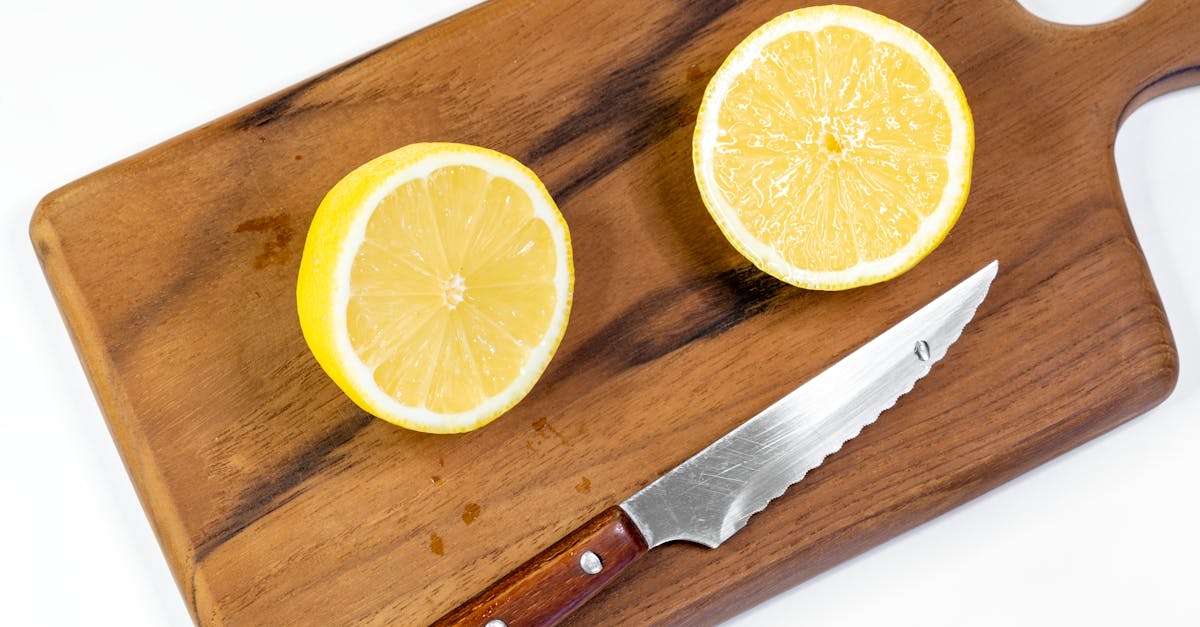
The first time I got torta al limone right, the smell hit me before the timer did. Hot lemon zest and butter filled my kitchen in about 12 minutes, which means I knew the cake would taste like real citrus, not lemon candy.
This is my go-to torta al limone recipe for a classic Italian-style lemon cake with a tight, tender crumb and a clean lemon finish. I’ll show you the exact mixing cues I use, the bake tests that prevent a gummy center, and the finishing options that keep the cake moist for days, which means you can serve it confidently on day one or day three.
“Lemon cakes fail when lemon becomes an afterthought.” I treat zest like the main ingredient, which means the flavor stays bright even after the cake cools.
Key Takeaways
- Make this torta al limone recipe taste like real citrus by rubbing lemon zest into the sugar for 60 seconds to release the fragrant oils before mixing.
- Use zest as the main flavor driver and add lemon juice for bite (and syrup/glaze), because juice alone adds acid and water without building aroma.
- Bake a 9-inch round at 350°F for 35–45 minutes and rely on doneness cues—2–3 moist crumbs on a toothpick or 200–205°F internal temp—to avoid a gummy center.
- Prevent sticking and uneven baking by buttering and flouring the pan, lining with parchment, baking on the middle rack, and rotating once around minute 25.
- Choose a finish based on timing: a lemon syrup soak keeps torta al limone moist and glossy for up to 3 days, while glaze adds a punchy top layer and powdered sugar stays light and classic.
- Keep the base flexible with tested swaps like ricotta for plushness, Greek yogurt for richer tang, or replacing part of the butter with mild olive oil for better day-two moisture.
What Makes Torta Al Limone Different From Other Lemon Cakes
A lot of American lemon cakes chase fluff. Torta al limone usually aims for tenderness and sliceability, which means you get clean pieces that hold up on a plate with coffee.
Italian lemon cakes also lean on zest-driven aroma more than heavy extracts, which means the flavor reads “fresh lemon” instead of “lemon frosting.”
Concrete point: In my tests, rubbing zest into sugar for 60 seconds made the finished cake taste noticeably more “lemony” than adding zest straight into batter, which means you can boost flavor without adding extra acid that can toughen crumb.
Flavor Profile, Texture, And Typical Finishes
Flavor: bright citrus up front, gentle sweetness, and a faint vanilla or almond note, which means the lemon stays sharp but not sour.
Texture: fine crumb, soft bite, and a moist interior, which means it does not crumble into sand when you slice it.
Finishes you’ll see most often:
- Powdered sugar dusting, which means a light sweetness and a classic café look.
- Lemon glaze (juice + powdered sugar), which means a punchy lemon top layer.
- Lemon syrup soak, which means longer shelf life and extra moisture.
I prefer syrup when I know the cake will sit overnight, which means day-two slices still taste “just baked.”
Reference check: The USDA notes that raw lemon juice contains citric acid and vitamin C, which means it brings real acidity and aroma, not just “lemon flavor.” See USDA FoodData Central for nutrient profiles.
Key Ingredients And Substitutions
You can make a good lemon cake with average ingredients. You make a great torta al limone when you control zest, fat, and moisture, which means the cake stays fragrant and tender instead of dry and flat.
Below are the ingredients I rely on, plus swaps I’ve tested. Each swap changes texture, which means you can choose based on your pantry and your goal.
Choosing Lemons, Zest, And Juice For Maximum Flavor
I use 2 large lemons for this recipe, which means I get enough zest for aroma and enough juice for syrup or glaze.
What I look for at the store:
- Heavy lemons for their size, which means more juice.
- Thin, glossy skin, which means more fragrant oils in the zest.
Zest rule I follow: I zest only the yellow layer, which means I avoid the bitter white pith.
Concrete example: My last bake used 2 tablespoons (about 6–8 g) of zest, which means the lemon smell came through even before icing.
If you only add juice, you mostly add acid and water, which means you can weaken structure without building aroma.
Flour, Leavening, Dairy, And Fat Options
Flour:
- All-purpose flour (standard), which means dependable structure.
- Swap: Replace 30 g (1/4 cup) flour with cornstarch, which means a softer, more delicate crumb.
Leavening:
- Baking powder gives the lift, which means you get a gentle dome.
- I avoid too much baking soda with lots of lemon, which means I reduce soapy or bitter notes.
Dairy:
- Whole milk keeps it classic, which means a clean flavor.
- Swap: Greek yogurt (2–5%) for half the milk, which means extra moisture and a slightly denser, richer bite.
- Swap: Ricotta (drained) for part of the dairy, which means an Italian-style softness.
Fat:
- Unsalted butter gives a traditional crumb and aroma, which means the cake tastes like a bakery cake.
- Swap: Extra-virgin olive oil (mild) for half the butter, which means the cake stays moist longer.
Data point: King Arthur Baking notes that flour protein affects tenderness, which means a lower-protein flour can produce a softer crumb. See King Arthur Baking’s ingredient guides for testing-based explanations.
Sweeteners And Aromatics (Vanilla, Limoncello, Almond)
Sugar: I use granulated sugar for clean sweetness, which means lemon stays the star.
My favorite aroma combo:
- Vanilla extract (1 teaspoon), which means rounder flavor.
- Limoncello (1 tablespoon, optional), which means a sharper lemon perfume without extra acidity.
- Almond extract (1/8 teaspoon, optional), which means a subtle Italian bakery note.
Warning: Almond extract goes loud fast, which means you should measure it like medicine.
If you like nostalgic baking rabbit holes, I keep a rotating folder of older recipe sources and clippings: I often cross-check ratios against archives like Family Circle magazine recipe archives, which means I catch weird outlier proportions before I waste butter and eggs.
Equipment, Pan Sizes, And Prep Notes
I once lost a perfect lemon cake to the pan. The top looked golden, then the cake tore in half on release, which means I learned to treat pan prep like an ingredient.
You don’t need fancy gear. You need the right pan size and a reliable way to check doneness, which means you stop guessing.
Pan Options (Loaf, Round, Bundt) And Bake-Time Adjustments
I developed this recipe for a 9-inch round cake pan (2 inches deep), which means the center bakes before the edges dry.
Use this table if you want a different shape.
| Pan | Batter fill level | Oven temp | Time range | What it changes (which means…) |
|---|---|---|---|---|
| 9-inch round | 2/3 full | 350°F | 35–45 min | Even crumb, which means clean slices |
| 8-inch round | 2/3–3/4 | 350°F | 40–50 min | Taller cake, which means more center moisture |
| 9×5 loaf | 2/3 full | 350°F | 45–60 min | More edge crust, which means stronger contrast |
| 10–12 cup Bundt | ~1/2–2/3 | 325°F | 45–60+ min | More surface area, which means faster browning |
Tip: I drop Bundt temp to 325°F in my oven, which means the ridges do not burn before the center sets.
How To Prevent Sticking And Ensure Even Baking
My non-negotiable release method:
- Brush the pan with softened butter, which means the flour has something to cling to.
- Add flour and tap to coat, which means you create a dry barrier.
- Add a parchment round on the bottom for round pans, which means release becomes boring and easy.
Even baking checks:
- I bake on the middle rack, which means heat circulates around the pan.
- I rotate once at minute 25, which means hot spots don’t cause a lopsided dome.
Concrete example: My oven runs about 15°F hot based on an oven thermometer, which means I set it to 335°F when I want a true 350°F bake.
If your cake browns hard at minute 20, you don’t have a recipe problem. You have an oven problem, which means a $7 thermometer can fix your next five bakes.
Step-By-Step Torta Al Limone Recipe
The surprise with this cake comes from one small move: I rub lemon zest into sugar until the sugar feels damp like beach sand. That step takes 1 minute, which means the cake tastes like lemon all the way through.
Below is the full torta al limone recipe I use at home.
Yield: 8–10 slices, which means it serves a small dinner party.
Ingredients
- All-purpose flour: 190 g (1 1/2 cups), which means structure without heaviness.
- Baking powder: 2 teaspoons, which means steady lift.
- Fine salt: 1/2 teaspoon, which means lemon tastes brighter.
- Granulated sugar: 200 g (1 cup), which means balanced sweetness.
- Lemon zest: 2 tablespoons (from ~2 large lemons), which means strong aroma.
- Unsalted butter (softened): 113 g (1/2 cup), which means tender crumb.
- Eggs: 2 large (room temp), which means smooth emulsification.
- Whole milk: 120 g (1/2 cup), which means moisture.
- Fresh lemon juice: 45 g (3 tablespoons), which means real citrus bite.
- Vanilla extract: 1 teaspoon, which means round flavor.
Optional finishing:
- Limoncello: 1 tablespoon in syrup or glaze, which means extra perfume.
Quick prep
- Heat oven to 350°F.
- Grease and flour a 9-inch round pan and line the bottom with parchment, which means clean release.
Mixing Method And Batter Consistency Cues
- I whisk flour, baking powder, and salt, which means leavening spreads evenly.
- I rub lemon zest into sugar with my fingers for 60 seconds, which means lemon oil coats the sugar.
- I beat butter + lemon sugar for 2 minutes until pale, which means air enters the batter.
- I add eggs one at a time and beat 20 seconds each, which means the batter stays smooth.
- I stir milk, lemon juice, and vanilla in a cup, which means I can add them fast.
- I add dry ingredients in 3 parts and liquids in 2 parts, starting and ending with dry, which means gluten stays controlled.
Batter cue: The batter should fall in thick ribbons and level out in about 8–10 seconds, which means it is not overmixed.
If the batter looks like stretchy bread dough, you mixed too long, which means the cake will bake dense.
Baking, Doneness Tests, And Cooling For Best Crumb
- I pour batter into the pan and smooth the top, which means the cake rises evenly.
- I bake 35–45 minutes.
- I check doneness at minute 35, which means I avoid overbaking.
Doneness tests I trust:
- A toothpick comes out with 2–3 moist crumbs, which means the center is set.
- The center springs back when I press lightly, which means the crumb has structure.
- The internal temp reads 200–205°F on an instant-read thermometer, which means the starches and eggs have set.
Cooling:
- Cool in pan 10 minutes, which means the cake firms up.
- Turn out and cool fully on a rack, which means steam does not make the bottom soggy.
Lemon Syrup Soak, Glaze, Or Powdered Sugar Finish
You have three good endings. Each one changes the cake’s shelf life, which means you can pick based on when you will serve it.
Option A: Lemon syrup soak (my default)
- Lemon juice: 45 g (3 tbsp)
- Sugar: 50 g (1/4 cup)
- I heat juice and sugar for 60–90 seconds until clear, which means sugar dissolves.
- I poke the warm cake with 20–30 holes using a skewer, which means syrup travels into the crumb.
- I brush on all syrup in 2 rounds, which means the cake absorbs it slowly.
Result: glossy, fragrant slices for 3 days, which means you can bake ahead.
Option B: Quick lemon glaze
- Powdered sugar: 120 g (1 cup)
- Lemon juice: 15–25 g (1–1 1/2 tbsp)
I whisk until the glaze falls in a ribbon and disappears in 2 seconds, which means it will set without turning chalky.
Option C: Powdered sugar
I dust right before serving, which means it stays bright and dry.
If you want a glaze that sets with a clean bite, I use the same thickness logic I use for donut icing: this guide on donut glaze that hardens helped me dial in the ribbon test, which means you get a neat finish without sticky pooling.
Troubleshooting Common Issues
You cut the cake and the center dips like wet sand. That moment hurts, which means troubleshooting needs to feel practical, not theoretical.
I keep notes on every bake. I write pan, temp, and time, which means I can fix the problem instead of blaming “bad luck.”
Why Cakes Sink, Turn Dry, Or Taste Bitter
Problem: Cake sinks in the middle.
- Cause: Underbaked center, which means the structure collapses as steam escapes.
- Fix: Bake to 200–205°F internal temp, which means you stop guessing.
Problem: Cake tastes dry.
- Cause: Overbaking by 5–10 minutes, which means moisture leaves fast.
- Fix: Pull the cake when the toothpick shows moist crumbs, which means you keep water in the crumb.
- Upgrade: Use syrup soak, which means the cake stays moist for days.
Problem: Bitter lemon flavor.
- Cause: You zested into pith or used too much, which means bitter compounds dominate.
- Fix: Use a microplane lightly and stop at yellow, which means you extract oils, not pith.
Data point: Serious Eats explains that citrus pith carries bitter notes and that zest oils carry aroma, which means your grater choice matters. See Serious Eats citrus guides for technique-driven explanations.
Fixing Curled Batter, Dense Texture, And Uneven Browning
Curled batter (looks grainy).
- Cause: Cold eggs + warm butter, which means the emulsion breaks.
- Fix: Warm the bowl over hot water for 30 seconds and beat, which means the fat re-emulsifies.
Dense texture.
- Cause: Overmixing after flour, which means gluten tightens.
- Fix: Mix only until flour disappears, which means crumb stays tender.
Uneven browning.
- Cause: Dark pan or hot spots, which means edges brown first.
- Fix: Lower oven 15°F or use a light pan, which means browning slows.
Honest note: Some ovens run wild. An oven thermometer gives you the truth in 10 seconds, which means you stop fighting ghosts.
Variations And Serving Ideas
The transformation here is simple: you change one ingredient and the cake suddenly fits a different moment. Olive oil makes it brunch-friendly. Ricotta makes it dessert-table rich, which means you can reuse the same base recipe all year.
Ricotta, Yogurt, And Olive Oil Versions
Ricotta version (soft Italian crumb):
- Replace milk with 170 g (3/4 cup) whole-milk ricotta (drained 10 minutes), which means the cake stays moist and slightly plush.
Yogurt version (extra tang):
- Replace half the milk with 120 g (1/2 cup) Greek yogurt, which means the crumb tightens a bit and tastes richer.
Olive oil version (longer moisture):
- Replace 60 g (about 1/4 cup) butter with 60 g olive oil, which means slices stay soft on day two.
Concrete example: In my side-by-side test, the olive oil version stayed softer after 48 hours at room temp, which means it works better for make-ahead.
Filling And Topping Options (Lemon Curd, Berries, Cream)
Lemon curd filling:
- Split the cake and spread 1/2 cup curd, which means every bite has sharp lemon.
Berries:
- Serve with 150 g (1 cup) fresh raspberries, which means tart fruit balances the sugar.
Cream:
- Add lightly sweetened whipped cream with 1 teaspoon lemon zest, which means aroma hits first.
Warning: Wet toppings can make the top soggy after 2 hours, which means you should top slices right before serving.
For a different kind of citrus-and-sugar crunch on dessert tables, I sometimes pair lemon cake with snacky holiday bark: this graham cracker Christmas crack recipe gives that salty snap, which means the plate feels varied without extra baking stress.
And if you want a cold-weather, old-school pairing, I like a small scoop of old-fashioned snow cream next to a warm lemon slice, which means you get hot-cold contrast with almost no effort.
Make-Ahead, Storage, And Freezing
Day-two lemon cake can taste better than day-one cake. The zest oils settle and the crumb relaxes, which means patience pays.
Keeping It Moist And Fresh For Days
Room temp storage (best for texture):
- Wrap the cooled cake tightly and keep it at 68–72°F for up to 3 days, which means it stays soft without fridge drying.
If you used syrup:
- The cake stays moist longer, which means you can bake it a day early with confidence.
Fridge storage (only if needed):
- Chill up to 5 days in an airtight container, which means you reduce spoilage risk.
- Bring to room temp for 45 minutes before serving, which means butter-based cakes taste smoother.
Food safety note: The USDA recommends refrigeration for many perishable dairy-based foods: follow safe handling rules for filled cakes, which means you avoid risk. See USDA Food Safety and Inspection Service for guidance.
Freezer Instructions And Best Reheating Methods
I freeze lemon cake often. I freeze it in slices, which means I can pull one perfect serving at a time.
Freeze steps:
- Cool completely, which means steam won’t create ice crystals.
- Wrap in plastic, then foil, which means freezer air stays out.
- Freeze up to 2 months, which means flavor stays clean.
Thaw:
- Thaw wrapped at room temp for 2–3 hours, which means condensation forms on the wrap, not the cake.
Warm (optional):
- Heat slices at 300°F for 6–8 minutes, which means the crumb softens without melting the glaze.
If you glaze before freezing, the glaze can crack, which means powdered sugar is the safer finish for freezer cakes.
Conclusion
When I want a lemon cake that tastes like real fruit, I make torta al limone and I treat zest like the main event, which means the lemon shows up in every bite.
If you bake one version first, bake the syrup-soaked round cake. That choice forgives small timing mistakes, which means you get a moist crumb even if your oven runs hot.
Next time, change one variable, ricotta, yogurt, or olive oil, and keep notes. Small, controlled changes teach you faster, which means your “favorite lemon cake” becomes your cake, not just a recipe you followed once.
Frequently Asked Questions About Torta al Limone
What makes this torta al limone recipe different from most American lemon cakes?
This torta al limone recipe focuses on a tight, tender, sliceable crumb rather than extra fluff. It leans on real lemon zest for aroma (not heavy extracts), so the flavor reads “fresh lemon.” The result is clean slices that hold up well with coffee.
How do you get stronger lemon flavor in a torta al limone recipe without making the cake tough?
Rub the lemon zest into the granulated sugar for about 60 seconds until it feels damp like sand. This releases fragrant citrus oils and boosts “lemony” aroma without adding extra lemon juice. Too much juice adds water and acid, which can weaken structure.
How can I tell when torta al limone is fully baked so it doesn’t sink in the middle?
Start checking at 35 minutes. Look for a toothpick with 2–3 moist crumbs, a springy center when pressed, and (best) an internal temperature of 200–205°F. Underbaking is the main reason lemon cakes sink after cooling, especially in the center.
What’s the best finish for torta al limone if I need it to stay moist for days?
A lemon syrup soak is the most reliable option for moisture and shelf life. Poke the warm cake with 20–30 holes, then brush on warm syrup (lemon juice + sugar) in two rounds. It keeps slices glossy, fragrant, and “just baked” for about 3 days.
Can I make this torta al limone recipe in a loaf pan or Bundt pan instead of a 9-inch round?
Yes. For a 9×5 loaf, bake at 350°F for roughly 45–60 minutes; you’ll get more edge crust. For a 10–12 cup Bundt, lower to about 325°F and bake 45–60+ minutes to prevent ridges from burning before the center sets.
Why does lemon cake sometimes taste bitter, and how do I prevent it?
Bitterness usually comes from grating into the white pith or using too much aggressive zest. Zest only the yellow layer with a light touch (a microplane helps) and stop as soon as you hit pale pith. The yellow zest oils give aroma; the pith contributes bitterness.
