
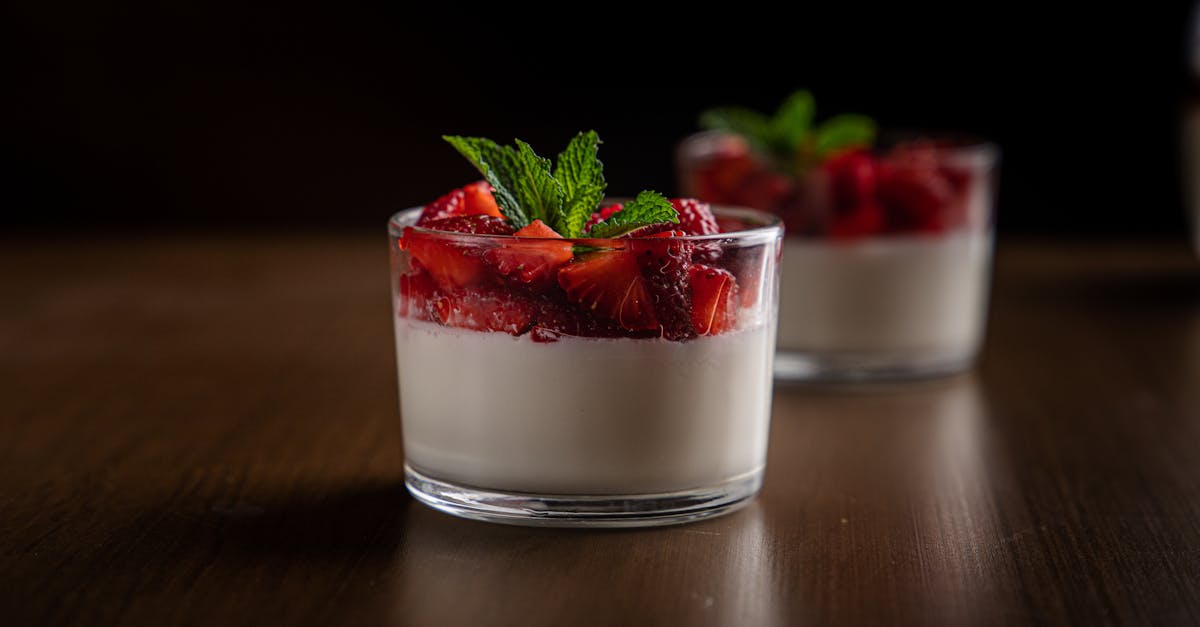
The first time I nailed vegan panna cotta, I heard it.
A quiet thunk.
That sound happened when the dessert released from the ramekin in one clean piece, held its shape, and still trembled like the classic Italian version. I had tested three batches before that, which means I learned the hard way that vegan panna cotta is not “just swap gelatin for agar.”
This guide gives you a foolproof vegan panna cotta recipe with a texture that reads silky, not rubbery. I’ll show you the exact agar timing, the fat-to-water balance that prevents splitting, and the flavor choices that keep the set smooth. I’ll also flag the mistakes that waste a batch, because yes, I’ve made them.
Key Takeaways
- A foolproof vegan panna cotta recipe starts with agar powder (not flakes) and a gentle 90-second boil to fully activate the gel for a silky, non-grainy set.
- Build a creamy texture by targeting an 8–12% fat base (full-fat coconut milk plus a little coconut cream) so your vegan panna cotta tastes rich instead of like coconut jelly.
- Add strong acids like lemon juice off-heat after agar dissolves and boils, because adding acid too early can weaken the set and cause weeping.
- Prevent splitting by heating the mixture to steaming (not a raging boil after agar is dissolved) and whisking well to keep fats emulsified and the surface smooth.
- Strain the hot base before pouring into molds to remove micro-clumps and guarantee a clean, wobble-perfect finish when chilled.
- Unmold cleanly by dipping ramekins in 120–140°F hot water for 8–10 seconds, then invert slowly so the panna cotta releases without tearing or melting.
What Makes Panna Cotta Set (And How To Do It Vegan)
I watch panna cotta go from liquid to a soft wobble in under a minute.
That change happens because a gelling network traps water and fat, which means you get a sliceable custard without eggs.
Classic panna cotta uses gelatin, which means it sets with a tender, elastic jiggle. Vegan versions use plant-based gels, which means your method matters more than your ingredient list.
Texture truth: Agar sets when it cools, not only after long chilling, which means you can “see” success before it hits the fridge.
According to FDA guidance on agar as a food additive, agar is an approved gelling agent, which means it is widely used and predictable when you follow proper heating.
Gelatin Vs. Vegan Gelling Agents: Agar-Agar, Carrageenan, Pectin, Starch
Here’s the quick, useful comparison I wish I had on day one.
| Gelling agent | Best for | Typical set feel | Key rule | Common failure | What it means for you |
|---|---|---|---|---|---|
| Gelatin (not vegan) | Classic panna cotta | Elastic, melt-in-mouth | Bloom in cold liquid | Weak set if overheated | You get the “traditional” wobble |
| Agar-agar | Vegan panna cotta | Clean cut, bouncy if overused | Boil 1–2 minutes | Grainy or weeping if undercooked | You get reliable set without eggs |
| Carrageenan (iota/kappa) | Dairy-like gels | Very creamy | Needs correct type + ions | Inconsistent in home kitchens | You can get a milk-gel feel but need precision |
| Pectin | Fruit gels | Soft gel | Needs sugar + acid | Won’t set without conditions | You get great fruit layers, not main panna cotta |
| Starch (cornstarch) | Pudding/custard | Opaque, spoonable | Needs simmer + time | Chalky if undercooked | You get pudding, not panna cotta |
I choose agar powder for this vegan panna cotta recipe, which means you can buy one item and get repeatable results. I test with agar powder (not flakes), which means my measurements stay consistent across brands.
Concrete number that matters: Agar gels can start setting around 104°F (40°C) and stay firm up to much higher temps than gelatin, which means your panna cotta can feel “set” quickly once it cools.
How Sweeteners And Acids Affect Texture And Set
I learned this after a citrus batch turned loose and watery.
Sugar competes with water, which means higher sugar can slightly soften the gel. Acid can weaken some gels, which means you should add lemon juice after agar fully dissolves and boils.
Use this simple rule:
- I boil agar fully in the base first, which means the gelling agent hydrates and activates.
- I add strong acids (lemon, passionfruit) at the end, which means I reduce the risk of a weak set.
Concrete example: When I add 2 tablespoons lemon juice early, the set turns fragile in some batches, which means unmolding becomes messy. When I whisk it in off-heat, the set stays clean, which means the dessert releases in one piece.
If you like fruit-forward desserts, you might also like a bright, old-school frozen treat like old-fashioned snow cream, which means you can keep a no-dairy dessert theme even when you want something icy.
Choosing The Best Plant Milk And Cream For A Silky Texture
The biggest transformation happens when you fix the fat.
Vegan panna cotta turns from “set coconut jelly” to “restaurant creamy” when the base has enough fat to coat your tongue, which means you get that panna feeling without dairy.
Coconut Milk, Coconut Cream, And Non-Coconut Options
I tested three bases side-by-side in identical ramekins, which means the texture differences were easy to see.
My best default:
- Full-fat coconut milk + a little coconut cream, which means you hit a higher fat percentage without making it greasy.
If you dislike coconut flavor, use:
- Oat milk + cocoa butter or refined coconut oil, which means you add neutral fat back into a lower-fat milk.
- Soy milk + a vegan heavy cream (store-bought), which means you get more protein structure and a richer mouthfeel.
Here is a practical guide.
| Base choice | Flavor impact | Texture impact | My take | Which means… |
|---|---|---|---|---|
| Full-fat coconut milk | Mild coconut | Smooth, reliable | Best for first try | You get the highest success rate |
| Coconut cream | More coconut | Rich, can feel heavy | Use partially | You get silk without waxy heaviness |
| Oat milk | Neutral-sweet | Needs added fat | Great for vanilla | You get a clean flavor profile |
| Almond milk | Light/nutty | Often too thin | Not my first pick | You risk a weak, watery bite |
Concrete number: I aim for a base that lands near 8–12% fat, which means the gel feels creamy instead of brittle.
Balancing Fat, Water, And Flavor So It Doesn’t Split
I once overheated coconut milk and watched tiny oil beads form.
That split looks like shimmer on the surface, which means the panna cotta can unmold with a greasy ring.
I prevent splitting with three habits:
- I heat gently to steaming, not raging boil once the agar is dissolved, which means the fat stays emulsified.
- I whisk in a small amount of sugar early, which means the base thickens slightly and holds together.
- I add vanilla and salt off-heat, which means aromatics stay bright and the texture stays smooth.
Warning: Some plant milks include stabilizers like gellan gum, which means they can interact with agar and set firmer than expected. If your carton lists multiple gums, reduce agar by 0.1–0.2 grams, which means you keep a tender wobble.
If you enjoy testing base swaps like I do, you’ll probably enjoy experimenting with vegan celebrations too, like these best vegan recipes for a birthday, which means you can build a full plant-based dessert table.
Ingredients And Equipment You’ll Need
You can make this with one saucepan and a whisk.
That simplicity hides a real win, which means you can repeat it on a weeknight without turning your kitchen into a lab.
Ingredient Notes And Smart Substitutions
Here is my base formula for 6 small panna cottas.
Ingredients
- 1 can (13.5 oz / 400 ml) full-fat coconut milk, which means you get the main body and creaminess.
- 1/2 cup (120 ml) coconut cream (or more coconut milk), which means you raise fat for a silkier mouthfeel.
- 1/3 cup (67 g) sugar, which means the gel tastes round instead of flat.
- 1 1/2 tsp vanilla extract (or 1/2 vanilla bean), which means the aroma reads “classic panna cotta.”
- 1/8 tsp fine salt, which means sweetness tastes cleaner.
- 1 1/4 tsp agar powder (about 3.5–4 g: weigh if you can), which means the set holds but still trembles.
- Optional: 1–2 tsp citrus zest, which means you get perfume without too much acid.
Smart swaps (tested):
- Swap sugar for maple syrup (1/4 cup / 80 g), which means you add flavor but slightly soften the set.
- Swap vanilla for espresso powder (2 tsp), which means you get a coffee panna cotta that pairs well with chocolate.
- Use refined coconut oil (1 tbsp) with oat milk, which means you add fat without coconut taste.
Concrete example: When I used 2% carton coconut milk beverage, the set felt thin and watery, which means the dessert tasted like sweet gel instead of cream.
Mold Options: Ramekins, Silicone Molds, And Jars
I choose the mold based on how I want people to eat it.
- Ramekins (4–6 oz), which means you can unmold for the classic plated look.
- Small jars, which means you skip unmolding and avoid sticking risk.
- Silicone molds, which means release is easy but edges can look less sharp.
Here’s the equipment I actually use.
- Small saucepan, which means you control heat.
- Whisk, which means you prevent agar clumps.
- Fine mesh strainer, which means you remove any undissolved bits.
- Kitchen scale (optional), which means you stop guessing agar amounts.
My “no-stress” move: I pour through a strainer every time, which means I never serve a grainy panna cotta.
If you like old-school recipe collections for inspiration, browse Family Circle magazine recipe archives, which means you can borrow flavor ideas and convert them into modern plant-based versions.
Step-By-Step Vegan Panna Cotta Recipe
The moment you see steam rise, you’re close.
Then you hit the key step, an actual short boil, which means the agar activates fully and the dessert sets evenly.
Blooming And Cooking Agar Properly (Timing And Temperature)
I treat agar like a tiny time bomb.
If you don’t boil it long enough, the panna cotta weeps liquid, which means the plate looks messy and the texture turns gritty.
Step-by-step (my repeatable method):
- I add coconut milk, coconut cream, sugar, salt, and agar powder to a saucepan while cold, which means the agar disperses before it swells.
- I whisk for 20 seconds, which means I break up dry pockets.
- I heat over medium heat and whisk often until the mixture reaches a full simmer, which means the sugar dissolves and the agar hydrates.
- I let it boil gently for 90 seconds while whisking, which means agar fully dissolves and the gel network forms later.
- I remove from heat and whisk in vanilla (and zest if using), which means flavors stay bright.
- I pour the hot base through a fine mesh strainer into a measuring jug, which means I remove any micro-clumps.
- I pour into 6 ramekins and cool on the counter for 15 minutes, which means the initial set starts without condensation.
- I refrigerate for at least 4 hours, which means the center chills and the texture turns silky.
Concrete number: That 90-second boil matters more than anything else in this recipe, which means you should set a timer.
If your panna cotta starts thickening in the jug before you pour, your kitchen is cold, which means you should work faster or keep the jug in warm water.
Chilling, Unmolding, And Getting Clean Edges
Unmolding should feel like a magic trick.
I make it predictable with heat and air, which means the panna cotta releases instead of tearing.
How I unmold cleanly:
- I fill a bowl with hot tap water (about 120–140°F), which means it loosens the outer layer without melting the whole dessert.
- I dip each ramekin for 8–10 seconds, which means the edges warm slightly.
- I run a thin knife around the rim only if needed, which means I avoid scratches and ragged sides.
- I invert onto a chilled plate and lift slowly, which means air can slip in and release the seal.
Warning: If you leave the ramekin in hot water for 30 seconds, the surface melts, which means you get a shiny puddle ring.
If you prefer a dessert that never needs unmolding, you can also go the jar route and top it like a parfait, which means serving becomes instant.
For another classic sweet finish with a clean glaze moment, I’ve used ideas from this bundt cake glaze recipe, which means you can borrow flavor logic for drizzles and shine.
Flavor Variations That Work Every Time
One teaspoon can change the whole room.
That is what happens when you add the right flavor at the right time, which means your vegan panna cotta tastes intentional, not “vanilla-ish.”
Vanilla Bean, Espresso, Chocolate, Matcha, And Citrus
I keep the base method the same.
I change only the flavor inputs, which means the texture stays consistent.
Vanilla bean (classic):
- I split 1/2 vanilla bean and steep it in the warming base for 10 minutes, which means the flavor tastes rounded and natural.
Espresso:
- I whisk in 2 tsp espresso powder with the sugar, which means the coffee dissolves fully and stays smooth.
Chocolate:
- I add 3 oz (85 g) chopped dark chocolate off-heat and whisk until melted, which means the cocoa fat adds richness and the set stays soft.
Matcha:
- I whisk 2 tsp matcha with 2 tbsp warm water first, which means you avoid green clumps.
Citrus:
- I add 1 tbsp orange zest off-heat and use 1 tbsp juice max, which means the set stays firm.
Concrete example: When I used 4 tbsp lemon juice, the gel weakened and wept overnight, which means the plate looked watery by morning.
Infusions And Extracts: When To Add For Best Flavor
Timing controls taste.
- I add extracts (vanilla, almond) off-heat, which means alcohol notes do not cook off too fast.
- I steep whole spices (cardamom pods, cinnamon stick) while warm, which means you get aroma without grit.
- I add acidic fruit purees after the boil and cool-down, which means agar has already activated.
Here is my quick timing chart.
| Flavor type | When I add it | Example amount | Which means… |
|---|---|---|---|
| Extracts | Off-heat | 1–2 tsp | You keep top-note aroma |
| Zest | Off-heat | 1–2 tbsp | You get bright citrus without a weak set |
| Whole spices | Steep warm, then strain | 6 cardamom pods | You get clean flavor with no specks |
| Chocolate | Off-heat melt | 85 g | You add richness and hide any agar bite |
Honest note: Some strong extracts taste “perfume-like” in cold desserts, which means you should start with 1 tsp and scale up only after tasting the warm base.
Toppings And Sauces For Serving
A warm spoonful of sauce can make a cold panna cotta taste louder.
That contrast turns a simple set cream into a plated dessert, which means people stop and actually pay attention.
Quick Berry Compote, Salted Caramel, And Chocolate Ganache
I keep sauces simple and fast.
I want a topping that takes 10 minutes, which means panna cotta stays an easy dessert.
Quick berry compote (10 minutes):
- 2 cups (280 g) frozen mixed berries, which means you get consistent flavor year-round.
- 2 tbsp sugar, which means the juices turn glossy.
- 1 tbsp lemon juice (add at end), which means the fruit tastes brighter.
Steps:
- I simmer berries and sugar for 6 minutes, which means the fruit breaks down.
- I mash lightly and simmer 2 more minutes, which means it thickens.
- I add lemon juice off-heat, which means the flavor stays sharp.
Salted caramel (quick):
- I warm 1/2 cup coconut cream and whisk in 1/3 cup brown sugar for 4 minutes, which means it thickens without candy thermometers.
- I add 1/2 tsp salt, which means the sweetness tastes deeper.
Chocolate ganache:
- I pour 1/2 cup hot coconut cream over 4 oz chopped dark chocolate, which means it emulsifies into a shiny sauce.
Concrete number: I use 1–2 tablespoons sauce per serving, which means the panna cotta stays the main texture instead of drowning.
Fresh Fruit, Crunchy Garnishes, And Plating Ideas
Crunch fixes monotony.
A panna cotta is smooth by design, which means you need contrast for the best bite.
Toppings I trust:
- Fresh raspberries or sliced strawberries, which means you add acidity without messing with the set.
- Toasted pistachios (1 tbsp per plate), which means you add crunch and color.
- Flaky salt (a pinch), which means sweetness tastes less heavy.
- Lemon zest (a few ribbons), which means aroma hits before the first bite.
Plating move I use: I drag a spoon of compote across the plate first, which means the panna cotta sits on a “stripe” and looks intentional.
Warning: Pineapple and kiwi contain enzymes that break down some gels in certain desserts, which means I avoid them as direct mix-ins. I use them only as fresh toppings right before serving, which means texture stays stable.
Troubleshooting: Fixing Common Vegan Panna Cotta Problems
The dessert tells you what went wrong.
You just need the right translation, which means you can fix the next batch without guesswork.
Too Firm, Too Soft, Grainy, Or Weeping: Causes And Fixes
I keep a small notebook of failures.
That record saved me time, which means I now adjust one variable instead of changing everything.
| Problem | What you see | Likely cause | Fix next time | Which means… |
|---|---|---|---|---|
| Too firm / rubbery | Tight jiggle, squeaky bite | Too much agar | Reduce agar by 0.5 g | You get a softer wobble |
| Too soft | Slumps when unmolded | Too little agar or too much liquid | Add 0.5 g agar or reduce liquid by 2 tbsp | You get a stable shape |
| Grainy | Tiny bits or sandy mouthfeel | Agar not dissolved | Boil 90–120 sec and strain | You get a smooth custard feel |
| Weeping | Puddle on plate | Undercooked agar or high acid early | Boil longer: add acid off-heat | You get clean slices |
| Separated layer | Oily ring or two-tone set | Overheated fat or poor whisking | Heat gently: whisk more | You get even texture |
Concrete example: When I cut the boil to 30 seconds, the panna cotta wept by hour 6, which means the agar never fully activated.
Unmolding Issues And How To Prevent Sticking
Sticking feels personal.
It is not your fault, which means you can fix it with a few small moves.
Prevent sticking:
- Use smooth ramekins, which means fewer micro-scratches hold the gel.
- Chill at least 4 hours, which means the center firms enough to release.
- Dip in hot water 8–10 seconds, which means the outer layer loosens.
If it still won’t release:
- I slide a thin knife around the top 5 mm only, which means I break the vacuum without gouging the sides.
- I invert and wait 10 seconds, which means gravity does some work.
Honest note: Some silicone molds trap suction.
I press the sides outward gently, which means air enters and the panna cotta drops cleanly.
Make-Ahead, Storage, And Food Safety
This dessert loves patience.
It gets better after a night in the fridge, which means it is ideal for dinner parties.
How Far In Advance To Make It And Best Refrigeration Practices
I make vegan panna cotta 24 hours ahead when I can.
That extra time lets flavors settle, which means vanilla and chocolate taste deeper.
My storage rules:
- I cover each ramekin tightly, which means it does not pick up fridge smells.
- I store at 35–40°F, which means the set stays stable and safe.
- I keep it for up to 4 days, which means I treat it like other cooked desserts with plant milks.
For food safety basics, I follow USDA cold storage guidance on keeping perishables refrigerated at 40°F or below, which means bacterial growth stays slower. See the USDA Food Safety cold storage chart.
Freezing, Thawing, And Texture Expectations
Freezing changes the gel.
Ice crystals push water out, which means thawed panna cotta can weep.
What I do instead:
- I freeze only the sauce, which means the panna cotta stays perfect.
If you must freeze panna cotta:
- Freeze in jars with headspace, which means expansion does not crack the container.
- Thaw in the fridge for 12 hours, which means you reduce condensation.
Honest assessment: The texture will be less silky after freezing, which means I reserve freezing for emergencies, not for “best version.”
Conclusion
A good vegan panna cotta feels like a small miracle.
It shakes once, holds its edge, and tastes like cream, which means nobody misses the dairy.
I get consistent results when I do three things: I weigh agar, I boil it for 90 seconds, and I build enough fat into the base, which means the set stays tender instead of rubbery.
If you try one upgrade this week, strain the base before pouring.
That one step removes the little mistakes you can’t see, which means your panna cotta eats smooth and looks sharp on the plate.
Frequently Asked Questions About Vegan Panna Cotta
What makes a vegan panna cotta recipe set properly without gelatin?
A vegan panna cotta recipe sets when a plant-based gelling agent (most commonly agar powder) forms a network that traps water and fat as it cools. Agar begins setting around 104°F (40°C), so you can often “see” it thicken before refrigeration finishes the job.
How long do you boil agar for vegan panna cotta?
For this vegan panna cotta recipe, gently boil the agar mixture for about 90 seconds (up to 2 minutes) while whisking. That short boil fully dissolves and activates agar, preventing graininess or weeping later. Undercooking—like boiling only 30 seconds—commonly leads to watery puddles on the plate.
Why did my vegan panna cotta turn rubbery or too firm?
Rubbery vegan panna cotta usually means too much agar or extra-thick stabilizers in your plant milk. Use agar powder precisely (about 3.5–4 g for the recipe) and consider reducing agar by 0.1–0.2 g if your milk contains multiple gums. Small adjustments restore a tender wobble.
Can I make vegan panna cotta without coconut milk?
Yes. If you want a vegan panna cotta recipe without coconut flavor, use oat milk plus a neutral fat like cocoa butter or refined coconut oil, or use soy milk with a store-bought vegan heavy cream. Aim for roughly 8–12% fat total so it tastes silky rather than watery.
When should I add lemon juice or other acids to vegan panna cotta?
Add strong acids (lemon juice, passionfruit, acidic fruit purées) after the agar is fully dissolved and boiled, ideally off-heat. Acid can weaken the gel if introduced too early, making the set fragile or causing weeping. Zest is safer for flavor without destabilizing texture.
How far ahead can I make vegan panna cotta, and can it be frozen?
You can make vegan panna cotta 24 hours ahead for best flavor, and store it covered in the fridge (40°F or below) for up to 4 days. Freezing is possible but often reduces silkiness and can cause weeping after thawing, so freezing just the sauce is usually better.
