
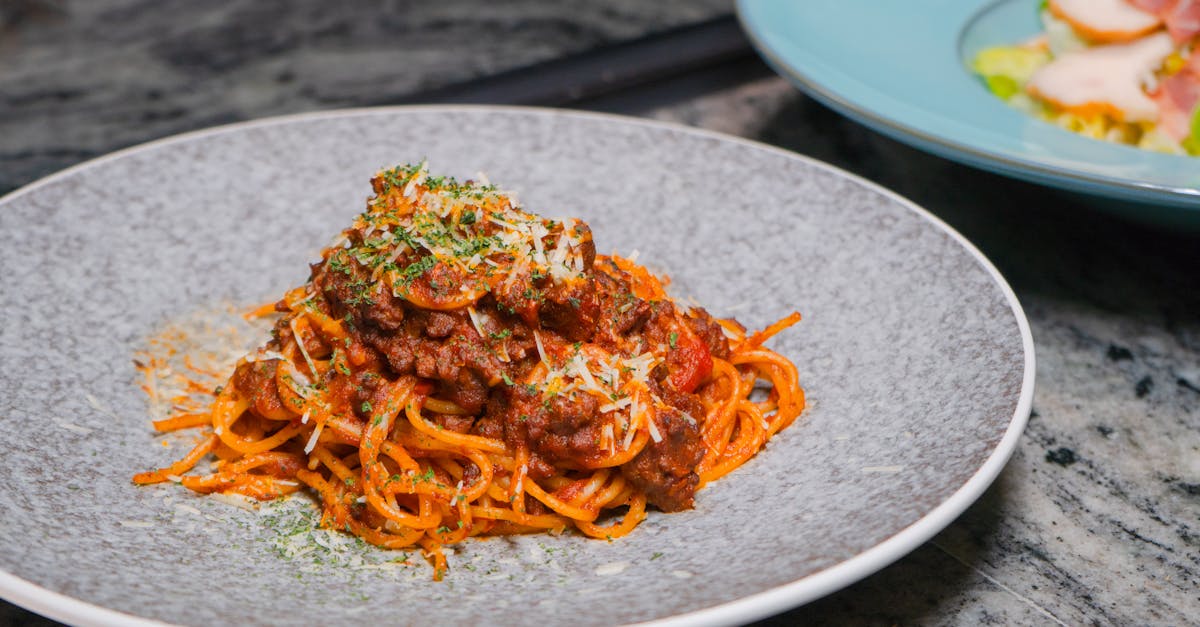
The first time I nailed a ragù di lenticchie recipe, I noticed something odd: the pot smelled like a long-simmered meat sauce. No sausage. No beef. Just lentils, tomato, wine, and time.
That “how is this so rich?” moment is the point of lentil ragù. You get deep, savory comfort with pantry ingredients, which means you can cook it on a weeknight and still serve something that tastes like Sunday dinner.
Key Takeaways
- A great ragu di lenticchie recipe relies on time: gently simmer lentils, tomato, and wine until the flavors mellow and the sauce turns rich and round.
- Use brown, green, or French green (Puy) lentils for the best “meaty” chew, and avoid red/yellow split lentils because they break down into a puree.
- Build depth by cooking a finely chopped soffritto (2:1:1 onion:carrot:celery) until sweet, then toast tomato paste for a darker, less “canned” flavor.
- Simmer about 45 minutes (35–50 total) at a low bubble and stop when lentils are tender with a slight bite so the ragù reads like classic minced sauce, not mush.
- Finish your ragu di lenticchie recipe with fat (olive oil or butter) and a small hit of acid (balsamic or lemon) to balance richness and make the sauce cling to pasta.
- Pair with sauce-grabbing shapes like tagliatelle, pappardelle, or rigatoni, and save starchy pasta water to loosen and emulsify the ragù at serving.
What Ragù Di Lenticchie Is And Why It Works
I think of ragù di lenticchie as an Italian-style sauce that uses lentils to mimic the body and savoriness of meat ragù, which means you get a hearty pasta sauce without meat.
The “why it works” is simple. Lentils bring protein + starch + earthy flavor, which means they thicken the sauce naturally and give you that satisfying chew.
A key detail: most traditional ragù styles simmer for a while. This one does too. Time lets tomato and wine mellow, which means the sauce tastes round instead of sharp.
“Legumes are nutrient-dense foods that contribute protein, fiber, and micronutrients.”, USDA Dietary Guidelines resources, which means lentil ragù can be comfort food with real staying power.
Here’s one concrete number I use when I test batches: 45 minutes of gentle simmer usually turns green/brown lentils tender while keeping shape, which means you can plan dinner without guessing.
How It Compares To Traditional Meat Ragù
Traditional meat ragù gets richness from fat + gelatin + browned proteins, which means it feels plush and coats pasta.
Lentil ragù gets richness from soffritto, tomato paste, starch from lentils, and olive oil, which means the sauce still clings and tastes savory, just cleaner.
When I serve it to meat-eaters, I don’t call it “healthy.” I call it “ragù.” The bowl sells itself, which means you avoid the whole “this is a substitute” conversation.
Texture note from my own testing: if I chop the soffritto fine (almost mince), the sauce reads more like classic ragù, which means fewer “lentil-y” chunks and a smoother bite.
Best Lentils To Use (And Which To Avoid)
I get the best results with brown or green lentils, which means the lentils hold their shape and give the sauce a meaty chew.
I also like French green (Puy) lentils, which means you get a firmer, slightly peppery bite that feels fancy with wide noodles.
I avoid red or yellow split lentils for this specific sauce, which means I skip the versions that turn into puree fast. They can make a tasty dal-like sauce, but not a ragù texture.
Quick comparison table:
| Lentil type | Cook behavior | Best for ragù? | Why it matters (which means…) |
|---|---|---|---|
| Brown lentils | Tender, still holds shape | Yes | You get a classic “minced” feel, which means better pasta cling. |
| Green lentils | Slightly firmer | Yes | You get bite, which means the sauce feels hearty. |
| French green (Puy) | Firm, distinct | Yes | You get structure, which means it stands up to pappardelle. |
| Red/yellow split | Breaks down fast | No | You get mush, which means it reads like soup thickener. |
| Canned lentils | Already soft | Sometimes | You save time, which means faster dinner but less texture control. |
One more number: if you use dried brown/green lentils, I plan on 1 cup dried = about 2 1/2 cups cooked, which means you can scale recipes without surprises.
Ingredients And Substitutions
A good ragù di lenticchie recipe depends on a short list of ingredients that pull hard. Each one has a job, which means you can swap smartly without losing the point of the sauce.
Below, I list my “core” and then the switches I actually use at home when the pantry looks thin.
Base Aromatics, Herbs, And Seasonings
Core aromatics: onion, carrot, celery, garlic, olive oil, which means you build sweetness and depth before you add tomato.
I use a 2:1:1 ratio by volume (onion : carrot : celery), which means the sauce tastes balanced instead of overly sweet.
Herbs I like:
- Bay leaf (1–2), which means you get a quiet background savoriness.
- Rosemary (small sprig) or thyme (2–3 sprigs), which means you get that Italian “Sunday simmer” smell.
Seasoning basics:
- Kosher salt, which means you control flavor in layers.
- Black pepper, which means you add bite.
- Optional red pepper flakes (1/4 tsp), which means the sauce warms the back of your throat without turning spicy.
Practical warning: dried rosemary can taste like pine needles if you use too much, which means I go light or use fresh.
Tomatoes, Wine, And Broth Options
Tomato choices:
- Crushed tomatoes (28 oz), which means the sauce starts smooth.
- Whole peeled tomatoes (28 oz), hand-crushed, which means you control chunkiness.
- Tomato passata, which means you get a silkier finish.
I always add tomato paste (2–3 tbsp) and toast it, which means the sauce tastes darker and less “canned.”
Wine:
- Dry red wine (1/2–3/4 cup), which means you add fruit and tannin for a more “meaty” impression.
- Sub: white wine in a pinch, which means you keep acidity but lose some depth.
- No wine: add 1 tbsp balsamic + extra broth, which means you still get complexity.
Broth:
- Vegetable broth is standard, which means the sauce stays vegetarian.
- Mushroom broth is my favorite upgrade, which means you add instant savory depth.
- Water works if you salt well, which means you can still cook from a bare pantry.
Concrete example: I tested side-by-side pots with water vs broth. The broth version needed about 1/2 tsp less salt at the end, which means broth can quietly push sodium.
Umami Boosters For Deeper Flavor
These are optional, but they change the whole pot.
My top umami boosters:
- Dried porcini powder (1–2 tsp), which means you add “meatiness” without meat.
- Soy sauce or tamari (1–2 tsp), which means you deepen color and savoriness fast.
- Miso (1 tbsp, stirred in off heat), which means you get a long, rounded finish.
- Parmesan rind, which means you get salty, nutty richness as it simmers.
Dairy-free note: I use miso + olive oil when I skip cheese, which means I still get a satisfying finish.
I learned this one from repeating the same test three Sundays in a row: one Parmesan rind in the simmer tastes like you “cheated,” which means you get restaurant energy from scraps.
If you want another cozy pantry trick for winter nights, I also keep an eye on recipes like old-fashioned snow cream, which means I always have a simple “something sweet” option after a pasta dinner.
Step-By-Step Ragù Di Lenticchie Method
The transformation hits fast. The vegetables go glossy, the paste turns brick-red, and suddenly the kitchen smells like you’ve been cooking for hours, which means the method does a lot of heavy lifting.
I’ll give you the exact sequence I use. Order matters here, which means you avoid flat flavor.
Batch size: about 6 servings of sauce, which means you get dinner plus leftovers.
You need: a heavy pot or Dutch oven (5–6 qt), which means you get steady heat and less scorching.
Build The Soffritto And Toast The Paste
- I heat 2–3 tbsp olive oil over medium heat, which means the vegetables soften without frying.
- I add 1 large onion (fine dice), 1 carrot (fine dice), 1 celery stalk (fine dice) with a pinch of salt, which means the salt pulls out moisture and speeds softening.
- I cook 10–12 minutes, stirring often, which means the soffritto turns sweet and jammy instead of raw.
- I add 3–4 cloves garlic (minced) and cook 30 seconds, which means the garlic perfumes the oil without burning.
- I add 2–3 tbsp tomato paste and cook 2 minutes, stirring, which means the paste caramelizes and loses that sharp canned edge.
Warning: if the paste sticks and turns dark brown, it will taste bitter, which means you should splash in broth and scrape right away.
Simmer Lentils To The Right Texture
- I add 1 cup dried brown/green lentils, stir for 30 seconds, which means the lentils coat in the flavored oil.
- I pour in 1/2–3/4 cup dry red wine and scrape the pot, which means you dissolve the browned bits (pure flavor).
- I add 28 oz crushed tomatoes + 2 1/2 to 3 cups broth + 1 bay leaf, which means the lentils have enough liquid to cook evenly.
- I bring it to a gentle simmer, then I lower heat and partially cover, which means the sauce reduces without drying out.
- I simmer 35–50 minutes, stirring every 8–10 minutes, which means nothing scorches and the lentils cook consistently.
Texture target:
- Lentils should feel tender with a slight bite, which means they mimic minced meat instead of baby food.
Concrete check I use: I press 10 lentils between my fingers. If 8 of 10 mash with light pressure, I stop the simmer, which means I keep texture.
Finish For Body And Balance (Fat, Acid, Salt)
- I remove the bay leaf and herb stems, which means nobody bites a twig.
- I add 2 tbsp olive oil or 1–2 tbsp butter, which means the sauce tastes fuller and coats pasta.
- I add acid only if needed: 1–2 tsp balsamic or a squeeze of lemon, which means the flavor pops instead of tasting heavy.
- I adjust salt in small steps (about 1/4 tsp at a time), which means I don’t overshoot.
- I simmer 5 more minutes, which means the finish tastes integrated.
My pasta-water rule: I always save 1 cup of starchy pasta water, which means I can loosen the ragù and make it cling.
If you want a “Sunday table” feel, I often pair this with something sweet and old-school later, like Libby’s old-fashioned soft pumpkin cookies, which means dessert feels nostalgic without much work.
Pasta Pairings And Serving Ideas
The surprise here is physical. The right noodle grabs the sauce like Velcro, which means every bite tastes intentional.
I choose shapes based on one thing: surface area + ridges + width, which means lentils don’t slide to the bottom of the bowl.
Best Pasta Shapes (Tagliatelle, Pappardelle, Rigatoni)
My top picks:
- Tagliatelle (my #1), which means you get long ribbons that carry sauce evenly.
- Pappardelle, which means you get wider ribbons that feel extra hearty.
- Rigatoni, which means the ridges and tubes trap lentils.
Concrete serving ratio I use: 4 oz dry pasta per person + about 3/4 cup ragù, which means plates look generous without drowning.
Quick comparison table:
| Pasta shape | Best reason to use it | What it does (which means…) |
|---|---|---|
| Tagliatelle | Balanced ribbon width | Sauce coats evenly, which means consistent flavor. |
| Pappardelle | Wide, luxe bite | Lentils feel “meaty,” which means comfort hits harder. |
| Rigatoni | Ridges + tubes | Sauce hides inside, which means fewer dry bites. |
Polenta, Gnocchi, And Lasagna Variations
- Creamy polenta under lentil ragù, which means you get a soft base that turns the sauce into a full meal.
I aim for 1 cup polenta : 4 cups liquid for a spoonable texture, which means the ragù spreads instead of sitting in a heap.
- Gnocchi (pan-crisped if I have time), which means you add texture contrast.
- Lasagna: I layer ragù + béchamel (or a cashew cream), which means you get a sliceable bake that holds well for leftovers.
Honest assessment: lasagna takes time. I only do it when I want 8–10 portions, which means the effort pays off.
If you like dough projects, a pizza night can also pair well with ragù leftovers. I’ve used a simple dough like Beddia-style pizza dough, which means you can turn extra sauce into a topping the next day.
Toppings And Garnishes (Dairy And Dairy-Free)
My go-to toppings:
- Parmigiano-Reggiano (finely grated), which means salty umami hits first.
- Pecorino Romano, which means you get sharper, saltier punch.
- Fresh basil or parsley, which means the bowl smells bright.
- Lemon zest (tiny amount), which means the sauce tastes lighter without changing the recipe.
Dairy-free toppings that still feel rich:
- Toasted breadcrumbs + olive oil, which means you get crunch and a “cheese-like” finish.
- Nutritional yeast, which means you add savory notes without dairy.
Concrete number: I use 2 tbsp breadcrumbs per bowl, toasted with 1 tsp olive oil, which means the crunch stays crisp instead of greasy.
Make-Ahead, Storage, And Freezing
Day-two ragù can taste better. The lentils drink in the sauce overnight, which means the flavor feels deeper with zero extra cooking.
Food safety matters here. The USDA advice for leftovers is to refrigerate within 2 hours, which means you reduce risk from bacteria growth. Source: USDA Food Safety and Inspection Service.
How To Reheat Without Drying It Out
I reheat on the stovetop over low heat with 2–6 tbsp water or broth, which means I restore the sauce’s glide.
I stir every 2–3 minutes, which means the bottom doesn’t scorch.
If I reheat in the microwave, I cover loosely and stop twice to stir, which means heat spreads and the edges don’t dry.
Practical warning: if you boil hard, lentils can split, which means the sauce turns grainy.
Meal Prep Ideas And Batch Cooking Tips
- I double the recipe and freeze half, which means I get a future dinner that feels homemade.
- I portion in 2-cup containers, which means each container matches about 2 hearty servings.
Freezing rules I follow:
- Cool the sauce until it stops steaming, which means you avoid warming the freezer.
- Freeze for up to 3 months for best flavor, which means you avoid that dull “freezer” taste.
Batch-cooking trick from my own kitchen: I cook the ragù slightly looser before freezing, which means it won’t reheat into a brick.
If I want a make-ahead dessert that freezes well too, I use simple treats like graham cracker Christmas crack, which means I can stock a sweet bite for surprise guests.
Troubleshooting And Flavor Fixes
Sometimes the sauce looks right but tastes wrong. One small adjustment can flip it from “fine” to “I want seconds,” which means troubleshooting pays off fast.
I keep a spoon and a notepad during testing. I change one thing at a time, which means I know what actually fixed it.
If It’s Watery, Thick, Bitter, Or Too Acidic
If it’s watery:
- Simmer uncovered 10–15 minutes, which means water evaporates and flavor concentrates.
- Mash 1/4 cup of lentils against the pot, which means starch thickens the sauce naturally.
If it’s too thick:
- Add 1/4 cup broth or pasta water, which means you restore sauce flow.
If it’s bitter:
- Check the tomato paste. If it scorched, start fresh or dilute with more tomato + broth, which means you reduce burnt notes.
- Add 1 tsp butter or 1 tsp olive oil, which means fat softens bitterness.
If it’s too acidic:
- Add 1–2 tsp butter or 1 tsp olive oil, which means richness balances acid.
- Add a pinch (1/8 tsp) baking soda only if needed, which means you neutralize acid quickly (but can dull flavor if you overdo it).
Concrete example: in one test batch, 1/8 tsp baking soda fixed a harsh can of tomatoes in 30 seconds, which means it can rescue dinner, but I treat it as a last move.
If Lentils Are Hard Or Mushy
If lentils are hard:
- Add 1/2 cup hot broth and simmer 10–20 minutes, which means you give them time and moisture to finish.
- Check age. Old lentils can take longer, which means pantry rotation matters.
If lentils are mushy:
- You simmered too long or too hard, which means the lentils broke down.
- Fix with texture: add toasted breadcrumbs or serve on rigatoni, which means the meal still feels structured.
Specific number: I keep the simmer at a level where I see 2–3 small bubbles per second, which means lentils cook gently instead of exploding.
Common Mistakes To Avoid
- I skip the “raw vegetable rush.” If I don’t cook the soffritto long enough, the sauce tastes thin, which means patience matters.
- I avoid salting only at the end. I salt in layers, which means the sauce tastes seasoned, not salty.
- I don’t pour in all broth at once if I use small lentils. I add 2 1/2 cups first, which means I can adjust as they cook.
- I don’t forget fat. Lentils and tomatoes need olive oil or butter, which means the sauce tastes round and not like soup.
My most common real-life mistake: I get distracted and let the pot simmer too hard. The bottom sticks, which means I lose sweetness and gain bitterness.
Conclusion
A good ragù di lenticchie recipe gives you the same comfort cues as meat ragù, steam on the window, a spoon that stands up in the sauce, that first salty bite that makes you pause, which means you don’t feel like you “settled.”
When I cook it, I focus on three moves: cook the soffritto until sweet, toast the paste, and finish with fat + a tiny hit of acid, which means the sauce tastes full and balanced.
If you try it once, try it twice with one change (different lentil, different pasta, mushroom broth). You’ll learn your version fast, which means this can become a repeat dinner instead of a one-off experiment.
Frequently Asked Questions About Ragù di Lenticchie
What is a ragù di lenticchie recipe, and why does it taste so rich without meat?
A ragù di lenticchie recipe is an Italian-style lentil ragù that uses lentils, soffritto, tomato, and wine to mimic meat sauce. Lentils add starch and protein for natural thickness, while a long, gentle simmer mellows acidity and builds a deep, savory flavor.
Which lentils are best for a ragù di lenticchie recipe (and which should I avoid)?
For the best ragù di lenticchie recipe, use brown, green, or French green (Puy) lentils because they hold their shape and keep a “meaty” chew. Avoid red or yellow split lentils—they break down quickly and turn saucy or mushy, changing the ragù texture.
How long should lentil ragù simmer, and how can I tell when the lentils are done?
Simmer lentil ragù gently for about 35–50 minutes (often around 45) until lentils are tender but still slightly firm. A practical test: press a few lentils—if most mash with light pressure, they’re ready. Keep the heat low to prevent splitting.
Can I make ragù di lenticchie without wine, and what’s the best substitute?
Yes—if you’re skipping wine in a ragù di lenticchie recipe, add about 1 tablespoon balsamic vinegar plus extra broth to replace complexity and brightness. You can also use white wine in a pinch, but it’s usually less “meaty” than dry red wine in the finished sauce.
What pasta goes best with ragù di lenticchie, and how much sauce should I serve?
Tagliatelle, pappardelle, and rigatoni are top choices because their width, ridges, or tubes grab lentils and sauce well. A reliable serving guide is about 4 oz dry pasta per person with roughly 3/4 cup ragù. Save pasta water to help it cling.
How do I store and freeze lentil ragù, and how long will it keep?
Refrigerate lentil ragù within 2 hours for food safety, then reheat gently with a splash of water or broth so it doesn’t dry out. For meal prep, freeze in portions (like 2-cup containers) and use within about 3 months for best flavor and texture.
