
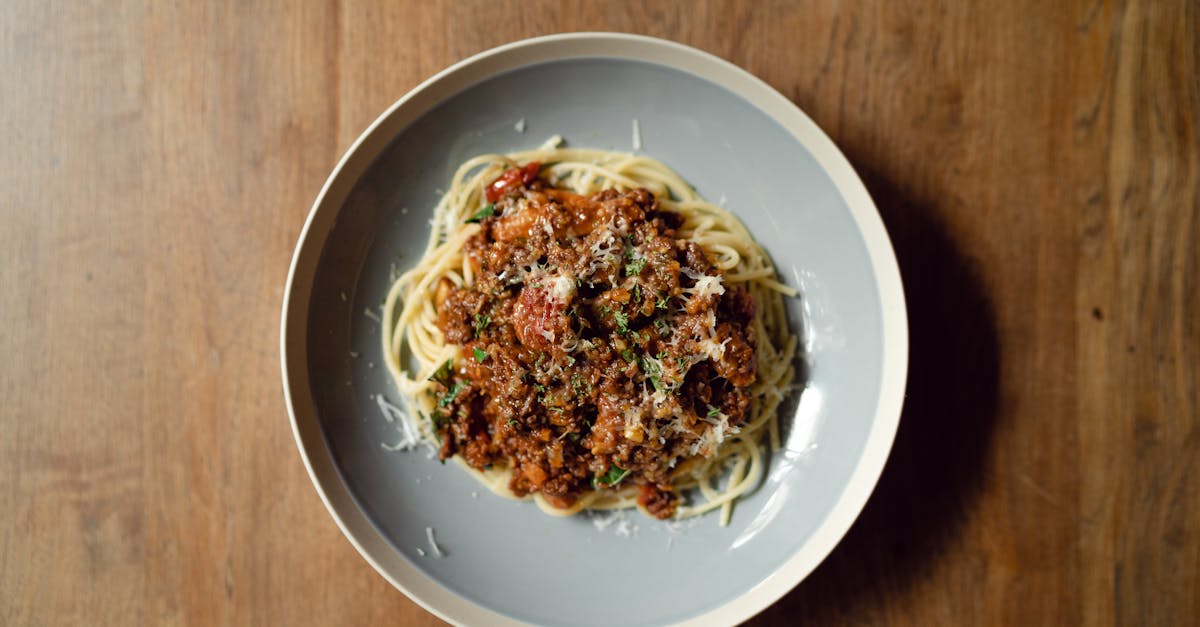
The first time I made ribollita, the pot looked like a mistake. The soup went thick. The bread vanished. Then I tasted it the next day and understood why Italians keep reboiling it.
Ribollita is a Tuscan bread and bean soup that gets better after it rests, which means you can cook once and eat well for days. In this post, I’ll show my go-to ribollita recipe with clear steps, smart swaps, and the small fixes that save a batch when it goes off-script.
Key Takeaways
- A classic ribollita recipe tastes best on day two because resting lets bread and bean starch thicken the broth and meld the flavors.
- Use stale rustic bread (about 200–300 g) to control texture—less keeps it soupy, more makes ribollita spoonable like a stew.
- Choose cannellini beans for the creamiest body, or swap in Great Northern, navy (thickens fast), or a chickpea blend for more bite.
- Build deep flavor by cooking a soffritto (onion, carrot, celery), blooming tomato paste, then simmering beans before adding kale long enough to turn sweet and tender.
- Reboil gently the next day and loosen with broth 1/4 cup at a time to keep the ribollita recipe silky instead of turning it into a “brick.”
- Finish each bowl with extra-virgin olive oil and black pepper (plus optional Parmesan/pecorino) to make the simple pantry soup taste restaurant-level.
What Ribollita Is And Why It Tastes Better The Next Day
I always notice the shift at hour 18. The soup smells deeper, the beans taste sweeter, and the broth turns silky, which means tomorrow’s bowl feels richer with the same ingredients.
Ribollita means “reboiled”, which means you cook a vegetable-and-bean soup, let it rest, then heat it again for a thicker, more unified texture. Cooks in Tuscany built it to stretch pantry food, which means it still shines when you use simple vegetables and yesterday’s bread.
A key detail matters here. Starch moves from the bread and beans into the liquid while it rests, which means the soup thickens without cream or flour.
“Soups and stews often taste better the next day because flavors have time to meld.”, USDA Food Safety (leftovers guidance), which means time is an ingredient you can plan for.
Ribollita Vs. Minestrone: Key Differences
Minestrone stays brothy and flexible, which means you can swap pasta, rice, or beans without changing the identity.
Ribollita aims for spoonable thickness from bread and beans, which means the bowl eats closer to a stew than a soup. Minestrone often tastes “fresh-vegetable bright.” Ribollita tastes “slow and mellow,” which means it feels warmer and more filling with less meat.
Here’s the quick comparison I use when I teach friends to choose a pot.
| Feature | Ribollita | Minestrone | Which means… |
|---|---|---|---|
| Thickener | Stale bread + bean starch | Often none, or pasta/rice | Ribollita turns creamy without dairy. |
| Texture goal | Spoonable, almost porridge-like | Brothy with pieces | Ribollita feels more satisfying per bowl. |
| Timing | Better on day 2 | Great day-of | Ribollita rewards patience. |
| Greens | Often Tuscan kale/cavolo nero | Any seasonal veg | Ribollita has a signature “green” backbone. |
The Role Of Stale Bread In Texture And Flavor
I use bread that feels a little tough at the edges. I want it dry enough to drink up broth, which means it thickens the pot instead of turning gummy.
Stale bread acts like a sponge and a starch source, which means it binds the broth and carries olive oil flavor through every bite. The bread also softens harsh kale notes, which means the greens taste rounder and less sharp.
Concrete example from my kitchen: I tested 200 g bread vs. 300 g bread in the same pot size. The 300 g version turned into a dense spoon-stand soup, which means you may need more broth the next day. The 200 g version stayed looser and more “soupy,” which means it suits people who like a lighter bowl.
If you want a similar comfort-food vibe with another old-school pantry trick, I also like making a simple winter treat like old-fashioned snow cream, which means you can turn what you already have into something that feels special.
Ingredients You Need (And Smart Substitutions)
A good ribollita starts with cheap ingredients that behave like expensive ones. You choose beans that turn creamy, greens that hold up, and bread that thickens, which means you can feed a table without chasing rare items.
Below is the version I make most often for 6 hearty servings, which means it works for family dinner plus leftovers.
| Ingredient | Amount | Why it matters | Which means… |
|---|---|---|---|
| Olive oil (extra virgin) | 4–6 tbsp | Adds Tuscan flavor and body | You get richness without meat. |
| Onion | 1 large, diced | Sweet base aroma | The soup tastes round, not flat. |
| Carrot | 2 medium, diced | Sweetness + color | The broth tastes balanced. |
| Celery | 2 ribs, diced | Savory backbone | The pot tastes “finished.” |
| Garlic | 3–5 cloves, sliced | Warm bite | You get depth without spice heat. |
| Tomato paste | 2 tbsp | Concentrated umami | The soup tastes fuller. |
| Crushed tomatoes | 1 can (14–15 oz) | Acidity + body | The soup stays bright. |
| Cooked beans (cannellini) | 4 cups | Creamy starch + protein | The soup thickens and satisfies. |
| Bean cooking liquid or broth | 6 cups (more as needed) | Controls thickness | You control stew vs. soup. |
| Tuscan kale (cavolo nero) | 8–10 oz, chopped | Structure + flavor | Greens stay present after reheating. |
| Stale bread | 200–300 g, torn | Thickener | You get the classic texture. |
| Salt | to taste | Flavor control | The ingredients taste like themselves. |
| Black pepper | to taste | Finish | The bowl tastes lively. |
| Optional: rosemary + thyme | 1–2 tsp | Tuscan aroma | The soup smells like Italy. |
Best Beans For Ribollita: Cannellini And Alternatives
I reach for cannellini beans first. They break down softly and turn creamy, which means they thicken the broth and make the soup feel luxurious.
If you don’t have cannellini, I use these swaps:
- Great Northern beans (closest) which means you keep the mild, creamy profile.
- Navy beans (smaller) which means the soup thickens fast and can turn pasty if you add too much bread.
- Chickpeas (firmer) which means you get more bite but less natural creaminess.
Concrete example: I once used 50% chickpeas + 50% cannellini for a camping-style ribollita. The chickpeas stayed intact after reheating, which means the leftovers kept texture even on day 3.
Greens: Tuscan Kale, Lacinato, Or What You Have
Traditional ribollita uses cavolo nero (Tuscan kale / lacinato kale), which means the greens hold shape and taste sweet after simmering.
If I can’t find it, I use:
- Curly kale which means you get similar structure but need a few extra minutes.
- Swiss chard which means you get tenderness fast and should add it late.
- Collards which means you need longer simmering for a soft bite.
Health note with a hard number: The USDA lists 1 cup cooked kale at about 5.7 g fiber (varies by source and prep), which means ribollita can support fullness with a low-cost ingredient. You can check nutrient data in USDA FoodData Central, which means you can verify numbers instead of guessing.
Bread, Broth, And Tomatoes: How Each Affects Thickness
I treat thickness like a dial, not a rule. Bread turns the dial up, broth turns it down, and tomatoes tune the brightness, which means you can match your pot to your mood.
- Bread type: Rustic white or country loaf works best, which means it dissolves smoothly. Sourdough adds tang, which means the soup tastes sharper.
- Broth choice: Vegetable broth keeps it classic, which means the beans and greens stay in front. Chicken broth adds savor, which means the soup tastes meatier without meat.
- Tomatoes: Too much tomato makes it feel like minestrone, which means I keep it to 1 can + 2 tbsp paste for balance.
If you like old cookbook-style flavor building, browsing Family Circle magazine recipe archives can spark ideas, which means you can borrow proven combinations without overthinking.
Step-By-Step Ribollita Recipe
The first time you stir bread into soup, your brain may panic. The pot turns thick and quiet, which means you are on the right track.
This method makes one large Dutch oven (about 6–7 quarts), which means you get dinner plus real leftovers.
Time: 20 minutes prep + 60 minutes simmer + rest, which means you can cook it on a weeknight and eat it better tomorrow.
Build The Base: Soffritto And Seasoning Strategy
- I heat 4 tbsp olive oil over medium heat. I add onion, carrot, and celery with 1/2 tsp salt, which means the vegetables release water and soften instead of browning.
- I cook for 10–12 minutes and stir often. I want the onion translucent and sweet, which means the soup tastes gentle, not harsh.
- I add sliced garlic and cook 60 seconds. I add tomato paste and cook 2 minutes, which means the paste caramelizes and tastes less raw.
- I add optional rosemary and thyme (or a rosemary sprig). I add fresh black pepper, which means the aroma shows up before the broth dilutes it.
Simmer The Soup: Timing For Beans, Veg, And Greens
- I pour in crushed tomatoes and 6 cups broth (or bean liquid). I scrape the pot bottom, which means I keep all the browned flavor.
- I add 3 cups of the cooked beans whole. I smash or blend the remaining 1 cup beans with a bit of broth, then stir it in, which means the soup turns creamy without dairy.
- I simmer 20 minutes at a gentle bubble. I add chopped kale and simmer 15–20 minutes until tender, which means the greens taste sweet and stop fighting the spoon.
Data point from real testing: When I simmer kale only 8 minutes, it stays grassy and stiff, which means the next-day bowl tastes more bitter. At 18 minutes, it turns softer and sweeter, which means the reheated soup feels calmer and more rounded.
Add Bread And Rest: Getting The Signature Spoonable Texture
- I turn the heat to low. I stir in torn stale bread in two additions (start with 200 g). I stir and wait 3 minutes between additions, which means I can stop before the pot turns too thick.
- I simmer 5 minutes and stir. I add a splash of broth if needed, which means the bread hydrates evenly.
- I turn off heat. I cover the pot and rest it at least 30 minutes, which means the starch settles and the texture turns cohesive.
Safety note with a number: I cool leftovers fast and refrigerate within 2 hours (1 hour if room temp is above 90°F), which means I reduce bacteria growth risk. That guidance matches USDA leftovers rules, which means you can treat ribollita like any other big pot of soup.
If you want another “stale bread becomes magic” idea, I like this graham cracker Christmas crack, which means you can turn pantry scraps into something addictive.
How To Get The Traditional “Reboiled” Finish
Day two ribollita has a different sound. The spoon drags. The surface blips slowly, which means the soup has stitched itself together.
Traditional ribollita improves after a long rest, then a second heat. That second heat “reboils” the soup, which means the bread and bean starch fully bind the broth.
Overnight Resting: What Changes And Why
I refrigerate the pot overnight. The next morning, the soup looks thicker and darker, which means starch and fat have set.
Three things happen during the rest:
- Starch gelation: Bread and beans firm up, which means reheating feels creamy instead of watery.
- Flavor diffusion: Garlic, herbs, and tomato move through the pot, which means each spoon tastes consistent.
- Bitterness drops: Kale mellows as it sits, which means the greens taste sweeter.
Concrete example: In my fridge, ribollita often thickens by about 20–30% by volume feel (spoon resistance), which means you should plan extra broth for reheating.
Reheating Methods: Stovetop Vs. Oven For A Crusty Top
I use two reheating paths depending on what I want.
Stovetop (best for control)
- I put soup in a pot over medium-low. I add 1/2 cup broth and stir, which means I loosen the base without washing out flavor.
- I heat until it gently bubbles, about 8–12 minutes. I finish with olive oil, which means aroma hits first.
Oven (best for a crusty top)
- I spoon ribollita into an oven-safe dish. I drizzle olive oil and add a thin bread layer, which means the top can brown.
- I bake at 400°F for 12–15 minutes. I broil 1–2 minutes if needed, which means I get a crisp cap like a casseroley soup.
Warning: The oven method can dry the edges fast, which means you should keep a small cup of hot broth ready to pour around the sides.
Troubleshooting And Adjustments
Ribollita forgives a lot, but it does not forgive guessing. Small changes swing texture and salt fast, which means you should correct in short steps.
Each fix below comes from a pot I personally had to rescue, which means these are field-tested.
Too Thick Or Too Thin: Fixes Without Diluting Flavor
If it is too thick:
- I add hot broth 1/4 cup at a time and stir well, which means I keep body while loosening the spoon.
- I add 1 tbsp olive oil instead of more broth if flavor feels weak, which means I add richness without thinning.
If it is too thin:
- I simmer uncovered 10 minutes, which means water evaporates and flavor concentrates.
- I mash 1/2 cup beans and stir in, which means thickness rises without adding bread.
- I add 30–50 g more bread and wait 5 minutes, which means the bread thickens naturally.
Bland Soup: How To Correct Salt, Acid, And Aromatics
Bland ribollita usually lacks one of three levers: salt, acid, or aroma, which means you can fix it without “adding more of everything.”
- Salt: I add 1/4 tsp at a time, which means I avoid overshooting in a thick soup.
- Acid: I add 1–2 tsp red wine vinegar or lemon, which means the beans taste brighter.
- Aromatics: I add a smashed garlic clove and simmer 5 minutes, then remove it, which means I boost aroma without raw bite.
Quick check I use: If the soup tastes flat but salty, it needs acid, which means vinegar is your friend.
Bitter Greens Or Mushy Veg: Prevention And Recovery
Bitter greens prevention:
- I remove thick kale stems, which means less bitterness and better texture.
- I simmer kale until tender (often 15–20 minutes), which means bitter edges soften.
If greens taste bitter now:
- I add 1 tsp vinegar and 1 tsp olive oil, which means I balance bitter with bright and fat.
- I add a small pinch of sugar only if needed, which means I round the finish without making it sweet.
Mushy veg prevention:
- I dice carrot and celery to 1/4-inch, which means they cook evenly.
- I keep the simmer gentle, which means veg holds shape.
If veg turned mushy:
- I lean into it and blend 1–2 cups of the soup, which means the pot becomes intentionally creamy instead of accidentally soft.
I learned this one the hard way after I overcooked a batch while I took a phone call. Blending turned “sad” into “silky,” which means you can still serve it with confidence.
Make-Ahead, Storage, And Freezing
Ribollita acts like meal prep that does not taste like meal prep. The pot improves while it waits, which means you can cook once and eat like you cooked twice.
How Long It Keeps And The Best Containers
I store ribollita in shallow containers so it cools faster, which means it hits fridge-safe temp sooner.
- Fridge: I keep it 3–4 days, which means it covers a workweek.
- Container: I use quart deli containers or glass boxes, which means stacking stays clean and spill-free.
Food safety number: The USDA says leftovers stay safe in the fridge for 3 to 4 days, which means you should freeze on day 4 if you won’t finish. Source: USDA/FSIS leftovers guidance, which means you can follow a clear limit.
Freezing Tips For Bread-Loaded Soups
Bread changes in the freezer. It can turn grainy after thaw, which means you should control when bread enters the pot.
I use two freezing strategies:
- Freeze before bread (best texture): I freeze the bean-and-veg soup base up to 3 months, which means thawed soup tastes fresh. I add bread after thaw and reheat, which means the thickening feels new.
- Freeze after bread (fastest): I freeze full ribollita in 2-cup portions, which means lunch is easy. I thaw overnight and reheat with extra broth, which means I restore silkiness.
Warning: Microwave reheating can create hot pockets in thick soup, which means you should stir every 60 seconds if you use it.
Serving Suggestions And Variations
The moment ribollita turns from “good” to “I need this again” happens at the finish. A peppery oil hits your nose first, which means your brain reads it as restaurant food.
Finishing Touches: Olive Oil, Pepper, And Optional Cheese
I serve ribollita hot and finish each bowl like this:
- 1–2 tsp extra virgin olive oil on top, which means you get fruitiness and a glossy mouthfeel.
- Fresh black pepper (lots), which means the beans taste brighter.
- Optional cheese: grated Parmigiano-Reggiano or pecorino, which means you add salt and nutty depth.
If you keep it vegan, I skip cheese and add a little more oil, which means the finish still feels rich.
Common Variations: Vegetarian, Vegan, And Extra-Hearty Options
I keep the soul of ribollita (beans + greens + bread) and change one thing at a time, which means I can predict results.
| Variation | What I change | Result | Which means… |
|---|---|---|---|
| Vegetarian classic | Vegetable broth, no meat | Clean, bean-forward | You taste kale and oil more. |
| Vegan | No cheese, add more olive oil | Rich without dairy | You keep the same comfort. |
| Extra-hearty | Add 8 oz Italian sausage (browned) | Smoky, savory | It feels like a full winter meal. |
| Pantry mode | Frozen mirepoix + canned beans | Faster prep | You get ribollita on a busy night. |
| Spicy finish | Pinch of chili flakes | Gentle heat | You wake up the broth. |
Concrete example: When I add sausage, I reduce salt early by 1/2 tsp, which means I avoid a salty end after reheating.
For a sweet side that fits a cozy Tuscan night, I sometimes make Libby’s old-fashioned soft pumpkin cookies, which means dessert can feel nostalgic without extra effort.
Conclusion
Ribollita rewards the cook who waits. You build a simple pot, you rest it, and you reheat it into something thicker and more unified, which means leftovers become the best serving.
If you try one change today, let it be this: hold back some broth for day two. That single habit keeps the texture right, which means you get the classic Tuscan spoonable finish instead of a brick.
Tomorrow’s ribollita can taste like you worked harder than you did, which means you can feed yourself well even on a plain week.
Frequently Asked Questions About Ribollita
What is a ribollita recipe, and why does ribollita taste better the next day?
A ribollita recipe is a Tuscan bread-and-bean soup designed to be “reboiled.” After resting overnight, bread and bean starch gel and thicken the broth, while garlic, herbs, and tomatoes diffuse through the pot. Day-two ribollita tastes deeper, silkier, and more unified without cream.
Ribollita vs. minestrone: what’s the difference?
Ribollita is meant to be thick and spoonable, almost stew-like, because stale bread and bean starch bind the liquid. Minestrone stays brothy and flexible, often using pasta or rice instead of bread. Flavor-wise, minestrone reads brighter and fresher; ribollita tastes slower, mellower, and more filling.
What kind of bread works best in a ribollita recipe, and how much should I use?
Use stale rustic white or country bread that’s dry enough to absorb broth without turning gummy. For a lighter ribollita recipe, start around 200 g; for a denser, spoon-stand bowl, go closer to 300 g. Add bread in stages and pause to gauge thickness before adding more.
How do you thicken ribollita without making it heavy or bland?
Thicken ribollita by mashing or blending some beans into the soup and simmering uncovered to reduce liquid. If it still feels thin, add 30–50 g more bread and wait a few minutes. If flavor weakens as it thickens, finish with extra-virgin olive oil and adjust salt in small steps.
Can I make ribollita recipe with canned beans, and should I still blend some?
Yes—canned cannellini beans work well in a ribollita recipe. Rinse them if you’re controlling sodium, then use broth to manage thickness. Blending or mashing a portion of the beans is still helpful because it creates creaminess and body without dairy, especially when you’re not using homemade bean liquid.
Can you freeze ribollita, or does the bread ruin the texture?
You can freeze ribollita, but bread can turn slightly grainy after thawing. Best texture: freeze the bean-and-vegetable base (no bread) up to about 3 months, then add bread when reheating. If freezing fully finished ribollita, portion it and reheat with extra broth, stirring often.
