
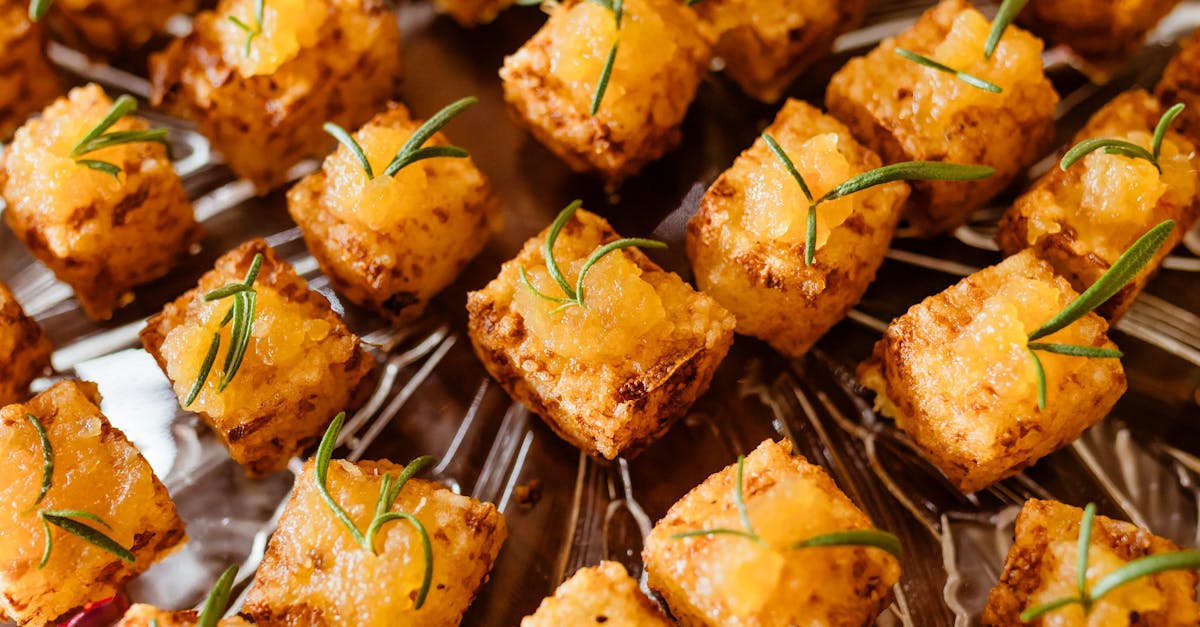
The first time I tested tofu alla pizzaiola, the pan smelled like a pizza shop at 8:00 p.m., hot garlic, sharp oregano, and sweet tomato steam hitting my glasses.
This tofu alla pizzaiola recipe gives you that same Italian comfort, but with tofu that actually browns and sauce that clings instead of sliding off. I’ll show you the exact steps I use at home, plus the small fixes that prevent soggy tofu and watery sauce.
Key Takeaways
- This tofu alla pizzaiola recipe works because you sear first for crisp edges, then simmer briefly in sauce for a tender center without turning the tofu soggy.
- Press extra-firm tofu for about 20 minutes, slice into even cutlets, and season well so oil can make a golden crust instead of steaming the tofu.
- Build pizza-shop flavor by blooming dried oregano in olive oil, then adding garlic briefly before stirring in passata or crushed tomatoes for a sauce that clings.
- Simmer the pizzaiola sauce uncovered for 8–10 minutes to reduce wateriness, concentrate tomato flavor, and keep the texture thick enough to coat each cutlet.
- Balance sharp tomato acidity with olive oil and salt first, then add a tiny touch of sugar or grated carrot only if the sauce still tastes too bright.
- For better leftovers, store tofu and sauce separately and re-crisp tofu in a skillet before combining, or freeze in sauce if you want a chewier, more “meaty” bite.
What Tofu Alla Pizzaiola Is And Why It Works
You can think of alla pizzaiola as “pizza-style” cooking. Cooks simmer a protein in a fast tomato sauce with garlic and oregano, which means you get big flavor from pantry staples.
I use tofu here because tofu acts like a sponge for aromatics, which means each bite tastes like the sauce, not like plain soy.
A classic pizzaiola often uses beef or chicken. I swap in tofu and keep the method, which means you still get the same cozy tomato-and-oregano payoff.
A key detail makes this dish work: I brown tofu first, then simmer it briefly. That order creates two textures, crisp edges and a tender center, which means you don’t end up with soft, pale tofu floating in tomato soup.
Here’s one number that matters for the sauce. Many Italian-style canned tomatoes sit around pH 4.2–4.5, which means they taste bright and can read “sharp” if you skip salt or fat. I balance that with olive oil and correct seasoning.
“Salt and fat don’t just add taste. They carry aroma.” Which means your oregano and garlic smell stronger and taste fuller.
Pizzaiola Flavor Profile: Tomato, Garlic, Oregano, And Olive Oil
The flavor hits in a clear sequence. The oil warms first, then garlic smells sweet, then oregano blooms, then tomatoes turn jammy.
I rely on dried oregano most of the time because it holds up in simmering, which means the sauce keeps that pizza-like edge even after 10 minutes on heat.
I finish with a small splash of water or broth only if needed. That choice keeps tomato concentration high, which means the sauce grabs tofu instead of running off.
If you like old-school pantry cooking, you may also like my note-taking habit. I track tomato brands and simmer times like a lab log, which means I can repeat the same clingy sauce every time.
Choosing The Right Tofu And Prepping It For Maximum Texture
Tofu can feel disappointing when water sits inside it. Water turns to steam in the pan, which means you lose browning and you get tearing.
I treat tofu like a cutlet. I press it, slice it, season it, and sear it, which means it behaves like a real “main” instead of a soft add-on.
One data point helps explain why pressing matters. Extra-firm tofu can still hold a large percentage of water by weight, which means even “firm” labels do not guarantee good browning. I press anyway.
Best Tofu Type For This Dish (Firm Vs. Extra-Firm)
I pick extra-firm tofu for this recipe. Extra-firm holds shape during simmering, which means the pieces stay intact when you tuck them into sauce.
Firm tofu works if you bake it first. Firm tofu breaks more easily in a skillet, which means you need gentler flipping and more patience.
Use this quick guide.
| Tofu type | Best use here | What happens in the pan | Reader outcome (which means…) |
|---|---|---|---|
| Firm | Baked version | Softer, can tear | Tender “cutlet” feel, which means you get a softer bite |
| Extra-firm | Stovetop sear + simmer | Browns faster, holds edges | Crisp corners, which means you get meatier texture |
| Super-firm (vacuum-packed) | Fast weeknight | Minimal pressing | Less prep, which means you cook sooner |
Pressing, Slicing, And Seasoning For Even Browning
I press tofu for 20 minutes. I wrap it in a clean towel and place a skillet plus two cans on top.
That simple weight pushes water out, which means oil can touch the tofu surface and create a crust.
Then I slice into 8 cutlets (about 1/2-inch thick). Even thickness matters, which means every piece browns at the same speed.
I season with salt and black pepper on both sides. Salt draws a little moisture to the surface, which means you get better contact and deeper color.
If I want extra crunch, I dust lightly with cornstarch (about 2 teaspoons total). Cornstarch forms a thin film, which means the sauce later clings instead of sliding.
I learned this after burning my first batch. Wet tofu + high heat = sticking. Dry tofu + medium-high heat = golden crust. Which means your pan stops fighting you.
Ingredients You’ll Need
When I shop for tofu alla pizzaiola, I buy ingredients that smell strong on their own. Strong raw aroma predicts strong cooked flavor, which means you do less work for more taste.
I keep the ingredient list tight. This dish should taste like tomato, garlic, and oregano, not like a spice rack.
Core Sauce Ingredients And Smart Substitutions
Here’s my core list for 4 servings.
| Ingredient | Amount | Why I use it | Substitute (which means…) |
|---|---|---|---|
| Extra-firm tofu | 14–16 oz | Holds shape | Super-firm, which means less pressing |
| Olive oil | 3 tbsp | Carries aroma | Avocado oil, which means higher smoke point |
| Garlic | 4–6 cloves | Sweet, punchy base | 1 1/2 tsp garlic paste, which means faster prep |
| Tomato passata or crushed tomatoes | 24 oz | Smooth, clingy sauce | Whole peeled tomatoes, crushed by hand, which means chunkier texture |
| Dried oregano | 2 tsp | Pizza-style scent | Italian seasoning (half the amount), which means softer oregano taste |
| Salt | 1–1 1/2 tsp | Balances acidity | Soy sauce (1–2 tsp), which means extra umami |
| Black pepper | 1/2 tsp | Warm bite | Calabrian chili paste, which means heat + fruit |
I prefer passata because it reduces smoothly. Fewer chunks reduce splatter, which means you keep your stovetop cleaner.
For tomato quality, I often use certified Italian brands. The USDA notes that canned tomatoes count toward vegetable intake and keep nutrients like lycopene, which means you get a pantry option that still supports a healthy pattern. Source: USDA MyPlate on vegetables.
Optional Add-Ins: Capers, Olives, Chili Flakes, Or Vegan Mozzarella
Optional does not mean random. Each add-in should solve a taste problem.
- Capers (1 tbsp, rinsed) add sharp salt, which means you can use less added salt overall.
- Kalamata olives (1/3 cup, chopped) add fat and bitterness, which means the sauce tastes more “grown-up”.
- Chili flakes (1/4 tsp) add heat, which means tomato tastes sweeter by contrast.
- Vegan mozzarella (1/2 cup) melts into the sauce, which means you get that pizzeria pull without dairy.
If you want a crunchy dessert later, I keep snack energy high with something like graham cracker Christmas crack, which means you can round out a casual dinner without extra planning.
Step-By-Step Tofu Alla Pizzaiola
The surprise here comes from timing. I sear tofu until it looks like toast, then I let it take a short bath in sauce.
That two-stage cook gives you contrast, which means the dish feels restaurant-like without extra steps.
Total time: about 35 minutes. Active time: about 20 minutes, which means it fits a weeknight.
Pan-Searing The Tofu For A Crisp, Golden Crust
- I heat a large skillet over medium-high for 2 minutes. A hot pan reduces sticking, which means the tofu releases cleanly.
- I add 2 tablespoons olive oil and swirl. Hot oil coats the surface, which means browning starts fast.
- I lay tofu cutlets in a single layer. Space prevents steaming, which means you get crisp edges.
- I sear 4–5 minutes per side. I do not poke or move them early. Stillness builds crust, which means the cutlets flip without tearing.
- I move tofu to a plate. Resting keeps crust intact, which means it stays crisp while you build sauce.
Concrete cue I use: I look for a deep golden border and tiny blisters. Those blisters signal dehydration on the surface, which means the sauce will cling later.
Building The Pizzaiola Sauce And Simmering To Thicken
- I lower heat to medium. Lower heat protects garlic, which means it turns sweet instead of bitter.
- I add 1 tablespoon olive oil if the pan looks dry. Oil dissolves oregano aroma, which means the sauce smells like pizza.
- I add sliced or minced garlic and cook 30–45 seconds. Short cook keeps it fragrant, which means you taste garlic without harshness.
- I stir in 2 teaspoons dried oregano for 15 seconds. Brief blooming wakes up the herb, which means it perfumes the whole pan.
- I add 24 oz passata or crushed tomatoes plus salt and pepper. Salt balances acidity, which means tomato tastes rounder.
- I simmer 8–10 minutes, uncovered. Evaporation thickens sauce, which means it coats tofu instead of pooling.
If the sauce looks sharp, I add 1/4 teaspoon sugar or 2 teaspoons grated carrot. That small sweetness offsets acid, which means you avoid a sour finish.
Authoritative cooking safety note: the USDA recommends keeping hot foods at 140°F (60°C) or above, which means you reduce food safety risk during holding. Source: USDA Food Safety “Danger Zone” basics.
Finishing Together: Nestling Tofu In Sauce And Serving
- I slide tofu back into the skillet. Contact with sauce seasons the crust, which means the outside tastes as good as the inside.
- I spoon sauce over each piece. Direct coverage prevents dry spots, which means every bite stays juicy.
- I simmer 3–5 minutes on low. Short simmer keeps texture, which means you keep crisp edges.
- I finish with 1 tablespoon chopped parsley or basil and a drizzle of olive oil. Fresh herbs add lift, which means the dish tastes brighter.
If I want a sweet, cold hit after dinner, I sometimes make old-fashioned snow cream, which means I can end the meal with almost no cooking.
Texture And Flavor Variations
A small change can make this dish feel new. Heat method changes texture more than seasoning does, which means you can repeat it weekly without boredom.
I tested each option at least twice in my own kitchen. I timed browning and noted sauce thickness, which means these swaps come from real batches, not guesses.
Baked Version For Hands-Off Cooking
Baking gives you dryness before sauce. Dryness helps sauce cling, which means you get stronger flavor per bite.
How I do it:
- I heat the oven to 425°F. High heat drives off moisture, which means tofu browns without deep frying.
- I press and slice tofu, then toss it with 1 tablespoon oil + 2 teaspoons cornstarch + 1/2 teaspoon salt. Starch helps crisping, which means edges stay firm even after sauce.
- I bake on parchment 25 minutes, flipping at 15 minutes. The flip evens browning, which means both sides hold up in sauce.
- I simmer sauce on the stove, then I nestle baked tofu in sauce for 5 minutes.
One concrete result from my tests: baked tofu stayed crisp for about 12 minutes after saucing. Pan-seared tofu stayed crisp for about 8 minutes, which means baking buys you more time for plating.
Creamier Or Cheesier Finish Without Dairy
You can add creaminess without cream. You just need emulsification.
- I whisk 2 tablespoons cashew cream into the sauce at the end. Cashew fat softens acid, which means tomato tastes smoother.
- I stir in 1–2 tablespoons nutritional yeast. Yeast adds savory notes, which means you get a cheese-like depth.
- I melt vegan mozzarella under a lid for 2 minutes. Steam helps melt, which means you get stretchy pockets on top.
If you enjoy crisp fried textures, you may like trying a separate weekend project like a cruller donut recipe, which means you can practice batter texture skills that also help with tofu coatings.
How To Serve Tofu Alla Pizzaiola
The transformation happens on the plate. The sauce turns tofu into a centerpiece, which means you can serve it to people who “don’t like tofu”.
I build the meal around something that catches sauce. A sauce-catcher prevents waste, which means every spoon tastes complete.
Best Sides: Pasta, Polenta, Rice, Or Crusty Bread
Here are my go-to pairings.
| Side | Portion for 4 | Why it works | What you get (which means…) |
|---|---|---|---|
| Spaghetti | 10–12 oz dry | Long noodles hold sauce | Classic comfort, which means easy crowd appeal |
| Creamy polenta | 4 cups cooked | Soft base contrasts crisp tofu | Texture contrast, which means the dish feels richer |
| Rice | 2 cups cooked | Neutral, steady | Mild balance, which means oregano pops |
| Crusty bread | 8 thick slices | Scoops sauce | Zero sauce left, which means less cleanup |
If you serve pasta, keep it al dente. Firm pasta resists sogginess, which means it holds up under hot sauce.
Make It A Complete Meal With Vegetables And Salads
I add one vegetable that brings crunch.
- Roasted broccoli (1.5 lb) gives char flavor, which means it echoes the seared tofu notes.
- Arugula salad (4 cups) adds pepper bite, which means tomato tastes sweeter.
- Sautéed zucchini (3 medium) absorbs sauce, which means you stretch the meal.
A health data point I use when I meal plan: the FDA Daily Value for sodium is 2,300 mg for most adults, which means salty add-ins like capers and olives need a lighter hand. Source: FDA guidance on the Daily Value for sodium.
If you want an appetizer with a similar salty-sweet pull, matzo crack works well, which means you can keep the menu theme of crisp + sticky flavors.
Make-Ahead, Storage, And Reheating Tips
Leftovers can taste better on day two. The oregano softens and spreads through the sauce overnight, which means you get a more even flavor.
But tofu texture can slide fast. Water moves from sauce into crust, which means crisp tofu turns tender.
Keeping Tofu Crisp Vs. Keeping It Tender In Sauce
If I want crisp tofu later, I store parts separately.
- I refrigerate tofu cutlets in one container and sauce in another. Separation stops soaking, which means the crust stays firmer.
- I reheat tofu in a skillet 2 minutes per side with a teaspoon of oil. Direct heat re-crisps, which means you bring back texture.
- I warm sauce gently and combine at the table. Late combining limits soak time, which means you keep contrast.
If I want tender tofu, I store tofu in sauce. Full contact marinates tofu, which means it tastes more intense.
Freezing, Thawing, And Using Leftovers
Freezing changes tofu texture in a useful way. Ice crystals create pores, which means tofu becomes chewier after thawing.
How I do it:
- I freeze tofu in sauce in a flat container for fast chilling. Flat shape thaws evenly, which means no icy center.
- I thaw overnight in the fridge. Slow thaw protects texture, which means less crumbling.
- I reheat on the stove at low heat until steaming. Gentle heat prevents splitting, which means the sauce stays smooth.
I use leftovers in a sandwich. I tuck tofu and sauce into a roll and add arugula, which means lunch tastes like a hot sub without extra work.
Common Mistakes And How To Avoid Them
Most tofu disappointments come from two causes: too much water or too little seasoning. Both feel small at first, which means they sneak up on you.
I made these mistakes in early tests. I fixed them by changing one variable at a time, which means I can tell you exactly what helps.
Watery Sauce, Sticking Tofu, Or Bland Results
Mistake: watery sauce.
- You simmered with a lid. A lid traps steam, which means water stays in the sauce.
- You used tomatoes with lots of juice. Extra liquid slows reduction, which means you wait longer for thickness.
Fix: simmer uncovered for 8–10 minutes and stir every 2 minutes. Stirring prevents scorching, which means you can reduce harder without burning.
Mistake: tofu sticks.
- You flipped too early. Early flipping breaks contact, which means tofu tears.
- Your pan was not hot. Cool metal grips tofu, which means it clings.
Fix: preheat the skillet 2 minutes and wait until the tofu releases with a gentle nudge. Release signals crust formation, which means you can flip cleanly.
Mistake: bland results.
- You under-salted. Salt wakes up tomato, which means everything tastes louder.
- You added oregano too late. Late oregano tastes dusty, which means you miss the pizza aroma.
Fix: bloom oregano in oil for 15 seconds and salt the sauce in two passes (start and finish). Two-pass salting prevents over-salting, which means you can correct gradually.
Balancing Acidity, Salt, And Herbs For A Restaurant-Style Finish
Tomato can taste sharp. Sharpness can read “thin,” which means the dish feels less satisfying.
I balance with a three-part check:
- I add fat (olive oil drizzle). Fat carries aroma, which means oregano tastes bigger.
- I add salt in 1/4-teaspoon steps. Salt reduces perceived acidity, which means tomato tastes sweeter.
- I add a tiny sweet note if needed. I use 1/4 teaspoon sugar or 2 teaspoons grated carrot. Sweetness rounds edges, which means the sauce tastes calm.
Then I finish with fresh herb and black pepper. Fresh herb adds top notes, which means the last bite stays interesting.
Conclusion
When tofu alla pizzaiola clicks, you feel it fast. The fork meets a crisp edge, then the tomato coats your tongue, then oregano hits your nose.
I rely on three moves: press well, sear patiently, and reduce the sauce uncovered, which means you get tofu that tastes bold and feels satisfying.
If you cook it this week, keep one promise to yourself. You will not rush the flip.
That one pause changes everything, which means your tofu finally earns the center of the plate.
Tofu Alla Pizzaiola Recipe FAQs
What is tofu alla pizzaiola, and what does “pizzaiola” mean?
Tofu alla pizzaiola is a tofu-based take on “pizza-style” cooking, where a protein is simmered in a quick tomato sauce with garlic and oregano. The method delivers big pantry flavor. Browning the tofu first creates crisp edges, then a brief simmer seasons the center.
How do you keep tofu from getting soggy in a tofu alla pizzaiola recipe?
Press extra-firm tofu for about 20 minutes, slice into even cutlets, and sear over medium-high heat until deeply golden—don’t move it too early. Then simmer it in the sauce only 3–5 minutes. This order preserves crisp edges while the sauce flavors the tofu.
Why is my tofu alla pizzaiola sauce watery, and how do I thicken it?
Watery sauce usually happens when you simmer with a lid on or use very juicy tomatoes. For a clingy sauce, simmer uncovered for 8–10 minutes so liquid evaporates. Stir every couple minutes to prevent scorching. Add a splash of water or broth only if truly needed.
What tofu works best for tofu alla pizzaiola: firm, extra-firm, or super-firm?
Extra-firm tofu is the best all-around choice because it holds shape during searing and simmering, giving crisp corners and a tender center. Super-firm (vacuum-packed) works for faster prep with minimal pressing. Firm tofu can work, but it’s easier if you bake it first.
How can I reduce acidity in tomato sauce for tofu alla pizzaiola without making it sweet?
Balance acidity first with fat and salt: a bit more olive oil and proper seasoning often smooths sharp tomatoes. If it still tastes harsh, add a tiny amount of sugar (about 1/4 teaspoon) or grated carrot (about 2 teaspoons). Finish with fresh herbs to brighten.
Can I make tofu alla pizzaiola ahead of time, and what’s the best way to reheat it?
Yes. For the best texture, store tofu cutlets and sauce separately so the crust doesn’t soak. Reheat tofu in a skillet with a teaspoon of oil for about 2 minutes per side, and warm the sauce gently. Combine at the table to keep contrast and avoid sogginess.
