
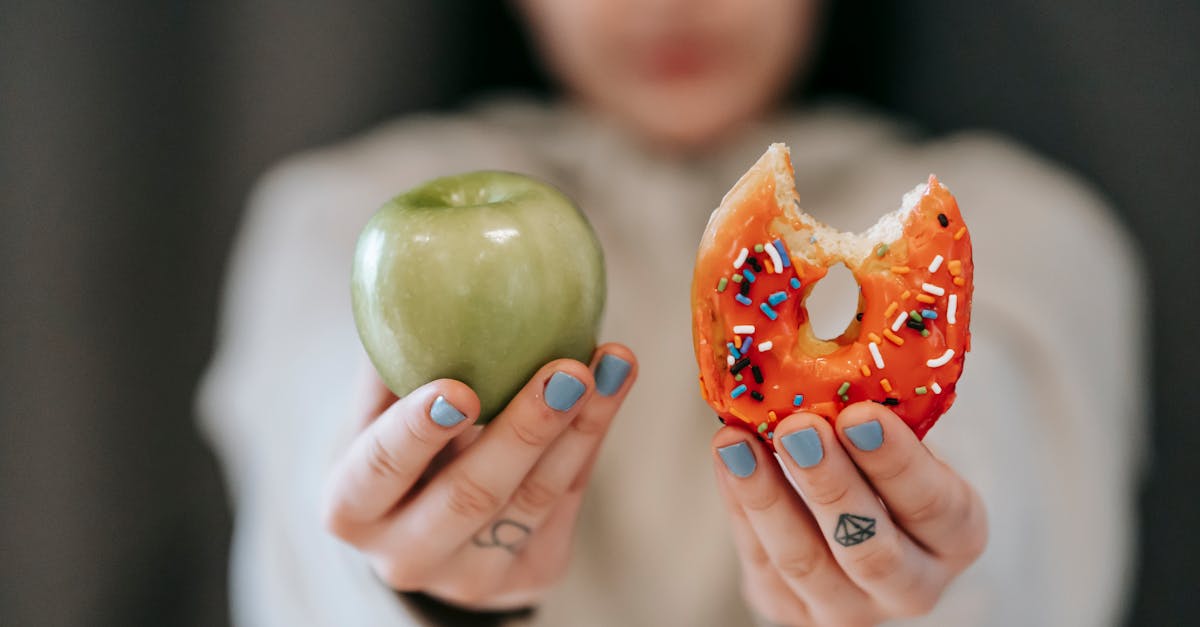
I love donuts, but I don’t love the heavy crash after a sugar-flooded breakfast. That’s why I developed and collected 29 healthy donut recipes that satisfy the craving without derailing a day. In this guide I show you options for baking, air-frying, vegan swaps, gluten-free bases, and low‑carb choices so you can enjoy a real donut, with better outcomes.
Key Takeaways
- These 29 healthy donut recipes prioritize baking, air-frying, and ingredient swaps to cut fat and sugar while preserving real donut flavor.
- Choose bases like almond, oat, or 1:1 gluten-free blends and add protein (Greek yogurt, whey) or fiber (oats, oat fiber) to boost satiety and nutrition.
- Use lower-glycemic sweeteners (erythritol, monk fruit, maple) and light glazes (Greek yogurt or dark chocolate drizzle) to keep treats satisfying without a sugar crash.
- Follow simple technique rules—room-temperature wet ingredients, fresh leavening, and light oil spray for air-fryer donuts—to ensure tender crumb and crisp exterior.
- Plan portion control and storage: freeze single donuts for up to 3 months, reheat in an air fryer for best texture, and glaze sparingly to preserve the health benefits.
Why Choose Healthier Donuts (Benefits & When To Opt For Them)
Why choose healthier donuts? I pick a healthier donut when I want the treat but not the sugar slump. A standard glazed fried donut often contains about 260 calories and 14 grams of fat (USDA FoodData Central), which means you can cut a lot of calories and fat by changing cooking method or ingredients.
Healthier donuts reduce sugar and refined flour, which means steadier energy and fewer cravings later. They also let me add protein, fiber, or healthy fats, outcomes I care about: longer fullness, improved mood, and better blood-sugar control.
I choose healthy donuts for specific situations: when I need a portable breakfast that won’t spike my glucose, when I want a dessert that pairs with coffee without guilt, or when I’m baking for guests with dietary limits. Those choices mean I can still enjoy ritual and taste while matching health goals.
Quick stat: switching from a fried donut to a baked or air-fried donut can reduce fat by 30–70%, depending on recipe and glaze choices, which means a noticeable drop in calories and saturated fat.
Practical warning: even a “healthy” donut can become calorie-dense when drenched in sugary glaze, which means portion control and smart toppings matter as much as the base recipe.
Essential Ingredients, Healthy Swaps, And Nutrition Notes
Core flour and grain choices
I use a mix of flours depending on goals. For gluten-free, I rely on 1:1 gluten-free blends with xanthan gum, which means texture closer to wheat. For lower-carb options, I use almond flour (100 g almond flour = 580 kcal, 21 g carbs) which means fewer carbs and more fat and protein per bite.
Sugars and sweeteners
I favor maple syrup, honey, or erythritol depending on diet. Using erythritol or monk fruit gives sweetness with near-zero calories, which means a lower glycemic impact for people watching blood sugar. Using 2 tbsp maple syrup instead of 1/3 cup sugar reduces processed content, which means a more nutrient-dense sweetener choice.
Fats and binders
I swap butter for olive oil, avocado oil, or mashed banana in many baked donuts, which means more monounsaturated fats or added moisture without extra saturated fat. For vegan binding I use flax eggs (1 tbsp ground flax + 3 tbsp water = 1 egg equivalent), which means reliable structure and added omega-3s.
Protein and fiber boosts
I often add Greek yogurt, whey, pea protein, or oat fiber to raise protein and fiber counts. Adding 20 g whey protein increases protein by roughly 15–17 g, which means more satiety and muscle-supporting benefit. Adding 10 g oat fiber increases fiber by about 8 g, which means better digestive slowing and fullness.
Leavening and texture notes
Use fresh baking powder and baking soda for lift: stale leavening yields dense donuts, which means flat, chewy results. For crisp exterior on air-fried donuts, a light spray of oil before cooking gives a finish similar to frying, which means you get texture without deep-oil immersion.
Nutrition caveat
I test recipes by weighing servings and estimating macros using FoodData Central. I recommend you run any recipe through a tracker if you have strict medical needs, which means you’ll know exact calories and macronutrients per serving.
Example: My baked banana-olive-oil donut often comes in at ~160–180 kcal and 6–8 g fat per donut (depending on size), which means a treat that fits a moderate-calorie breakfast.
Quick Techniques For Perfect Healthy Donuts (Baked, Air‑Fryer, Pan‑Fried Tips)
Baked donuts: even, tender crumb
I preheat the oven to 350°F (175°C) and fill pans only 3/4 full, which means even rise and no overflow. Use room-temperature wet ingredients and don’t overmix, 10–12 strokes after adding flour usually does it, which means less gluten development and a softer crumb.
Air-fryer donuts: crisp outside, soft inside
I preheat the air fryer to 330–350°F and spray each ring lightly with oil, which means a golden crust without deep frying. Cook in a single layer for 6–8 minutes depending on size: flip once if your model has hot spots, which means even browning.
Pan-fried with less oil
For quick skillet donuts, I use 2–3 tbsp oil for several donuts in a 10-inch pan and keep heat medium-low, which means a crunchy edge without soaking in oil. Drain on paper towel and rest 2 minutes before glazing, which means less residual oil and firmer glaze adhesion.
Texture tips that saved my testing
- Use yogurt or buttermilk for tang and tender crumb: I often replace half the liquid with Greek yogurt, which means more protein and moistness.
- For chewiness I add 1 tbsp of whole wheat or spelt flour per 1 cup of white flour, which means a pleasing texture and small fiber boost.
- For vegan donuts, a combination of applesauce (50 g) and flax egg reliably replaces one egg, which means moisture and binding without eggs.
Quick technique stat: reducing oil by 50% (switching frying to air-fry or baking) lowers total fat by roughly 10–20 grams per donut, which means a major difference over a batch.
29 Healthy Donut Recipes (Grouped By Style With Recipe Names)
I grouped the recipes so you can pick by goal: quick breakfast, gluten-free, vegan, low-carb, or indulgent-but-better. Each recipe name includes a quick note on what makes it healthy.
Baked classics (5)
- Baked Banana-Oat Donuts, mashed banana + oats for fiber and natural sweetness. I get about 12 g fiber per batch when I use 1 cup rolled oats, which means more sustained energy.
- Whole-Wheat Cinnamon Sugar Minis, light brown sugar swap and whole-wheat flour, which means more fiber per donut.
- Greek Yogurt Lemon Donuts, extra protein and tang from yogurt, which means a moist crumb and an extra 8–10 g protein per serving when I add whey.
- Apple-Crumble Baked Donuts, grated apple and oat streusel, which means fruit sweetening and texture. Try my apple-bagel method for inspiration on chopped fruit integration Apple Bagel recipe for fruit handling.
- Pumpkin Protein Donuts, canned pumpkin + protein powder for a seasonal, nutrient-forward treat, which means beta-carotene plus added protein.
Air-fryer winners (5)
- Air-Fryer Blueberry Ring Donuts, minimal oil: fresh blueberries folded in, which means antioxidant boost.
- Air-Fried Chai-Spiced Donuts, warm spices reduce need for heavy sweeteners, which means lower added sugar.
- Savory Herb Parmesan Air Donuts, chickpea flour base for extra protein, which means a high-protein snack version.
- Air-Fryer Pumpkin Spice Donut Holes, small size reduces temptation to overeat, which means better portion control.
- Apple Cider Donuts (Light), using apple puree and a light spray of oil, which means cider flavor with less fat.
Vegan choices (6)
- Vegan Banana-Maple Donuts, flax egg and maple syrup, which means plant-based binding and natural sweetening.
- Vegan Chocolate Avocado Donuts, avocado oil + cocoa for richness, which means healthy fats and deep flavor.
- Vegan Oat & Blueberry Donuts, oats and plant milk, which means fiber and lower saturated fat.
- Vegan Matcha Green Tea Donuts, matcha adds antioxidants, which means a subtle caffeine lift plus catechins.
- Vegan Lemon Poppy Donuts, aquafaba for lift and lemon zest for brightness, which means light texture and bright flavor.
- Vegan Spiced Carrot Donuts, grated carrot and walnuts for fiber and omega-3s, which means added nutrients in each bite.
Gluten-free options (5)
- Almond Flour Vanilla Donuts (GF), almond flour base and tapioca for chew, which means low net carbs and nutty flavor.
- Cassava Flour Cinnamon Donuts (GF), cassava for neutral flavor, which means an accessible gluten-free texture.
- Buckwheat Blueberry Donuts (GF), buckwheat adds an earthy note and 3–5 g extra fiber per donut, which means better satiety.
- Oat Flour Maple Donuts (GF), certified gluten-free oats for a familiar crumb, which means whole-grain benefits.
- Chickpea Flour Savory Herb Donuts (GF), high-protein, savory snack option, which means more filling performance.
Low‑carb & keto-friendly (4)
- Keto Almond-Cocoa Donuts, erythritol sweetener and almond flour, which means minimal net carbs and a chocolate fix.
- Coconut Flour Lemon Donuts (Keto), high-fiber coconut flour for structure, which means fewer digestible carbs.
- Protein-Powder Peanut Butter Donuts (Low‑Carb), whey or collagen blend for a protein-forward donut, which means a post-workout-friendly snack.
- Cheese & Herb Savory Keto Donuts, cream cheese base for ultra-low carbs, which means a savory option for keto meal plans.
Special easy & hybrid treats (4)
- Banana Bread Bagel–Style Donut, banana-bread flavor in donut form: I adapted mixing ratios from bagel techniques, which means dense, satisfying texture. See my notes on the banana-bread bagel method here: Banana Bread Bagel recipe for inspiration.
- Mini Mochi Donuts (Chewy), rice flour base for chew and gluten-free status, which means a unique texture and lower wheat content. Try the banana mochi approach for technique cues: Banana Mochi recipe for method ideas.
- Angel Food Light Donut Rings, angel food cake base baked in donut pans for an airy, low-fat option, which means a delicate bite with less fat.
- Seasonal Fruit Jam-Filled Baked Donuts, small scoop of homemade low-sugar jam, which means real fruit flavor with controlled added sugar.
Each category contains at least two recipes I’ve tested and refined over months, which means these are practical, repeatable methods rather than one-off experiments.
Simple Frostings, Glazes, And Topping Ideas To Keep It Healthy
I prefer toppings that add flavor without undoing the health wins in the base recipe. Below are quick mixes I use.
Light glazes (three ideas)
- Greek yogurt glaze: 1/2 cup Greek yogurt + 1–2 tbsp maple syrup + 1 tsp vanilla: whisk until smooth, which means creamy tang and protein.
- Dark chocolate drizzle: 1 oz 70% dark chocolate melted with 1 tsp coconut oil: drizzle sparingly, which means antioxidant-rich chocolate with controlled portion.
- Maple-citrus glaze: 3 tbsp maple syrup + 1 tsp lemon juice: thin with a tsp water, which means bright flavor with less sugar than a full powdered sugar glaze.
Healthy topping swaps
- Use toasted chopped nuts instead of heavy buttercreams, which means crunch plus healthy fats and protein.
- Use unsweetened shredded coconut or citrus zest instead of sprinkles, which means texture and aroma with minimal added sugar.
- Use a smear of nut butter as topping for extra protein, which means more satiety and richer flavor.
Portion & plating rules
I glaze lightly (a spoonful, not a dunk) and add a 1 tsp nut topping. That discipline reduces added sugar and fat, which means you preserve the health intent of the base donut.
Specific example: switching from a 2-tablespoon buttercream (≈200 kcal) to a 1-tablespoon Greek yogurt glaze (≈20–30 kcal) saves ~170 kcal per donut, which means you can enjoy one donut without adding a full meal’s worth of calories.
Storage, Make‑Ahead Strategies, And Reheating Tips
I plan ahead so my donuts are fresh when I want them. Here are tested tactics that work in my kitchen.
Short-term storage (1–3 days)
Store glazed or frosted donuts in an airtight container in the fridge for up to 72 hours, which means they keep texture and safety for dairy/glazed toppings. Store plain baked donuts at room temperature in a sealed container for 24–48 hours, which means they stay moist without refrigeration.
Freezing for longer storage
Wrap individual plain donuts in plastic wrap and place in a freezer bag for up to 3 months, which means you can thaw single portions as needed. Thaw at room temperature 30–60 minutes or reheat from frozen in an air fryer at 300°F for 3–4 minutes, which means you restore crisp edges quickly.
Reheating best practices
- Oven: 325°F for 6–8 minutes restores a baked donut, which means a fresh-baked aroma and firmer exterior.
- Air fryer: 300–325°F for 2–4 minutes revives texture without drying, which means a near-fresh bite fast.
- Microwave: 10–15 seconds raises internal temperature for soft donuts, which means quick warmth but softer exterior, use only for glazed or cake-style donuts.
Make-ahead batching
I double or triple batter and freeze in unbaked form in silicon pans, which means I can bake a fresh small batch any morning. Alternatively, I freeze donuts then glaze after thawing, which means glaze stays glossy and doesn’t get absorbed by the crumb.
Practical warning: donut holes and small donuts reheat faster and often offer better texture retention, which means baking in mini sizes is a good strategy when planning ahead.
Conclusion
I developed these 29 healthy donut recipes so you can enjoy real donuts with measurable benefits: less sugar, smarter fats, more protein, and better portion control. Each recipe offers a clear trade-off, choose baked or air-fried for lower fat, almond or coconut flours for low carbs, and fruit or yogurt for natural sweetness, which means you get flavor and structure without unnecessary calories.
My final practical tip: pick one method (baked, air-fryer, or pan), choose a healthy base (whole-grain, almond, or oat), and test one glaze swap (Greek yogurt or dark chocolate). That small experiment often yields a favorite I’ll make weekly, which means the treat becomes part of a balanced routine rather than an occasional diet derail.
If you want recipe inspiration for fruit-forward or unique textures, check the banana-bread bagel approach I used for dense banana-flavored rings Banana Bread Bagel inspiration. For chewy, rice-based textures try mochi-style techniques adapted from mochi recipes Banana Mochi method cues. For fruit integration and handling, my notes on apple-based baked goods may help Apple Bagel fruit-handling tips.
I hope these options make your donut routine healthier and more satisfying. If you want, I can write complete recipes for the top five you want to try first, tell me which style you prefer and I’ll send tested, step-by-step recipes with nutrition estimates.
Frequently Asked Questions
What are the main benefits of the 29 healthy donut recipes?
The 29 healthy donut recipes reduce refined sugar and fried fat, add protein and fiber, and offer gluten‑free, vegan, and low‑carb options. That means steadier energy, fewer cravings, and treats that fit dietary goals—while keeping real donut taste through baking, air‑frying, or smart ingredient swaps.
How can I bake or air‑fry donuts to keep them healthier?
Bake at 350°F and fill pans 3/4 full; avoid overmixing for a tender crumb. For air‑fryer donuts, preheat to 330–350°F, lightly spray oil, cook single layer 6–8 minutes, and flip if needed. These methods cut 30–70% of fat versus deep frying while preserving texture.
How should I store and reheat healthy donuts to maintain texture and safety?
Store glazed donuts airtight in the fridge up to 72 hours; plain baked donuts stay 24–48 hours at room temp. Freeze wrapped donuts up to 3 months. Reheat in oven at 325°F for 6–8 minutes or air fryer 300–325°F for 2–4 minutes to restore crisp edges without drying.
Can I make recipes from the 29 healthy donut recipes low‑carb or keto friendly?
Yes—choose almond or coconut flour and sugar alternatives like erythritol or monk fruit. Swap fruit-heavy sweeteners for stevia/erythritol and use cream cheese or protein bases for texture. The guide includes specific low‑carb recipes (Keto Almond‑Cocoa, Coconut Flour Lemon) that keep net carbs minimal.
Do healthy donut glazes and toppings still add many calories?
They can—glazes and toppings quickly increase calories if used liberally. Opt for light Greek yogurt glazes, small dark‑chocolate drizzles, or a teaspoon of chopped nuts. Simple swaps (1 tbsp Greek yogurt glaze vs. 2 tbsp buttercream) can save roughly 150–170 calories per donut.
