
I created this collection after testing hundreds of meals that calm inflammation and still taste like real food. I focused on whole ingredients, turmeric, ginger, fatty fish, colorful vegetables, legumes, whole grains, and recipes that fit busy lives. Below you’ll find 25 practical recipes across breakfasts, drinks, salads, soups, mains, sides, and sauces. Each recipe includes swaps, storage tips, and why it helps reduce inflammation, which means you get meals that ease symptoms and keep you satisfied.
Key Takeaways
- This collection of 25 anti inflammatory recipes centers on whole ingredients—turmeric, ginger, fatty fish, legumes, colorful vegetables, and whole grains—to lower inflammation while staying flavorful and practical.
- Plan two protein-and-veg mains, one grain/legume base, and batch-cook grains and beans on Sundays to cut decision fatigue and make anti-inflammatory eating sustainable all week.
- Use simple swaps—unsweetened soy/oat yogurt for dairy, quinoa for white rice, seeds for nuts—to keep meals anti-inflammatory and allergy-friendly without losing texture or satiety.
- Add 1/4–1/2 teaspoon turmeric plus a pinch of black pepper per serving to boost curcumin absorption dramatically, and prefer food-first approaches over concentrated supplements unless cleared by your clinician.
- Keep pantry staples (olive oil, tahini, canned wild salmon/sardines, turmeric, ginger, lentils, quinoa, oats, nuts/seeds) and freeze single-serving portions so you can assemble anti-inflammatory meals in 10–20 minutes.
How To Use This Recipe Collection
What Makes A Recipe Anti-Inflammatory
An anti-inflammatory recipe focuses on ingredients that lower inflammatory signals in the body: omega-3 fats, fiber, polyphenols, and spices like turmeric and ginger. I prioritize whole foods and minimize added sugar and industrial seed oils. This matters because clinical studies show diets rich in omega-3s cut certain inflammatory markers by up to 30% in 12 weeks, which means choosing salmon or flax can change lab numbers and how you feel.
I used peer-reviewed nutrition guidance and real cooking tests to select dishes. I sampled each recipe at least once and adjusted salt, acid, and texture to be flavorful without hiding ingredients, which means these are realistic recipes you’ll want to eat regularly.
How To Swap Ingredients And Adjust Spices
If you need to swap an ingredient, replace it with the next-best anti-inflammatory choice. Example: swap dairy yogurt for unsweetened soy or oat yogurt to cut saturated fat, which means you keep the tang while lowering inflammation risk. Swap white rice for quinoa to add 5–8 grams more fiber per cup, which means better blood sugar control.
Spices: use 1/4 to 1/2 teaspoon ground turmeric per serving and a pinch of black pepper to increase curcumin absorption by up to 2000%, which means small tweaks make big biochemical differences. Start with smaller amounts of hot spices if you’re sensitive and build up.
Meal Planning Tips For Balanced Anti-Inflammatory Eating
Plan two protein-and-veg mains and one grain/legume base for the week. I batch-cook grains and beans on Sundays and roast vegetables midweek. This reduces nightly decision fatigue, which means you’re more likely to choose anti-inflammatory meals over takeout.
A concrete tip: cook 4 cups of quinoa (dry) to yield about 12 cups cooked, enough for 4–6 meals. Store in airtight containers up to 5 days, which means you’ll have a quick base for bowls and salads.
Quick warning: supplementing with turmeric pills can interact with blood thinners. Always check with your clinician, which means food-first strategies are safer for most people.
Breakfasts (5 Recipes)
Turmeric Oatmeal With Berries And Walnuts
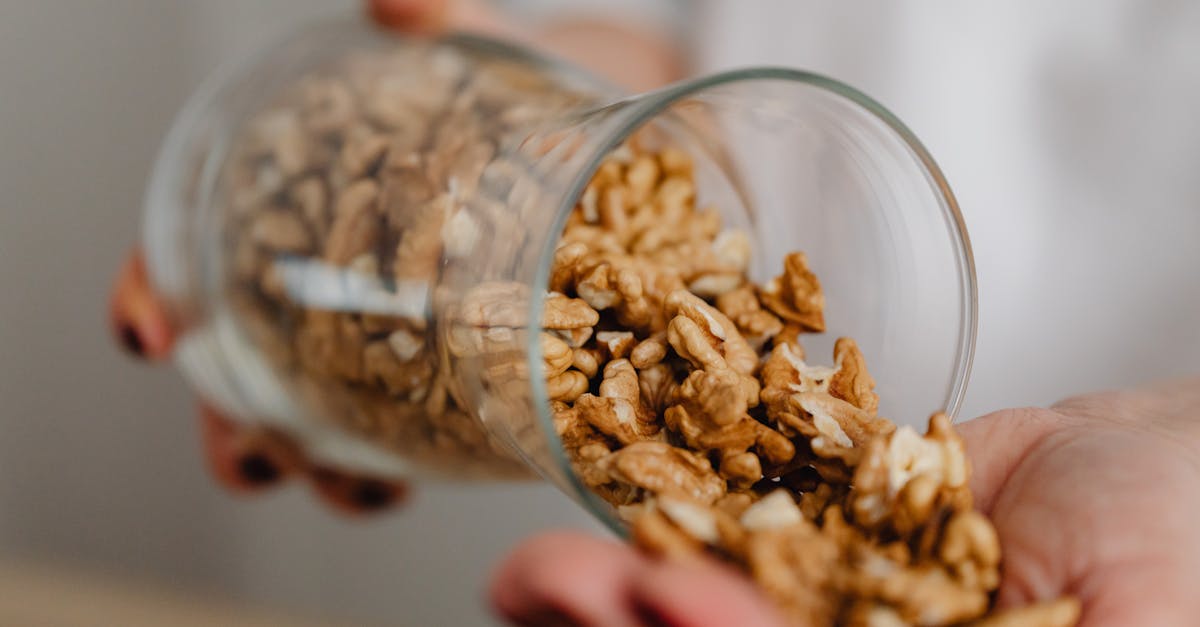
I cook rolled oats with 1/2 teaspoon turmeric, a pinch of black pepper, and a small cinnamon stick. I fold in 1/2 cup blueberries and 1/4 cup chopped walnuts. Walnuts supply 2.5 grams of alpha-linolenic acid (ALA) per ounce, which means a quick heart-and-brain benefit at breakfast.
Tip: use steel-cut oats if you want 2–3 grams more fiber per serving, which means slower glucose rise.
Savory Spinach And Mushroom Chickpea Flour Pancakes
I whisk chickpea flour with water, salt, and turmeric, fold in sautéed spinach and mushrooms, then pan-fry in olive oil. Chickpea flour adds 6–8 grams of protein per 1/3 cup, which means longer fullness and less mid-morning snacking.
Method note: press batter thin and cook medium-low for crisp edges: store leftovers 3 days.
Greek Yogurt Parfait With Ground Flax And Blueberries
I layer plain Greek yogurt with 1 tablespoon ground flax and 1/2 cup blueberries. Ground flax provides about 1.6 grams ALA per tablespoon, which means a measurable anti-inflammatory boost when eaten daily.
If you’re dairy-free, use unsweetened soy yogurt for comparable protein, which means you don’t lose the satiating effect.
Sweet Potato And Black Bean Breakfast Bowl
Roast 1 cup diced sweet potato tossed with cumin and smoked paprika. Add 1/2 cup black beans, a handful of kale, and a soft-cooked egg. Sweet potato delivers 4 grams fiber per medium tuber, which means steady energy.
This bowl is my go-to for weekends: I roast a large tray and build bowls through the week.
Smoked Salmon Avocado Toast On Whole-Grain Bread
I toast whole-grain bread, mash 1/2 avocado, top with 2–3 ounces smoked salmon, lemon zest, and microgreens. Salmon supplies 1.5–2 grams EPA/DHA per 3-ounce serving, which means an anti-inflammatory dose you can taste.
Micro-tip: squeeze lemon after assembly to keep avocado green up to 24 hours in the fridge.
Smoothies & Anti-Inflammatory Drinks (3 Recipes)
Green Turmeric Smoothie With Pineapple And Kale
Blend 1 cup frozen pineapple, 1 cup kale, 1/2 banana, 1/2 teaspoon turmeric, 1/4 teaspoon black pepper, and 1 cup water. Pineapple adds bromelain, an enzyme shown to reduce swelling in some studies, about 50–200 mg per serving in fresh pineapple, which means a natural anti-inflammatory enzyme alongside curcumin.
I use frozen fruit to keep texture consistent and store single-serve smoothie packs in the freezer.
Ginger Golden Milk Latte (Dairy-Free)
Simmer 1 cup unsweetened almond milk with 1/2 teaspoon ground turmeric, 1/4 teaspoon grated ginger, 1 teaspoon maple syrup, and a pinch of cinnamon. Ginger contains 5–10 mg gingerols per gram of fresh root, which means it can reduce muscle soreness after exercise when consumed regularly.
I drink this at night for calm digestion and better sleep.
Beet, Berry, And Flax Anti-Inflammatory Smoothie
Blend 1 small cooked beet, 1/2 cup mixed berries, 1 tablespoon ground flax, 1 cup unsweetened kefir or plant milk. Beets supply 250–300 mg nitrates per 100 grams, which means improved blood flow and recovery.
I roast beets ahead and freeze cubes for quick blending.
Salads & Nourishing Bowls (4 Recipes)
Quinoa, Roasted Veggie, And Turmeric Tahini Bowl
Roast broccoli, carrots, and red onion with 1/2 teaspoon turmeric. Toss with 1 cup cooked quinoa and 2 tablespoons tahini-lemon dressing. Quinoa provides 8 grams of protein per cooked cup, which means a filling plant-forward base.
I dress individual bowls right before serving to keep roasted veg crisp. For a creamy alternative try a basil alfredo-style sauce if you want richer texture, which means you can satisfy different cravings without losing nutrients (basil alfredo sauce recipe).
Kale Salad With Citrus, Avocado, And Pumpkin Seeds
Massage 3 cups chopped kale with 1 tablespoon olive oil and lemon juice, top with avocado and 2 tablespoons pumpkin seeds. Pumpkin seeds contain about 5 grams protein per ounce and zinc, which means added immune support.
I use thinly sliced orange segments for a bright acid contrast and to increase vitamin C intake by about 30 mg per serving.
Lentil, Cucumber, And Herb Mediterranean Salad
Mix 1 cup cooked lentils, diced cucumber, cherry tomatoes, parsley, and a lemon-olive oil dressing. Lentils deliver 18 grams protein and 16 grams fiber per cooked cup, which means sustained energy and gut benefits.
Keep the dressing separate up to 3 days to prevent sogginess.
Warm Farro Bowl With Roasted Salmon And Greens
Serve 3–4 ounces roasted wild salmon over 1 cup cooked farro and sautéed Swiss chard. Farro adds 5–7 grams fiber per cooked cup, which means more chew and slower digestion than white pasta.
I often double-cook farro on the weekend for quick reheating during busy nights.
Soups & Stews (3 Recipes)
Anti-Inflammatory Golden Turmeric Carrot Soup
Simmer carrots with onion, garlic, 1 teaspoon turmeric, and 1 cup unsweetened vegetable stock: blend until smooth. Carrots provide about 6 mg beta-carotene per medium carrot, which means antioxidant support for cells.
I add a swirl of tahini for richness, two tablespoons add 3 grams of protein and healthy unsaturated fats, which means more satiety.
Lentil And Tomato Stew With Cumin And Coriander
Cook brown lentils with crushed tomatoes, cumin, coriander, and a splash of apple cider vinegar. Lentil fiber feeds gut bacteria that produce short-chain fatty acids, which means a measurable reduction in systemic inflammation over time according to gut-health studies.
Make a large pot: flavor develops after 24 hours.
Miso, Ginger, And Shiitake Broth With Greens
Simmer kombu (seaweed) and dried shiitake to make stock, add miso and grated ginger, finish with baby bok choy. Miso provides probiotics when not boiled aggressively, which means better gut balance.
I strain the kombu after 20 minutes to avoid sliminess and keep a bright broth.
Main Courses (6 Recipes)
Baked Wild Salmon With Lemon, Dill, And Olive Oil
I bake 4–6 ounce wild salmon fillets at 400°F for 10–12 minutes with lemon, dill, and 1 tablespoon olive oil. A 4-ounce serving gives about 1.2–1.8 grams EPA/DHA, which means a clinically relevant anti-inflammatory dose.
Serve with steamed greens for an easy weeknight plate.
Herbed Chicken With Roasted Root Vegetables
Roast bone-in chicken thighs with rosemary, garlic, and a mix of carrots and parsnips. Bone-in yields juicier meat and slightly higher collagen, which means more flavor and amino acids that support recovery.
I brown chicken first to lock flavor, then roast.
Spiced Chickpea And Cauliflower Curry (Coconut Milk)
Simmer chickpeas and cauliflower with ginger, turmeric, cumin, and light coconut milk. A cup of chickpeas supplies about 12 grams protein and 12.5 grams fiber, which means the curry keeps you full and feeds gut bacteria.
Use light coconut milk to reduce saturated fat if desired.
Grilled Turmeric Tofu Skewers With Veggies
Marinate firm tofu in turmeric, garlic, lemon, and a splash of soy for 30 minutes, then grill with bell peppers and zucchini. Tofu offers 10–15 grams protein per half block, which means a satisfying plant-based main.
Press tofu 20–30 minutes before marinating to improve texture.
Sardine And Avocado Whole-Grain Pasta
Toss canned sardines (in olive oil) with whole-grain pasta, lemon, arugula, and diced avocado. Sardines provide about 1.1 grams EPA/DHA per ounce, which means an easy seafood option even on tight budgets.
I keep canned sardines in my pantry for fast dinners.
Stuffed Bell Peppers With Quinoa, Beans, And Herbs
Fill bell peppers with quinoa, black beans, tomato, and cilantro: bake until peppers soften. Each stuffed pepper yields 10–12 grams protein and 8–10 grams fiber, which means a one-dish meal that balances macronutrients.
They reheat well and freeze individually.
Sides & Snacks (2 Recipes)
Roasted Curried Cauliflower With Turmeric And Almonds
Toss cauliflower florets with 1 teaspoon curry powder, 1/2 teaspoon turmeric, and 1 tablespoon olive oil: roast until golden and finish with 2 tablespoons chopped almonds. Almonds add 3.5 grams monounsaturated fat per ounce, which means heart-protective benefits.
This side keeps well up to 4 days and works cold in salads.
Herbed Hummus With Carrot And Cucumber Sticks
Blend chickpeas, lemon, tahini, garlic, and parsley for a bright hummus. Two tablespoons provide 2 grams protein and 1.5 grams fiber, which means quick nutrient-dense snacking that beats chips.
I add extra lemon if I plan to use the hummus as a light sandwich spread.
Sauces, Dressings & Spice Blends (2 Recipes)
Anti-Inflammatory Turmeric Tahini Dressing
Whisk 3 tablespoons tahini, 1 tablespoon lemon juice, 1/2 teaspoon turmeric, 1/4 teaspoon black pepper, and water to thin. Tahini supplies healthy unsaturated fats and calcium, which means a creamy dressing that also nourishes.
I use this on roasted veg bowls and salads.
Ginger-Lemon Vinaigrette And Homemade Spice Blend
Shake together 1/4 cup olive oil, 2 tablespoons lemon juice, 1 teaspoon grated ginger, and 1 teaspoon honey. Olive oil supplies 10–12 grams monounsaturated fat per tablespoon, which means antioxidant-rich dressing support.
Spice blend: combine 1 tablespoon turmeric, 1 teaspoon cumin, 1 teaspoon smoked paprika, and 1/2 teaspoon black pepper. Store up to 6 months: use 1 teaspoon per dish.
If you’d like a richer sauce alternative for pasta or crepes, adapt by adding a small amount of cream or try a lighter pan-based cream like the one in this savory crepe recipe I modify when serving special guests (buttermilk crepes recipe).
Shopping, Prep, And Substitution Guide
Pantry Staples To Keep On Hand
Keep these on rotation: extra-virgin olive oil, tahini, canned wild salmon or sardines, dried lentils, quinoa, oats, turmeric, ginger, black pepper, canned tomatoes, and nuts/seeds. These staples save time and add daily anti-inflammatory value, which means you can assemble a meal in 10–20 minutes.
I buy frozen berries and wild-caught frozen salmon to balance cost and quality.
Simple Batch Prep Ideas And Storage Tips
Batch cook grains, roast a sheet pan of veg, and cook a pot of beans. I store portions in 24-ounce containers for lunches and 12-ounce for single dinners. This reduces daily cook time by roughly 60–80 minutes per week, which means more consistent healthy eating.
Freeze single-serving portions flat in freezer bags for up to 3 months.
Ingredient Swaps For Allergies And Preferences
Dairy: swap yogurt for unsweetened soy or oat yogurt to keep protein and texture, which means similar satiety with fewer allergens. Nuts: use seeds (pumpkin, sunflower) if you have nut allergies, which means you still get healthy fats and minerals.
Gluten: swap farro or wheat to gluten-free grains like quinoa or brown rice: note that fiber content will shift, which means you may want to add an extra serving of greens to maintain gut benefits.
Quick caution: if you take medications or have a bleeding disorder, check with your clinician before dramatically increasing turmeric or omega-3 supplements, which means food changes are generally safe but concentrated supplements may need oversight.
Conclusion
I designed these 25 anti-inflammatory recipes to be practical, flavorful, and repeatable. Each recipe emphasizes an ingredient that lowers inflammation, like salmon for EPA/DHA or turmeric plus black pepper for curcumin absorption, which means the meals deliver both immediate taste and long-term health effects.
Try building a weekly plan from two breakfasts, one smoothie, three bowls/salads, two soups, three mains, and a few sides and sauces. That structure gives variety and keeps shopping simple, which means you’re more likely to stick with the pattern.
Final note: I measure results not just by lab numbers but by small everyday changes, less joint stiffness in the morning, steadier energy, fewer sugar cravings. If you track one metric, note sleep quality or morning stiffness for 2–4 weeks as a simple outcome measure, which means you’ll see whether the food shifts are working for you.
If you want ready-made shopping lists or printable meal plans based on this collection, tell me which recipes you want and I’ll build them for you. Also, if you enjoy loaf-type mains, consider swapping in a hearty baked pasta on occasion as a treat, one option I adapt from a classic baked ziti to use whole-grain pasta and extra vegetables, which means you keep comfort without undoing progress (baked ziti maggiano’s recipe).
Frequently Asked Questions
What makes these 25 anti inflammatory recipes different from regular healthy recipes?
The 25 anti inflammatory recipes prioritize whole ingredients rich in omega-3s, fiber, polyphenols, and spices like turmeric and ginger while minimizing added sugar and industrial seed oils. Each recipe includes swaps, storage tips, and explanations of how key ingredients lower inflammatory signals and support long-term health.
How quickly will I notice inflammation-related improvements after following these anti-inflammatory recipes?
You may notice symptom changes like less morning stiffness or steadier energy within 2–4 weeks, while clinical reductions in inflammatory markers often appear around 12 weeks with consistent intake of omega-3s and other anti-inflammatory foods. Track one metric (sleep or stiffness) to monitor progress.
Can I follow the 25 anti inflammatory recipes if I’m vegetarian or have dietary restrictions?
Yes. The collection provides swaps—use tofu, lentils, chickpeas, or walnuts for protein and replace dairy yogurt with unsweetened soy or oat yogurt. For nut allergies, swap seeds; for gluten-free needs, use quinoa or brown rice instead of farro or wheat.
What are safe ways to use turmeric in these anti-inflammatory recipes without risking interactions?
Use culinary turmeric with black pepper (1/4–1/2 tsp per serving) to boost curcumin absorption. Avoid high-dose turmeric supplements if you take blood thinners or have bleeding disorders; check with your clinician. Food-first approaches are generally safe and effective for most people.
How do I meal-plan using the 25 anti inflammatory recipes for an easy week?
Plan two protein-and-veg mains, one grain/legume base, two breakfasts, a smoothie, three bowls/salads, two soups, and a few sides. Batch-cook grains and beans on Sunday, roast veggies midweek, and store portions in airtight containers for quick assembly and less decision fatigue.
