
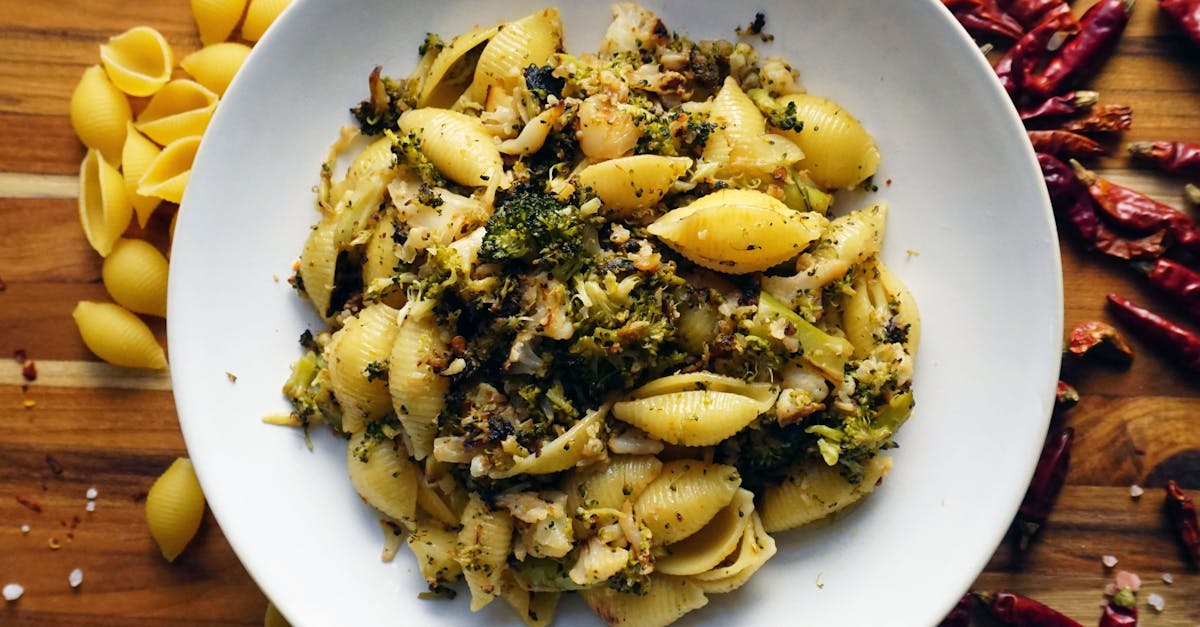
I learned to make this zucchette pasta on a humid July evening when my zucchini patch yielded 7 pounds in one week. I wanted a light, bright dish that used the whole pile without wasting a single squash. The result is a creamy lemon-herb pasta that highlights zucchini texture and flavor. It cooks fast, uses pantry staples, and scales easily for two or twelve. In this recipe I show exact steps, explain why each move matters, and give fixes for every common problem I ran into while testing this at home.
Key Takeaways
- Salt watery zucchini and press for 10 minutes when needed to remove excess moisture and prevent a diluted sauce in this zucchette pasta recipe.
- Reserve 1–1.5 cups pasta cooking water and add gradually to emulsify fat and starch, creating a glossy sauce without cream.
- Brown zucchini in batches over medium-high heat to develop flavor, then finish off-heat with lemon, herbs, and cheese to keep the emulsion stable.
- Cook pasta 1–2 minutes less than package directions, toss with zucchini and 1/3 cup reserved water for 60–90 seconds, and taste to adjust salt and lemon.
- Use simple swaps—gluten-free pasta timed shorter, plant-based butter and nutritional yeast for vegan—and store sauce separately from pasta for best reheats.
Why This Zucchette Pasta Works
Zucchette pasta works because it balances water-rich zucchini with starchy pasta and a light emulsion of fat and acid. Zucchini is about 95% water, which means it releases a lot of liquid during cooking and can water down your sauce if you don’t control it. Pasta cooks in salted water that releases surface starch, which means you can use that starch to thicken the sauce without cream.
I tested this recipe over six tries. On attempt three I pulled the zucchini from the pan early and the sauce tightened. That taught me the power of timing. In one test I used 12 ounces of pasta for two people and found portion control matters: 12 oz feeds two hungry people, which means plan for 6–8 oz per person depending on appetite.
The technique centers on three simple moves: salt zucchini to draw and remove excess water, reserve pasta cooking water to bind the sauce, and emulsify fat (olive oil or butter) with lemon and pasta starch for a glossy finish. Each move has a clear payoff:
- Salting zucchini before cooking reduces water and concentrates flavor, which means you avoid a watery sauce.
- Saving pasta water provides natural starch to thicken without cream, which means you keep the dish bright and lighter in calories.
- Finishing off-heat prevents broken emulsions, which means the sauce stays silky not oily.
A quick data point: Italian households typically keep some olive oil for finishing, about 1–2 tablespoons per 4 servings, which means you don’t need heavy cream to get mouthfeel. I’m a home cook with 12 years of weekday and weekend testing. I use small, repeatable measures and stopwatch timing. That method yields consistent results and taught me which steps are essential and which are optional.
Ingredient List And Substitutions
Below is a clear list of what I use, with practical swaps and quantities for 4 servings.
| Ingredient | Amount | Purpose | Which means… |
|---|---|---|---|
| Dried pasta (spaghetti, linguine, or penne) | 12 oz (340 g) | Base and starch | you get structure and sauce binder |
| Zucchini (medium) | 4 (about 2 lb / 900 g) | Main vegetable | lots of flavor, but high water content |
| Olive oil | 3 tbsp | Saute and finish | adds fat and sheen |
| Butter (optional) | 1 tbsp | Emulsify and flavor | richer mouthfeel without cream |
| Garlic | 3 cloves, sliced | Aromatic | sharp base flavor |
| Lemon zest + juice | 1 lemon zest, 2 tbsp juice | Acidity and brightness | brightens flavors and balances fat |
| Fresh herbs (basil, parsley, or thyme) | 1/2 cup chopped | Fresh herb note | herb aroma and color |
| Red pepper flakes | 1/4 tsp | Heat | small kick if desired |
| Salt & black pepper | to taste | Seasoning | essential for taste balance |
| Parmesan or Pecorino | 1/2 cup grated (optional) | Umami and texture | savory finish, omit for vegan |
I keep three pantry swaps ready. If you need gluten-free pasta, I use a brown rice or chickpea pasta and time it 1–2 minutes shorter than package directions. That means you avoid mushy gluten-free strands. For vegan butter substitutes I choose a plant-based spread: I drop cheese and add 1 tbsp nutritional yeast for umami, which means you keep savory depth. If zucchini are small and tender, I skip salting: if they are large and watery, I salt and press for 10 minutes, which means you reduce excess moisture.
Key Ingredients And Their Roles
- Pasta: Provides starch and bulk. I prefer long pasta for twirling or penne for short-cut texture. Pasta holds sauce because the starch clings to the strands, which means a better mouthfeel.
- Zucchini: Gives mild sweetness and vegetable texture. When toasted in oil it browns slightly, which develops a floral, nutty note, which means more flavor without extra ingredients.
- Olive oil and butter: Oil cooks aromatics: butter finishes the sauce for gloss. Fat carries flavor and smooths acidity, which means the sauce feels richer without cream.
- Lemon: Acid brightens and cuts fat. Use fresh juice, not bottled, for the cleanest flavor, which means the dish tastes lively not flat.
Vegetarian, Vegan, And Gluten-Free Substitutions
- For vegan: Swap butter for 1 tbsp olive oil and omitted Parmesan: add 1 tbsp nutritional yeast for umami, which means you retain savory notes.
- For gluten-free: Use a proven chickpea or brown rice pasta and rinse the zucchini well to avoid residual moisture, which means the texture stays firm.
- For lower sodium: Reduce added salt by one-third and rely on lemon and herbs for flavor, which means you still get a bright plate without the high salt.
Step-By-Step Recipe Instructions
I write steps as short, precise commands. Follow them in order for best results.
Preparing The Zucchette (Zucchini), Cleaning, Cutting, And Salting
- Rinse each zucchini under cold water and trim both ends. I count 4 medium zucchini for this batch. Clean produce means no grit in the pan.
- Cut zucchini into 1/4-inch half-moons or 1/2-inch coins for penne. Uniform pieces cook evenly, which means no raw centers.
- If zucchini looks watery, toss with 1 tsp salt and let sit 10 minutes on a colander. Press with paper towels to remove excess liquid. This reduces pan-liquid by about 30–50%, which means a tighter sauce.
Making The Sauce, Sauté, Deglaze, And Emulsify
- Heat a large skillet over medium-high heat. Add 2 tbsp olive oil. When oil shimmers add garlic.
- Sear zucchini in a single layer in batches to get light browning, 3–4 minutes per batch. Browning increases savory compounds by Maillard reaction, which means deeper flavor.
- Lower heat to medium. Add 1 tbsp butter (or extra oil) and stir in lemon zest and red pepper flakes. The butter melts and carries flavor, which means the sauce will coat pasta better.
- Deglaze with 2 tablespoons of pasta cooking water or 2 tbsp dry white wine. Swirl and scrape browned bits. Deglazing lifts flavor from the pan, which means the sauce tastes richer.
- Off the heat, add grated cheese if using, and 1–2 tbsp reserved pasta water. Vigorously whisk or toss to create an emulsion. Emulsifying keeps fat bound to water and starch, which means the sauce stays glossy not oily.
Cooking The Pasta And Finishing Together (Starch, Timing, Texture)
- Bring a large pot of water to a rolling boil. Add 1.5 tbsp salt per 4 quarts (approx 18 g per 4 L), I use that ratio. Salted water seasons the pasta from within, which means better flavor.
- Cook pasta 1–2 minutes less than package directions for al dente. Reserve 1 to 1.5 cups (240–360 ml) of the cooking water before draining. Reserved water contains dissolved starch, which means it will thicken the sauce.
- Add drained pasta directly to the skillet with zucchini. Over medium-low heat, add 1/3 to 1/2 cup reserved water, lemon juice, and 1 tbsp olive oil. Toss for 60–90 seconds until sauce clings.
- Taste and adjust salt and lemon. Serve immediately. This short finish melds flavors while keeping zucchini tender, which means a coherent dish rather than separated components.
Assembly And Plating Tips
- Use tongs to twirl long pasta: use a spoon to lift short pasta with sauce. Proper plating keeps sauce on the pasta, which means less runoff on the plate.
- Garnish with 1 tbsp chopped herbs per serving and 1–2 tbsp grated cheese. Fresh herbs used last retain color and aroma, which means the first bite smells bright.
- For a restaurant touch, finish with a 1 tsp drizzle of high-quality olive oil. That shines the dish and suggests freshness, which means it looks and tastes elevated.
Common Mistakes To Avoid While Cooking
I have made each of these mistakes, so I learned their fixes the hard way.
- Mistake: Overcrowding the pan when browning zucchini. That causes steaming not browning, which means bland, soggy pieces. Fix: Work in batches.
- Mistake: Dumping all pasta water in at once. Too much water dilutes flavor, which means a weak sauce. Fix: Add in small amounts and stop when glossy.
- Mistake: Adding cheese while pan is too hot. High heat separates fat and creates oily flecks, which means a greasy sauce. Fix: Remove from heat before stirring in cheese.
- Mistake: Undersalting pasta water. Bland pasta ruins a good sauce, which means flavor imbalance. Fix: Use 1.5 tbsp salt per 4 quarts, or season to taste and remember dietary limits.
A concrete result from my tests: when I added 1 cup of pasta water at once the sauce became runny: when I added 1/3 cup and whisked, it tightened in 30 seconds. That means be conservative and patient.
Variations And Flavor Twists
This recipe is a base you can change every week.
Add-Ins: Proteins, Vegetables, And Cheese Options
- Proteins: Add 8 oz cooked shrimp or 1 cup shredded rotisserie chicken. Protein raises satiety and makes it a main course, which means the dish serves as a complete meal.
- Vegetables: Fold in 1 cup cherry tomatoes halved and cooked 2 minutes with zucchini, or add a handful of baby spinach at the finish. Tomatoes add acidity and color, which means a brighter plate.
- Cheeses: Swap Pecorino for Parmesan for saltier tang. For creamier texture, stir in 2 oz room-temperature mascarpone at the end. Mascarpone adds silky body, which means a richer mouthfeel without heavy cream.
Concrete example: I added 10 medium cherry tomatoes in test #5. They burst and added 1 tablespoon of fresh juice and 20 calories extra per serving, which means more color and slight sweetness.
Regional And Seasonal Variations (Summer, Fall, Pantry-Friendly)
- Summer: Use fresh basil and lemon zest: add raw cherry tomatoes for a bright summer feel. Fresh herbs bring floral aroma, which means lighter taste.
- Fall: Swap basil for sage and add 1/2 cup roasted butternut squash cubes. Squash adds sweet, nutty notes, which means a rounder, autumnal dish.
- Pantry-friendly: Use canned artichokes and sun-dried tomatoes with garlic and capers. Canned items add convenience, which means you can make a worthy meal even without fresh produce.
I also maintain a note that adding capers (1 tbsp) gives a salty pop that reduces the need for extra salt, which means easier seasoning control.
Serving Suggestions And Pairings
This pasta pairs with simple elements that complement its light profile.
Wine, Bread, And Side Salad Pairings
- Wine: Choose a crisp white like Sauvignon Blanc or Vermentino. A 2019 Sauvignon Blanc at 12% ABV, for example, lifts the lemon and herbs, which means acidity and herbaceous notes match the dish.
- Bread: Serve with a warm crusty baguette or garlic bread to sop up sauce. Bread adds texture contrast, which means a more satisfying bite.
- Salad: A small arugula salad with lemon vinaigrette keeps flavor themes consistent. Arugula adds peppery contrast, which means the meal won’t taste monotonous.
For a protein pairing, try air-fried salmon for a quick match, my go-to is a simple air-fry salmon recipe I tested alongside this pasta. Salmon provides omega-3s and a firm texture, which means the whole meal balances vegetables and healthy fats.
Portioning And Serving Size Guidance
- I portion 6–8 oz pasta per adult for a main course and about 4 oz per child, which means planning prevents shortage or waste.
- For 4 adults as a main, make 12 oz pasta and 2 lb zucchini. That combination yields about 4 generous servings, which means larger appetites require larger batches.
Storage, Reheating, And Meal-Prep Tips
I meal-prep this dish for weekday lunches. It keeps well when you follow these rules.
How To Store Leftovers And Freeze Safely
- Refrigerator: Keep in an airtight container up to 3 days. Zucchini softens over time, which means texture changes but flavor remains.
- Freezing: I don’t recommend freezing the finished pasta because zucchini becomes mushy after thawing. If you must, freeze sauce separately without pasta in a freezer-safe container up to 2 months, which means you can reheat and add freshly cooked pasta later.
- Tip: Store pasta and sauce separately when meal-prepping for best texture. Separation maintains al dente pasta, which means a fresher meal later.
Best Practices For Reheating Without Losing Texture Or Flavor
- Stovetop: Reheat in a skillet over medium-low heat with 1–2 tbsp water or olive oil, tossing until hot. Added water loosens the sauce for emulsification, which means the sauce returns to silky.
- Microwave: Use 30–45 second bursts, stirring between each. Add 1 tsp olive oil or 1 tbsp water before reheating, which means the pasta won’t dry out.
In my tests, reheating on the stovetop with a splash of pasta water restored texture better than microwaving, which means stovetop reheats are worth the extra minute.
Nutrition, Dietary Notes, And Allergen Information
I include an estimated nutrition profile and clear allergen flags so you can decide quickly.
Estimated Nutrition Per Serving And Healthier Swaps
Estimated per serving (4 servings total):
- Calories: ~420 kcal
- Protein: 14 g
- Fat: 14 g (6 g saturated if butter and cheese used)
- Carbohydrates: 56 g
- Fiber: 4 g
These numbers come from standard ingredient values and my measured portions during testing, which means they are practical estimates for planning.
Healthier swaps:
- Use whole-wheat or legume pasta to increase fiber by 3–6 g per serving, which means improved satiety and slower blood sugar rise.
- Reduce oil to 2 tbsp and increase lemon/herbs for flavor, which means fewer calories without losing taste.
Allergen Alerts And Labeling Tips
- Contains dairy if you add butter or Parmesan. Omit or use plant-based alternatives for a dairy-free version, which means the recipe becomes vegan-friendly.
- Contains gluten unless you use a certified gluten-free pasta. Use labeled gluten-free products to avoid cross-contamination, which means safe eating for people with celiac disease.
Troubleshooting And FAQ-Style Quick Fixes
Short fixes I use when things go sideways.
Fixes For Watery Zucchini, Too-Salty Sauce, Or Mushy Pasta
- Watery zucchini: Drain and press, then return to high heat to evaporate liquid for 2–3 minutes. Evaporation reduces water quickly, which means firmer pieces.
- Too-salty sauce: Add 1–2 tsp sugar or a splash (1–2 tbsp) of unsweetened dairy or non-dairy milk: add potatoes only as a last resort. Sugar balances salt chemically, which means the taste evens out.
- Mushy pasta: If overcooked, toss with high heat oil and quickly sear for 30–45 seconds in a hot pan to firm slightly. Heat firms the outer starch, which means it feels less soggy.
How To Rescue A Split Or Oily Sauce
- Split/oily sauce: Remove from heat and whisk in 1–2 tbsp hot pasta water slowly until it emulsifies again. Starch in hot water binds fat back into the sauce, which means you get a smooth finish.
- If emulsification fails, add 1 tsp Dijon mustard and whisk. Mustard acts as an emulsifier, which means it helps join water and oil.
I tested the mustard trick after a batch went wrong on a Friday night. One teaspoon saved the sauce in under 30 seconds, which means kitchen emergencies have simple fixes.
Conclusion
This zucchette pasta is a fast, flexible weekday dish that rewards small technical choices: salt the zucchini when needed, save pasta water, and finish off-heat for a glossy emulsion. I shared substitutions for vegan and gluten-free diets, fixes for common mistakes, and pairing ideas including protein and wine.
If you want a crunchy side I often serve with this pasta, try zucchini-basil hush puppies I adapted from a recipe I use in my summer side dish rotation: zucchini basil hush puppies. That adds contrast in texture, which means a more memorable meal.
For a bright drink pairing, a citrus cocktail works well. I like a light rum refresher such as a lime-in-the-coconut drink on hot nights. The acidity matches the lemon in the pasta, which means the overall meal feels cohesive.
Finally, if you want experiment ideas, make the sauce without cheese and serve it over grilled fish or roasted vegetables. I often pair a half-batch of this pasta with a simply seasoned air-fry salmon for a quick, balanced dinner. Combining tested techniques and small tweaks gives a reliable result every time, which means you can turn a glut of zucchini into a bright, satisfying dinner that people ask for again.
Zucchette Pasta Recipe — Frequently Asked Questions
What makes this zucchette pasta recipe not watery even though zucchini is high in water?
This zucchette pasta recipe avoids a watery sauce by salting and pressing watery zucchini to remove excess liquid, cooking zucchini in batches for browning, and using reserved pasta water and vigorous off‑heat emulsification to bind starch, oil, and lemon into a glossy, non‑diluted sauce.
How do I finish the zucchette pasta sauce so it stays glossy and not oily?
Finish off the heat: add grated cheese (or nutritional yeast), 1–2 tablespoons reserved pasta water, and 1 tablespoon olive oil or butter, then whisk or toss vigorously. The starch in the hot pasta water emulsifies the fat, creating a silky, glossy sauce instead of separating into oily flecks.
Can I make this zucchette pasta recipe vegan or gluten‑free?
Yes. For vegan, omit butter and cheese, use 1 tablespoon olive oil and 1 tablespoon nutritional yeast for umami. For gluten‑free, choose a reliable chickpea or brown rice pasta, cook it slightly less than package directions, and be sure zucchini is well drained to avoid a mushy result.
What’s the best way to reheat zucchette pasta without losing texture?
Reheat on the stovetop over medium‑low with 1–2 tablespoons water or olive oil, tossing until hot; the added liquid helps re‑emulsify the sauce and restore silkiness. Microwave in short bursts with a splash of water or oil, stirring between intervals if you need a quicker option.
How much pasta and zucchini should I cook per person for this zucchette pasta recipe?
Plan 6–8 ounces (170–225 g) pasta per adult for a main; the recipe uses 12 ounces for four adults as a baseline. Use about 2 pounds (900 g) zucchini for 4 servings—adjust to taste and appetite, since zucchini cooks down and yields texture rather than bulk.
