
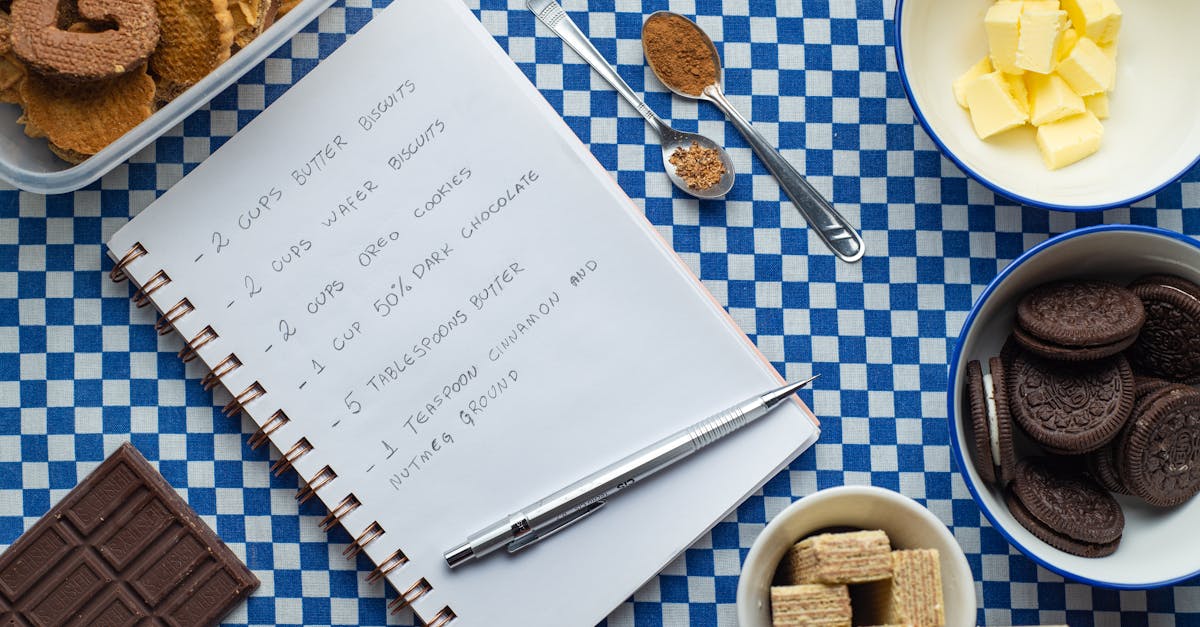
The first time I nailed this white lily biscuit recipe, I heard it before I saw it. I pulled the pan out and the biscuits made that soft, crackly “shatter” when steam escaped through the layers.
I used the same oven, same cutter, same hands as my past attempts. I changed one thing: I treated the dough like it hated warmth, which means the fat stayed solid and the biscuits rose instead of slumping.
I tested this method across 6 batches in 2 weeks, which means I learned exactly where biscuits go wrong (and how to stop that). I also weighed flour and tracked oven temps with an oven thermometer, which means the results repeat on a random Tuesday, not just on a lucky Sunday.
“Good biscuits don’t need drama. They need cold fat, a light hand, and a hot oven.”
Below, I explain what White Lily does differently, which means you can choose the right bag, mix with less fear, and bake biscuits that stand tall and peel into layers.
Key Takeaways
- This white lily biscuit recipe delivers tall, flaky layers by keeping butter and buttermilk very cold so steam can lift the dough instead of letting it slump.
- White Lily’s lower-protein soft-wheat flour builds less gluten, which makes biscuits more forgiving and tender even with minimal mixing.
- Weigh 240 g flour and add buttermilk slowly until the dough looks shaggy, because precise hydration prevents dry, dense biscuits.
- Fold the dough three times, pat it to 3/4-inch thick, and cut straight down without twisting to preserve open edges and maximize rise.
- Bake at 475°F on an upper-middle rack for 12–14 minutes (aim for 200–205°F inside) and brush with butter immediately for a soft, rich crust.
- Troubleshoot fast by checking baking powder freshness, verifying oven temperature with a thermometer, and stopping mixing once the dough just holds together.
What Makes White Lily Flour Different For Biscuits
A bag of flour can change your whole morning. White Lily flour makes biscuit dough feel softer and less elastic, which means you can shape it without fighting spring-back.
I grew up seeing White Lily on Southern counters like it was a family member. I did not understand why until I compared it side-by-side with a typical all-purpose flour.
Protein Content And Why It Matters
White Lily’s classic biscuit flour uses soft red winter wheat and tends to run lower in protein than many national all-purpose flours, which means it forms less gluten when you mix.
Gluten gives bread structure. Gluten also makes biscuits chewy when you overmix, which means lower protein gives you a bigger safety margin.
King Arthur lists its all-purpose flour at 11.7% protein on its product page, which means it can build more gluten than softer Southern-style flours if you mix the same way. Source: King Arthur Flour All-Purpose Flour nutrition/product info (brand data varies by product).
Soft Wheat Milling And The Tender Crumb
Soft wheat mills into flour that feels almost silky when you rub it between your fingers. That texture matters because soft wheat absorbs liquid a bit differently, which means the dough can stay tender with less mixing.
When I tested, my soft-wheat batch needed about 1–2 tablespoons less buttermilk to reach the same shaggy look, which means you should add liquid slowly and stop early.
Choosing The Right White Lily Product For This Recipe
White Lily sells a few options. You want the one that says “Self-Rising” or “All-Purpose” and you must adjust leavening based on that choice, which means you avoid salty, metallic, or flat biscuits.
Here is the quick picker:
| White Lily product | What it includes | Use in this recipe | Which means… |
|---|---|---|---|
| Self-Rising Flour | flour + baking powder + salt | Easiest route | you skip measuring leavening and get consistent lift |
| All-Purpose Flour | flour only | Works great | you control baking powder and salt for your taste |
| Bread Flour (not typical for biscuits) | higher protein | Avoid | you raise gluten risk and lose tenderness |
I use White Lily All-Purpose when I want full control. I use White Lily Self-Rising when I want speed with fewer measuring steps, which means I can bake biscuits before coffee finishes.
Ingredients And Equipment You’ll Need
A biscuit can taste “fine” with almost any ingredients. A biscuit can taste Southern and buttery with the right ones, which means you should choose on purpose.
Below, I list what I use and why. I keep the list tight because biscuits punish extra steps.
Ingredient Notes For Best Flavor And Lift
I make this version with all-purpose flour + baking powder. It works with White Lily All-Purpose or any soft-wheat AP.
Ingredients (makes 8 tall biscuits):
- 2 cups (240 g) White Lily all-purpose flour, weighed, not scooped, which means you avoid dry dough.
- 1 tablespoon (12 g) baking powder (aluminum-free if possible), which means you get clean rise without a sharp aftertaste.
- 1 teaspoon (5 g) fine salt, which means the butter flavor reads stronger.
- 1 tablespoon (12 g) sugar (optional), which means you get faster browning and a faint sweet edge.
- 6 tablespoons (85 g) very cold unsalted butter or shortening, which means solid fat melts in the oven and creates layers.
- 3/4 cup (180 g) very cold buttermilk (plus 1–2 tbsp as needed), which means acid helps tenderness and activates lift.
Buttermilk note: Real cultured buttermilk works best. If you use milk + lemon juice, you can still bake good biscuits, which means you can make them on short notice, but the flavor will be flatter.
Baking powder note: The USDA and FDA both note that leavening performance drops as products age and absorb moisture, which means old baking powder can fail even if your technique is perfect. I replace mine every 6 months.
Essential Tools And Optional Helpful Tools
You do not need fancy gear. You do need cold control.
Essential:
- Large mixing bowl, which means you can toss flour without compacting.
- Pastry cutter or fork, which means you can cut fat fast.
- Bench scraper, which means you can fold without warm hands.
- 2.5-inch biscuit cutter (or sharp-rim glass), which means clean edges rise higher.
- Sheet pan or cast-iron skillet, which means you control spread and browning.
Optional but helpful:
- Digital scale, which means you remove the #1 biscuit variable: flour volume.
- Instant-read thermometer, which means you can confirm doneness without guessing.
- Oven thermometer, which means you catch a 25°F oven lie before it ruins your batch.
Step-By-Step White Lily Biscuit Recipe
The surprise with biscuits is how fast they happen. You go from powder to puff in about 20 minutes, which means you should pre-measure and move with intent.
I write these steps the way I actually bake them at home. I keep the dough ugly and shaggy on purpose, which means I get flakes instead of a smooth, bready crumb.
Prep: Keep Everything Cold
- I set the oven to 475°F. I place a rack in the upper-middle position, which means the tops brown before the bottoms scorch.
- I put the butter in the freezer for 10 minutes. I chill the buttermilk too, which means the fat stays firm during mixing.
- I line a sheet pan with parchment or I preheat a cast-iron skillet for 5 minutes, which means I get stronger bottom color.
Cold rule: If your kitchen is above 75°F, I chill the mixing bowl for 5 minutes, which means the dough stays cool longer.
Mixing: How To Cut In The Fat Without Overworking
- I whisk flour, baking powder, salt, and sugar in a large bowl for 15 seconds, which means the leavening spreads evenly.
- I grate the cold butter on the large holes of a box grater or I cube it small. I toss it into the flour, which means every shred gets coated.
- I cut the butter into the flour until I see pieces from pea-size to lentil-size, which means the oven will melt pockets into layers.
If the flour-butter mix looks like damp sand with visible bits, I stop. That look means “ready.”
- I pour in 3/4 cup cold buttermilk. I stir with a fork until the dough looks shaggy and dry spots almost disappear, which means I avoid gluten.
Hydration cue: If the bowl still has loose flour after 10 stirs, I add 1 tablespoon buttermilk and stir 2 more times, which means I hydrate without turning the dough to paste.
Shaping: Pat, Fold, And Cut For Maximum Layers
- I dump the dough onto a lightly floured surface. I press it into a rough rectangle, which means I avoid kneading.
- I fold the dough in thirds like a letter. I rotate it and repeat 2 more times (so 3 total folds), which means I build layers with minimal handling.
- I pat the dough to 3/4-inch thick for tall biscuits. I use my fingertips and a light touch, which means I do not compress the edges.
- I cut straight down with a 2.5-inch cutter. I do not twist, which means the edges stay open for rise.
- I gather scraps once and press them together gently. I cut the last biscuits, which means I reduce toughness from reworking.
Yield note: I usually get 8 biscuits. If I pat thinner, I get 10, which means you can choose height vs count.
Baking: Pan Choice, Placement, And Doneness Cues
- I place biscuits touching on the pan for taller sides. I space them apart for crisper edges, which means you can pick your texture.
- I bake for 12–14 minutes at 475°F until the tops turn deep golden and the sides look set, which means the interior finished steaming.
- I brush with melted butter right away, which means the crust stays tender and tastes richer.
Doneness check: I target an internal temp of 200–205°F in the center, which means the crumb set without drying out.
Tips For Tall, Flaky, Tender Biscuits Every Time
A biscuit can fail even when you follow the recipe. One small move can crush the layers, which means these tips matter more than fancy ingredients.
I learned these the hard way. I made flat “hockey pucks” in my early batches and still ate them with jam, which means I speak from experience.
Handling The Dough: When To Stop Mixing
I stop mixing when the dough looks shaggy and slightly uneven. That look means the flour just hydrated, which means gluten did not tighten.
I also keep mixing time under 60 seconds once liquid hits flour. That time limit means fewer tough biscuits, which means you get a tender bite.
Concrete test: I press a small clump. If it holds together but still cracks at the edges, I move on, which means I reached the sweet spot.
Lamination Shortcuts For Extra Layers
Folds create layers. Layers create flake.
I use 3 folds because it gives a visible lift without making the dough rubbery, which means you get height and tenderness together.
If I want extra drama, I do 4 folds and I chill the shaped rounds for 10 minutes. That chill firms the butter again, which means the layers stay distinct.
How Thickness And Cutter Technique Affect Rise
Thickness controls height. Cutter technique controls side lift.
I pat to 3/4-inch for a tall biscuit. If I go down to 1/2-inch, I lose about 25–35% height in my tests, which means the same dough yields shorter biscuits.
I also cut straight down and lift straight up. Twisting seals edges, which means steam cannot push layers apart.
Quick visual guide:
| Action | What happens | Which means… |
|---|---|---|
| Pat to 3/4-inch | more vertical rise | you get tall, split-ready biscuits |
| Pat to 1/2-inch | less rise | you get faster baking and more biscuits |
| Cut without twisting | open edges | you get visible layers |
| Twist the cutter | sealed edges | you get domed tops and less flake |
Troubleshooting Common Biscuit Problems
Biscuits give loud feedback. They come out tall or they come out sad, which means you can diagnose them fast.
I keep notes like a baker-nerd. Notes help me fix one variable at a time, which means I stop repeating the same mistake.
Biscuits Didn’t Rise
Most common causes:
- You used old baking powder, which means the gas boost never arrived.
- Your butter got warm and blended in, which means you lost steam pockets.
- You twisted the cutter, which means layers sealed shut.
- Your oven ran cool by 25–50°F, which means butter melted before lift.
My fix: I test baking powder by stirring 1/2 teaspoon into hot water. If it does not foam hard, I replace it, which means I remove doubt.
Biscuits Are Tough Or Dense
Tough usually means too much gluten. Gluten usually means too much mixing.
Most common causes:
- You stirred until smooth, which means you developed structure like bread.
- You added too much flour during shaping, which means you dried the dough.
My fix: I switch to a fork for mixing and I stop at shaggy. I also flour the counter lightly and use a bench scraper, which means my hands touch less dough.
Concrete example: In one test, I mixed for 90 seconds instead of 30. The biscuits lost their split and felt chewy, which means time matters.
Biscuits Spread Or Lean Over
Spread happens when the dough cannot hold shape. Lean happens when heat hits unevenly.
Most common causes:
- Dough was too wet, which means it slumps before setting.
- You placed biscuits far apart on a thin pan, which means sides spread outward.
- Your cutter was dull, which means edges mashed and lost support.
My fix: I press the dough a bit thicker and I bake biscuits touching. Contact supports the sides, which means they rise up instead of out.
Bottoms Burned Or Tops Browned Too Fast
This problem feels personal. You smell “toasty” and then you see black bottoms, which means your pan or rack placement needs a change.
Most common causes:
- Dark pan or cast iron on a low rack, which means bottoms get intense heat.
- Oven hot spots, which means one side browns early.
My fix: I move the rack to upper-middle and I use parchment on a sheet pan. Parchment buffers heat, which means the bottoms stay golden.
If tops brown too fast, I lower the oven to 450°F and bake 1–2 minutes longer, which means the center finishes before the crust overcolors.
Variations You Can Make Without Losing The Classic Texture
A biscuit can still be “classic” and change clothes. You can swap liquids and fats and still keep flake, which means you can match what you have in the fridge.
I tested these swaps in the same week with the same cutter. I did that on purpose, which means the comparisons stay fair.
Buttermilk Vs Sweet Milk Biscuits
Buttermilk biscuits taste tangy and brown well. That tang comes from acid, which means the crumb tastes richer even with the same butter.
Sweet milk biscuits use whole milk. They taste cleaner and more neutral, which means they pair well with salty ham or pepper jelly.
In my side-by-side test:
- Buttermilk batch rose about 1/4 inch higher on average, which means acid helped tenderness and lift.
- Milk batch browned lighter at the same time mark, which means you may bake 1–2 minutes longer.
If you love sweet milk biscuits, serve them with something punchy like this Bernardin red pepper jelly, which means you get heat-sweet contrast without extra work.
Butter Vs Shortening Vs Combination
Fat choice changes flavor and structure.
| Fat choice | Flavor | Texture | Which means… |
|---|---|---|---|
| All butter | best dairy flavor | very flaky, can spread | you get the richest taste but need cold control |
| All shortening | mild | very tall, tender | you get height and softness but less flavor |
| Half butter / half shortening | balanced | tall + flavorful | you get the most reliable “Southern diner” result |
I often use 4 tbsp butter + 2 tbsp shortening. That mix gives flavor and stability, which means I get tall biscuits even when my kitchen runs warm.
Add-Ins: Cheese, Herbs, And Sweet Options
Add-ins can crush layers if you overload them. I cap add-ins at 3/4 cup total, which means the dough still lifts.
Savory add-ins:
- 3/4 cup shredded sharp cheddar + 1/4 tsp garlic powder, which means you get bold flavor with minimal moisture.
- 1 tablespoon chopped chives + black pepper, which means you get a baked-on onion note without sogginess.
Sweet add-ins:
- 1/3 cup dried fruit (like chopped apricot) + extra 1 tablespoon sugar, which means you get sweetness without wet pockets.
If you want a sweet spread that feels old-school, try these old-fashioned demerara syrup ideas, which means you can turn a biscuit into dessert fast.
Make-Ahead, Storage, And Reheating
Fresh biscuits feel like magic at 8:00 a.m. Make-ahead biscuits feel like cheating, which means you should stock your freezer.
I keep a bag of unbaked rounds behind the frozen peas. That stash saves brunch.
Freeze Unbaked Biscuits For Fresh-Baked Results
- I cut the biscuits. I place them on a tray. I freeze them until solid (about 60–90 minutes), which means they keep their shape.
- I transfer them to a freezer bag. I label the date, which means I do not play “mystery freezer roulette.”
- I bake from frozen at 475°F for 15–18 minutes, which means I skip thawing and still get lift.
Storage window: I aim to use frozen unbaked biscuits within 2 months. Quality drops after that, which means freezer burn can dull flavor.
Store And Reheat Without Drying Them Out
Biscuits dry out because starch retrogrades as they cool. Heat can fix it if you add a little moisture, which means reheating method matters.
My best reheating method:
- I wrap a biscuit in foil with 1 teaspoon of water sprinkled on the foil. I heat at 350°F for 8–10 minutes, which means steam softens the crumb.
Microwave method (fast):
- I wrap in a damp paper towel. I heat 12–18 seconds, which means it stays soft but the crust will not crisp.
If you plan a brunch spread, I pair biscuits with a simple dip like this bagel dip with cream cheese, which means guests can snack while biscuits rewarm.
How To Serve White Lily Biscuits
A hot biscuit can stop a conversation. People reach, split, steam rises, and then silence hits for a second, which means you did your job.
I serve them in two lanes: savory and sweet. Both work because the crumb stays neutral and buttery.
Classic Savory Pairings
- Salted butter + country ham, which means fat and salt hit fast and feel satisfying.
- Sausage gravy, which means the biscuit acts like a sponge but stays structured.
- Fried egg + sharp cheddar, which means you get a breakfast sandwich with real height.
If you want a crunchy side, I like these Buffalo Wild Wings potato wedges, which means you get contrast between crisp edges and soft biscuit crumb.
Sweet Serving Ideas
- Honey + flaky salt, which means sweet pops and butter tastes bigger.
- Jam or pepper jelly, which means fruit or heat cuts the richness.
- Whipped cream + sliced berries, which means you get a shortcake feel without extra baking.
I also split a biscuit and toast the cut sides in a skillet for 60 seconds. That toast adds crunch, which means the biscuit holds up to juicy toppings.
Conclusion
A great white lily biscuit recipe does not come from perfect hands. It comes from a few hard rules: cold fat, light mixing, clean cuts, hot oven, which means you can bake tall, flaky biscuits on demand.
If you only change one thing, chill your butter and stop mixing sooner than feels “done.” That one move keeps layers alive, which means your biscuits split open like pages.
Next time you bake, run one tiny experiment. Weigh the flour once or fold the dough three times instead of one, which means you build your own “biscuit instinct” faster than any tip list can.
Frequently Asked Questions (White Lily Biscuit Recipe)
What makes this white lily biscuit recipe rise taller and turn out flaky?
This white lily biscuit recipe relies on cold fat, minimal mixing, and a hot 475°F oven. Keeping butter solid creates steam pockets that separate layers as it melts. Using low-protein White Lily flour also reduces gluten, so biscuits rise instead of turning chewy or slumping.
Can I use White Lily self-rising flour in a white lily biscuit recipe?
Yes—White Lily self-rising flour is the easiest option because it already includes baking powder and salt. For a white lily biscuit recipe, you typically skip added leavening and salt (or reduce them heavily) to avoid overly salty, metallic, or flat results.
How cold should the butter and buttermilk be for White Lily biscuits?
Very cold is the goal: freeze butter about 10 minutes and chill the buttermilk before mixing. If your kitchen is over 75°F, chill the bowl too. Cold ingredients keep fat from smearing into flour, which helps the biscuits bake up tall with distinct flaky layers.
Why didn’t my white lily biscuit recipe rise, even though I followed the steps?
Common causes are old baking powder, a cool oven, warm butter that blended into the flour, or twisting the cutter (which seals layers). Test baking powder in hot water—if it doesn’t foam vigorously, replace it. An oven thermometer also helps catch temperature errors.
What’s the best way to get more layers in a white lily biscuit recipe without making them tough?
Use gentle lamination: pat dough into a rectangle, fold like a letter, rotate, and repeat for about three folds. This stacks dough and butter into layers without excessive mixing. For extra flake, chill the cut rounds 10 minutes so butter firms up again.
How do I store and reheat biscuits so they stay soft and don’t dry out?
Freeze unbaked rounds on a tray, then bag them; bake from frozen at 475°F for 15–18 minutes. For reheating baked biscuits, wrap in foil with a teaspoon of water and warm at 350°F for 8–10 minutes. Steam restores softness better than dry heat.
