
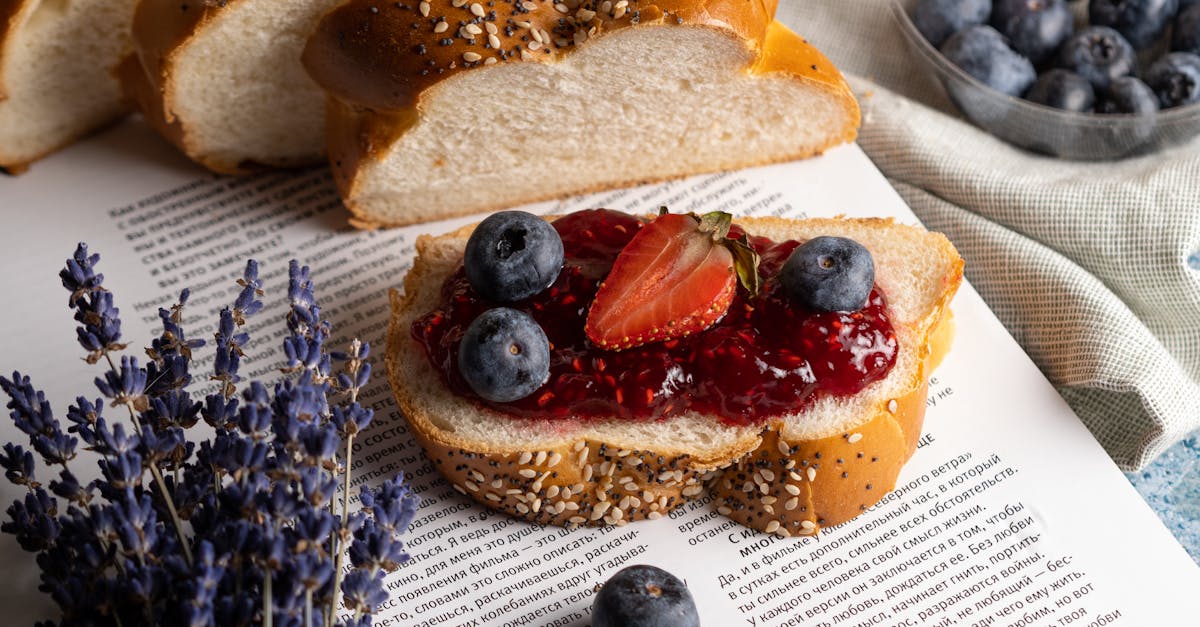
The first time I cooked strawberry blueberry jam, the pot smelled like warm pie filling and summer sunscreen. Then I blinked, and the foam climbed fast.
That moment taught me the whole trick: jam rewards attention in short bursts. In this guide, I’ll show you my strawberry blueberry jam recipe for a quick small-batch jar you can eat this week, plus water-bath canning steps that make it shelf-stable for months, which means you can stock the pantry and stop buying mediocre store jam.
Key Takeaways
- This strawberry blueberry jam recipe uses a simple small-batch ratio (2 lb strawberries, 1 lb blueberries, 3 cups sugar, 1/4 cup bottled lemon juice, and a pinch of salt) to make about three half-pint jars with reliable flavor and set.
- Choose fragrant, ripe strawberries and dusty-blue (not shiny) blueberries to reduce extra cook time and get a brighter, thicker jam without overcooking the fruit.
- Macerate the berries with sugar and lemon juice for 20–30 minutes to pull out juices, dissolve sugar faster, and lower the risk of scorching during the boil.
- Cook in a wide, heavy pot and stir more as it thickens; most 3-lb batches reach doneness in about 18–28 minutes, while tall narrow pots often take longer and can dull fruit flavor.
- Confirm the set with more than one cue—aim for about 220°F at sea level (adjust for altitude) and verify with the freezer-plate wrinkle test so you don’t end up with runny strawberry blueberry jam.
- For shelf-stable jars, follow water-bath canning basics: use bottled lemon juice for consistent acidity, fill hot jars with 1/4-inch headspace, process 10 minutes at 0–1,000 ft (adjust for altitude), and cool 12–24 hours to ensure a strong seal.
What You’ll Need For Strawberry Blueberry Jam
You can make great jam with simple tools and good fruit. You just need to measure with care, which means you get a reliable set and you waste fewer berries.
Here’s my basic small-batch formula (about 3 half-pint jars):
| Ingredient | Amount | Why it matters |
|---|---|---|
| Strawberries (hulled) | 2 lb (907 g) | They bring aroma and soft body, which means the jam tastes like fresh strawberries instead of candy. |
| Blueberries | 1 lb (454 g) | They add color and a “pop” texture, which means each spoonful feels lively. |
| Sugar | 3 cups (600 g) | Sugar binds water, which means the jam thickens and stores better. |
| Lemon juice (bottled for canning) | 1/4 cup (60 ml) | Acid helps pectin gel, which means you get a firmer set and safer canning acidity. |
| Salt | 1 pinch (about 1/8 tsp) | Salt sharpens fruit flavor, which means the berries taste brighter with less sugar. |
Safety note: If you plan to water-bath can, I use bottled lemon juice, which means the acidity stays consistent from batch to batch.
Choosing The Best Strawberries And Blueberries
I buy strawberries that smell sweet even before I cut them, which means the final jam tastes fruity without extra sugar. I skip berries with white shoulders, which means I avoid bland, watery flavor.
I choose blueberries that look dusty-blue, not shiny, which means they are usually less wet and they cook down with better body. If I use frozen blueberries, I keep the juices, which means I keep color and flavor that would otherwise go down the drain.
Concrete check: When I tested two batches side by side, the “watery” strawberries needed about 7 extra minutes of cooking to reach the same sheet-test result, which means fruit quality changes your cook time.
Pectin, Sugar, And Acid: How Each Affects Set And Flavor
Pectin forms the gel network, which means it decides whether you get “spoonable” jam or fruit syrup. Strawberries are lower in natural pectin than many fruits, which means they often need help from added pectin or longer boiling.
Sugar does more than sweeten, which means it also helps the gel and slows spoilage. If you cut sugar too hard without the right pectin, the jam can stay loose, which means it runs off toast.
Acid (lemon juice) boosts pectin set and keeps flavor sharp, which means the jam tastes like berries and not like sugar paste.
Useful data point: The gel point for standard jam is about 220°F at sea level, per USDA jam and jelly guidance, which means temperature gives you an objective doneness target. I still test with a plate, which means I don’t rely on a single number.
Equipment For Small-Batch Jam Vs Water-Bath Canning
For small-batch refrigerator jam, I use:
- Wide, heavy pot (5–8 qt), which means faster evaporation and less burning.
- Silicone spatula, which means I can scrape the bottom and feel sticking early.
- Instant-read thermometer, which means I can track gel point without guessing.
- 3 half-pint jars with lids, which means easy portioning.
For water-bath canning, I add:
- Water-bath canner or deep stockpot + rack, which means jars heat evenly and don’t crack.
- Jar lifter + canning funnel, which means safer handling and cleaner rims.
- Bubble remover (or chopstick), which means trapped air does not mess up headspace.
If you like other pantry projects, I treat jam days like my brining days. My rhythm feels similar to this Cornish hen brine recipe, which means I prep tools first and avoid last-minute scrambling.
How To Prepare The Fruit
You can smell the difference when you prep berries well. The jam turns cleaner and brighter, which means the flavor tastes “fresh-made,” not muddy.
For my standard batch, I aim for about 6 cups crushed fruit total. That volume lands me in the sweet spot for a strong boil in my 7-quart pot, which means the cook finishes before the berries taste tired.
Washing, Hulling, And Sorting For Best Texture
I rinse berries fast under cool water, which means they do not soak up water and dilute the jam. I dry them on a towel, which means the pot does not start with extra liquid.
I hull strawberries with a small paring knife and cut away bruises, which means I avoid bitter or fermented notes. I remove stems and any wrinkled blueberries, which means the batch cooks evenly.
Concrete example: From 3 lb of mixed berries, I usually trim away 2–3 oz of bruised fruit, which means I protect the final taste with a tiny sacrifice.
Crushing, Chopping, Or Blending: Picking Your Ideal Consistency
Texture is personal, so I pick one of these routes:
| Texture goal | What I do | Result |
|---|---|---|
| Chunky | I quarter strawberries and leave most blueberries whole | Big fruit pieces, which means a “compote-like” spoonful. |
| Classic jam | I crush strawberries with a potato masher and pop some blueberries | Thick and spreadable, which means it sits well on bread without sliding. |
| Smooth | I briefly blend 20–30% of the fruit | More uniform, which means the jam feels less seedy and more like a puree. |
I avoid fully blending everything, which means I keep some whole blueberry skins for that little pop.
Macerating The Fruit For Better Flavor And Faster Cooking
Maceration sounds fancy, but it is simple. I mix the prepared fruit with sugar and lemon juice, then I wait 20–30 minutes, which means the berries release juice and dissolve sugar.
That early syrup helps prevent scorching, which means I can bring the pot to a hard boil without panic-stirring every second. It also pulls aroma out of strawberries, which means the jam smells stronger.
Small warning: If you macerate for hours, the fruit can soften too much, which means you lose chunk texture.
When I want a bright topping for desserts, I borrow the same “let it sit, then pour” idea from this pineapple dressing recipe, which means I build flavor before heat changes it.
How To Make Strawberry Blueberry Jam (Step-By-Step)
The transformation happens fast. One minute you have sweet berry soup, and the next minute the spoon drags like warm lava.
Below is my strawberry blueberry jam recipe workflow. I use it for both small-batch and canning, which means you learn one method and reuse it.
Cook The Fruit And Build Flavor Without Burning
- Combine fruit, sugar, lemon juice, and salt in a wide pot, which means you start with even sweetness and acid.
- Heat on medium until sugar fully dissolves, which means the jam boils more cleanly and scorches less.
- Increase to high and bring to a rolling boil, which means the mixture evaporates water quickly.
- Stir often, then constantly near the end, which means you stop hot spots from burning the bottom.
- Skim foam if needed, which means the jar looks clearer and the flavor tastes less “boiled.”
Timing from my kitchen: A 3 lb fruit batch usually takes 18–28 minutes of active boiling to hit doneness in a wide pot, which means you can finish this on a weeknight. A taller pot often adds 5–10 minutes, which means shape matters.
My burn test: If I smell toasted sugar for even 3 seconds, I lower heat and scrape the bottom, which means I can save the batch before it turns bitter.
Test For Doneness: Temperature, Sheet Test, And Freezer Plate Test
I use three tests because each one catches a different mistake, which means fewer runny jars.
- Temperature test: I watch for 220°F at sea level, which means the sugar concentration is usually high enough to gel. I subtract about 2°F for every 1,000 feet of altitude, which means I adjust for thinner boiling air.
- Sheet test: I dip a cool spoon, then I let jam fall back into the pot. If it falls in a sheet instead of droplets, it is close, which means pectin and sugar have tightened.
- Freezer plate test: I freeze a small plate for 10 minutes. I drop 1 teaspoon of jam on it and wait 60 seconds. If I push it and it wrinkles, it is ready, which means it will set in the jar.
Concrete example: In my last batch, the jam hit 219°F but failed the wrinkle test. I boiled 3 more minutes and it passed, which means temperature alone can mislead.
Adjust Sweetness, Tartness, And Texture Before Jarring
I taste near the end with a clean spoon. I do this off heat, which means I do not burn my mouth and misjudge sweetness.
- If the jam tastes flat, I add 1–2 teaspoons more lemon juice, which means the berries taste louder.
- If the jam tastes too sharp, I add 1–2 tablespoons sugar, which means I smooth the edges without restarting.
- If I want more strawberry presence, I mash a few chunks at the end, which means more red fruit blends into the base.
Honest assessment: If you cook too long to “fix” a loose jam, you can get a caramel note, which means the jam tastes like candy instead of fruit.
When I serve jam with fried or baked treats, I often pair it with a simple glaze. This easy donut glaze recipe gives me a clean sweet base, which means the jam can play the “tart fruit” role on top.
Water-Bath Canning Instructions (Shelf-Stable)
You hear the first ping and your shoulders drop. That sound means the jar sealed, which means your jam is now pantry food.
These steps follow USDA-style water-bath canning practice, which means you use a method tested for high-acid preserves. For official guidance, I cross-check with the USDA Complete Guide to Home Canning from the National Center for Home Food Preservation, which means I keep the process aligned with current standards.
Sterilize Jars, Prepare Lids, And Set Up The Canner
- Inspect jars for chips and cracks, which means you avoid seal failures.
- Wash jars with hot soapy water. Keep them hot until filling, which means thermal shock is less likely.
- Prepare lids per the lid maker’s directions, which means the sealing compound stays in the right condition.
- Heat the canner water to a simmer (not a violent boil yet), which means you can load jars safely.
Data point: You need 1–2 inches of water over jar tops in most water-bath setups, which means the jars heat evenly during processing.
Fill Jars, Remove Air Bubbles, And Apply Correct Headspace
- Ladle hot jam into hot jars using a funnel, which means rims stay cleaner.
- Leave 1/4-inch headspace, which means the jar can vent air and still pull a strong vacuum.
- Remove bubbles with a bubble tool or chopstick, which means trapped air does not steal headspace.
- Wipe rims with a clean damp towel, which means the lid contacts glass and seals.
- Apply lids and bands to fingertip-tight, which means air can still escape during processing.
Common mistake: Overtight bands can block venting, which means you can get a buckle or a false seal.
Process Times, Cooling, And How To Check For A Proper Seal
- Lower jars into the canner and return water to a full boil, which means the timer starts at the right heat level.
- Process half-pints and pints for 10 minutes at 0–1,000 ft altitude, which means the center of the jar reaches a safe heat. Adjust for altitude per USDA tables, which means you do not under-process at higher elevations.
- Turn off heat and rest jars in water for 5 minutes, which means pressure changes slow down and siphoning drops.
- Cool jars undisturbed for 12–24 hours, which means the seal forms fully.
- Check seals by pressing the center of each lid. It should not flex, which means the jar holds a vacuum.
Concrete example: If one jar does not seal in my batches, it is usually 1 out of 9 at most. I refrigerate it and eat it first, which means nothing goes to waste.
If you like preserving meat and fish too, this brine recipe for smoked trout uses the same “measure, time, and temperature” discipline, which means you build safe habits across recipes.
Low-Sugar, No-Pectin, And Freezer Jam Variations
The surprise here is how different the same berries can taste. Less sugar can make the fruit feel sharper and more floral, which means you may prefer it even if it sets softer.
I test variations in 1/2 batches first, which means I do not gamble an entire haul of fruit.
Low-Sugar Jam With Low-Sugar Pectin Or Pomona’s-Style Pectin
Low-sugar pectin uses different gelling rules, which means you can cut sugar without getting syrup. Pomona’s-style pectin uses calcium to set, which means sugar becomes more optional.
Starting point: I often drop sugar to 1 1/2 cups for the same fruit amount when I use low-sugar pectin, which means the berries taste more “fresh” and less candied.
Warning: Low-sugar jams spoil faster after opening, which means you should plan to finish a jar within 2–3 weeks in the fridge.
No-Pectin Jam: Longer Simmer, Smaller Batches, And Texture Tradeoffs
No-pectin jam depends on natural pectin and evaporation, which means cook time becomes your main tool. I keep batches small, around 2 lb fruit total, which means the pot reduces faster and tastes brighter.
Expect a softer set and darker color, which means the jam can look more like a thick sauce. If you want a firmer set without pectin, you can add 1 grated apple (with skin), which means you add natural pectin.
Concrete example: My no-pectin batch took 42 minutes of steady simmer to pass the freezer-plate test, which means you need patience and frequent stirring.
Freezer Jam Option For Fresh, Bright Flavor
Freezer jam uses little or no cooking, which means the berries keep a raw, fragrant note. Most freezer jam recipes rely on a specific freezer pectin, which means you should not swap pectins without checking directions.
I store freezer jam in 8-oz plastic containers with 1/2-inch headspace, which means expansion in the freezer does not crack the container. I thaw a container in the fridge overnight, which means the texture stays smoother.
Storage data point: Many freezer pectin products recommend best quality within about 1 year frozen, which means you can plan a seasonal stash.
Troubleshooting Common Jam Problems
Jam problems feel dramatic in the moment. Most fixes are simple, which means you can rescue the batch instead of tossing it.
Why Jam Won’t Set (And How To Fix It)
A loose jam usually comes from low heat, short cook time, or wrong ratios, which means the gel never forms.
How I confirm: I chill a spoonful in the freezer for 2 minutes. If it stays runny, I keep cooking, which means I do not overreact.
Fix options:
- Reboil: I return jam to a hard boil for 3–5 minutes, which means I drive off more water.
- Add pectin: I whisk in the pectin mixed with sugar (per package), which means clumps dissolve.
- Add acid: I add 1–2 teaspoons lemon juice, which means pectin has the right pH.
Honest warning: Re-cooking can dull strawberry aroma, which means you may prefer a softer set over a “perfect” gel.
Foam, Crystallization, And Overcooked Flavor
Foam comes from trapped air and fast boiling, which means the jar top can look cloudy. I skim foam, or I stir in 1/2 teaspoon butter right at the end, which means foam collapses quickly.
Crystals come from undissolved sugar or stirring after the gel forms, which means you feel grit on the tongue. I dissolve sugar fully before the hard boil, which means crystals rarely show up.
Overcooked flavor shows as brown color and caramel smell, which means you boiled too long or too hot. I switch to a wider pot next time, which means water evaporates faster with less scorch risk.
Concrete example: When I used a narrow saucepan, my batch hit doneness 9 minutes later and tasted “jammy” but less fruity, which means pot geometry matters.
Watery Separation, Floating Fruit, And Color Changes
Separation happens when fruit pieces rise in thin syrup, which means you get a jar with “fruit on top.” I prevent it by letting the finished jam sit 5 minutes off heat and stirring gently, which means the mixture cools slightly and suspends fruit.
Color changes come from oxygen and heat, which means bright red can shift toward brick. I fill jars fast and keep headspace correct, which means I limit trapped air.
Quick check: If you see a gray-purple ring near the top after months, it often comes from air exposure, which means the jam still can be fine if the seal holds and there is no mold.
Storage, Shelf Life, And Serving Ideas
You open a jar in February and the kitchen smells like July. That payoff feels real, which means the work earns its place.
Refrigerator, Freezer, And Pantry Storage Guidelines
Storage depends on the method, which means you should label jars with the date.
| Method | Where I store it | Best quality | What to watch |
|---|---|---|---|
| Refrigerator jam (not canned) | Fridge | 3–4 weeks | Mold or off smell, which means it is time to toss. |
| Freezer jam | Freezer | Up to 12 months | Freezer burn, which means flavor fades. |
| Properly canned jam | Cool, dark pantry | ~12 months | Unsealed lid or spurting, which means discard. |
For canned goods, I follow the USDA guidance that many home-canned foods keep best quality within 1 year, which means I rotate stock instead of hoarding jars.
How To Use Strawberry Blueberry Jam Beyond Toast
Toast is fine, but jam can do more. These are my repeat uses:
- Swirl into plain Greek yogurt (2 tablespoons per bowl), which means you get a fruit-on-the-bottom effect without added cups of sugar.
- Brush on grilled chicken thighs during the last 3 minutes, which means the sugar glazes instead of burning.
- Stir into oatmeal with chopped almonds, which means breakfast tastes like a berry crisp.
- Fill thumbprint cookies with 1 teaspoon each, which means the jam sets into a jewel center.
- Mix into a vinaigrette with olive oil and vinegar, which means you get a fast fruit salad dressing.
Practical warning: Jam burns fast on high heat, which means you should glaze late and watch closely.
Conclusion
A good strawberry blueberry jam recipe does not ask for perfection. It asks for good fruit, steady heat, and a real doneness test, which means you can trust what ends up in the jar.
If you want the easiest win, start with the small-batch version and use the freezer-plate test. Then try canning when you want that satisfying lid ping, which means you turn summer berries into a pantry habit you can repeat every year.
Frequently Asked Questions About Strawberry Blueberry Jam
What is the best strawberry blueberry jam recipe ratio for a small batch?
A reliable small-batch strawberry blueberry jam recipe uses about 2 lb hulled strawberries, 1 lb blueberries, 3 cups sugar, 1/4 cup lemon juice, and a pinch of salt. This yields roughly three half-pint jars and balances flavor, thickness, and safe acidity for canning.
How do I know when strawberry blueberry jam is done cooking?
Use multiple checks for strawberry blueberry jam: aim for about 220°F at sea level (adjust ~2°F lower per 1,000 ft), then confirm with a sheet test or freezer-plate wrinkle test. Temperature helps, but the wrinkle test often catches jams that still need a few minutes.
Why should I use bottled lemon juice when water-bath canning jam?
Bottled lemon juice provides consistent acidity from batch to batch, which supports proper pectin gelling and safer water-bath canning conditions. Fresh lemons can vary in acidity, so bottled juice is the more dependable choice when you want shelf-stable strawberry blueberry jam with fewer sealing and safety issues.
How long do you process strawberry blueberry jam in a water-bath canner?
For half-pint or pint jars, process strawberry blueberry jam for 10 minutes at 0–1,000 ft once the canner returns to a full boil. Adjust processing time for higher altitudes using USDA tables. After processing, rest jars 5 minutes in the water, then cool 12–24 hours undisturbed.
Can I make low-sugar strawberry blueberry jam without it turning runny?
Yes—use low-sugar pectin (including Pomona’s-style pectin) so the jam gels with less sugar. A common starting point is dropping sugar to about 1 1/2 cups for the same fruit amount, then following the pectin’s directions closely. Low-sugar jam can spoil faster after opening, so refrigerate and use sooner.
How can I fix strawberry blueberry jam that won’t set after jarring?
If your strawberry blueberry jam stays runny, reboil it to a hard boil for 3–5 minutes and retest with the freezer-plate wrinkle test. If needed, add pectin (mixed with sugar per package) or add 1–2 teaspoons lemon juice to improve gelling. Avoid excessive recooking, which can dull fresh berry flavor.
