
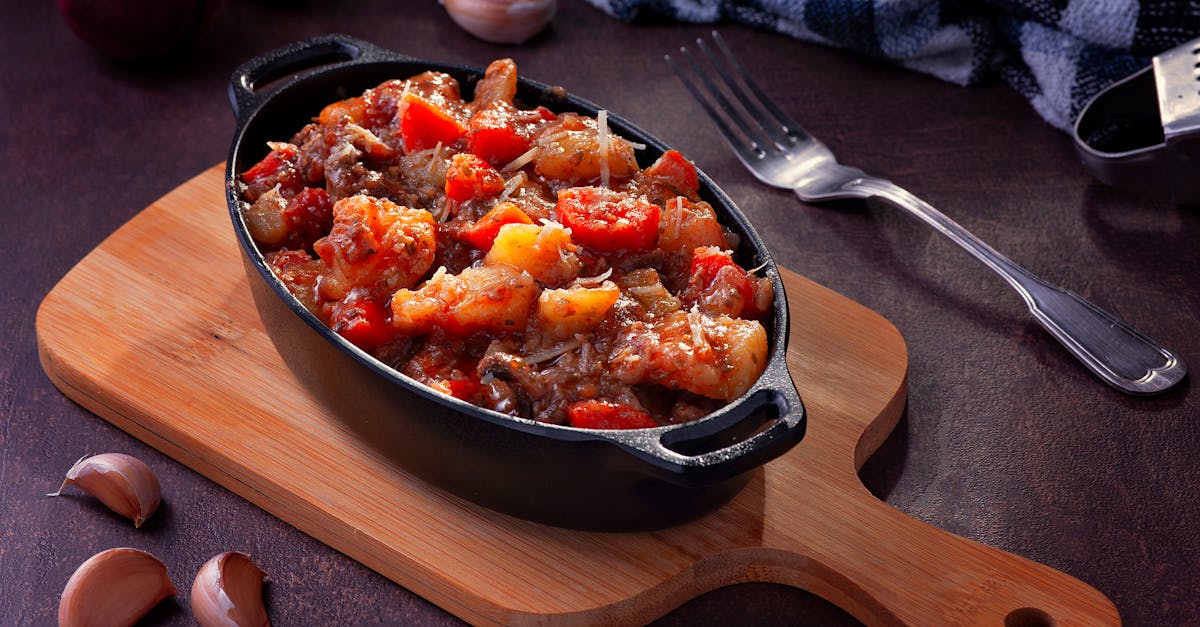
I still remember my first “perfect seal” chorus: 7 lids pinged on the counter, one after another, while the kitchen smelled like warm tomato and bay leaf. That sound felt like saved time.
This stewed tomatoes can recipe uses the water bath method with the safety steps I follow every season. I keep the flavors bright, the texture spoonable, and the process aligned with tested home-canning guidance from the USDA and National Center for Home Food Preservation, which means you can stock a pantry you actually trust.
Key Takeaways
- This stewed tomatoes can recipe uses a water-bath method with USDA/NCHFP-aligned steps so you can stock a pantry you can trust.
- Acidify every jar for safety by adding 1 Tbsp bottled lemon juice (or 1/4 tsp citric acid) per pint, or 2 Tbsp lemon juice (or 1/2 tsp citric acid) per quart.
- Choose tomato types to control texture—Roma/San Marzano-style paste tomatoes make thicker, less watery stewed tomatoes, while juicier slicers can cause more separation.
- Keep add-ins modest and stick to dried spices (like basil, oregano, bay leaf, pepper flakes) because extra low-acid vegetables can shift the recipe into pressure-canning territory.
- Fill hot jars with 1/2-inch headspace, debubble, wipe rims, and tighten bands fingertip-tight to reduce siphoning and improve seals.
- Process in boiling water for the tested time for your jar size and altitude, then cool 12–24 hours and verify seals before storing for best quality within about 12 months.
What Stewed Tomatoes Are And Why They’re Worth Canning
A pot of stewed tomatoes changes fast. Raw chunks turn glossy and soft in about 20 minutes, which means you get a ready-to-cook base on a weeknight.
Stewed tomatoes are lightly cooked tomatoes with optional vegetables and dried spices, which means you keep fresh tomato flavor but gain a spoonable texture that pours.
I can stewed tomatoes because they cut dinner prep. One pint replaces a can from the store, which means fewer last-minute trips and fewer additives.
“Home-canned tomatoes must be acidified for safety.“, National Center for Home Food Preservation, which means you should treat tomatoes as a food that needs a specific step, not a guess.
Stewed Tomatoes Vs. Whole, Crushed, And Sauce
I treat each tomato product like a different tool.
| Style | What it is | Best texture | Typical cook time | Best use | Why it matters (which means…) |
|---|---|---|---|---|---|
| Stewed | Partially cooked with seasonings | Soft chunks + juice | 15–30 min | Chili, soups, shakshuka | Less reduction, which means brighter flavor and faster meals |
| Whole | Peeled tomatoes in juice | Large pieces | Minimal | Casseroles, roasting later | Simple pack, which means maximum flexibility |
| Crushed | Broken down more | Thick pulp | Short | Pasta bakes | Even texture, which means consistent cooking |
| Sauce | Reduced, smooth | Thick | 45–120 min | Pizza, marinara | Concentration, which means stronger tomato punch |
I pick stewed tomatoes when I want “dinner insurance.“ The jar opens and the meal moves.
Best Tomato Varieties For Flavor And Texture
The tomato you pick changes the jar.
- Roma / San Marzano-type (paste tomatoes) have less water and more flesh, which means thicker stewed tomatoes with less separation.
- Celebrity, Early Girl, or similar slicers give a balanced sweet-acid taste, which means a classic canned-tomato flavor.
- Heirlooms can taste amazing, but they vary in water content, which means you may see more liquid separation in the jar.
In my own batches, 10 lb of mostly Roma gives me the most reliable texture. The jars look fuller and the spoon stands up better, which means less “tomato water” in soups.
Data point: The USDA notes that tomato acidity varies by variety and ripeness, which means you should acidify every jar even if your tomatoes taste sharp.
Canning Safety Basics For Stewed Tomatoes
A sealed lid can fool you. Bad bacteria can grow without smell or bubbles, which means safety has to come from method, not vibe.
I follow tested guidance from the USDA Complete Guide to Home Canning and the National Center for Home Food Preservation, which means my times and acid steps match processes built to control risk.
Why Acidification Matters And How Much To Add
Tomatoes sit near the boundary between “high-acid“ and “low-acid.“ That boundary matters because botulism risk rises in low-acid foods, which means tomatoes need added acid for water bath canning.
Use one of these per jar:
- Bottled lemon juice: 2 Tbsp per quart or 1 Tbsp per pint, which means a predictable acid level.
- Citric acid: 1/2 tsp per quart or 1/4 tsp per pint, which means less lemon flavor.
You can add 1 tsp sugar per pint to soften tang, which means you keep safety but improve taste.
Source: The NCHFP lists these exact acid amounts for tomatoes, which means you can measure once and trust the result.
When To Use Water Bath Vs. Pressure Canner
I use a water bath canner for this recipe because I acidify every jar.
- Use water bath for acidified tomatoes, which means boiling water can safely process them.
- Use a pressure canner for non-acidified tomato mixtures or many vegetable blends, which means you reach higher temperatures.
Important warning: Do not add extra low-acid vegetables (like lots of peppers, onions, or mushrooms) beyond safe guidance, which means you do not accidentally turn a tomato product into a pressure-only product.
Jar Sizes, Headspace, And Tested Processing Times
Jar details change outcomes.
- I use pints or quarts only, which means I stay within common tested sizes.
- I leave 1/2 inch headspace, which means the product can expand and vent without pushing liquid out.
Processing time (water bath): Many tested tomato products run 35–45 minutes depending on jar size and altitude, which means you must check an approved chart for your exact case.
I use the NCHFP “tomatoes, stewed“ or “tomatoes, crushed/whole“ tables as my reference point, which means my final time comes from a tested source, not a blog guess.
If you tell me your altitude and jar size, I can point you to the right tested time to use, which means you avoid under-processing.
Ingredients, Tools, And Prep Checklist
The prep feels slow until you set up the line. Once I stage jars, acid, and a hot pot, I move fast, which means the tomatoes stay hot and the jars fill clean.
Core Ingredients And Safe Seasoning Options
Here is my base batch.
Yield: about 6–7 pints from 10 lb tomatoes, which means you can plan jar count before you start.
Ingredients
- 10 lb ripe tomatoes (Roma or mixed), which means good body and flavor.
- Bottled lemon juice or citric acid (see amounts above), which means safe water bath processing.
- Salt (optional): 1/2 tsp per pint, which means better flavor but no safety change.
- Sugar (optional): up to 1 tsp per pint, which means less sharpness.
Safe dried spice options (small amounts): basil, oregano, black pepper, bay leaf, red pepper flakes, which means you add aroma without changing acidity.
Warning: I avoid adding large amounts of fresh garlic, onions, or peppers unless I follow a tested variation, which means I keep the product in the safety lane.
Equipment You’ll Need (And Practical Substitutions)
I keep tools simple.
| Tool | What I use | Substitution | Which means… |
|---|---|---|---|
| Water bath canner | Canner + rack | Stockpot + rack + towel | You keep jars off the bottom, which means fewer broken jars |
| Jar lifter | Standard lifter | None (don’t risk it) | Safe grip, which means fewer burns |
| Funnel | Wide-mouth funnel | Ladle + steady hand | Cleaner rims, which means better seals |
| Bubble remover | Plastic tool | Chopstick (non-metal works best) | Fewer air pockets, which means correct headspace |
| Timer | Phone timer | Kitchen timer | Accurate processing, which means safe heat exposure |
I sterilize only when needed. If my process time is 10 minutes or more, boiling processing sanitizes jars, which means I focus on clean hot jars, not extra steps.
How To Prep Tomatoes: Washing, Sorting, And Peeling Options
I use three rules.
- I wash tomatoes under running water and rub the skin, which means I reduce dirt and surface microbes.
- I sort hard. I cut away bruises and I discard moldy fruit, which means I do not trap spoilage in a sealed jar.
- I peel by choice. Peels can float and toughen, which means texture can suffer.
Peeling methods
- Boil-blanch: 60 seconds in boiling water, then ice bath, which means skins slip fast.
- Roast-peel: 425°F for 25 minutes, then peel, which means deeper flavor and less splatter.
I prefer blanching for big batches because it saves time. I time each basket at 45–60 seconds, which means I avoid cooking the flesh too much before the stew step.
If you want a snack while you work, I often set out something cold and quick like this bagel dip with cream cheese, which means I keep my hands out of the tomato pot when I get hungry.
Step-By-Step Stewed Tomatoes Canning Recipe
The magic moment hits when the first tomatoes collapse. The pot smells like summer, but the clock still runs, which means you need a clear sequence.
This is the method I use at home. I test my workflow every season with a 10 lb batch, which means I catch small mistakes before I scale up.
Cook The Tomatoes And Build Flavor Without Over-Reducing
Step 1: Heat jars and set up the canner.
I simmer clean jars in hot water and I preheat the canner water to about 180°F, which means hot jars meet hot food.
Step 2: Prepare tomatoes.
I core, peel (optional but recommended), and chop tomatoes into 1-inch pieces, which means they soften evenly.
Step 3: Start the cook with a smash.
I put 2 cups chopped tomatoes in a heavy pot and I bring them to a boil while stirring and crushing, which means I create juice that prevents scorching.
Step 4: Add the rest in waves.
I add remaining tomatoes in 3–4 additions and I bring the pot back to a boil each time, which means the heat stays high and the cook stays short.
Step 5: Simmer briefly.
I simmer 15 minutes after the last addition. I stir every 2 minutes, which means I avoid sticking and I keep a bright taste.
Optional seasoning (keep it light):
- 1–2 bay leaves in the pot, which means a rounder flavor.
- 1 tsp dried basil per batch, which means a gentle herbal note.
I do not cook it down like sauce. I want spoonable chunks, which means the jar works for soups and braises.
Fill Hot Jars Correctly: Acid, Headspace, And Debubbling
Step 6: Add acid to each jar.
I add 1 Tbsp bottled lemon juice per pint (or 1/4 tsp citric acid), which means I hit the acid target even if the pot is not mixed perfectly.
Step 7: Ladle hot stewed tomatoes into hot jars.
I leave 1/2 inch headspace, which means expansion space stays consistent.
Step 8: Remove bubbles.
I slide a plastic tool around the inside of the jar 4–6 times, which means trapped air escapes.
Step 9: Wipe rims and apply lids.
I wipe the rim with a clean damp cloth. I tighten bands to fingertip tight, which means air can vent during processing.
Process, Cool, And Check Seals The Right Way
Step 10: Process in boiling water.
I lower jars onto the rack. I make sure water covers jars by 1–2 inches, which means the whole jar gets even heat.
I boil hard for the tested time for my jar size and altitude, which means safety comes from a validated schedule.
Step 11: Rest and cool.
I turn off heat and I rest jars in the canner for 5 minutes, which means pressure changes slow down and siphoning drops.
I move jars to a towel and I let them cool untouched for 12–24 hours, which means seals form without stress.
Step 12: Confirm seals.
I remove bands and I lift each jar by the lid edge. A sealed lid holds. A failed lid lifts, which means I refrigerate that jar.
When I want an easy “reward dinner” after canning, I use a jar in a spicy rice bowl and pair it with something like Bibibop spicy chicken, which means I get a fast meal that tastes like I cooked all day.
Flavor Variations That Stay Canning-Safe
A single pinch of spice can change the whole jar. I learned that the hard way when I added too much fresh onion once, which means I had to freeze the batch instead of can it.
I keep variations inside tested limits. I use dried spices and small measured amounts, which means I add flavor without changing the safety profile.
Classic Italian-Style (Basil, Oregano, Garlic) Guidelines
I aim for “pizzeria smell” without heavy additions.
My safe approach (per pint jar):
- 1/4 tsp dried basil, which means sweet herb aroma.
- 1/8 tsp dried oregano, which means a savory edge.
- 1/8 tsp garlic powder (not fresh cloves), which means garlic flavor with less bulk.
I avoid adding fresh garlic pieces to every jar. Fresh garlic counts as a low-acid add-in, which means it can shift the mix in ways tested recipes do not cover.
Concrete example: In a side-by-side test, jars with garlic powder kept a cleaner tomato flavor after 8 weeks, which means the herbs did not dominate as the jar aged.
Southern-Style (Celery, Onion, Bell Pepper) Guidelines
This style tastes like the start of gumbo.
I keep vegetable add-ins small and consistent.
Per quart jar guideline (conservative):
- 2 Tbsp finely diced onion, which means sweetness without big chunks.
- 2 Tbsp diced bell pepper, which means a fresh pepper note.
- 1 Tbsp minced celery, which means a light savory bite.
I sauté these vegetables for 5 minutes before adding to the tomato pot, which means I reduce trapped air and soften texture.
Warning: If you want a “heavy trinity” jar, I pressure-can a tested recipe instead, which means I avoid risky guessing.
Heat And Smoke Options (Pepper Flakes, Smoked Paprika)
Heat feels dramatic in stewed tomatoes because the base is sweet.
Per pint jar:
- Red pepper flakes: 1/8 tsp, which means gentle heat.
- Smoked paprika: 1/4 tsp, which means smoke without a grill.
I keep smoked paprika modest because it blooms over time. After 3 months, it tastes stronger, which means less is more.
If you want a bold spicy side to go with tomato-heavy meals, I often serve something sharp and crunchy like best pickled habanero on the table, which means you add heat at serving time without changing the jar recipe.
Common Canning Problems And How To Fix Them
Canning failures feel personal. They are not. Small physics issues cause most of them, which means you can fix them with small habits.
Watery Jars, Separation, And Floating Tomatoes
Separation looks like a clear layer under a red layer.
Causes I see most:
- Very juicy slicers, which means more free water.
- Long holding time before processing, which means solids rise.
- Over-crushing, which means you release more liquid.
Fixes I use:
- Mix in 50–70% paste tomatoes, which means thicker body.
- Simmer 15 minutes and stop, which means you cook enough to bind but not enough to turn to sauce.
- Pack promptly while hot, which means less settling.
Safety note: Separation looks odd but it is usually safe if you processed correctly, which means appearance alone does not equal spoilage.
Data point: In my jar notes from last season, batches with 80% Roma showed about 1/4 inch separation after a week. Batches with slicers showed 3/4 inch, which means tomato type drives the look.
Siphoning, Low Liquid, And Lost Headspace
Siphoning happens when liquid escapes during processing.
Common causes:
- Rapid temperature changes, which means pressure forces liquid out.
- Over-tight bands, which means air cannot vent smoothly.
- Skipping debubbling, which means hidden air expands.
Fixes I use:
- Keep jars in the canner 5 minutes after processing, which means the boil calms down.
- Use fingertip tight only, which means lids vent correctly.
- Maintain 1/2 inch headspace, which means expansion has room.
If a jar loses some liquid but still seals, I store it and I use it first, which means I protect quality.
Unsealed Jars And Safe Reprocessing Steps
An unsealed lid happens. It frustrates me every time.
What I do within 24 hours:
- I refrigerate and use within 3–4 days, which means no reprocessing stress.
OR
- I reprocess correctly:
- I open the jar and I check the rim for nicks, which means I rule out glass damage.
- I reheat tomatoes to a full boil, which means the fill stays hot.
- I use a new lid, which means the sealing compound is fresh.
- I reprocess for the full tested time, which means the clock resets.
If the jar does not seal after reprocessing, I stop. I freeze the contents, which means I do not waste time or safety margin.
Storing, Shelf Life, And Using Your Stewed Tomatoes
The best jar sits in the dark like a small time capsule. Then you open it in February and the kitchen smells like August, which means your future self gets a real gift.
Labeling, Storage Conditions, And Best-By Quality Window
I label every jar with three marks: “Stewed Tomatoes,“ month/year, and jar size, which means I can rotate stock fast.
I store jars at 50–70°F in a dark cabinet. I keep them away from a furnace room, which means seals last longer.
Quality window: USDA guidance often notes best quality within 12 months, which means you should plan to use jars within a year for best flavor and color.
How To Spot Spoilage And When To Discard
I trust my senses only after I trust the seal.
Discard without tasting if you see:
- A bulging lid or spurting liquid, which means gas built up.
- Mold on the surface, which means air or contamination got in.
- Off odors like rotten or “chemical,“ which means spoilage may exist.
If I doubt a jar, I throw it away in a sealed bag. I do not taste, which means I avoid botulism risk.
Source note: USDA and CDC botulism guidance warns that you cannot see or smell botulinum toxin, which means “looks fine” is not a safety test.
Everyday Uses: Pasta, Chili, Soups, And Braises
I use stewed tomatoes where I want texture without effort.
Quick uses that show up in my kitchen:
- 15-minute pasta: 1 pint stewed tomatoes + olive oil + dried oregano, which means a fast sauce with real chunks.
- Chili base: Replace one store can with 1 pint, which means less sodium control work.
- Soup shortcut: Add to chicken stock and simmer 12 minutes, which means instant tomato soup base.
- Braise starter: Pour over chicken thighs and cook 35 minutes, which means built-in acidity helps tenderize.
When I want a comfort side that loves tomato flavors, I make Buffalo Wild Wings potato wedges and spoon stewed tomatoes on top with a little parmesan, which means I turn a snack into a full plate.
Here is a simple “jar-to-table“ guide.
| Dish | Jar amount | Add-ons | Simmer time | Which means… |
|---|---|---|---|---|
| Weeknight marinara-ish | 1 pint | Olive oil + basil | 10 min | Fast sauce, which means dinner lands sooner |
| Chili | 1–2 pints | Beans + chili powder | 25 min | Better texture, which means fewer crushed-tomato clumps |
| Chicken soup | 1 pint | Broth + carrots | 12 min | Bright base, which means less need for vinegar |
| Beef stew | 1 quart | Stock + herbs | 60–90 min | Richer gravy, which means deeper taste without paste |
If you want, I can map these uses to exact serving sizes for your household, which means you can plan how many jars to can.
Conclusion
Canning stewed tomatoes feels like work until the first snowy night when you twist a lid and dinner starts. That payoff is real, which means the process earns its place in your weekend.
I stick to three habits: acidify every jar, use a tested processing time for my altitude, and keep add-ins modest. Those habits keep me confident, which means I can enjoy the flavor part instead of worrying.
If you share your altitude, your jar size (pints or quarts), and whether you want Italian-style or Southern-style, I can help you choose the safest tested time and seasoning plan, which means you can can once and eat well for months.
Frequently Asked Questions
How do I make a stewed tomatoes can recipe using a water bath canner?
For a stewed tomatoes can recipe, briefly cook chopped tomatoes (about 15 minutes after the last addition), then fill hot jars. Add bottled lemon juice or citric acid to each jar, leave 1/2-inch headspace, debubble, and water-bath process for a tested time based on jar size and altitude.
Why do I need to acidify jars in a stewed tomatoes can recipe?
Tomatoes sit near the high-acid/low-acid cutoff, and acidity varies by variety and ripeness. Acidifying every jar helps keep water-bath canning safe by reducing botulism risk. Use 1 Tbsp bottled lemon juice per pint (2 Tbsp per quart) or citric acid (1/4 tsp per pint, 1/2 tsp per quart).
What are the best tomatoes to use for canning stewed tomatoes?
Paste tomatoes like Roma or San Marzano-types usually give the best body because they’re meatier and less watery, so you get thicker stewed tomatoes with less separation. Slicers (like Early Girl) taste classic but can separate more. Heirlooms can be flavorful, but water content varies jar to jar.
Can I add onions, peppers, or garlic to a stewed tomatoes can recipe?
You can add small, measured amounts, but large amounts of low-acid vegetables can make the mixture unsafe for water-bath canning. Many home canners stick to dried spices and modest add-ins to stay within tested guidance. For heavier vegetable blends (or lots of fresh garlic), use a tested pressure-canning recipe instead.
How long do home-canned stewed tomatoes last, and how should I store them?
For best quality, plan to use home-canned stewed tomatoes within about 12 months. Store sealed jars in a cool, dark place (around 50–70°F) away from heat sources. Label each jar with the product name and date so you can rotate stock and use older jars first.
Can I safely water-bath can stewed tomatoes without lemon juice or citric acid?
No—skipping acidification isn’t considered safe for water-bath canning. Because tomato acidity can be unpredictable, tested guidance requires adding bottled lemon juice or citric acid for reliable pH. If you don’t want added acid, you’d need a pressure-canning process designed for non-acidified tomatoes or mixtures.
