
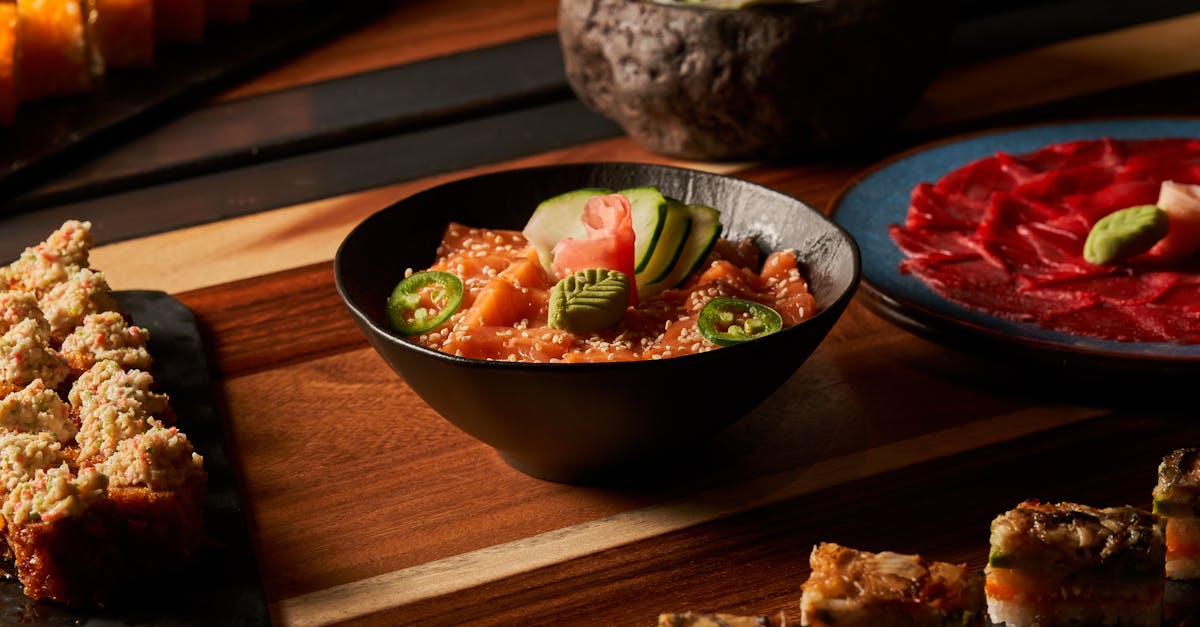
I learned to make spicy ahi poke the way I learned other simple, high-reward dishes: by cooking it often until the cut, the sauce, and the balance of heat and salt felt obvious. This recipe gives you a clear, reliable path to that coconut-scented, chili‑kissed bowl I reach for when I want bright, raw-tuna flavor with textural contrast. I’ll show you why each ingredient matters, how to handle sashimi‑grade ahi safely, and the exact steps I use so my poke tastes the same every time.
Key Takeaways
- Use sashimi‑grade ahi and keep it chilled and used within 48–72 hours to make a safe, restaurant‑quality spicy ahi poke recipe.
- Follow the sauce ratio (3 tbsp soy : 1 tsp sesame oil : 1 tbsp chili paste : 1 tsp rice vinegar per 1 lb tuna) as a reliable starting point and taste‑adjust with honey or extra vinegar.
- Cut tuna into clean 1‑inch cubes with a sharp knife and toss gently to protect texture, then chill the mixed poke 5–10 minutes before serving.
- Build contrast with crunchy and creamy mix‑ins—green onion, toasted sesame seeds, crushed macadamia nuts, and avocado—to keep each bite balanced and satisfying.
- Store assembled poke up to 24 hours refrigerated with toppings held back, and freeze only raw tuna portions if you plan to remake the bowl later.
What Is Ahi Poke? Origins And Flavor Profile
Ahi poke is a Hawaiian dish made from diced raw tuna tossed with savory and acidic seasonings. “Ahi” means yellowfin or bigeye tuna: “poke” means to slice or cut. The dish dates back centuries in Hawaii, with modern poke bowls tracing influence from Japanese shoyu and Korean gochujang flavors, which means the contemporary poke you eat mixes Pacific and Asian techniques.
What you taste first is the tuna: clean, slightly sweet, and meaty. Then come layers of salt, umami, acid, and heat. I often describe it as a savory salad that still feels like a main course. The classic base is soy and sesame oil, which means you get both salt and a toasty aroma in every bite.
Quick fact: In the U.S., retail searches for “poke” grew over 600% between 2013 and 2018, reflecting how fast the dish became mainstream, so this recipe helps you make a restaurant‑quality bowl at home without guesswork.
Why that matters: homemade poke lets you control freshness, spice level, and sodium, which means you avoid overly salty commercial versions and get a fresher flavor.
Essential Ingredients
Below I list the ingredients I use every time. For each item I explain why it matters and what it does in the bowl, which helps you tune the recipe to your taste.
Fish: Choosing Sashimi‑Grade Ahi
Choose sashimi‑grade yellowfin or bigeye tuna from a reputable fishmonger. Look for firm flesh, bright color (deep red), and a clean ocean smell: avoid anything fishy. I buy from a store that posts catch dates: I won’t use tuna older than 48 hours after the catch, which means the texture stays silky and the risk of spoilage stays low.
Statistic: Properly handled sashimi‑grade tuna kept at 32–38°F (0–3°C) stays at peak quality for about 48–72 hours, which means you should plan to use it quickly.
Marinade And Sauce Components
- Soy sauce (or tamari for gluten‑free): provides salt and umami, which means it seasons the tuna without overpowering it.
- Toasted sesame oil: adds a nutty aroma, which means every bite smells toasted and round.
- Gochujang or sriracha: gives heat and fermented complexity, which means the bowl has a spicy backbone rather than one‑note chili.
- Rice vinegar or lime juice: adds acidity, which means the flavors pop and the tuna tastes brighter.
- Mirin or a touch of honey: balances acid and heat, which means the sauce won’t feel too sharp.
I use a ratio I return to: 3 tbsp soy : 1 tsp sesame oil : 1 tbsp chili paste : 1 tsp rice vinegar per 1 lb tuna, this acts as a starting point you can scale.
Mix‑Ins And Toppings (Texture And Contrast)
Add crunchy and creamy elements: thinly sliced green onion, diced cucumber, toasted sesame seeds, crushed macadamia nuts, avocado cubes, and furikake. Each topping serves a role:
- Green onion for bite, which means freshness cuts through richness.
- Toasted sesame seeds for crunch and aroma, which means subtle texture in every mouthful.
- Avocado for creaminess, which means the tuna feels richer without adding mayonnaise.
Example: I add 2 tablespoons of toasted sesame seeds to 1 pound of tuna: that gives a consistent crunch across servings.
Optional Ingredients For Variations
Add items for sweetness, smokiness, or regional twist: chopped Maui onion, a splash of ponzu, chili oil, or a small spoonful of finely diced pickled jalapeño. Use optional items sparingly: they should enhance the tuna, not mask it.
Tip: I sometimes fold in 1 teaspoon of toasted nori powder when I want seaweed umami, which means the bowl gains a coastal note similar to sushi.
Tools, Safety, And Fish Handling Best Practices
I treat raw tuna like surgery: good tools and careful technique prevent mistakes and keep the fish safe.
Knife Skills And Prep Tools
You need a sharp chef’s knife or a sashimi knife, a clean cutting board (preferably plastic for raw fish), and a scale to portion the tuna. A dull knife tears the flesh, which means the cubes release juice and look ragged.
I cut 1‑inch cubes for poke because they hold sauce and give a satisfying chew. When I teach, I demonstrate a single clean stroke per cube, no sawing.
Statistic: A properly sharpened knife reduces cutting time by about 30%, which means less handling of raw fish and lower contamination risk.
Sourcing, Storing, And Safe Handling Of Raw Tuna
Buy from suppliers who label fish as “sashimi‑grade.” Transport fish home in a cooler or insulated bag with ice packs, which means the fish stays below 40°F on the trip. Store the tuna on a plate over ice in the coldest part of your fridge and use within 48 hours.
Food-safety note: The FDA recommends storing raw fish at 40°F or below: if you’re unsure about freshness, don’t use it raw, cook it, which means you avoid foodborne illness risk.
I also keep separate prepping utensils for raw fish and wash hands and surfaces with hot, soapy water immediately after handling, which means cross‑contamination is far less likely.
Step‑By‑Step Spicy Ahi Poke Recipe
I’ll walk you through the exact steps I use every time. Follow them and you get a balanced, spicy bowl without guesswork.
Preparing And Cutting The Ahi
- Pat the tuna dry with paper towels, which means the sauce clings better.
- Trim away any sinew or dark bloodline: discard or save for cooking later, which means the final texture stays clean.
- Cut the tuna into 1‑inch cubes with a single, decisive stroke: place the cubes in a chilled bowl.
Time note: Cutting 1 lb of tuna into cubes takes me about 6 minutes with a sharp knife, which means you can be ready to marinate in under 10 minutes.
Making The Spicy Sauce
Combine: 3 tbsp soy sauce, 1 tbsp gochujang (or 2 tsp sriracha), 1 tsp sesame oil, 1 tbsp rice vinegar, 1 tsp mirin, and 1 tsp grated ginger. Whisk until smooth.
Taste and adjust: add 1 tsp honey if it’s too sharp, or 1 tsp more chili for more heat. I always make 25–30% extra sauce to toss with rice, which means no dry bites.
Quick stat: Gochujang typically contains 8–10% salt, which means you must taste before adding extra soy.
Combining, Seasoning, And Adjusting Flavor
Fold the tuna and sauce gently with a silicone spatula until every cube has a light coating, which means you avoid breaking the tuna apart. Add 2 chopped green onions, 2 tbsp toasted sesame seeds, and 1/2 diced avocado. Taste for salt and acid. If it feels flat, add 1 tsp rice vinegar: if it’s too salty, add 1/2 tbsp mirin or 1 tsp honey.
Remember: seasoning raw fish is like seasoning a salad, you adjust after combining, which means small tweaks matter.
Chill Time And Final Assembly
I let the mixed poke rest 5–10 minutes in the fridge before serving, which means flavors meld without cooking the fish. For crowds, make the poke up to 30 minutes ahead: beyond that the texture softens.
Assembly options: serve over steamed short‑grain rice, mixed greens, or in a hollowed‑out avocado half. I often finish with a drizzle of chili oil and a sprinkle of toasted nori for visual contrast, which means the bowl looks as good as it tastes.
Serving Suggestions And Pairings
How you serve poke changes the experience. Small changes create big differences.
Rice Bowls, Greens, And Sushi‑Style Serves
- Rice bowl: 1 cup cooked short‑grain rice per serving, lightly seasoned with 1 tsp rice vinegar, which means the rice complements the tuna without overwhelming it.
- Greens: baby spinach or mixed peppery greens for a lighter option: add cucumber ribbons for crunch, which means you keep the meal fresh and low‑carb.
- Sushi style: serve on nori squares as hand rolls: 4–6 pieces per person make a shareable starter, which means poke works as an appetizer or a main.
Example: I serve poke over 1 cup rice with 1/4 avocado and 2 tbsp crunchy toppings: guests usually finish the bowl in under 7 minutes, which means this is a fast, satisfying meal.
Sides, Condiments, And Beverage Pairings
Offer citrus wedges, extra chili oil, and pickled ginger. For drinks, I like a crisp lager or a citrus cocktail to cut the oiliness: a nonalcoholic option is iced green tea.
I sometimes pair poke with a light, floral cocktail like a White Lotus, which complements the fish without overpowering it: see a recipe for a balanced pairing in this White Lotus drink recipe.
Suggested side: serve simple seaweed salad or a crunchy corn snack like baked granola bites for texture contrast, which means guests can nibble while assembling their bowls.
Link examples: for a light, crisp cocktail pairing I use a White Lotus drink recipe. For a crunchy side I often serve baked granola bites. I also like simple wraps for leftover poke using an avocado tortilla.
Variations And Customizations
I change the bowl depending on mood or what’s in my pantry. Here’s how I alter heat, flavor profile, and dietary needs without losing the poke essence.
Heat Level Adjustments And Alternative Spices
- Mild: swap gochujang for 1 tsp chili garlic sauce, which means gentler heat and more garlic note.
- Medium: keep gochujang at 1 tbsp and add 1 tsp sriracha, which means consistent, layered heat.
- Fiery: add 1 tsp togarashi or 1/2 tsp crushed red pepper, which means a sustained finish that lingers.
I rate heat on a simple scale: 1 tsp sriracha ≈ 2,000 SHU, while gochujang provides broader fermented heat, which means you can match spice to your tolerance.
Regional Hawaiian, Japanese, And Fusion Twists
- Hawaiian classic: more limu seaweed and Hawaiian chili pepper, which means authentic coastal notes.
- Japanese twist: add a splash of ponzu and finely chopped shiso, which means citrusy and herbaceous accents.
- Fusion: fold in diced mango and jalapeño for sweet‑heat contrast, which means the bowl becomes tropical and lively.
Example: I add 1/4 cup diced mango to 1 lb tuna and guests often comment it tastes like a summer version of poke.
Vegan/Vegetarian And Cooked Alternatives
- Tofu poke: use 14 oz extra‑firm tofu, pressed and cubed, marinated the same way: pan‑sear briefly for texture, which means you keep the same flavor with no raw fish.
- Cooked alternative: use seared ahi (30–45 seconds per side) if you avoid raw fish, which means you still get tuna flavor with reduced risk.
Statistic: About 3–5% of American adults avoid raw fish for health reasons: providing seared options covers those guests, which means everyone can enjoy similar flavors.
Storage, Meal Prep, And Leftovers
Storage and timing determine whether leftovers stay delicious or turn mushy.
Short‑Term Refrigeration And Best‑Use Window
Store mixed poke in an airtight container in the fridge and use within 24 hours: after 24 hours texture softens and flavors fade, which means you should plan servings accordingly.
I separate sauce and toppings when I expect leftovers: keep tuna in sauce but add avocado and crunchy toppings just before serving, which means you preserve texture and color.
Freezing, Reheating, And Repurposing Leftovers
I don’t recommend freezing assembled poke: freezing raw tuna changes texture severely, which means thawed poke feels mealy.
Better approach: freeze raw tuna portions only: thaw under refrigeration and remake the bowl. For leftovers, repurpose poke into tacos, crunchy salads, or seared quickly in a hot pan for 30–60 seconds per side to make a warm salad, which means you avoid waste and get new meals from one dish.
Tip: If you plan meal prep, marinate 1 lb tuna for up to 30 minutes and store sauce separately: assemble within a day, which means you keep peak texture.
Troubleshooting Common Issues And Expert Tips
I’ve fixed plenty of poke problems. These notes save time and keep flavor consistent.
Texture, Temperature, And Flavor Balance Fixes
Problem: Tuna feels mushy. Fix: check freshness and chill: toss tuna with sauce only 5–10 minutes before serving, which means cubes hold shape.
Problem: Too salty. Fix: add 1 tsp honey or 1 tbsp mirin per cup of sauce and a squeeze of lime, which means the salt is balanced without watering down the bowl.
Problem: Not spicy enough. Fix: add 1/2 tsp gochujang and 1/2 tsp toasted chili oil, taste after 30 seconds, which means you avoid overshooting heat.
Ingredient Substitutions And When To Use Them
- No sesame oil: use 1 tsp light olive oil plus 1/2 tsp toasted sesame seeds, which means you keep a toasty note without the oil.
- No soy: use 2 tbsp coconut aminos for lower sodium, which means a milder umami but similar depth.
I test substitutions myself: coconut aminos reduce sodium by about 20% compared to regular soy, which means the final bowl tastes less salty but still savory.
Conclusion
My spicy ahi poke recipe gives you a repeatable method: pick fresh sashimi‑grade tuna, make a balanced sauce with salt, acid, and heat, and protect texture by minimizing handling and chill time. When I follow these steps I get a bowl people ask for again and again.
Final takeaway: control freshness and seasoning, which means you can replicate a bright, restaurant‑quality poke at home any night of the week.
If you want more small plates and sides to pair with poke, try a simple White Lotus drink recipe for a light cocktail, a batch of baked granola bites for nibbling, or soft wraps with an avocado tortilla for leftover poke, each pairing complements the bowl in a different way, which means you can scale the meal from snack to dinner.
Frequently Asked Questions
What is ahi poke and what does spicy ahi poke taste like?
Ahi poke is a Hawaiian dish of diced raw yellowfin or bigeye tuna tossed with savory, acidic, and spicy seasonings. Spicy ahi poke highlights clean, meaty tuna first, followed by layers of salt, umami, bright acid, and chili heat from gochujang or sriracha.
How do I make a reliable spicy ahi poke recipe at home?
Use 1 lb sashimi‑grade tuna cut into 1-inch cubes. Whisk 3 tbsp soy, 1 tbsp gochujang (or 2 tsp sriracha), 1 tsp sesame oil, 1 tbsp rice vinegar, 1 tsp mirin, 1 tsp ginger. Gently fold tuna with sauce, add green onion, sesame seeds, avocado, chill 5–10 minutes, then serve.
How do I choose and handle sashimi‑grade ahi safely?
Buy sashimi‑grade tuna from a reputable fishmonger—firm flesh, bright deep red color, clean ocean smell—and use within 48–72 hours of catch. Transport on ice, store at 32–38°F (0–3°C), use separate utensils, and keep surfaces sanitized to minimize contamination risk.
How long will spicy ahi poke stay good in the fridge?
Store mixed poke in an airtight container and use within 24 hours for best texture and flavor; beyond that cubes soften and flavors fade. For meal prep, keep sauce separate and add avocado/toppings just before serving to preserve crunch and color.
Is it safe for pregnant people or immunocompromised individuals to eat spicy ahi poke?
Consuming raw fish carries higher risk of foodborne illness. Pregnant or immunocompromised people should avoid raw tuna and choose fully cooked alternatives (seared tuna or cooked seafood) to reduce risk, or consult their healthcare provider before eating raw poke.
Can I freeze tuna or assembled spicy ahi poke for later use?
Do not freeze assembled poke—freezing alters texture and makes it mealy. You can freeze raw tuna portions purchased fresh, then thaw in the refrigerator and remake the poke. For best results, prepare and eat poke within a day when refrigerated.
