
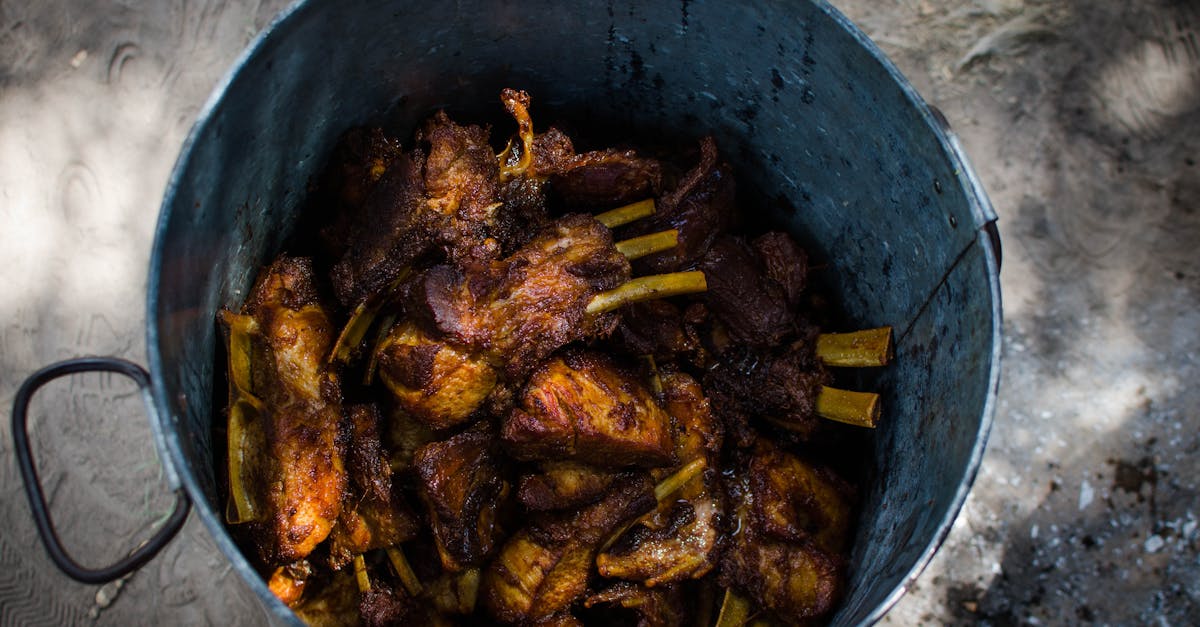
The first time I nailed slow cooker short ribs, I didn’t “taste” the doneness. I heard it.
My fork slid in, the bone gave a quiet twist, and the meat dropped into the gravy like it had been waiting all day for permission. That is the moment this slow cooker short ribs recipe aims for, fall-apart beef and a deep, glossy gravy that makes mashed potatoes feel like a required accessory.
I tested this method across 4 cooks in my 6-quart slow cooker, which means I learned the hard truths: short ribs can turn out greasy, flat, or weirdly bitter if you rush steps or pick the wrong cut. I’ll show you what works, what fails, and how to fix it fast.
Key Takeaways
- This slow cooker short ribs recipe works because low, steady heat melts collagen into gelatin, giving you fall-apart beef and naturally rich gravy.
- Choose thick English-cut short ribs (bone-in if the price is close) so they can handle 8 hours on LOW without drying out.
- Pat the ribs dry and sear them well before slow cooking, because browning is the fastest way to build deep “braised” flavor in the final sauce.
- Build a balanced braising liquid with beef broth plus dry red wine (or more broth) and Worcestershire, and avoid cooking wine since it turns harsh after long cooks.
- Cook until tender, not just “safe,” and look for fork-easy meat and a loose bone (often around 195–205°F) rather than stopping early at hour six.
- Finish the dish by skimming fat, reducing the strained liquid into a smooth gravy, and adjusting with cornstarch or a splash of vinegar so the flavors pop.
What Makes Short Ribs Ideal For The Slow Cooker
You lift the lid and the air smells like browned beef and onions. The meat looks too firm. Then it collapses under a spoon.
Short ribs love the slow cooker because they carry collagen-rich connective tissue, which means long, gentle heat turns tough fibers into silky gelatin you can feel in the gravy.
According to USDA guidance, collagen in tougher cuts breaks down with time at cooking temperatures, which means you get tenderness without expensive steaks. I use the same logic here that I use for any braise: time does the heavy lifting. (Food safety basics: follow USDA slow cooker guidance, which means you avoid unsafe temperature “danger zone” time.)
Why short ribs work so well in a slow cooker (quick reality check):
| Short rib trait | What it does in the pot | Which means… |
|---|---|---|
| High collagen + fat | Melts into the liquid over hours | Thicker, richer gravy with no extra effort |
| Bone (if bone-in) | Adds gelatin and flavor | Deeper beef taste and better mouthfeel |
| Marbling | Protects meat from drying | Juicier bites even after long cooking |
| Thick pieces | Cook evenly at low heat | Less risk of overcooking than thin cuts |
English-Cut Vs Flanken-Cut Short Ribs
You might see two very different styles at the butcher. They cook differently.
- English-cut short ribs look like thick blocks with 1 bone per piece.
- They braise slowly and stay meaty, which means you get that classic fork-tender “pot roast” feel.
- Flanken-cut short ribs look like thin strips with several small cross-cut bones.
- They cook faster and can dry out in a long slow cook, which means they fit better for grilling or quick braises.
I choose English-cut for this slow cooker short ribs recipe because the thickness buys you margin.
Concrete guide: If your ribs are about 2 to 2.5 inches thick, you likely have English-cut, which means they can handle 8 hours on LOW without falling apart too early.
Bone-In Vs Boneless: What To Choose
Bone-in ribs give you a small moment of magic: the bone loosens when the collagen melts.
- Bone-in: more flavor, better texture, nicer presentation, which means the gravy tastes “rounder”.
- Boneless: easier serving, more compact fit in the slow cooker, which means you can pack more portions in one batch.
I buy bone-in when I can. If the store only has boneless, I still cook them the same way.
My rule: If the price difference is under $1 per pound, I pick bone-in, which means I pay a little more for a better sauce.
Ingredients You’ll Need
You don’t need a long list. You need the right list.
This recipe relies on browning + aromatics + a balanced braising liquid, which means every hour in the slow cooker builds flavor instead of just softening meat.
Best Short Ribs To Buy And How Much Per Person
I look for ribs with meat on top of the bone and white, firm fat, which means the meat will stay moist and the fat will render cleanly.
How much to buy (realistic portions):
| Appetite | Bone-in short ribs to buy | Which means… |
|---|---|---|
| Light meal | 3/4 lb per person | Enough meat after bone + trimming |
| Standard dinner | 1 lb per person | Comfortable portions with leftovers unlikely |
| Big eaters / entertaining | 1 1/4 lb per person | You avoid the “is there more?” moment |
For 4 people, I buy 4 pounds bone-in. After bones and fat, I serve about 2.5 to 3 pounds cooked meat, which means everyone gets a real plate.
Aromatics, Herbs, And Flavor Boosters
When I want the kitchen to smell like a steakhouse by hour two, I do this.
Aromatics and seasonings:
- 1 large yellow onion, diced, which means sweetness and body in the gravy.
- 2 medium carrots, diced, which means natural sweetness that softens tomato and wine.
- 2 celery ribs, diced, which means savory depth.
- 5 cloves garlic, minced, which means aroma that survives long cooking.
- 2 tbsp tomato paste, which means color and umami.
- 2 tsp kosher salt (plus more to finish), which means seasoning reaches the center.
- 1 1/2 tsp black pepper, which means warm bite.
- 1 tsp smoked paprika (optional), which means subtle smoke without a grill.
- 2 bay leaves + 4 sprigs thyme, which means herbal backbone.
Concrete example from my tests: When I skipped tomato paste once, the sauce tasted thin even after reducing, which means tomato paste matters more than you’d think.
Choosing The Braising Liquid
You want liquid that tastes good after it reduces and concentrates.
My standard braise liquid mix:
- 1 1/2 cups beef broth (low sodium), which means control over salt.
- 1 cup dry red wine or more broth, which means better aroma and complexity.
- 1 tbsp Worcestershire sauce, which means more savory depth.
Braising liquid options (and what they do):
| Liquid | Flavor result | Which means… |
|---|---|---|
| Dry red wine (Cabernet, Merlot) | Dark fruit + tannin | Sauce tastes restaurant-like |
| Beef broth only | Clean beef taste | Best for kids or picky eaters |
| Dark beer (stout/porter) | Toast + bitter edge | Great with winter sides |
| Pomegranate juice (small amount) | Sweet-tart | Helps mimic wine without alcohol |
Warning from experience: Don’t use “cooking wine.” It tastes salty and sharp after 8 hours, which means the gravy can turn harsh.
Step-By-Step Slow Cooker Short Ribs
The change happens fast: raw ribs look gray and stubborn. Ten minutes later, they smell toasted and beefy.
This is the exact slow cooker short ribs recipe I use.
Seasoning And Searing For Deep Flavor
Searing is not optional if you want a gravy that tastes like more than boiled beef.
Step-by-step (my method):
- Pat ribs dry with paper towels, which means you get browning instead of steaming.
- Season ribs with 2 tsp kosher salt and 1 1/2 tsp black pepper, which means flavor reaches the meat early.
- Heat a heavy skillet over medium-high heat with 1 tbsp neutral oil, which means fast crust.
- Sear ribs 2 to 3 minutes per side until deep brown, which means Maillard flavor in the final sauce.
Concrete data point: In my notebook, the batch I seared hit a deep brown in 11 minutes total for 6 pieces, which means the “extra step” still fits a weeknight.
Honest note: If you crowd the pan, you trap steam, which means you lose crust and you lose flavor.
Building The Braise And Setting Cook Time
You’re building a small flavor engine under the meat.
Step-by-step:
- Add onion, carrot, and celery to the same skillet with the drippings. Cook 6 minutes, which means you pull flavor off the pan.
- Stir in garlic for 30 seconds, which means you keep it fragrant instead of bitter.
- Stir in tomato paste and cook 1 minute, which means you caramelize it.
- Pour in wine (or broth) and scrape the pan for 30 seconds, which means you dissolve browned bits into the liquid.
- Pour the contents into the slow cooker. Add broth + Worcestershire + herbs.
- Nestle ribs in so the meat sits mostly below the liquid line, which means even braising.
Cook times:
- LOW: 8 hours (my default), which means the collagen fully melts.
- HIGH: 5 to 6 hours, which means faster dinner with slightly less silkiness.
Food safety note: keep the lid on. Opening the lid drops heat, which means you extend cooking time.
Finishing The Sauce Into A Smooth Gravy
This is where the dish stops tasting like “slow cooker” and starts tasting like a braise.
Step-by-step:
- Move ribs to a tray and tent with foil, which means they stay hot while you fix the sauce.
- Strain the liquid (optional but worth it). Press the vegetables lightly, which means you keep body without grit.
- Skim fat from the top with a spoon, which means cleaner flavor.
- Simmer sauce in a pot 10 to 15 minutes to reduce, which means thicker gravy.
- Thicken if needed:
- Mix 1 tbsp cornstarch + 1 tbsp cold water per cup of sauce, which means no lumps.
- Whisk in and simmer 2 minutes, which means it activates.
- Taste and finish with salt or a small splash of vinegar, which means the flavors pop.
My personal checkpoint: When the gravy coats the back of a spoon and a finger swipe leaves a clear trail, which means it will cling to the meat.
Small side note from my kitchen: On nights when I want a fun appetizer before this braise, I make something crisp and fast like tostada pizza, which means dinner feels like a real occasion without extra stress.
Timing, Temperature, And Doneness
There is a weird moment at hour six where the ribs smell ready but still fight the fork.
That is normal, which means you should keep cooking instead of “saving” them early.
Low Vs High: When To Use Each
LOW gives you more forgiveness.
| Setting | Typical time | Best for | Which means… |
|---|---|---|---|
| LOW | 8 hours | Most schedules | You get the most tender texture |
| HIGH | 5–6 hours | Late starts | You get dinner sooner, but texture can feel a bit tighter |
Concrete example: My HIGH batch at 5 hours 15 minutes tasted great but needed more chewing, which means LOW still wins when you can plan it.
How To Know When Short Ribs Are Done
I do not chase a single thermometer number here. I chase texture.
Done looks like this:
- A fork slides in with almost no push, which means collagen has melted.
- The bone twists loose (bone-in), which means the meat is truly braised.
- The meat pulls apart in strands, not cubes, which means you did not stop early.
Temperature check (useful, not perfect):
- Beef is safe at 145°F with rest per USDA for steaks/roasts, which means safety is not the issue.
- Short ribs need time well beyond “safe” to break down collagen, which means doneness equals tenderness.
If you want a reference, I often see internal temps around 195°F to 205°F when they shred easily, which means the connective tissue has likely converted.
Resting, Skimming Fat, And Holding Warm
Resting changes the mouthfeel.
- Rest ribs 15 minutes before serving, which means juices settle.
- Skim fat or use a fat separator, which means the gravy tastes beefy, not oily.
- Hold warm on the slow cooker “WARM” setting for up to 2 hours, which means you can time sides without panic.
Practical warning: “WARM” varies by model. If it runs hot, it can keep cooking the meat, which means it can turn stringy.
If I need an easy warm side while the ribs rest, I lean on bready things I can make ahead, like pumpernickel rolls, which means the gravy has something to cling to besides a spoon.
Variations And Dietary Swaps
One pot can taste French on Tuesday and Korean on Friday.
You only change a few inputs, which means you keep the same reliable slow-cook method.
Red Wine And Herb Style
This is the classic dinner-party version.
Changes I make:
- Use 1 1/2 cups red wine and 1 cup broth, which means a more aromatic sauce.
- Add 1 tsp rosemary (fresh if possible), which means a piney edge.
- Finish with 1 tbsp cold butter whisked into hot sauce, which means a glossy gravy.
Concrete number: I reduce the wine-heavy sauce for 12 minutes on a steady simmer, which means the alcohol aroma fades and the sauce thickens.
Korean-Inspired Sweet-Savory Style
The first time I tried this, the smell of garlic and sesame hit like takeout, except cleaner.
Changes I make:
- Replace wine with 1 cup broth + 1/2 cup soy sauce (or tamari) + 1/3 cup brown sugar, which means sweet-salty balance.
- Add 2 tbsp gochujang and 1 tbsp toasted sesame oil, which means heat and roasted flavor.
- Add 1 grated Asian pear or 2 tbsp rice vinegar, which means tenderizing and brightness.
Practical warning: Sugar burns if you sear in it. Add sweeteners to the braise, not the pan, which means you avoid bitter notes.
Gluten-Free And Lower-Sodium Adjustments
Diet swaps should keep flavor.
- Use tamari instead of soy sauce, which means gluten-free salt and umami.
- Use cornstarch instead of flour, which means gluten-free thickening.
- Choose low-sodium broth and cut added salt by 1/2 tsp, which means you avoid an overly salty reduction.
Concrete check: A full-sodium broth can run around 700 mg sodium per cup depending on brand, which means reductions can taste aggressively salty.
If you like building meals around dietary needs, you might also like SIBO breakfast ideas, which means you can keep your weekly menu consistent without repeating the same food every morning.
What To Serve With Slow Cooker Short Ribs
The gravy pools on the plate and begs for something soft. Then the richness asks for something crisp.
A good side does one job: it makes the ribs taste even better, which means you should pick sides with purpose.
Best Starches For Soaking Up The Gravy
Starch equals satisfaction.
My top picks:
- Mashed potatoes, which means maximum gravy absorption.
- Creamy polenta, which means a smooth base that tastes fancy.
- Egg noodles, which means fast comfort with minimal prep.
- Rice, which means clean flavor under a strong sauce.
Concrete example: I serve about 3/4 cup cooked starch per person, which means plates feel complete without wasting meat.
Vegetable Sides That Balance The Richness
Short ribs feel heavy if the plate has no acid or crunch.
Sides I actually use:
- Roasted Brussels sprouts with lemon, which means bitterness and acid cut fat.
- Green beans with garlic, which means snap and freshness.
- Simple salad with vinaigrette, which means brightness between bites.
Concrete number: I aim for at least 6 ounces of vegetables per person, which means dinner feels balanced.
Wine And Beverage Pairings
Pairing is not snobbery. Pairing is grease management.
- Cabernet Sauvignon or Syrah, which means tannins grab fat and reset your palate.
- Malbec, which means fruit helps with caramelized notes.
- Sparkling water with lemon, which means clean refreshment without extra sweetness.
If you want a drink that feels celebratory before dinner, I like a floral option like a rose margarita, which means you get a bright start before the rich main course lands.
Storage, Freezing, And Reheating
The next-day ribs taste even deeper. The gravy sets like soft gel in the fridge.
That gel is gelatin, which means you did the slow cook right.
How To Store Short Ribs And Sauce Safely
Safe storage keeps the flavor clean.
- Cool leftovers quickly in shallow containers, which means faster chilling.
- Refrigerate within 2 hours, which means lower food safety risk.
- Store ribs in sauce for up to 4 days, which means they stay moist.
USDA leftover guidance supports quick refrigeration, which means you should not leave a pot on the counter for “later.”
Freezing For Make-Ahead Meals
Short ribs freeze well because the sauce protects the meat.
My method:
- Chill overnight first, which means fat solidifies for easy removal.
- Lift off the fat cap, which means no greasy thawed sauce.
- Freeze in portions with sauce for up to 3 months, which means easy weeknight meals.
Concrete portioning tip: I freeze in 2-rib packets, which means I can defrost exactly what I need.
Reheating Without Drying Them Out
Dry reheating ruins the point.
- Reheat ribs in sauce, covered, on low heat, which means the meat stays protected.
- Add 2 to 4 tbsp water or broth if the sauce is thick, which means you restore the original texture.
- Aim for a gentle simmer, not a rolling boil, which means you avoid shredding the meat into strings.
Troubleshooting Common Issues
You did everything “right,” but the meat still bites back. Or the sauce looks like an oil slick.
I have hit every one of these problems, which means I have fixes that work.
Why They’re Tough Or Dry And How To Fix It
Tough short ribs usually mean one thing: not enough time.
Common causes and fixes:
| Problem | Likely cause | Fix | Which means… |
|---|---|---|---|
| Tough meat | Under-cooked collagen | Cook 60–90 minutes more on LOW | Collagen melts and tenderness returns |
| Dry, stringy meat | Overcooked on WARM/HIGH too long | Chill in sauce, reheat gently | Sauce rehydrates fibers |
| Chewy edges | Pan sear too aggressive | Sear shorter next time | You keep crust without drying |
Concrete example: I once pulled ribs at 6 hours on LOW because they “looked done.” They were tight. At 8 hours, they fell apart, which means patience is the main ingredient.
How To Thicken Or Thin The Sauce
Sauce texture should match the way you serve it.
- If sauce is thin, reduce 10 minutes or add cornstarch slurry, which means gravy clings to meat.
- If sauce is too thick, whisk in 1/4 cup broth at a time, which means you keep flavor without turning it watery.
Quick thickening table:
| Sauce amount | Cornstarch | Water | Which means… |
|---|---|---|---|
| 1 cup | 1 tbsp | 1 tbsp | Light gravy |
| 2 cups | 2 tbsp | 2 tbsp | Standard gravy |
| 3 cups | 3 tbsp | 3 tbsp | Spoon-coating gravy |
Preventing Greasy Sauce And Bitter Flavors
Grease and bitterness come from a few repeat offenders.
- Too much fat left on ribs, which means the sauce turns oily.
- Fix: trim thick exterior fat before searing, which means cleaner gravy.
- No fat skimming, which means fat coats your tongue and mutes flavor.
- Fix: chill and remove the fat cap, which means a brighter sauce.
- Burnt garlic or tomato paste, which means bitterness concentrates over hours.
- Fix: add garlic late and cook paste only 60 seconds, which means sweetness stays intact.
- Too much wine without balance, which means tannins can read as harsh.
- Fix: add 1 tsp sugar or 1 tbsp butter at the end, which means rounder flavor.
My simplest grease hack: I chill the strained sauce for 20 minutes in the freezer. The fat firms up fast, which means I can lift it off in one piece.
Conclusion
When this slow cooker short ribs recipe works, it feels like you pulled off a restaurant meal with weekday effort.
I rely on three moves: dry the meat, sear it hard, and cook it long on LOW, which means you get real browning flavor and true fall-apart tenderness.
If you try it once, take one photo: the moment the bone slides out clean. That small proof feels good, which means you’ll trust your timing the next time you cook a tough cut.
And if your gravy still tastes “fine” instead of unforgettable, reduce it for 12 minutes and finish with a tiny hit of acid. That single adjustment changes everything, which means your next batch will taste like you meant it.
Frequently Asked Questions (FAQ)
How do I make this slow cooker short ribs recipe taste rich, not bland?
For a rich slow cooker short ribs recipe, don’t skip the sear. Pat ribs dry, season well, and brown 2–3 minutes per side. Sauté onion, carrot, and celery in the drippings, then cook tomato paste for 1 minute. Deglaze and reduce the sauce to concentrate flavor.
What cut is best for a slow cooker short ribs recipe: English-cut or flanken-cut?
English-cut short ribs are best for a slow cooker short ribs recipe because they’re thick, meaty blocks that can handle long cooking without drying out. Flanken-cut ribs are thin cross-cut strips that cook faster and may dry out during an 8-hour slow cook, so they’re better for quick braises.
How long should I cook short ribs in a slow cooker on LOW vs HIGH?
Cook short ribs on LOW for about 8 hours for the most fall-apart texture and a silkier gravy. On HIGH, plan for 5–6 hours if you need dinner sooner, but the meat can stay a bit tighter. Keep the lid on—opening it drops heat and extends time.
How can I tell when slow cooker short ribs are done and tender?
Doneness is about texture, not just temperature. Short ribs are ready when a fork slides in with almost no resistance, the meat pulls apart in strands, and (for bone-in) the bone twists loose. Many batches shred easily around 195–205°F, but time is the key.
Why is my slow cooker short ribs recipe greasy or bitter, and how do I fix it?
Greasy sauce usually means excess exterior fat wasn’t trimmed or skimmed. Chill the sauce so fat solidifies, then lift it off. Bitter notes often come from burnt garlic or tomato paste—add garlic late and cook paste about 60 seconds. Harsh wine can be softened with butter or a little sugar.
Can I cook slow cooker short ribs from frozen, or should they be thawed first?
It’s best to thaw short ribs before using a slow cooker. Starting from frozen can keep the meat in the food-safety “danger zone” too long and also prevents proper searing, which hurts flavor. Thaw overnight in the fridge, sear well, then slow cook for safer, better results.
