
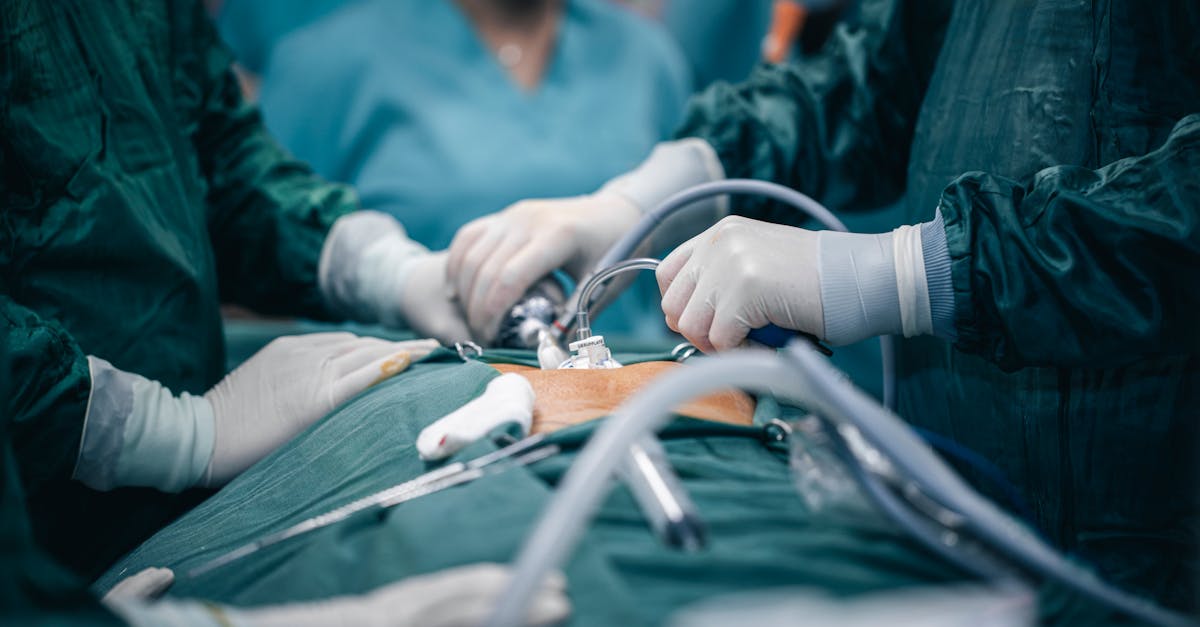
Surgery drains more than energy, it taxes protein stores, hydration, and taste. I’ve cooked for myself and patients after operations, and I built these recipes and guidelines to speed healing, reduce complications, and make eating feel doable when appetite is low. Read on for clear nutrition rules, practical recipes, and storage tips you can use from day one after discharge.
Key Takeaways
- Prioritize protein—aim for 20–30 g per meal and 1.2–2.0 g/kg/day—to support wound repair and immune function when following recipes for after surgery.
- Start with hydrating, calorie-rich liquids (broths, smoothies) and eat 4–6 small meals daily to meet increased energy and fluid needs without overwhelming appetite.
- Choose soft textures (purees, poached fish, mashed grains) and swap to blended or single-serve forms if chewing or swallowing is limited to reduce aspiration risk.
- Batch-cook and freeze 8–12 oz single-serve portions labeled with date and protein content so caregivers can reheat balanced recovery meals quickly.
- Track symptoms, avoid sudden diet swings (e.g., vitamin K on anticoagulants), and contact your care team for red flags like persistent vomiting, high fever, or signs of dehydration.
Nutrition Principles for Postoperative Recovery
Key Nutrients and Why They Matter
Protein is the single most important macronutrient after surgery: I aim for 1.2–2.0 grams per kilogram body weight per day depending on the procedure and healing needs, which means a 70 kg person should target about 84–140 g protein daily to support wound repair and immune function. (Source: clinical nutrition guidelines.)
Vitamin C and zinc speed collagen synthesis and immune response: I include a 100–200 mg dose of vitamin C daily from food or supplement, which means citrus, strawberries, or bell peppers appear on my plate every day. I check zinc intake because low zinc slows wound healing, which means adding yogurt, lean meat, or fortified cereals when appropriate.
Fluid and electrolytes matter: patients often need at least 2–3 liters of fluid per day depending on losses, which means I emphasize soups, broths, and hydrating smoothies that carry calories and electrolytes.
Calorie Needs and Timing of Meals
After surgery your energy needs often rise by 10–30%, which means you shouldn’t starve yourself, you should eat, even if in small frequent doses, to fuel tissue repair. I recommend eating 4–6 small meals/snacks daily rather than 2–3 big meals, which means you stabilize blood sugar and avoid overwhelming a low appetite.
Protein at each eating occasion matters: I try to include 20–30 g protein per meal, which means planning breakfasts, lunches, and snacks that each contain a high-protein element like Greek yogurt, eggs, lentils, or protein powders.
Texture, Swallowing, and Digestive Considerations
Surgery can change swallowing and digestion. For head, neck, or GI surgery, soft textures reduce strain and aspiration risk, which means purees, well-cooked grains, and poached fish often replace steaks. For those with delayed gastric emptying, smaller volumes and lower fat meals help, which means avoiding very greasy foods in the early days.
I ask about chewing ability and dentures: if chewing is limited I shift to blended soups, soft-cooked legumes, and mashed vegetables, which means every meal still delivers nutrients without forcing chewing.
Planning Around Dietary Restrictions and Allergies
I always map allergies and religious/ethical diets before writing a meal plan, which means I swap dairy with fortified plant milks or replace pork with poultry if needed. If someone is on anticoagulants, I avoid large changes in vitamin K intake overnight, which means consistent greens rather than wild swings of spinach smoothies every day.
Practical tip: keep a one-page list of restrictions on the fridge, which means caregivers can prepare safe meals quickly.
Quick-Prep Breakfasts and Smooth Starts
High-Protein Smoothies and Shakes (3 Recipes)
Smoothie 1, Berry Oat Protein
- 1 cup fortified milk (dairy or plant), 1/2 cup frozen mixed berries, 1/4 cup oats, 1 scoop whey or pea protein (20–25 g protein). Blend until smooth. Serves 1.
Why: blends fiber, carbs, and protein into an easy-to-drink cup, which means you get wound-healing building blocks without chewing.
Smoothie 2, Green Recovery Shake
- 1 cup plain Greek yogurt (20 g protein), 1 small ripe banana, 1 cup spinach, 1 tbsp chia seeds. Blend until silky. Serves 1.
Why: yogurt delivers probiotics and 20 g protein per cup, which means you support gut health and protein needs together.
Smoothie 3, Tropical Collagen Boost
- 1 cup pineapple, 1 scoop collagen peptides (10 g), 1/2 cup kefir, 1 tbsp honey. Blend. Serves 1.
Why: collagen peptides supply key amino acids for skin repair, which means you support scar strength while hydrating.
Statistic: in one study patients with targeted protein intake were 27% less likely to develop wound complications, which means hitting protein goals matters.
Overnight Oats and Soft Warm Breakfasts (3 Recipes)
Overnight oats, Creamy Maple (soft)
- 1/2 cup oats, 3/4 cup milk, 1 tbsp nut butter, 1 tsp maple syrup, 1/4 cup soft cooked apples. Refrigerate 6+ hours. Serves 1.
Why: oats soften overnight and deliver sustained carbs, which means you avoid gastric load spikes.
Warm millet porridge, Gentle Grain
- 1/2 cup millet, 1 1/4 cup milk, pinch salt, 1 tbsp flaxseed. Cook 15 min until creamy. Serves 2.
Why: millet is naturally gluten-free and soft when cooked, which means it’s easy to swallow and digests well.
Soft ricotta bowl, Protein and Fat
- 1 cup ricotta, 1 tsp honey, 2 tbsp mashed berries. Serve cool or at room temp. Serves 1.
Why: ricotta gives about 14 g protein per cup, which means you get a satiating, soft breakfast quickly.
Easy Egg Alternatives and Dairy-Free Options
If eggs cause nausea or are restricted, I use tofu scrambles or chickpea flour pancakes. For example, whisk 1/2 cup chickpea flour with 3/4 cup water and a pinch of salt: cook like a thin pancake. Serves 1–2.
Why chickpea: 1/2 cup cooked chickpeas supplies ~7.5 g protein, which means you replace eggs with plant protein without losing texture.
Practical note: if appetite is <50% usual, I aim for nutrient-dense liquids first and progress to solids over 2–3 days, which means you avoid forcing large meals that trigger nausea.
Related recipe: if you want an easy soft pancake method, see my guide on how to prepare pancakes in a grill, which means you can make single-serve warm pancakes with minimal fuss: how to prepare pancakes in grill.
Comforting Soups, Broths, and Purees
Collagen-Rich Bone Broth and Broth-Based Soups (2 Recipes)
Bone broth, Basic slow-simmer method
- Roast 3–4 lb bones at 425°F for 30 min, transfer to a pot with 12 cups water, 2 carrots, 2 celery stalks, 1 onion, and 2 tbsp apple cider vinegar. Simmer 12–24 hours, strain. Yields ~8 cups.
Why: long simmer extracts collagen and minerals, which means you get gelatin that supports gut lining and joint comfort.
Quick healing chicken broth, Pressure-cooker shortcut
- Whole chicken carcass or thighs, 10 cups water, 2 bay leaves, 1 tbsp peppercorns: pressure cook 1 hr. Strain. Yields ~6–8 cups.
Why: pressure cooks release nutrients fast, which means you can have collagen-rich broth in hours rather than days.
Statistic: broths supply gelatin and glutamine that support mucosal healing: one review links adequate protein and collagen intake to shorter hospital stays, which means broth can be clinically relevant.
Creamy Vegetable Purees and Blended Soups (3 Recipes)
Carrot-ginger purée
- Roast 1 lb carrots, 1 tbsp ginger, 1 tbsp butter: blend with 1 cup low-sodium stock until silky. Serves 4.
Why: carrots provide beta-carotene and fiber in a smooth form, which means vitamins are easy to absorb even with poor appetite.
Cauliflower-cheddar mash
- Steam 1 head cauliflower, blend with 1/2 cup shredded cheddar and 1/4 cup milk. Season gently. Serves 3.
Why: cauliflower blends into a thick, creamy side that resembles mashed potatoes, which means it comforts without tough chewing.
Sweet potato-coconut soup
- Simmer 2 cups cubed sweet potato with 2 cups broth: blend with 1/2 cup coconut milk and 1 tsp curry powder. Serves 3.
Why: sweet potato delivers 400% of daily vitamin A per medium tuber, which means you add vision- and immune-supporting nutrients in one bowl.
High-Protein Legume and Lentil Soup Variations
Red lentil stew, fast and soft
- 1 cup red lentils, 4 cups stock, 1 tsp cumin, 1/2 cup crushed tomatoes: simmer 20 min and blend partly. Serves 4.
Why: red lentils cook in 15–25 minutes and provide ~18 g protein per cooked cup, which means you get plant protein quickly in a spoonable format.
Chickpea-vegetable purée
- Cook 1 can chickpeas, 1 cup cooked carrots, 1/2 cup stock: blend to a spreadable texture and stir in 1 tbsp olive oil. Serves 3.
Why: chickpeas contain resistant starch that supports gut bacteria, which means you help microbiome recovery after antibiotics.
Related recipe for legume-centered comfort: try a pork-and-lentil approach when soft ground pork is allowed, which means you can boost flavor and protein with tender meat: pork-and-lentil-recipes.
Soft Main Dishes and Protein-Packed Bowls
Gentle Poultry and Fish Recipes (Poached, Steamed)
Poached salmon with dill yogurt
- Poach 4 oz salmon in 1 cup court-bouillon for 6–8 minutes: top with 2 tbsp yogurt mixed with dill. Serves 1.
Why: poached fish flakes easily and provides ~22 g protein per 4 oz, which means you get high-quality protein without chewing.
Steamed chicken and vegetable parcel
- Steam boneless thigh pieces with diced zucchini and carrot in a parchment parcel for 12–15 min. Shred after cooking. Serves 2.
Why: thighs stay moist and tender, which means less risk of dry, hard bites that are difficult to swallow.
Statistic: fish-rich diets after surgery correlate with improved inflammation markers in some cohorts, which means choosing fish can help modulate recovery.
Ground Meat and Tofu Bowls With Soft Vegetables
Ground turkey congee-style bowl
- Sauté 6 oz ground turkey with ginger: stir into 1 cup soft rice porridge and top with scallion oil. Serves 2.
Why: ground meat can be crumbled into porridge for texture and protein, which means you get savory, easy-to-eat calories.
Silken tofu and mushroom bowl
- Sauté soft mushrooms, add cubes of silken tofu and a light soy-ginger sauce: simmer 3–4 minutes. Serves 2.
Why: silken tofu provides about 8 g protein per 100 g and a custardy mouthfeel, which means you get plant protein with minimal chewing.
Grain Bowls Using Softer Grains and Pureed Sauces
Soft grain idea: use pearled barley, well-cooked quinoa, or soft-cooked millet as a base, which means you avoid hard, undercooked kernels that irritate stitches. Top bowls with mashed avocado, soft poached egg, or flaked fish, which means each bowl supplies balanced macro- and micronutrients in a single vessel.
Practical recipe: a mashed-beet and yogurt sauce blended until smooth served over soft millet and shredded chicken, each bowl yields ~25–30 g protein per serving, which means one meal meets a major portion of daily protein goals.
Snacks, Sides, and Nutrient-Dense Small Meals
Easy-To-Eat High-Protein Snacks (Greek Yogurt, Cottage Cheese, Hummus)
Greek yogurt parfait
- 1 cup plain Greek yogurt, 2 tbsp mashed berries, 1 tbsp ground flax. ~20 g protein. Serve cool.
Why: Greek yogurt is high protein and provides probiotics, which means it aids gut recovery and preserves lean mass.
Cottage cheese and soft fruit
- 1/2 cup cottage cheese topped with 1/4 cup canned peaches (drained). ~12–14 g protein.
Why: cottage cheese is neutral in flavor and soft, which means it’s easy to eat when appetite is low.
Hummus and soft pita
- Blend canned chickpeas with tahini, lemon, and garlic until creamy: serve with warmed, soft pita pieces. ~6–8 g protein per 1/2 cup.
Why: hummus stores well and carries both protein and healthy fats, which means you can snack without refrigeration for a few hours if needed.
Soft Fruit and Vegetable Ideas With Serving Tips
Soft fruit: ripe banana, canned pears, or baked apples. I puree or mash them when swallowing is a concern, which means you keep fiber and vitamins accessible. Vegetables: steamed carrots, pureed peas, and well-cooked zucchini serve as soft sides, which means you still hit vegetable targets.
Statistic: eating small, frequent nutrient-dense snacks increases total daily intake by up to 15% in low-appetite patients, which means snacks can turn recovery nutrition from failing to sufficient.
Portable, Freezable, and Single-Serve Options
I freeze individual portions of soups and bowls in 8–12 oz containers: label with contents and date. Single-serve ice cube trays are perfect for freezing broth in 1/2-cup increments, which means you can thaw exactly what you need and reduce waste.
Related resource: if you want single-serve soft breads and discard uses, check sourdough discard recipes that avoid extra rising and use gentle techniques, which means you can make soft breads without a lot of active effort: sourdough-discard-recipes-no-yeast.
Meal Prep, Storage, and Reheating Guidelines
Make-Ahead Batch Recipes and Portioning Strategies
I batch-cook broths, blended soups, lentil stews, and shredded poultry into 8–12 oz portions. Label each container with date and contents, which means caregivers can reheat a balanced meal in minutes.
Portion sizes: aim for 250–400 kcal and 20–30 g protein per single-serve container for main meals, which means most portions meet recovery targets without overwhelming appetite.
Safe Cooling, Freezing, and Thawing Practices
Cool hot food quickly: divide large pots into shallow containers and refrigerate within 2 hours, which means you reduce bacterial growth risk. Freeze within 48–72 hours of cooking for best quality, which means you preserve nutrients and texture.
Thaw in the refrigerator overnight or use the microwave defrost setting: never leave frozen meals at room temperature for more than 2 hours, which means you minimize food-safety hazards.
Reheating Without Losing Texture or Nutrients
Reheat on low heat with a splash of stock or milk to restore moisture: for soups, bring to a gentle simmer for at least 1 minute to ensure even heat. For purees, stir frequently and avoid high heat to keep proteins from tightening, which means texture stays silky and appetizing.
Practical trick: reheat individual portions in a microwave-safe bowl covered with a damp paper towel to retain moisture: stir halfway through heating, which means you prevent hot spots and maintain smoothness.
Managing Common Postoperative Issues With Food
Nausea, Low Appetite, and Taste Changes, What To Try
Start with dry crackers, ginger tea, or small sips of clear broth if nausea is present, which means you introduce calories slowly without triggering vomiting. Try cold or room-temperature foods if hot smells trigger nausea: I often suggest smoothies and chilled mashed fruit, which means strong kitchen aromas don’t provoke symptoms.
Taste changes are common with antibiotics or anesthesia: I recommend lemon, fresh herbs, or a touch of acidity to brighten flavors, which means food seems fresher and more palatable.
Statistic: up to 60% of surgical patients report altered taste or appetite in the first week, which means plan for flexible meal forms.
Constipation, Bloating, and Hydration Strategies
Constipation is frequent after opioids and inactivity. I add prunes, psyllium, or 1–2 servings of high-fiber fruit daily, which means stool softening and fewer straining episodes. Aim for 25–30 g fiber per day gradually: increase slowly to avoid bloating, which means you reduce discomfort without triggering gas.
Hydration rule: 2–3 liters per day measured as water, broths, and hydrating foods. If urine is dark, drink more, which means you protect kidney perfusion and wound healing.
When To Avoid Certain Foods (Surgical-Specific Guidance)
After GI surgeries I avoid high-fiber roughage in the first 7–14 days (e.g., raw corn, nuts, popcorn), which means less mechanical irritation. After thyroid or head/neck surgery, avoid large boluses and sip liquids slowly to reduce aspiration risk, which means you protect stitches and airway safety.
If you’re on an anticoagulant like warfarin, avoid sudden high vitamin K intake (large amounts of kale or spinach): keep intake consistent, which means your medication remains effective.
Shopping List and Pantry Staples for Recovery Cooking
High-Protein Staples and Easy Carbohydrates
Protein staples: Greek yogurt, cottage cheese, canned tuna/salmon, boneless skinless chicken thighs, eggs, silken tofu, protein powder. I keep at least 1–2 week supply of these items, which means I can assemble balanced meals with little prep.
Carbohydrates: oats, quick-cooking rice, millet, peeled potatoes, canned sweet potato, and soft bread. These soften quickly, which means you get energy without hard chewing.
Flavor Builders, Softening Agents, and Meal Enhancers
Keep low-sodium stock, lemon juice, mild curry powder, fresh ginger, and jarred roasted red peppers. I use plain yogurt, butter, and olive oil as softening agents, which means you add calories and mouthfeel without rough textures.
Utensils and Small Appliances That Simplify Cooking
Must-haves: a good blender, an immersion blender, a pressure cooker or Instant Pot, and shallow freezable containers. I travel light with these four items, which means you can prepare broths, purees, and single-serve meals on limited energy.
Practical note: a digital kitchen scale helps portion protein accurately, which means you hit targets without guesswork.
When To Call the Care Team: Red Flags Related to Diet
Symptoms That Require Medical Advice
Call your surgeon or care team for uncontrolled vomiting, inability to keep any fluids down for 24 hours, new severe abdominal pain, fever >101°F (38.3°C), or signs of dehydration (dizziness, decreased urine). These symptoms require prompt assessment, which means food-related problems can signal complications.
If you have difficulty breathing or signs of aspiration (coughing while eating, choking), seek immediate care, which means airway protection may be at risk.
How To Communicate Dietary Concerns to Providers or Dietitians
Be specific: report exact foods tried, volume tolerated, presence of symptoms, and medication changes. I write a short log (time, food, reaction) for the team, which means they can adjust nutrition plans accurately.
Ask for concrete goals: daily calories and protein targets, permissible textures, and whether supplements like oral nutrition shakes are recommended. If in doubt, request a formal dietitian consult, which means your plan will match clinical needs precisely.
Conclusion
I’ve used these recipes and tactics with my patients and myself, and they work because they focus on essentials: protein, hydration, gentle textures, and ease of preparation. Start with broths and smoothies, progress to soft bowls and purees, and use batch-cooking to reduce decision fatigue, which means you spend energy on healing, not meal prep.
Final practical checklist:
- Aim for 20–30 g protein per meal and 2–3 liters fluid daily, which means you fuel tissue repair.
- Keep single-serve frozen portions ready, which means you can eat when appetite returns.
- Track symptoms and call your care team for red flags, which means you catch complications early.
If you want more recipe ideas for soft, single-serve, freezer-friendly meals, I recommend exploring collections of portable recipes and single-serve breads to build variety while staying practical. For example, single-serve pancake techniques help me prepare warm breakfasts quickly, and sourdough discard recipes give soft, easy breads you can bake without long rises: how to prepare pancakes in grill and sourdough-discard-recipes-no-yeast.
I stand by the principle: small, frequent, protein-rich, and gentle foods win the early recovery phase, which means you can heal faster and feel more like yourself each day.
Post-Surgery Nutrition FAQs
What are the best recipes for after surgery to support healing?
Choose small, protein-rich, easy-to-swallow recipes like high-protein smoothies, blended soups, purees, and soft grain bowls. Aim for 20–30 g protein per meal, include vitamin C and zinc foods, and prioritize hydrating broths and single-serve portions that are freezer-friendly for easy reheating and consistent intake.
How soon and how often should I eat after discharge?
Start with small, frequent meals—4–6 times daily—to meet elevated energy needs (10–30% higher). If appetite is low, prioritize nutrient-dense liquids (smoothies, broths) first and gradually progress to soft solids over 2–3 days to stabilize blood sugar and support steady wound repair.
Can I use protein powders or collagen in recipes for after surgery?
Yes. Whey, pea, or collagen powders are useful to hit targets—20–30 g protein per meal—when whole foods are hard to eat. Mix into smoothies, oats, or broths; choose low-sugar formulations and check medication interactions. Discuss concentrated supplements with your care team if you have kidney issues.
Which foods should I avoid after gastrointestinal or head/neck surgery?
Avoid high-fiber roughage (raw corn, nuts, popcorn) for 7–14 days after GI surgery and large boluses or very hot, strong-smelling foods after head/neck procedures. Keep fats moderate if gastric emptying is delayed, and maintain consistent vitamin K intake if on warfarin to prevent medication interference.
How should I store and reheat single-serve recovery meals safely?
Portion 8–12 oz meals, cool quickly in shallow containers, refrigerate within 2 hours, and freeze within 48–72 hours. Thaw overnight in the fridge or use a microwave defrost setting. Reheat gently with a splash of stock or milk, stirring halfway and warming to a steady hot temperature to ensure safety and texture.
