
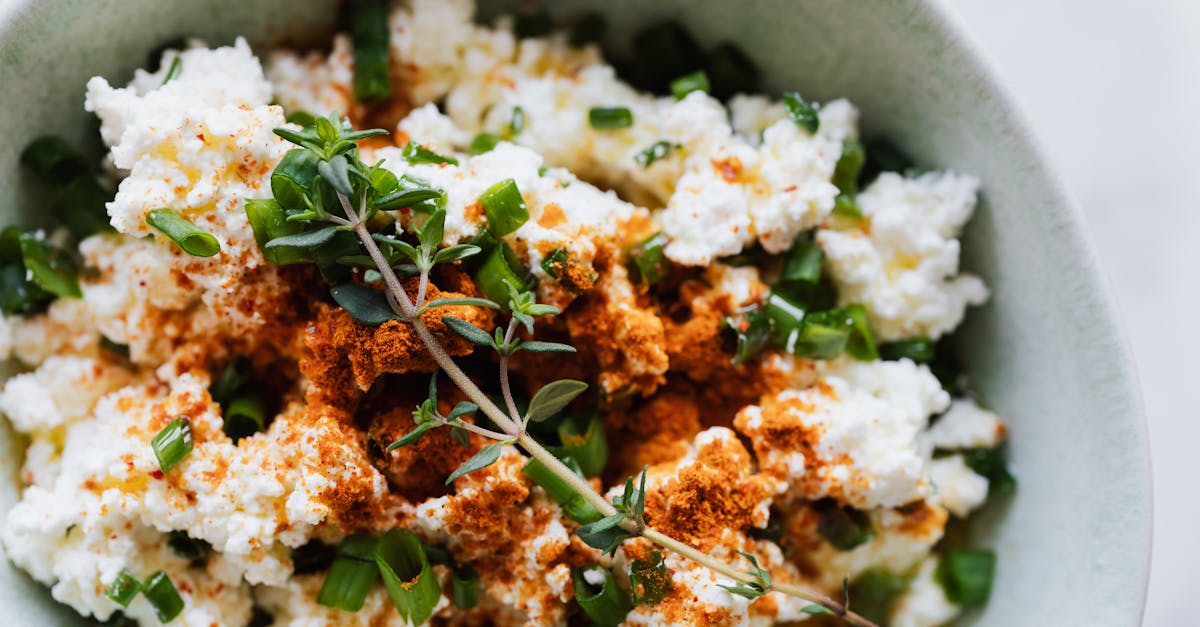
The first time I mixed pumpkin purée into cottage cheese, I expected “diet food.” I got something else entirely: a thick, creamy base that tasted like dessert when I wanted sweet and like a cozy fall spread when I wanted savory.
This pumpkin and cottage cheese recipe guide gives you four repeatable options I actually make: a sweet protein bowl, a savory dip, baked breakfast bars, and a creamy pasta sauce. Each one uses simple ingredients, clear ratios, and short steps that hold up on a busy weekday.
Key Takeaways
- This pumpkin and cottage cheese recipe combo creates a thick, creamy base that tastes dessert-like when blended and hearty when left chunky.
- Use the go-to ratio for a sweet protein bowl—1 cup cottage cheese to 1/2 cup pumpkin purée—for a 5-minute, high-protein breakfast you can sweeten to taste.
- Make a savory pumpkin and cottage cheese dip with 1 1/2 cups cottage cheese and 1/3 cup pumpkin plus garlic, smoked paprika, and lemon for a scoopable spread that replaces store-bought tubs.
- Bake pumpkin and cottage cheese bars by blending cottage cheese smooth, mixing with pumpkin, eggs, oats, and spices, and baking at 350°F for 25–32 minutes for meal-prep breakfasts that last about 5 days refrigerated.
- Turn the blend into a creamy pasta sauce by warming (not boiling) a pumpkin–cottage cheese base with garlic, Parmesan, and pasta water so it stays glossy and doesn’t split.
- For the smoothest texture, blend cottage cheese alone first, then add pumpkin, and adjust thickness with small additions of milk, pasta water, chilling time, or targeted thickeners like chia (sweet) or Parmesan (savory).
Why Pumpkin And Cottage Cheese Work So Well Together
You know that moment when a “healthy” combo suddenly tastes like real food. Pumpkin and cottage cheese do that.
They cover each other’s weaknesses fast. Pumpkin can taste flat on its own. Cottage cheese can taste sharp and a little salty. Together, they taste rounded and rich.
Flavor Profile And Texture Balance
Pumpkin brings soft sweetness and earthiness, which means you need less sugar to make a bowl taste satisfying.
Cottage cheese brings tang and dairy richness, which means the pumpkin tastes brighter instead of dull.
When I blend them, I get a mousse-like texture in about 30 seconds, which means I can replace sugary yogurt cups with something I control.
When I keep it unblended, the curds add little pops of chew, which means the bowl feels more like “food” than a smoothie.
Quick sensory check: pumpkin adds silky body: cottage cheese adds lift and tang, together they mimic cheesecake filling, which means your brain reads it as comfort.
Nutrition Highlights: Protein, Fiber, And Micronutrients
Cottage cheese is a high-protein dairy food, which means it supports fullness and muscle repair.
Most brands land around 24–26 g protein per 1 cup, which means one bowl can hit “real meal” protein without powders. (Example: USDA FoodData Central entries for lowfat cottage cheese commonly show ~25 g protein per cup, which means the estimate is reliable across brands.)
Pumpkin purée adds fiber and potassium, which means better satiety and steadier energy than sweet breakfasts that spike and crash.
Pumpkin also contains beta-carotene (provitamin A), which means it supports normal vision and immune function. The NIH notes vitamin A roles in vision and immunity, which means this isn’t just “orange = healthy” marketing. See NIH vitamin A fact sheet.
Here is a simple “why it matters” snapshot.
| Ingredient | Notable nutrient | What you feel | Reader benefit |
|---|---|---|---|
| Cottage cheese | Protein (~25 g/cup) | Less hunger | Fewer snack spirals, which means easier calorie control |
| Pumpkin purée | Fiber | Slower digestion | More stable energy, which means fewer mid-morning crashes |
| Pumpkin purée | Carotenoids | Long-term support | Better nutrient density, which means more value per bite |
| Both | Creamy texture | Comfort | Higher adherence, which means you keep making it |
Ingredients And Equipment You’ll Need
I like recipes that work with one bowl, one blender, and one spoon. This set stays close.
Best Pumpkin Options: Canned Purée Vs Fresh Pumpkin
Use 100% pumpkin purée (not pie filling), which means you control sugar and spice.
I reach for canned purée when I want speed. One can gives about 1 3/4 cups, which means you can make multiple recipes without cooking a pumpkin.
Use fresh pumpkin when you want a lighter, cleaner flavor. Roast cubes at 400°F for 30–40 minutes, then blend, which means you get thick purée without watery strands.
Warning: fresh purée often holds more water, which means dips can turn loose unless you drain it in a fine mesh strainer for 10 minutes.
Choosing Cottage Cheese: Fat Level, Curd Size, And Blending Tips
I use 2% or 4% cottage cheese most often, which means the texture turns creamy with less blending.
0% works, but it can taste more sour, which means you may need extra sweetener or salt depending on the recipe.
Small-curd blends smoother, which means you get a “cheesecake” mouthfeel faster.
Large-curd stays chunky, which means it works better for dips and spreads when you want texture.
Blending tip: blend cottage cheese alone for 20 seconds before adding pumpkin, which means you crush the curds first and reduce graininess.
Optional Add-Ins: Spices, Sweeteners, Herbs, And Heat
I keep these on a short list so I don’t buy a pantry of “wellness powders.”
Sweet lane
- Cinnamon, pumpkin pie spice, or nutmeg, which means you get aroma without extra sugar.
- Maple syrup or honey (start at 1–2 tsp), which means you can dial sweetness without overshooting.
- Vanilla extract (1/4 tsp), which means the bowl tastes like dessert even if it’s low sugar.
Savory lane
- Garlic, black pepper, and smoked paprika, which means you build depth fast.
- Lemon juice (1 tsp at a time), which means you brighten rich dairy without making it sour.
- Chili flakes or hot sauce, which means the dip tastes less “baby food” and more snackable.
Here is what I consider the core toolkit.
| Tool | Why I use it | Which means… |
|---|---|---|
| Blender or food processor | Smooths curds | you get a cream-cheese-like base without cream cheese |
| Fine mesh strainer | Drains watery pumpkin | your dip stays thick and scoopable |
| Rubber spatula | Scrapes sides clean | you waste less and keep ratios accurate |
| 8×8 pan (bars) | Even baking | you avoid gummy centers and dry corners |
Recipe 1: Pumpkin Cottage Cheese Protein Bowl (Sweet)
This is the one I make when I want something that feels like pumpkin cheesecake. It takes 5 minutes, which means it beats a drive-thru breakfast.
Ingredient List And Recommended Ratios
This ratio hits the texture I like: thick, spoonable, not runny.
Base (1 large bowl)
- Cottage cheese: 1 cup (225 g), which means you start with a high-protein anchor.
- Pumpkin purée: 1/2 cup (120 g), which means you get flavor and body without watering it down.
- Cinnamon: 1/2 tsp, which means the aroma reads “sweet” even before you add sugar.
- Vanilla: 1/4 tsp (optional), which means it tastes more like dessert.
- Maple syrup or honey: 1–2 tsp (optional), which means you control sweetness in small steps.
- Pinch of salt, which means the pumpkin tastes more intense.
Concrete macro example: with 2% cottage cheese and no sweetener, I usually land around 25 g protein in one bowl, which means I can skip a protein shake.
Step-By-Step Method (Blended Or Unblended)
Blended (my default)
- Add cottage cheese to a blender. Blend 20 seconds, which means you smooth the curds first.
- Add pumpkin, cinnamon, vanilla, salt. Blend 20–30 seconds, which means you get a mousse texture.
- Taste. Add 1 tsp sweetener at a time, which means you avoid a sugar bomb.
Unblended (fast + chunky)
- Stir cottage cheese and pumpkin in a bowl for 30 seconds, which means you keep curds intact.
- Add cinnamon and salt. Stir again, which means spices spread evenly.
I tested both versions side-by-side on a Monday morning. The blended bowl felt like cheesecake filling. The unblended bowl felt like “snack lunch,” which means you can match it to your mood.
Serving Ideas: Toppings And Texture Upgrades
Toppings change the whole experience. I pick one crunch + one sweet.
- Toasted pecans (1 Tbsp), which means you get crunch and richer flavor.
- Granola (2 Tbsp), which means it eats like a parfait.
- Chia seeds (1 tsp), which means you add texture and more fiber.
- Sliced apple (1/2 apple), which means you get juicy contrast.
If you want a simple drizzle, I use a quick glaze. I sometimes borrow the same idea from my favorite easy donut glaze style toppings, which means I can add a thin sweet layer without turning it into frosting: easy donut glaze.
Warning: don’t dump toppings in early, which means they won’t turn soggy before you eat.
Recipe 2: Savory Pumpkin Cottage Cheese Dip Or Spread
The surprise here is how “party tray” it tastes. People expect sweet pumpkin. Then they hit garlic and paprika.
This dip takes 8 minutes and covers a lot of food. It also saves me from buying pricey tubs of flavored spreads, which means I cut cost and keep protein high.
Ingredient List And Flavor Variations
Base (about 1 1/2 cups dip)
- Cottage cheese: 1 1/2 cups, which means the dip holds shape.
- Pumpkin purée: 1/3 cup, which means it stays savory instead of dessert-like.
- Garlic: 1 small clove or 1/4 tsp garlic powder, which means the flavor reads “dip” fast.
- Smoked paprika: 1/2 tsp, which means you get a bacon-like smokiness without meat.
- Lemon juice: 1–2 tsp, which means you lift the dairy flavor.
- Salt + black pepper, which means the pumpkin stops tasting flat.
Variation ideas (choose one)
- Chili flakes (1/4 tsp), which means you get gentle heat.
- Chopped chives (1 Tbsp), which means the dip tastes fresher.
- Cumin (1/4 tsp), which means it leans toward taco flavors.
For heat lovers, I take inspiration from bold crunchy chili oils. That same “savory punch” shows up in these Trader Joe’s Chili Onion Crunch ideas, which means you can add a spoon and turn the dip into a spicy spread.
Step-By-Step Method (Whipped, Chunky, Or Roasted)
Whipped (smooth, best for spreading)
- Blend cottage cheese 20 seconds, which means you remove curd grit.
- Add pumpkin and seasonings. Blend 15–25 seconds, which means it turns into a thick orange cream.
- Chill 10 minutes if you can, which means the flavor tightens.
Chunky (best for scooping)
- Mash pumpkin with garlic and spices in a bowl, which means you distribute seasonings before dairy.
- Fold in cottage cheese gently, which means you keep texture.
Roasted (deeper flavor)
- Spread pumpkin purée on a sheet pan. Roast at 425°F for 15 minutes, which means you cook off water and concentrate flavor.
- Cool 5 minutes. Mix with cottage cheese and spices, which means you get a thicker dip.
How To Serve: Crudités, Crackers, Wraps, And Sandwiches
- Spread on a turkey wrap, which means lunch feels creamy without mayo.
- Use as a sandwich layer with cucumbers, which means you add moisture without sog.
- Pair with carrots, celery, and bell pepper strips, which means you turn a snack plate into a protein snack.
Concrete serving number: I portion 1/4 cup per snack, which means one batch gives about 6 servings.
Warning: thin crackers can snap under thick dip, which means you should pick sturdy pita chips or toasted bread.
Recipe 3: Baked Pumpkin Cottage Cheese Bars (Breakfast Or Snack)
These bars smell like a coffee shop pastry. They eat like a soft bake.
I made them for a road trip once. They held up for 3 days in a cooler, which means they work for meal prep.
Ingredient List And Pan Options
Base (8×8 pan, 9 bars)
- Pumpkin purée: 1 cup, which means the bars stay moist.
- Cottage cheese (blended smooth): 1 cup, which means you add protein without drying.
- Eggs: 2, which means the bars set like a custard.
- Oats: 1 1/2 cups, which means you get structure without flour.
- Baking powder: 1 tsp, which means you avoid dense bars.
- Cinnamon: 1 1/2 tsp, which means the kitchen smells like fall.
- Maple syrup: 1/4 cup (or sugar equivalent), which means sweetness stays controlled.
- Pinch of salt, which means the flavor reads clear.
Pan options
- 8×8 (thick bars), which means you get soft centers.
- 9×13 (thinner bars), which means you get faster baking and firmer edges.
- Muffin tin (12), which means you get built-in portions.
Step-By-Step Baking Instructions
- Heat oven to 350°F. Line pan with parchment, which means you lift bars out clean.
- Blend cottage cheese 30 seconds, which means the batter turns smooth.
- Whisk pumpkin, eggs, syrup, spices, salt. Add blended cottage cheese, which means the wet base stays even.
- Stir in oats and baking powder, which means the batter thickens.
- Rest batter 5 minutes, which means oats absorb liquid and reduce gumminess.
- Bake 25–32 minutes in an 8×8, which means the center sets.
Doneness test: the center should hit 165°F on a food thermometer, which means eggs reach a safe set point. USDA lists 160°F for egg dishes as a safety guideline, which means 165°F gives a buffer. See USDA Safe Minimum Internal Temperatures.
Texture And Sweetness Adjustments
If bars feel too wet, add 2 Tbsp oats next time, which means the batter holds more water.
If bars feel dry, add 2 Tbsp pumpkin or 1 Tbsp oil, which means you restore moisture.
If you want dessert-style bars, add 1/3 cup mini chocolate chips, which means kids (and adults) stop asking, “Is this healthy?”
For a fall breakfast spread, I sometimes pair these with something cozy on the side like stove top stuffing with cornbread, which means brunch feels like a full table without extra work.
Recipe 4: Creamy Pumpkin Cottage Cheese Pasta Sauce
This sauce looks like Alfredo. It tastes like pumpkin meets garlic cream.
It also takes 12 minutes, which means it beats jar sauce when you want something warm and fast.
Ingredient List And Pasta Pairings
Sauce (serves 3–4)
- Cottage cheese: 1 cup, which means you get creaminess with protein.
- Pumpkin purée: 3/4 cup, which means you get body and color.
- Olive oil or butter: 1 Tbsp, which means you carry flavor across the tongue.
- Garlic: 2 cloves, which means the sauce tastes savory, not sweet.
- Parmesan: 1/3 cup, which means you add salty depth.
- Milk or pasta water: 1/2 cup, which means you control thickness.
- Salt, pepper, pinch of nutmeg, which means the sauce tastes rounded.
Best pasta picks
- Rigatoni, which means sauce clings inside tubes.
- Penne, which means you get sauce in every bite.
- Fettuccine, which means you get a classic creamy feel.
Step-By-Step Method (Stovetop And Blender)
- Cook pasta in salted water. Save 1 cup pasta water, which means you can fix sauce texture later.
- Sauté garlic in oil for 45–60 seconds on medium, which means you bloom aroma without burning.
- Blend cottage cheese and pumpkin 30 seconds, which means you remove curd grain.
- Add blended mix to pan. Stir 2–3 minutes on low, which means it warms without splitting.
- Add Parmesan. Add 1/4 cup pasta water. Stir, which means the sauce turns glossy.
- Toss with pasta. Add more pasta water in 2 Tbsp steps, which means you dial cling.
Concrete test: if the sauce coats the back of a spoon and holds a line when you swipe a finger, it is ready, which means it will cling to pasta.
Add-Ins: Greens, Chicken, Sausage, Or Mushrooms
- Baby spinach: 2 cups, which means you add volume and iron with minimal effort.
- Sautéed mushrooms: 8 oz, which means you add umami and chew.
- Rotisserie chicken: 2 cups shredded, which means dinner turns into a high-protein bowl.
- Italian sausage: 8 oz cooked, which means the pumpkin tastes less sweet and more savory.
Warning: keep heat low after you add dairy, which means you avoid separation and gritty bits.
If you like creamy meat pasta, you can also compare this flavor profile to heavier classics like beef Alfredo recipes, which means you can choose between “lighter protein cream” and “full comfort.”
Troubleshooting And Pro Tips For Best Results
Small mistakes show up fast in dairy blends. I learned that the annoying way.
Here are fixes I use when texture or flavor goes off.
How To Prevent Graininess And Get A Smooth Blend
Graininess comes from curds that never fully break down, which means your “cream” feels sandy.
My fix order:
- Blend cottage cheese alone first for 20–30 seconds, which means you reduce curd size before pumpkin thickens it.
- Add 1–2 Tbsp milk if needed, which means blades pull the mix into a vortex.
- Use a food processor if your blender struggles, which means you get more friction and smoother paste.
Concrete tool tip: I get the smoothest result with a small food processor in 45 seconds, which means I can skip straining.
Balancing Sweetness, Acidity, And Spice
Pumpkin can taste “muted.” Cottage cheese can taste “sharp.” The fix uses tiny amounts.
- Add salt in 1/16 tsp steps, which means you boost pumpkin flavor without making it salty.
- Add lemon juice in 1 tsp steps for savory dips, which means you brighten without curdling the vibe.
- Add cinnamon in 1/4 tsp steps for sweet bowls, which means you avoid the dusty “spice jar” taste.
My rule: I stop adding sweetener when the flavor tastes clear at room temp, which means it won’t become cloying after chilling.
Fixes For Too Thick, Too Thin, Or Bland
Too thick
- Add milk or pasta water 1 Tbsp at a time, which means you keep control.
Too thin
- Chill 15 minutes, which means cottage cheese proteins firm up.
- Add 1 Tbsp chia (sweet) or 1–2 Tbsp Parmesan (savory), which means you thicken with flavor.
Too bland
- Add 1/2 tsp vinegar or lemon (savory), which means you create contrast.
- Add 1/4 tsp vanilla + pinch of salt (sweet), which means the bowl tastes more like dessert.
Honest note: some cottage cheese brands taste sour to me. I switch brands instead of forcing it with sugar, which means the base stays clean.
Storage, Meal Prep, And Food Safety
These recipes look simple, but dairy safety matters. I treat cottage cheese like any other fresh dairy.
Refrigeration And Freezing Guidelines
Store bowls and dips in airtight containers at ≤40°F, which means you slow bacterial growth. The FDA lists 40°F as the refrigerator safety target, which means this is a standard benchmark. See FDA Cold Food Storage.
Fridge life (my real-life results)
- Sweet bowl base (no toppings): 3–4 days, which means it fits a workweek.
- Savory dip: 3 days, which means it stays fresh for snack plans.
- Pasta sauce: 3 days, which means you can cook once and eat twice.
- Baked bars: 5 days, which means they work for breakfast prep.
Freeze baked bars up to 2 months, which means you can stock quick breakfasts.
I do not love freezing the dip. The texture can split, which means it looks watery after thawing.
Make-Ahead Components And Batch Prep Tips
Batch blend a 2-cup base (cottage cheese + pumpkin + salt). Keep it plain, which means you can swing it sweet or savory later.
I prep toppings in small jars (nuts, granola, chili flakes), which means I build bowls in 60 seconds.
For bars, I portion and wrap each square, which means I can grab one without cutting cold bars on a rushed morning.
Reheating Without Separation (Sauces And Bakes)
Reheat sauce on low heat with a splash of water, which means proteins loosen instead of curdling.
Microwave sauce in 20-second bursts and stir between, which means you avoid hot spots that split dairy.
Warm bars for 10–12 seconds only, which means they soften without turning rubbery.
Warning: do not boil the cottage cheese sauce, which means it can turn grainy and watery.
Conclusion
Pumpkin and cottage cheese look like an odd couple. Then you taste the first spoonful and your brain goes, “Wait, why is this so creamy?”
When I keep pumpkin and cottage cheese in my fridge, I can build sweet bowls, savory dips, baked snacks, or a fast pasta dinner. That range matters, which means I do not get bored and quit.
If you try one thing first, make the blended protein bowl with the 1 cup to 1/2 cup ratio. It gives the biggest payoff for the least effort, which means you can feel the “repeat” factor on day one.
Pumpkin and Cottage Cheese Recipe FAQs
What is the best pumpkin and cottage cheese recipe ratio for a thick, creamy protein bowl?
For a spoonable bowl that tastes like pumpkin cheesecake, use 1 cup cottage cheese to 1/2 cup pumpkin purée. Blend cottage cheese first for about 20 seconds, then add pumpkin and spices. This ratio stays thick instead of runny and delivers “real meal” protein.
How do you make a pumpkin and cottage cheese recipe smooth and not grainy?
Graininess usually comes from curds not breaking down. Blend cottage cheese by itself for 20–30 seconds first, then add pumpkin purée and blend again. If your blender stalls, add 1–2 tablespoons milk to create a vortex, or use a food processor for a smoother, creamier finish.
Can you make a savory pumpkin and cottage cheese recipe dip that isn’t sweet?
Yes—keep pumpkin lower and season aggressively. A reliable savory dip uses about 1 1/2 cups cottage cheese to 1/3 cup pumpkin purée, plus garlic, smoked paprika, lemon juice, salt, and pepper. Blend for a whipped spread or fold for a chunky dip; chill 10 minutes for better flavor.
How long do pumpkin and cottage cheese recipes last in the fridge, and can you freeze them?
Store pumpkin and cottage cheese bowls or dips in airtight containers at 40°F or below. The sweet bowl base keeps 3–4 days, the savory dip about 3 days, pasta sauce 3 days, and baked bars up to 5 days. Freeze baked bars up to 2 months; dips often separate after thawing.
Is pumpkin and cottage cheese healthy for weight loss or high-protein breakfasts?
It can be a strong option because cottage cheese is high in protein (often around 24–26 grams per cup), supporting fullness, while pumpkin purée adds fiber and micronutrients like beta-carotene and potassium. Keep added sweeteners small, and use toppings like nuts or fruit to match your calorie goals.
Can I use pumpkin pie filling instead of 100% pumpkin purée in a pumpkin and cottage cheese recipe?
It’s better to use 100% pumpkin purée because pie filling typically includes added sugar and spices, which can throw off sweetness and seasoning—especially in savory dips or pasta sauce. If you only have pie filling, reduce or skip sweeteners and taste carefully before adding salt or extra spice.
